Pigface
Carpobrotus glaucescens
Last updated:
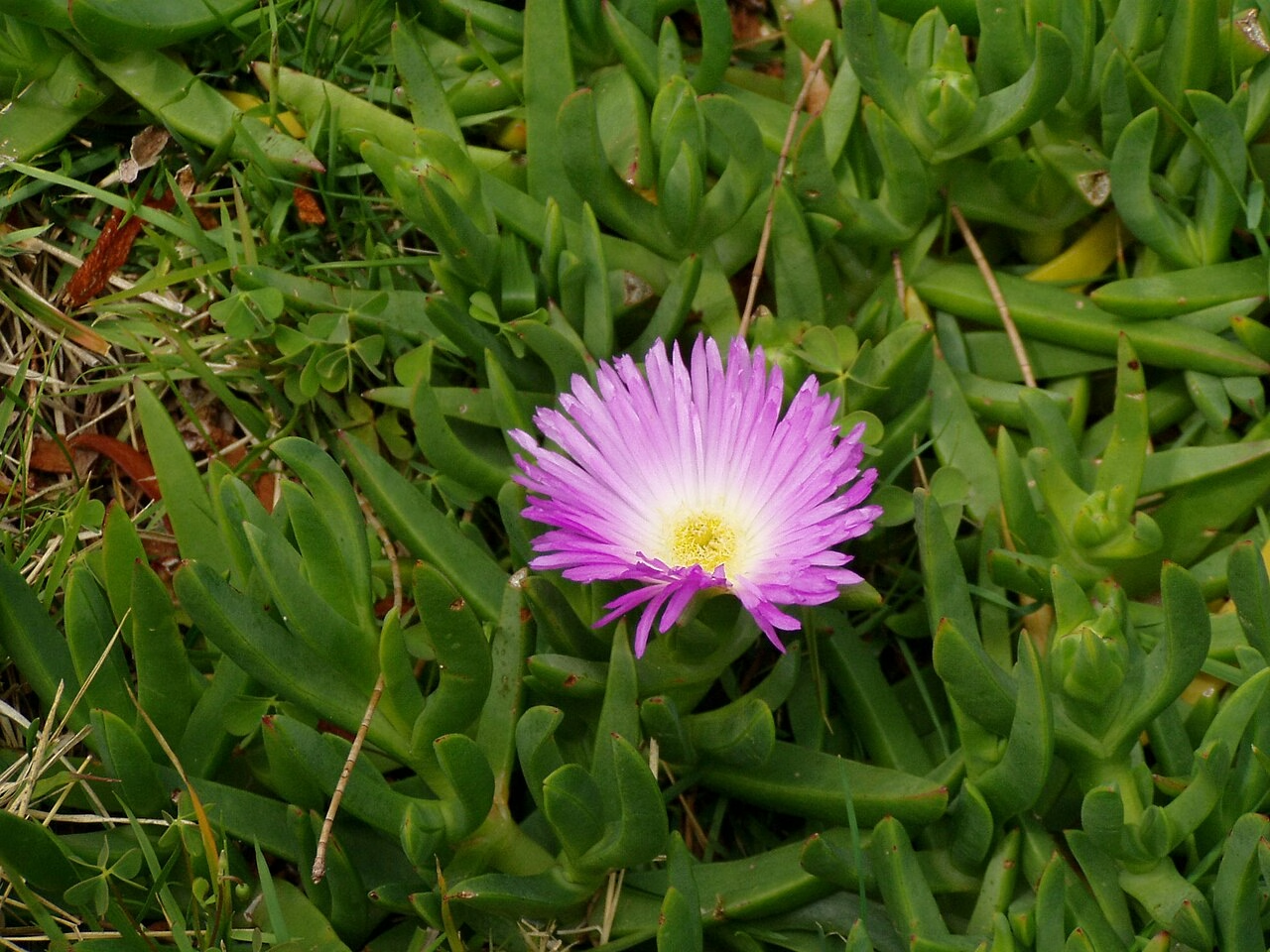
Pigface (Carpobrotus glaucescens) is a sprawling succulent ground cover of sandy beaches, with thick, faintly bluish three-angled leaves, large magenta flowers that are white at the base, and fleshy red edible fruit. It is common along the coast of eastern Australia and on Lord Howe and Norfolk Islands, but in New Zealand it has only been recorded from the Coromandel Peninsula at Otama. NZPCN treats it as a Non-resident Native - Coloniser that may have arrived naturally, although some sources suggest it was introduced. Whether it still survives in the wild in New Zealand is not known. Explore more native ground covers in our native plant guide.
Plant Description
Carpobrotus glaucescens is a succulent perennial with prostrate, spreading stems that root at the nodes and can reach about 2 m long. Its opposite leaves are highly succulent, 30 to 100 mm long and 8 to 15 mm wide, light green and faintly glaucous, giving a bluish-grey cast. In cross-section the leaves are three-angled.
The flowers are borne singly at the ends of stems and are 40 to 60 mm across. They have many narrow magenta petals that are white at the base, 300 to 400 stamens and 7 to 10 styles. The fruit is fleshy, indehiscent and ellipsoid, 20 to 30 mm long, ripening reddish to purple, and is edible.
Carpobrotus chilensis, naturalised in New Zealand, has purple flowers, while Carpobrotus edulis usually has yellow flowers. The native horokaka (Disphyma australe) is a smaller ice plant with smaller flowers and leaves.
Quick Facts
| Scientific Name | Carpobrotus glaucescens |
|---|---|
| Height | Low; prostrate stems |
| Spread | Stems to about 2 m long, forming broad mats |
| Water Needs | Low; drought tolerant |
| Light | Full sun |
| Frost Tolerance | Low to moderate; a warm-temperate coastal plant |
| Salt Tolerance | High; grows on the beach strand line |
| Growth Rate | Fast |
| Lifespan | Perennial |
Climate Best Suited to
Suits warm-temperate to subtropical coastal climates with mild winters, matching its range in eastern Australia and on Lord Howe and Norfolk Islands. It tolerates strong salt winds and drought on sand.
Regional Suitability
| City | Climate Suitability |
|---|---|
| Auckland | High |
| Wellington | Medium |
| Christchurch | Low |
| Dunedin | Low |
Plant Habitat
Carpobrotus glaucescens is native to eastern Australia, from near-coastal Queensland around Mackay southward through New South Wales to far eastern Victoria, and to Lord Howe and Norfolk Islands. In New Zealand it is recorded only from the Coromandel Peninsula at Otama.
It is primarily a strand line species on sandy beaches, occasionally colonising coastal headlands or growing beneath coastal forest. In Australia it usually grows very close to the sea, including near saltmarsh.
Growing Requirements
Soil Requirements
It grows naturally on beach sand and is adapted to free-draining, nutrient-poor, salty substrates.
- Sand or very free-draining sandy loam
- Low fertility
- Tolerates salt spray and salty sand
Light Requirements
As a beach plant it grows in full, open sun, though NZPCN notes it occasionally grows beneath coastal forest.
- Full sun for best flowering
- Tolerates some light shade
Water Requirements
Its succulent leaves store water, allowing it to cope with long dry periods on sand.
- Water only to establish
- Avoid wet, heavy soils that cause rot
Planting and Establishing
Because its status as a New Zealand native is uncertain and its relatives Carpobrotus edulis and C. chilensis are weedy here, it is not recommended for planting on New Zealand beaches or in restoration projects. For coastal sand planting, the native horokaka (Disphyma australe) and pīngao are better choices.
If grown in a garden away from natural coastal habitats, plant rooted pieces into sandy, free-draining soil in full sun and keep stems from escaping into nearby dunes.
Ecological Role
NZPCN records flowering and fruiting throughout the year. The fleshy fruits are eaten by animals and people, which may help spread the seed, and the stems root wherever they touch sand, allowing plants to spread vegetatively.
On beaches its mats help bind loose sand along the strand line. Its pollinators in New Zealand have not been documented in the sources consulted.
Uses & Significance
Garden Uses
In Australia it is a popular coastal ground cover and bush food, but in New Zealand its use should be cautious because of its uncertain status.
- Ground cover for dry, sunny, sandy gardens
- Edible fruit and leaves
- Not recommended for dune restoration in New Zealand
Ecological Value
In its natural range it stabilises sand and provides fruit for wildlife. In New Zealand its ecological role is unclear because it is known from only one site.
- Sand-binding mats on beaches
- Edible fruit eaten by animals
- An example of possible natural colonisation from Australia
Landscaping Uses
Pigface forms broad, low, succulent mats that cover dry slopes quickly, with bright magenta flowers that stand out against the bluish foliage.
In New Zealand landscaping, native alternatives such as horokaka give a similar succulent ground-cover effect with no risk of spreading a doubtful species into coastal habitats.
Seasonal Care Calendar
Spring
Growth increases with warmer weather and flowering, which can occur all year, becomes more abundant.
- Plant rooted pieces
- Trim stems that spread too far
Summer
Flowers and fruit are both present, and the red fruits ripen.
- Harvest ripe fruit
- No watering needed once established
Autumn
Fruiting continues, and the plant keeps growing in mild coastal areas.
- Collect fruit for seed
- Remove stems spreading into unwanted areas
Winter
Growth slows, and flowering continues in frost-free spots.
- Protect from hard frost
- Avoid waterlogging
When to Prune and How Much
Trim back long stems at any time to keep the mat within bounds. Cut stems root easily, so dispose of them carefully rather than leaving them on bare ground.
Remove old woody sections occasionally to encourage fresh growth.
How to Grow Pigface
NZPCN records that Carpobrotus glaucescens is easily grown from rooted pieces, from its fruits and by division of established plants. The stems root at the nodes as they spread, so rooted pieces are the quickest way to produce new plants. Given its uncertain status in New Zealand and the weedy behaviour of related ice plants, it should only be propagated for garden use away from natural coastal habitats, and material should never be planted onto beaches or dunes. Seed from the fleshy fruit provides another option, since fruit is available through much of the year.
From Cuttings and Rooted Pieces
Stem pieces that have already rooted at the nodes establish almost immediately, and unrooted pieces root readily in sand.
- Cut a stem section of 15 to 20 cm, ideally with roots at a node
- Allow the cut end to dry for a day
- Plant into sand or sandy potting mix
- Water lightly and keep in full sun until established
From Seed
Seeds are embedded in the pulp of the fleshy, indehiscent fruit, which ripens reddish to purple.
- Collect ripe fruit and squeeze out the seeds
- Rinse the seeds and dry them briefly
- Sow on the surface of a sandy seed mix
- Keep lightly moist in a warm, bright place
By Division
Established mats can be lifted and divided into rooted portions, which is the method NZPCN lists alongside rooted pieces and fruit.
- Lift a section of mat with its roots
- Replant at once into sandy soil
Pests & Diseases
No significant pests are recorded for this species in the sources consulted. In poorly drained soils the succulent stems may rot.
Snails and slugs may occasionally graze soft new growth.
Cultural Significance
No Māori name or traditional Māori use is recorded for Carpobrotus glaucescens, which is known from only one New Zealand site.
In Australia, Aboriginal peoples ate the fruit, which has been described as tasting like salty apples, and the leaves were eaten raw or cooked. Early European explorers used it to prevent scurvy, and leaf juice has been used to soothe burns and stings from jellyfish and biting insects. The genus name comes from the Greek for edible fruit.
Bonus Tip
If you find a pigface on a New Zealand beach, check the flowers: magenta flowers that are white at the base with faintly bluish leaves suggest C. glaucescens, while yellow flowers indicate the invasive C. edulis. Recording a sighting on iNaturalist NZ can help clarify whether this species still survives here.
Related Plants
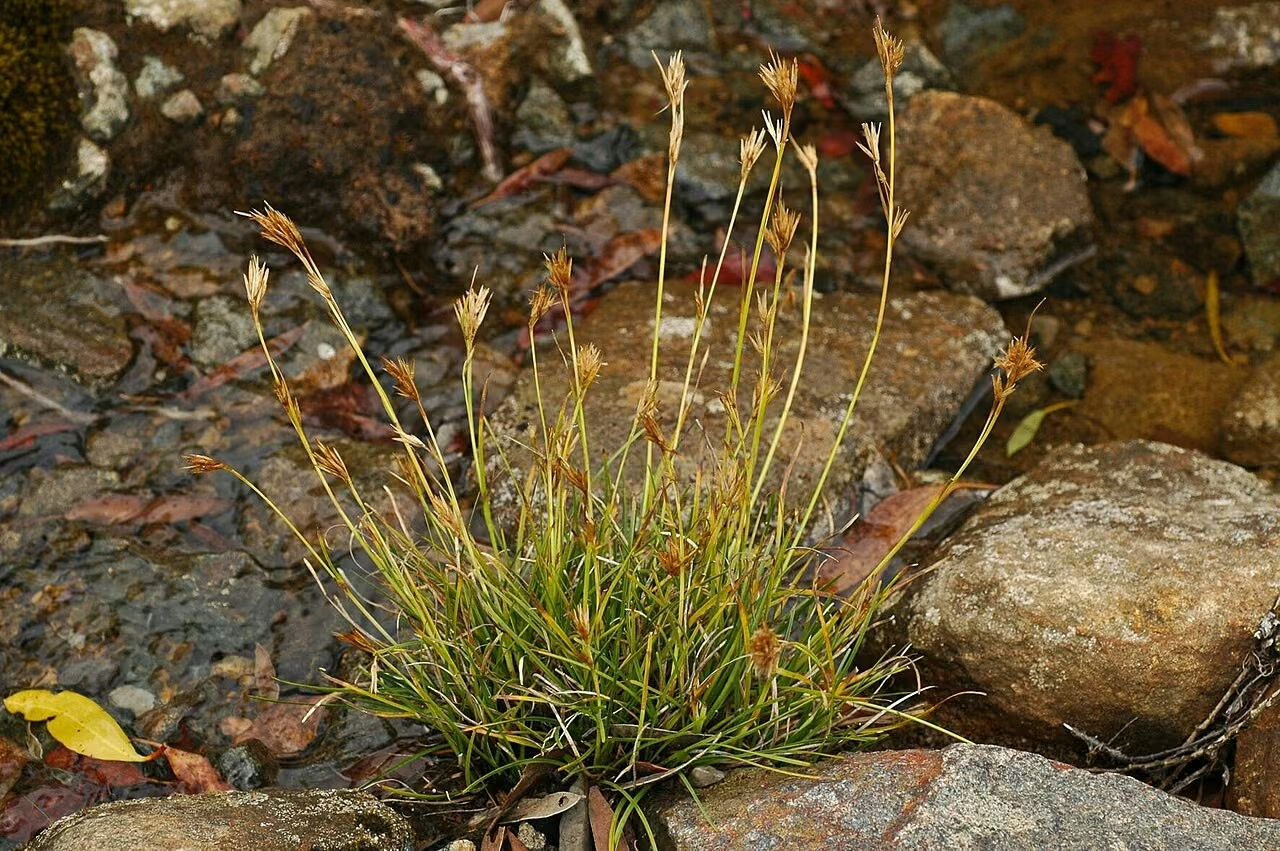
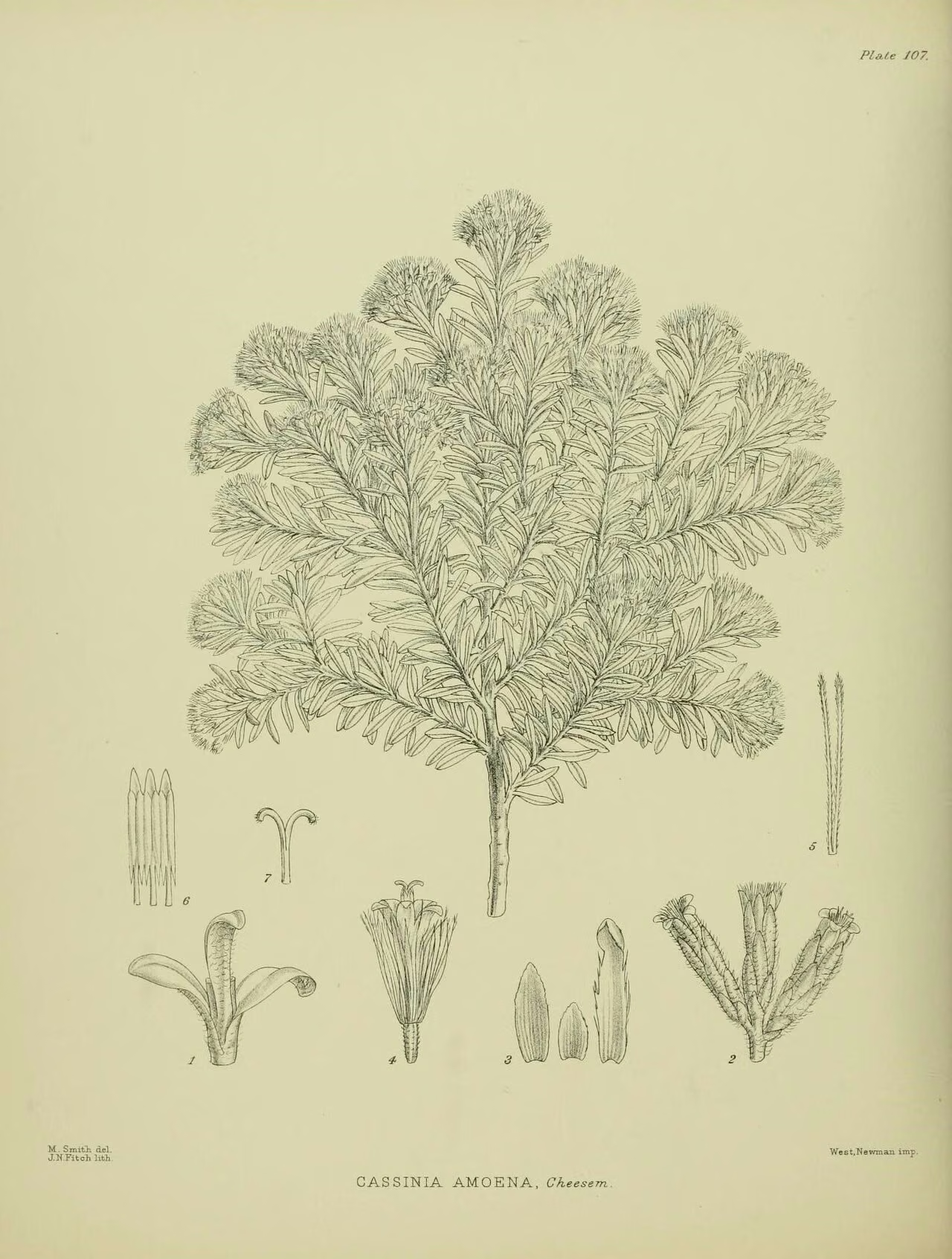
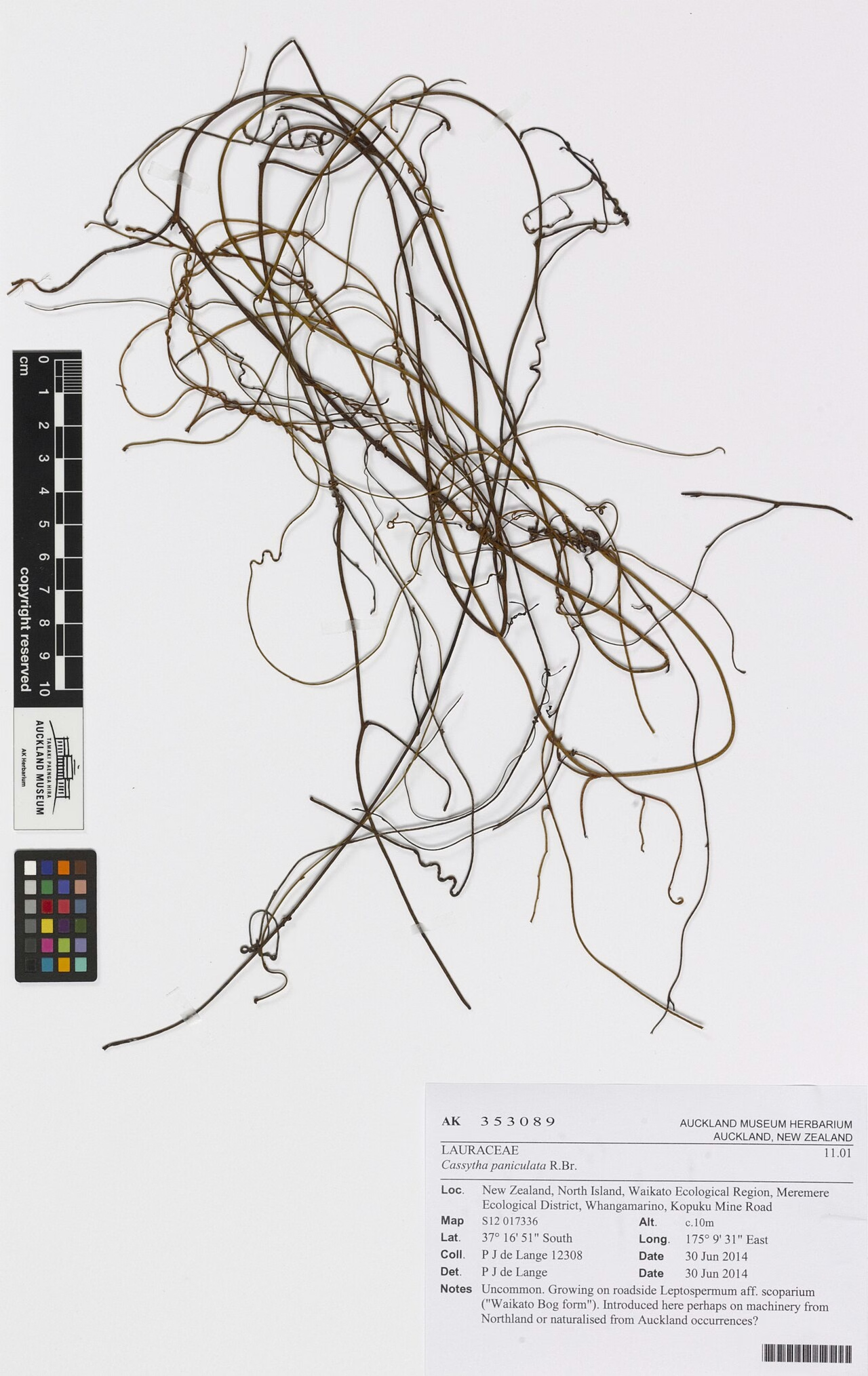
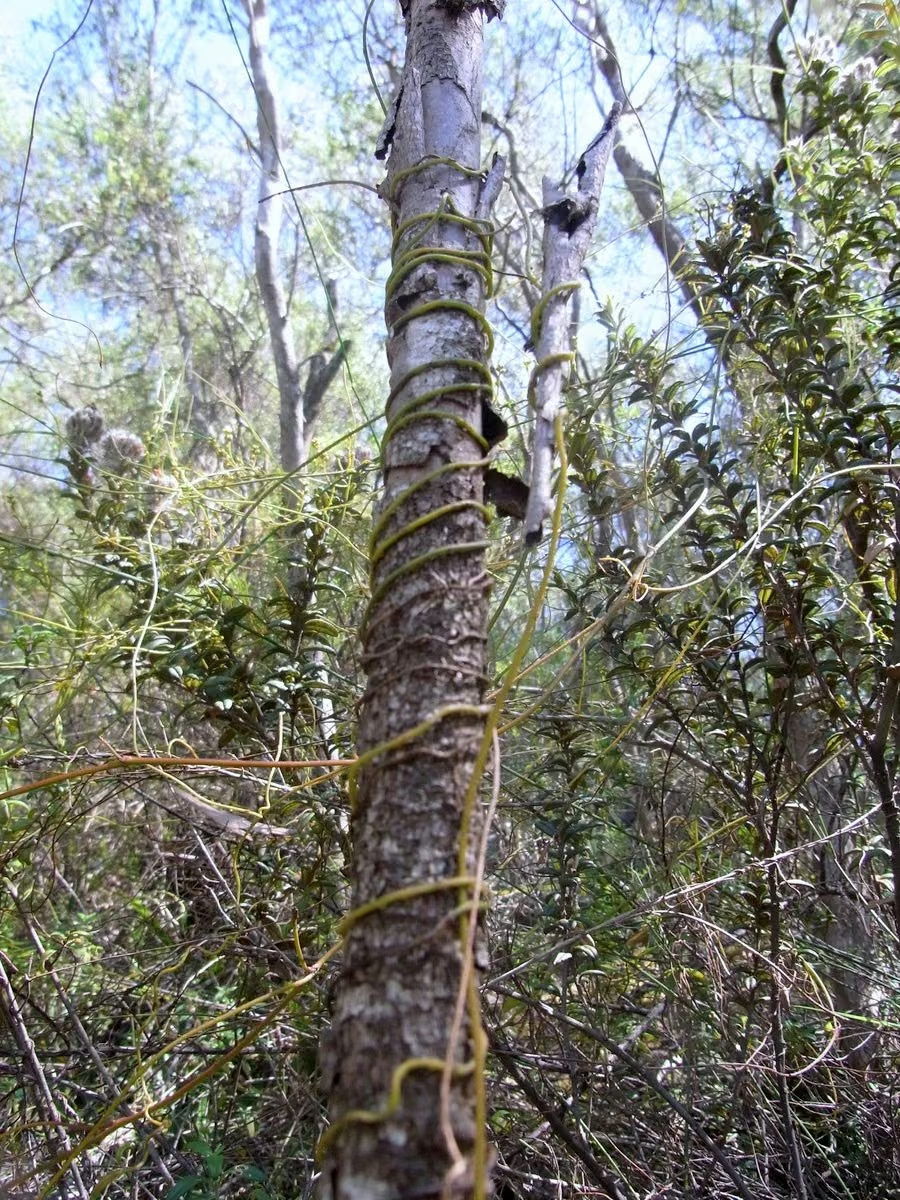
Explore other native plants that share similar characteristics or habitats with Pigface (Carpobrotus glaucescens), offering further insights into New Zealand's diverse flora. These related species provide context and opportunities for complementary planting in your garden.
Plant Conservation
Carpobrotus glaucescens is ranked Non-resident Native - Coloniser (2023) with the qualifier Secure Overseas, reflecting its abundance in Australia. It was ranked Not Threatened in 2004 before being reclassified.
NZPCN notes that the Coromandel plants were controlled as weeds before it was recognised that the species might have arrived naturally, and that its current survival in the wild in New Zealand is not known.
Frequently Asked Questions
Is pigface native to New Zealand?
NZPCN classes Carpobrotus glaucescens as a Non-resident Native - Coloniser, meaning it may have reached New Zealand naturally but does not have an established breeding population here. Some sources suggest the Coromandel plants were introduced.
Is pigface fruit edible?
Yes. The fleshy red fruit is edible; NZPCN describes its flavour as strawberry-like, and Wikipedia notes Aboriginal Australians ate it and that the leaves can also be eaten.
How is Carpobrotus glaucescens different from other ice plants?
It has faintly glaucous leaves and smaller magenta flowers, whereas Carpobrotus chilensis has purple flowers and Carpobrotus edulis usually has larger yellow or pinkish flowers.
Where has pigface been found in New Zealand?
It has been recorded only on the Coromandel Peninsula at Otama, on the sandy strand line of the beach.
Sources and Further Reading
The botanical, growing, and conservation details for Pigface (Carpobrotus glaucescens) on this page draw on the New Zealand plant references below. Consult them for full technical records and the latest distribution data.