Sedge
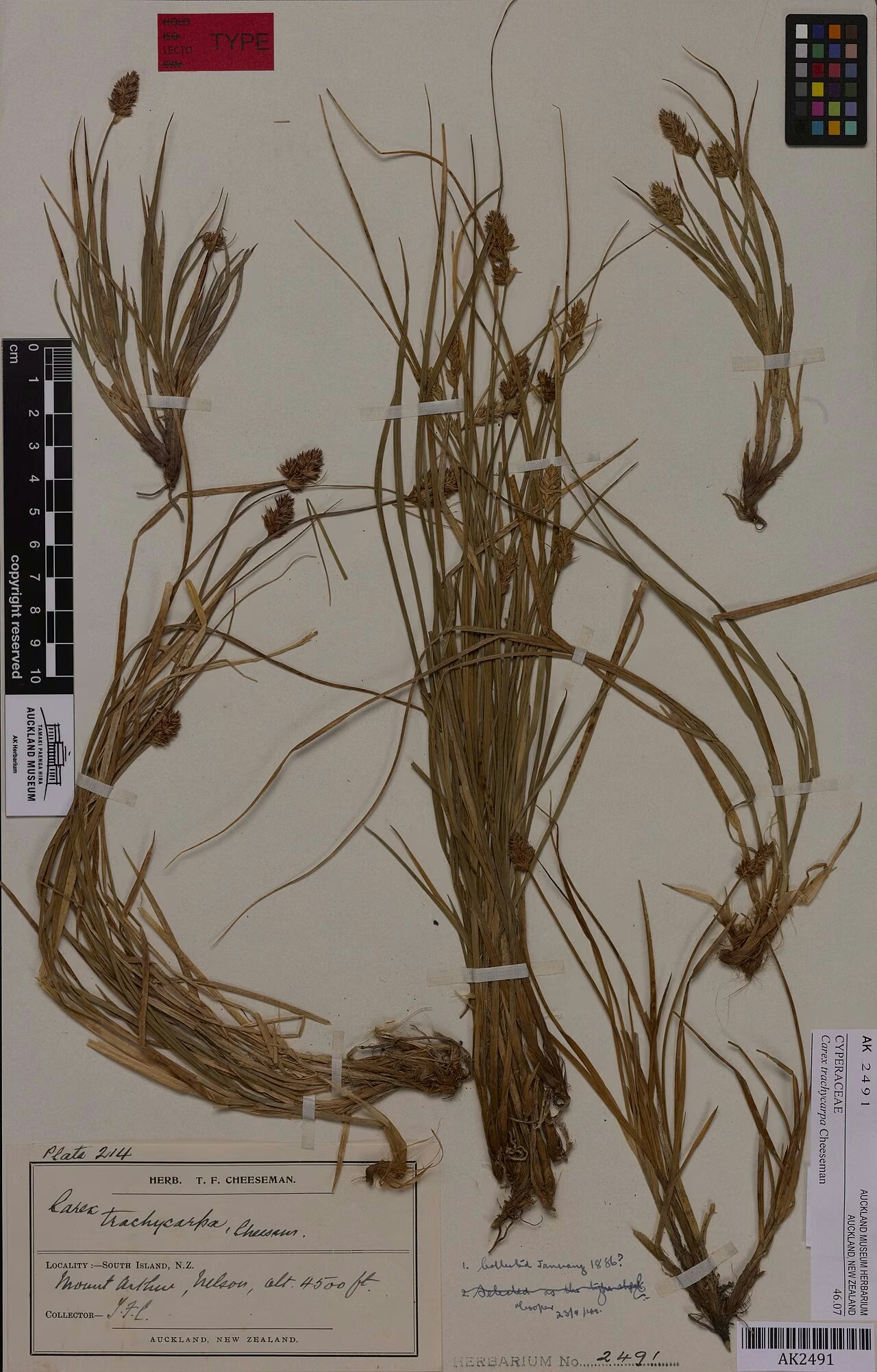
Carex trachycarpa
Last updated:
Carex trachycarpa is a small, tufted, grass-like sedge endemic to North West Nelson. It forms tufts up to about 30 cm tall from a short woody rootstock and carries its flowers in a compact brown head of tightly packed spikes, held above conspicuous leaf-like bracts. It grows only on marble and limestone in the subalpine and alpine zones of Kahurangi National Park, mainly around Mt Owen, Mt Arthur, Mt Peel and Mt Mytton, where it favours small ponds, seepages and flushes. It is ranked At Risk - Naturally Uncommon because of its very restricted range, although it is abundant where it occurs. Explore more native grasses and flaxes in our native plant guide.
Plant Description
Carex trachycarpa is a tufted sedge with a stout, woody rootstock. Its stems (culms) are 70 to 300 mm tall, three-angled and grooved. Each culm has about five to seven, occasionally up to ten, channelled leaves roughly 2.5 mm wide, giving the plant the look of a small grass tussock.
The flowers are packed into a compact head about 10 to 15 mm long and 7 mm wide, made up of light to dark brown sessile spikes pressed closely together. Male flowers sit at the top of each spike. The clusters of spikes are subtended by conspicuous leaf-like bracts. The fruiting sacs (utricles) that enclose each nut are winged and minutely papillose, a roughened texture that gives the species its name, from the Greek for rough fruit. There are two stigmas.
In keys it comes out closest to Carex pterocarpa but differs significantly from it. The combination of a grass-like tuft, prominent leaf-like bracts under a tight brown head and finely papillose utricles separates it from other New Zealand Carex species.
Quick Facts
| Scientific Name | Carex trachycarpa |
|---|---|
| Height | Tufts up to about 0.3 m; culms 7-30 cm |
| Spread | A compact tuft, typically under 0.3 m across |
| Water Needs | Wet; an obligate wetland plant of seepages and pond margins |
| Light | Full sun in open alpine sites |
| Frost Tolerance | High; a subalpine to alpine species |
| Salt Tolerance | Low; an inland mountain species with no coastal occurrence |
| Growth Rate | Slow |
| Lifespan | Perennial |
Climate Best Suited to
Suits a cold, wet mountain climate with snow in winter and cool summers, as found on the high limestone and marble country of North West Nelson. It is likely to dislike humid or warm lowland climates.
Regional Suitability
| City | Climate Suitability |
|---|---|
| Auckland | Low |
| Wellington | Low |
| Christchurch | Low |
| Dunedin | Medium |
Plant Habitat
Carex trachycarpa is endemic to the South Island, where it is known only from North West Nelson within Kahurangi National Park. Most records come from in and around Mt Owen, Mt Arthur, Mt Peel and Mt Mytton, and the type specimen was collected on Mt Arthur.
It is a calcicole, meaning it grows on lime-rich ground. It occupies marble and limestone sites in the subalpine and alpine zones, within tussock grassland, herbfield, fellfield, gravel and rock pavement, and is usually found in and around small ponds, seepages or flushes where water is present for much of the year.
Growing Requirements
Soil Requirements
In the wild it grows on wet ground derived from marble and limestone, so its natural soils are lime-rich. NZPCN suggests that in cultivation it is likely to prefer a free-draining, highly fertile soil.
- Lime-rich, marble or limestone-derived substrate in nature
- Free-draining but moist potting mix in cultivation
- Adding limestone chip or crushed marble mimics its wild soils
Light Requirements
Its alpine habitats are open, treeless sites among tussock, herbfield and rock pavement, so it is used to full light.
- Full sun in a cool position
- Avoid shading from taller plants
Water Requirements
It is rated an obligate wetland plant, almost always growing where water seeps or pools, such as the edges of small alpine ponds and flushes.
- Keep the root zone continually moist
- Water should be cool and moving rather than stagnant and warm
Planting and Establishing
This sedge is not sold commercially and is rarely grown, so it is mainly of interest to specialist alpine and sedge collectors. NZPCN suggests it is probably best kept in a pot, which lets the grower control drainage and moisture and move the plant to a cool spot in summer.
Use a gritty, fertile mix with added limestone, keep it moist, and place it in full light where air moves freely. Material should come only from existing cultivated plants or authorised seed collections, never from the wild in Kahurangi National Park.
Ecological Role
Like other Carex, it is wind pollinated. NZPCN notes that its nuts, enclosed in inflated utricles, are dispersed by granivory (seed-eating animals) and by wind, following the seed dispersal review by Thorsen and colleagues.
It is one of a group of plants restricted to the marble and limestone uplands of North West Nelson, an area well known for calcicole endemics. Its tufts help bind wet gravels and pond margins in the alpine zone. Specific invertebrates associated with it are not documented in the sources consulted.
Uses & Significance
Garden Uses
It has very limited garden use and is best treated as a collector's plant for pots or alpine troughs.
- Specialist alpine or sedge collections
- A pot stood in a shallow tray of water in a cool, bright spot
- Botanic garden displays of Nelson limestone flora
Ecological Value
It is part of the distinctive limestone and marble flora of Kahurangi National Park, a hotspot for narrow-range endemic plants.
- Found nowhere else in the world
- Helps stabilise wet alpine gravels and seepage margins
- Seeds provide food for seed-eating animals
Landscaping Uses
Carex trachycarpa is not a landscaping plant. Its value lies in botanical collections and in the wild, where its small brown-headed tufts edge alpine tarns on the marble tops of Mt Owen and Mt Arthur.
Gardeners who want a small tufted sedge for a damp trough or bog garden will find many more widely grown native Carex species better suited, but a pot of this species makes a talking point for anyone interested in the Nelson mountains.
Seasonal Care Calendar
Spring
New leaves emerge as snow clears from its alpine habitat.
- Repot pot-grown plants if needed
- Divide established clumps at this time
Summer
Flowering runs from November to December, with the compact brown heads appearing above the leaf-like bracts.
- Keep pots cool and moist
- Shelter from hot afternoon sun in lowland gardens
Autumn
Fruit matures from November through to May, so seed can be gathered over a long period.
- Collect ripe heads from cultivated plants
- Sow seed while fresh
Winter
In the wild the plants sit beneath snow or in frozen ground and make little growth.
- Keep potted plants from becoming waterlogged and stagnant
- No feeding required
When to Prune and How Much
No regular pruning is needed. Old brown leaves can be combed or cut out at the base in early spring to tidy the tuft.
Spent flower heads can be left to ripen seed or trimmed once seed has been collected.
How to Grow Sedge
Carex trachycarpa is little known in cultivation and is not sold commercially, so information on raising it comes mainly from NZPCN, which records that plants grow well from fresh seed and by division of established specimens. Because the species is confined to a national park and is ranked Naturally Uncommon, propagation should start only from plants already in cultivation or from seed collected under the appropriate permits. NZPCN notes that it probably does best in a pot, likely dislikes humid or wet climates, and prefers a free-draining, highly fertile soil, so raise young plants in containers where moisture and drainage can be controlled.
From Seed
Fruiting extends from November to May. The seed should be sown fresh, since sedge seed often loses viability or becomes more dormant once dried and stored.
- Collect brown, ripe heads from cultivated plants when the nuts come away easily
- Sow on the surface of a gritty, fertile seed mix with a little added lime
- Cover lightly with fine grit and keep the tray moist and cool
- Stand the tray in good light with free air movement
- Prick out seedlings into individual pots once they are large enough to handle
By Division
Division of established clumps is the quickest way to increase the plant and gives flowering-size plants sooner than seed.
- Lift or knock out an established pot-grown plant in early spring
- Tease or cut the woody rootstock into pieces, each with several shoots and roots
- Trim back long leaves to reduce water loss
- Pot into a free-draining fertile mix and keep moist and shaded until new growth appears
Pests & Diseases
No specific pests or diseases are recorded for Carex trachycarpa. In lowland cultivation, the more likely problem is decline in warm, humid weather, which NZPCN suggests the plant probably dislikes.
Aphids sometimes attack sedges grown under cover and can be washed off. Stagnant water around the roots in summer can lead to rot.
Cultural Significance
No Māori name or traditional Māori use is recorded for Carex trachycarpa in the sources consulted.
The species was described by Thomas Cheeseman in 1892, with the type collected on Mt Arthur. The name Carex is the Latin name for a sedge, now applied to the whole genus, and trachycarpa refers to its rough (papillose) fruit.
Bonus Tip
If you grow this sedge in a pot, stand the pot in a shallow saucer of water only during cool weather and remove it in hot spells. This mimics the cold seepages it grows in on the Nelson marble without leaving roots sitting in warm, stagnant water.
Related Plants
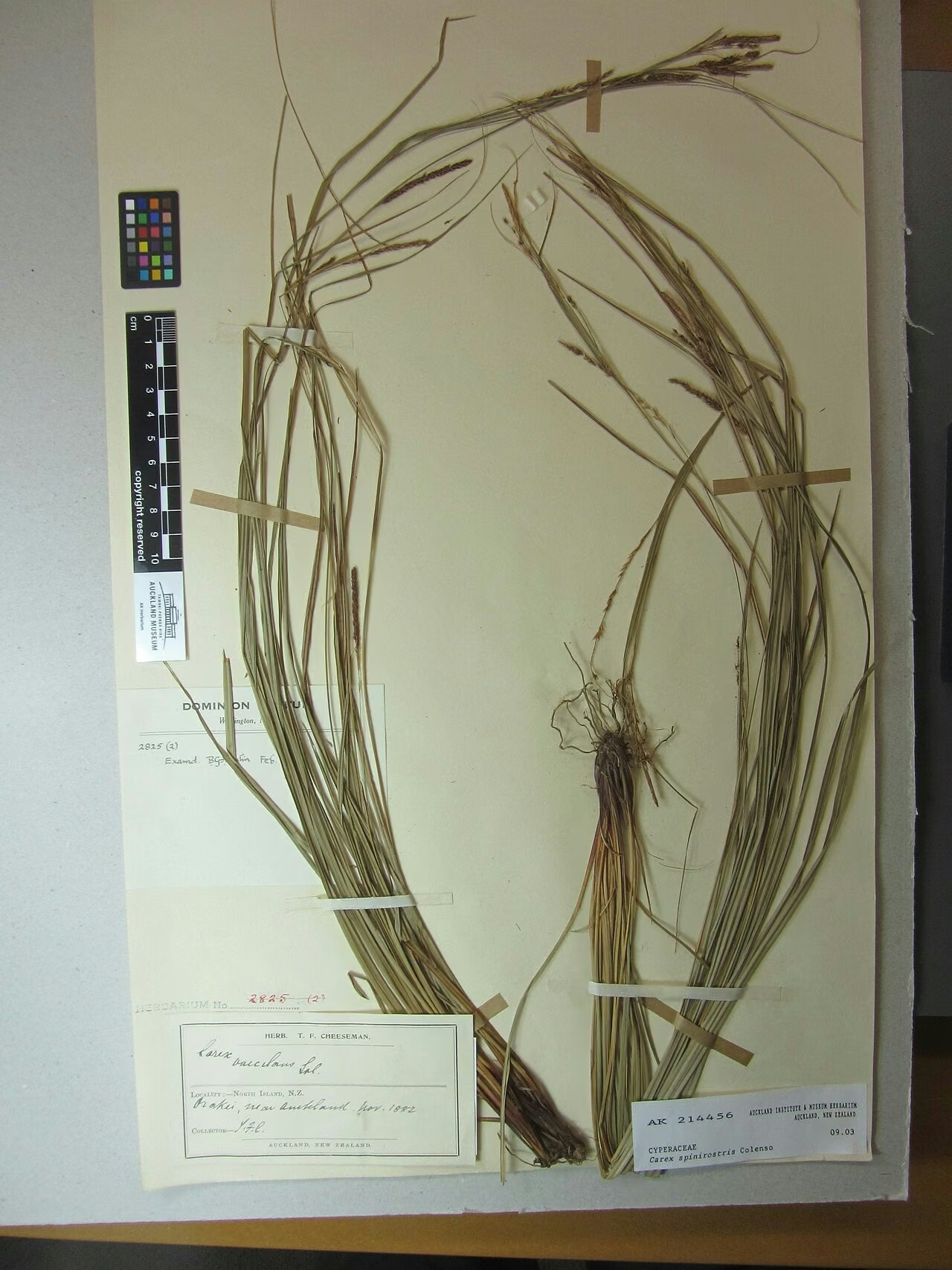
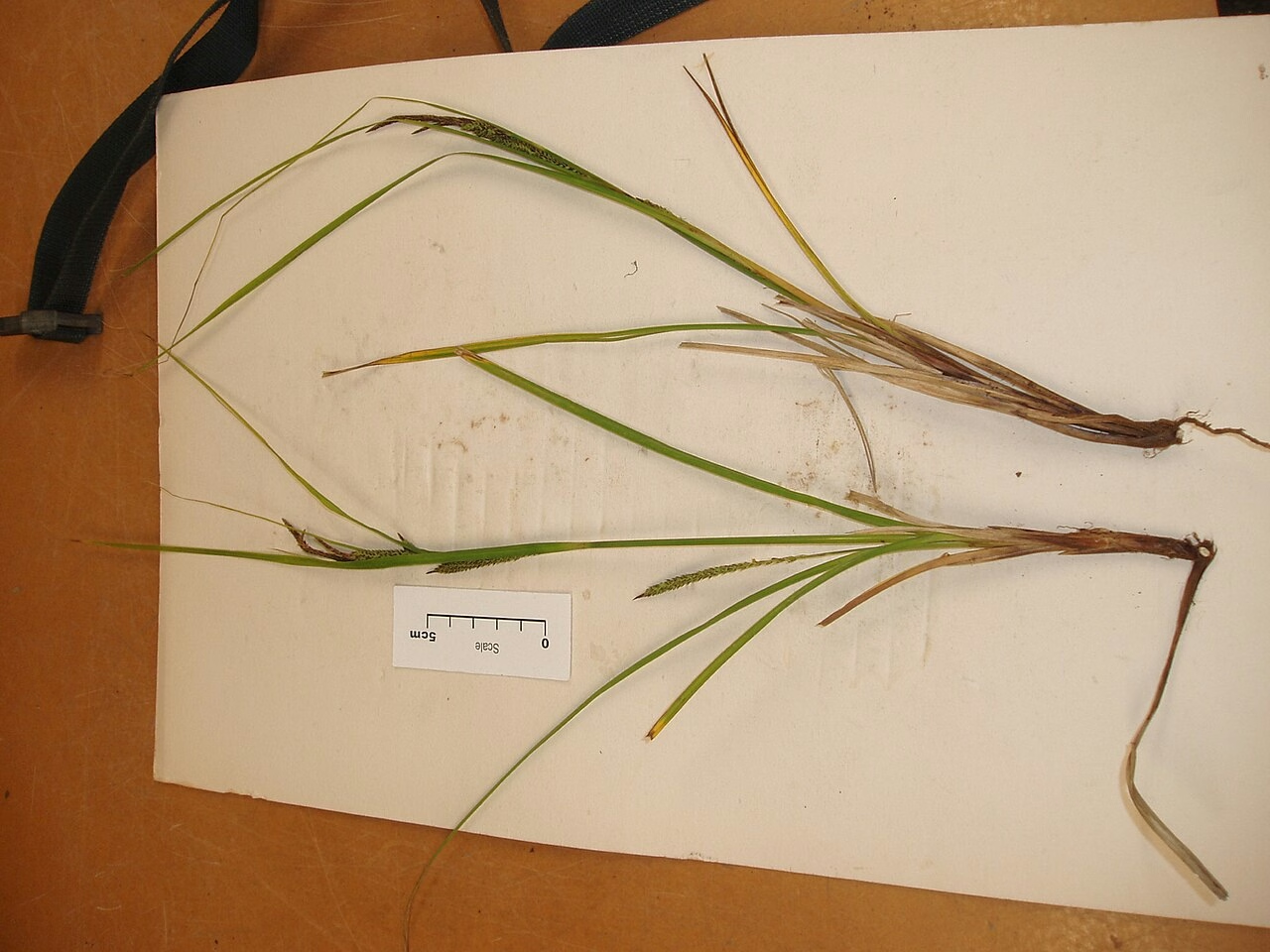
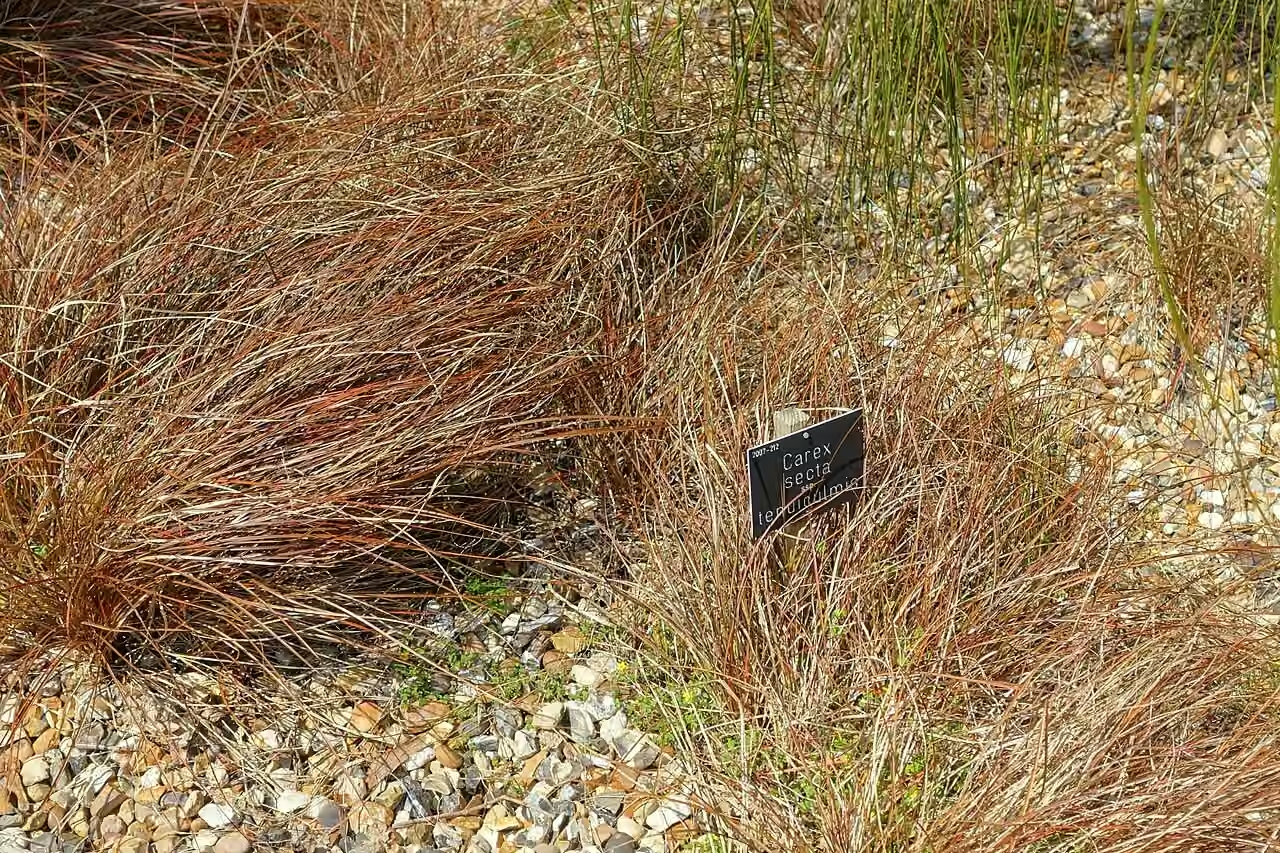
Explore other native plants that share similar characteristics or habitats with Sedge (Carex trachycarpa), offering further insights into New Zealand's diverse flora. These related species provide context and opportunities for complementary planting in your garden.
Plant Conservation
Carex trachycarpa is ranked At Risk - Naturally Uncommon (2023) with the qualifiers Sparse, Data Poor: Size and Data Poor: Trend. Earlier assessments also placed it in the Naturally Uncommon category with Range Restricted noted. It is a narrow-range endemic, but NZPCN describes it as abundant within its known habitats and apparently secure.
Its whole range lies within Kahurangi National Park, which protects the habitat. Staying on tracks around alpine tarns and seepages on Mt Arthur and Mt Owen, and never collecting plants, helps protect it.
Frequently Asked Questions
Where does Carex trachycarpa grow?
It is found only in North West Nelson, in Kahurangi National Park, mainly in and around Mt Owen, Mt Arthur, Mt Peel and Mt Mytton on marble and limestone.
How do you identify Carex trachycarpa?
Look for a grass-like tuft with a compact brown head of close-packed spikes about 1 to 1.5 cm long, conspicuous leaf-like bracts beneath it, and finely roughened (papillose) utricles around the nuts.
Is Carex trachycarpa available from nurseries?
NZPCN records that it is not commercially available and is little known in cultivation, although it grows well from fresh seed and division.
Why is Carex trachycarpa classed as Naturally Uncommon?
It is confined to a small area of calcareous alpine country in Kahurangi National Park, so its total range is tiny even though plants are plentiful within suitable habitat.
Sources and Further Reading
The botanical, growing, and conservation details for Sedge (Carex trachycarpa) on this page draw on the New Zealand plant references below. Consult them for full technical records and the latest distribution data.