Coastal Sedge
Carex spinirostris
Last updated:
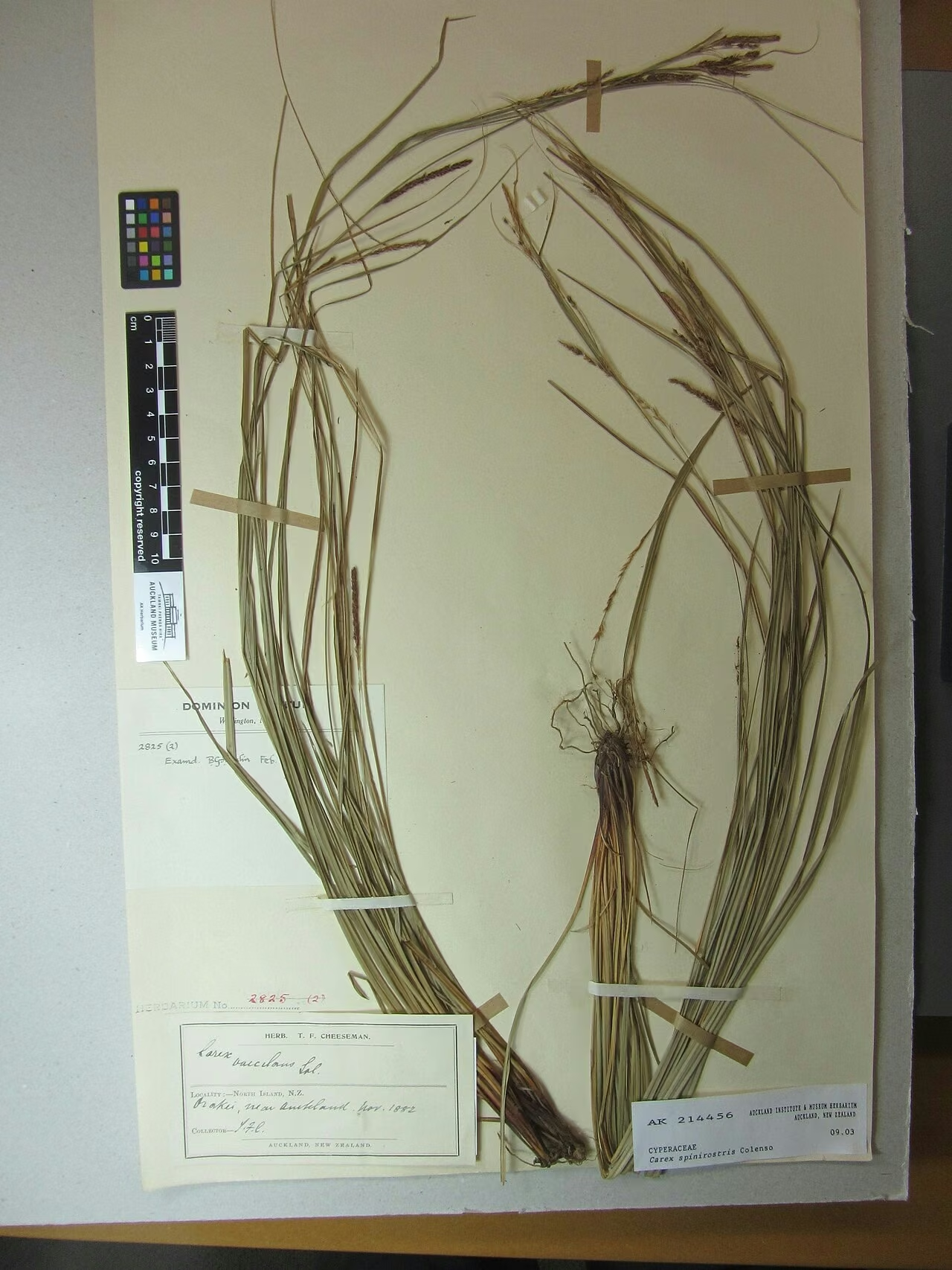
Coastal sedge (Carex spinirostris), also called petrel scrub sedge, is a tussock-forming sedge endemic to the North Island. It makes stiff, dark green tufts to about 60 cm high with dark red-purple bases, and its drooping spikes of bright red-purple glumes and red-topped utricles are eye-catching in spring. It grows in semi-shaded coastal and lowland forest from Te Paki to Horowhenua and Wairarapa, and is especially conspicuous in seabird colonies on the islands of the Hauraki Gulf. It is ranked Not Threatened and is easy to grow in fertile, free-draining soil. Explore more native grasses and flaxes in our native plant guide.
Plant Description
Carex spinirostris forms dense, stiff, dark green tussocks with dark red-purple basal sheaths. The culms are 0.1 to 1.2 m long and 1.5 to 2 mm wide and tend to droop. The leaves are equal to or longer than the culms, 2.5 to 6 mm wide, double-folded, with a keel and margins that are distinctly rough to the touch.
Each culm carries four to eight spikes. The terminal spike is male and often compound, while the others are female with a few male flowers at their bases, 15 to 85 mm (rarely 100 mm) long and 3 to 4 mm wide. The upper spikes are close together and the lower ones more distant and drooping, all coloured bright red-purple. The utricles are 3 to 4 mm long, sharply three-angled and spindle-shaped, conspicuously ribbed with pale veins, pale grey below and bright red above. Each flower has three stigmas, and the nut is about 2 mm long and yellow to yellow-brown.
Its closest relative is Carex ophiolithica. C. spinirostris differs in its ecology, its non-bulbous culm bases, drooping culms, dense tussock form, dark basal sheaths, pendulous spikes, bright red-purple glumes and smaller nuts.
Quick Facts
| Scientific Name | Carex spinirostris |
|---|---|
| Height | Up to about 0.6 m (culms 0.1-1.2 m) |
| Spread | Dense tussocks about 0.4-0.6 m across |
| Water Needs | Moderate; free-draining soil |
| Light | Semi-shade |
| Frost Tolerance | Low to moderate; a northern coastal species |
| Salt Tolerance | Moderate; grows in coastal forest near the sea |
| Growth Rate | Moderate |
| Lifespan | Perennial |
Climate Best Suited to
Suits the warm, humid, frost-light climate of the northern North Island coast. It grows as far south as Horowhenua and Wairarapa, but is uncommon there.
Regional Suitability
| City | Climate Suitability |
|---|---|
| Auckland | High |
| Wellington | Medium |
| Christchurch | Low |
| Dunedin | Low |
Plant Habitat
Coastal sedge is endemic to the North Island, ranging from Te Paki near the top of Northland south to Horowhenua and Wairarapa. It is most common in the northern part of its range, especially along the coast and on the islands of the Hauraki Gulf.
It grows in coastal to lowland forest in semi-shaded sites on banks, colluvium and gentle slopes, where the soil is free-draining and fertile. On offshore Hauraki Gulf islands it is conspicuous within petrel colonies, where burrowing seabirds enrich the soil.
Growing Requirements
Soil Requirements
It prefers free-draining, fertile soils, reflecting its natural habitat on colluvial slopes and seabird-enriched island soils.
- Fertile, humus-rich loam
- Good drainage; avoid waterlogged ground
- Responds well to leaf litter and compost
Light Requirements
A plant of semi-shaded forest floors and margins.
- Dappled or half shade is ideal
- Tolerates morning sun if soil stays moist
Water Requirements
It needs moderate moisture with good drainage.
- Water during dry summers while establishing
- Mulch to conserve soil moisture under trees
Planting and Establishing
Plant in autumn or spring in a semi-shaded position with fertile, free-draining soil. It suits the understorey of established trees and the edges of native plantings.
Space plants 40 to 60 cm apart. On sloping ground, plant into small pockets of enriched soil and water in well.
Ecological Role
Coastal sedge is a characteristic ground plant of northern coastal forest and of petrel scrub on Hauraki Gulf islands, where it tolerates the disturbance and high nutrient levels created by burrowing seabirds.
Like other Carex it is wind-pollinated. The dense tussocks provide shelter for ground-dwelling invertebrates and lizards, although specific associations have not been documented in the sources consulted.
Uses & Significance
Garden Uses
An attractive, reliable sedge for shady native gardens in the northern North Island.
- Underplanting beneath native trees
- Shady banks and woodland edges
- Coastal forest restoration within its natural range
Ecological Value
It forms part of the ground layer of northern coastal forest and seabird island vegetation.
- Associated with petrel colonies on Hauraki Gulf islands
- Stabilises soil on forest banks and slopes
- Seeds and tussocks provide food and cover for small fauna
Landscaping Uses
The dark green leaves and dark red-purple bases, combined with drooping red-purple spikes in spring, make coastal sedge one of the more decorative forest sedges. Plant it in drifts along shady paths where the hanging spikes can be seen.
It pairs well with ferns and broad-leaved shrubs such as kawakawa in a shaded native garden.
Seasonal Care Calendar
Spring
Flowering runs from August to October, when the red-purple spikes are at their most colourful.
- Enjoy the drooping flower spikes
- Plant new tussocks
Summer
Fruiting continues from September to March, and the red-topped utricles ripen.
- Water in dry spells
- Collect ripe seed
Autumn
The last seed falls by March, and autumn rains make this a good time to plant.
- Sow fresh seed
- Divide large clumps
Winter
Tussocks remain evergreen through mild northern winters.
- Comb out dead leaves
- Avoid planting in frost hollows
When to Prune and How Much
Regular pruning is not needed. Comb out dead leaves and old flower stems in late winter, before the new spikes appear in August.
If clumps become congested, divide them rather than cutting them hard back.
How to Grow Coastal Sedge
NZPCN describes Carex spinirostris as easily grown from the division of whole plants and from fresh seed, and notes that it does best in free-draining, fertile soils in semi-shade. With fruiting running from September to March, there is a long window to collect seed. For restoration plantings in the northern North Island, use seed from local populations to keep the regional character of the plants. Young plants raised in pots are usually ready to plant out after about a year, once they have filled their containers with roots.
From Seed
The nuts are about 2 mm long and yellow to yellow-brown, held in red-topped utricles. Sow fresh seed for good germination.
- Collect spikes when the utricles are fully coloured and the nuts are firm
- Rub out the utricles and sow them on a moist seed mix
- Cover with a thin layer of fine mix
- Keep in a warm, semi-shaded spot and do not let the tray dry out
- Prick out seedlings when they have two or three leaves
- Pot on into a fertile, free-draining mix and grow for a season
By Division
Mature tussocks can be split in autumn or early spring, giving quick, well-sized plants.
- Lift the tussock with a spade
- Divide into pieces with healthy roots and several shoots
- Trim the leaves back by half
- Replant into enriched soil in semi-shade and water well
Pests & Diseases
No specific pests are recorded for Carex spinirostris. It is generally a trouble-free plant in the garden.
In heavy, poorly drained soils it may sulk or rot at the base, so improve drainage before planting.
Cultural Significance
No traditional Māori name or use specific to Carex spinirostris is recorded in the sources consulted.
The species was described by the missionary, printer and naturalist William Colenso in 1882. Its epithet comes from the Latin for spine and beak, referring to the beak of the utricle. The name petrel scrub sedge links it with the seabird islands of the Hauraki Gulf, where it is a familiar part of the vegetation.
Bonus Tip
To show off the drooping red-purple spikes, plant coastal sedge at the top of a shaded bank or retaining wall so the flowering stems hang down at eye level in spring.
Related Plants
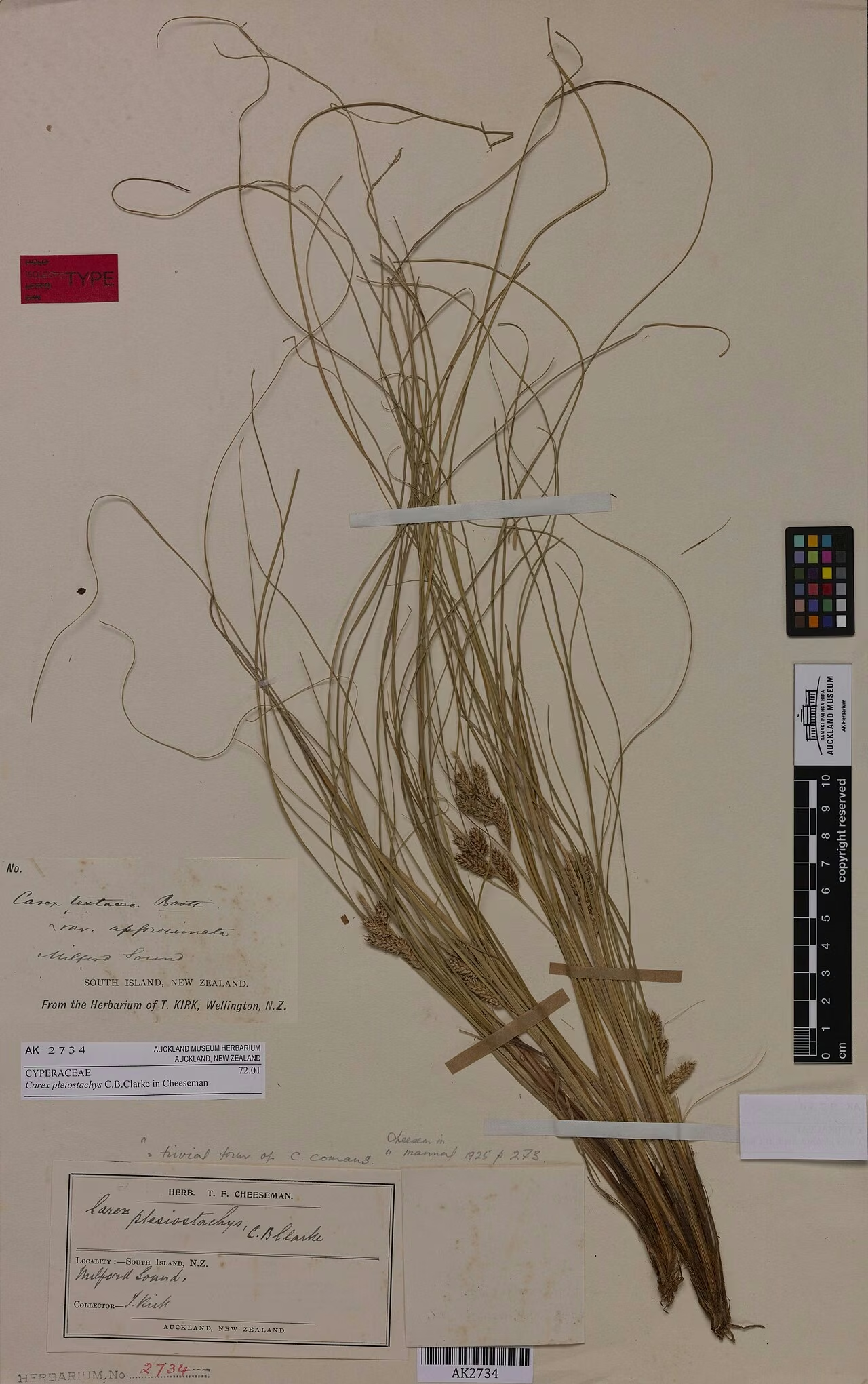
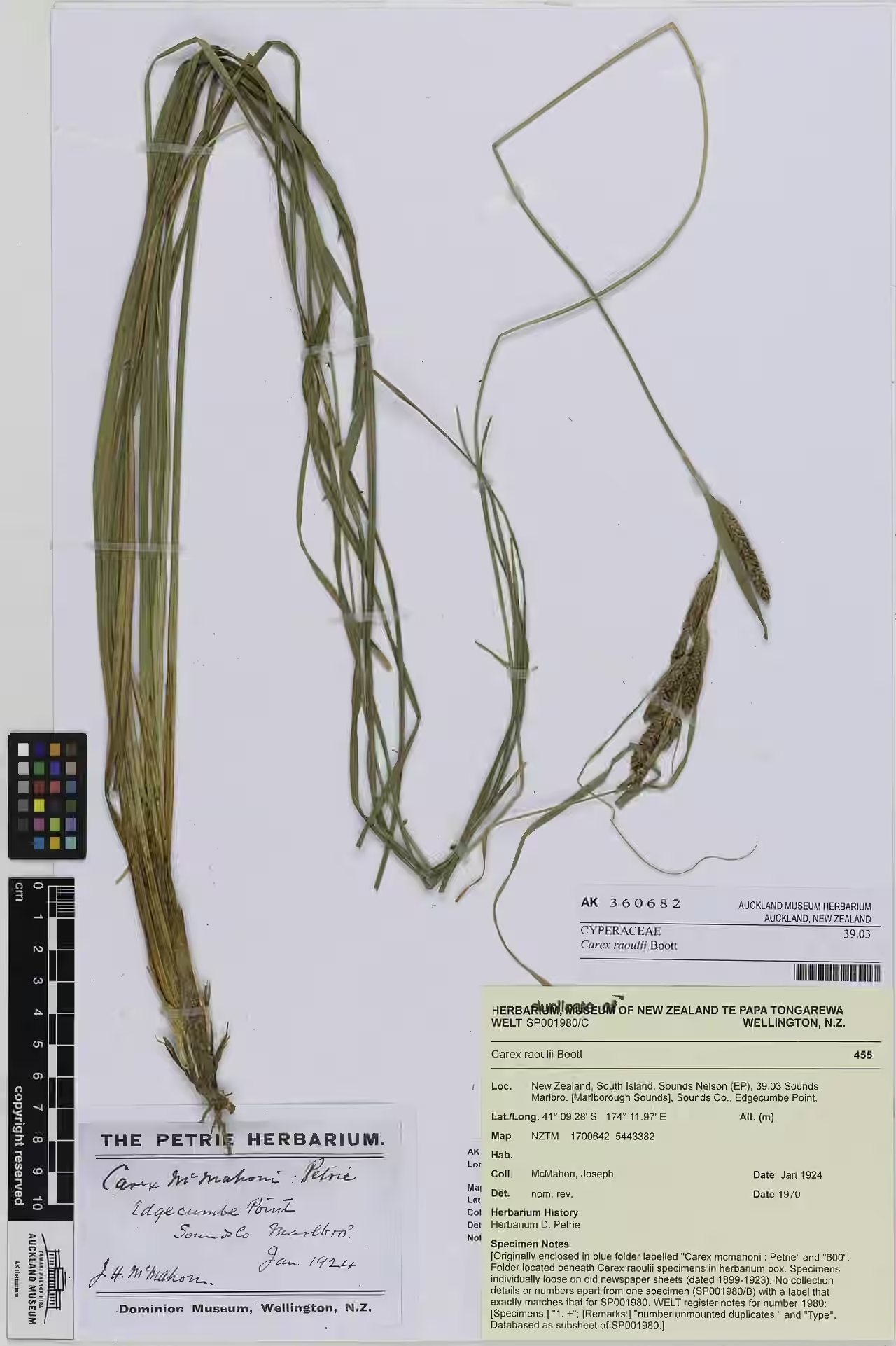
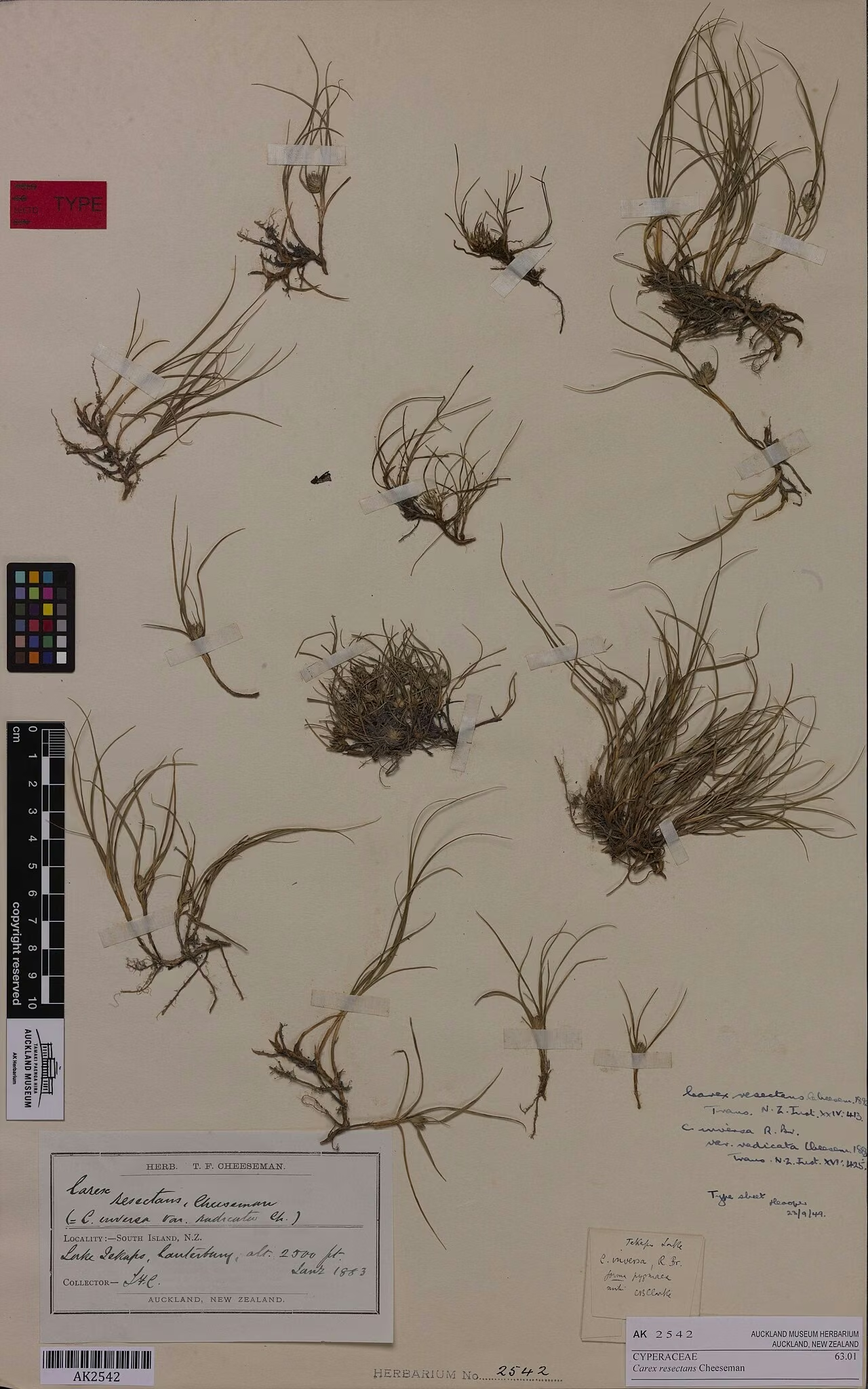
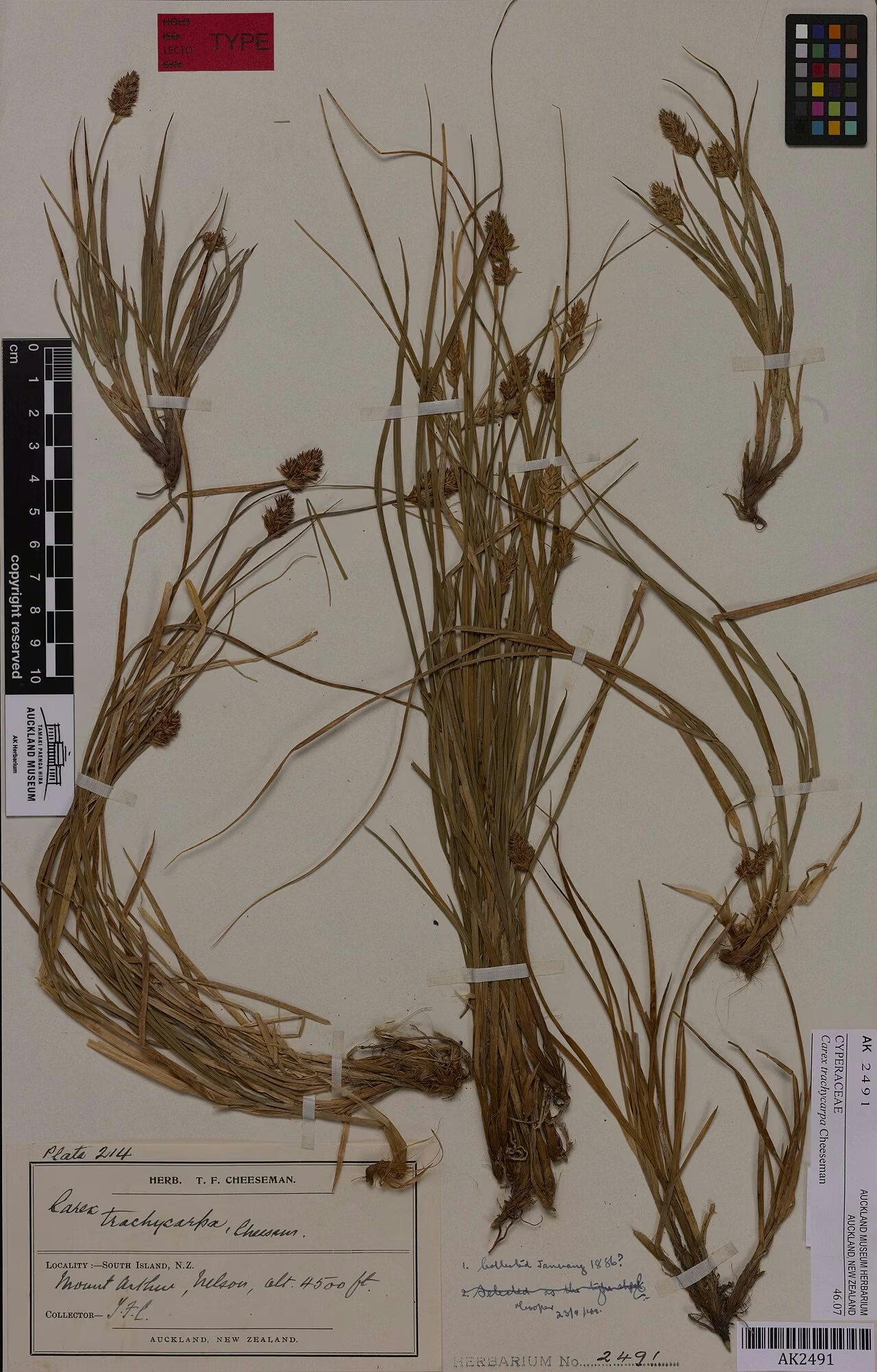
Explore other native plants that share similar characteristics or habitats with Coastal Sedge (Carex spinirostris), offering further insights into New Zealand's diverse flora. These related species provide context and opportunities for complementary planting in your garden.
Plant Conservation
Carex spinirostris is ranked Not Threatened (2023) nationally. Regional assessments show a different picture at the edges of its range: Regionally Not Threatened in Northland, Regionally Relict in Auckland and Regionally Critical in Wellington.
Pest-free offshore islands in the Hauraki Gulf, where petrel colonies are protected, provide secure habitat. On the mainland, protecting coastal forest remnants and controlling browsing animals and weeds help keep the species common.
Frequently Asked Questions
Why is Carex spinirostris called petrel scrub sedge?
It is a conspicuous plant of the forest and scrub on offshore Hauraki Gulf islands where petrels nest, thriving on the fertile soils of these seabird colonies.
Where does Carex spinirostris grow naturally?
It is found in the North Island from Te Paki south to Horowhenua and Wairarapa, and is most common in the north, along the coast and on Hauraki Gulf islands.
How is Carex spinirostris different from Carex ophiolithica?
It differs in ecology and has non-bulbous culm bases, drooping culms, a dense tussock habit, dark basal sheaths, pendulous spikes, bright red-purple glumes and smaller nuts.
What conditions does coastal sedge need in a garden?
NZPCN says it does best in free-draining, fertile soil in semi-shade, and it is easily grown from division or fresh seed.
Sources and Further Reading
The botanical, growing, and conservation details for Coastal Sedge (Carex spinirostris) on this page draw on the New Zealand plant references below. Consult them for full technical records and the latest distribution data.