Sedge
Carex subdola
Last updated:
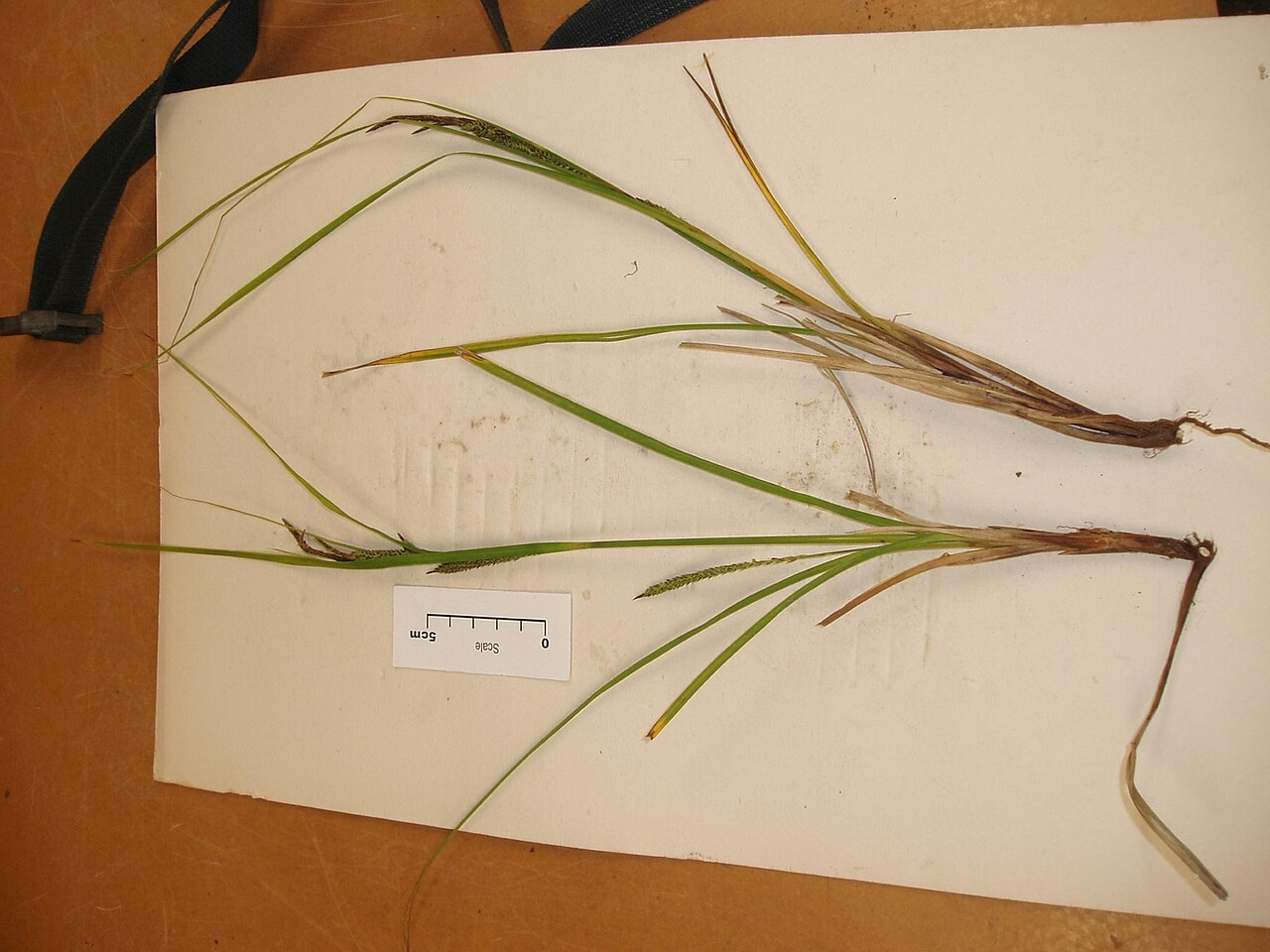
Carex subdola is a stiff, upright wetland sedge endemic to New Zealand. It forms rigid, bright green to bluish green tufts up to about 60 cm high from hard, woody rhizomes, and is recognised by its bright cinnamon-brown utricles. It grows in coastal and lowland freshwater wetlands, along streams and lake margins, in seepages and in damp forest clearings from Awanui in Northland south to Nelson and Marlborough. Nationally it is Not Threatened, but it has declined in Northland and Auckland. It is easy to grow from seed or division and suits pond edges and wet ground. Explore more native grasses and flaxes in our native plant guide.
Plant Description
Carex subdola forms rigid, erect tufts that are bright green to slightly bluish green, arising from hard, woody rhizomes 2 to 4 mm thick. The culms are 80 to 600 mm tall, three-angled and lightly rough. The leaves are longer than the culms, 2 to 4 mm wide, double-folded and erect, with a sharply rough keel.
There are 4 to 8 spikes, each up to about 5 cm long, with the terminal ones male. The glumes are dark red-brown and awned. The utricles are a distinctive bright cinnamon-brown, 3 to 4.5 mm long and 2 to 2.5 mm wide, flattened on both faces with distinct nerves, tapering gradually to a very short beak less than 0.5 mm long. Each flower has two stigmas, and the nut is 1.5 to 2 mm long and flattened on one side.
Carex subdola is most easily confused with Carex sinclairii. The surest way to separate them is by the colour of mature utricles: bright cinnamon-brown in C. subdola, and yellow-brown to dark brown in C. sinclairii.
Quick Facts
| Scientific Name | Carex subdola |
|---|---|
| Height | Up to 0.6 m |
| Spread | Tufts about 0.3-0.5 m across, slowly spreading by rhizomes |
| Water Needs | High; wet to damp ground |
| Light | Full sun to partial shade |
| Frost Tolerance | Moderate; coastal to lowland species |
| Salt Tolerance | Low; a freshwater wetland plant |
| Growth Rate | Moderate |
| Lifespan | Perennial |
Climate Best Suited to
Suits mild, moist coastal and lowland climates from Northland to the top of the South Island. It is not adapted to cold inland or alpine conditions.
Regional Suitability
| City | Climate Suitability |
|---|---|
| Auckland | High |
| Wellington | High |
| Christchurch | Medium |
| Dunedin | Low |
Plant Habitat
Carex subdola is endemic to the North and South Islands, from Awanui in the Far North south to Nelson and Marlborough. It is a coastal to lowland species.
It grows in freshwater wetlands, often of fertile to moderately fertile type, and along river and stream banks, lake margins, damp seepages, pond margins and clearings within forest. NZPCN notes it also grows under willow in gully systems, showing it can persist in modified wetlands.
Growing Requirements
Soil Requirements
It prefers wet, fertile to moderately fertile soils typical of lowland wetlands and stream banks.
- Wet or permanently damp soil
- Fertile to moderately fertile; silt and organic soils suit it
- Tolerates heavy, poorly drained ground
Light Requirements
It grows in both open wetlands and lightly shaded gullies and forest clearings.
- Full sun in wet ground
- Partial shade under open trees
Water Requirements
Constant moisture is important; it will not thrive in dry soil.
- Suitable for shallow margins and wet swales
- Water regularly if planted in ordinary garden soil
Planting and Establishing
Plant in spring or autumn into wet ground beside ponds, streams, rain gardens or swales. Space plants about 40 to 50 cm apart for a continuous band along a water edge.
In restoration of lowland wetlands it can be mixed with other native sedges, rushes and flaxes to recreate a natural margin.
Ecological Role
NZPCN records that the nuts of Carex subdola are dispersed by granivory and wind, so seed-eating birds help spread it along waterways. Like other sedges, its flowers are wind-pollinated.
Its dense, rigid tufts and woody rhizomes help hold stream banks and wetland margins together and provide cover for aquatic invertebrates, frogs and wetland birds.
Uses & Significance
Garden Uses
A hardy, upright sedge for wet places in gardens and restoration projects.
- Pond and stream edges
- Rain gardens and stormwater swales
- Riparian restoration in lowland catchments
Ecological Value
It is a component of lowland freshwater wetlands, among the most heavily reduced ecosystems in New Zealand.
- Stabilises banks and filters runoff
- Seeds eaten by birds
- Provides cover at the water's edge for wildlife
Landscaping Uses
The stiff, upright habit and bright green colour give a clean vertical line beside water, contrasting well with the arching leaves of harakeke and the soft fronds of ferns.
Planted in a row along a channel or swale, it creates a neat, low hedge-like edge that needs little maintenance.
Seasonal Care Calendar
Spring
Flowering runs from September to November.
- Plant or divide
- Clear weeds from around young plants
Summer
Fruit ripens from October onwards, with the cinnamon-brown utricles at their most visible.
- Collect seed
- Keep plants wet in dry spells
Autumn
Fruiting continues until April.
- Sow fresh seed
- Plant out in autumn rains
Winter
Tufts remain green and tolerate wet winter ground.
- Remove dead leaves if desired
- No protection required
When to Prune and How Much
Pruning is optional. Comb or pull out dead leaves in late winter to keep the tufts tidy.
Old plants can be cut back to 10 to 15 cm in early spring to encourage fresh growth, but wear gloves because the leaf keels are sharply rough.
How to Grow Sedge
NZPCN describes Carex subdola as easily grown from fresh seed and by the division of established plants. Seed is ideal for raising large numbers for wetland restoration, while division suits gardeners wanting a few plants quickly. Make sure the parent plants are correctly identified by checking for bright cinnamon-brown utricles, as Carex sinclairii is very similar. For riparian planting within its range from Northland to Nelson and Marlborough, local seed is best. Seedlings grow quickly in wet conditions and are usually ready for planting within a year. Divisions taken in autumn establish well over winter when the ground is reliably wet, and can be planted straight into their final position.
From Seed
Fruiting runs from October to April. Gather spikes when the utricles have turned cinnamon-brown.
- Collect ripe spikes into paper bags
- Strip the utricles and sow them on a moist seed mix
- Cover lightly with fine mix
- Stand the tray in a saucer of water so it never dries out
- Prick out seedlings once they have a few leaves
- Grow on in a wet mix until large enough to plant
By Division
The woody rhizomes are tough, so use a sharp spade or knife when dividing older clumps.
- Lift the clump in spring or autumn
- Cut through the rhizomes to make rooted pieces with several shoots
- Trim leaves back to reduce water loss
- Replant into wet ground or pot into a moist mix
Pests & Diseases
No specific pests are recorded. Like most native sedges, it is rarely troubled by insects or disease.
In wetlands, competition from tall weeds that overtop the tufts is a more likely problem than pests, although NZPCN notes it can grow beneath willow in gullies.
Cultural Significance
No traditional Māori name or use specific to Carex subdola is recorded in the sources consulted.
The species was described by the American botanist Francis Boott in 1845, making it one of the earlier New Zealand sedges to be named. The epithet subdola is Latin for deceptive or sly; Boott's reason for choosing it is not explained in the sources consulted.
Bonus Tip
When buying or collecting Carex subdola for a restoration project, wait until the fruit is mature and check the utricle colour. A bright cinnamon-brown is the most reliable way to be sure you have this species and not the look-alike Carex sinclairii.
Related Plants
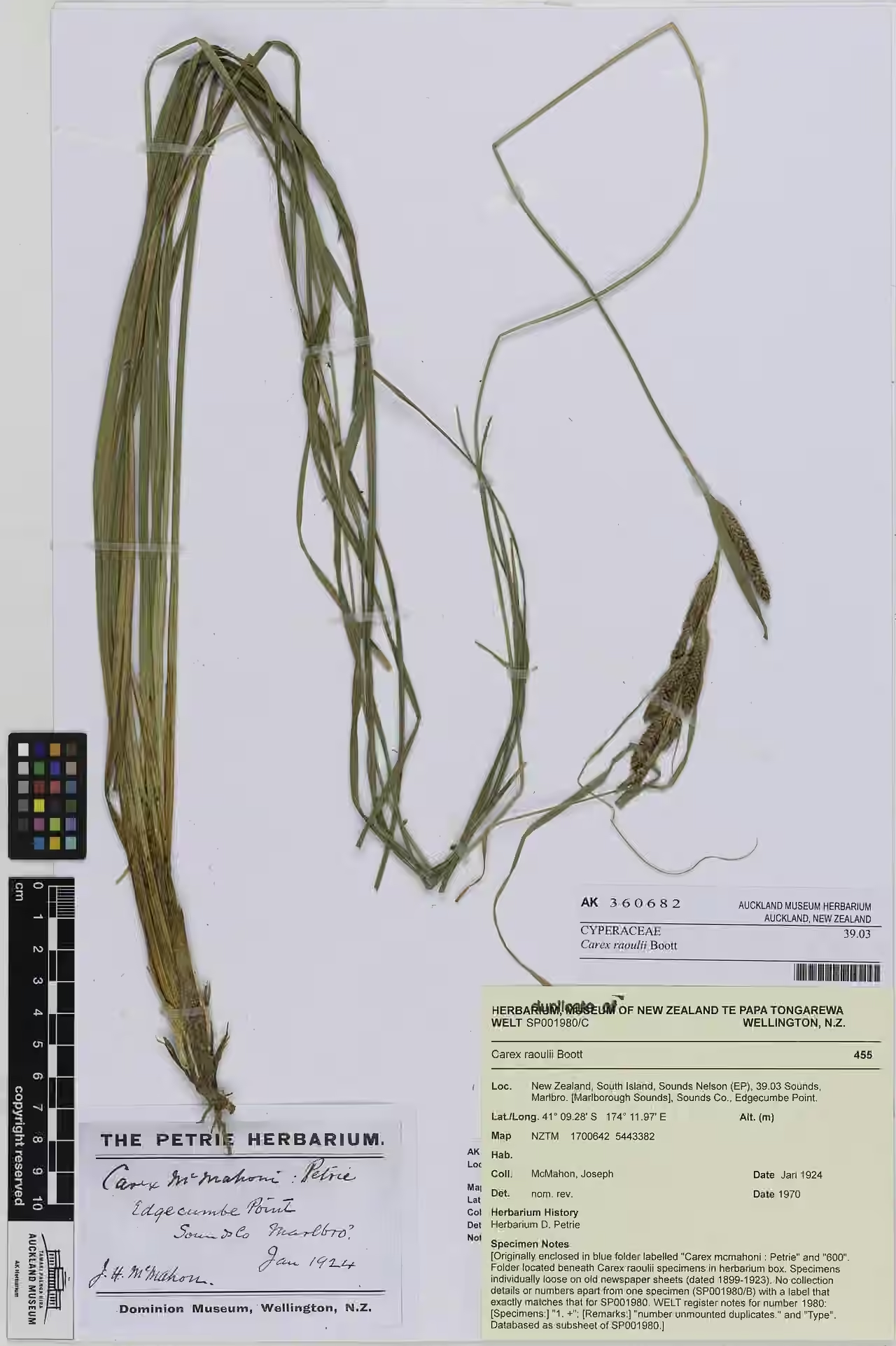
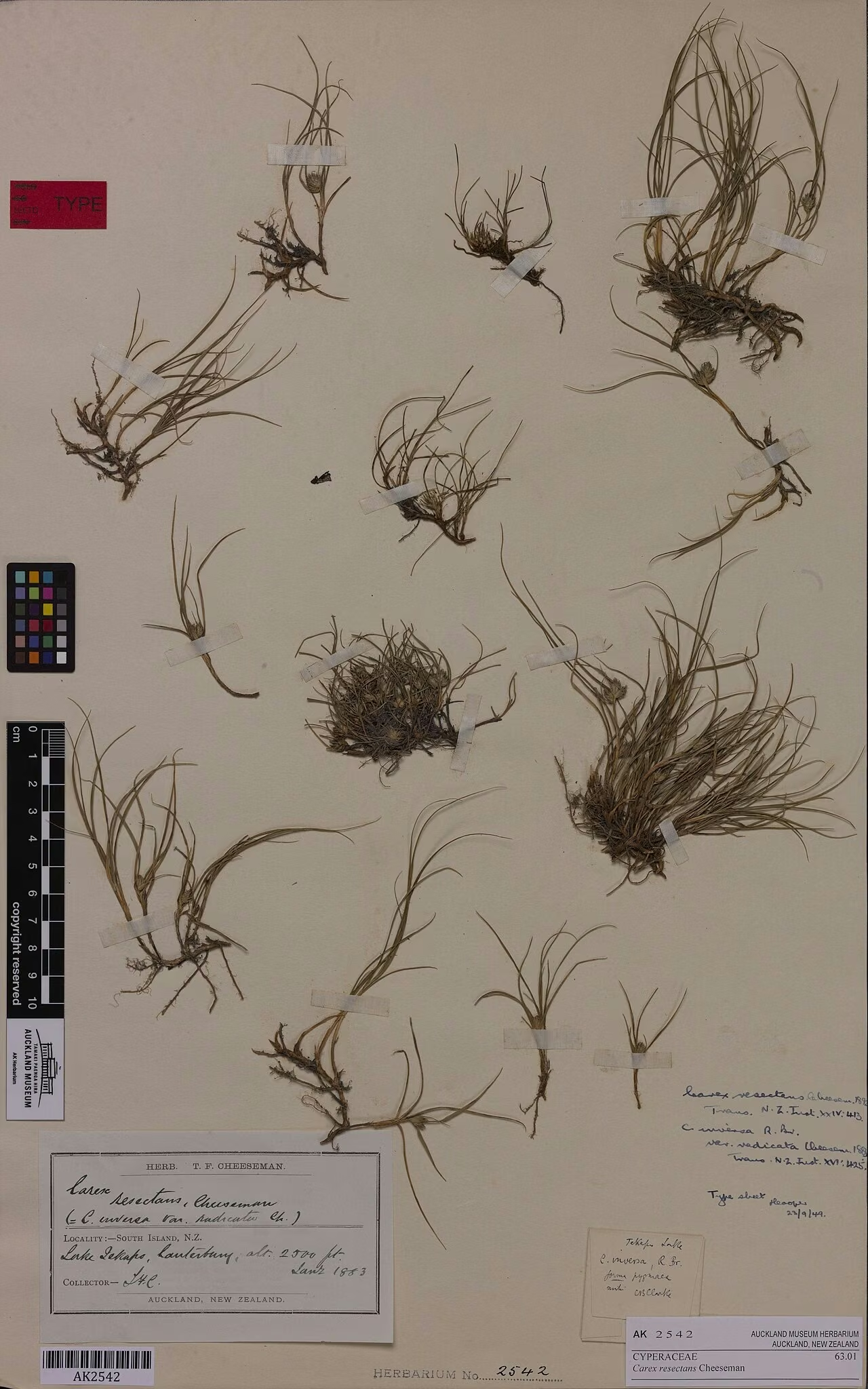
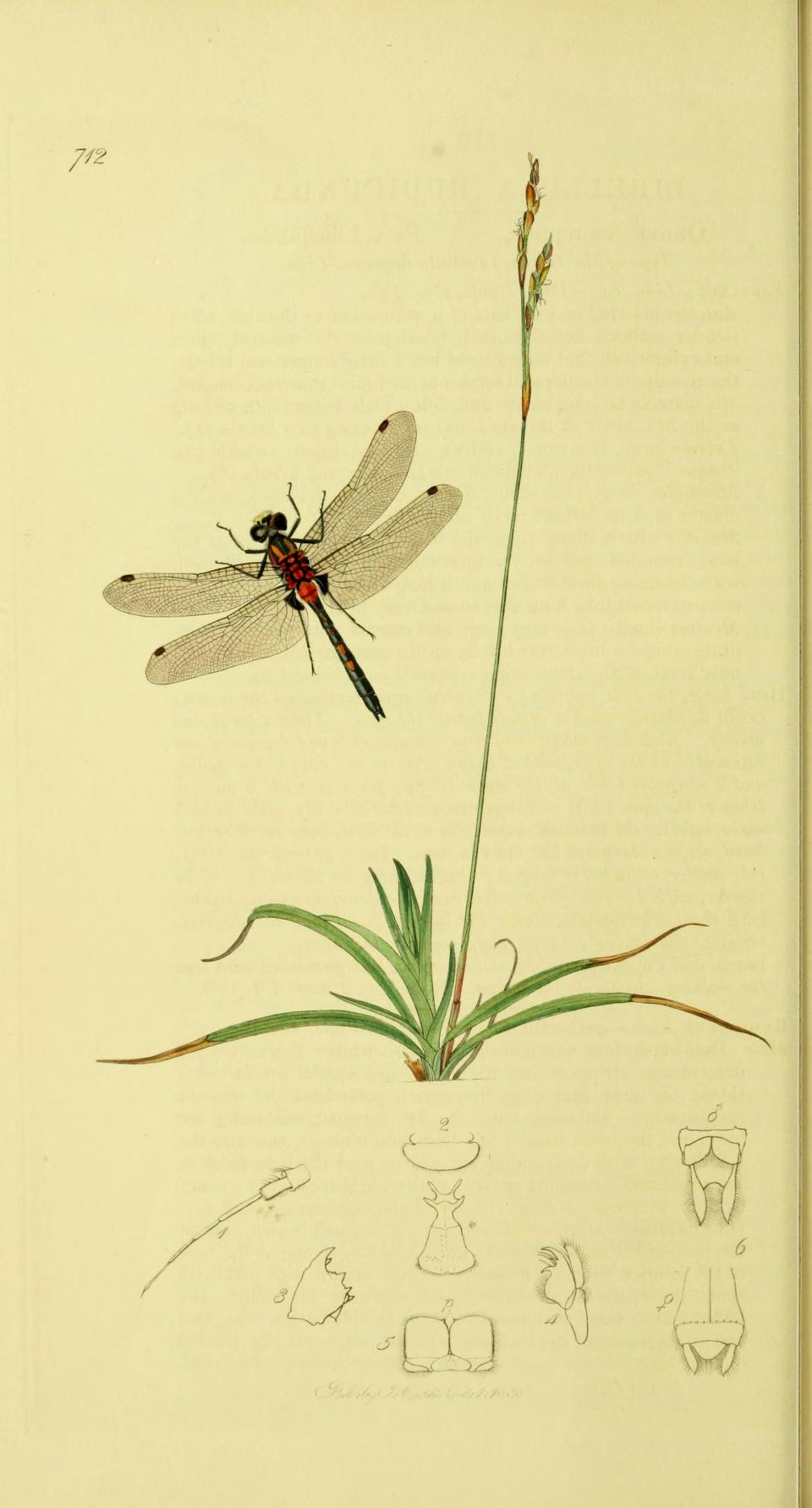
Explore other native plants that share similar characteristics or habitats with Sedge (Carex subdola), offering further insights into New Zealand's diverse flora. These related species provide context and opportunities for complementary planting in your garden.
Plant Conservation
Carex subdola is ranked Not Threatened (2023). Regionally it is At Risk - Regionally Declining in Northland and Threatened - Regionally Vulnerable in Auckland, reflecting the loss of lowland wetlands in the north.
Protecting and restoring lowland wetlands, fencing stream banks from stock and controlling invasive weeds all help this sedge and the communities it belongs to.
Frequently Asked Questions
How do you tell Carex subdola from Carex sinclairii?
The main difference is utricle colour: Carex subdola has bright cinnamon-brown utricles, while those of Carex sinclairii are yellow-brown to dark brown.
What habitat does Carex subdola prefer?
It grows in fertile to moderately fertile freshwater wetlands, along river and stream banks, lake and pond margins, damp seepages, gully systems and clearings in forest.
Is Carex subdola a good plant for pond margins?
Yes. It is easily grown from fresh seed and division, and its rigid upright tufts suit the wet edges of ponds, swales and streams.
Sources and Further Reading
The botanical, growing, and conservation details for Sedge (Carex subdola) on this page draw on the New Zealand plant references below. Consult them for full technical records and the latest distribution data.