Hook Sedge
Carex subviridis
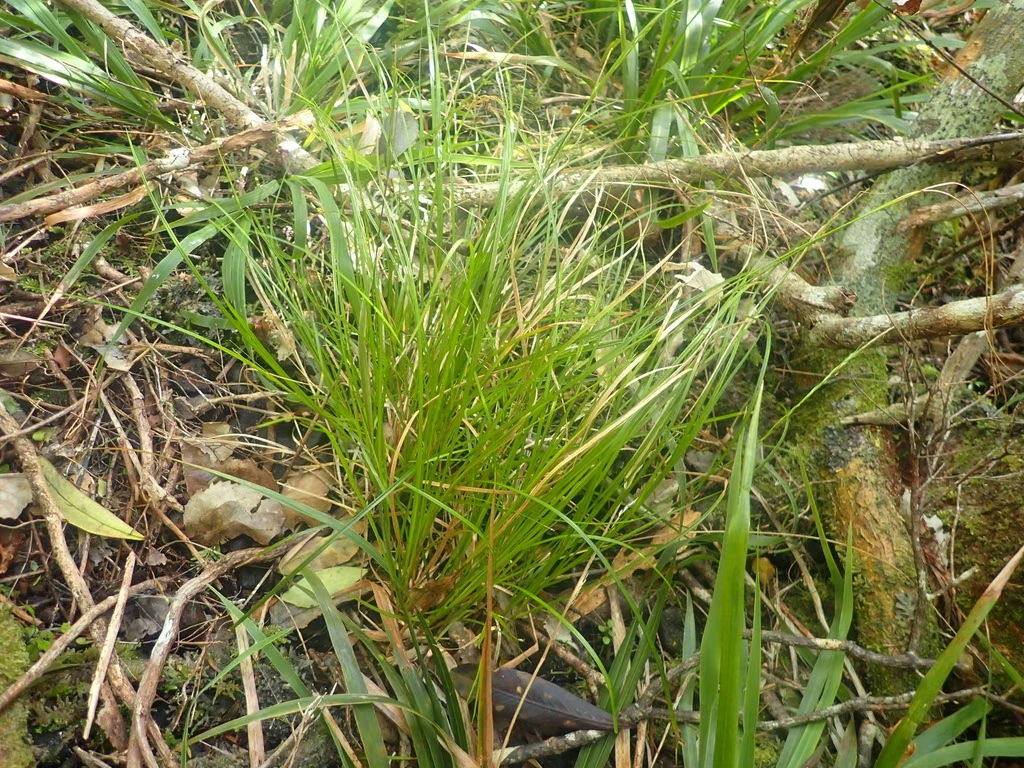
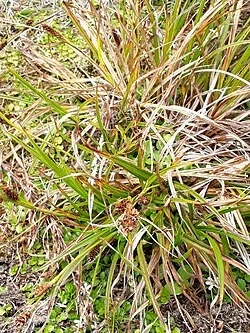
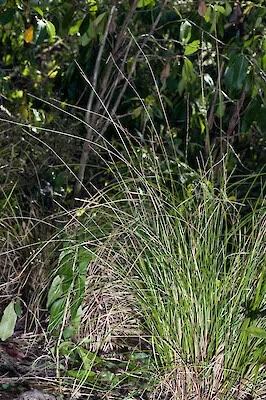
Carex subviridis is a slender hook sedge endemic to New Zealand. Its light-green leaves, loose flower spikes and rough-edged fruiting structures distinguish it among similar forest sedges. This graceful, tussock-forming sedge has light- to dark-green leaves and stems 250-600 mm tall.
Identification
This graceful, tussock-forming sedge has light- to dark-green leaves and stems 250-600 mm tall. Its leaves are 1.5-3 mm wide, with sharply rough margins. Basal sheaths are light brown or reddish.
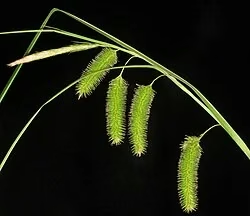
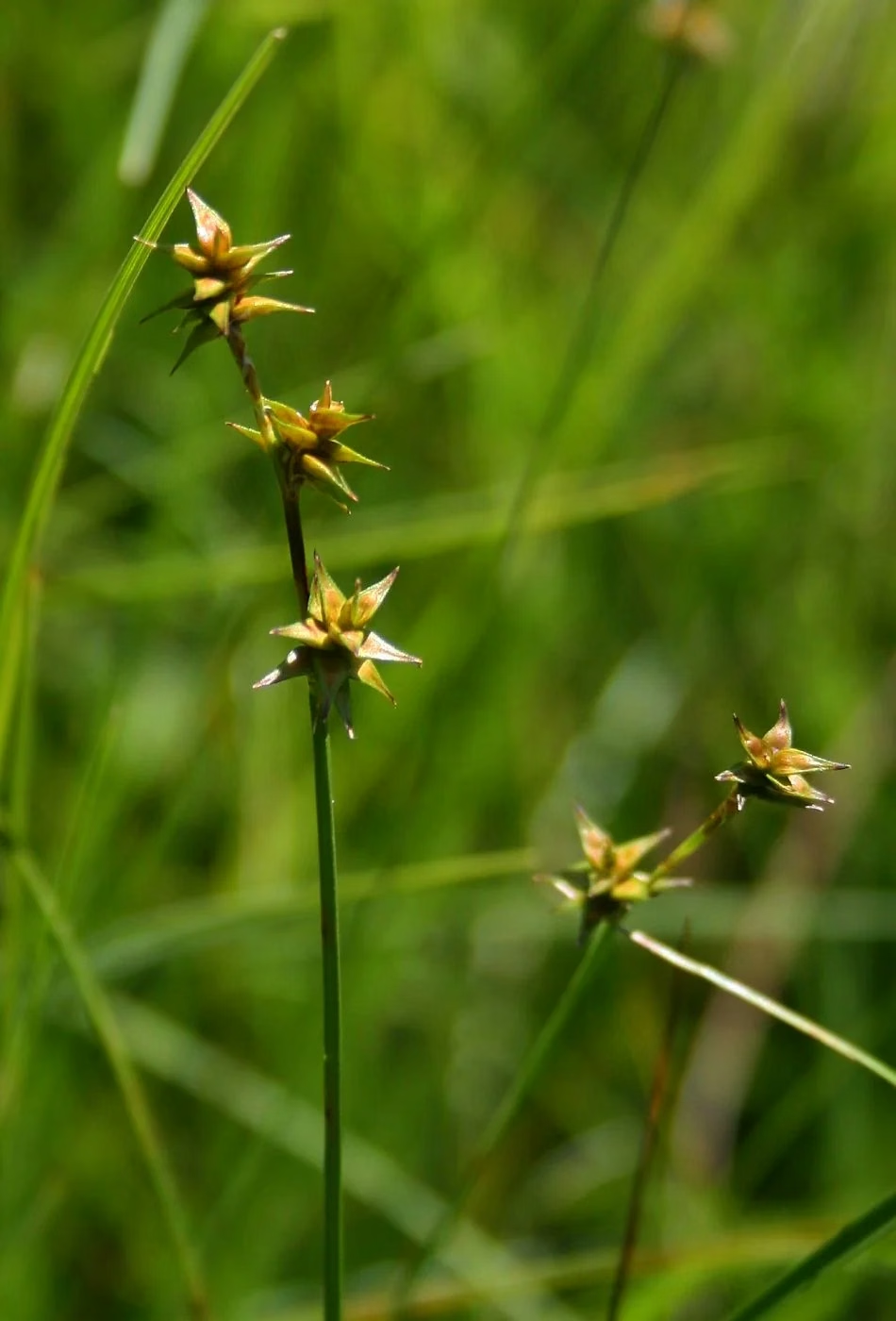
Spikes are 40-140 mm long, with roughly ten to twenty spaced female flowers. The narrow fruiting structures are 5.5-9 mm long, with rough-edged beaks.
Quick facts
| Scientific Name | Carex subviridis |
|---|---|
| Former name | Uncinia distans |
| Family | Cyperaceae |
| Stem height | 250-600 mm |
| Flowering | October to December |
| Fruiting | November to June |
| National status | Not Threatened (2023) |
| Height | Flowering stems 25-60 cm long |
| Water Needs | Moist soil during establishment; avoid waterlogging |
| Light | Semi-shade |
| Spread | Tussock-forming; mature clump width is not specified |
| Frost Tolerance | Minimum tolerated temperature is not documented |
| Salt Tolerance | Salt tolerance is not documented |
| Growth Rate | Annual extension is not quantified in the cited accounts |
| Lifespan | Longevity in years is not documented |
Natural range
This sedge occurs from coastal to montane elevations in the North and South Islands. NZPCN describes it as often sparsely distributed but locally common in Northland, Auckland, Waikato and the Bay of Plenty.
| City | Climate Suitability |
|---|---|
| Auckland | Not assessed |
| Wellington | Not assessed |
| Christchurch | Not assessed |
Habitat and distribution
Carex subviridis usually grows in forest, especially alluvial and riverside forest, and also occurs in dune forest. NZPCN records it in karst landscapes around sinkholes, tomo and dolines.
It is endemic to New Zealand and is documented in both main islands, with local concentrations in northern regions.
Growing conditions
NZPCN recommends moist soil and semi-shade. Established plants can tolerate a range of conditions, according to the network, but do not tolerate waterlogging. Natural habitats include riparian and dune forest as well as karst depressions.
Planting
For cultivated plants, NZPCN suggests a moist, semi-shaded site and cautions against waterlogging. Divisions of established plants may take time to settle; retain the slender growth habit when choosing a suitable position.
Ecology
The species occurs around karst sinkholes as well as in alluvial and dune forest. Its female flowers are relatively widely spaced toward the base of the spike, with intervals of 6-12 mm there.
Observing the plant
Look for the combination of graceful tussocks, sharply rough leaf edges and long, loose spikes. The fruiting structures are distinctly nerved, pale green or light brown, and have narrow beaks with rough margins.
Garden context
NZPCN describes this sedge as not commercially available. Its recommended conditions are moist soil and semi-shade without waterlogging; its fine leaves and loose spikes are features of its natural growth form.
Flowering and fruiting
Flowering is recorded from October to December and fruiting from November to June. The male portion of the spike is relatively long, while the female flowers are spaced more widely near its base.
Growth form
This is a fine-leaved tussock sedge with slender stems and basal sheaths that can extend over more than half a stem. The NZPCN account does not provide a species-specific pruning schedule.
How to Grow Hook Sedge (Carex subviridis)
Fresh seed and division
Fresh seed and division of established plants are documented ways to propagate Carex subviridis. NZ Plant Conservation Network notes that divisions may take a while to settle. Older names include Uncinia distans and Uncinia nelmesii, both useful for checking records attached to cultivated material. Its tussock-forming habit differs from the long-running stolons of some smaller hook sedges.
Moisture without waterlogging
The cultivation recommendation is moist soil in semi-shade. Once established, this species is reported to tolerate varied conditions, with waterlogging specifically excluded. That qualification matters even though wild populations occur in alluvial and riparian forest: a river-associated habitat does not make permanently saturated garden soil suitable. Dune forest and karst sites around sinkholes, tomo and dolines are also part of its recorded habitat.
Size of the tussock
Flowering stems reach about 25-60 cm, with four to seven leaves associated with each culm. The blades are 1.5-3 mm wide and have sharply roughened edges. Basal sheaths can enclose more than half the stem, a useful feature when examining an established plant closely. Foliage varies from very light green to dark green, so colour alone is not a sufficient identity check.
Inflorescence Structure and Fruiting Months
The inflorescences are approximately 4-14 cm long and have a relatively long male portion above about ten to twenty female flowers. The lower female flowers are spaced farther apart than those above. Flowering runs from October to December, and fruit is recorded from November to June. Some lower glumes develop a rough awn, another detail available when checking a mature seed source.
Plant health
The NZPCN profile does not specify a treatment for pests or diseases of this species. Its sharply rough leaf margins and rough fruiting beaks are normal identifying features, not signs of damage.
Naming and classification
Former names include Uncinia distans and Uncinia nelmesii. Manaaki Whenua records that the replacement name Carex subviridis refers to the species’ light-green leaves and was published in 2015.
Distinguishing similar sedges
Carex hamlinii resembles this species but has smooth fruiting structures, while those of C. subviridis are rough. The latter is also taller than Carex banksiana, which has smooth fruiting structures.
Other New Zealand sedges
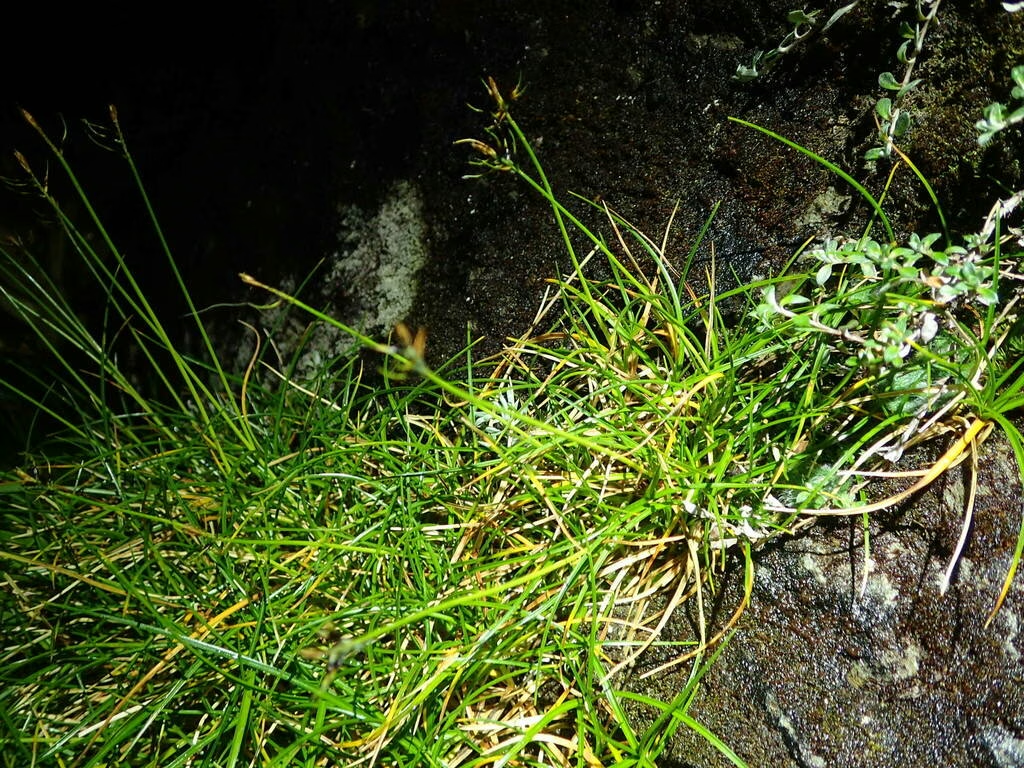
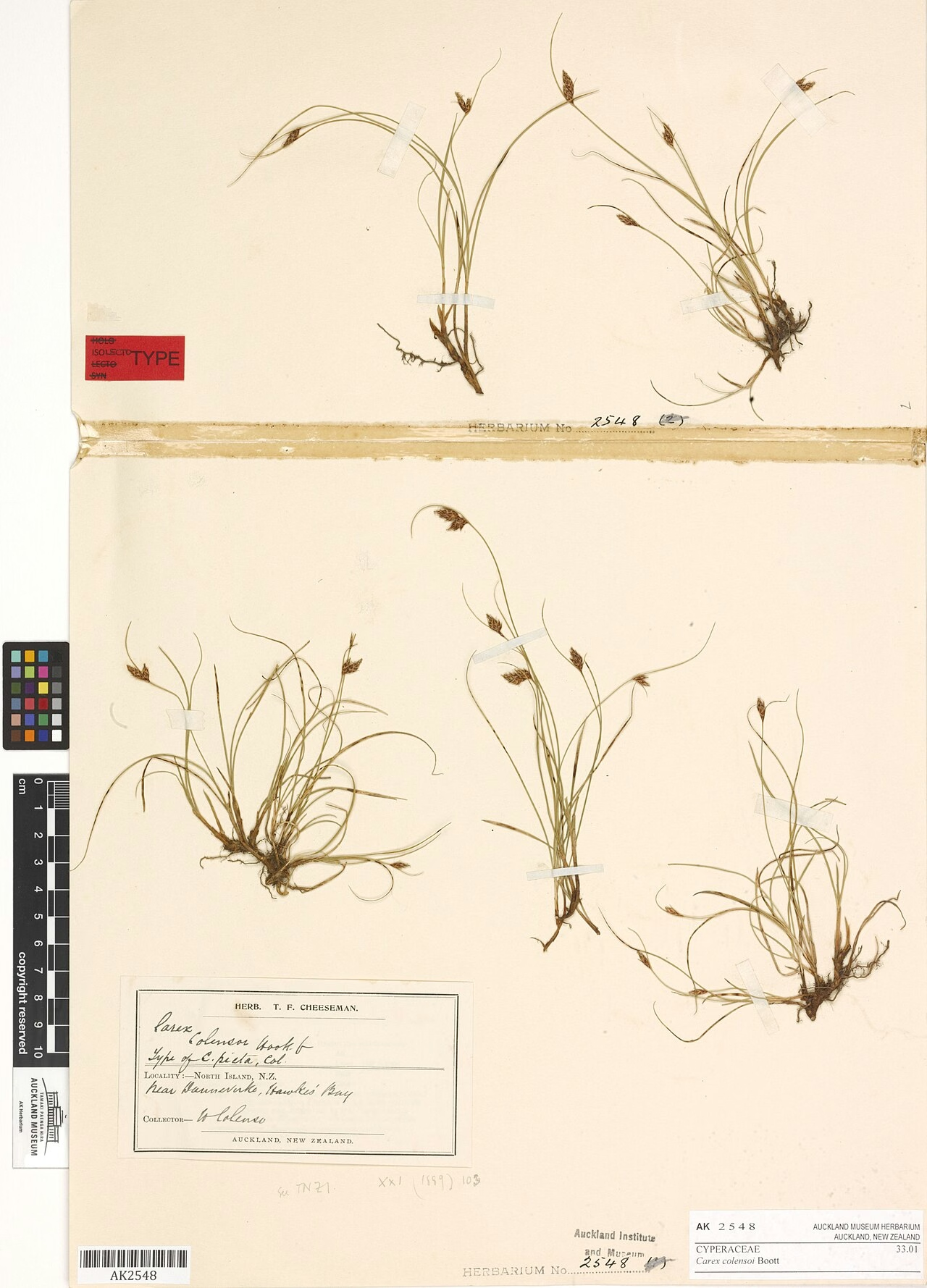
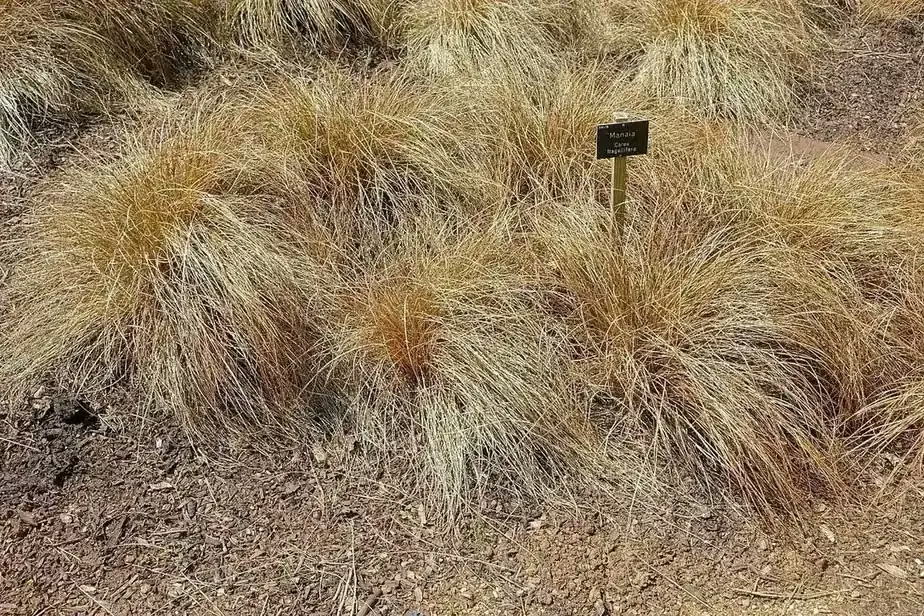
Explore other New Zealand Carex species, including sedges of wetlands, forest margins and open ground.
Conservation
Carex subviridis was assessed as Not Threatened nationally in 2023. NZPCN lists it as Regionally Declining in Auckland in 2025 and Regionally Data Deficient in Otago, illustrating differences between regional and national assessments.
Frequently asked questions
Is Uncinia distans the same plant?
Yes. NZPCN lists Uncinia distans as a synonym of Carex subviridis .
Where does it grow?
It grows in coastal to montane forests, especially riparian and alluvial forest, and around karst sinkholes.
Does it tolerate waterlogged garden soil?
The cultivation account specifically excludes waterlogging from the conditions tolerated by established Carex subviridis. It recommends moist soil and semi-shade.
Sources
Botanical description, habitat, cultivation and conservation: NZPCN: Carex subviridis. Scientific name, synonyms and etymology: Manaaki Whenua Biota of New Zealand.
Its sharply rough leaf margins and widely spaced female flowers help distinguish this forest sedge.
Last updated: