Colenso's Sedge
Carex colensoi
Last updated:
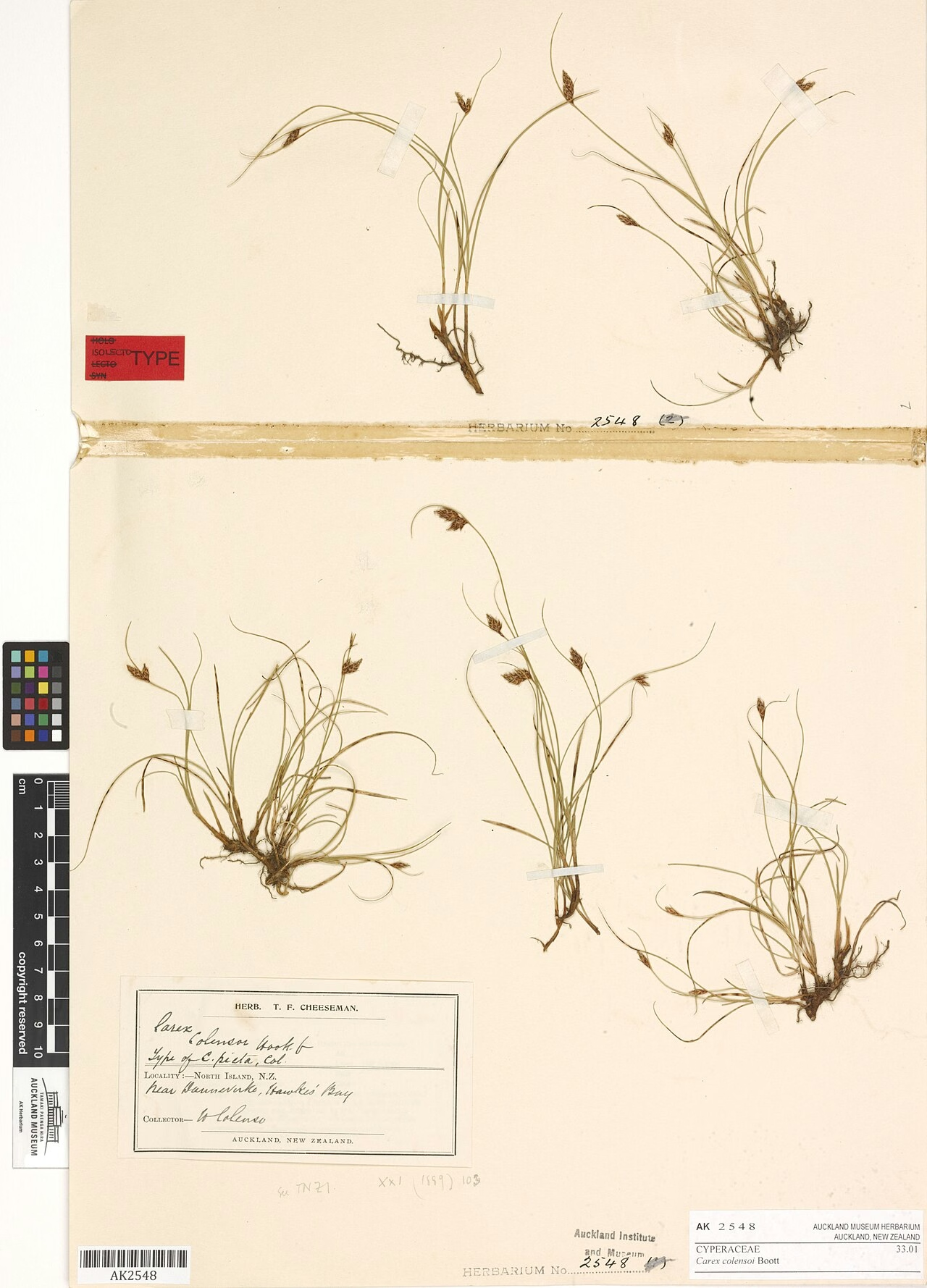
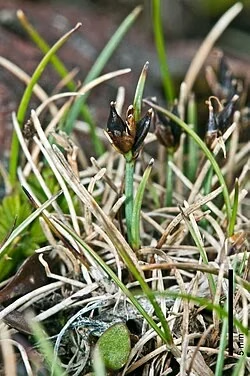
Colenso's sedge (Carex colensoi) is a slender, endemic New Zealand sedge that spreads by a long-creeping rhizome, sending up light green, drooping stems 40 to 450 mm tall with clusters of shiny chestnut-brown spikes. Its soft leaves are only 0.5 to 1.5 mm wide. It grows mostly in montane to subalpine short-tussock and tall-tussock grassland, and is especially common in the dry intermontane basins of the eastern South Island, becoming uncommon in the North Island from the Kaimanawa Ranges south. It is ranked Not Threatened nationally. NZPCN calls it an unusual sedge well worth cultivating in sunny, well-drained sites in dry climates. Explore more native grasses and flaxes in our native plant guide.
Plant Description
Carex colensoi is a tufted sedge with a long-creeping rhizome that produces scattered tufts of slender, light green culms 40 to 450 mm tall. The culms often droop or trail. The leaves are soft and grass-like, 0.5 to 1.5 mm wide, and usually shorter than the culms.
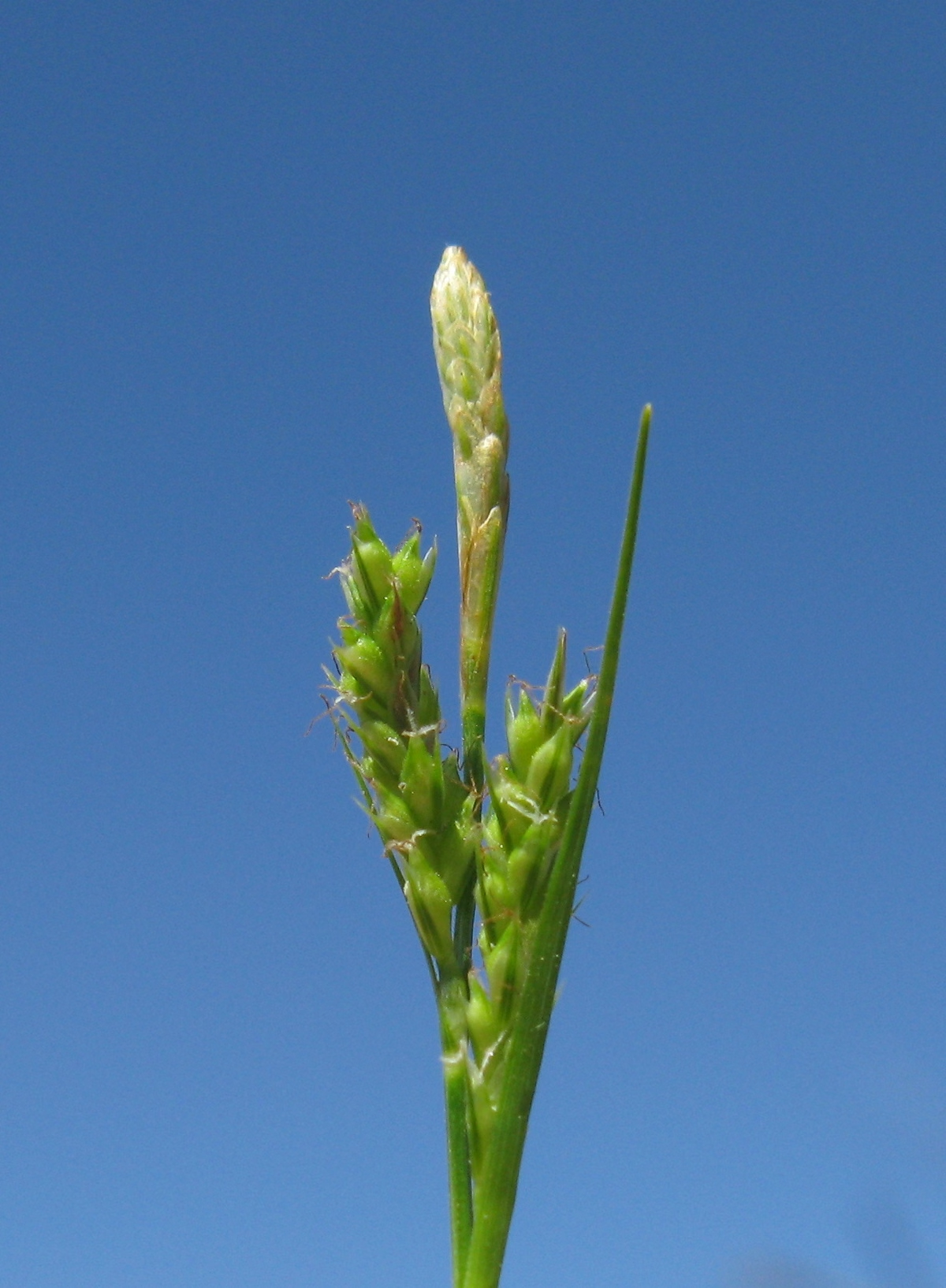
The inflorescence has 1 to 4 clustered, chestnut-brown spikes 7 to 10 mm long and 2 to 5 mm wide, subtended by much longer green bracts. Male flowers sit at the base of the spikes, and each flower has two stigmas. The utricles are 2.5 to 3.5 mm long and 1.5 to 2 mm wide, plano-convex, brown and shining, with almost no beak and indistinct nerves.
Carex inversa is the most similar species. Colenso's sedge differs in its long trailing habit, very slender light green culms, clustered brown spikes rather than pale green separate ones, and its scarcely beaked utricles.
Quick Facts
| Scientific Name | Carex colensoi |
|---|---|
| Height | 0.04-0.45 m |
| Spread | Creeps by rhizomes; patches 0.3 m or more |
| Water Needs | Low; prefers dry climates |
| Light | Full sun |
| Frost Tolerance | High; montane to subalpine |
| Salt Tolerance | No information available |
| Growth Rate | Moderate |
| Lifespan | Perennial |
Climate Best Suited to
Suited to dry, continental climates with cold winters and warm, dry summers, such as the inland basins of Canterbury and Otago. NZPCN notes it dislikes humidity.
Regional Suitability
| City | Climate Suitability |
|---|---|
| Auckland | Low |
| Wellington | Medium |
| Christchurch | High |
| Dunedin | Medium |
Plant Habitat
Colenso's sedge is endemic to New Zealand. In the North Island it is uncommon, occurring from the northern Kaimanawa Ranges southward, with historical collections from Hawke's Bay such as near Patangata and south of Dannevirke. In the South Island it is widespread and particularly common in the drier intermontane basins of the east.
It grows mostly at montane to subalpine elevations in short-tussock and tall-tussock grassland, threading its rhizomes between tussocks on open, dry plains and slopes.
Growing Requirements
Soil Requirements
It favours the well-drained, often stony and low-fertility soils of dry tussock grasslands.
- Free-draining soil
- Low to moderate fertility
- Stony or gravelly ground suits it
Light Requirements
Open tussock grassland gives it full sun, which it needs to grow well.
- Full sun
- Avoid shaded, humid corners
Water Requirements
It is rated Facultative Upland, usually found away from wetlands, and is adapted to dry summers.
- Water only to establish
- Avoid wet, poorly drained sites
Planting and Establishing
Plant in a sunny, open position with sharp drainage, such as a dry bank, rock garden or gravel bed. In wetter, humid districts, use a raised bed with plenty of grit and good air movement.
Allow room for the rhizomes to wander between other low plants, where its drooping stems and brown spikes can weave through the planting.
Ecological Role
Like other sedges it is wind pollinated. It flowers from October to December and fruits from November to May.
NZPCN records that its nuts, enclosed in inflated utricles, are dispersed by granivory and wind. Within tussock grassland it forms part of the inter-tussock ground layer along with small herbs and grasses, a community heavily affected by grazing, weeds such as Hieracium, and land conversion.
Uses & Significance
Garden Uses
An unusual, graceful sedge for dry-climate native gardens, described by NZPCN as well worth cultivating.
- Dry rock gardens and gravel gardens
- Tussock grassland plantings
- Containers in sunny, airy positions
Ecological Value
It is part of the endemic inter-tussock flora of eastern South Island grasslands.
- Seeds eaten by granivores
- Rhizomes bind dry soils between tussocks
- Adds diversity to tussock grassland restoration
Landscaping Uses
Use it as a loose, trailing filler between small tussocks such as Festuca or Poa, where its light green stems and chestnut spike clusters add texture.
It suits naturalistic dry-grassland designs in Canterbury and Central Otago better than formal plantings, as it spreads informally by rhizomes.
Seasonal Care Calendar
Spring
Flowering starts in October as new growth appears.
- Divide or plant
- Weed around rhizomes
Summer
Flowering finishes by December, and brown shining utricles ripen through summer.
- Collect seed
- Little watering needed
Autumn
Fruit continues to be shed until about May.
- Sow fresh seed
Winter
Plants rest through frosts in their montane habitat.
- Ensure drainage remains good
When to Prune and How Much
No regular pruning is required. Comb out dead stems and leaves in late winter to tidy the patch.
If rhizomes spread too far, cut back around the edges with a spade.
How to Grow Colenso's Sedge
NZPCN describes Carex colensoi as easily grown from the division of whole plants and from fresh seed. It needs well-drained, sunny sites, does best in dry climates and dislikes humidity. Its long-creeping rhizome means it divides readily, and plants raised from seed should be kept in airy, bright conditions to avoid rot. As it is Not Threatened nationally, cultivated or local stock is generally easy to source, though in Otago it is listed as regionally declining.
By Division
Lift a clump and separate rhizome pieces that carry shoots and roots. Each piece establishes quickly in gritty, free-draining mix. Because the rhizome creeps some distance, you can often take rooted pieces from the edge of a patch without lifting the whole plant, leaving the parent undisturbed.
- Lift an established plant in spring.
- Cut rhizome sections each with several shoots and roots.
- Pot into gritty, free-draining mix or plant directly into a sunny bed.
- Water in, then allow the surface to dry between waterings.
From Seed
Collect the shining brown utricles from November to May once they come away easily. Sow fresh in a well-drained seed mix and keep in a sunny, airy spot rather than a humid propagating case.
- Collect ripe utricles from the chestnut-brown spikes.
- Sow on the surface of a gritty seed mix.
- Cover lightly with fine grit.
- Keep just moist in full light with good ventilation.
- Pot up seedlings when they have several leaves.
Pests & Diseases
No specific pests or diseases are recorded. In humid conditions it is prone to rotting or failing, so good drainage and air movement are the main safeguards.
Competition from vigorous exotic grasses can swamp it, both in gardens and in tussock grassland.
Cultural Significance
No Māori name or traditional Māori use specific to Carex colensoi is recorded in the sources consulted.
The species was named by Francis Boott in 1853 in honour of William Colenso, who collected plants widely in Hawke's Bay and elsewhere in the North Island. Colenso himself later described the same plant as Carex picta, now treated as a synonym.
Bonus Tip
Grow Colenso's sedge where its drooping stems can spill over a rock or the edge of a raised gravel bed. The trailing habit and chestnut-brown seed clusters show off far better hanging down than when hemmed in among taller plants.
Related Plants
Explore other native plants that share similar characteristics or habitats with Colenso's Sedge (Carex colensoi), offering further insights into New Zealand's diverse flora. These related species provide context and opportunities for complementary planting in your garden.
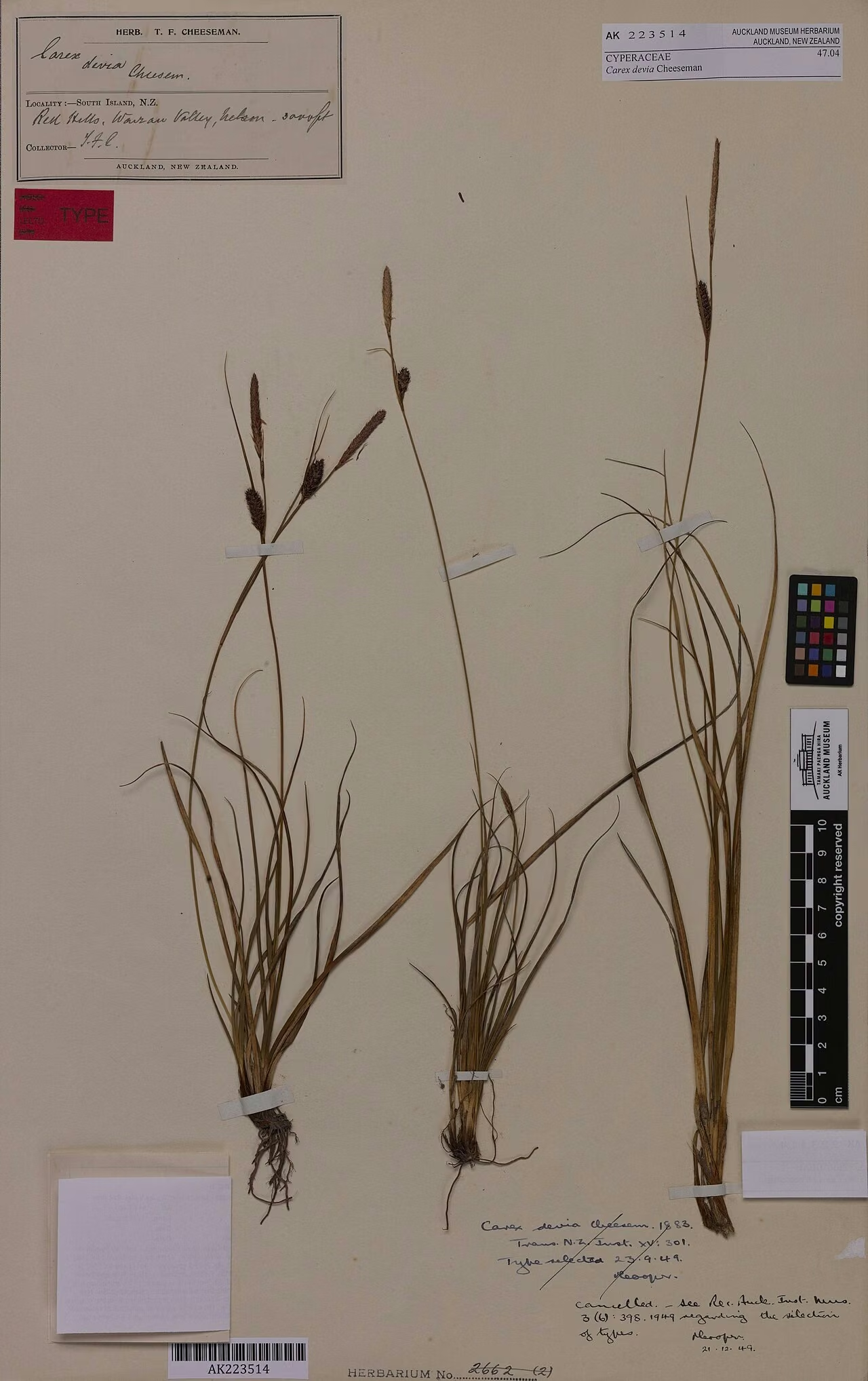
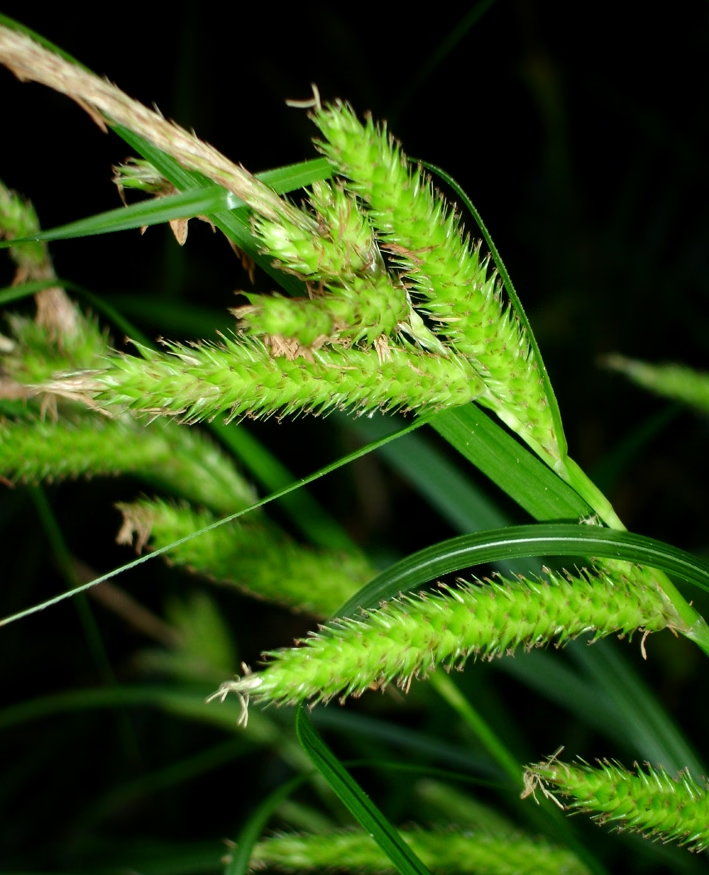
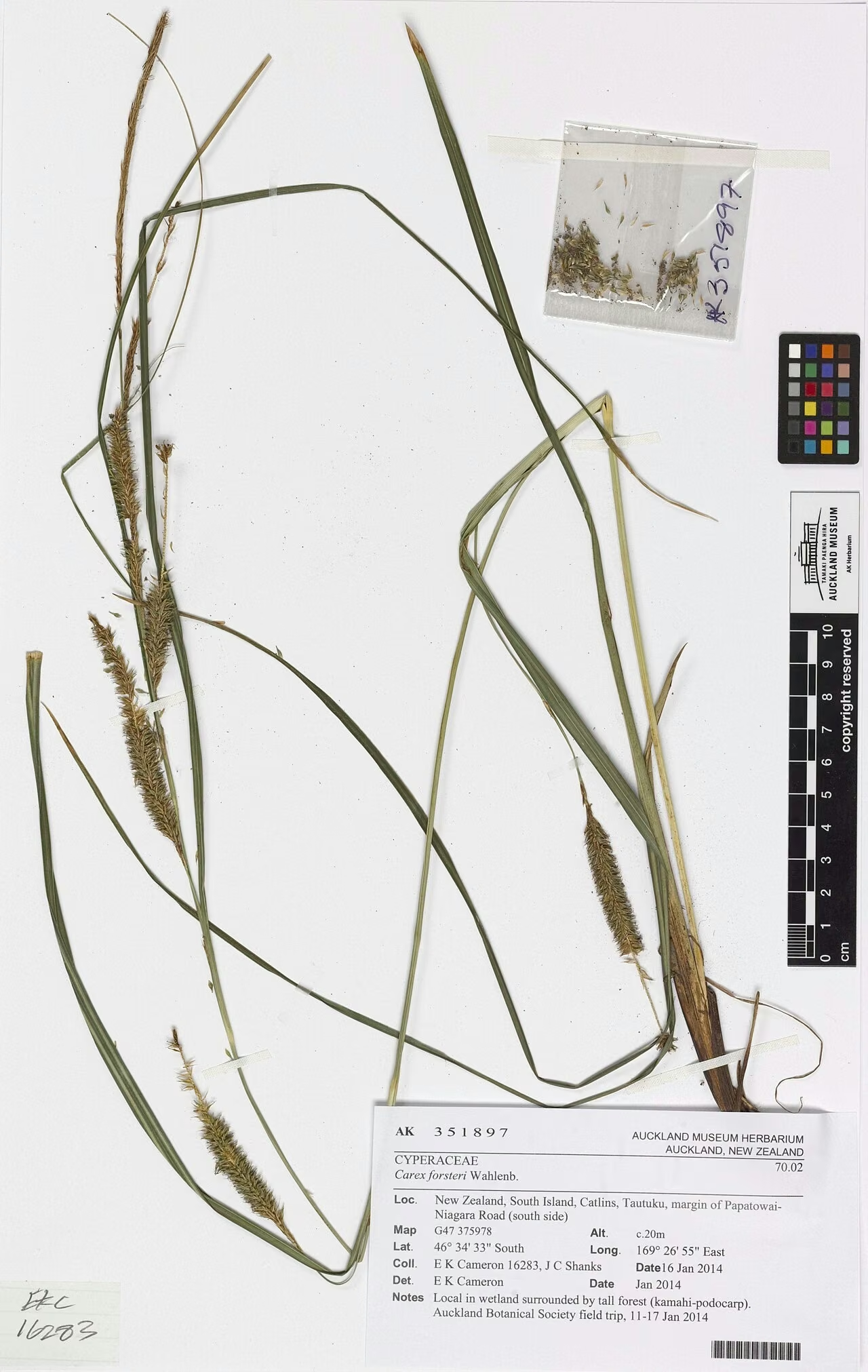
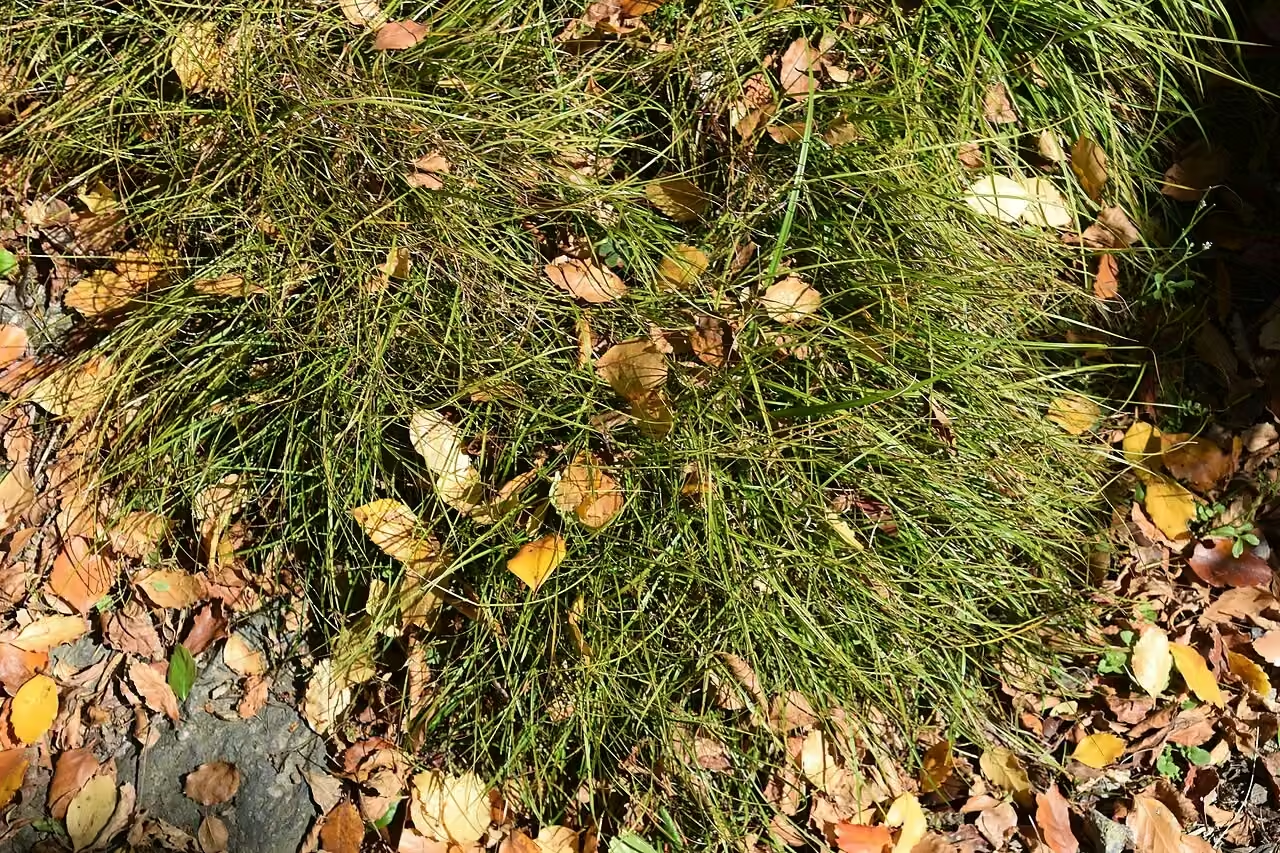
Plant Conservation
Carex colensoi is ranked Not Threatened nationally (2023) and has held that ranking since 2004. Regionally, Otago lists it as At Risk - Regionally Declining (2025) and Wellington as Data Deficient.
Its tussock grassland habitat has been greatly reduced by farming intensification, irrigation and weed invasion. Protecting remaining dry grasslands, particularly in the intermontane basins, and using it in grassland restoration will help maintain its populations.
Frequently Asked Questions
How do you tell Carex colensoi from Carex inversa?
Colenso's sedge has a long trailing habit, very slender light green stems and clustered chestnut-brown spikes. Carex inversa has pale green, separate spikes, and Colenso's sedge has scarcely beaked utricles with indistinct nerves.
Where is Colenso's sedge found?
It is endemic to New Zealand, mostly in montane to subalpine tussock grassland. It is common in the dry intermontane basins of the eastern South Island and uncommon in the North Island from the northern Kaimanawa Ranges south.
What conditions does Carex colensoi need in a garden?
NZPCN says it needs a well-drained, sunny site, does best in dry climates and dislikes humidity. It is easily grown from division and fresh seed.
Who was Carex colensoi named after?
It honours William Colenso (1811 to 1899), the Cornish-born missionary, printer, botanist, explorer and politician who collected widely in the North Island.
Sources and Further Reading
The botanical, growing, and conservation details for Colenso's Sedge (Carex colensoi) on this page draw on the New Zealand plant references below. Consult them for full technical records and the latest distribution data.