Star Sedge
Carex echinata
Last updated:
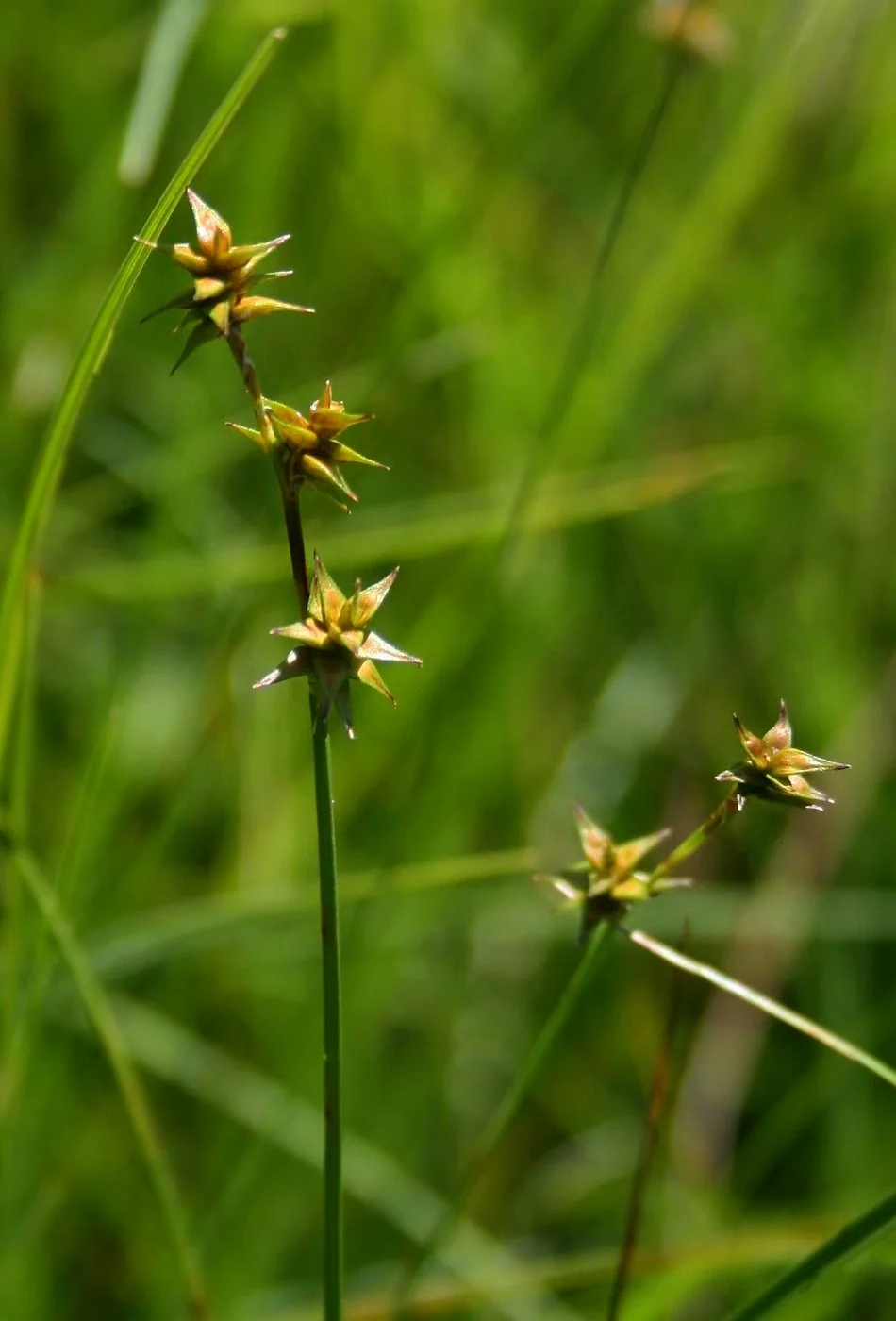
The Star Sedge (Carex echinata) is a small, densely tufted perennial sedge forming neat compact clumps 10-40 cm tall. Its narrow, hair-like soft-green leaves are shorter than the flowering stems, which carry 3 to 5 small greenish-brown spikes; as the fruit ripens the utricles spread horizontally into a prickly, star-shaped head that gives the plant its name. Almost always growing in water, it favours acidic peat bogs, mires and the mossy margins of alpine tarns and slow streams, often among sphagnum moss. A cool-climate specialist found from sea level to alpine heights across the North, South and Stewart Islands, it is extremely cold-hardy but has low salt tolerance. Explore more native plants such as Carex geminata.

Plant Description
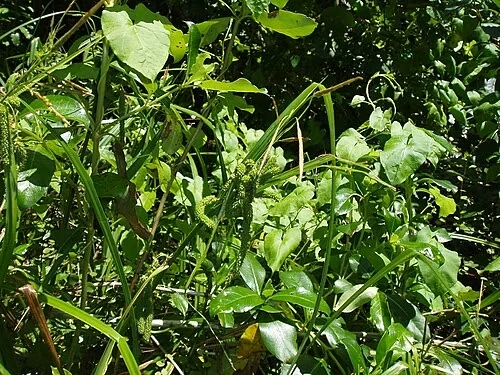
Carex echinata is a densely tufted, perennial sedge that forms neat, compact clumps. It is relatively small, with flowering stems (culms) typically ranging from 10 cm to 40 cm in height. The foliage consists of narrow, hair-like leaves that are usually shorter than the stems, measuring only 0.5-1.5 mm in width. The leaves are soft green and have slightly rough (scabrid) margins toward the tips. The most identifying feature of this plant is its inflorescence-a series of 3 to 5 small, greenish-brown spikes. As the fruit (utricles) mature, they spread out horizontally, creating a prickly, star-shaped appearance that is unique among native sedges. These utricles are dark brown and have a distinct, long beak.
Quick Facts
| Scientific Name | Carex echinata |
|---|---|
| Height | 0.1-0.4 metres |
| Spread | 0.2-0.3 metres |
| Water Needs | High / Constantly Wet |
| Light | Full Sun to Partial Shade |
| Frost Tolerance | Extremely High |
| Salt Tolerance | Low |
| Growth Rate | Slow to Moderate |
| Lifespan | Perennial |
Climate Best Suited to
Star Sedge is a cool-climate specialist. While it can be found from sea level to alpine heights, it is primarily a montane to subalpine species in the North Island. In the cooler, wetter regions of the South Island and Stewart Island, it frequently descends to the coast. It is extremely cold-hardy, adapted to endure heavy snow and long winters. It does not perform well in hot, humid northern climates unless it is provided with constant root moisture and protection from the intense midday sun.
Regional Suitability
| City | Climate Suitability |
|---|---|
| Auckland | Poor (too hot/dry) |
| Hamilton | Moderate |
| Wellington | Good |
| Christchurch | Excellent (with water) |
| Dunedin | Excellent |
| Invercargill | Excellent |
Plant Habitat
This species is almost always associated with water. Its natural habitats include acidic peat bogs, mires, and the mossy margins of alpine tarns and slow-moving streams. It thrives in seasonally or permanently waterlogged sites where the substrate is often nutrient-poor but rich in organic matter. You will often find it growing in association with sphagnum moss and other moisture-loving alpine herbs. It is a key component of high-country wetland flora.
Growing Requirements
Soil Requirements
Requires acidic, peat-rich soil that mimics the boggy conditions of its natural mountain habitat.
- Peat-based mix
- High organic matter
- Acidic substrate (low pH)
- Moisture-retentive
Light Requirements
Prefers bright, indirect light. It can handle full sun in cool regions, but needs protection from heat in warmer areas.
- Morning Sun (Preferred)
- Dappled Shade
- Bright Indirect Light
Water Requirements
Very high. The soil must remain consistently wet. It cannot tolerate even short periods of drought.
- Permanently wet/moist
- Tolerates waterlogging
- High humidity preferred
Planting and Establishing
Star Sedge is best established in a dedicated bog garden or a moisture-retentive container. If planting in the ground, choose the wettest spot available, such as near a pond overflow or a natural seepage. Dig in plenty of peat moss or leaf mold to help retain moisture and lower the soil pH. When planting from a pot, ensure the plant is at the same depth as it was in the container. Firm the soil gently and water immediately. Because of its small size, it is best planted in groups of three or five to create a noticeable presence. It is a slow-growing plant, so patience is required during the first couple of seasons.
Ecological Role
In alpine and subalpine wetland communities, Carex echinata plays a vital role in filtering water and preventing the erosion of fragile mountain soils. Its dense clumps provide essential habitat for many small alpine invertebrates, which in turn support native birds like the pipit. The plant also contributes to the buildup of peat, helping to sequester carbon in these sensitive ecosystems. Its presence is often an indicator of high-quality, undisturbed wetland environments.
Uses & Significance
Garden Uses
A wonderful addition to specialized gardens. Its small scale makes it ideal for detail-oriented planting designs.
- Alpine rockeries
- Small-scale bog gardens
- Water feature margins
- Trough or alpine container gardening
Ecological Value
Supports the delicate balance of New Zealand's mountain wetland systems.
- Water filtration in high country
- Soil stabilization
- Habitat for alpine insects
- Peat formation contributor
Landscaping Uses
In landscaping, Carex echinata is used for its fine texture and unique seed heads. It is particularly effective when planted alongside larger-leaved bog plants or silver alpine species to provide a contrast in form. Because it stays small and neat, it won't overwhelm other plants in a mixed alpine display. It is perfect for lining a small, naturalistic stream or for planting in the damp crevices of a stone wall or rock garden where moisture is constant.
Seasonal Care Calendar
Spring
This is the best time for planting and division. Ensure moisture is high as growth resumes.
- Repot container specimens
- Divide established clumps
- Watch for star-shaped spikes
Summer
Critical moisture management time. Do not let the roots dry out even for a day.
- Daily watering in pots
- Maintain high humidity
- Monitor for heat stress
Autumn
Sow seeds now to allow for the necessary winter chilling period.
- Collect mature seeds
- Sow seeds outdoors
- Clean up any dead leaves
Winter
The plant is fully dormant and can handle extreme cold and snow.
- Allow natural snow cover
- Minimal care required
- Keep roots moist
When to Prune and How Much
Pruning is rarely necessary for Star Sedge. It is a "self-tidying" plant that maintains its compact shape naturally.
- Pull away dead or yellowing leaves by hand in early spring
- Trim off old flowering stems only after the seeds have dispersed
- Do not cut the entire plant back hard, as it is slow to recover
Gently combing through the foliage with your fingers is usually enough to remove any unsightly debris.
How to Grow Star Sedge
Growing Star Sedge ( Carex echinata ) is a delightful challenge for those who enjoy alpine or wetland plants. This species is slightly more demanding than some of the larger, more common sedges because it requires very specific moisture and temperature levels to thrive. However, if you can provide it with a cool, permanently wet environment, it will reward you with its unique architecture and hardy nature. Propagation can be achieved either by sowing seeds or by dividing mature clumps, with both methods requiring a little bit of specialized knowledge.
From Seed
Propagation from seed is a natural way to increase your stock, but it requires patience. The seeds of Star Sedge have a natural dormancy that must be broken by a period of cold temperatures, a process known as stratification.
The easiest way to achieve this is to sow the seeds in autumn and leave the trays outside over the winter. The natural freeze-thaw cycles will prepare the seeds for germination when the weather warms up in spring. If you are sowing in spring, you will need to place your seed tray in the refrigerator for 4-6 weeks before bringing it into the warmth.
- Collect mature seeds in late summer when they are dark and firm.
- Sow seeds onto a moist, peat-rich seed raising mix.
- Cover with only a very thin layer of grit to allow light to reach them.
- Place the tray in a cold frame or protected outdoor spot for the winter.
- Maintain consistent moisture throughout the entire process.
Germination is usually high once the temperatures begin to rise in spring. Keep the seedlings shaded and very wet as they grow.
From Cuttings
As with other sedges, Star Sedge cannot be grown from stem cuttings. The preferred vegetative method is the division of its tufted clumps. This is best done in early spring, just as the new season's growth is beginning to show.
Carefully lift a healthy clump and use a sharp knife to divide it into two or three pieces. It is vital that each piece has a good section of roots and at least one or two healthy shoots. Because this plant is small and slow-growing, avoid over-dividing it; keeping the sections relatively large will ensure they establish more quickly.
- Lift a mature clump in early spring.
- Divide with a clean, sharp blade.
- Re-plant immediately into a very wet, peat-based soil.
- Keep the new divisions shaded from direct sun for several weeks.
Additional Methods
For those who find the plant difficult to grow in the garden soil, container culture is an excellent alternative. Using a pot allows you to maintain the perfect moisture and pH levels. You can even place the pot inside a decorative outer container that has no drainage holes, keeping it partially filled with water to ensure the Star Sedge always has "wet feet." This mimics its natural habitat perfectly and often results in the healthiest, most vibrant plants.
Pests & Diseases
Star Sedge is remarkably free of most garden pests. Its biggest threat is not a bug or a fungus, but the lack of water. If the soil dries out even once, the delicate leaves will quickly shrivel. In very sheltered, stagnant conditions, you might occasionally see a small amount of aphids, but these are rarely a serious problem. Slugs and snails may sometimes graze on the leaves in spring, so keep an eye out if these are common in your garden. Ensuring good air circulation and the correct acidic soil conditions will prevent most health issues.
Cultural Significance
While Carex echinata is not as prominent in cultural lore as the larger wetland plants, it remains a symbol of the pristine beauty of New Zealand's mountain environments. It is part of the "Te Ngahere" (the forest and wild places) that is deeply respected in Māori culture.
- Indicator of healthy alpine wetland health
- Part of the complex biodiversity of high-country bogs
- Ecological protector of sensitive mountain soils
Bonus Tip
If you are building an alpine trough or rock garden, use Carex echinata to line the "valley" parts where water naturally collects. Its small stature won't hide your prized alpine flowers, and its prickly seed heads add a great deal of interest when viewed from above.
Related Plants
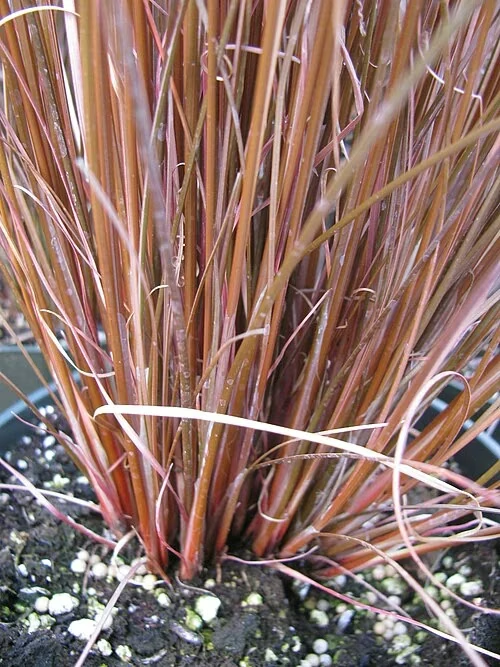
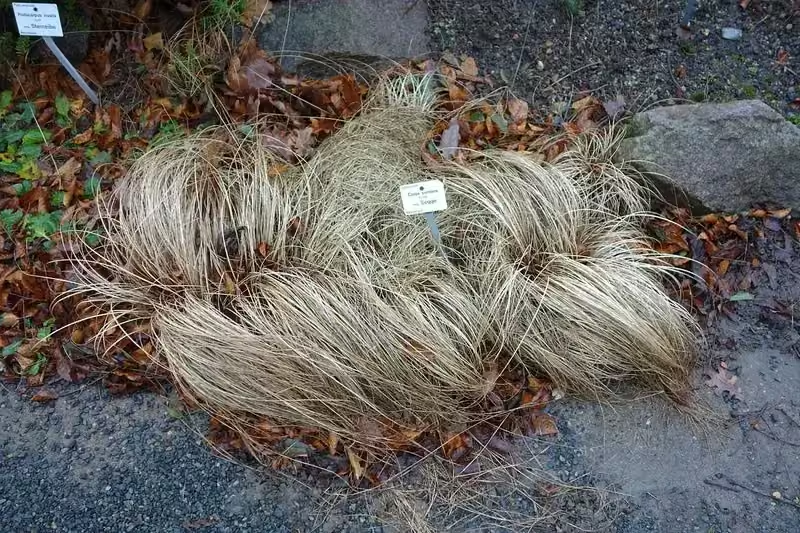
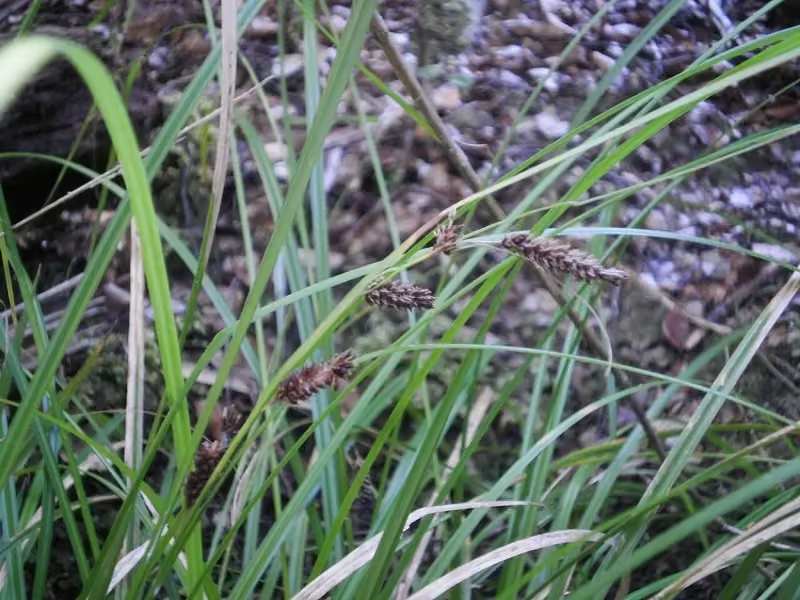
Explore other native plants that share similar characteristics or habitats with Star Sedge ( Carex echinata ), offering further insights into New Zealand's diverse flora. These related species provide context and opportunities for complementary planting in your garden.




Plant Conservation
Carex echinata is classified as "Not Threatened" in New Zealand and is common throughout its range. However, its specialized habitat in mountain bogs and wetlands makes it vulnerable to climate change and any activities that alter the hydrology of high-country areas. Protecting these sensitive environments is essential for the preservation of this species and the unique biodiversity it supports.
Frequently Asked Questions
How tall does the Star Sedge grow?
Carex echinata is small, with flowering stems typically 10-40 cm tall in compact clumps.
Why is it called the Star Sedge?
As its fruit ripens, the utricles spread horizontally into a prickly, star-shaped seed head.
Where does Carex echinata grow naturally?
It grows in acidic peat bogs, mires and mossy margins of alpine tarns and slow streams.
Is the Star Sedge frost hardy?
Yes, it is extremely cold-hardy, though it has low tolerance of salt.
Sources and Further Reading
The botanical, growing, and conservation details for Star Sedge (Carex echinata) on this page draw on authoritative New Zealand plant references and citizen-science observation records. Consult the sources below for full technical records and the latest distribution data.