Chatham Sedge
Carex chathamica
Last updated:
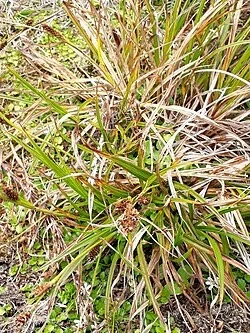
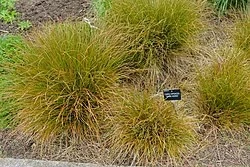
The Chatham Sedge (Carex chathamica) is a medium-sized, densely tufted sedge endemic to the Chatham Islands, found on Rekohu, Pitt Island and South East Island. It grows to about 40-45 cm in both height and spread, forming stout clumps of slender foliage that ranges from dark green to an attractive orange-green with a bronze tint in exposed sites. In summer it produces erect culms bearing brown flower spikes that mature into persistent seed heads. Naturally at home in peaty ground, bogs, wet clearings and the margins of streams and swamps, it is frost hardy, tolerates coastal salt exposure, and adapts well to both sun and shade in cultivation. Explore more native plants such as Carex dissita.
Plant Description
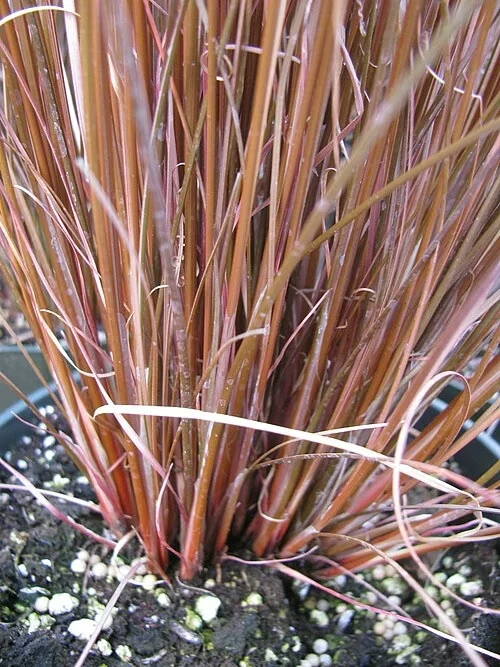
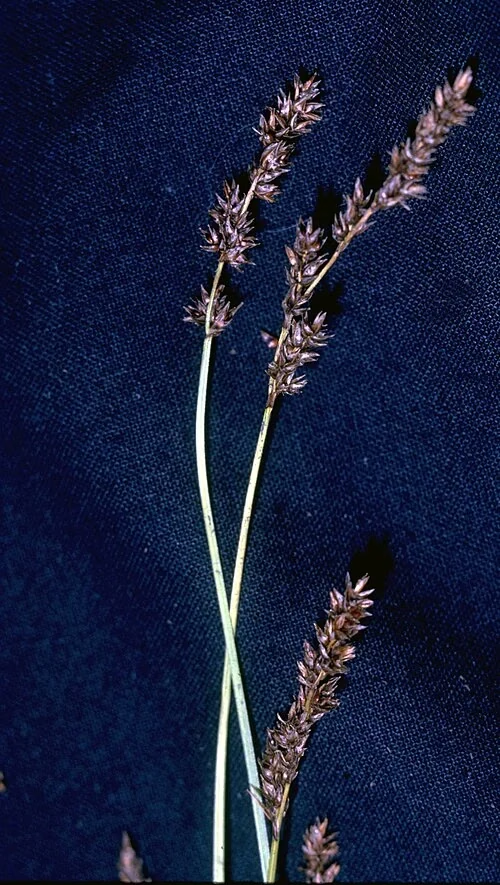
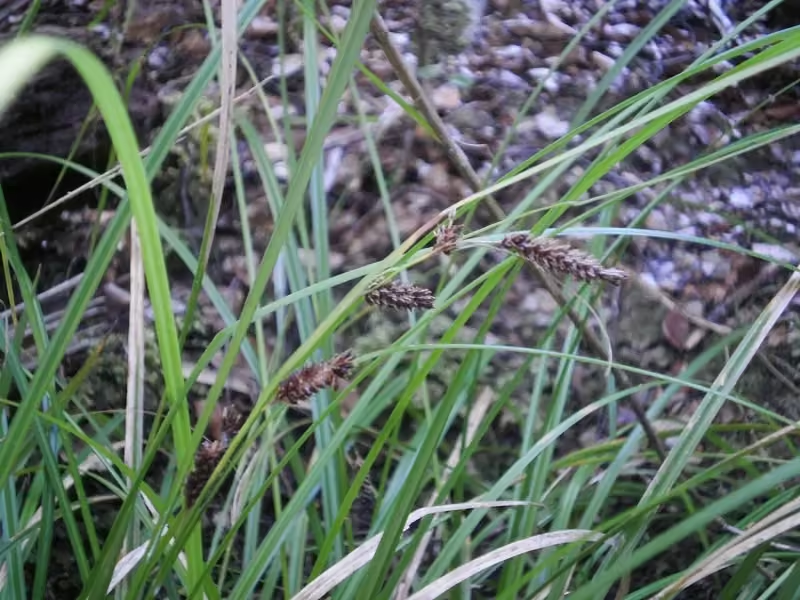
Carex chathamica is a medium-sized sedge, typically growing to about 40-45 cm in both height and spread, forming stout, densely tufted clumps. Its foliage is slender and distinctive, ranging in colour from dark green to an attractive orange-green, often with a hint of bronze in more exposed conditions. The leaf edges are notably rough, a characteristic common among many sedges. In summer, the plant produces erect culms (flowering stems) that bear brown flower spikes, which add a subtle yet interesting texture to the plant's overall appearance. These spikes later mature into seed heads that can persist for many weeks.
Quick Facts
| Scientific Name | Carex chathamica |
|---|---|
| Height | 0.4-0.45 metres |
| Spread | 0.4-0.45 metres |
| Water Needs | High / Consistently Moist |
| Light | Full Sun to Partial Shade |
| Frost Tolerance | High |
| Salt Tolerance | Moderate to High |
| Growth Rate | Moderate |
| Lifespan | Perennial |
Climate Best Suited to
Carex chathamica is naturally adapted to the cool, moist, and often windswept conditions of the Chatham Islands. It thrives in temperate maritime climates, tolerating both frost and coastal exposure. While it prefers cool, shaded sites in its natural habitat, it is quite adaptable to both sun and shade in cultivation, provided its moisture needs are consistently met. It generally dislikes long periods of drought, high humidity, or a combination of both, which can make it challenging to grow in hotter, drier regions of mainland New Zealand without specialized care.
Regional Suitability
| City | Climate Suitability |
|---|---|
| Auckland | Poor (too warm/humid) |
| Hamilton | Moderate |
| Wellington | Good |
| Christchurch | Excellent |
| Dunedin | Excellent |
| Invercargill | Excellent |
Plant Habitat
As its name suggests, Carex chathamica is endemic to the Chatham Islands, where it can be found on Rekohu (Chatham Island), Pitt Island, and South East Island. Its preferred habitats include peaty ground, bogs, and wet clearings within forests or scrubland. It also commonly colonizes the margins of streams, lakes, ponds, and swamps. Although widespread across the archipelago, it is considered biologically sparse, meaning it is never found in great abundance at any single location. This species plays a crucial role in the unique wetland ecosystems of these isolated islands.
Growing Requirements
Soil Requirements
Thrives in permanently damp, peaty soils. It can also adapt to moist but well-drained loamy soils.
- Peaty or organic-rich soil
- Consistently moist but not stagnant
- Slightly acidic to neutral pH
- Can tolerate heavier soils
Light Requirements
Grows well in a range of light conditions, from full sun to partial shade, and prefers cool, shaded sites naturally.
- Full Sun (with consistent moisture)
- Partial Shade (preferred in warmer areas)
- Cool, shaded sites
Water Requirements
Requires consistently high moisture levels. It is not drought-tolerant and will decline if allowed to dry out.
- Permanently damp soil
- Avoid drying out
- Tolerates occasional inundation
Planting and Establishing
When planting Carex chathamica , choose a location that can provide consistently damp soil, such as a bog garden, rain garden, or the edge of a pond. If your garden soil is free-draining, amend it generously with peat moss or well-rotted organic compost to improve moisture retention. Space plants approximately 40-45 cm apart to allow for their mature spread. Plant in autumn or spring, which allows the plant to establish roots before extreme weather. Water thoroughly after planting and apply a layer of organic mulch to help retain soil moisture and suppress weeds.
Ecological Role
As an endemic species of the Chatham Islands, Carex chathamica is an integral part of its unique island ecosystems. It helps stabilize the peaty soils of bogs and wetland margins, preventing erosion. Its dense tufted growth provides crucial habitat and shelter for a variety of island invertebrates and small fauna. The sedge contributes to the overall biodiversity of the Chatham Islands, which are renowned for their high proportion of endemic species. Its health is closely linked to the health of these vulnerable wetland habitats.
Uses & Significance
Garden Uses
Ideal for bog gardens, pond margins, and wet areas in coastal or cool-temperate gardens. Its unique foliage colour adds visual interest.
- Wetland planting and restoration
- Coastal gardens
- Container plants in water features
- Edging for damp pathways
Ecological Value
A key component of the Chatham Islands' unique wetland flora, supporting island biodiversity.
- Soil stabilization in peaty areas
- Habitat for native island invertebrates
- Contributes to wetland health
- Endemic species conservation
Landscaping Uses
In landscaping, Carex chathamica is used to create naturalistic wetland scenes or as a striking accent plant in areas with consistent moisture. Its dark green to orange-green foliage provides excellent textural contrast against other wetland plants or against the dark soil of a bog garden. Given its tolerance for coastal conditions, it is an excellent choice for gardens near the sea, especially in cooler climates. For inland gardens in warmer, drier regions, it can be successfully grown in containers placed in shallow water to ensure its high moisture needs are met.
Seasonal Care Calendar
Spring
As temperatures rise, ensure consistent moisture. Apply a light application of native plant fertilizer.
- Monitor soil moisture closely
- Light fertilization with native plant food
- Divide established clumps
Summer
Critical period for moisture. Do not allow the plant to dry out, especially in containers.
- Water regularly and deeply
- Provide afternoon shade in hot climates
- Check for any signs of heat stress
Autumn
Ideal time for planting new specimens or sowing fresh seeds to prepare for winter establishment.
- Plant new sedges
- Sow fresh seed
- Remove any spent flower stalks
Winter
The plant is frost-hardy and remains evergreen. Ensure adequate moisture without waterlogging.
- Minimal maintenance needed
- Protect container plants from prolonged freezing
- Remove any dead leaves for tidiness
When to Prune and How Much
Carex chathamica is a low-maintenance sedge that generally requires minimal pruning.
- Remove any dead or yellowing leaves in early spring to refresh its appearance.
- Cut back old flower spikes if a tidier look is desired, after the seeds have dropped.
- Avoid hard cutting back unless the plant is very old and crowded, in which case a rejuvenation prune can be done in late winter.
Regular grooming by hand to pull away any loose, dead foliage is usually sufficient to keep the Chatham Sedge looking its best.
How to Grow Chatham Sedge
Cultivating Chatham Sedge ( Carex chathamica ) can be a rewarding experience for those interested in New Zealand's unique island flora. While it thrives in the cool, moist conditions of its native Chatham Islands, with careful attention to its moisture and light requirements, it can be successfully grown in suitable mainland gardens. Understanding its preference for peaty, consistently damp soil is key to its successful establishment. Propagation can be readily achieved through seed or division, allowing gardeners to contribute to the presence of this special endemic species.
From Seed
Growing Carex chathamica from seed is a straightforward process, provided fresh, viable seeds are used. Seeds should be collected from mature plants when the brown flower spikes have dried and the seeds are easily dislodged.
Sow fresh seeds onto a tray filled with a high-quality, peat-based seed-raising mix that is kept constantly moist. A fine layer of grit or vermiculite can be used to lightly cover the seeds. Placing the tray in a propagator or a warm, well-lit position (around 15°C) will encourage germination. While some sources suggest stratification may be beneficial, fresh seeds often germinate without pre-treatment. Ensure the medium never dries out, as consistent moisture is crucial for sedge seed germination. Germination can occur over several weeks to a few months.
- Collect mature seeds in late summer or autumn from dried spikes.
- Sow seeds thinly onto a consistently moist, peat-rich seed-raising mix.
- Lightly cover with fine grit; some light may aid germination.
- Maintain a temperature of approximately 15°C and ensure continuous moisture.
- Prick out seedlings into individual pots once large enough to handle, continuing with moist conditions.
Young seedlings should be grown in a protected environment for their first season, gradually acclimatizing them to outdoor conditions before transplanting to their permanent location.
From Cuttings
Like most tufted sedges, Carex chathamica is not typically propagated from stem cuttings but rather through division of established clumps. This method offers a quicker way to achieve mature-sized plants compared to seed propagation.
The best time to divide Carex chathamica is in early spring, just before the onset of vigorous new growth. Carefully lift the entire plant from the ground using a spade or fork. Gently separate the root ball into smaller sections, making sure each division has a healthy portion of roots and several green shoots. Plant these divisions immediately into prepared sites or pots, ensuring they are positioned at the same depth as the original plant. Water the newly planted divisions thoroughly and keep the soil consistently moist during their establishment phase. Providing some initial shade can reduce transplant shock.
- Perform division in early spring before active growth.
- Gently lift and separate clumps into smaller sections, each with roots.
- Replant immediately into moist, prepared soil.
- Water generously and keep well-hydrated during establishment.
Additional Methods
While less common for sedges, layering is not a practical method for this species due to its growth habit. However, providing optimal growing conditions-such as a continually moist, cool root run-will encourage the rhizomatous plant to slowly spread and form larger clumps naturally. In container cultivation, ensure the pot's medium remains saturated, perhaps by placing the pot in a saucer of water, to replicate the boggy conditions Chatham Sedge thrives in. This also helps prevent stress in warmer, drier climates.
Pests & Diseases
Carex chathamica is a relatively hardy sedge that is not commonly plagued by serious pests or diseases. Its main vulnerability stems from inconsistent watering; prolonged dry periods will quickly lead to stress, browning foliage, and potential decline. In very humid, poorly ventilated environments, some fungal issues, such as leaf spot or rust, might occur, but these are rare in outdoor settings with good air circulation. Occasional mealybugs have been noted, which can be treated with insecticidal soap or neem oil. Maintaining proper moisture levels and avoiding extreme humidity are key preventative measures.
Cultural Significance
As an endemic species of the Chatham Islands, Carex chathamica holds unique cultural significance for the Moriori people, the indigenous population of the archipelago. Endemic flora are deeply intertwined with the identity and heritage of the islands. While specific traditional uses are not widely documented, its presence contributes to the rich biodiversity and unique character of the Chatham Islands' natural environment, symbolizing the resilience and isolation of this distinct ecosystem.
- Endemic to the Chatham Islands, holding unique cultural value
- Integral to the fragile wetland ecosystems of the archipelago
- Represents the distinct biodiversity of isolated island environments
Bonus Tip
To enhance the vibrant colour of Carex chathamica , especially its orange-green hues, plant it in a location that receives ample sunlight but where the roots can stay consistently cool and moist. This exposure, combined with adequate hydration, will bring out the best in its foliage.
Related Plants
Explore other native plants that share similar characteristics or habitats with Chatham Sedge ( Carex chathamica ), offering further insights into New Zealand's diverse flora. These related species provide context and opportunities for complementary planting in your garden. For another native grass or sedge, explore Red Sheath Sedge.




Plant Conservation
Carex chathamica is classified as "Not Threatened" under the New Zealand Threat Classification System. However, its endemic status and reliance on specific wetland habitats within the Chatham Islands highlight the importance of protecting these fragile ecosystems. While not currently facing significant direct threats, habitat degradation and the impact of introduced species can pose future risks. Ongoing monitoring and conservation efforts aimed at preserving the unique flora of the Chatham Islands are crucial for ensuring the long-term survival of this species.
Frequently Asked Questions
Where does Carex chathamica grow naturally?
It is endemic to the Chatham Islands, growing on Rekohu, Pitt Island and South East Island in bogs and wet ground.
How tall does the Chatham Sedge grow?
It reaches roughly 40-45 cm in both height and spread, forming stout tufted clumps.
Does the Chatham Sedge tolerate frost and salt?
Yes, it has high frost tolerance and moderate to high salt tolerance, suiting exposed coastal sites.
What soil does Carex chathamica prefer?
It prefers consistently moist to wet, peaty ground such as bogs, swamp margins and wet forest clearings.
Sources and Further Reading
The botanical, growing, and conservation details for Chatham Sedge (Carex chathamica) on this page draw on authoritative New Zealand plant references and citizen-science observation records. Consult the sources below for full technical records and the latest distribution data.