Desert Sedge
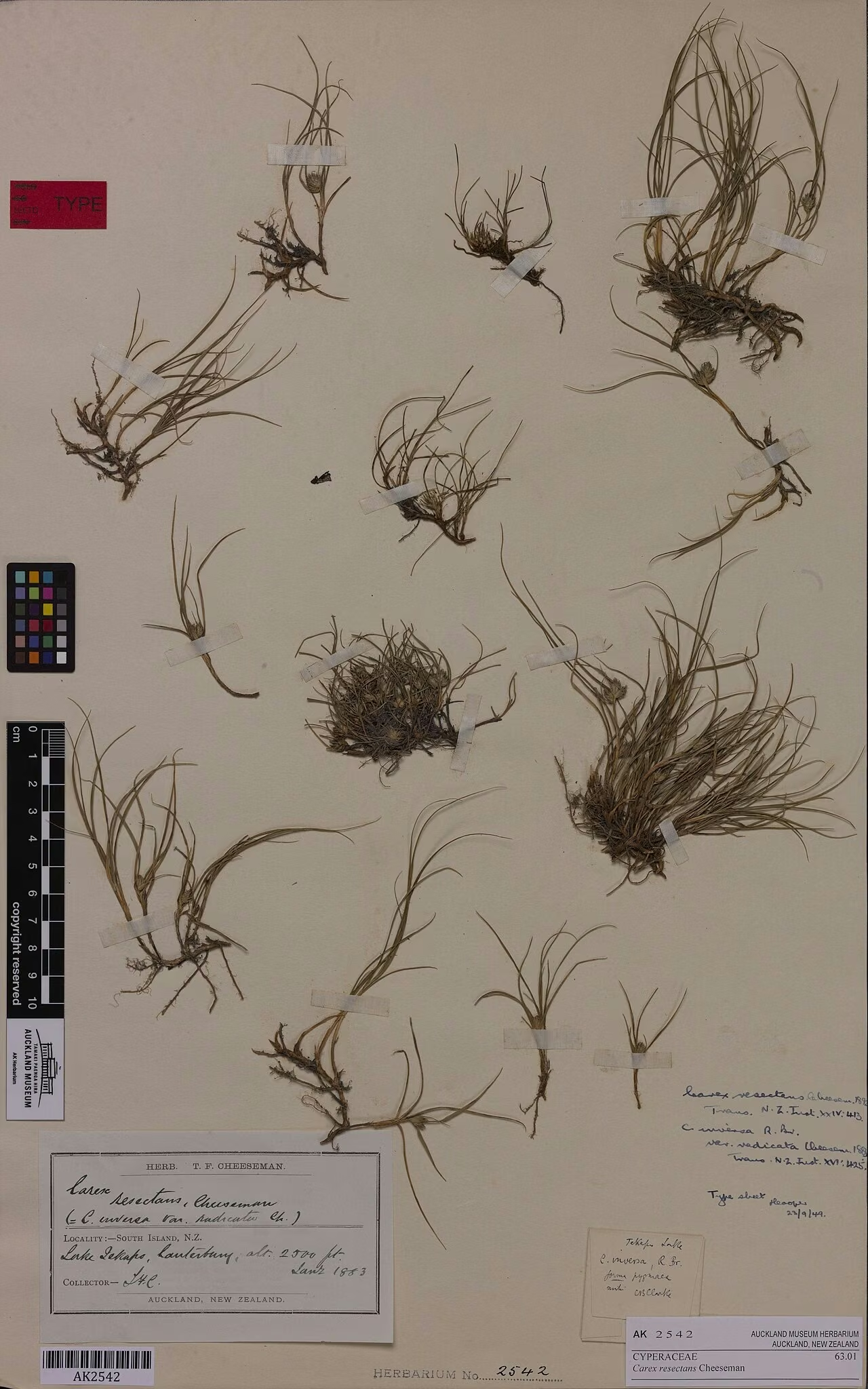
Carex resectans
Last updated:
Desert sedge (Carex resectans) is a tiny, creeping sedge endemic to New Zealand. Instead of forming a tussock, it sends long rhizomes through the soil and raises single, evenly spaced shoots of wiry leaves up to about 10 cm long, so a colony looks like a sparse turf. Its pale green flower heads are only 4 to 8 mm long and sit almost hidden among the leaves. It grows from the coast to the mountains, mostly in the dry east of the South Island and more rarely in the North Island from Hawke's Bay south, and is ranked At Risk - Declining. Explore more native grasses and flaxes in our native plant guide.
Plant Description
Carex resectans has a long-creeping rhizome 1 to 1.5 mm thick, from which shoots arise singly and evenly spaced, so the plant forms a loose, open patch rather than a tuft. The culms are extremely short, only 5 to 40 mm long, and are hidden inside the leaf sheaths. The leaves are much longer than the culms, 20 to 100 mm long and about 0.5 mm wide, wiry, with finely toothed margins.
The inflorescence is a compact, pale green, ovate head 4 to 8 mm long, made up of 1 to 3 crowded spikes with male flowers at their bases. Each flower has two stigmas. The utricles are 3 to 4 mm long and 1.5 to 2 mm wide, with a narrow green beak about 1.5 mm long that is minutely toothed. The nuts are about 1.5 mm long, flattened on one side, brown and shining.
It is most similar to Carex colensoi and Carex inversa. It is separated from them by its long-creeping rhizome with evenly spread single shoots, its culms buried in leaf sheaths, its minute and obscured inflorescence, and its light brown nuts in utricles with a pale green, finely toothed beak.
Quick Facts
| Scientific Name | Carex resectans |
|---|---|
| Height | Up to about 0.1 m |
| Spread | Creeping; colonies spread by rhizomes |
| Water Needs | Low; dry, free-draining sites |
| Light | Full sun |
| Frost Tolerance | High; grows from coast to alpine zone |
| Salt Tolerance | Low to moderate; occurs near the coast in places but tolerance is not documented |
| Growth Rate | Slow |
| Lifespan | Perennial |
Climate Best Suited to
Suited to dry, continental climates with hot summers, cold winters and low humidity, such as the inland basins of Canterbury and Otago. It struggles in humid, wet climates.
Regional Suitability
| City | Climate Suitability |
|---|---|
| Auckland | Low |
| Wellington | Low |
| Christchurch | High |
| Dunedin | Medium |
Plant Habitat
Desert sedge is endemic to New Zealand. It is mainly an eastern species and is uncommon in the North Island, where it is found from about Hawke's Bay southwards. In the South Island it is more widespread, especially in the dry east; the type specimen was collected at Lake Tekapo in 1883.
It ranges from the coast to the alpine zone, usually on consolidated sand and alluvium in free-draining and often very dry places that may nonetheless flood seasonally. Typical sites are short-tussock grassland, rough pasture, river beds and lake margins.
Growing Requirements
Soil Requirements
It needs very free-draining, low-fertility ground such as sand, silt or stony alluvium.
- Sandy or gravelly soil with sharp drainage
- Low fertility; avoid rich, heavy soils
- Tolerates brief seasonal flooding followed by drying
Light Requirements
This is a plant of open, sunny ground where taller vegetation is sparse.
- Full sun
- Will be smothered by taller grasses and weeds
Water Requirements
It is adapted to drought and should be watered sparingly once established.
- Water only while establishing
- Avoid humid, constantly damp conditions
Planting and Establishing
Plant in spring into a sunny, very well-drained site in a dry climate, such as a gravel garden, scree bed or raised sand bed. In humid areas it is best kept in a pot or trough of gritty mix where drainage and air movement can be controlled.
Because it spreads by rhizomes, give it a little open ground to wander into and keep competing grasses and weeds well away.
Ecological Role
Desert sedge is wind-pollinated and grows among low, open vegetation where competition is limited by drought, frost and flooding. Its creeping rhizomes allow it to colonise and hold loose sand and alluvium.
The insects and seed eaters that associate with it have not been documented in the sources consulted. Its habitat of short-tussock grassland and braided river beds is shared with many other specialised plants and animals of New Zealand's dryland ecosystems.
Uses & Significance
Garden Uses
A specialist plant for collectors of dryland natives rather than a general garden subject.
- Gravel and scree gardens in dry eastern districts
- Alpine troughs and pots
- Dryland restoration of short-tussock grassland
Ecological Value
It is part of the specialised flora of New Zealand's dry eastern grasslands, braided rivers and lake margins, habitats that have been heavily modified.
- Binds loose sand and alluvium
- A component of declining short-tussock grassland
- An indicator of intact dryland ground cover
Landscaping Uses
Its small size and open habit make it unsuitable as a bold landscape plant. It is best used as a fine-textured filler among stones in a dryland rock garden, alongside other small natives such as Raoulia mats.
In a trough it creates a miniature turf of wiry leaves that is attractive when viewed close up.
Seasonal Care Calendar
Spring
Flowering takes place from October to December, with tiny pale green heads tucked among the leaves.
- Plant or divide in early spring
- Weed around colonies
Summer
Fruiting runs from November to April, and plants cope with summer drought.
- Collect ripe brown nuts for sowing
- Avoid overwatering
Autumn
Fruit continues to ripen into April as growth slows.
- Sow fresh seed
- Keep pots in a sunny, airy position
Winter
The plant is dormant or near-dormant through cold inland winters.
- Protect pots from prolonged wet
- No pruning needed
When to Prune and How Much
No pruning is needed. Old dead leaves can be gently combed out of a pot-grown colony in late winter.
Concentrate instead on removing taller weeds and grasses that would shade the small shoots.
How to Grow Desert Sedge
NZPCN describes desert sedge as easily grown from the division of whole plants and from fresh seed, but success depends on giving it the right conditions: a well-drained, sunny site in a dry climate, as it dislikes humidity. Because the species is At Risk - Declining, collect only small amounts of seed from wild populations, with permission, or propagate from existing cultivated stock. Its creeping rhizomes make division straightforward, as each rooted shoot can grow into a new plant. Expect slow growth in the first year, and grow young plants on in pots of sandy mix until they have a healthy root system.
From Seed
Fruiting runs from November to April. The small brown nuts sit inside utricles with a narrow green beak, and the heads are easy to miss among the leaves.
- Search among the leaves for ripe heads with brown nuts
- Sow the fresh seed on a gritty, sandy seed mix
- Cover lightly with fine grit
- Keep the pot evenly moist but not wet, in full light
- Pot seedlings on into a sandy mix once they have a few leaves
By Division of Rhizomes
The long-creeping rhizome produces shoots along its length, and sections with roots establish readily.
- Lift part of a colony in spring
- Cut the rhizome into sections, each with at least one shoot and roots
- Plant into pots of free-draining, sandy mix
- Keep in a sunny, well-ventilated place and water sparingly until growing
Pests & Diseases
No specific pests are recorded. In cultivation the main risk is rot or decline in humid, poorly ventilated conditions, which NZPCN notes the species dislikes.
In the wild, competition from introduced pasture grasses and weeds that close over open ground is likely to be a greater threat than insect pests.
Cultural Significance
No traditional Māori name or use is recorded for Carex resectans in the sources consulted.
The species was first named in 1884 as a variety of Carex inversa and was raised to species rank by Thomas Cheeseman in 1892. Its lectotype was collected at Lake Tekapo in January 1883, and K.A. Ford refined that lectotype designation in 2025.
Bonus Tip
Desert sedge is easy to overlook because its flower heads hide among the leaves. When searching dry river terraces or short-tussock grassland, look for a sparse scatter of identical wiry shoots in a line or grid; that even spacing along a buried rhizome is the giveaway that distinguishes it from tufted sedges.
Related Plants
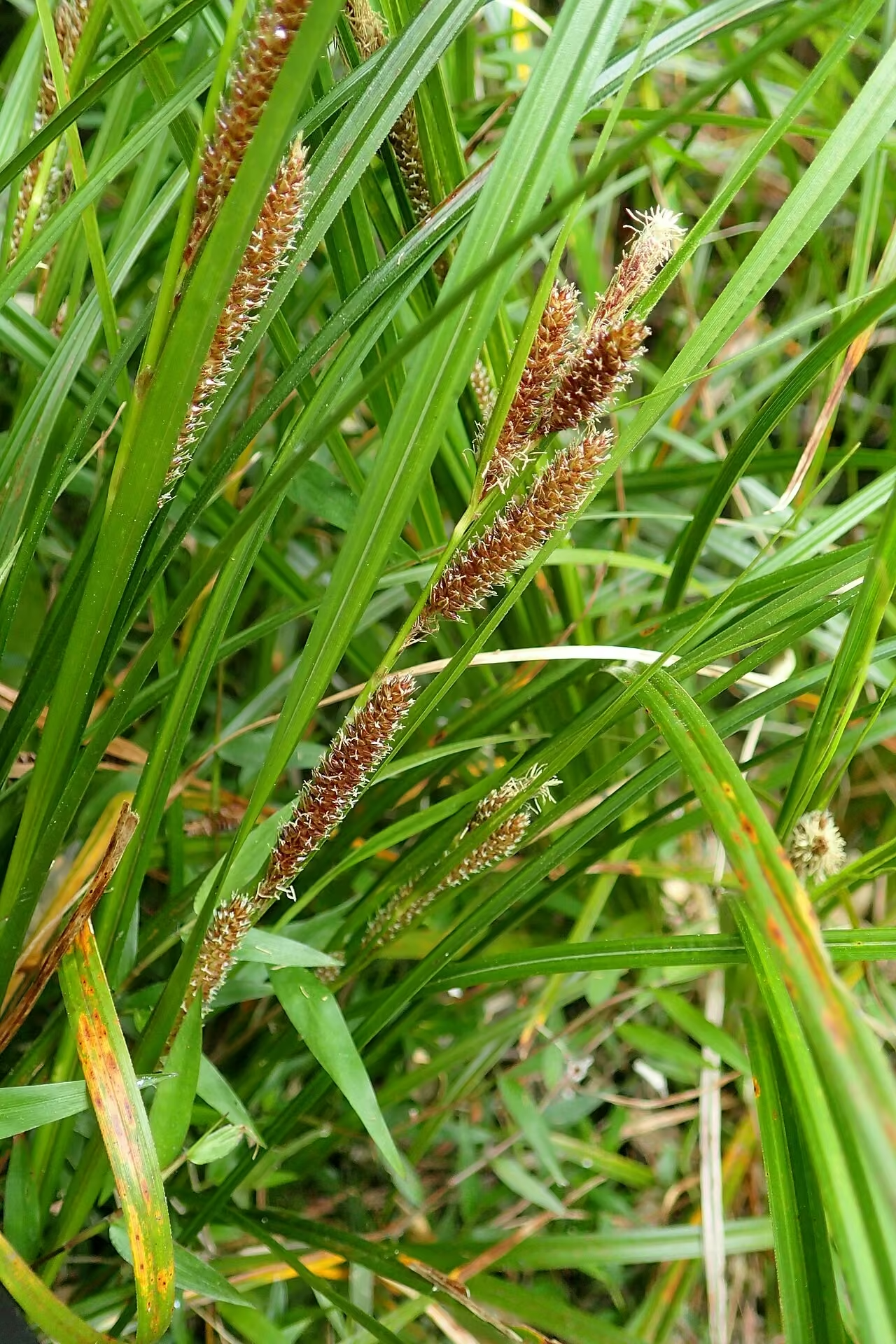
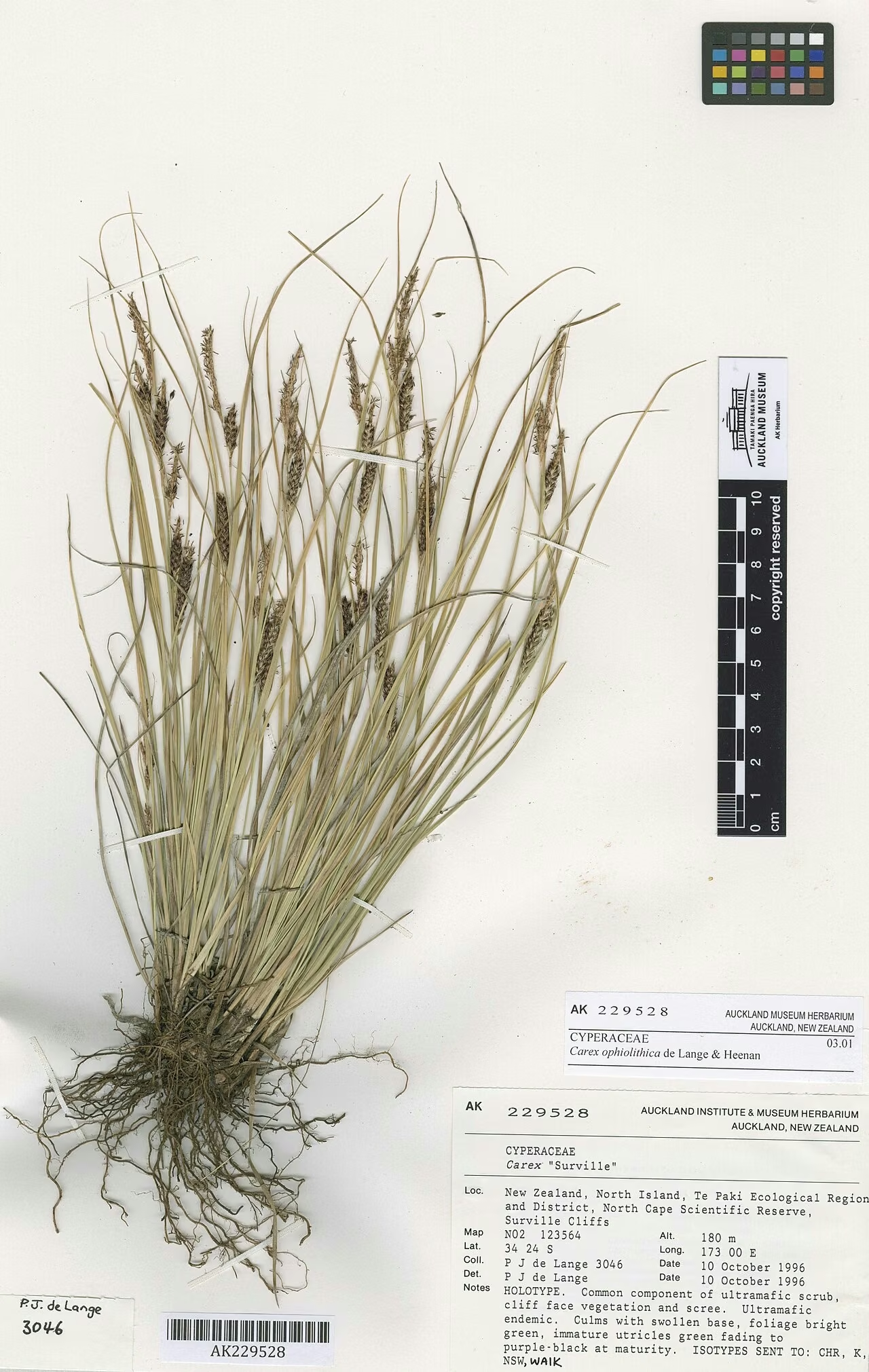
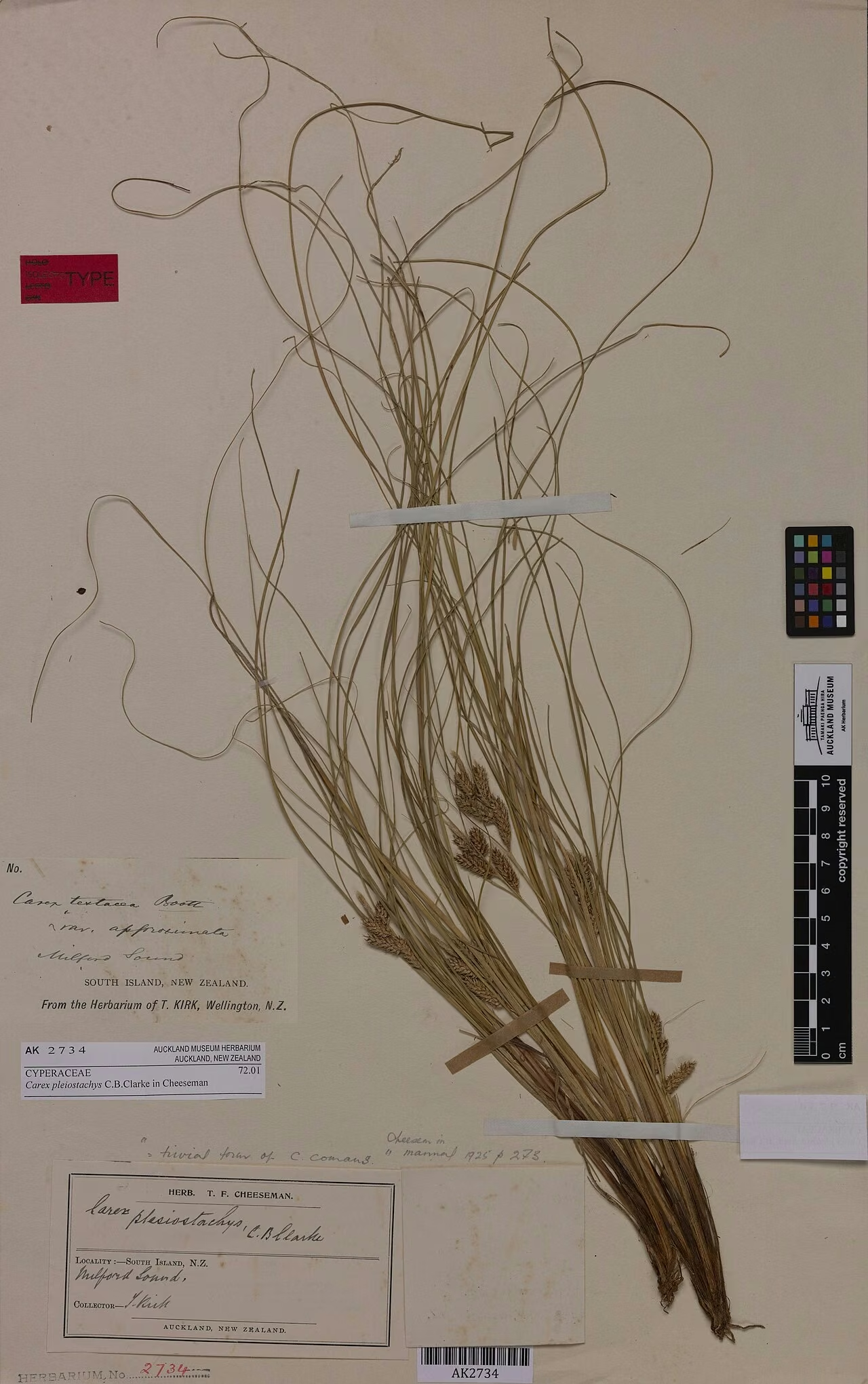
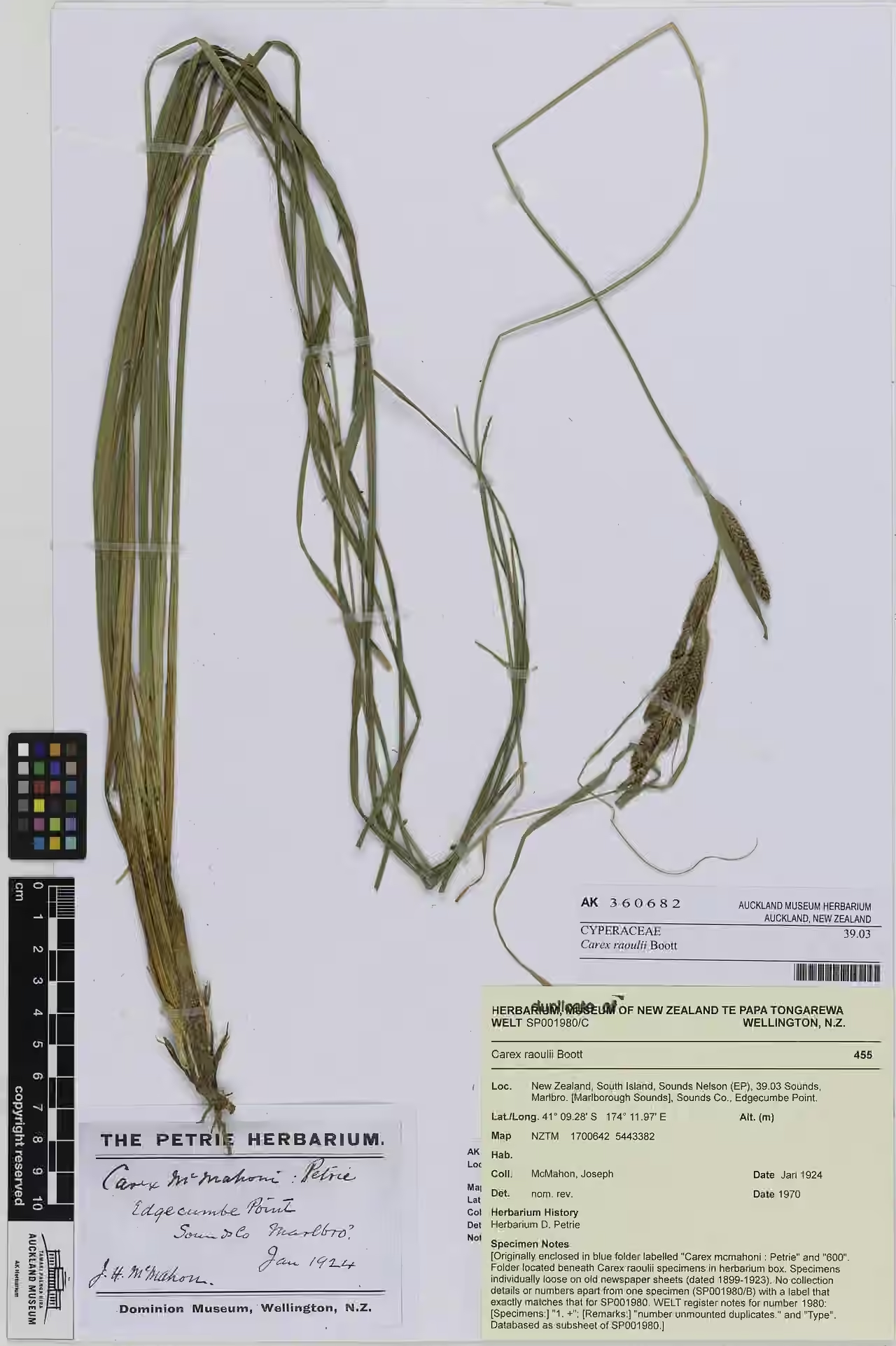
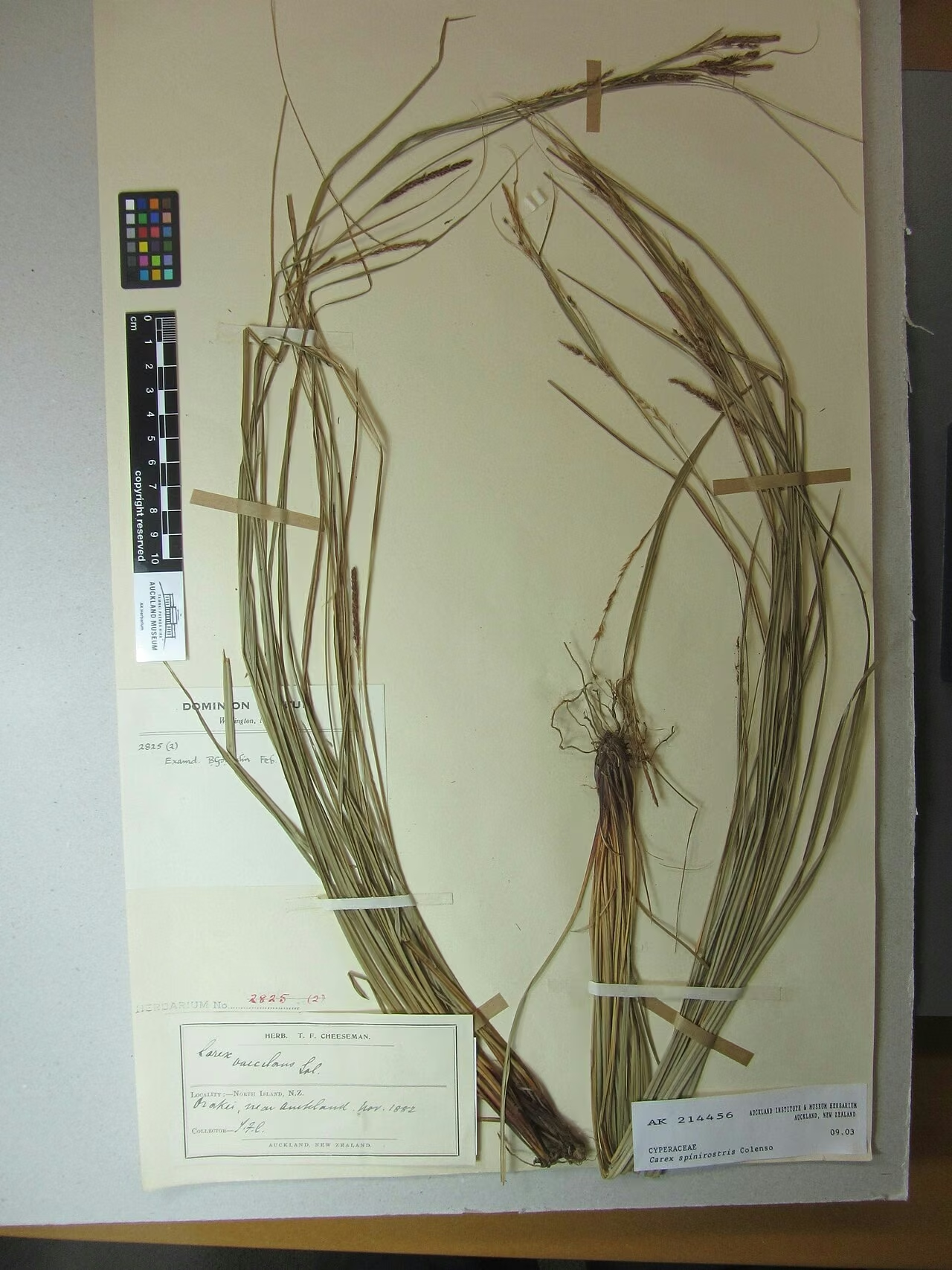
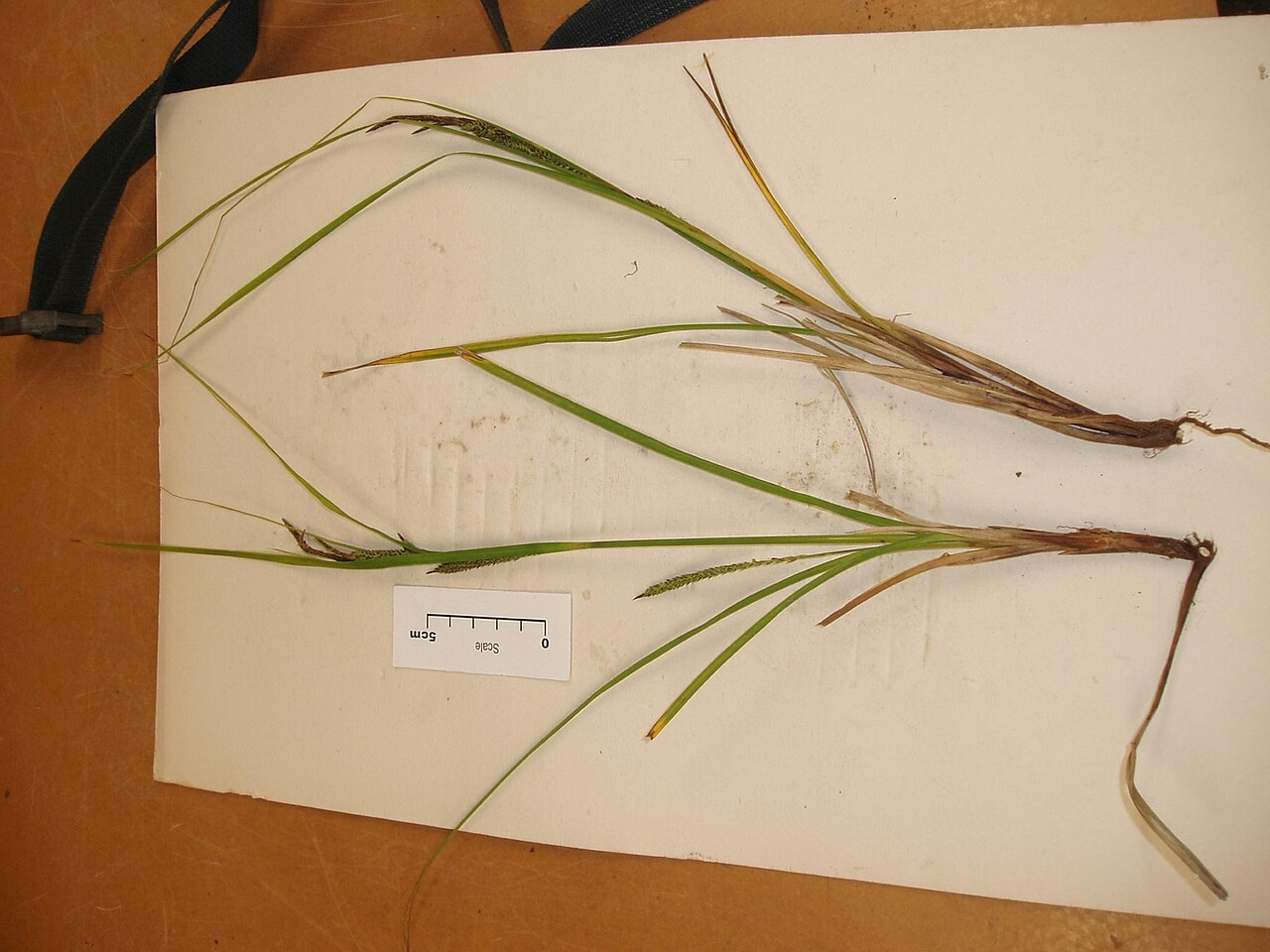
Explore other native plants that share similar characteristics or habitats with Desert Sedge (Carex resectans), offering further insights into New Zealand's diverse flora. These related species provide context and opportunities for complementary planting in your garden.
Plant Conservation
Carex resectans is ranked At Risk - Declining (2023) with the qualifiers Data Poor Recognition, Data Poor Size and Data Poor Trend. Regionally it is At Risk - Declining in Otago and Regionally Critical in Wellington.
Specific threats are not detailed on its NZPCN page, but the dryland habitats it depends on, including short-tussock grassland, braided river beds and lake margins, have been widely modified by farming, irrigation and weed invasion. Protecting remaining dryland sites, controlling weeds and recording new populations will help, as the species is small and easily missed.
Frequently Asked Questions
Why is Carex resectans called desert sedge?
It grows in very dry, free-draining habitats such as consolidated sand, alluvium, short-tussock grassland and river beds, including the semi-arid inland basins of the eastern South Island.
How do you identify desert sedge?
Look for single shoots spaced evenly along long-creeping rhizomes, wiry leaves much longer than the very short culms, and a tiny pale green head of 1 to 3 crowded spikes hidden among the leaves.
Is Carex resectans threatened?
It is ranked At Risk - Declining (2023). Regionally it is At Risk - Declining in Otago and Regionally Critical in Wellington.
Can desert sedge be grown in a garden?
NZPCN says it is easily grown from division of whole plants and from fresh seed, but it needs a well-drained, sunny site in a dry climate and dislikes humidity.
Sources and Further Reading
The botanical, growing, and conservation details for Desert Sedge (Carex resectans) on this page draw on the New Zealand plant references below. Consult them for full technical records and the latest distribution data.