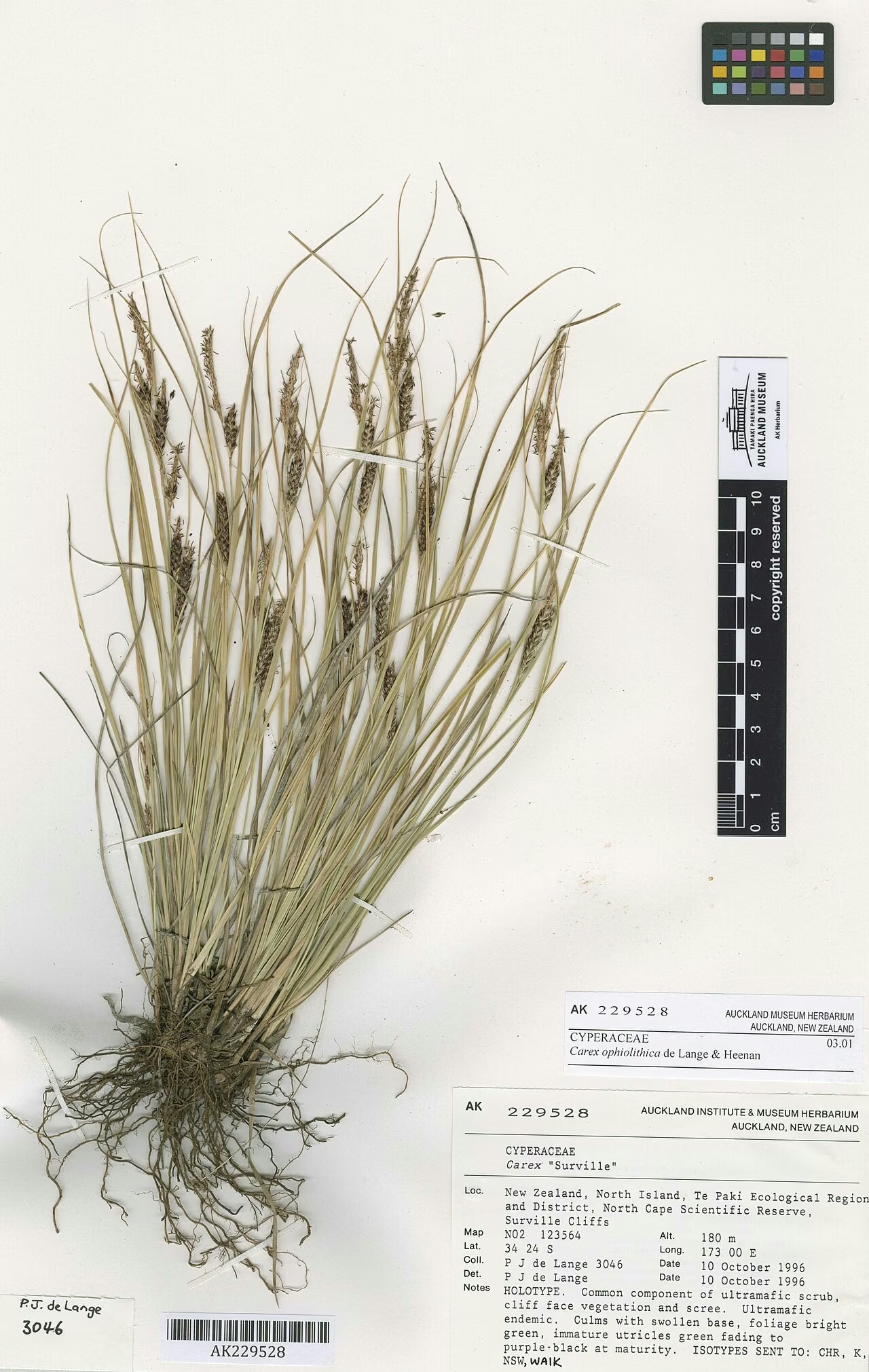
North Cape Sedge
Carex ophiolithica
Last updated:
North Cape sedge (Carex ophiolithica) is a stoutly erect, bright green tufted sedge known only from a 120 hectare zone of serpentinised ultramafic rock on the North Cape peninsula in the far north of Northland. It has soft, double-folded leaves up to 80 cm long and slender stems with bulbous bases carrying three to five erect spikes. Within that tiny area it is common on open ultramafic scree, boulderfields, cliff faces and under light scrub. Described in 1997, it is ranked At Risk - Naturally Uncommon because it occurs at only one location. It is unusual among sedges in being fickle to grow, and seems to need a magnesium-rich soil. Explore more native grasses and flaxes in our native plant guide.
Plant Description
Carex ophiolithica forms stoutly erect, weakly tufted plants with bright to vivid green foliage. The leaves are 200 to 800 mm long and 1.8 to 3.2 mm wide, soft, ascending and double-folded, with margins that feel only weakly rough. The flowering stems (culms) are 150 to 920 mm long and 0.5 to 1.2 mm thick, erect and three-angled, with distinctly bulbous bases.
Each stem bears three to five erect spikes, 10 to 40 mm long and 3 to 4 mm wide. The terminal spike is male, and the female spikes carry 10 to 60 flowers. The utricles (seed sacs) are 3 to 4 mm long and about 1.5 mm wide, narrowly ovoid to elliptic, pale to bright green when young and pale to purple-brown when mature. The nut is 2.4 to 2.5 mm long, three-angled and dark to grey-brown. Each flower has three stigmas.
Its closest relative is Carex spinirostris, a forest sedge. North Cape sedge can be distinguished by its ultramafic habitat together with differences in growth habit, the colour of the basal sheaths, the bulbous culm bases and leaf width.
Quick Facts
| Scientific Name | Carex ophiolithica |
|---|---|
| Height | 0.15-0.9 m in flower |
| Spread | About 0.3-0.5 m |
| Water Needs | Low to moderate; free-draining sites |
| Light | Full sun to light shade |
| Frost Tolerance | Low; from a frost-free northern climate |
| Salt Tolerance | Moderate; grows on coastal cliffs and scree |
| Growth Rate | Moderate |
| Lifespan | Perennial, often short-lived in cultivation |
Climate Best Suited to
Suited to the warm, frost-free, windy and seasonally dry climate of the far north of Northland. It is not reliable in cold climates.
Regional Suitability
| City | Climate Suitability |
|---|---|
| Auckland | Medium |
| Wellington | Low |
| Christchurch | Low |
| Dunedin | Low |
Plant Habitat
North Cape sedge is endemic to the serpentinised ultramafic zone of the North Cape peninsula in the Te Paki region of Northland, an area of only about 120 hectares that includes the Surville Cliffs. This ultramafic rock is part of an ophiolite, a section of ancient ocean floor thrust onto land, and supports several plants found nowhere else.
Within that zone it is common on open ultramafic scree, boulderfields and cliff faces and under light scrub. It also occurs on the plateau in clay soils over serpentinite.
Growing Requirements
Soil Requirements
It is restricted in the wild to soils over serpentinite, which are high in magnesium and low in calcium. NZPCN notes that cultivated plants respond positively to magnesium-rich fertiliser.
- Free-draining, stony or clay soils over ultramafic rock in the wild
- Supplement garden soils with magnesium, for example Epsom salts
- Avoid lime, which raises calcium
Light Requirements
It grows in open scree and cliff sites and under light scrub, so it suits full sun to light shade.
- Full sun or light, open shade
- Avoid deep shade
Water Requirements
Its scree and cliff habitat drains quickly and dries out in summer.
- Water moderately; avoid waterlogging
- Grow in a gritty, well-drained mix
Planting and Establishing
Plant in spring in a warm, sunny, well-drained position, or keep in a pot of gritty mix where conditions can be controlled. Raised beds or rock gardens help drainage.
Because cultivation is unreliable, treat it as a specialist plant and keep a few plants in reserve raised from seed.
Ecological Role
Like other sedges it is wind pollinated, and NZPCN records flowering and fruiting at any time of year. Specific seed dispersers have not been documented.
It is part of the unique serpentine flora of North Cape, which includes several other endemic plants adapted to the high-magnesium soils. It is one of the commoner plants on the open scree and boulderfields there.
Uses & Significance
Garden Uses
It is not commercially available and is best suited to specialist growers and conservation collections rather than general gardens.
- Specialist collections of ultramafic or Te Paki plants
- Pot culture in a controlled, magnesium-supplemented mix
- Botanic garden displays of threatened flora
Ecological Value
It contributes to the North Cape serpentine plant community, one of the most distinctive and localised habitats in New Zealand.
- One of several endemics of the North Cape ultramafic zone
- Helps vegetate open scree and cliff faces
- Seed produced through much of the year
Landscaping Uses
If you can grow it, North Cape sedge makes an upright, fresh green tuft for a sunny gravel or rock garden, with fine erect spikes that turn purple-brown as they mature.
Given its fickle nature in cultivation, it is not a sensible choice for landscape-scale plantings.
Seasonal Care Calendar
Spring
A good season to sow seed and plant out young plants in warm districts.
- Sow seed
- Apply a magnesium supplement
Summer
Plants can flower and fruit at any time; watch watering in hot weather.
- Water moderately
- Collect ripe seed
Autumn
Continue to collect seed and keep sowing to maintain stock.
- Collect seed
- Check drainage before winter
Winter
Protect from frost and from cold, wet soils outside the far north.
- Keep pots on the dry side
- Shelter from frost
When to Prune and How Much
No regular pruning is needed. Remove dead leaves and old flowering stems by hand as they die back.
Avoid cutting plants back hard, as cultivated plants are already prone to decline.
How to Grow North Cape Sedge
NZPCN describes North Cape sedge as fickle in cultivation. Seed germinates readily, but results with growing plants on are variable and most die within a few years. Plants respond positively to magnesium-rich fertiliser, so the soil chemistry of its serpentine habitat seems to matter. The species is confined to one location and not commercially available, so material should only be collected by or with permission from the Department of Conservation and iwi, and cultivated stock should be renewed regularly from seed.
From Seed
Seed is the most reliable method, as NZPCN reports it germinates readily. Because plants can flower and fruit year-round, ripe seed may be available in most seasons.
- Collect spikes when the utricles turn pale or purple-brown.
- Sow on a gritty, free-draining seed mix.
- Cover lightly and keep moist in a warm, bright place.
- Pot seedlings into a gritty mix supplemented with magnesium.
- Sow fresh batches regularly, as older plants tend to decline.
- Keep a record of which batches survive longest, as this helps refine the growing mix over time.
By Division
Established tufts can in principle be divided, but given how unreliable cultivated plants are, division should be treated as a way to rescue declining plants rather than a primary method. NZPCN does not specifically report division for this species.
- Lift a healthy clump in spring.
- Separate pieces with good roots and several shoots.
- Pot into a fresh gritty, magnesium-supplemented mix.
- Keep warm and moderately moist until new growth appears.
Pests & Diseases
No specific pests are recorded. The main problem in cultivation is a general decline and death of plants within a few years, which appears linked to unsuitable soil chemistry.
In the wild, invasive weeds and fire are potential threats to the small North Cape ultramafic habitat.
Cultural Significance
No Māori name or traditional use specific to Carex ophiolithica has been recorded in the sources consulted. North Cape lies within the rohe of Ngāti Kurī, and the Te Paki area is of great significance to Māori.
The species was described by Peter de Lange and Peter Heenan in the New Zealand Journal of Botany in 1997, its name referring to the ophiolite geology of its home.
Bonus Tip
If you do try to grow North Cape sedge, give it a regular feed containing magnesium, such as a light dose of Epsom salts, and avoid lime. NZPCN notes plants respond positively to magnesium-rich fertiliser, which mimics the serpentine soils it depends on.
Related Plants
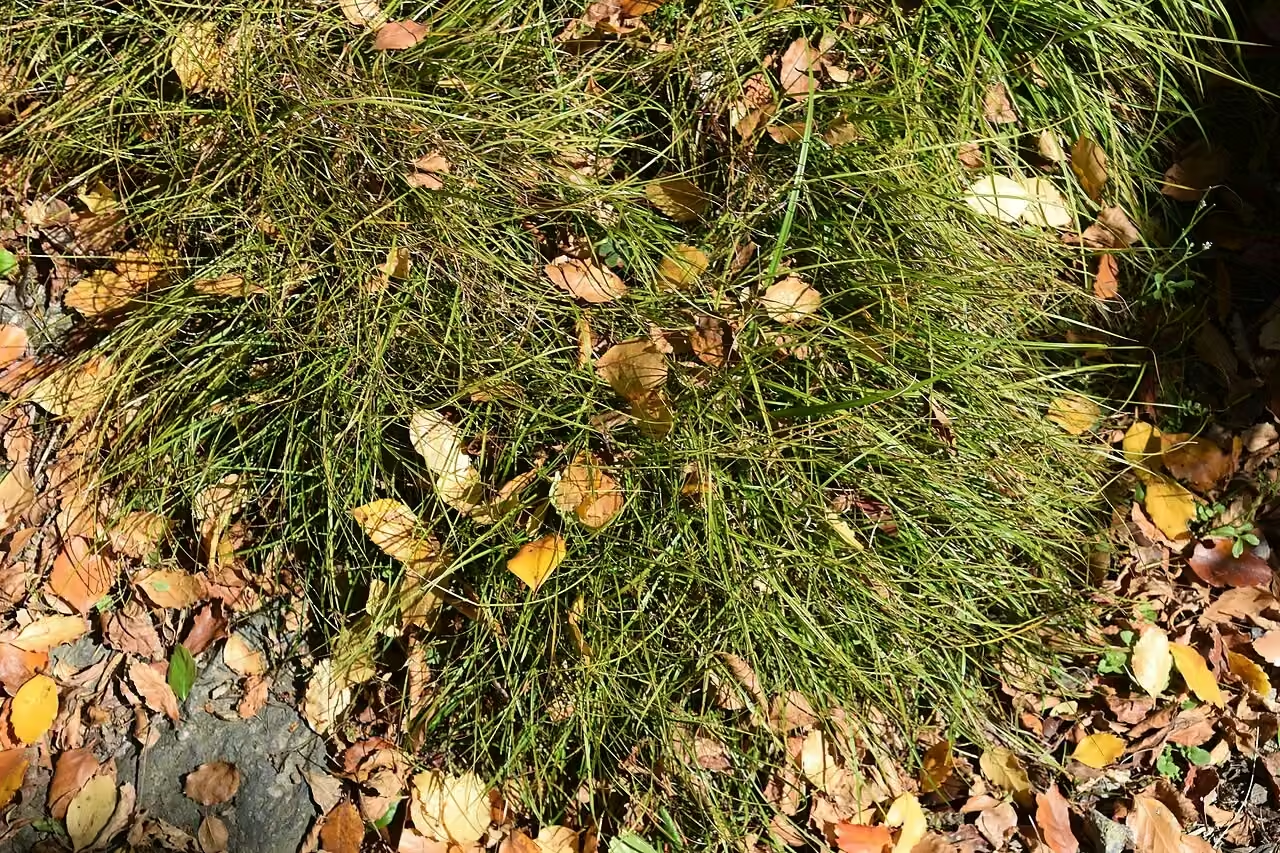
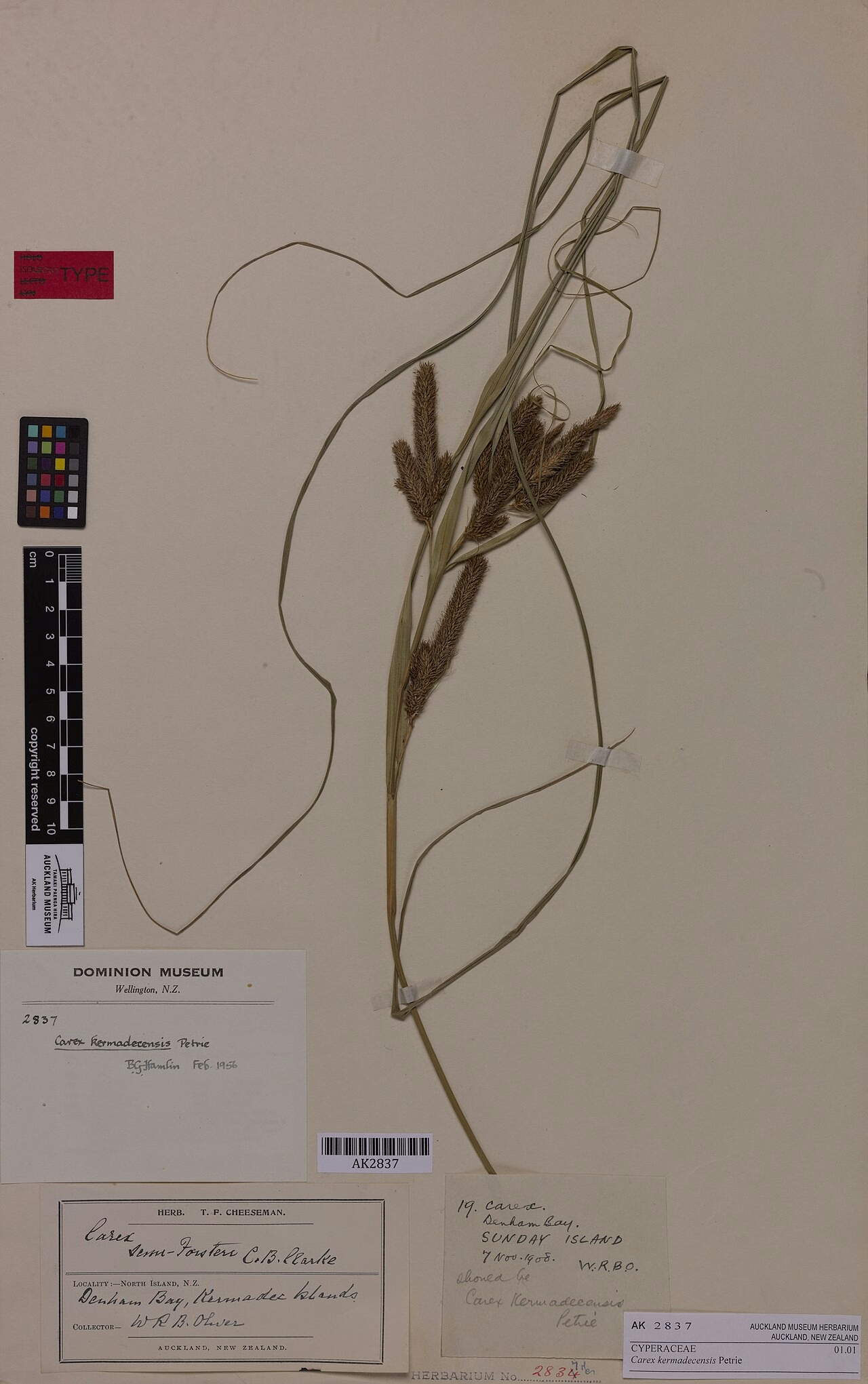
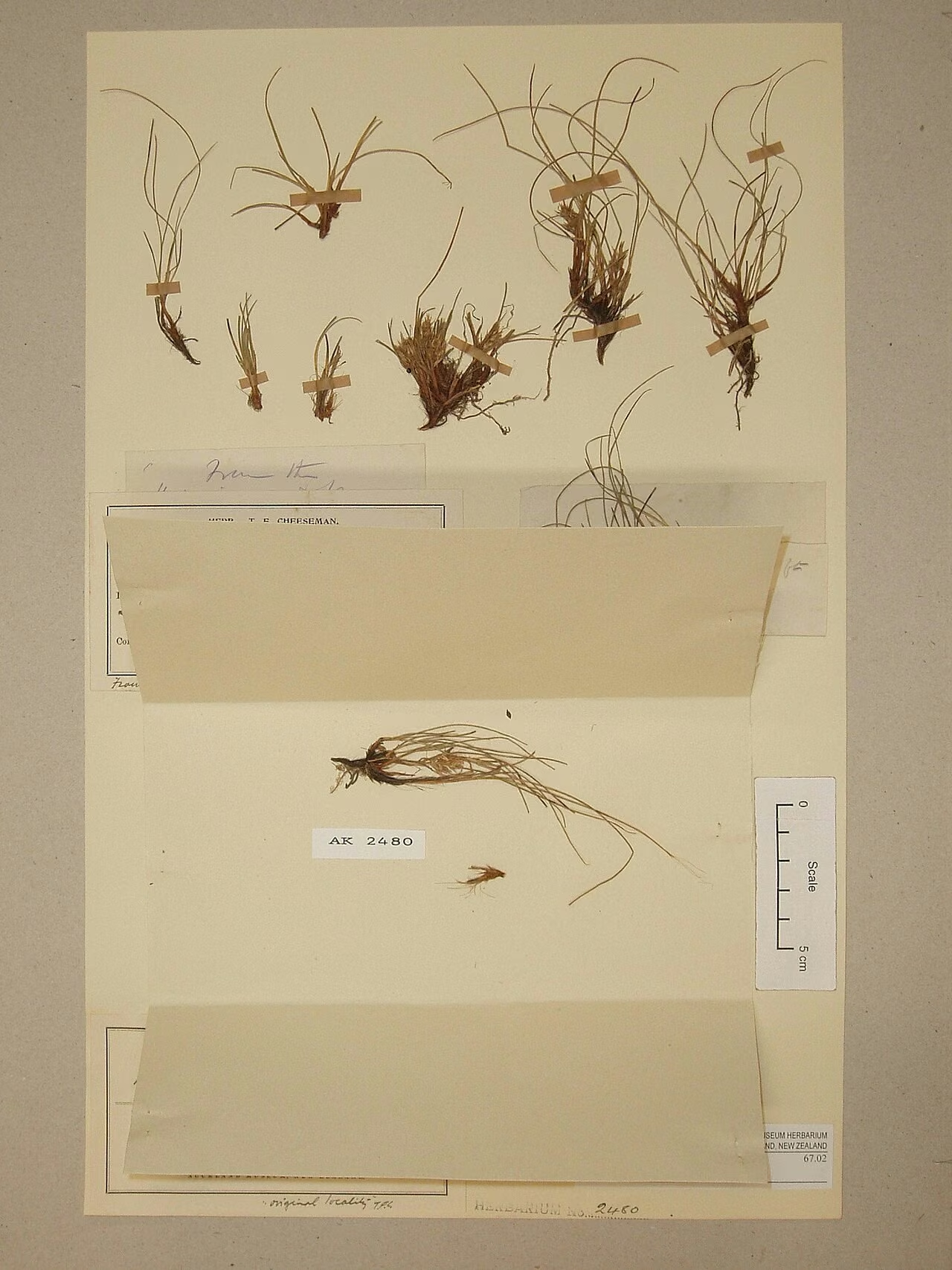
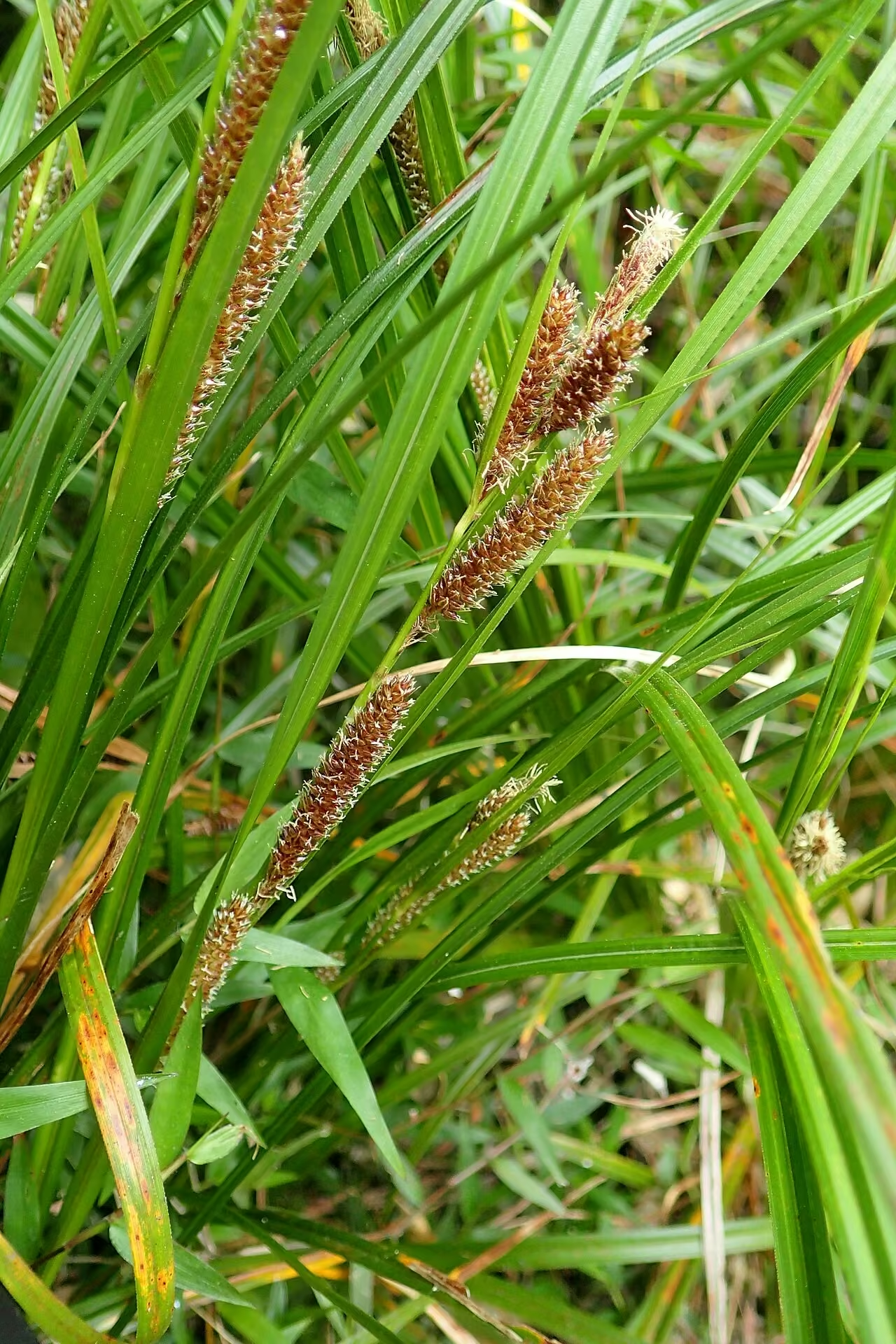
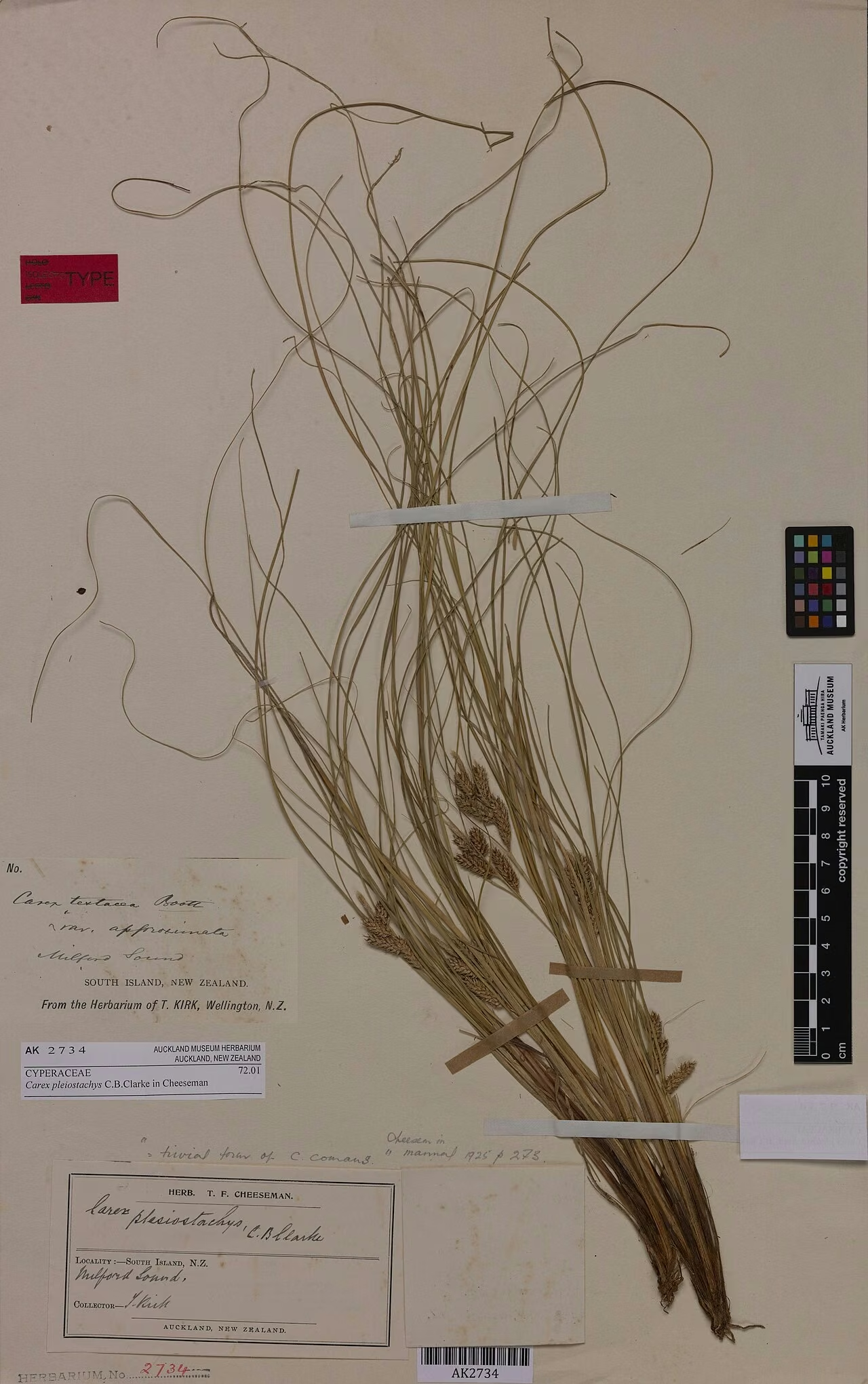
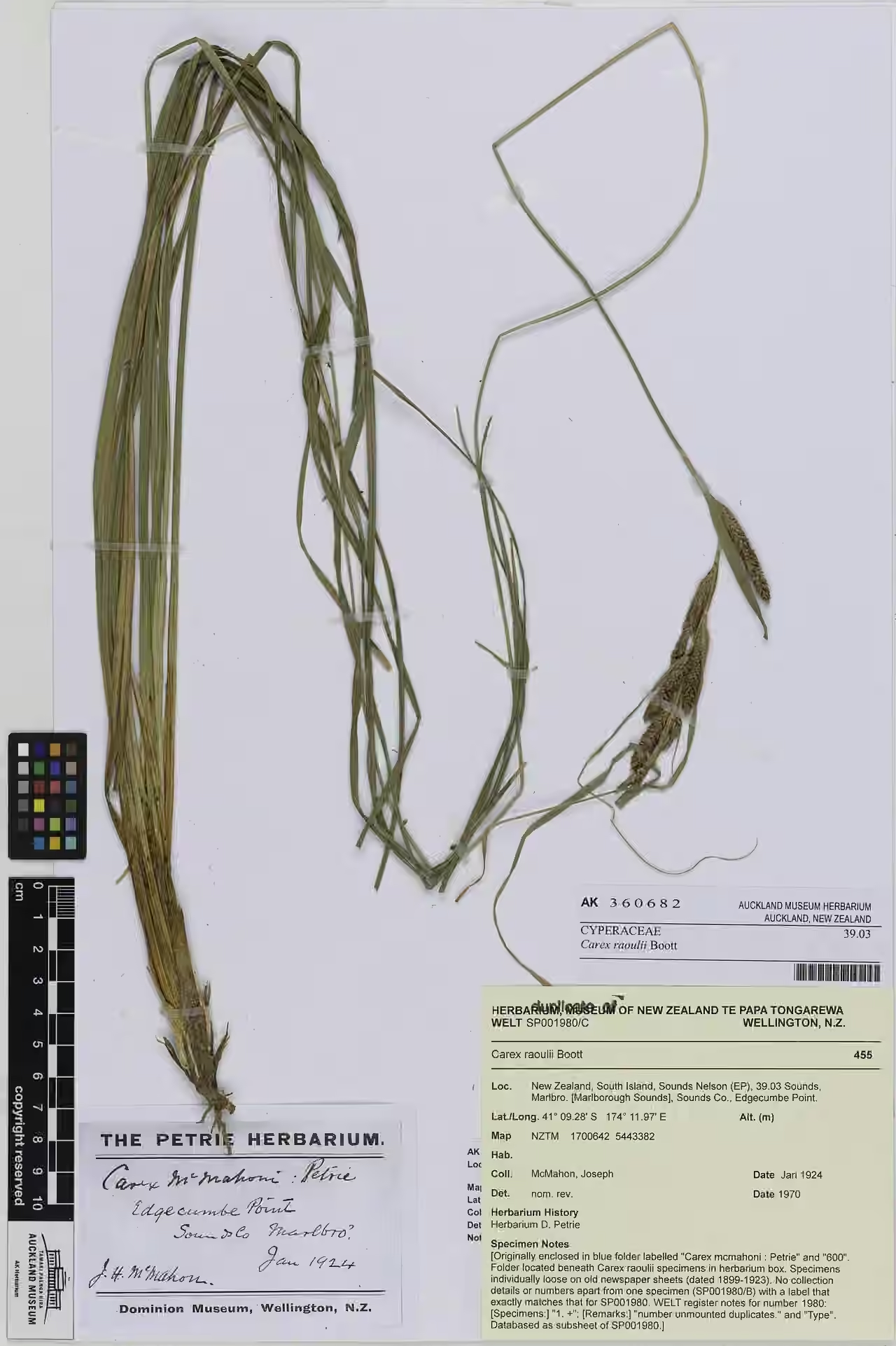
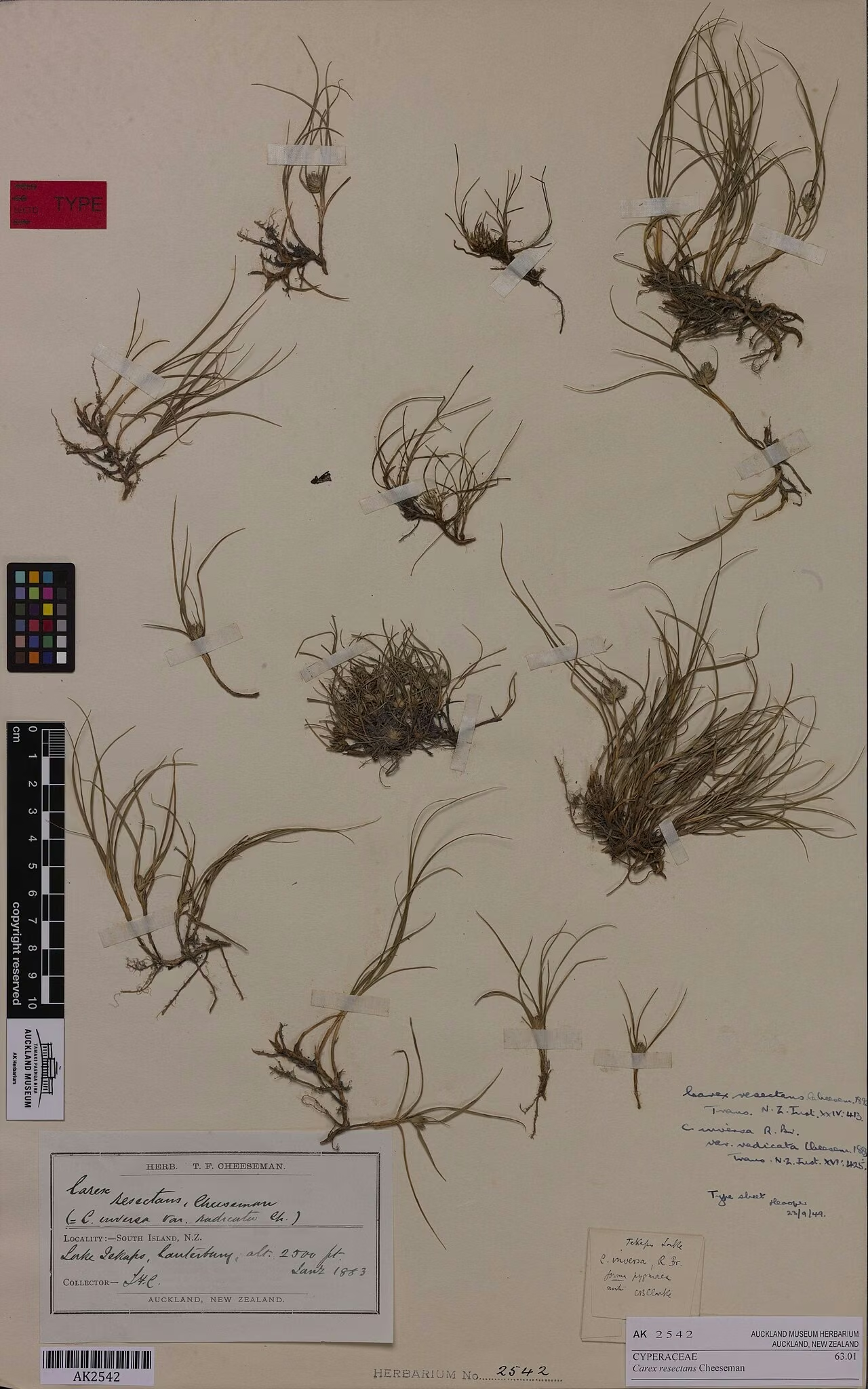
Explore other native plants that share similar characteristics or habitats with North Cape Sedge (Carex ophiolithica), offering further insights into New Zealand's diverse flora. These related species provide context and opportunities for complementary planting in your garden.
Plant Conservation
North Cape sedge is ranked At Risk - Naturally Uncommon (2023) with the qualifier One Location. It is common within its habitat, but its entire wild population lies within about 120 hectares, so a single event such as fire or weed invasion could affect the whole species.
Maintaining weed and fire control across the North Cape ultramafic area, and holding a backup population in cultivation raised from seed, are the main ways to secure the species.
Frequently Asked Questions
Where is North Cape sedge found?
Only on the serpentinised ultramafic zone of the North Cape peninsula in the Te Paki area of Northland, an area of about 120 hectares including the Surville Cliffs.
Why is Carex ophiolithica hard to grow?
NZPCN describes it as fickle. Its seed germinates readily, but most cultivated plants die within a few years, and plants respond well to magnesium-rich fertiliser, suggesting they need the chemistry of their ultramafic soil.
What does ophiolithica mean?
The name refers to the ophiolite, the slab of ultramafic oceanic rock now exposed at North Cape, which forms the only habitat of this sedge.
What is North Cape sedge most closely related to?
It is most closely allied to Carex spinirostris, but differs in growing on ultramafic ground rather than in forest, and in its growth habit, basal sheath colour, culm structure and leaf width.
Sources and Further Reading
The botanical, growing, and conservation details for North Cape Sedge (Carex ophiolithica) on this page draw on the New Zealand plant references below. Consult them for full technical records and the latest distribution data.