Kermadec Sedge
Carex kermadecensis
Last updated:
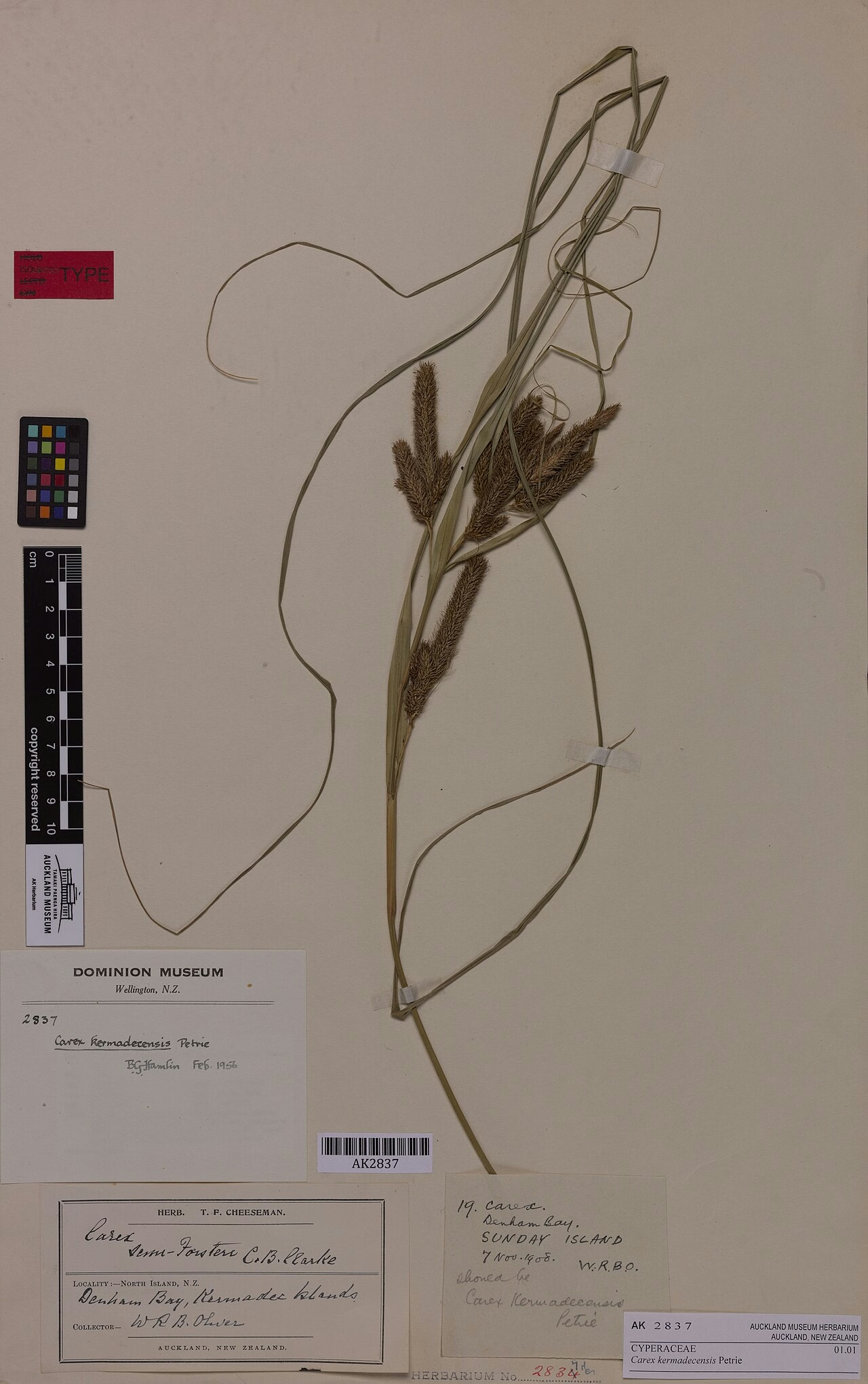
Kermadec sedge (Carex kermadecensis) is a robust, tufted sedge that forms light yellow-green to green tussocks, with flowering stems up to about 45 cm tall and leaves 7 to 10 mm wide that are longer than the stems. It is endemic to the subtropical Kermadec Islands, about 1000 km north-east of New Zealand, where it grows in coastal forest among boulders and rubble near seabird nesting sites. It is known from Raoul and Macauley Islands, but has not been seen on Macauley since 1989. Ranked At Risk - Naturally Uncommon, it is the only Carex in the Kermadecs. In cultivation it needs a warm, sheltered, semi-shaded site and is very cold sensitive. Explore more native grasses and flaxes in our native plant guide.
Plant Description
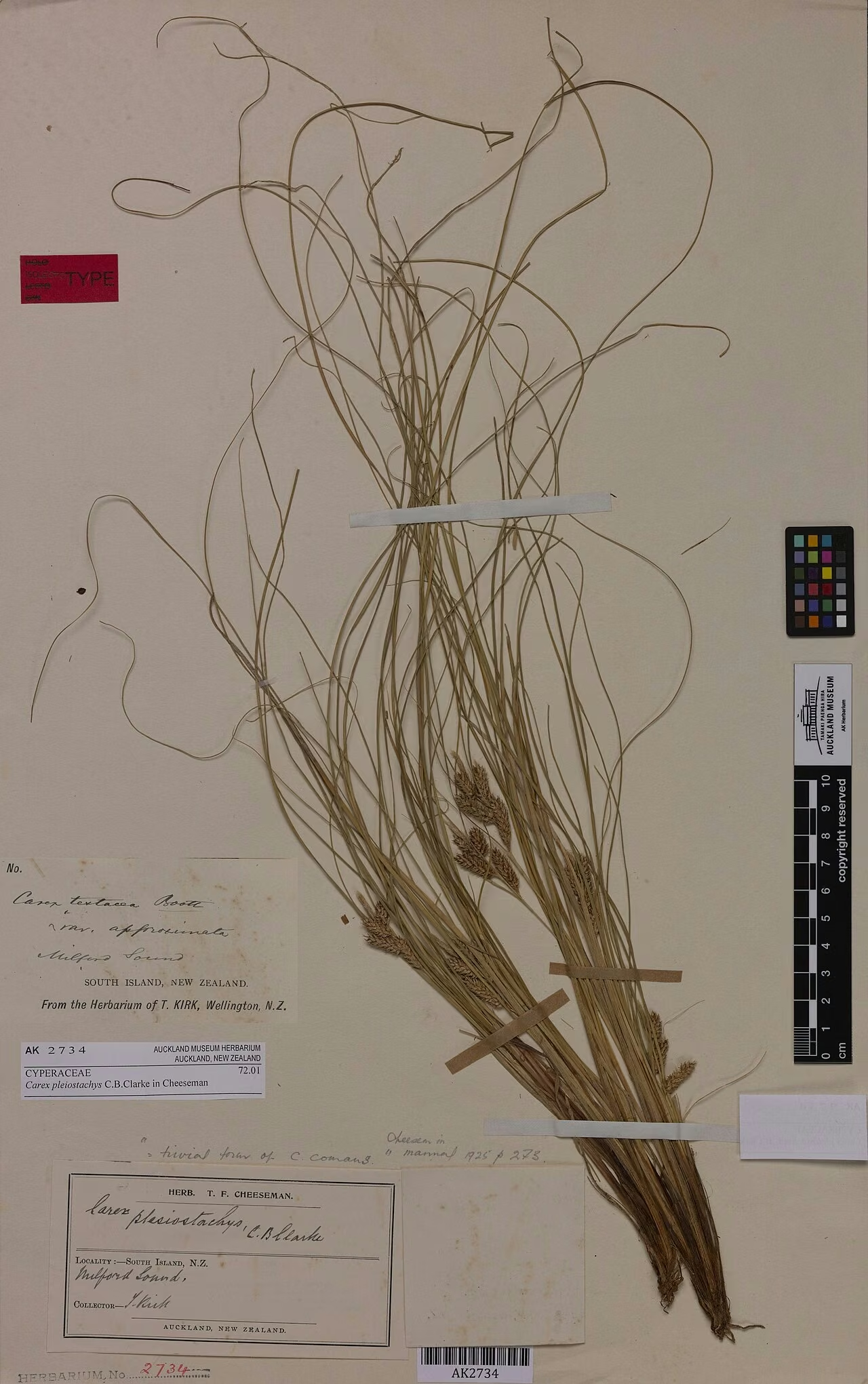
Carex kermadecensis forms robust tussocks of light yellow-green to green leaves. The flowering stems (culms) reach up to 450 mm tall and 2 mm across; they are sharply three-angled and finely rough just below the inflorescence. The leaves are longer than the stems, 7 to 10 mm wide, double-folded and rough on the margins.
The inflorescence has five to ten spikes, usually compound, each 20 to 55 mm long and 5 to 7 mm wide. The utricles (seed sacs) are 3 to 4 mm long and about 1.5 mm wide, three-angled, ellipsoid to roughly egg-shaped, membranous and grey-brown with red-brown flecks and distinct nerves, ending in a beak 1 to 2 mm long that is deeply split. The nut is about 2 mm long, three-angled and dark brown.
As the only Carex in the Kermadec Islands it is easy to identify there. In herbarium material it can resemble Three Kings sedge (Carex elingamita), which has largely male upper spikes, larger utricles of 4 to 4.5 mm and a red-brown nut.
Quick Facts
| Scientific Name | Carex kermadecensis |
|---|---|
| Height | Flowering stems up to 0.45 m |
| Spread | About 0.5-0.8 m |
| Water Needs | Moderate |
| Light | Semi-shade |
| Frost Tolerance | Very low; very cold sensitive |
| Salt Tolerance | Moderate; grows in coastal forest on oceanic islands |
| Growth Rate | Moderate |
| Lifespan | Perennial |
Climate Best Suited to
Adapted to the warm, humid, frost-free subtropical climate of the Kermadec Islands. In mainland New Zealand it is only reliable in mild, frost-free coastal districts.
Regional Suitability
| City | Climate Suitability |
|---|---|
| Auckland | Medium |
| Wellington | Low |
| Christchurch | Low |
| Dunedin | Low |
Plant Habitat
Kermadec sedge is endemic to the Kermadec Islands, New Zealand's northernmost territory. It is known only from Raoul Island, the largest island in the group, and Macauley Island, although it has not been seen on Macauley since 1989.
It grows in coastal forest, usually among boulders and rubble, and near seabird nesting sites on shaded forested slopes. These sites are fertilised by seabirds and kept open by burrowing and rockfall.
Growing Requirements
Soil Requirements
In the wild it grows on volcanic, rubbly soils enriched by seabirds. In gardens it prefers fertile, well-drained soil that holds some moisture.
- Fertile, humus-rich soil
- Good drainage, such as among rocks
- Avoid cold, wet clay
Light Requirements
It grows on shaded forested slopes, and NZPCN recommends semi-shade in cultivation.
- Semi-shade or dappled light
- Shelter from cold winds
Water Requirements
It comes from a humid island climate with regular rainfall, so it prefers steady moisture.
- Water during dry spells
- Mulch to keep roots moist and warm
Planting and Establishing
Plant in spring once the soil has warmed, in a sheltered, semi-shaded spot. A position beneath trees or near a warm wall protects it from frost. Space plants about 50 to 80 cm apart.
In anything but frost-free areas, grow it in a container that can be moved under cover in winter.
Ecological Role
Like other sedges, Kermadec sedge is wind pollinated. Its association with seabird nesting sites reflects a preference for the nutrient-rich, disturbed ground that petrels and other seabirds create. Specific seed dispersers have not been documented.
On Raoul Island it is part of a forest flora dominated by Kermadec pōhutukawa and nīkau. The removal of goats and rats from Raoul has helped the island's native ground plants recover.
Uses & Significance
Garden Uses
A lush tussock sedge for warm, frost-free gardens and collections of offshore island plants.
- Shaded subtropical gardens
- Container plant in cooler districts
- Botanic and conservation collections
Ecological Value
It is one of the endemic plants that make the Kermadec flora distinct from mainland New Zealand.
- The only Carex in the Kermadec Islands
- Ground cover among boulders on forested slopes
- Part of seabird-influenced forest communities
Landscaping Uses
Grow Kermadec sedge in groups under palms or broadleaf trees in a sheltered northern garden to create a lush, island-forest feel. Its yellow-green foliage lightens dark, shady corners.
It combines well with other Kermadec and northern offshore island plants in themed plantings.
Seasonal Care Calendar
Spring
Plant after the last frost. Flowering begins in October.
- Flowering October to January
- Plant in warm soil
Summer
Flowering finishes and seed ripens. Keep the soil moist.
- Fruiting from October to May
- Water in dry spells
Autumn
Collect ripe seed for sowing.
- Sow seed fresh
- Prepare frost protection
Winter
Protect from frost and cold winds; container plants can be moved under cover.
- Cover during cold snaps
- Keep on the dry side in cold weather
When to Prune and How Much
Remove dead leaves and finished flower stems by hand, using gloves because the leaf margins are rough. Do this in spring rather than autumn, so the old foliage gives some protection through winter.
Hard pruning is not needed.
How to Grow Kermadec Sedge
NZPCN describes Kermadec sedge as easily grown in a warm, sheltered site. It can be raised from fresh seed, and established clumps can be divided like other tussock sedges. Wild seed on the Kermadecs cannot be collected without a permit, as the islands are a nature reserve, so propagation material should come from plants already in cultivation. Warmth is the key to success with both methods. In cooler parts of the country, a heated propagating bench or a sunny windowsill indoors gives seed and divisions the extra warmth they need, and young plants are best kept under cover until they are well rooted and the weather is settled.
From Seed
Seed ripens from October to May. Sow it fresh in warm conditions, as cold slows germination and damages seedlings of this frost-tender sedge.
- Collect spikes when the utricles turn grey-brown and come away easily.
- Sow on a moist, free-draining seed mix.
- Cover lightly and keep in a warm, shaded spot such as a glasshouse.
- Keep evenly moist until seedlings appear.
- Pot on individually and keep frost free through the first winter.
By Division
Divide established clumps in late spring or early summer, when warm weather helps the divisions recover quickly.
- Lift the clump and remove loose soil.
- Split into pieces with several shoots and good roots.
- Trim leaves back by half.
- Pot up or replant in a sheltered spot.
- Keep moist and shaded until new growth appears.
Pests & Diseases
No specific pests or diseases are recorded for Carex kermadecensis. Cold damage and frost are the main problems in cultivation outside the far north.
On the islands, past browsing by goats and the impacts of introduced rats and weeds were the main threats to native ground plants; goats and rats have since been eradicated from Raoul Island.
Cultural Significance
No Māori name or traditional use specific to Kermadec sedge has been recorded in the sources consulted. Raoul Island is known to Māori as Rangitahua.
The species was described by the New Zealand botanist Donald Petrie in 1915, and its name refers to the Kermadec Islands.
Bonus Tip
If you live south of Auckland, grow Kermadec sedge in a large pot rather than in the ground. NZPCN warns it is very cold sensitive, and a pot lets you move it to a frost-free porch or glasshouse for winter.
Related Plants
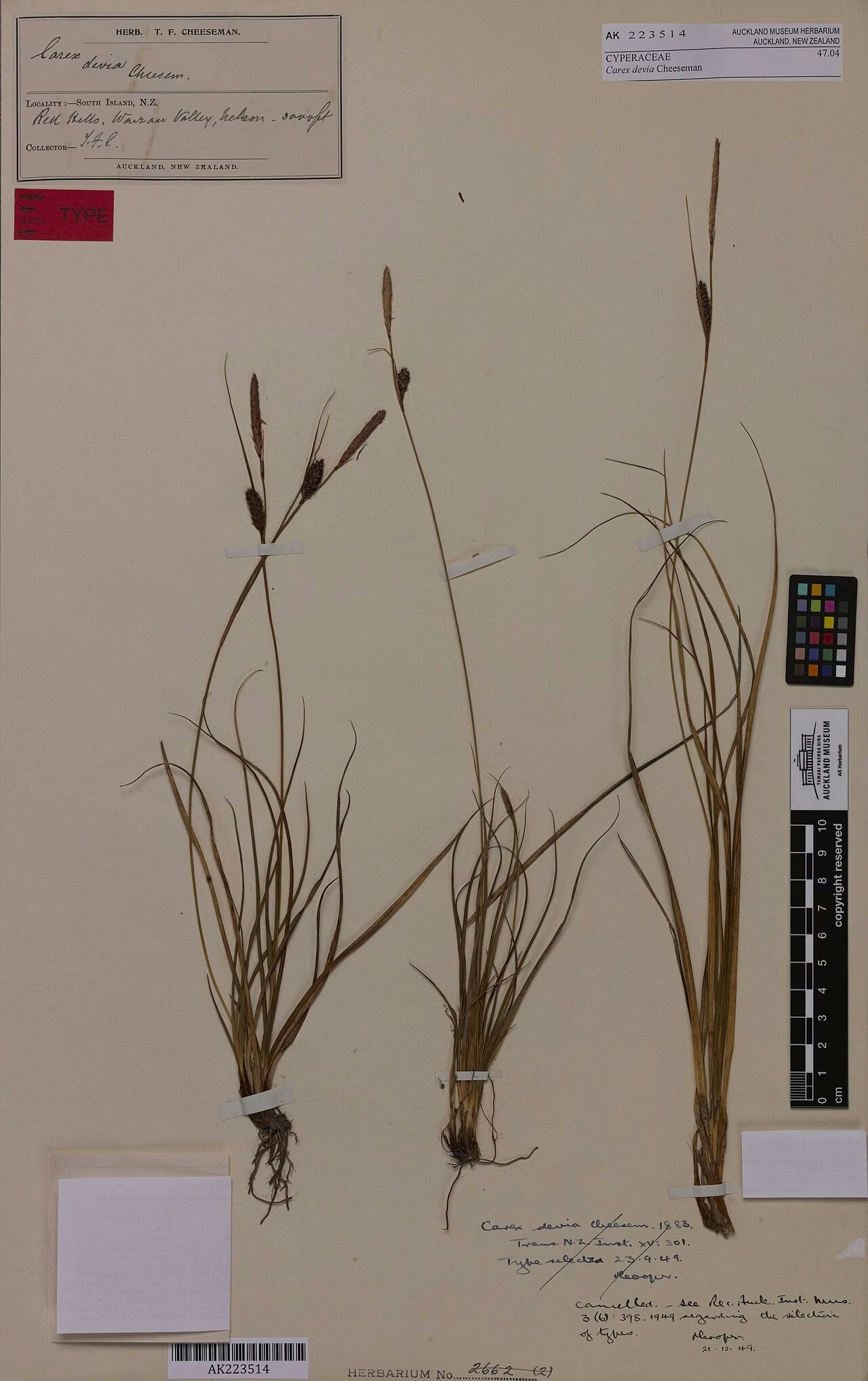
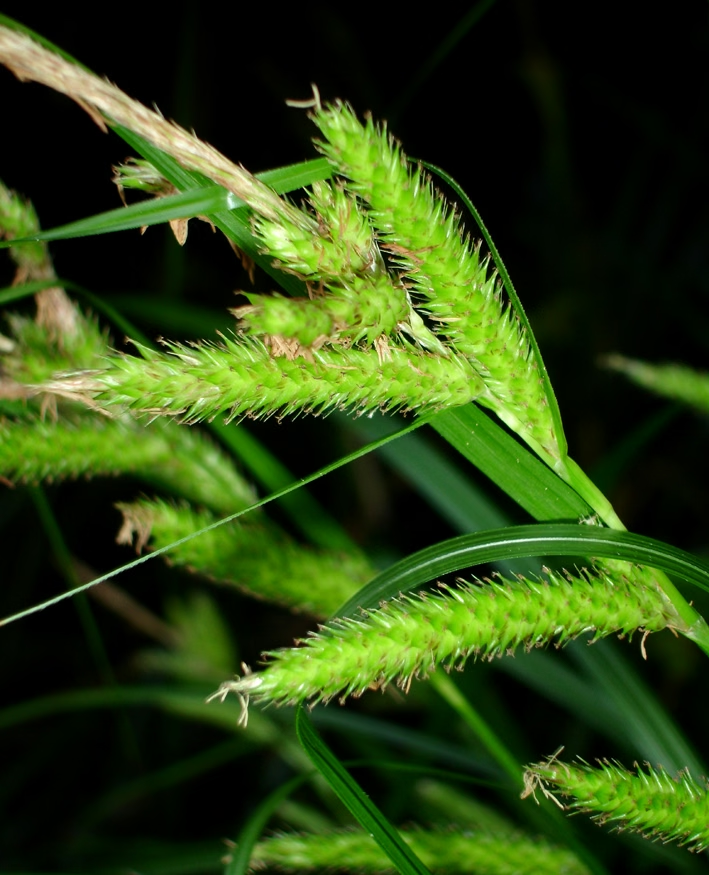
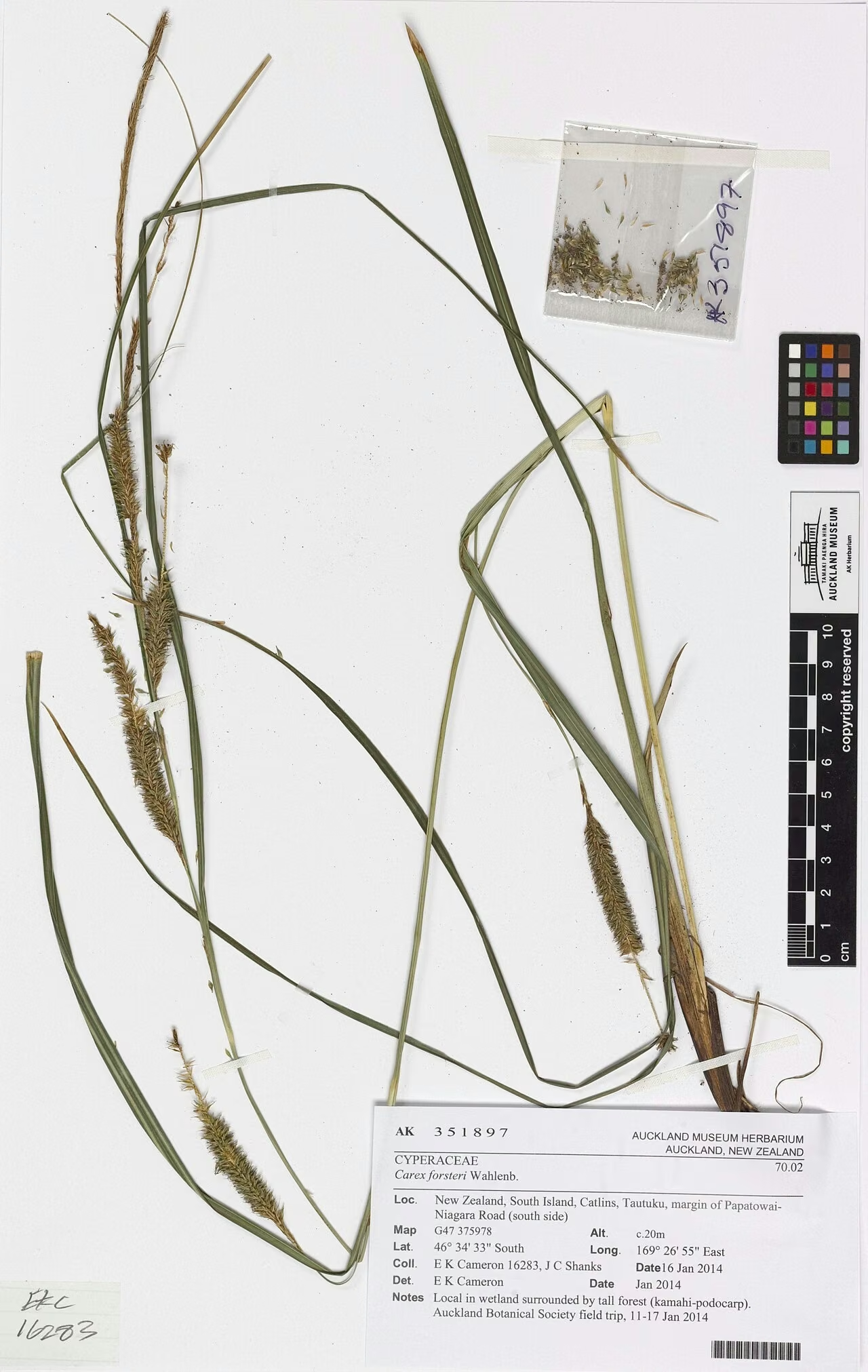
Explore other native plants that share similar characteristics or habitats with Kermadec Sedge (Carex kermadecensis), offering further insights into New Zealand's diverse flora. These related species provide context and opportunities for complementary planting in your garden.
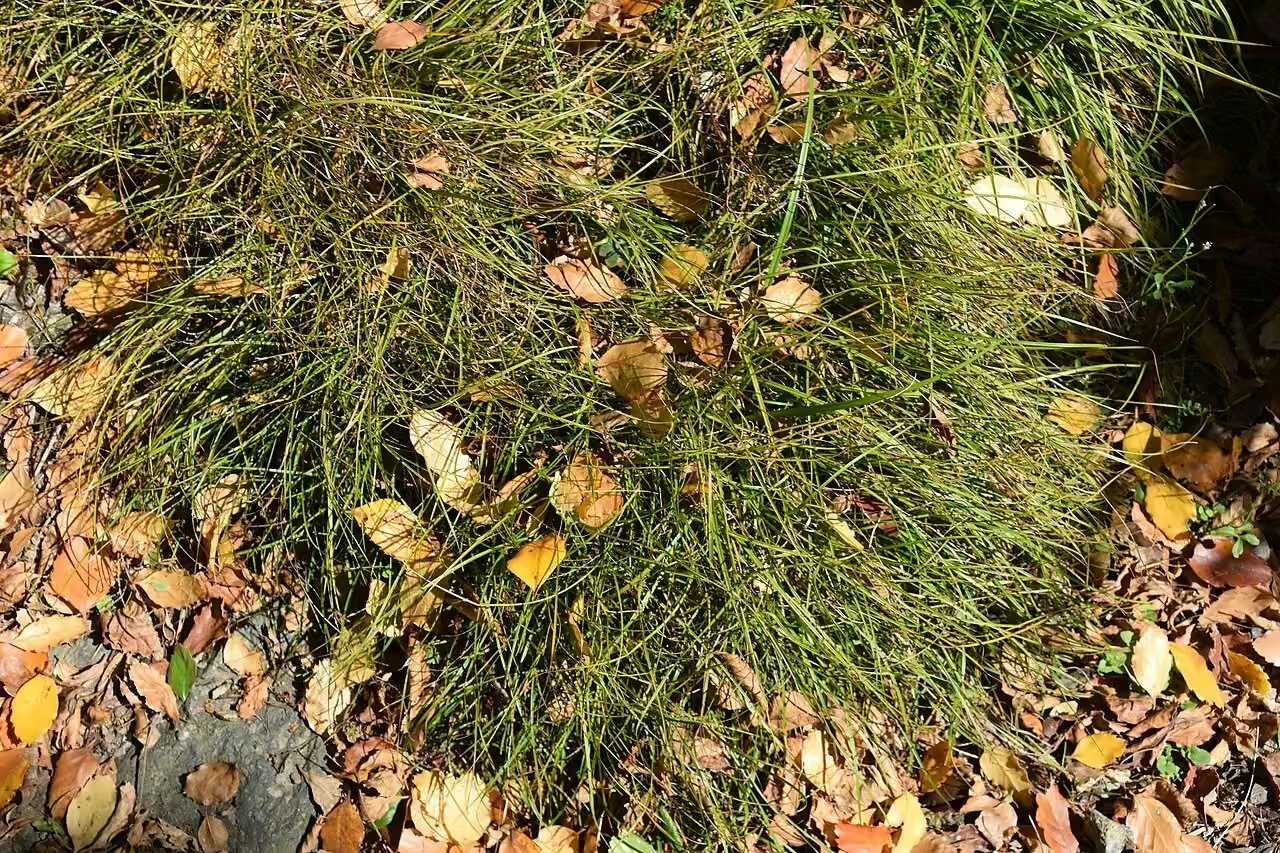
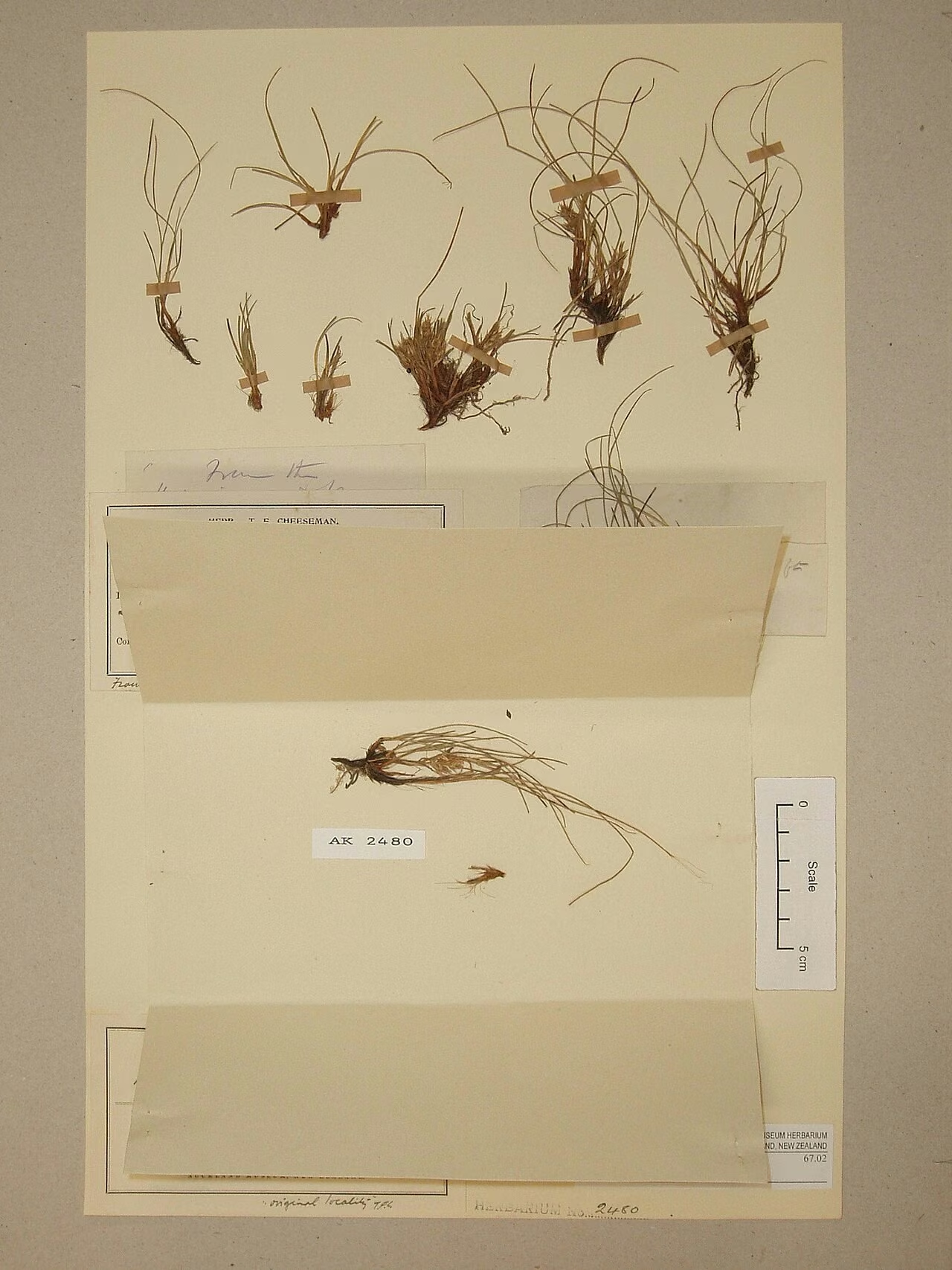
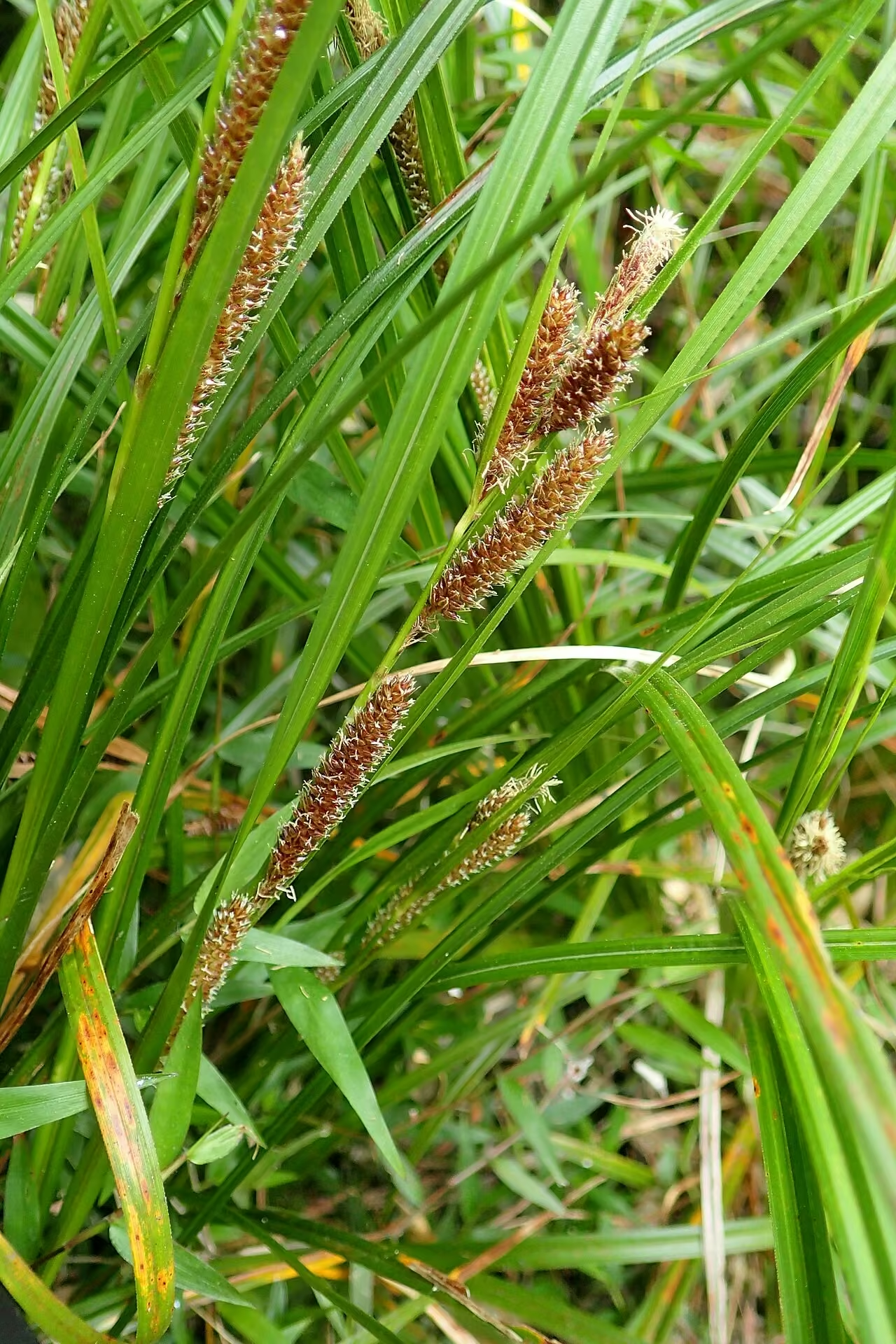
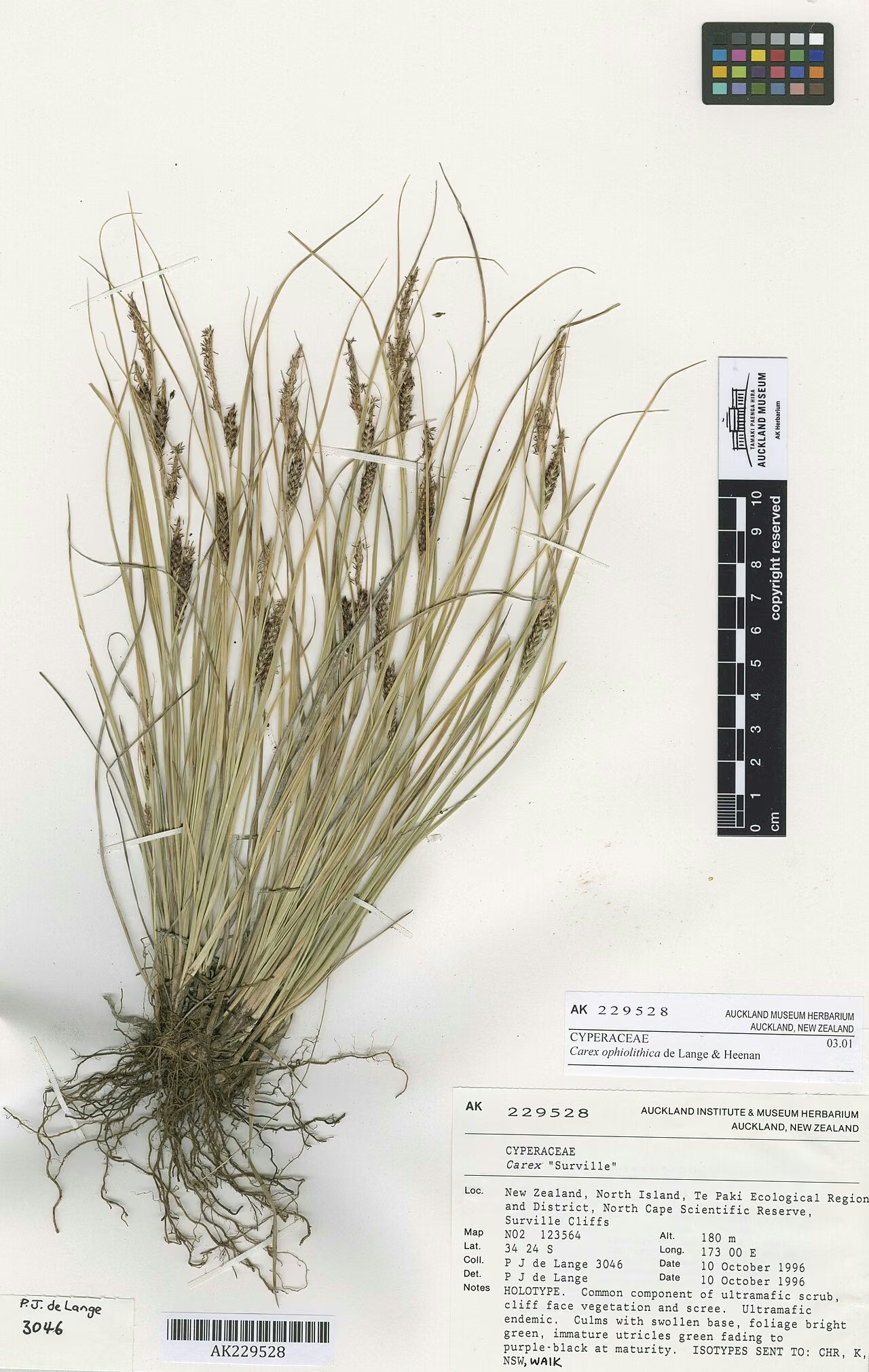
Plant Conservation
Kermadec sedge is ranked At Risk - Naturally Uncommon (2023) with the qualifiers Conservation Dependent and Island Endemic. It is range restricted, and NZPCN notes it has not been seen on Macauley Island since 1989, leaving Raoul Island as its only confirmed location.
The Kermadec Islands are a nature reserve managed by the Department of Conservation, with strict biosecurity. Ongoing weed control and keeping the islands free of introduced mammals are essential for this species.
Frequently Asked Questions
Where does Kermadec sedge grow naturally?
It is endemic to the Kermadec Islands and known only from Raoul and Macauley Islands, where it grows in coastal forest among boulders and rubble near seabird nesting sites.
Can Kermadec sedge grow in a cold garden?
NZPCN describes it as very cold sensitive. It is easily grown in a warm, sheltered site with semi-shade, so it suits frost-free northern gardens best.
How does Carex kermadecensis differ from Three Kings sedge?
Compared with Carex elingamita, its lowest spikes are mainly female rather than its upper spikes being largely male, its utricles are smaller at 3 to 4 mm, and its nut is darker brown.
Sources and Further Reading
The botanical, growing, and conservation details for Kermadec Sedge (Carex kermadecensis) on this page draw on the New Zealand plant references below. Consult them for full technical records and the latest distribution data.