Grassy Mat Sedge
Carex inopinata
Last updated:
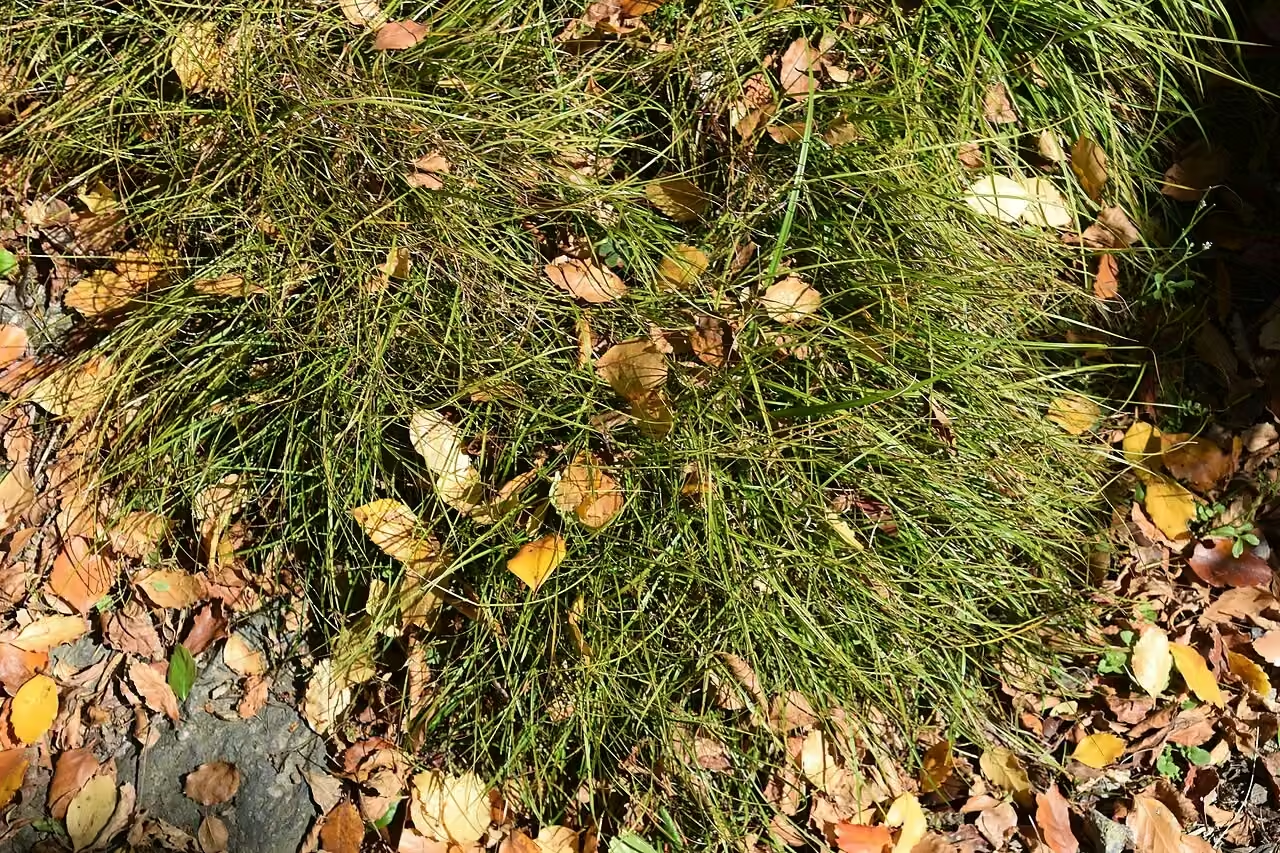
Grassy mat sedge (Carex inopinata) is a small, dark green, grass-like sedge that spreads by fine rhizomes to form loose mats. Its leaves are only about 1 mm wide and up to 10 cm long, and its short flower stems are hidden among them, carrying a few large red-brown utricles. It is endemic to the eastern South Island, from the upper Awatere River in Marlborough south to Deep Creek and Tapanui in Southland, and grows under limestone and schist overhangs, on alluvial terraces and on forest margins. Because it is easily smothered by weeds, it is ranked Threatened - Nationally Vulnerable. It makes an attractive ground cover for semi-shade. Explore more native grasses and flaxes in our native plant guide.
Plant Description
Carex inopinata is a rhizomatous sedge whose thin rhizomes, only 0.5 to 0.8 mm across, spread widely to form loose, diffuse mats. The rhizomes produce small tufts of leaves on very short flowering stems, no more than about 10 mm long, wrapped in dull brown sheaths.
The leaves are grass-like, dark green, channelled and up to 100 mm long and about 1 mm wide, longer than the flowering stems. Their margins are distinctly toothed only towards the tip. Each flowering stem carries two or three spikes on stalks: a slender male spike at the top and one or two female spikes below with only five to seven flowers each, subtended by leaf-like bracts. The utricles are large for such a small plant, 6 to 7 mm long, light brown at the base grading to dark red-brown above, with a very narrow, deeply split beak about 3 mm long. The nut is about 2 mm long and grey-brown to brown, and each flower has three stigmas.
It resembles Carex breviculmis, which has wider leaves that are finely toothed along their entire length and smaller, evenly spaced utricles. The combination of very narrow leaves, rough only near the tip, and a few large red-brown utricles without hooks identifies Carex inopinata.
Quick Facts
| Scientific Name | Carex inopinata |
|---|---|
| Height | Up to about 0.1 m |
| Spread | Spreads widely by rhizomes to form diffuse mats |
| Water Needs | Low to moderate; drought tolerant |
| Light | Semi-shade |
| Frost Tolerance | Good; grows in the frosty inland eastern South Island |
| Salt Tolerance | No information available; an inland species |
| Growth Rate | Moderate |
| Lifespan | Perennial |
Climate Best Suited to
Suits the dry, continental eastern South Island climate with cold winters, warm summers and low rainfall. In gardens it tolerates drought once established but prefers some shade.
Regional Suitability
| City | Climate Suitability |
|---|---|
| Auckland | Low |
| Wellington | Medium |
| Christchurch | High |
| Dunedin | High |
Plant Habitat
Grassy mat sedge is endemic to the eastern South Island, from the upper Awatere River in Marlborough south to Deep Creek and Tapanui in Southland. Populations are scattered through dry eastern districts including Canterbury and Otago.
It occupies several relatively fertile habitats: riparian alluvial terraces beneath Lophomyrtus obcordata forest, the dry ground under limestone and schist overhangs, and forest margins on rubbly slopes beneath shrubland. Occasional plants grow at the base of limestone and schist rocks. It favours semi-shaded situations and does not tolerate competition from taller or faster-growing plants.
Growing Requirements
Soil Requirements
In the wild it grows on moderately fertile soils on alluvial terraces and under rock overhangs. NZPCN recommends well-drained, moderately fertile soil in cultivation.
- Well-drained, moderately fertile soil
- Rubbly or gravelly ground suits it
- Avoid waterlogged sites
Light Requirements
It favours semi-shade, such as under rock overhangs, shrubs or at forest edges.
- Semi-shade or dappled light
- Avoid dense shade from vigorous plants that would crowd it
Water Requirements
It is drought tolerant, reflecting dry sites under overhangs in a low-rainfall region.
- Water during establishment
- Established mats need little watering
- Sharp drainage prevents rot
Planting and Establishing
Plant rooted pieces in autumn or spring in a semi-shaded, well-drained spot such as under deciduous shrubs, along the base of a rock wall or at the edge of a woodland bed. Space pieces 20 to 30 cm apart and they will gradually knit together.
Choose a site free of vigorous weeds and grasses, because this tiny sedge is easily smothered. Keep the area weeded until the mat is established.
Ecological Role
NZPCN records that the nuts, enclosed in inflated utricles, are dispersed by seed-eating animals and by wind. Like other sedges it is wind pollinated.
It is a component of the low ground flora of dry eastern forest remnants, rock overhangs and riparian terraces, habitats that have been much reduced and invaded by weeds across the eastern South Island.
Uses & Significance
Garden Uses
NZPCN describes it as an attractive ground cover for semi-shaded sites, and it is a worthwhile plant for conservation-minded gardeners in the eastern South Island.
- Fine-textured ground cover in semi-shade
- Rock gardens and wall bases
- Threatened plant collections
Ecological Value
As a threatened endemic of dry eastern habitats, every secure population matters for the species.
- Part of the ground flora of dry eastern forest and rock overhangs
- Seed food for small animals
- A useful species for local restoration of rocky and riparian sites
Landscaping Uses
Use grassy mat sedge as a fine, dark green carpet between rocks or beneath open shrubs. Its low height suits small spaces and it contrasts well with grey limestone or schist.
Avoid planting it with vigorous groundcovers or grasses that will overrun it; it looks best when given room to spread on its own.
Seasonal Care Calendar
Spring
Flowering begins in October, with short spikes tucked among the leaves.
- Flowering October to January
- Weed around mats
Summer
The red-brown utricles ripen from November to February. Established mats cope with dry weather.
- Fruiting November to February
- Water new plants in drought
Autumn
A good time to plant rooted pieces and to collect any ripe seed.
- Plant or divide
- Keep competing weeds down
Winter
Plants are hardy to frost and need little attention.
- Check drainage
- Remove fallen leaves smothering the mat
When to Prune and How Much
No pruning is needed. Lightly remove any dead leaves or fallen debris that settles on the mat, as smothering is a bigger risk than overgrowth.
If neighbouring plants start to shade or crowd the mat, trim them back rather than cutting the sedge.
How to Grow Grassy Mat Sedge
NZPCN describes grassy mat sedge as easy to propagate from rooted pieces and fresh seed. It rarely flowers and fruits in cultivation, although some clones fruit frequently, so rooted pieces are usually the more practical method. Because it is a threatened species, wild plants should not be dug up; obtain material from existing cultivated stock or through recognised conservation programmes. Grow young plants in shallow, wide pots rather than deep ones, since the fine rhizomes spread sideways, and keep the pots weed free so seedlings of other plants do not overwhelm the slow-establishing tufts before they are planted out.
By Rhizome Division
The plant spreads by fine rhizomes that produce small rooted tufts along their length. These rooted pieces can be separated from the mat and potted up, and they establish readily.
- In autumn or spring, locate rooted tufts at the edge of the mat.
- Cut the connecting rhizome and lift each tuft with its roots and some soil.
- Pot into a free-draining mix.
- Keep in semi-shade and water regularly until new leaves appear.
- Plant out once the pot is well rooted.
From Seed
Where clones do fruit, the large red-brown utricles ripen between November and February. Collect them when they turn dark and sow fresh.
- Collect ripe utricles from the female spikes.
- Sow on the surface of a gritty seed mix.
- Cover lightly and keep moist in a shaded, sheltered place.
- Prick out seedlings once they have a few leaves.
Pests & Diseases
No insect pests or diseases are recorded as significant. The main threats in gardens and in the wild are competition and smothering by weeds and faster-growing plants.
In wet, poorly drained soils the fine rhizomes may rot, so good drainage is important.
Cultural Significance
No Māori name or traditional use specific to Carex inopinata has been recorded in the sources consulted.
The species was described by V. J. Cook in 1953. Its epithet, from Latin, means unexpected, and it was featured as the NZPCN Plant of the Month in December 2011.
Bonus Tip
If your plant never seems to flower, do not worry: NZPCN notes that grassy mat sedge rarely flowers and fruits in cultivation. Increase it by separating rooted tufts from the edge of the mat instead, and share them with other growers to spread the risk.
Related Plants
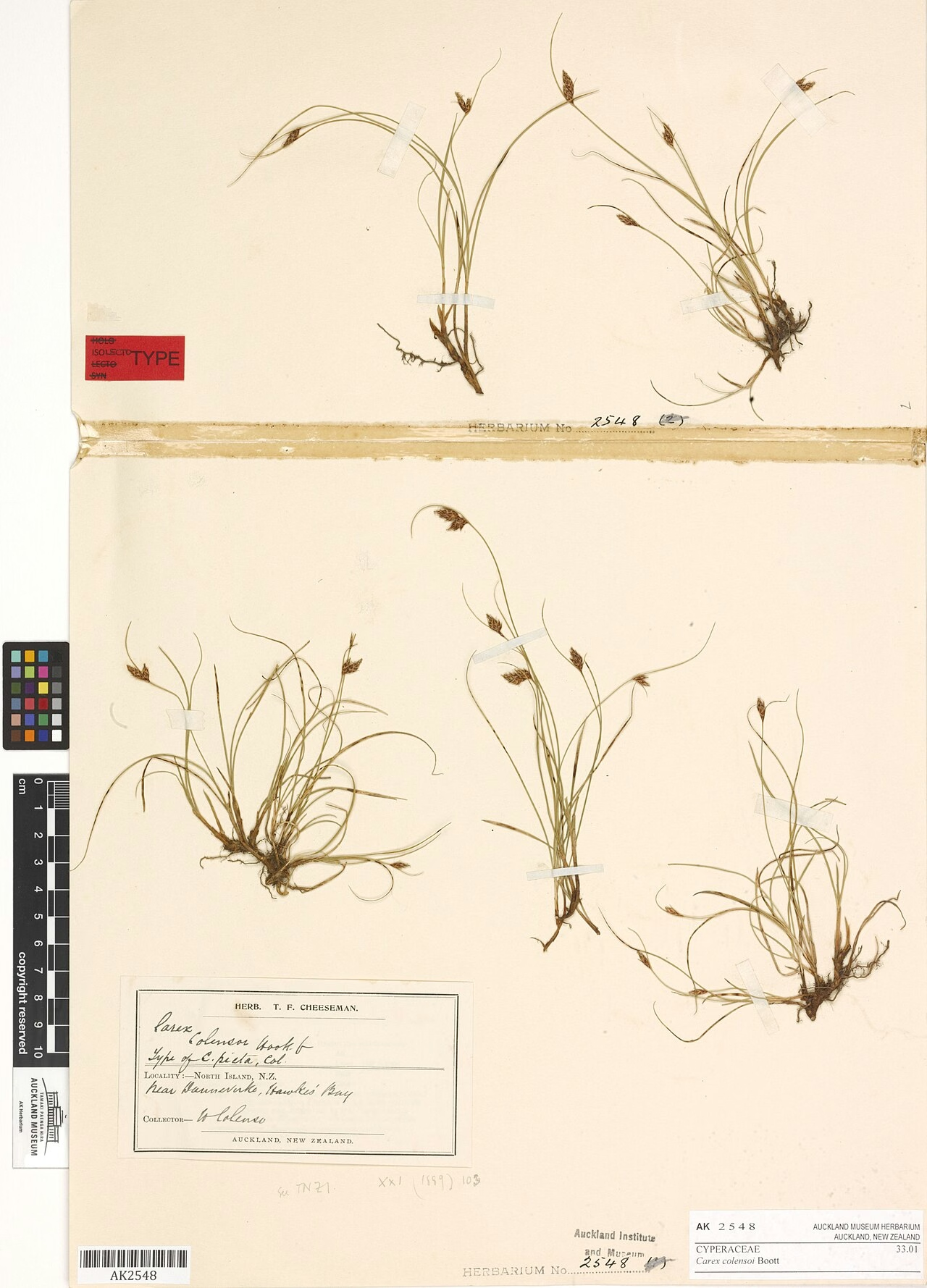
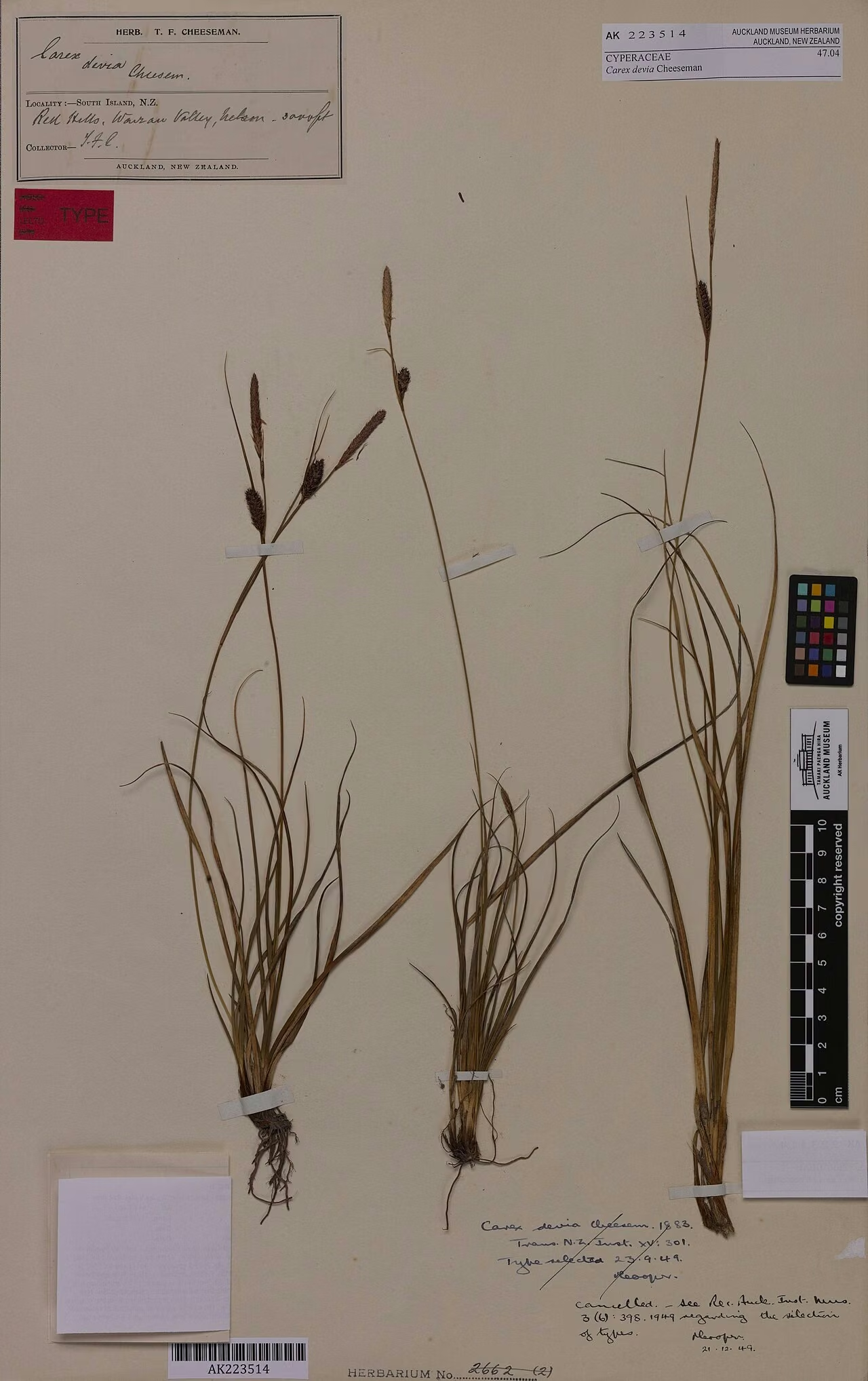
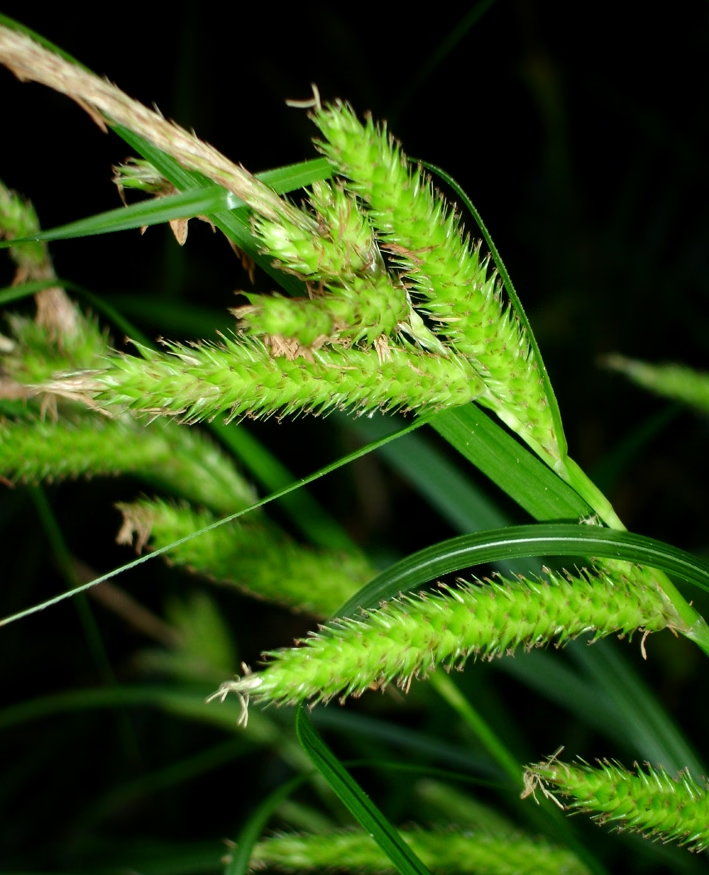
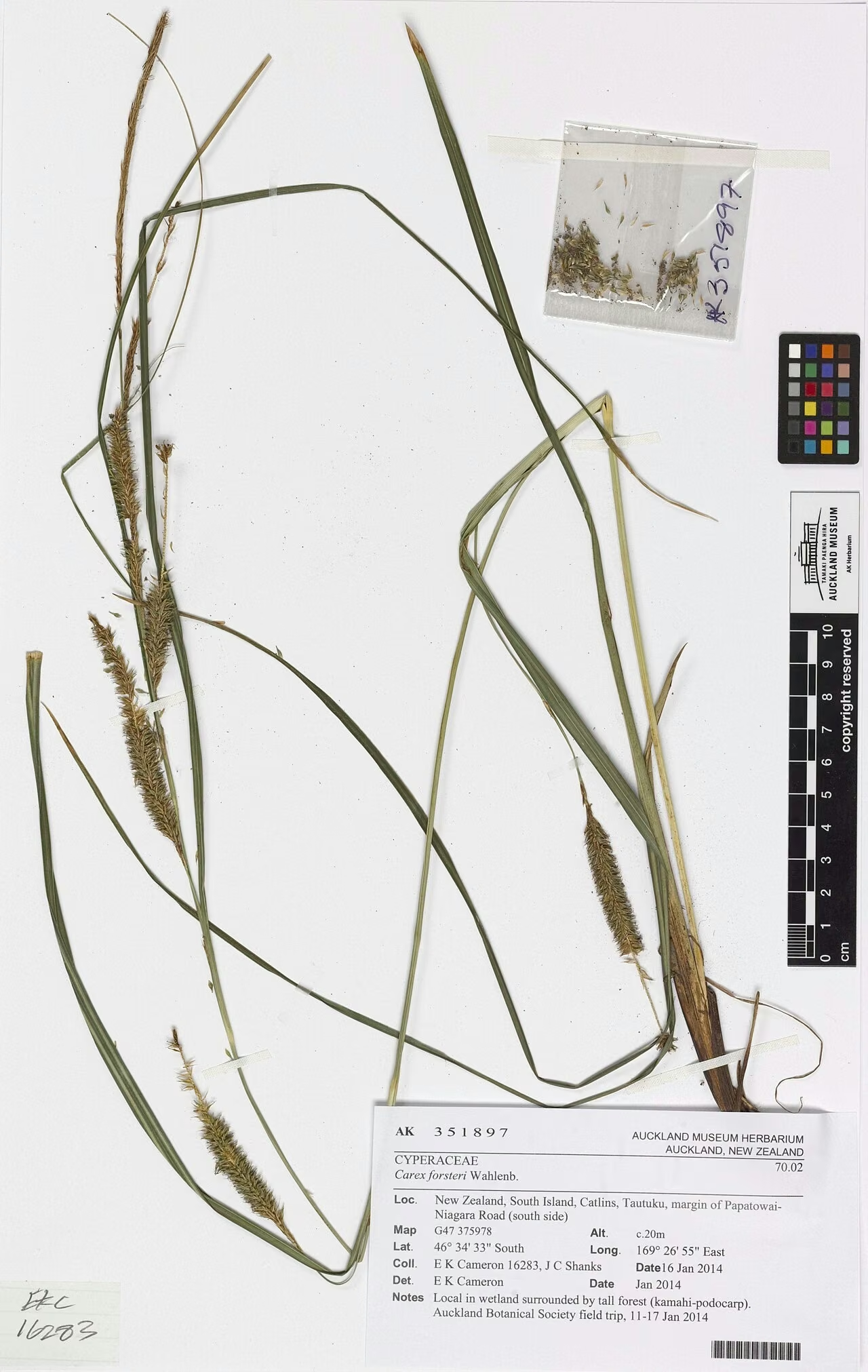
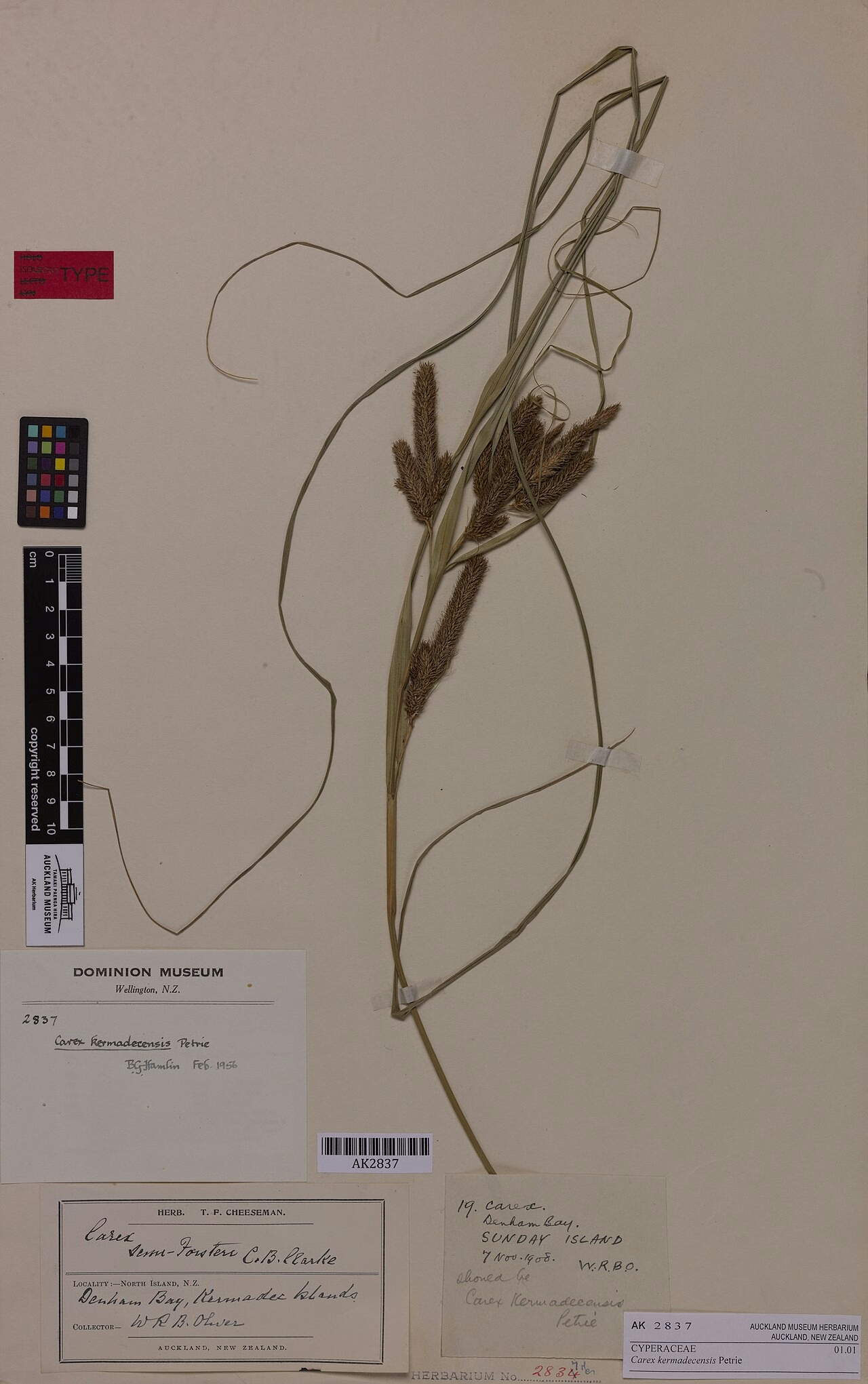
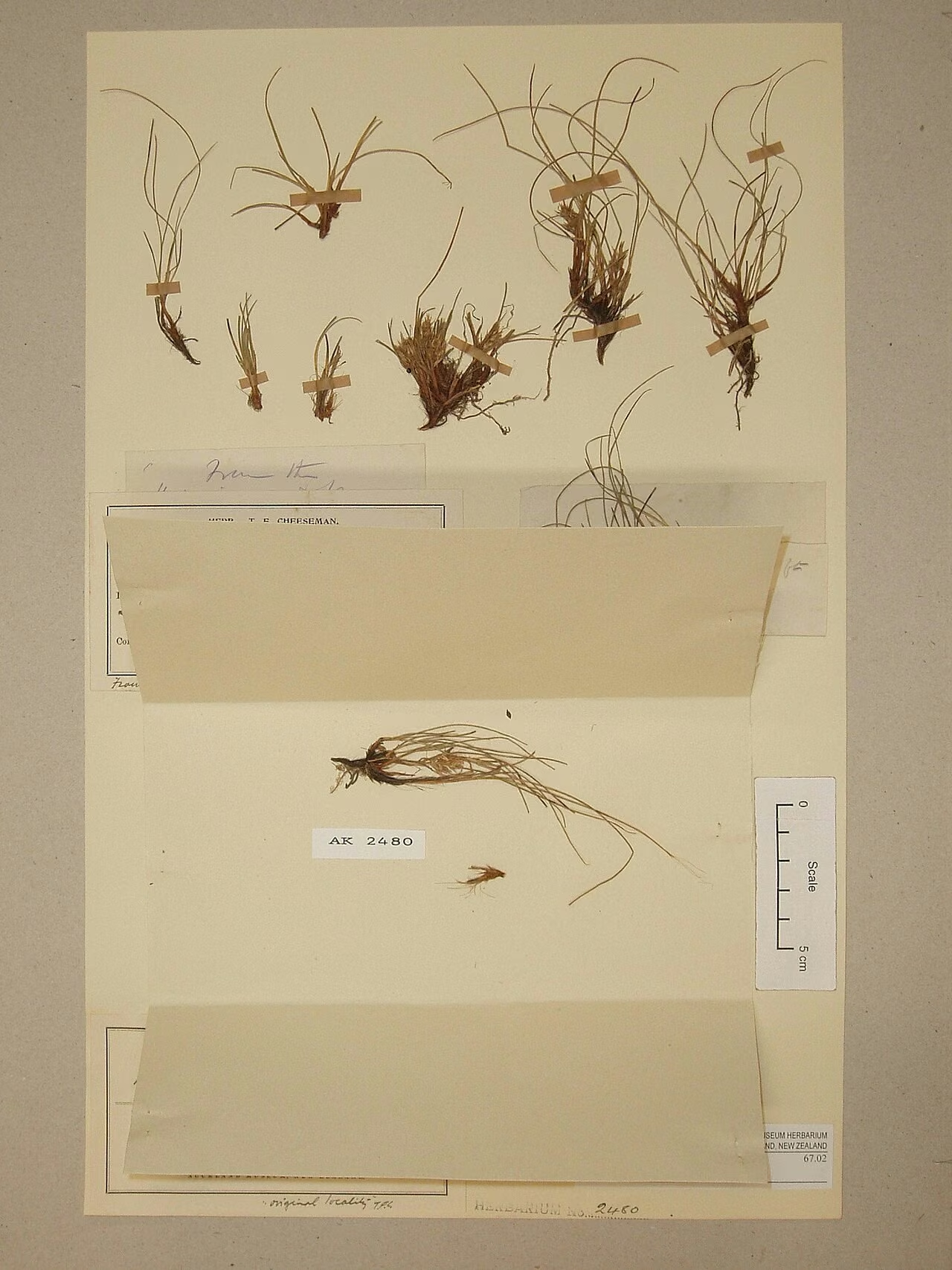
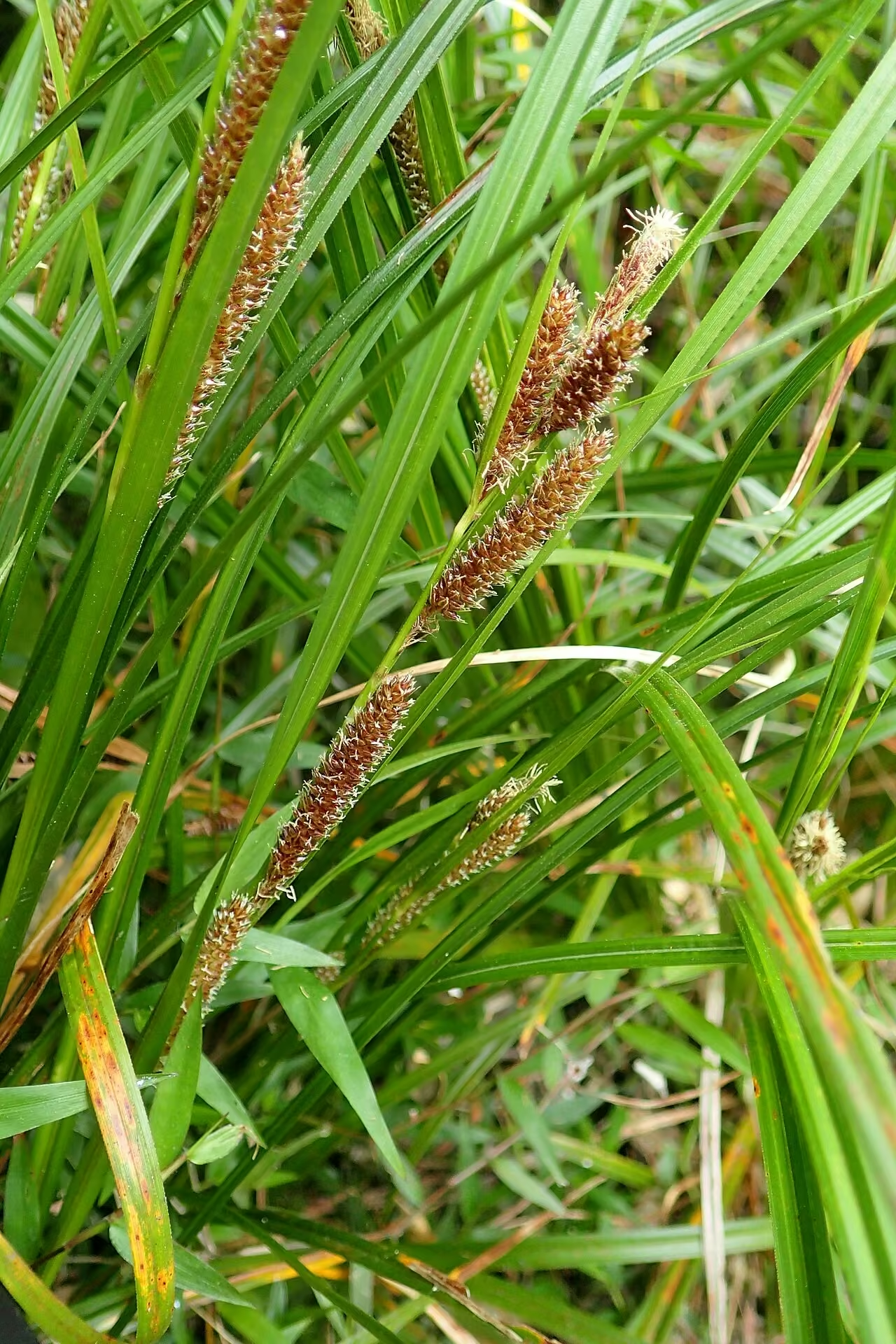
Explore other native plants that share similar characteristics or habitats with Grassy Mat Sedge (Carex inopinata), offering further insights into New Zealand's diverse flora. These related species provide context and opportunities for complementary planting in your garden.
Plant Conservation
Carex inopinata is ranked Threatened - Nationally Vulnerable (2023), with the qualifiers Sparse, Population Fragmentation and three Data Poor qualifiers (recognition, size and trend), and is Regionally Critical in Otago (2025). Its diffuse, low habit makes it highly vulnerable to introduced weeds, and some populations under overhangs face damage from recreation, including rock climbing.
Weed control at known sites, protection of dry eastern forest remnants and rock overhangs, and careful cultivation of plants from existing stock all help the species.
Frequently Asked Questions
Why is Carex inopinata threatened?
Its small size and diffuse mat-forming habit make it easily overwhelmed by introduced weeds and faster-growing plants, and some populations under rock overhangs are also affected by recreational activities such as rock climbing.
How do you tell grassy mat sedge from Carex breviculmis?
Carex inopinata has fine teeth on the leaf margins only near the tip and a few large, red-brown utricles. Carex breviculmis has wider leaves toothed along their whole length and smaller utricles spread evenly along the spikes.
Can grassy mat sedge be used as a ground cover?
Yes. NZPCN describes it as an attractive ground cover for semi-shaded sites in well-drained, moderately fertile soil, and notes it is drought tolerant once established.
Sources and Further Reading
The botanical, growing, and conservation details for Grassy Mat Sedge (Carex inopinata) on this page draw on the New Zealand plant references below. Consult them for full technical records and the latest distribution data.