Grassland Sedge
Carex breviculmis
Last updated:
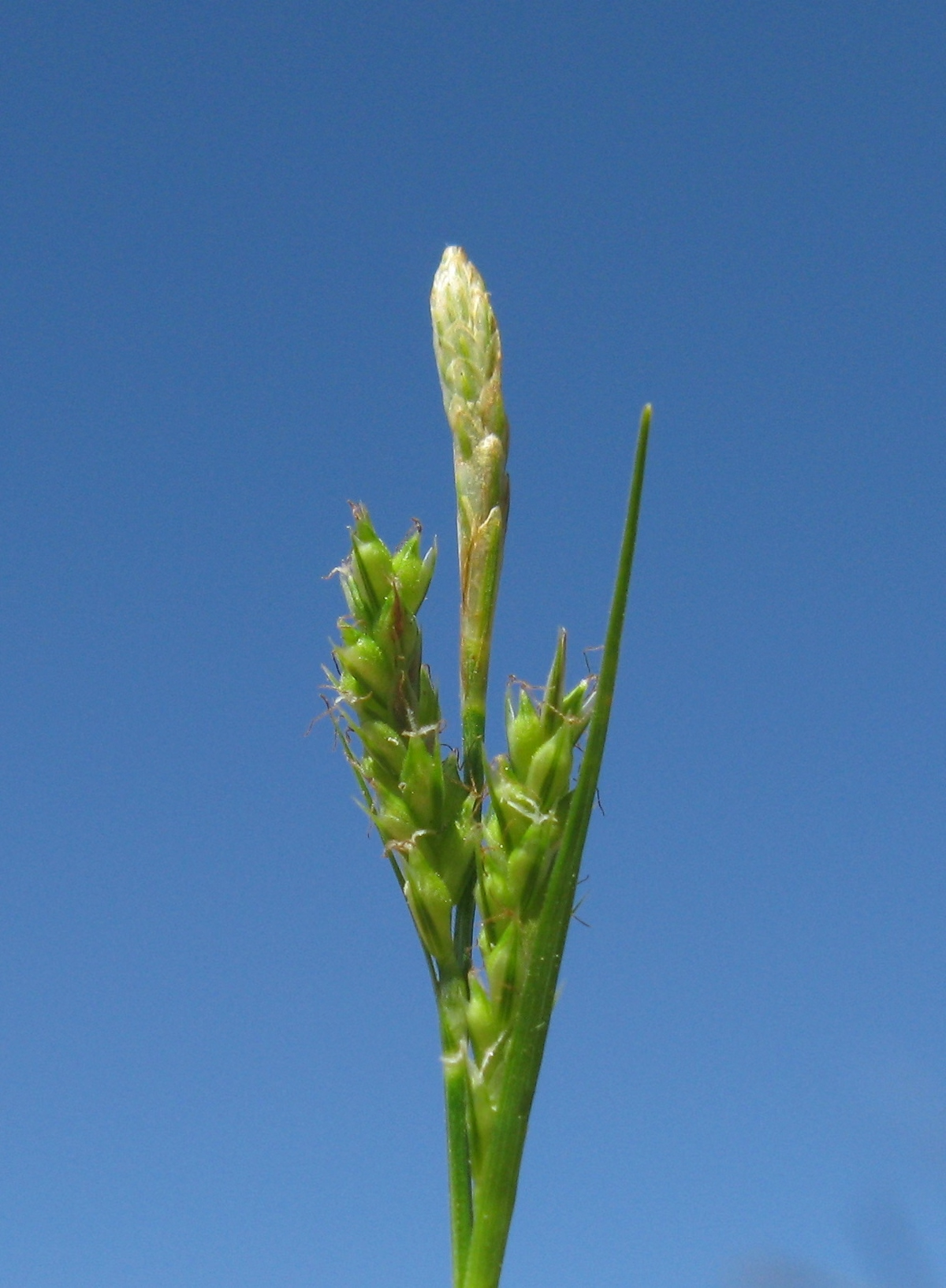
Grassland sedge (Carex breviculmis) is a low, tufted sedge that forms bright green patches of fine, grass-like, recurved leaves, with its short flowering stems, usually only 10 to 20 mm long, hidden among the foliage. It grows from the coast to the mountains in the North and South Islands, in open grassland, gumland scrub, clay pans, rock stacks and talus slopes, and is also native to Australia, New Guinea and Lord Howe and Norfolk Islands. It is ranked Not Threatened nationally but has declined in Auckland. Hardy and easy from seed or division, it suits sunny, free-draining sites and dislikes waterlogging. Explore more native grasses and flaxes in our native plant guide.
Plant Description
Carex breviculmis is a low-growing, tufted sedge that forms bright green patches. Its leaves are fine and grass-like, about 1.5 to 3 mm wide, curving outward and slightly rough on the margins, and are usually longer than the flowering stems.
The culms are short, usually only 10 to 20 mm long, and are hidden among the leaves, so the plant can look like a small tuft of grass. The pale green spikes carry utricles about 2.5 mm long and 1 mm wide that are faintly nerved and covered in short hairs.
The pubescent, pale green utricles are the best way to tell it from other early-flowering New Zealand sedges. Its tight, low habit and dry grassland habitat also help distinguish it from the many larger Carex of wet ground.
Quick Facts
| Scientific Name | Carex breviculmis |
|---|---|
| Height | 0.05-0.2 m |
| Spread | 0.1-0.3 m |
| Water Needs | Low to moderate; avoid waterlogging |
| Light | Full sun |
| Frost Tolerance | Good; grows to montane elevations |
| Salt Tolerance | Moderate; grows on coastal rock stacks |
| Growth Rate | Moderate |
| Lifespan | Perennial |
Climate Best Suited to
Adaptable to warm northern and cooler southern climates, from the coast to montane elevations. It handles summer drought and frost but not prolonged wet feet.
Regional Suitability
| City | Climate Suitability |
|---|---|
| Auckland | High |
| Wellington | High |
| Christchurch | High |
| Dunedin | Medium |
Plant Habitat
Grassland sedge occurs in the North and South Islands of New Zealand and overseas in Australia, New Guinea and on Lord Howe and Norfolk Islands. In Australia it is widespread and common in grasslands and grassy woodlands.
In New Zealand it ranges from coastal to montane elevations, usually in open grassland, gumland scrub, clay pans, on rock stacks and on talus slopes. These are sparsely vegetated, often dry and infertile sites where low plants are not crowded out.
Growing Requirements
Soil Requirements
It favours free-draining, often poor soils, including clay pans and gumland soils, rocky ground and talus.
- Free-draining soil
- Tolerates clay and low fertility
- Not suitable for waterlogged ground
Light Requirements
As a plant of open grassland and rock stacks it prefers full sun.
- Full sun
- Light shade tolerated but growth is looser
Water Requirements
It copes with dry periods once established, reflecting its dry grassland and talus habitats.
- Water new plantings until established
- Avoid poorly drained, wet sites
Planting and Establishing
Plant in a sunny, well-drained position, spacing plants about 15 to 20 cm apart if a continuous low cover is wanted. It is suited to dry banks, rockeries and the front of borders where its small size can be appreciated.
On heavy clay, plant slightly raised or on a slope to ensure water drains away from the crown. Little or no fertiliser is needed.
Ecological Role
Grassland sedge is wind pollinated, flowering from August to December, unusually early for a New Zealand Carex, with fruit maturing from October to May.
Its low tufts help stabilise bare clay pans, gumland and talus, where they grow among other small native herbs, grasses and orchids. In northern gumland these open, infertile communities are increasingly scarce, which helps explain its regional decline in Auckland.
Uses & Significance
Garden Uses
A neat, low native sedge for dry, sunny spots where many other Carex would sulk.
- Rock gardens and dry banks
- Edging for paths and borders
- Low native lawn alternative in light-use areas
- Container planting
Ecological Value
It is part of the open dry grassland, clay pan and gumland communities that support a range of small native plants and invertebrates.
- Binds bare, infertile soils
- Provides seed for small birds and invertebrates
- Suits restoration of dry open sites
Landscaping Uses
Massed at close spacing, grassland sedge forms a bright green low cover that contrasts well with grey-leaved natives and rocks. It is too low to be used as a screen and works best at the front of plantings.
Use it between stepping stones or in gravel gardens, where its tolerance of dry, poor ground is an advantage.
Seasonal Care Calendar
Spring
Flowering begins as early as August and continues through spring.
- Plant or divide
- Hidden spikes appear among the leaves
Summer
Fruit ripens through summer; established plants handle dry weather.
- Collect ripe seed
- Water young plants in drought
Autumn
Late fruit is still shed as the season cools.
- Sow fresh seed
Winter
Tufts remain green; avoid letting pots sit in water.
- Check drainage
When to Prune and How Much
No regular pruning is needed. If tufts become untidy, comb out dead leaves by hand or trim lightly in late winter before new growth.
Avoid hard cutting in summer drought, when regrowth is slow.
How to Grow Grassland Sedge
NZPCN describes Carex breviculmis as easily grown from fresh seed and by division of established plants. It tolerates a wide variety of conditions except waterlogged soils, and prefers full sun in free-draining soil. Because it is widespread and Not Threatened nationally, seed from local plants is easy to obtain, but in Auckland, where it is regionally declining, collecting should be done sparingly and preferably from cultivated stock.
From Seed
Seed matures from October to May. Because the spikes are hidden among the leaves, part the foliage to find them and collect when the hairy utricles have turned from pale green to brownish and detach easily. Fresh seed gives the best results.
- Collect ripe utricles by parting the leaves to reach the short spikes.
- Sow on the surface of a free-draining seed mix.
- Cover with a thin layer of fine grit.
- Keep moist but not waterlogged in a bright position.
- Pot up seedlings into small pots once they form a tuft, and plant out after a season.
By Division
Established clumps can be lifted and split into smaller rooted tufts. This is the quickest way to produce plants for a small garden area and gives identical plants to the parent.
- Lift a healthy clump in autumn or early spring.
- Pull apart into pieces with roots and several shoots.
- Replant at the same depth in well-drained soil or pot up.
- Water in and keep moist until new growth starts.
Pests & Diseases
No serious pests or diseases are recorded. Its main enemy in the garden is poor drainage, which can rot the crown, and competition from vigorous exotic grasses that can overrun such a low plant.
Rabbits may graze it in rural areas; young plants can be protected with sleeves until established.
Cultural Significance
No Māori name or traditional Māori use specific to Carex breviculmis is recorded in the sources consulted.
The epithet breviculmis means short-stemmed, from Latin brevis, short, and culmus, stalk, referring to its very short flowering stems hidden in the foliage. In Australia it is known as short-stem sedge.
Bonus Tip
To check whether you have grassland sedge rather than a small grass, part the leaves in spring and look for the short hidden flowering stems; a hand lens will show the fine hairs on the pale green utricles, which is the clinching feature.
Related Plants
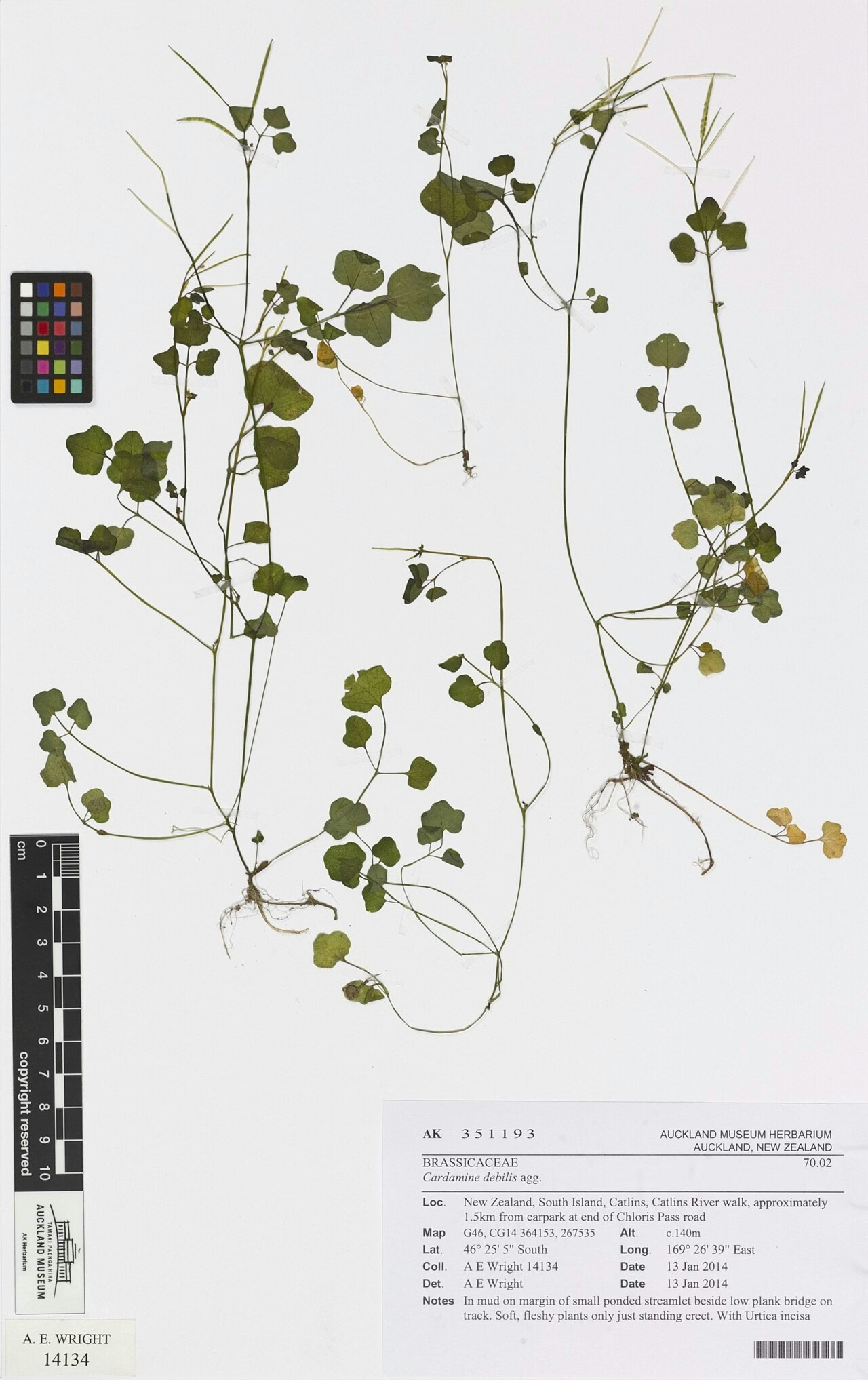
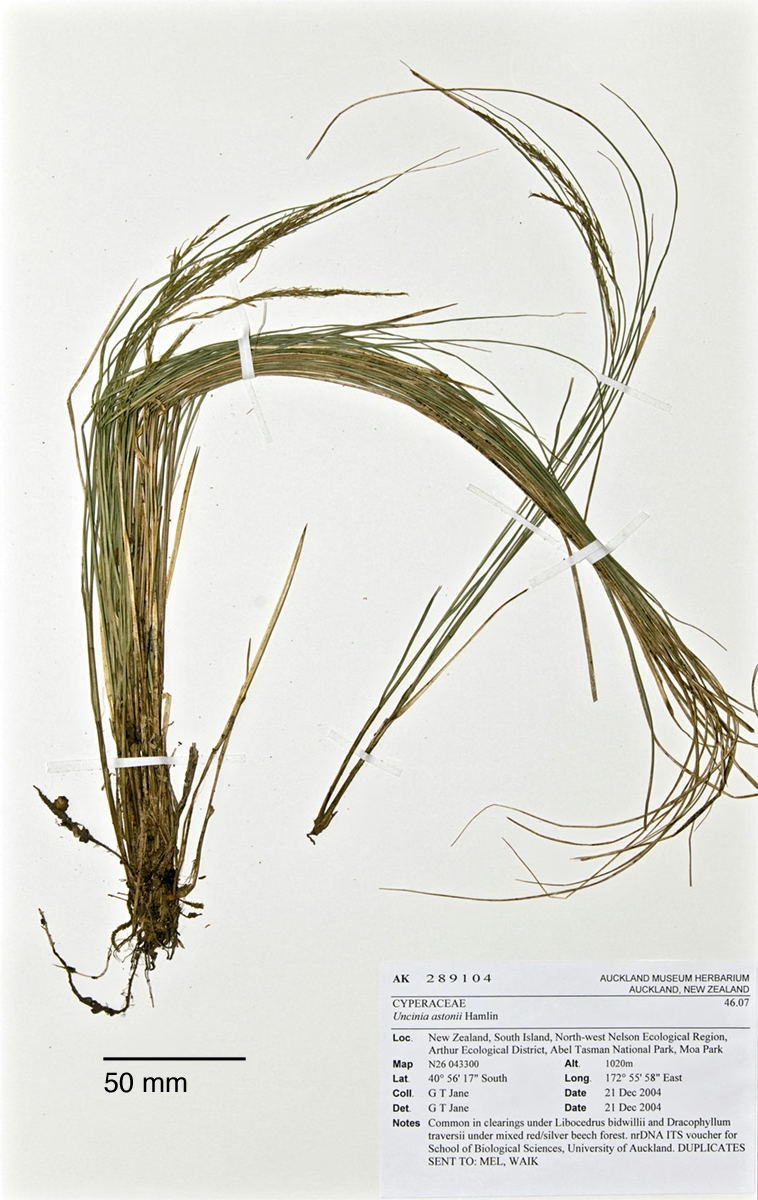
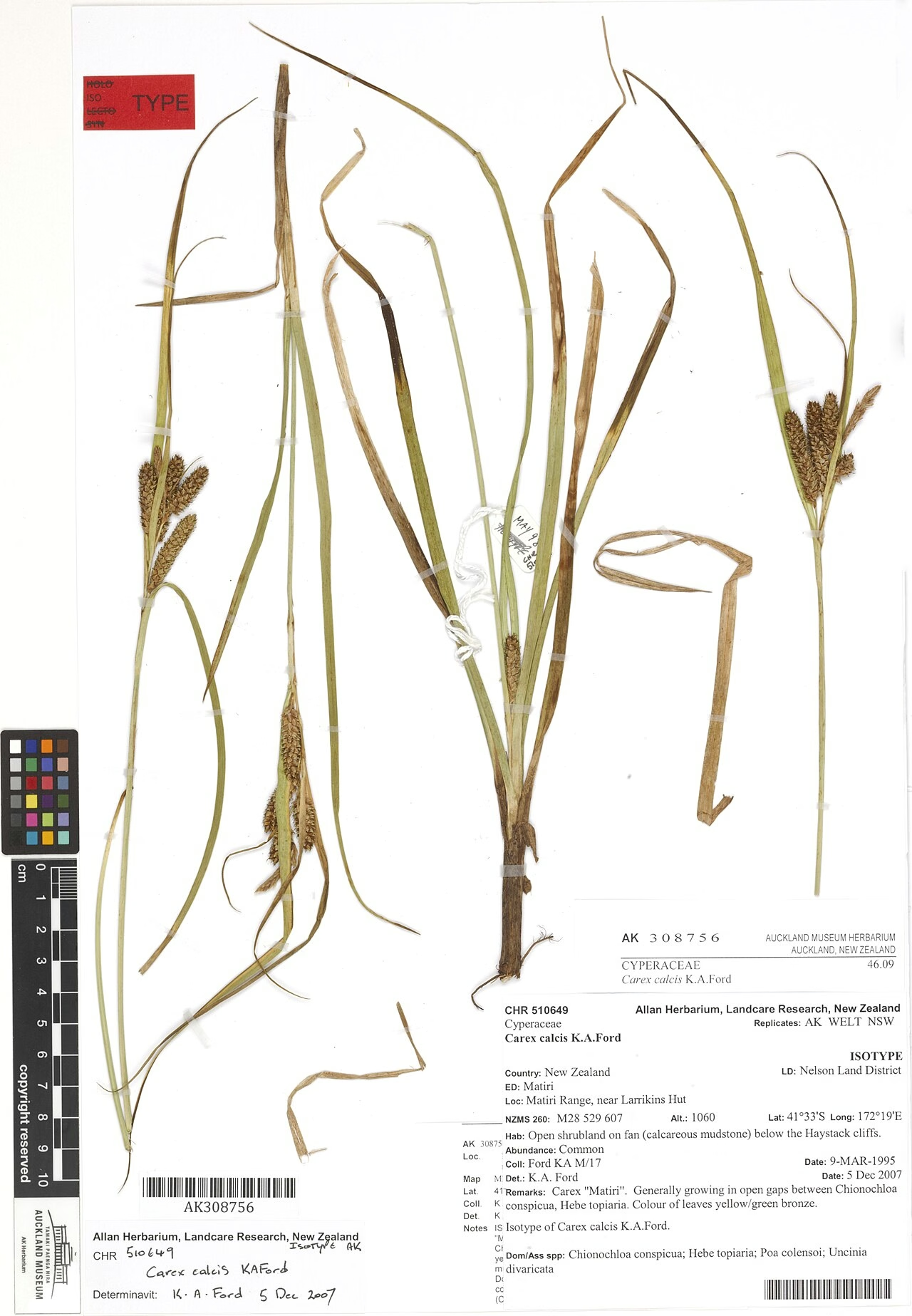
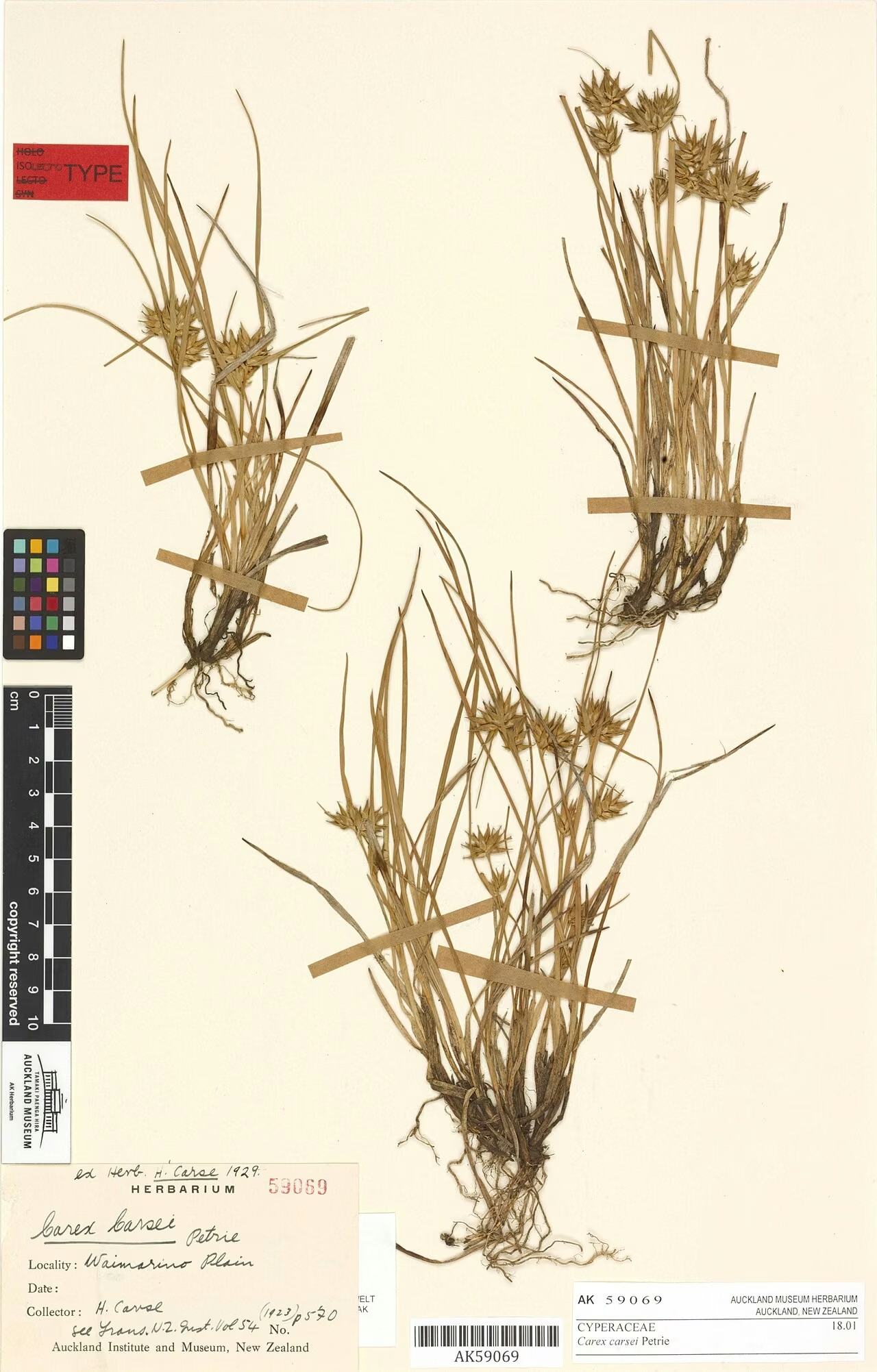
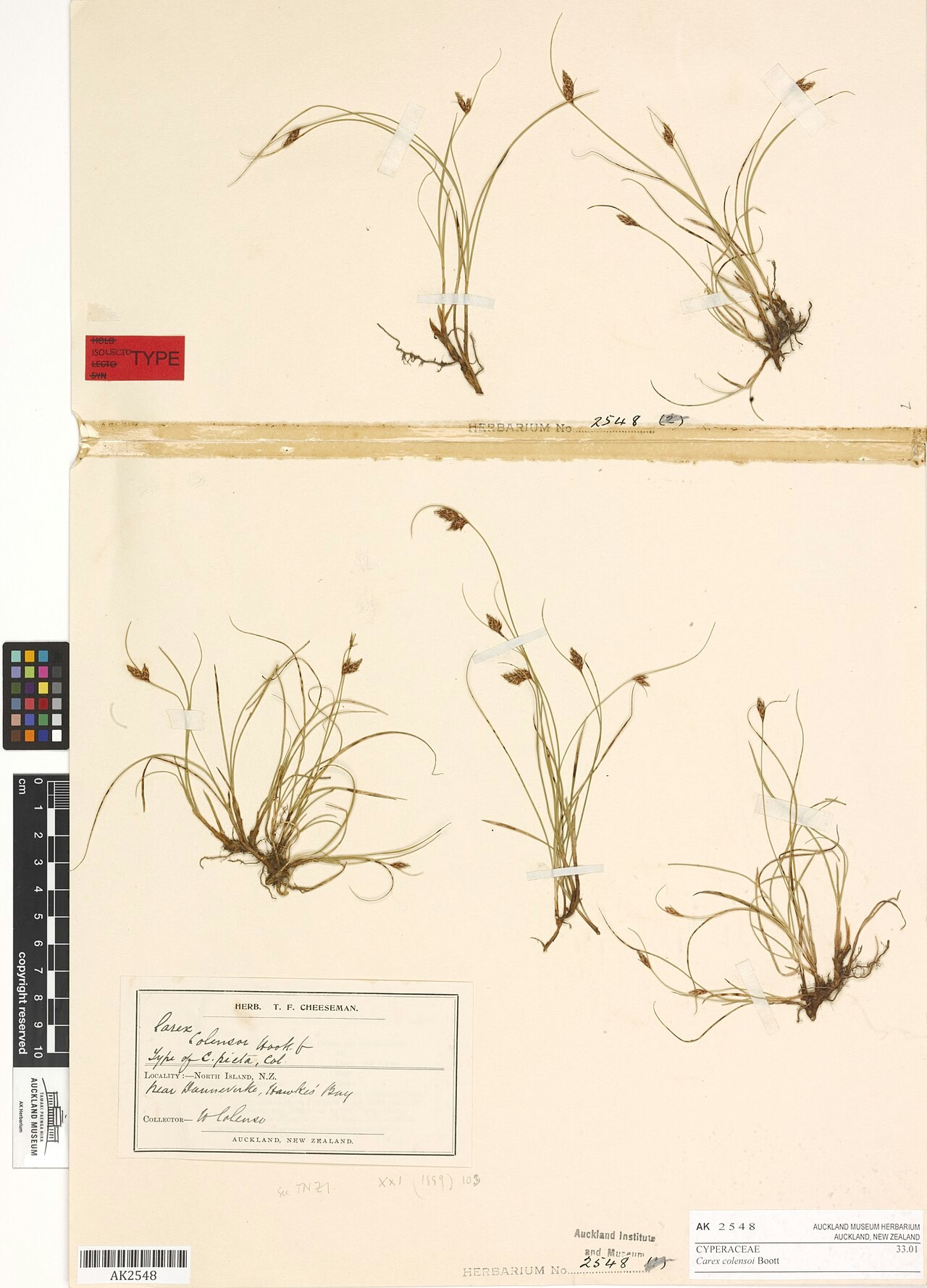
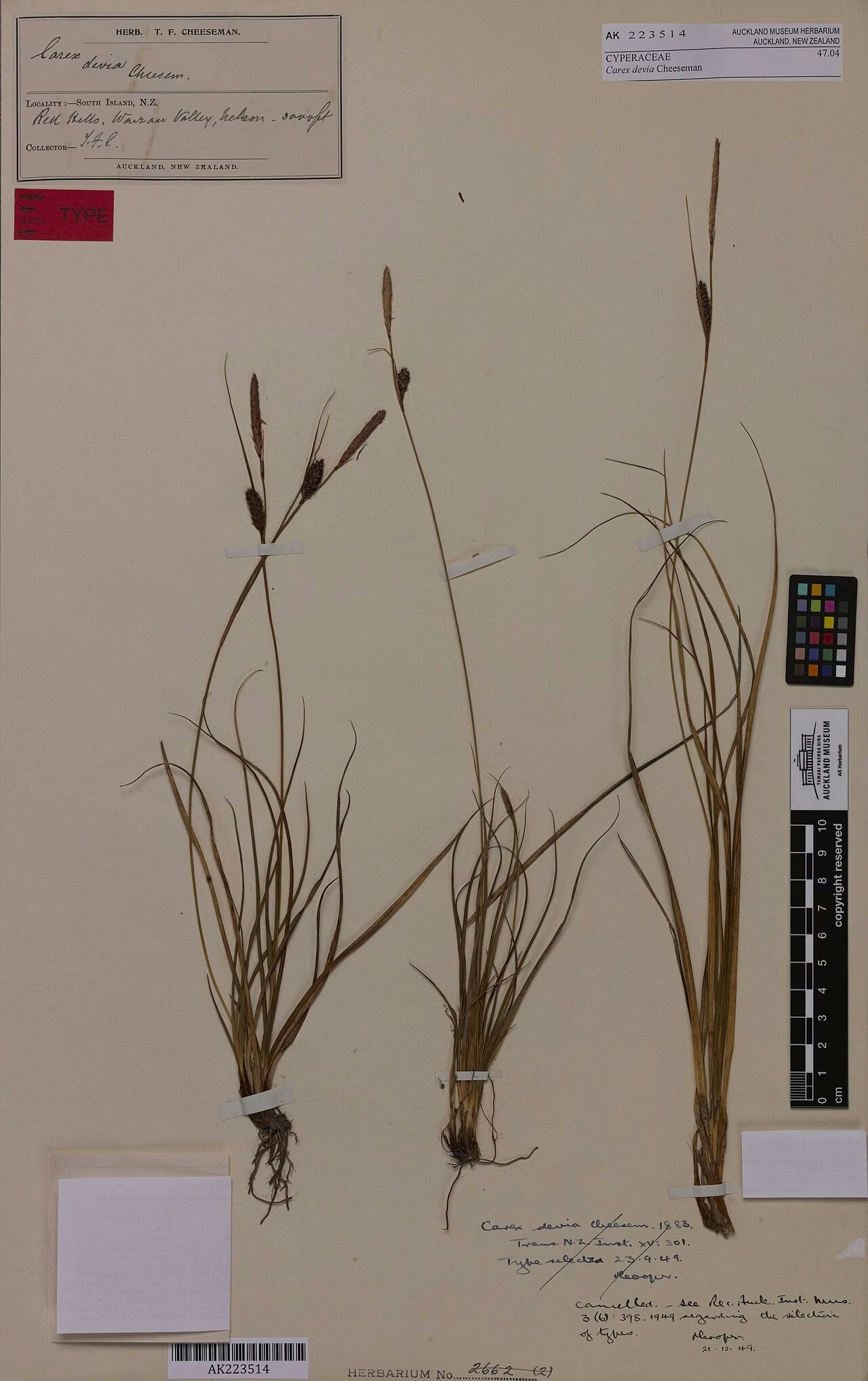
Explore other native plants that share similar characteristics or habitats with Grassland Sedge (Carex breviculmis), offering further insights into New Zealand's diverse flora. These related species provide context and opportunities for complementary planting in your garden.

Plant Conservation
Carex breviculmis is ranked Not Threatened (2023), with the qualifier Secure Overseas because of its wide range in Australia and the Pacific. Regionally it is assessed as At Risk - Regionally Declining in Auckland and At Risk - Regionally Naturally Uncommon in Wellington.
Loss of open gumland, clay pans and dry grassland to development, weed invasion and scrub succession is the main local pressure. Retaining and managing these open habitats, and including the species in dry-site restoration plantings with local seed, helps it.
Frequently Asked Questions
What does Carex breviculmis look like?
It forms low, bright green tufts of fine, recurved, grass-like leaves. The flowering stems are only 10 to 20 mm long and sit hidden in the leaves, carrying pale green spikes with hairy utricles.
Is grassland sedge native to New Zealand?
Yes, it is indigenous to the North and South Islands, but not endemic, because it also grows naturally in Australia, New Guinea and on Lord Howe and Norfolk Islands.
Where should I plant grassland sedge?
NZPCN recommends full sun and free-draining soil. It tolerates a wide range of conditions but not waterlogged ground, so it suits dry banks, rock gardens and open grassy areas.
How do you tell Carex breviculmis from other early-flowering sedges?
Its pale green, faintly nerved, finely hairy utricles about 2.5 mm long are the key feature that separates it from other early-flowering New Zealand Carex.
Sources and Further Reading
The botanical, growing, and conservation details for Grassland Sedge (Carex breviculmis) on this page draw on the New Zealand plant references below. Consult them for full technical records and the latest distribution data.