Brachyglottis
Brachyglottis bifistulosa
Last updated:
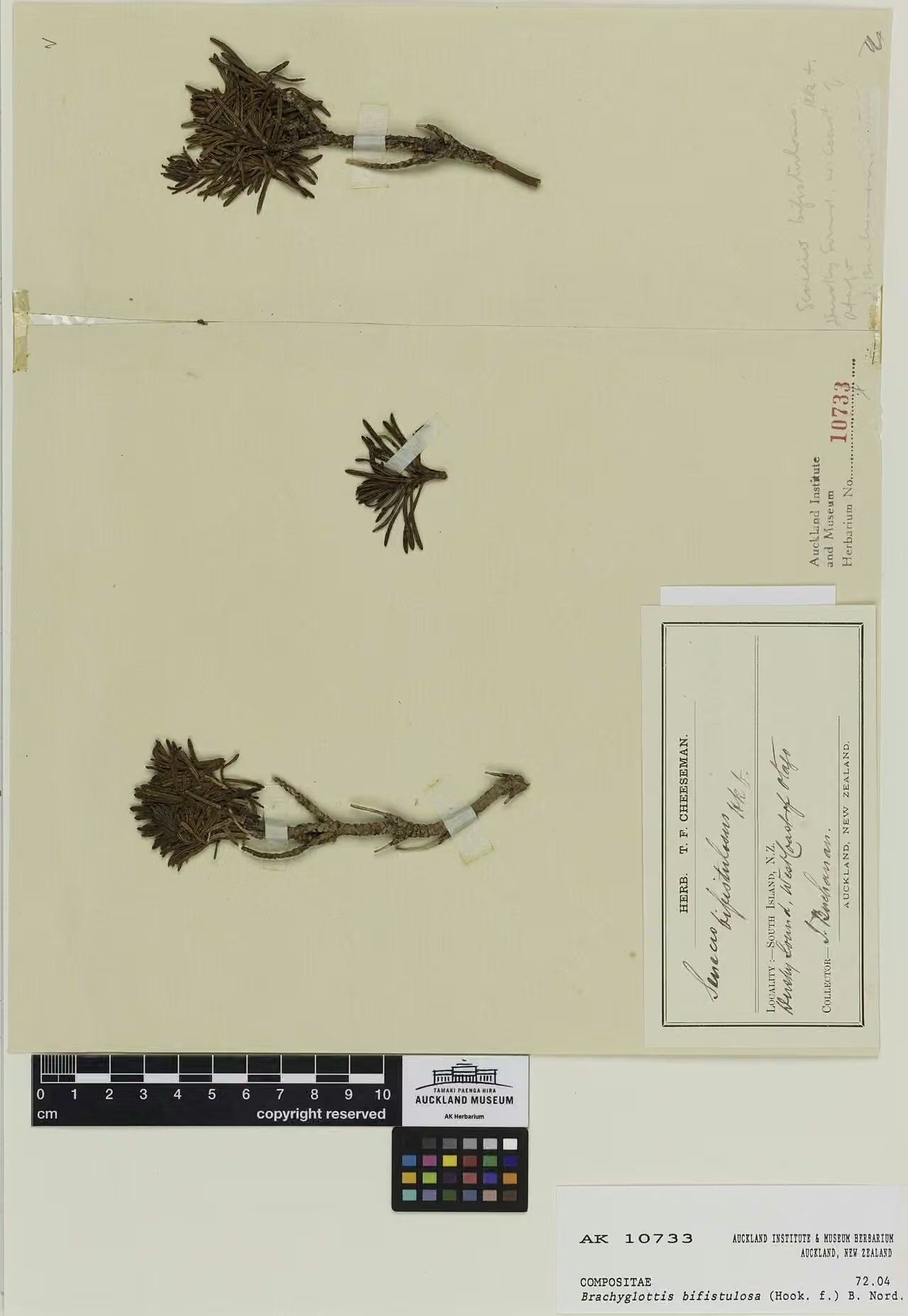
Brachyglottis bifistulosa is a rare, low-growing daisy shrub found only in the mountains of Fiordland. It forms a stout, closely branched bush up to 60 cm tall, with narrow, needle-like leaves crowded towards the tips of the twigs, their rolled-under margins fringed with woolly hairs. In January it bears single, conspicuous yellow daisy flowers about 3 cm across on long leafy stalks, large for the size of the plant. It is known from a handful of sites between Lake Monk, the Princess Mountains, Dusky Sound and Chalky Inlet, at 800 to 1500 m. It is ranked At Risk - Naturally Uncommon, and very little is known about its biology. Explore more native shrubs in our native plant guide.
Plant Description
Brachyglottis bifistulosa is a small, stout, closely branched shrub up to 60 cm tall. The main branches lie along the ground at the base and then turn upwards. Upper branches are about 10 mm thick with pale bark, and the final branchlets, about 2.5 mm thick, are covered with the remains of old leaf bases.
The leaves are very close-set and clustered towards the twig tips. They are 20 to 25 mm long and 1.5 to 2 mm wide, narrow-linear and abruptly pointed, somewhat leathery and hairless except for a woolly fringe on the margins. The margins are rolled under to the stout midrib and constricted in a wavy, crenulate line where they roll. Flower heads are about 30 mm across, borne singly at the tips of short branchlets up to 10 cm long that carry many leaf-like bracts. About 12 woolly phyllaries with broad papery margins enclose the head, which has spreading, broad yellow ray florets about 15 mm long. The achenes are 1.5 mm long and hairless with a pappus of stiff, strongly barbed hairs up to 4.5 mm long.
The needle-like, hair-fringed leaves with tightly rolled margins and the single large yellow flower heads on leafy stalks distinguish it from other Brachyglottis and alpine daisies in Fiordland. It was originally described as Senecio bifistulosus and moved to Brachyglottis in 1978.
Quick Facts
| Scientific Name | Brachyglottis bifistulosa |
|---|---|
| Height | Up to 0.6 m |
| Spread | No information available; a closely branched low shrub |
| Water Needs | Wet; grows in very high-rainfall Fiordland mountains |
| Light | Open subalpine sites (exact habitat not documented) |
| Frost Tolerance | High; grows at 800-1500 m |
| Salt Tolerance | No information available |
| Growth Rate | No information available |
| Lifespan | Perennial shrub |
Climate Best Suited to
A plant of the cold, very wet and cloudy mountains of Fiordland, with heavy rainfall, frost and snow. It is unsuited to warm or dry lowland climates.
Regional Suitability
| City | Climate Suitability |
|---|---|
| Auckland | Low |
| Wellington | Low |
| Christchurch | Low |
| Dunedin | Low |
Plant Habitat
Brachyglottis bifistulosa is endemic to Fiordland in the south-west of the South Island. NZPCN lists records from Lake Monk, the Princess Mountains, Lake Mike, Dusky Sound and Chalky Inlet, all within the remote southern part of Fiordland National Park.
NZPCN gives its habitat simply as mountains at 800 to 1500 m, describing it as a shrub of subalpine Fiordland. More detailed information on the plant communities, substrates or aspects where it grows was not found in the sources consulted.
Growing Requirements
Soil Requirements
Its soil preferences are not documented. The Fiordland mountains where it grows generally have thin, wet, acidic soils over hard rock.
- Specific soil requirements not recorded
- Likely to need constant moisture with good drainage, as for other Fiordland subalpine plants
Light Requirements
As a low subalpine shrub it presumably grows in open or semi-open sites, but its light requirements have not been documented.
- Exact light conditions in the wild not recorded
- Subalpine shrubland and herbfield are generally open and exposed
Water Requirements
Fiordland's mountains receive some of the highest rainfall in New Zealand, and the plant grows in this persistently wet climate.
- Adapted to very high rainfall
- Cool, humid conditions throughout the year
Planting and Establishing
There is no published information on growing Brachyglottis bifistulosa, and it does not appear to be in general cultivation. Given its rarity and remote range, it should not be collected from the wild.
Specialist alpine growers or botanic gardens wishing to hold it for conservation would need to work through the Department of Conservation and use material collected under permit.
Ecological Role
It flowers in January and fruits in February. Its achenes have a pappus of stiff, barbed hairs, and NZPCN notes that these pappate achenes are dispersed by wind.
Its pollinators, browsing pressures and role within subalpine plant communities have not been documented in the sources consulted.
Uses & Significance
Garden Uses
It has no established garden use, because it is rare, known only from remote Fiordland mountains and not available in cultivation.
- Best appreciated in the wild
- Potential subject for specialist conservation collections only
- Not available from commercial nurseries
Ecological Value
A narrow-range endemic contributing to the distinctive subalpine flora of Fiordland.
- Found only in southern Fiordland
- Part of the diverse New Zealand radiation of Brachyglottis
- Its rarity and data-poor status make records of any population valuable
Landscaping Uses
Brachyglottis bifistulosa is not used in landscaping. Gardeners wanting a similar effect of yellow daisies on a compact shrub can choose commonly cultivated native Brachyglottis grown from nursery stock instead.
For anyone documenting Fiordland flora, its large single yellow flowers make it most noticeable in midsummer.
Seasonal Care Calendar
Spring
New shoot growth begins as the snow retreats from its mountain habitat.
- No intervention needed in the wild
Summer
Flowering is recorded in January, with single yellow daisy heads about 3 cm across.
- The best time to find and photograph it
- Record sightings on iNaturalist NZ to help fill knowledge gaps
Autumn
Fruit is recorded in February, when the wind-dispersed achenes are released.
- Leave seed heads undisturbed
Winter
Its mountain habitat is cold and frequently snow-covered.
- No action required
When to Prune and How Much
No pruning information exists for this species, and wild plants should never be cut.
If a plant were held in a conservation collection, only dead material should be removed, as with other slow-growing subalpine shrubs.
How to Grow Brachyglottis
No published propagation method for Brachyglottis bifistulosa was found in the NZPCN fact sheet or the Flora of New Zealand, and the species is not known to be in cultivation. The notes below describe the general methods used for small shrubby Brachyglottis and other subalpine daisies, offered as a starting point rather than proven techniques for this species. Because it is rare, sparse and range restricted, any collection of seed or cuttings must be done with Department of Conservation approval, and wild plants should never be dug up or damaged.
From Seed
Fruit is recorded in February. The achenes carry a pappus of stiff hairs and are dispersed by wind, so seed heads need to be gathered just as they ripen, before they blow away.
- With a permit, collect ripe seed heads in February
- Sow fresh on a gritty, free-draining seed mix and cover very lightly
- Keep cool, moist and in good light
- Grow seedlings on slowly in a cool, well-ventilated position
From Cuttings
Many shrubby Brachyglottis root from semi-hardwood cuttings, although whether this species does is untested. Cuttings of subalpine shrubs generally need cool, humid conditions to root and dislike heat.
- Take short tip cuttings from a cultivated plant in late summer
- Remove lower leaves and insert into a gritty, free-draining mix
- Keep in a cool, humid environment out of direct sun
- Pot on once roots form, keeping plants cool through their first summer
Pests & Diseases
No pests or diseases are recorded for this species.
Whether introduced browsing animals such as deer affect its populations is not documented in the sources consulted.
Cultural Significance
No traditional Māori name or use is recorded for Brachyglottis bifistulosa in the sources consulted.
Joseph Dalton Hooker described it in 1853 as Senecio bifistulosus in his Flora Novae-Zelandiae, and Bertil Nordenstam transferred it to Brachyglottis in 1978. The genus name is from the Greek brachus, short, and glottis, the vocal apparatus of the larynx.
Bonus Tip
Because so little is known about this shrub, a photograph is genuinely useful. If you are tramping or on a scientific trip in the mountains above Dusky Sound or Chalky Inlet in January, look for a low shrub with single bright yellow daisies, photograph it and upload the record with a location to iNaturalist NZ.
Related Plants
Explore other native plants that share similar characteristics or habitats with Brachyglottis (Brachyglottis bifistulosa), offering further insights into New Zealand's diverse flora. These related species provide context and opportunities for complementary planting in your garden.
Austroblechnum norfolkianum
Austroblechnum norfolkianum
Caldwell's Clubrush
Bolboschoenus caldwellii
Purua Grass
Bolboschoenus medianus
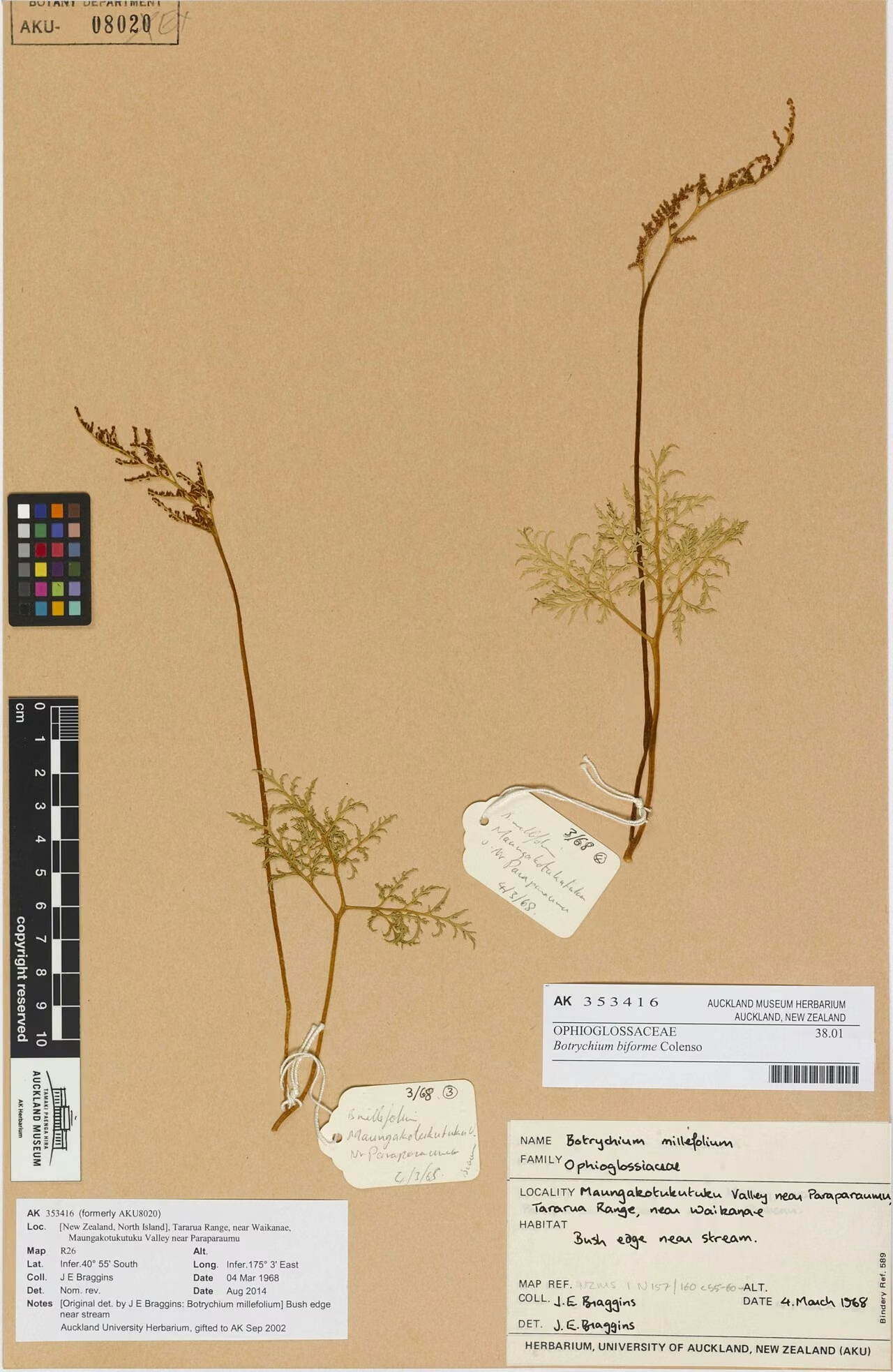
Fine-Leaved Parsley Fern
Botrychium biforme
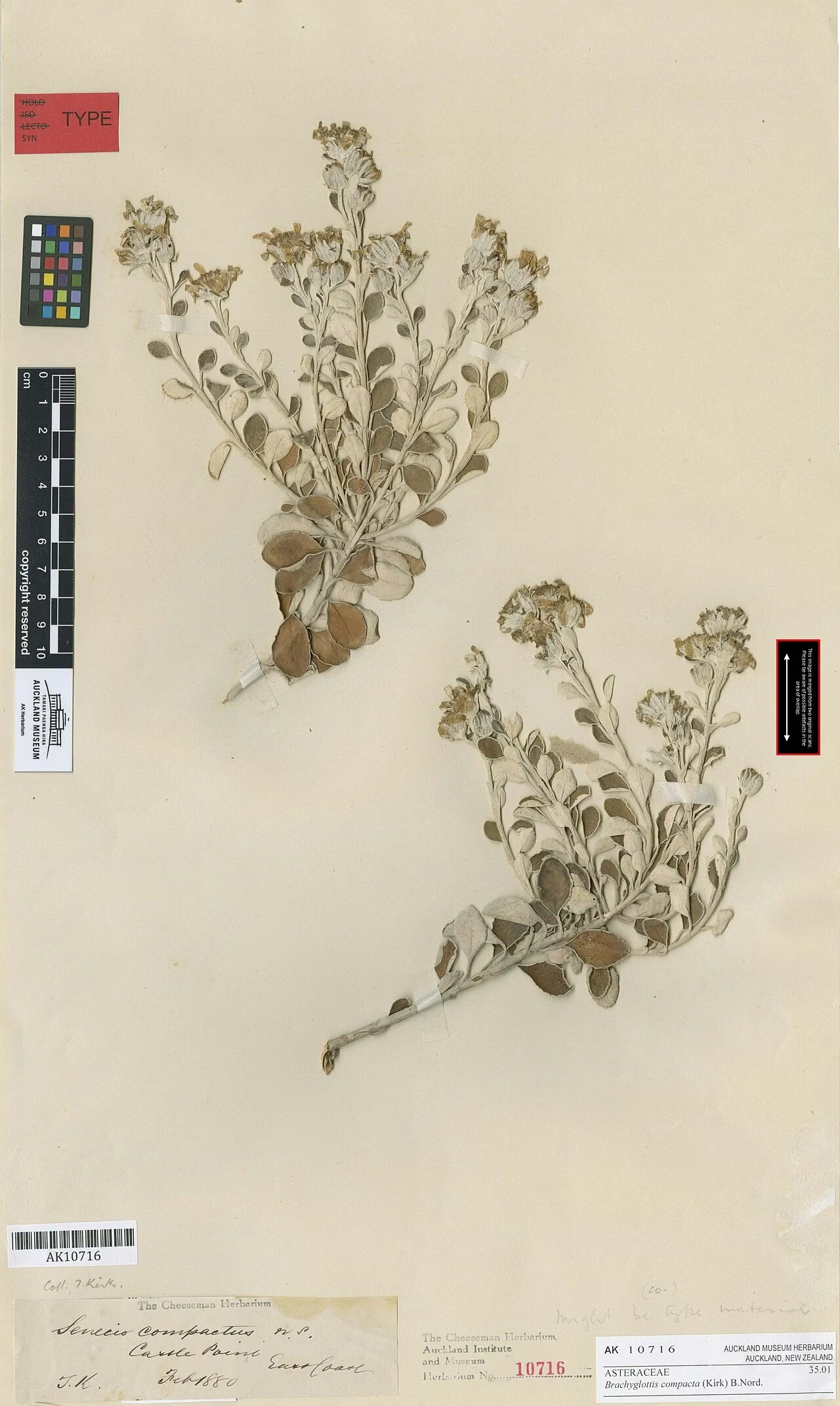
Castlepoint Daisy
Brachyglottis compacta
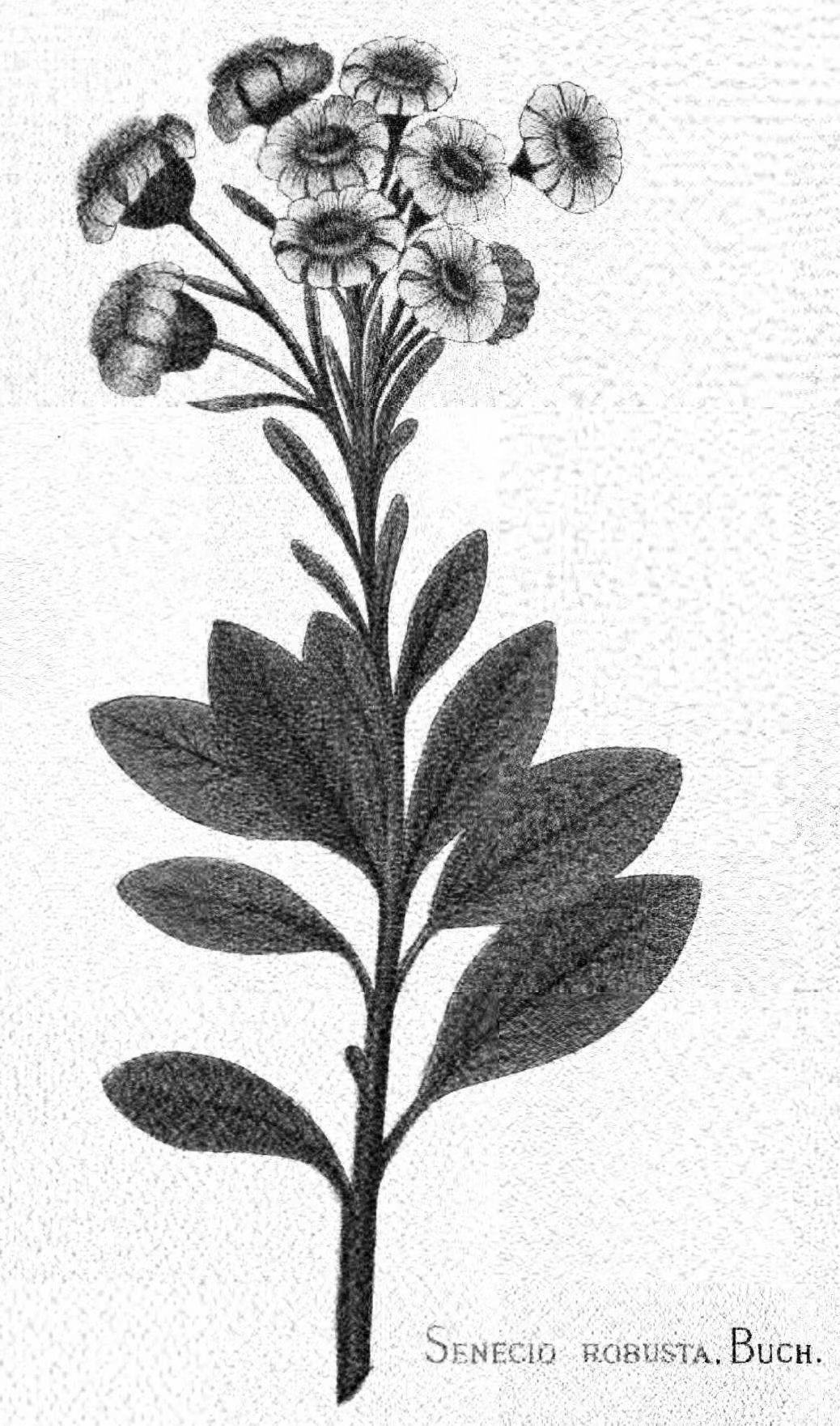
Brachyglottis revoluta
Brachyglottis revoluta
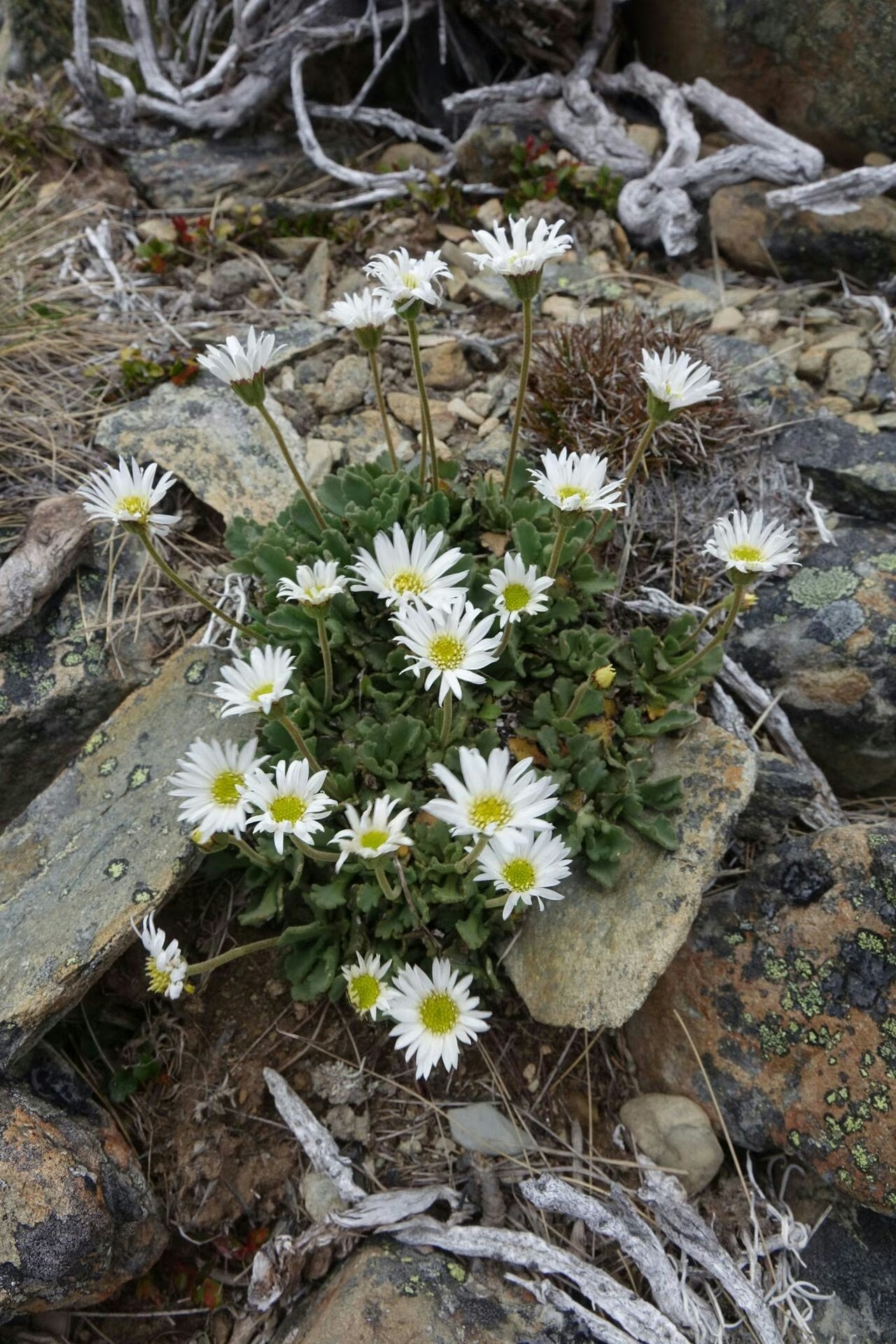
Brachyscome montana
Brachyscome montana
Lees Valley Daisy
Brachyscome pinnata
Plant Conservation
Brachyglottis bifistulosa is ranked At Risk - Naturally Uncommon (2023) with the qualifiers Sparse, Data Poor Size, Data Poor Trend and Range Restricted. It is naturally confined to a small part of Fiordland, and there is little information on how many plants exist or whether numbers are changing.
Its whole known range lies within Fiordland National Park, which protects its habitat. Further survey work to locate and count populations is the main conservation need.
Frequently Asked Questions
Where does Brachyglottis bifistulosa grow?
It is endemic to Fiordland in the South Island, recorded from Lake Monk, the Princess Mountains, Lake Mike, Dusky Sound and Chalky Inlet, in mountain habitats between 800 and 1500 m.
What does Brachyglottis bifistulosa look like?
It is a stout shrub up to 60 cm tall with pale-barked branches, close-set needle-like leaves 2 to 2.5 cm long with rolled, wavy, hair-fringed margins, and solitary yellow daisy flowers about 3 cm across on leafy stalks up to 10 cm long.
Is Brachyglottis bifistulosa rare?
Yes. It is ranked At Risk - Naturally Uncommon because it is sparse and range restricted, with qualifiers noting that data on its population size and trend are poor.
What does bifistulosa mean?
NZPCN explains the epithet as from the Latin bi meaning two and fistula meaning pipe, describing something doubly cylindrical but closed at either end, likely referring to the tightly rolled leaf margins.
Sources and Further Reading
The botanical, growing, and conservation details for Brachyglottis (Brachyglottis bifistulosa) on this page draw on the New Zealand plant references below. Consult them for full technical records and the latest distribution data.