Cudweed
Argyrotegium mackayi
Last updated:
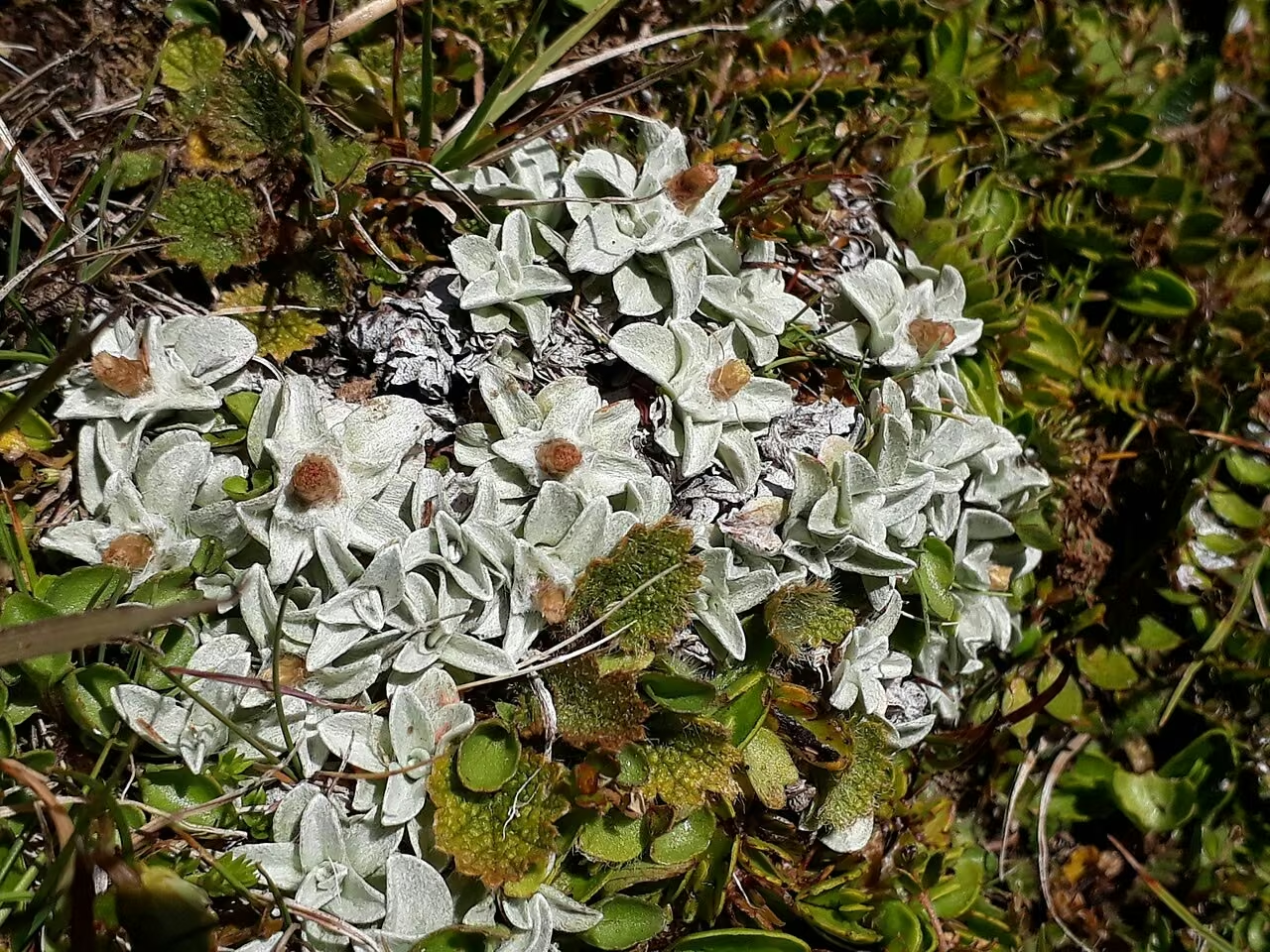
Argyrotegium mackayi is a small, mat-forming member of the daisy family whose leaves are densely covered in white wool on both surfaces. Its much-branched stems end in tight leafy rosettes, forming silvery mats only 1 to 7 cm tall, with tiny solitary flower heads 2 to 4 mm across from October to February. In New Zealand it grows in montane to alpine bogs, herbfield and grassland in the Ruahine and Tararua Ranges, widely through the South Island and on Mount Anglem on Stewart Island, and it also occurs in the Australian Alps and Tasmania. It is Not Threatened nationally. Explore more native ground covers in our native plant guide.
Plant Description
Argyrotegium mackayi is a perennial herb with much-branched stems that end in leafy rosettes and usually spread into low mats 1 to 7 cm tall. The leaves are mostly gathered in basal rosettes. They are elliptic to broadly elliptic or spoon-shaped (spathulate), usually 3 to 20 mm long and 2 to 6 mm wide, and densely clothed on both surfaces with white, tangled woolly hairs that give the plant a silvery look.
The flower heads (capitula) are small, about 2 to 4 mm across, usually borne singly at the tips of the shoots, and surrounded by pale brown involucral bracts. There are no showy ray petals. The seed-like fruits (cypselae) are hairless and about 1.2 mm long, and carry a pappus of bristles that lets the wind disperse them.
It is most likely to be confused with Argyrotegium nitidulum, which also forms mats with solitary terminal heads. That species has leaf hairs that are more or less straight, forward-pointing, pressed flat and glossy, while Argyrotegium mackayi has tangled, white wool. Silvery Raoulia species form tighter mats and cushions with much smaller, closely overlapping leaves.
Quick Facts
| Scientific Name | Argyrotegium mackayi |
|---|---|
| Height | 0.01 to 0.07 m |
| Spread | Forms mats; no reliable maximum published |
| Water Needs | Moist to wet; often in boggy sites |
| Light | Full sun |
| Frost Tolerance | High; montane to alpine |
| Salt Tolerance | No information available; not a coastal plant |
| Growth Rate | Slow |
| Lifespan | Perennial |
Climate Best Suited to
Suits cool, wet montane to alpine climates with cold winters, frequent cloud and high rainfall. It is more common in the wetter mountain districts.
Regional Suitability
| City | Climate Suitability |
|---|---|
| Auckland | Low |
| Wellington | Low |
| Christchurch | Low |
| Dunedin | Medium |
Plant Habitat
In the North Island Argyrotegium mackayi is known only from the Ruahine and Tararua Ranges. It is widespread in the mountains of the South Island, and on Stewart Island/Rakiura it is recorded only from Mount Anglem/Hananui. Outside New Zealand it grows in the alpine and subalpine zones of south-eastern Australia, including Kosciuszko National Park, the ACT, Victoria and Tasmania.
Its habitats are montane to alpine bogs, herbfield and grassland, often in wet sites. NZPCN notes that it is commoner in the wetter mountain areas. In Australia it is described from well-drained short herbfield and grassland through to quite boggy ground.
Growing Requirements
Soil Requirements
It grows on moist, low-fertility mountain soils, from peaty bog margins to damp mineral soils in tussock grassland.
- Moist, peaty or gritty soil
- Low nutrient levels
- Open ground free of competing tall vegetation
Light Requirements
As a low mat it needs open sites where taller plants do not shade it.
- Full sun in cool mountain conditions
- Shading by tussock or shrubs reduces vigour
Water Requirements
It favours wet sites in high-rainfall mountains, so steady moisture is important.
- Keep the root zone moist
- Tolerates boggy ground
- Keep the woolly foliage from sitting wet in warm, humid weather
Planting and Establishing
NZPCN describes this species as difficult to grow and says it should not be removed from the wild. It is not available from nurseries and is not a practical garden plant.
An experienced alpine grower might attempt it in a cool, bright trough of moist, gritty peat-based mix, but success is unlikely in lowland gardens. Protecting the wetlands and herbfields where it grows is far more valuable.
Ecological Role
Its small, petal-less flower heads are typical of the cudweeds and are probably visited by small flies and other insects of the alpine zone, but no pollination study specific to this species was found. Plants flower from October to February and fruit from December to April.
The fruits carry a pappus of bristles and are dispersed by wind. Its spreading mats help cover bare, wet ground in bogs and herbfields and form part of the low turf that grows among tussocks and cushion plants.
Uses & Significance
Garden Uses
Its garden use is essentially limited to specialist alpine collections.
- Moist alpine trough in a cool climate
- Botanic garden displays of bog and herbfield flora
- Not suitable for general garden beds
Ecological Value
It contributes to the low, mat-forming vegetation of mountain bogs and herbfields.
- Helps cover and stabilise wet, open ground
- Provides small flowers for alpine insects
- A shared element of the alpine floras of New Zealand and south-eastern Australia
Landscaping Uses
This species has no realistic landscaping role in ordinary gardens. In the mountains its silvery rosettes are best appreciated among mosses, sedges and small herbs at bog margins and in damp tussock grassland.
In a specialist alpine trough it could be used as a silvery mat beside green cushion plants, provided it is kept cool and evenly moist.
Seasonal Care Calendar
Spring
New rosette growth begins as snow clears, with the first flower heads from October.
- Look for silvery mats at bog margins
Summer
Main flowering period, with small solitary heads at the shoot tips through to February; fruit begins from December.
- Keep trough plants moist and cool
Autumn
Fruits ripen until about April and their bristly pappus carries them away on the wind.
- Collect seed from cultivated plants only
Winter
Plants rest under snow or frost in the mountains.
- Keep cultivated plants cold and in good light
When to Prune and How Much
No pruning is required. Spent flower heads are tiny and wither naturally.
In cultivation, carefully remove any dead or rotting rosettes from the mat to stop decay spreading through the woolly foliage.
How to Grow Cudweed
NZPCN describes propagation of Argyrotegium mackayi as difficult and states that it should not be removed from the wild. No published, tested propagation protocol for this species was found. The methods below are those generally used for small mat-forming members of the daisy family from wet alpine habitats and should be attempted only with material from plants already in cultivation or collected with permission.
From Seed
The seed-like fruits ripen from December to April and are wind-dispersed, so they need to be collected as soon as the heads become fluffy. Fresh seed of alpine daisies usually germinates best, and cool conditions suit the seedlings.
- Collect fluffy seed heads in late summer or autumn
- Sow fresh on the surface of a moist, fine, peat-based mix with added grit
- Do not cover the seed, or cover only with a dusting of fine grit
- Keep the tray cool, bright and evenly moist
- Prick out seedlings into small pots when they form tiny rosettes
By Division of Rooted Rosettes
Because the stems branch and root as they spread into mats, rooted rosettes can be separated from a cultivated plant. Small divisions establish more readily than large clumps. Keep the divided pieces cool and humid, but with good air movement, so that the woolly leaves do not rot while new roots form.
- Choose rosettes that already have roots along their stems
- Cut them away cleanly in spring
- Pot into a moist, gritty peat-based mix
- Keep cool and shaded until new growth appears
Pests & Diseases
No specific pests are recorded. In cultivation, rot of the woolly rosettes in warm, humid or stagnant conditions is the most likely problem, along with slug damage.
In the wild, drainage of mountain wetlands, trampling, grazing and invasive weeds can reduce its habitat.
Cultural Significance
No Māori name or traditional use specific to Argyrotegium mackayi is recorded in the sources consulted.
The species was first described by John Buchanan as Raoulia mackayi and has since moved through Gnaphalium and Euchiton before being placed in Argyrotegium, a small genus of silvery cudweeds shared between New Zealand and Australia.
Bonus Tip
To separate this plant from the similar Argyrotegium nitidulum in the field, look closely at the leaf hairs with a hand lens: tangled white wool means A. mackayi, while flattened, glossy, forward-pointing hairs indicate A. nitidulum.
Related Plants
Explore other native plants that share similar characteristics or habitats with Cudweed (Argyrotegium mackayi), offering further insights into New Zealand's diverse flora. These related species provide context and opportunities for complementary planting in your garden.
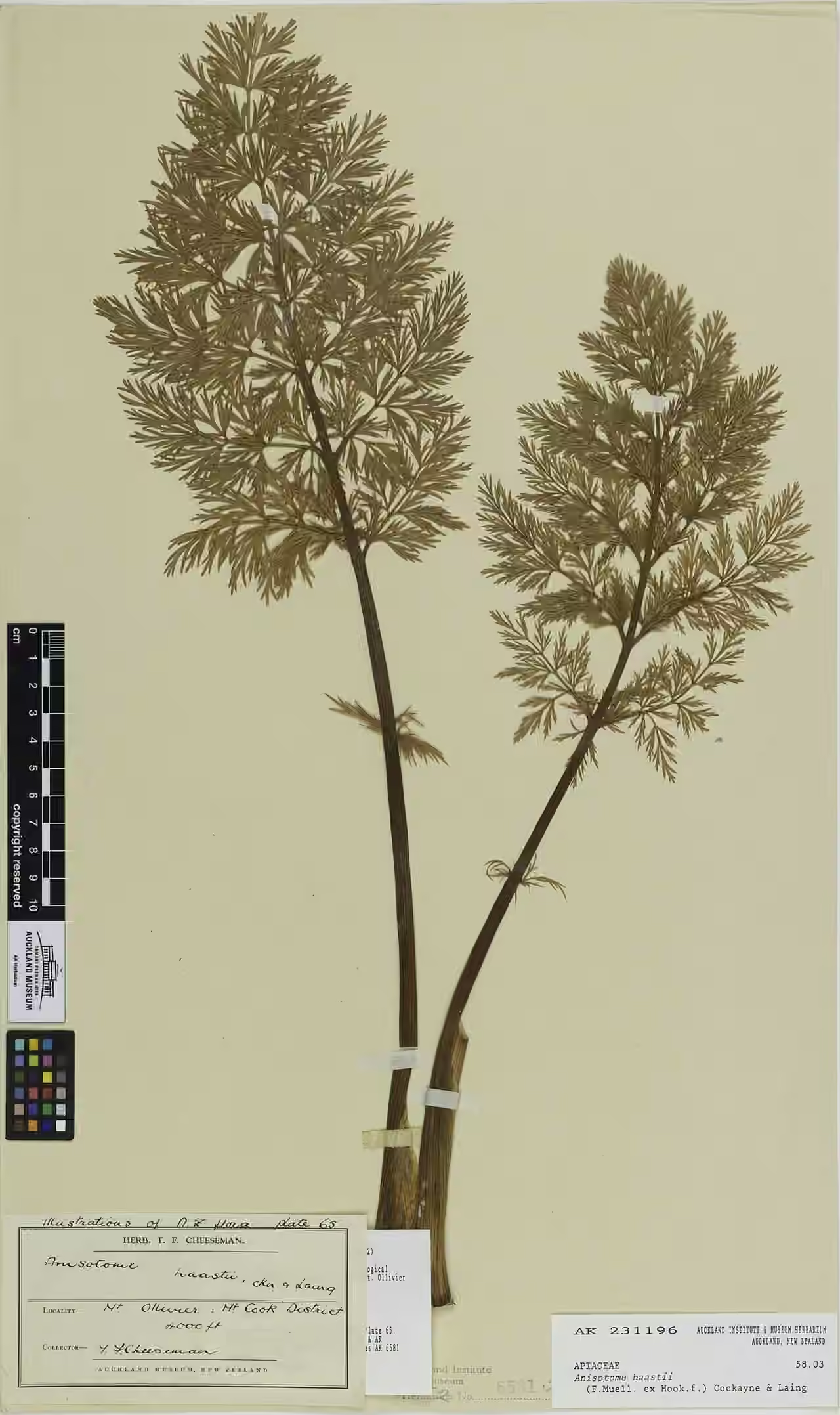
Haast's Carrot
Anisotome haastii
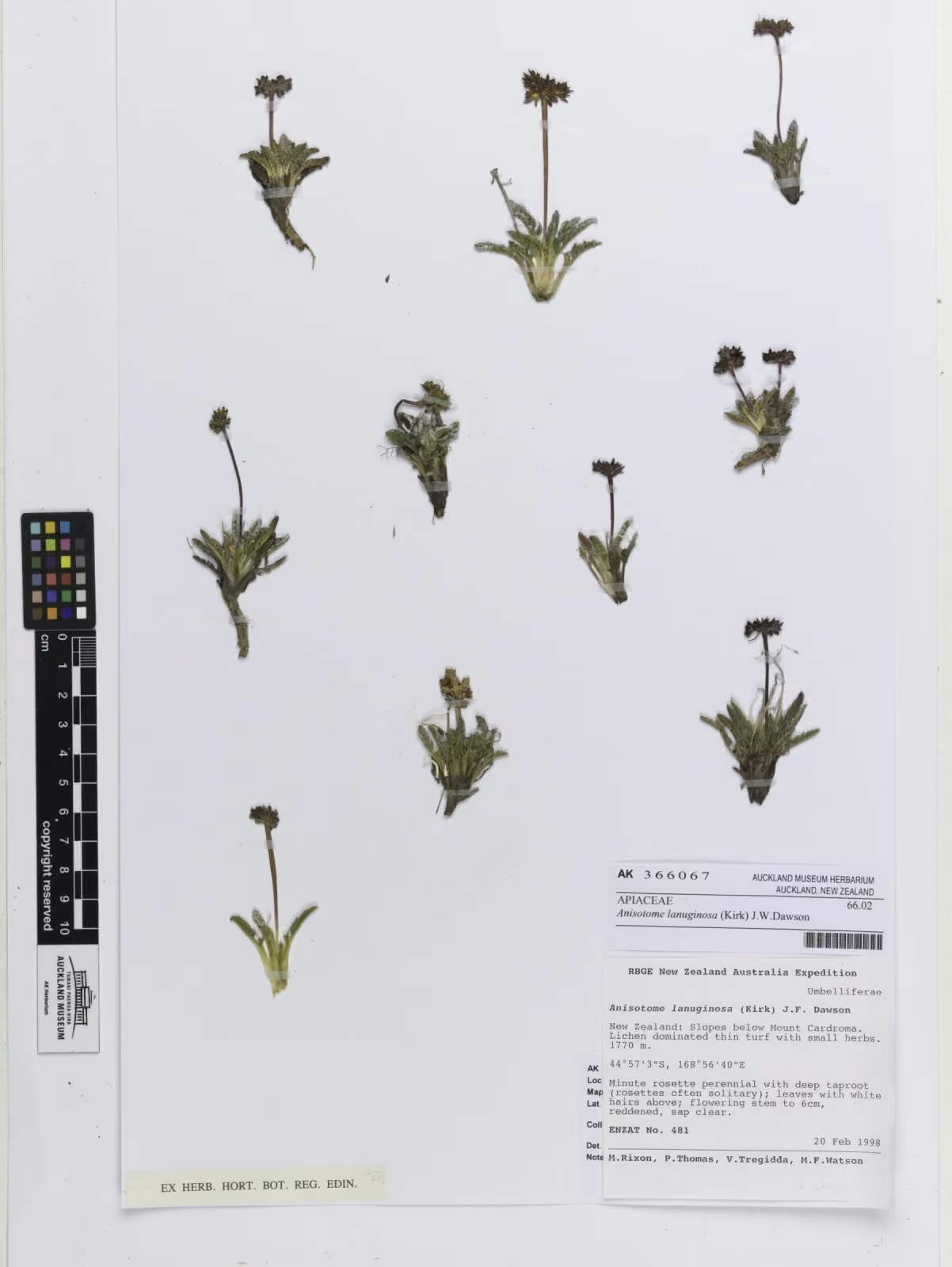
Anisotome lanuginosa
Anisotome lanuginosa
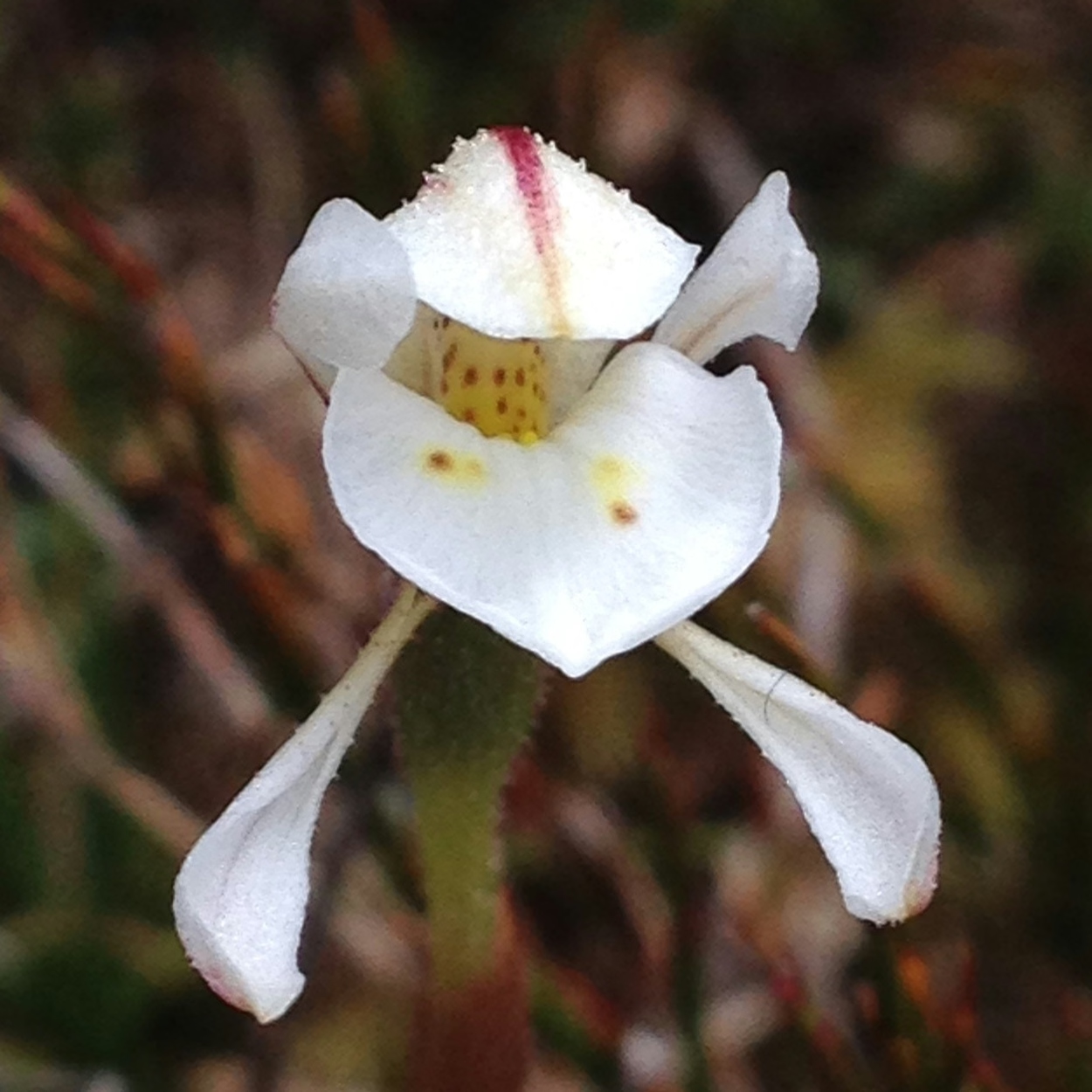
Odd-Leaved Orchid
Aporostylis bifolia
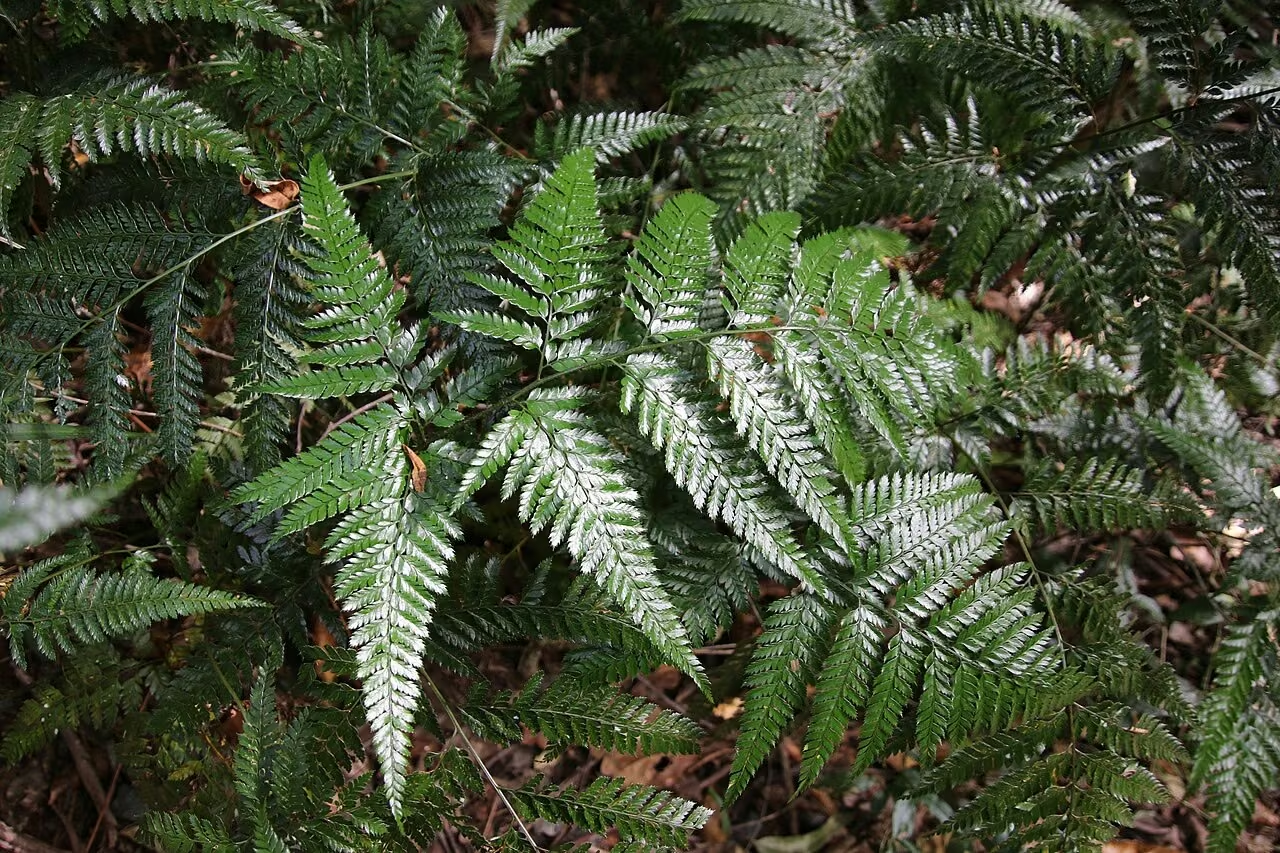
Glossy Fern
Arachniodes aristata
Shiny-Leaved Spleenwort
Asplenium lamprophyllum
Asplenium shuttleworthianum
Asplenium shuttleworthianum
Native Orache
Atriplex australasica
Limestone Wheatgrass
Australopyrum calcis subsp. calcis
Plant Conservation
Argyrotegium mackayi is ranked Not Threatened (2023) nationally because it is widespread in the South Island mountains. Regional assessments in 2025 list it as Regionally At Risk - Regionally Naturally Uncommon in both Otago and Wellington, reflecting its limited occurrence in those regions.
Protecting montane and alpine wetlands from drainage, weeds and vehicle or stock damage is the main way to keep it secure, particularly in the Tararua and Ruahine Ranges where it reaches its northern limit.
Frequently Asked Questions
What is Argyrotegium mackayi?
It is a small perennial cudweed in the daisy family that forms mats of rosettes with densely white-woolly leaves, growing in montane to alpine bogs, herbfield and grassland.
What was Argyrotegium mackayi called before?
It has been known as Raoulia mackayi, Gnaphalium mackayi, Gnaphalium traversii var. mackayi and Euchiton mackayi before being placed in the genus Argyrotegium.
How do you tell Argyrotegium mackayi from Argyrotegium nitidulum?
Both form mats with solitary flower heads, but Argyrotegium nitidulum has straight, forward-pointing, pressed-down glossy hairs, whereas Argyrotegium mackayi has tangled white wool on its leaves.
Is Argyrotegium mackayi found outside New Zealand?
Yes. Australian floras record it in alpine and subalpine herbfield and grassland in New South Wales, the ACT, Victoria and Tasmania, where it is called silver cudweed.
Sources and Further Reading
The botanical, growing, and conservation details for Cudweed (Argyrotegium mackayi) on this page draw on the New Zealand plant references below. Consult them for full technical records and the latest distribution data.