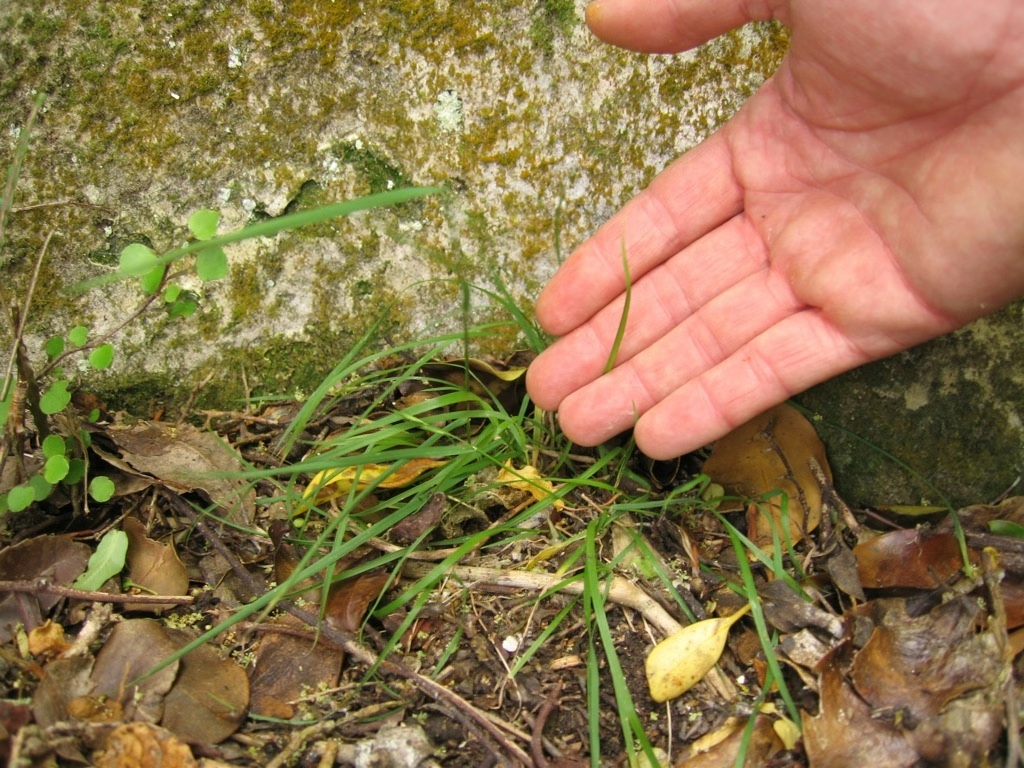
Limestone Wheatgrass
Australopyrum calcis subsp. calcis
Last updated:
Limestone wheatgrass (Australopyrum calcis subsp. calcis) is a rare endemic New Zealand grass found only in the Leatham Valley of inland Marlborough, where fewer than 200 plants grow at two sites. It is a robust, stoloniferous perennial with flat, reddish-green to dark green leaves and slender reddish stems 17-60 cm tall, carrying a narrow, wheat-like spike of overlapping spikelets. It appears to be confined to limestone, growing in shade under trees on lime-rich soil and limestone debris. Ranked Threatened - Nationally Endangered, it is one of the country's rarest grasses, yet NZPCN notes it is very easy to grow from fresh seed. Explore more native grasses and flaxes in our native plant guide.
Plant Description
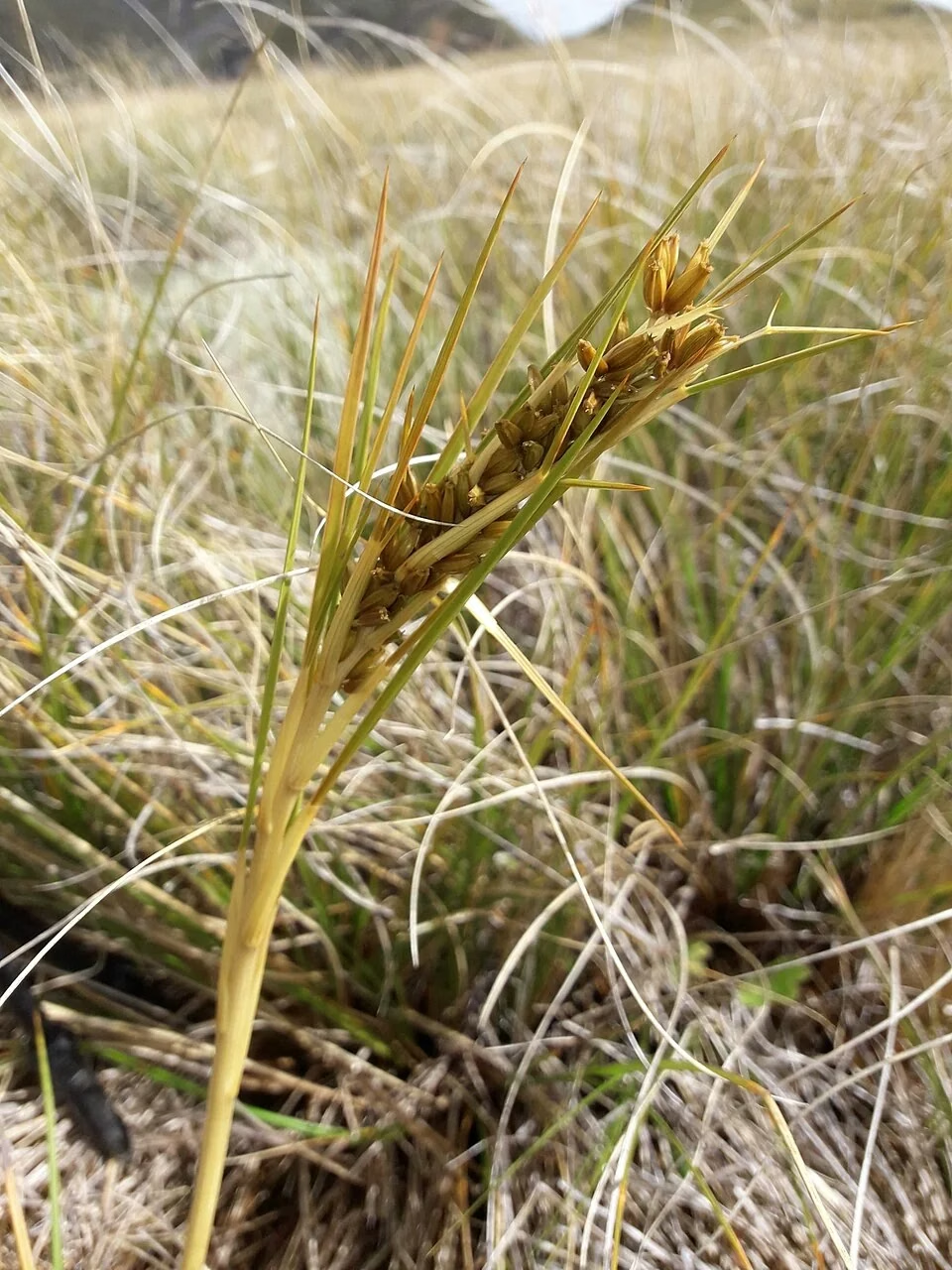
Australopyrum calcis subsp. calcis is a robust, stoloniferous, tuft-forming perennial grass with reddish-green to dark green foliage. The leaf sheaths are 25-50 mm long and clothed in short, backward-pointing (retrorse) hairs. The leaf blades are flat and soft, 60-250 mm long and 0.5-3.5 mm wide, with a conspicuous white midrib and lateral ribs on the underside and minute prickle-teeth along the ribs. The upper leaf surface is hairless.
The slender, reddish flowering stems (culms) are 170-600 mm long, often bent at the base and sprawling before turning upward, with conspicuously swollen, dark nodes. The flower head is a narrow, spike-like raceme 30-130 mm long carrying 4-13 overlapping spikelets that stand out from the axis, giving the plant the look of a small, delicate wild wheat. Each lemma ends in an awn 1.5-4 mm long and is rough with stiff teeth about 0.1 mm long.
The only other subspecies, subsp. optatum from Canterbury, is smaller and more slender, with finely hairy upper leaf surfaces, hairy culm internodes and a finely hairy rachis. In subsp. calcis the upper leaf surface, the culm internodes (except the uppermost) and the rachis are hairless.
Quick Facts
| Scientific Name | Australopyrum calcis subsp. calcis |
|---|---|
| Height | 17-60 cm (flowering stems) |
| Spread | Spreading slowly by stolons; individual tufts small |
| Water Needs | Low to moderate; free-draining soil, but not prolonged drought |
| Light | Shade to full sun (shaded under trees in the wild) |
| Frost Tolerance | Frost hardy (inland Marlborough valley habitat) |
| Salt Tolerance | Not documented; an inland species, so assume low |
| Growth Rate | Moderate; establishes readily from fresh seed |
| Lifespan | Perennial |
Climate Best Suited to
Suited to the dry, frost-prone inland valleys of Marlborough, with warm summers, cold winters and low humidity. NZPCN notes it dislikes high humidity in cultivation.
Regional Suitability
| City | Climate Suitability |
|---|---|
| Auckland | Low |
| Wellington | Medium |
| Christchurch | High |
| Dunedin | Medium |
Plant Habitat
Limestone wheatgrass is endemic to the South Island and known only from two sites in the Leatham Valley in inland Marlborough. The total wild population is fewer than 200 plants.
It appears to be a limestone endemic. The known population grows mainly near a limestone outcrop, in shaded sites under trees on lime-rich soils and limestone debris. The overlying tree canopy is an important part of its habitat because it keeps weeds suppressed.
Growing Requirements
Soil Requirements
Limestone wheatgrass is tied to lime-rich soils. In cultivation it needs a free-draining mix with added lime, and NZPCN reports that plants respond well to regular applications of lime.
- Free-draining, gritty or loamy soil
- Alkaline or lime-enriched; add garden lime or limestone chip
- Avoid acidic, peaty mixes
- Low to moderate fertility
Light Requirements
In the wild it grows in shade beneath trees, but NZPCN states it can be grown in full sun or shade in cultivation.
- Dappled or full shade mimics its natural site
- Full sun is acceptable if the soil does not bake dry
- Good air movement helps, since it dislikes humidity
Water Requirements
Its home valley is dry, yet severe summer drought is a key threat in the wild because it kills the sheltering trees. In a pot, water regularly in summer but let the mix drain freely.
- Water moderately through dry summers
- Never leave pots standing in water
- Reduce watering in winter
Planting and Establishing
NZPCN advises that this subspecies does best in a pot. Use a deep pot with a gritty, free-draining mix enriched with lime, and place it where air moves freely, since stagnant humid conditions do not suit it.
Because the wild population is tiny, only grow plants raised from seed already in cultivation or supplied through recognised conservation programmes. Never collect seed or plants from the Leatham Valley sites.
Ecological Role
Like other grasses it is wind pollinated, and its seeds are shed from the spike from December to May. The stoloniferous habit lets plants spread slowly into gaps on the limestone debris.
The grass depends on the shade and litter of the overlying trees, which suppress taller, more vigorous exotic grasses and weeds. When drought kills those trees, the light environment changes and weeds invade, which is why the health of the canopy matters as much as the grass itself. Rabbits and hares graze it occasionally, although it is not especially palatable.
Uses & Significance
Garden Uses
This is a collector's and conservation plant rather than a general garden grass, best suited to pot culture where its lime and drainage needs can be controlled.
- Specialist pot collection of threatened NZ grasses
- Limestone rockery under light shade
- Ex situ conservation and seed production
- Educational displays on limestone flora
Ecological Value
As one of a small group of New Zealand plants restricted to limestone, it is part of the distinctive base-rich flora of inland Marlborough.
- Endemic subspecies with fewer than 200 wild plants
- Indicator of intact limestone woodland habitat
- Genetic reservoir for the endemic genus Australopyrum in New Zealand
Landscaping Uses
In a landscape setting, plant it among limestone rocks or broken limestone gravel under a light canopy of native shrubs or trees, where its reddish stems and fine wheat-like spikes can be seen up close. It is too small and fine to make an impact from a distance.
It combines well with other low limestone and dryland natives in a specialist rock garden, but keep vigorous grasses and groundcovers away because they will smother it, just as weeds do in the wild.
Seasonal Care Calendar
Spring
New leaves and stolons grow actively in spring, and flowering stems begin to develop ready for summer.
- Top-dress pots with a little lime
- Remove any weeds from around the tufts
Summer
Flowering runs from December to January, with the slender reddish stems carrying narrow, wheat-like spikes. Seed starts ripening from December.
- Collect ripe seed from cultivated plants
- Water pots during dry spells
- Keep plants well ventilated
Autumn
Seed continues to ripen and fall until May. This is a good time to sow fresh seed.
- Sow seed while fresh
- Tidy dead flowering stems
Winter
Growth slows over the cold inland winter. The plants are frost hardy but dislike wet, cold roots.
- Reduce watering
- Shelter pots from persistent rain if drainage is poor
When to Prune and How Much
No regular pruning is needed. Spent flowering stems can be cut off once seed has been collected to keep the tufts tidy.
Remove dead leaves by hand rather than shearing the tuft, which could damage the stolons.
How to Grow Limestone Wheatgrass
NZPCN describes Australopyrum calcis subsp. calcis as very easy to grow from fresh seed, and notes that it does best in a pot, can be grown in full sun or shade, dislikes high humidity and responds well to regular applications of lime. Because the wild population is fewer than 200 plants at two protected sites, propagation material should only come from plants already in cultivation or through authorised conservation work. Fruiting extends from December to May, giving a long window to collect seed from cultivated plants. The stoloniferous habit also means established pot plants can be gently divided, although seed remains the recommended method.
From Seed
Fresh seed germinates readily. Collect the spikelets as they ripen and begin to loosen, and sow them promptly rather than storing them for long periods.
- Collect ripe spikelets from cultivated plants between December and May
- Sow on the surface of a free-draining seed mix with a little lime added
- Cover lightly with fine grit and keep evenly moist
- Prick out seedlings into individual pots once they have a few leaves
- Grow on in a well-ventilated position and top-dress with lime
By Division
Established pot plants spread by stolons and can be split into smaller rooted pieces. This is slower to give numbers than seed but useful for bulking up a known plant.
- Divide in spring as growth resumes
- Tease apart rooted sections of stolon with several shoots each
- Pot into a gritty, lime-enriched mix
- Keep lightly shaded and moist until new growth appears
Pests & Diseases
No specific insect pests or diseases are recorded for this subspecies. In the wild, browsing by rabbits and hares is the main animal pressure, though the grass is not especially palatable.
In cultivation, humid and stagnant conditions are the main risk, as NZPCN notes it dislikes high humidity. Good ventilation and free drainage prevent most problems.
Cultural Significance
No traditional Māori name or use is recorded for limestone wheatgrass in the sources consulted.
The species was formally described by Henry Connor and Brian Molloy in 1993. The epithet calcis refers to lime (Latin calx), reflecting its restriction to limestone, and the genus name Australopyrum means southern wheat, from the Greek pyros for wheat.
Bonus Tip
If you grow this grass, scatter crushed limestone chip over the surface of the pot each year. It both supplies the lime that NZPCN says the plant responds to and keeps the crown dry and well aerated, reducing the humidity this subspecies dislikes.
Related Plants
Explore other native plants that share similar characteristics or habitats with Limestone Wheatgrass (Australopyrum calcis subsp. calcis), offering further insights into New Zealand's diverse flora. These related species provide context and opportunities for complementary planting in your garden.
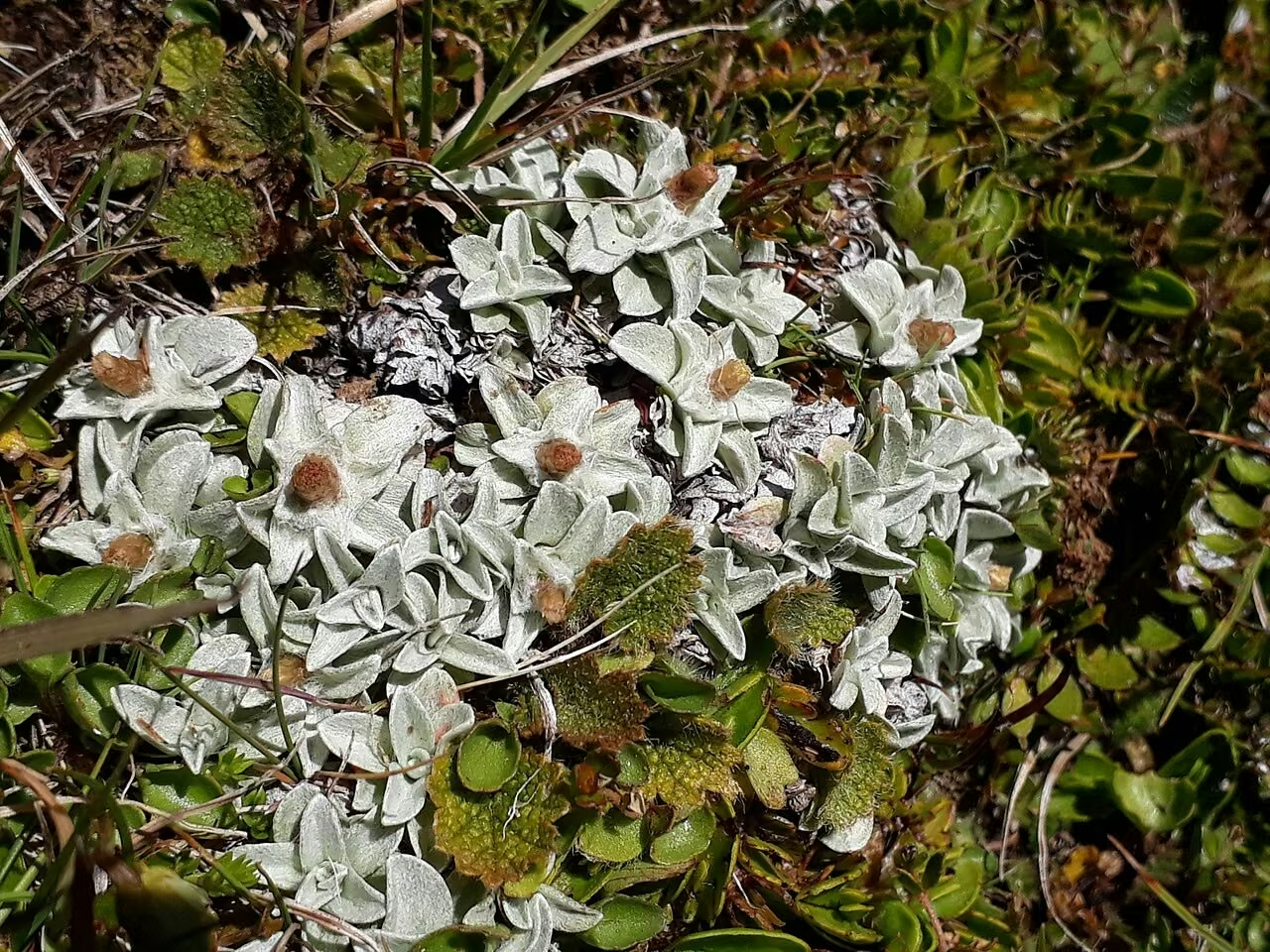
Argyrotegium mackayi
Argyrotegium mackayi
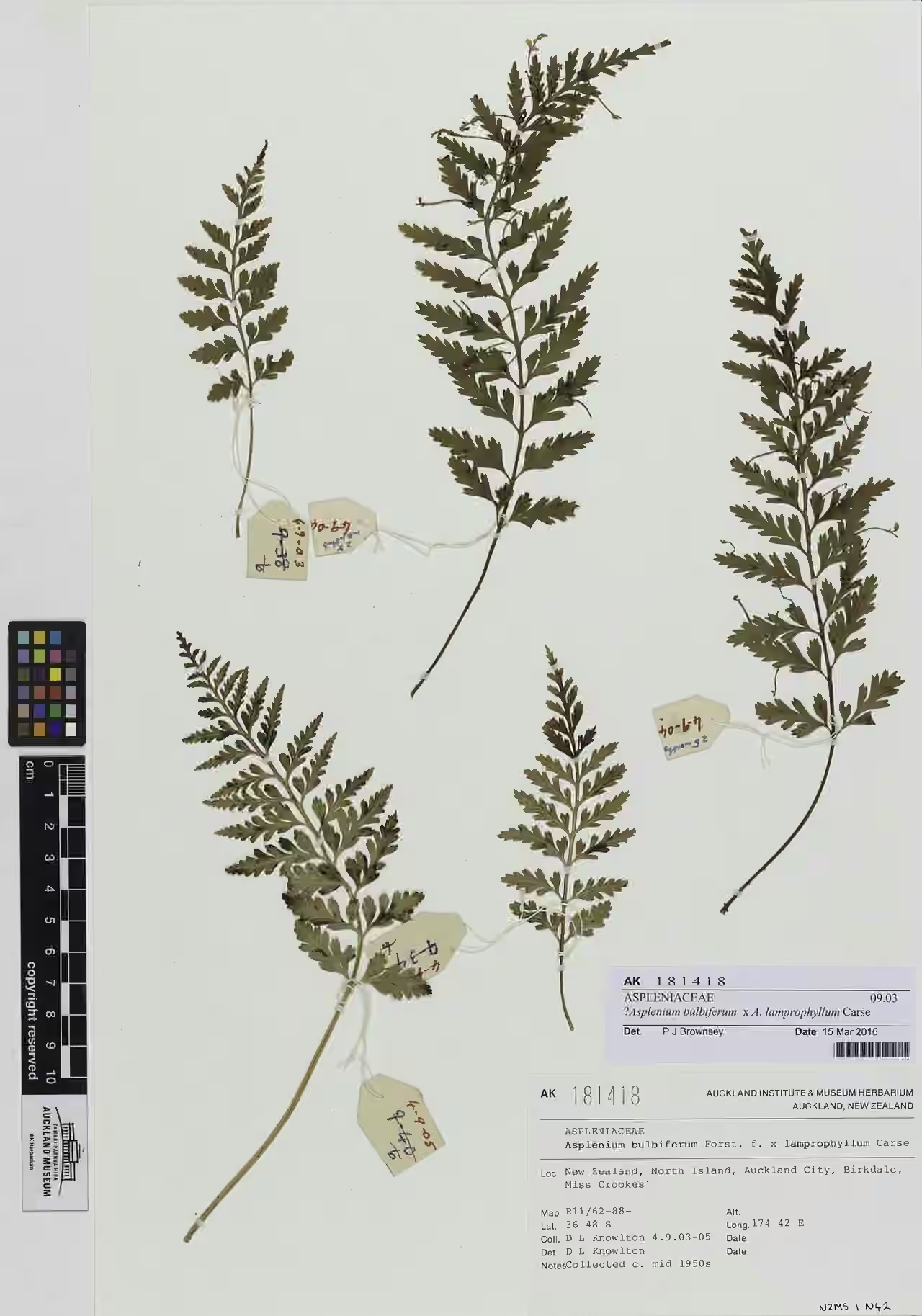
Shiny-Leaved Spleenwort
Asplenium lamprophyllum
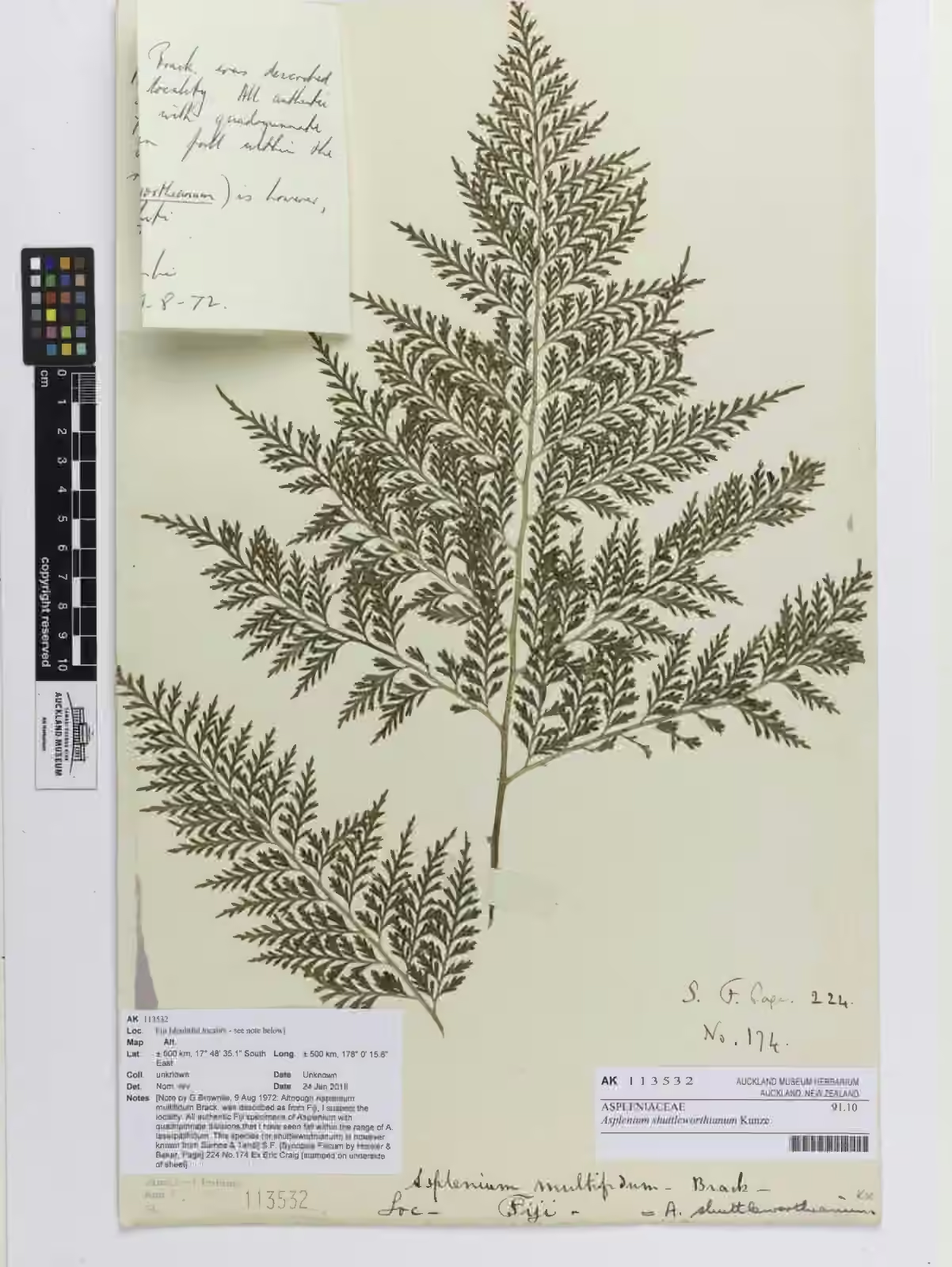
Asplenium shuttleworthianum
Asplenium shuttleworthianum
Native Orache
Atriplex australasica
Canterbury Limestone Wheat Grass
Australopyrum calcis subsp. optatum
Machaerina arthrophylla
Machaerina arthrophylla
Petriei Grass
Achnatherum Petriei Grass
Speargrass
Speargrass
Plant Conservation
Australopyrum calcis subsp. calcis is ranked Threatened - Nationally Endangered (2023), with the qualifiers Conservation Dependent and One Location. The whole population is fewer than 200 plants at two sites in the Leatham Valley.
The sites are protected, but they are very vulnerable to summer drought, which can stress and kill the trees that shade the grass and open the habitat to weeds. Weed control, protecting the canopy, controlling rabbits and hares, and keeping cultivated populations as insurance all help this subspecies survive.
Frequently Asked Questions
Where does limestone wheatgrass grow in the wild?
Subsp. calcis is known only from two sites in the Leatham Valley in Marlborough, mainly near a limestone outcrop under trees on lime-rich soil and limestone debris.
How do you tell Australopyrum calcis subsp. calcis from subsp. optatum?
Subsp. calcis is larger and stouter, with hairless upper leaf surfaces and a hairless rachis, whereas the Canterbury subsp. optatum is more slender with finely hairy upper leaf surfaces and a finely hairy rachis.
Why is limestone wheatgrass Nationally Endangered?
There are fewer than 200 plants at two sites, and summer drought can stress or kill the shading trees, opening the habitat to weeds. Rabbits and hares occasionally browse it too.
Is limestone wheatgrass easy to grow?
Yes. NZPCN describes it as very easy from fresh seed, doing best in a pot in sun or shade, disliking high humidity and responding well to regular applications of lime.
Sources and Further Reading
The botanical, growing, and conservation details for Limestone Wheatgrass (Australopyrum calcis subsp. calcis) on this page draw on the New Zealand plant references below. Consult them for full technical records and the latest distribution data.