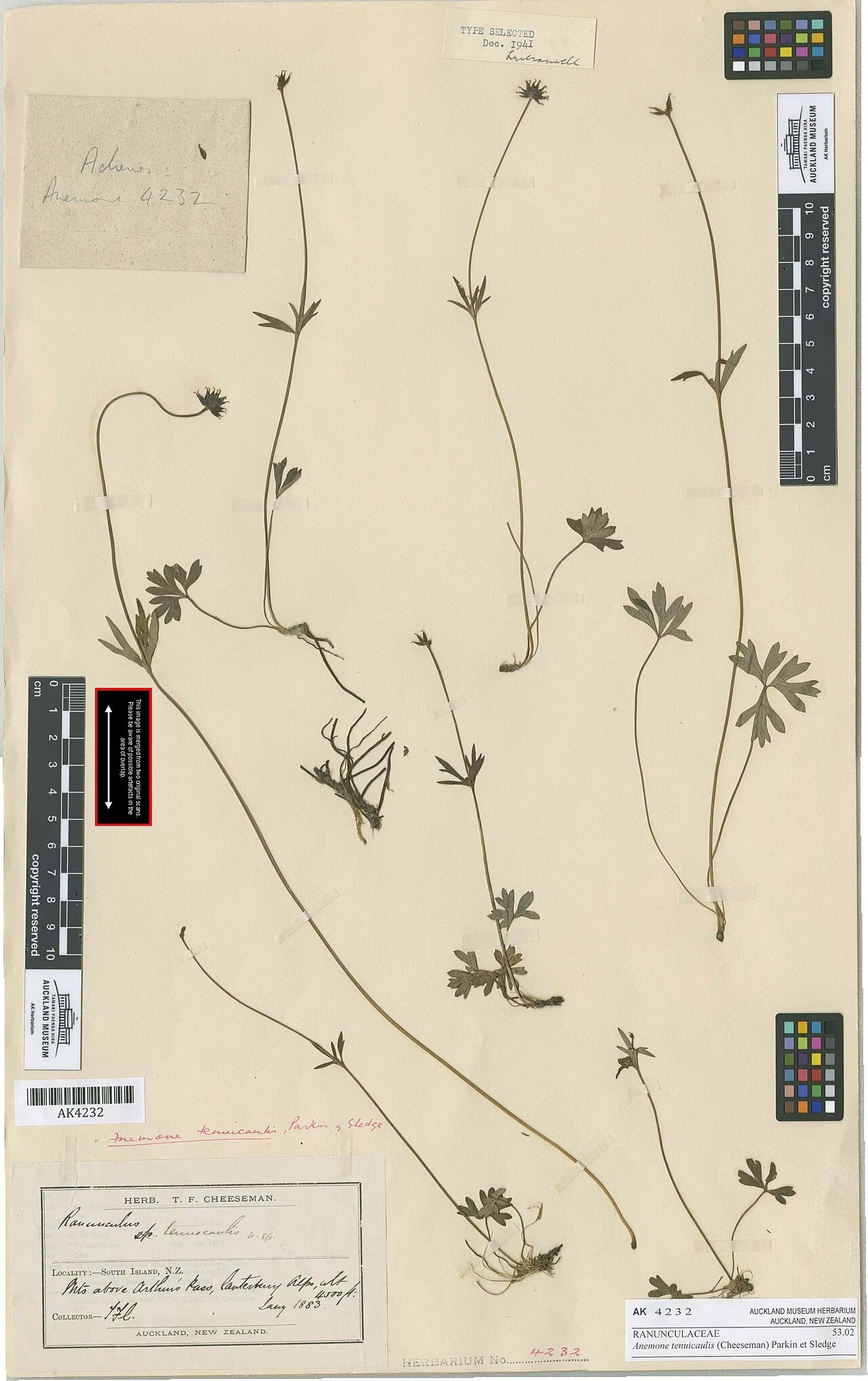
New Zealand Anemone
Anemonastrum tenuicaule
Last updated:
New Zealand anemone (Anemonastrum tenuicaule, formerly Anemone tenuicaulis) is New Zealand's only native anemone, a small endemic herb of damp subalpine ground. It grows from a creeping or erect rhizome, with a few three-part basal leaves and slender stems 5 to 50 cm tall, each carrying a single nodding flower 1 to 1.5 cm across with pinkish to reddish-brown petal-like segments. It occurs from the Tararua Range south through the South Island at about 900 to 1300 m, in herbfield and tussock grassland where there are flushes and seepages. It is sparse in the north of its range and more common from North Otago southwards. Explore more native flowering plants in our native plant guide.
Plant Description
Anemonastrum tenuicaule is a perennial herb with an erect or creeping rhizome. It has only a few basal leaves, each divided into three leaflets on stalks 2 to 10 cm long or occasionally longer. The leaflets are 1 to 3 cm long and 1 to 2 cm wide, cut about halfway into segments, light green above and paler beneath. Higher on the flowering stem sits a whorl of smaller, three-lobed, wedge-shaped leaves.
The flowers are solitary and nodding, 1 to 1.5 cm across, held on a slender stalk 1 to 10 cm long with sparse bristly hairs; the whole plant reaches 5 to 50 cm tall. There are no true petals: the five to seven perianth segments are pinkish to reddish brown, hairless apart from minute papillae on the upper surface. The fruit is an erect head of hairless achenes.
Its thin stems give it the name tenuicaule, meaning thin-stemmed. The nodding, single flowers with coloured perianth segments and the whorl of leaves on the stem separate it from the native buttercups (Ranunculus) that grow in similar wet places, which have glossy yellow or white petals.
Quick Facts
| Scientific Name | Anemonastrum tenuicaule |
|---|---|
| Height | 0.05-0.5 m in flower |
| Spread | Small clumps from a creeping rhizome |
| Water Needs | High; permanently damp ground |
| Light | Full sun to light shade |
| Frost Tolerance | High; a subalpine species |
| Salt Tolerance | Low; an inland mountain plant |
| Growth Rate | Slow |
| Lifespan | Perennial |
Climate Best Suited to
Suits cool, moist mountain climates with snow cover in winter and damp summers. It is poorly suited to warm, dry or humid lowland conditions.
Regional Suitability
| City | Climate Suitability |
|---|---|
| Auckland | Low |
| Wellington | Low |
| Christchurch | Low |
| Dunedin | Medium |
Plant Habitat
The New Zealand anemone is endemic to New Zealand, found in the North Island from the Tararua Range southwards and through the South Island. NZPCN describes it as extremely uncommon in the northern part of its range and more common from North Otago south. The lectotype was collected in the mountains above Arthur's Pass in the Canterbury Alps.
It is a plant of upper montane to subalpine habitats at roughly 900 to 1300 m, growing in herbfield and in short to tall tussock grassland. It is usually found in damp places such as flushes and seepages, where the ground stays wet through the growing season.
Growing Requirements
Soil Requirements
In the wild it roots into wet, humus-rich mineral or peaty soils in seepages and flushes.
- Moist, humus-rich, gritty mix
- Cool roots throughout summer
- Moving rather than stagnant water is ideal
Light Requirements
It grows among herbs and tussocks in open country, receiving good light while its base stays shaded by surrounding vegetation.
- Full sun in cool climates
- Light shade in warmer gardens
Water Requirements
Constant moisture is essential, reflecting its seepage habitat.
- Never allow the root zone to dry
- Avoid warm, waterlogged conditions that encourage rot
Planting and Establishing
NZPCN describes this species as difficult to grow and says it should not be removed from the wild. It is suited only to specialist alpine growers using legally sourced material.
If attempted, grow it in a cool, moist alpine bed, trough or pot in a southern or high-rainfall garden, using a gritty humus-rich mix and siting it where the roots stay cool and damp.
Ecological Role
The New Zealand anemone is a small component of wet subalpine herbfields and tussock seepages, communities that hold many other moisture-loving alpine herbs. Its fruits are hairless achenes held in erect heads.
The pollinators of its nodding flowers and the means by which its seeds disperse are not documented in the sources consulted.
Uses & Significance
Garden Uses
This is a collector's plant for cold-climate alpine growers, not a general garden plant.
- Alpine troughs or shaded pots in cool climates
- Damp alpine beds alongside small native herbs
- Botanic garden alpine collections
Ecological Value
As New Zealand's only native anemone it has notable botanical interest, and it contributes to the diversity of subalpine wetland herbfields.
- Endemic to New Zealand
- Indicator of permanently damp subalpine seepages
- Biologically sparse across much of its range
Landscaping Uses
It has no practical role in landscaping. In a specialist alpine display it would be grown where its nodding reddish flowers can be seen at eye level, such as in a raised trough.
In the wild it is best enjoyed on tramping routes through damp subalpine tussock in early summer.
Seasonal Care Calendar
Spring
New leaves emerge from the rhizome as the snow melts.
- Keep cultivated plants cool and moist
- Watch for slugs on new growth
Summer
Nodding pink to reddish-brown flowers open from November to January, and fruiting begins in December.
- Look for flowers in subalpine seepages
- Shade pots from hot afternoon sun
Autumn
Fruiting heads ripen through to May.
- Collect seed only from cultivated plants
- Reduce watering slightly as growth slows
Winter
The plant dies back under snow or cold, and the rhizome rests.
- Keep pots cold but not sodden
- Avoid disturbing the dormant rhizome
When to Prune and How Much
No pruning is needed. Spent flower stems and old leaves can be removed once they have withered.
Avoid cutting healthy leaves, which the small rhizome needs to build reserves for the next season.
How to Grow New Zealand Anemone
NZPCN describes the New Zealand anemone as difficult to propagate and states that it should not be taken from the wild. No published propagation protocol specific to this species was found in the sources consulted, so the notes below describe the general methods used for small rhizomatous alpine anemones and buttercups, adapted to what is known of this species: it flowers from November to January and fruits from December to May, and it grows from an erect or creeping rhizome. Only plants already in cultivation or material supplied through conservation programmes should be used.
From Seed
Many alpine members of the buttercup family germinate best from fresh seed exposed to winter cold. Seed should be sown as soon as it is ripe rather than stored.
- Collect ripe achene heads from cultivated plants in late summer or autumn
- Sow immediately on a gritty seed mix and cover with a thin layer of fine grit
- Leave the pot outdoors in a cold, shaded spot over winter
- Keep moist and expect germination in spring
By Division of the Rhizome
Established cultivated clumps with a creeping rhizome can be carefully divided, although small pieces are slow to recover.
- Lift the clump in early spring as growth starts
- Separate sections of rhizome that each carry a growing point and roots
- Replant into a moist, gritty humus-rich mix at the same depth
- Keep cool and shaded until new leaves appear, then water normally
Pests & Diseases
No specific pests are recorded for this species. In cultivation, slugs and snails may graze young leaves, and warm, humid conditions can cause rot.
NZPCN notes that weed competition may threaten some populations, and in the wild damp herbfields can also be damaged by trampling and browsing animals.
Cultural Significance
No traditional Māori name or use is recorded for this species in the sources consulted.
Thomas Cheeseman described the plant as Ranunculus tenuicaulis in the 1880s from mountains above Arthur's Pass. Parkin and Sledge transferred it to Anemone in 1935, and in 2018 de Lange and Mosyakin placed it in Anemonastrum, a genus name meaning resembling Anemone.
Bonus Tip
When searching for this plant in early summer, follow the small wet flushes and seepage lines that run through subalpine tussock rather than the drier ridges. The flowers nod downwards, so the reddish-brown colour is easy to miss; crouch low and look under the flower to see its colour properly.
Related Plants
Explore other native plants that share similar characteristics or habitats with New Zealand Anemone (Anemonastrum tenuicaule), offering further insights into New Zealand's diverse flora. These related species provide context and opportunities for complementary planting in your garden.
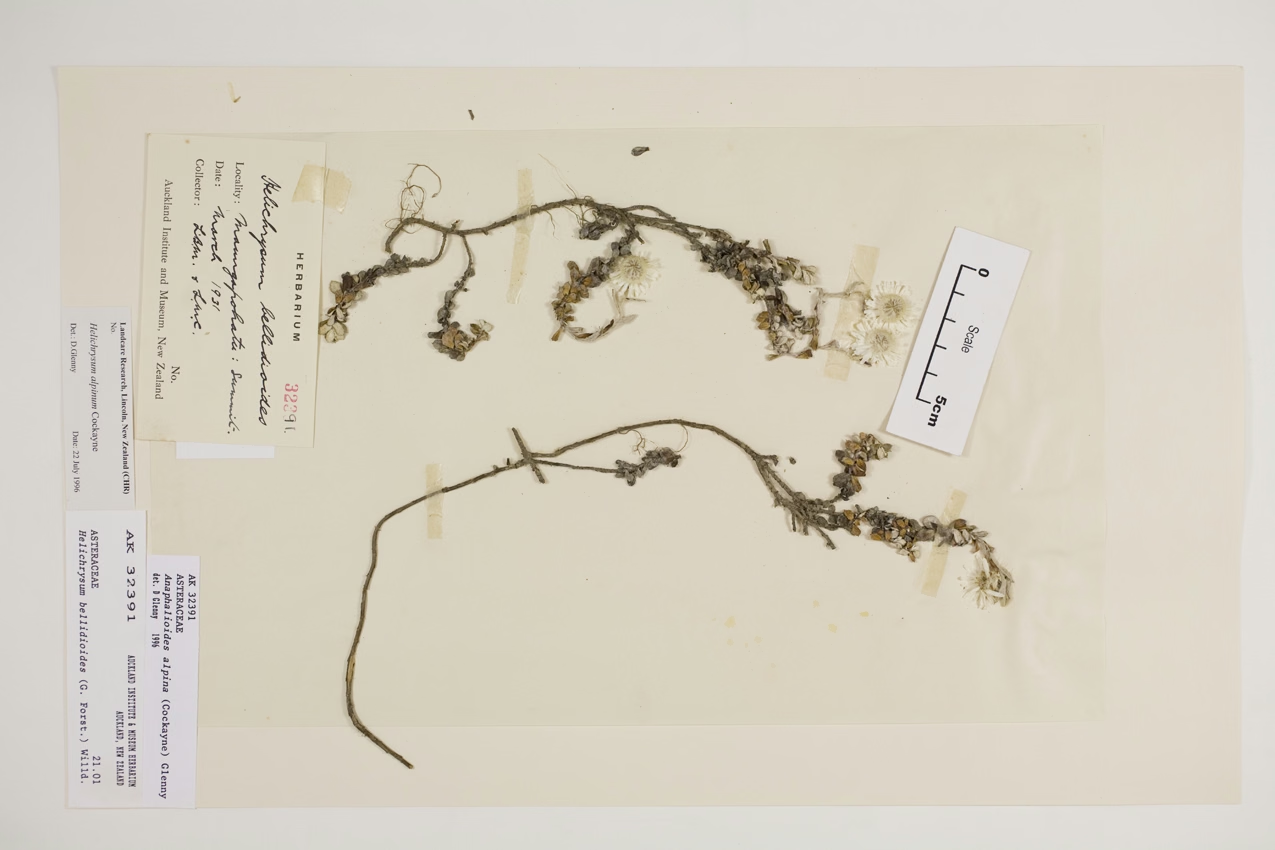
Anaphalioides alpina
Anaphalioides alpina
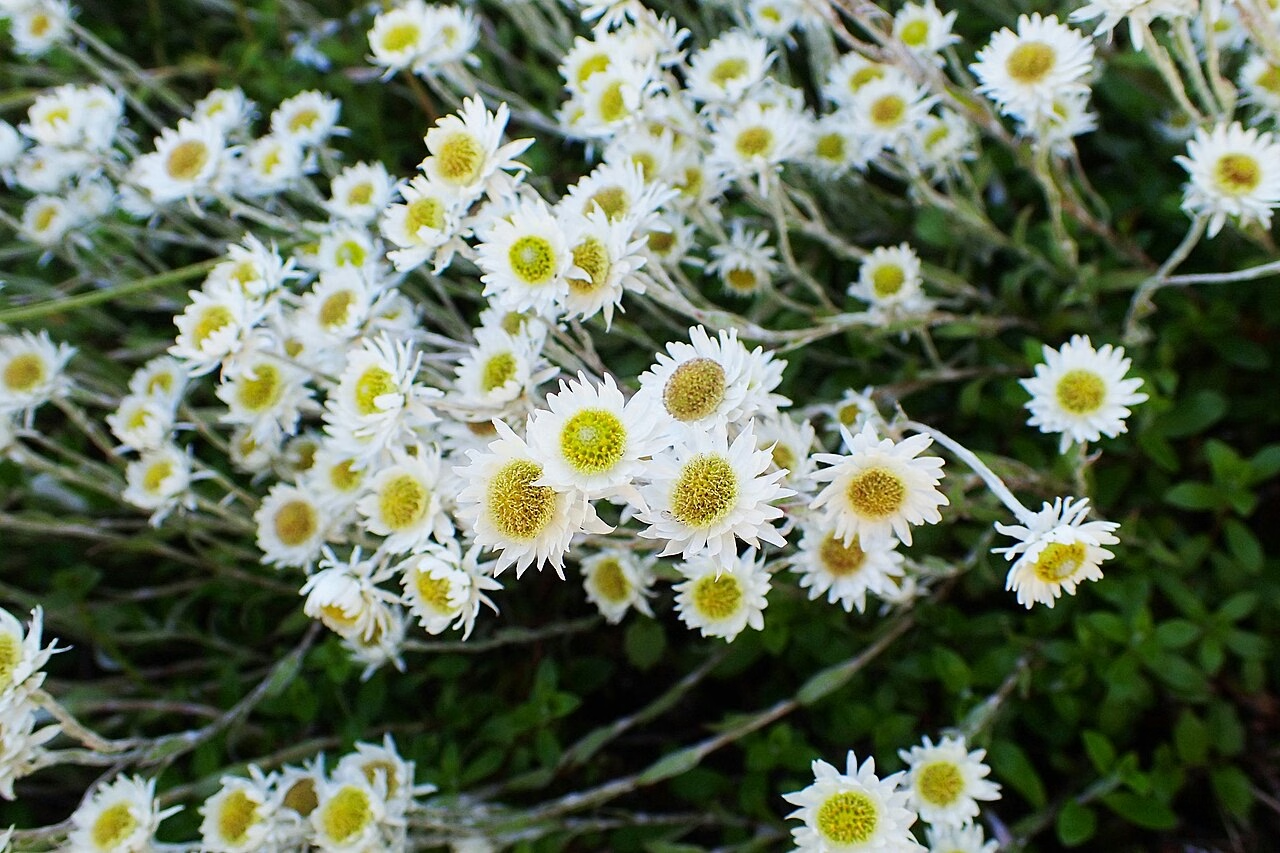
Anaphalioides hookeri
Anaphalioides hookeri
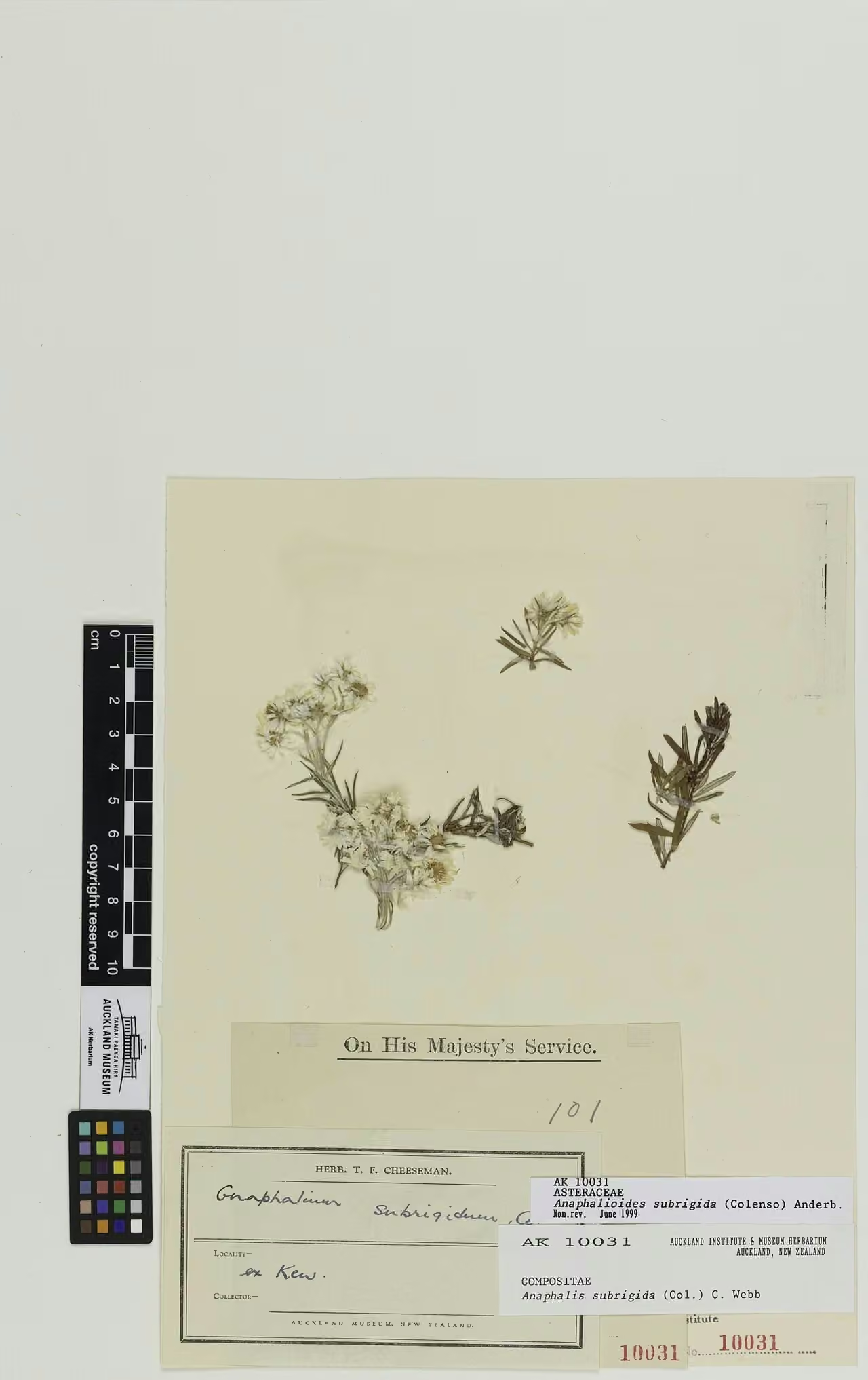
Anaphalioides subrigida
Anaphalioides subrigida
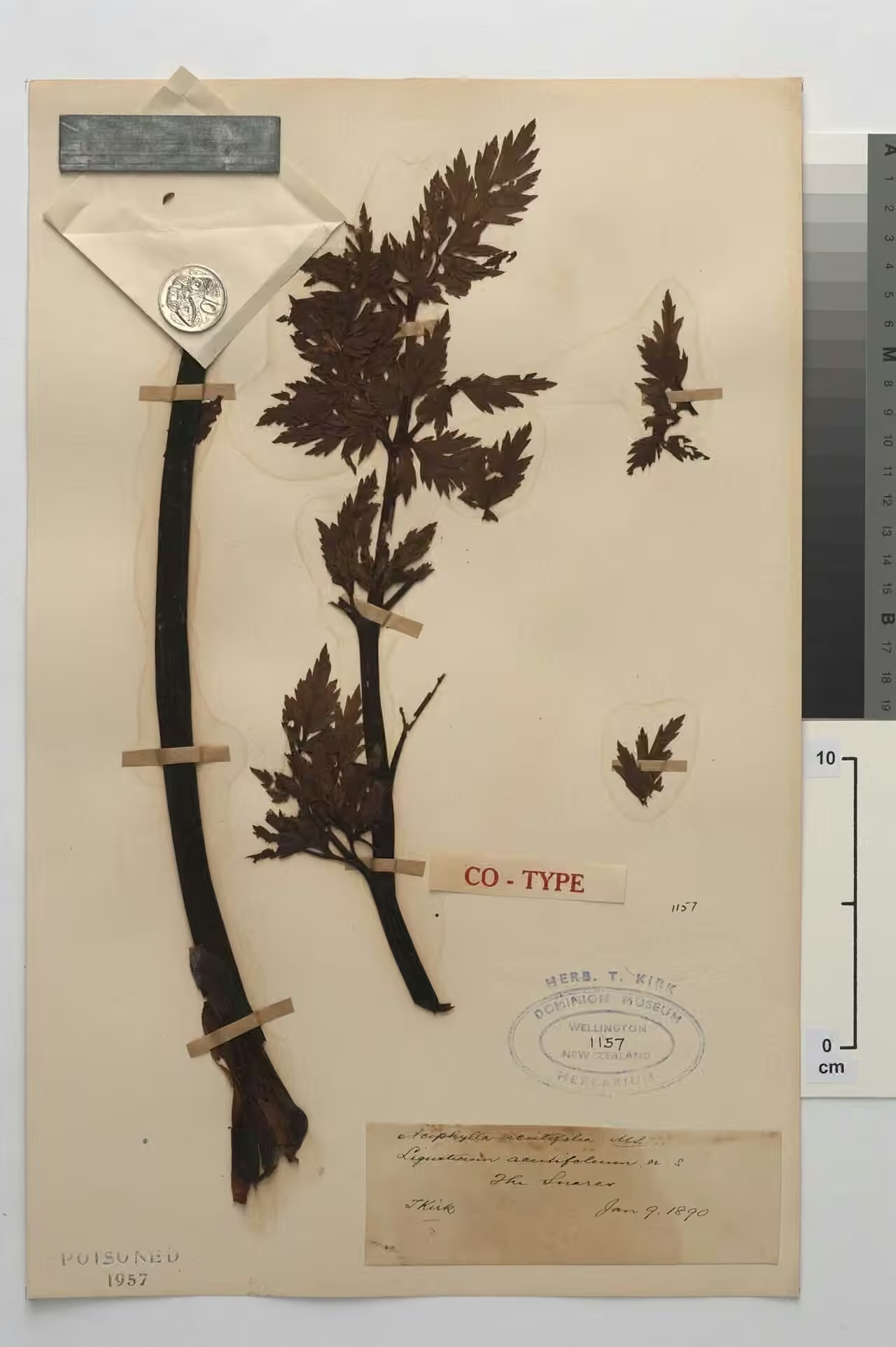
Snares Islands Anisotome
Anisotome acutifolia
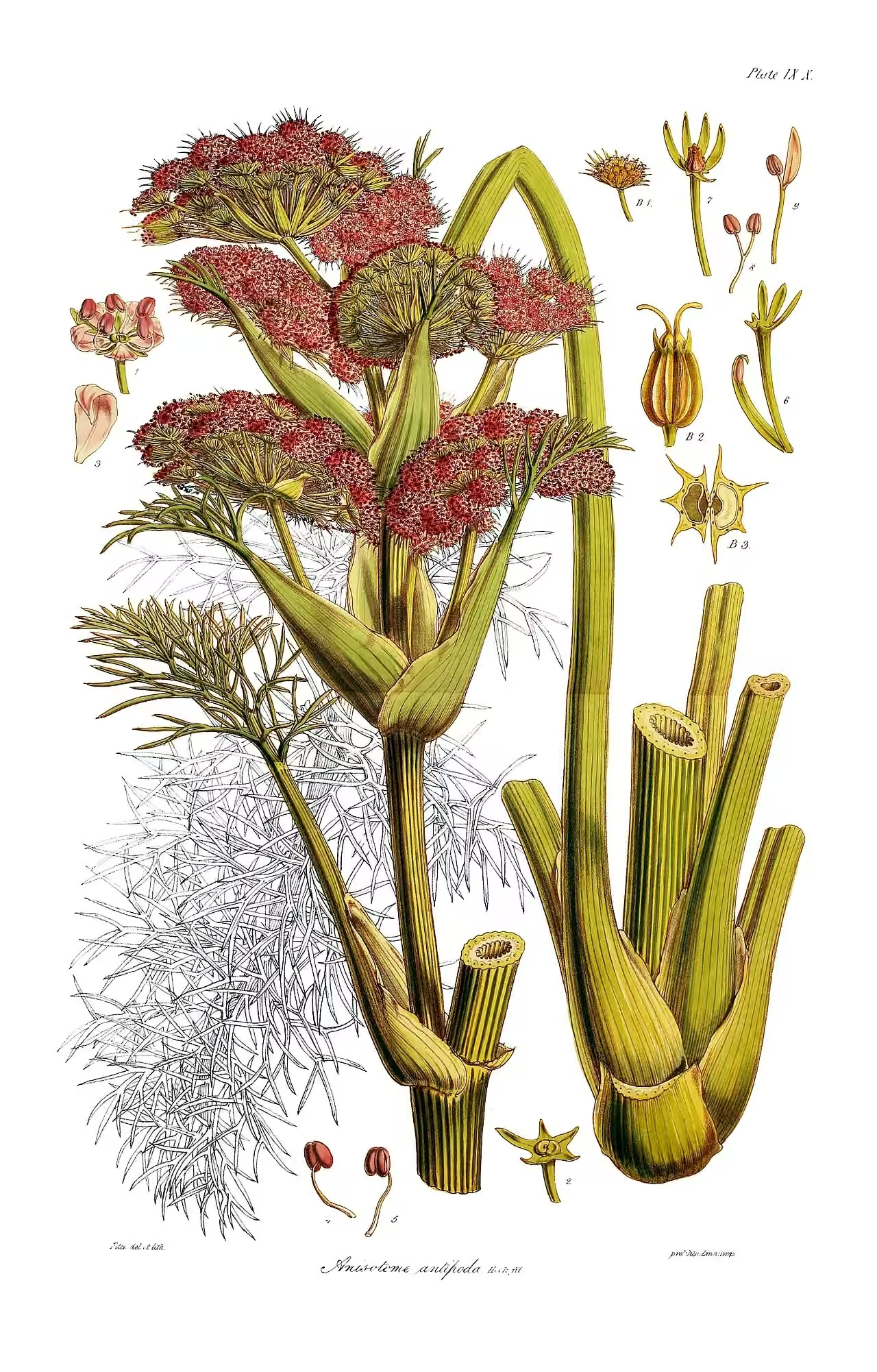
Anisotome antipoda
Anisotome antipoda
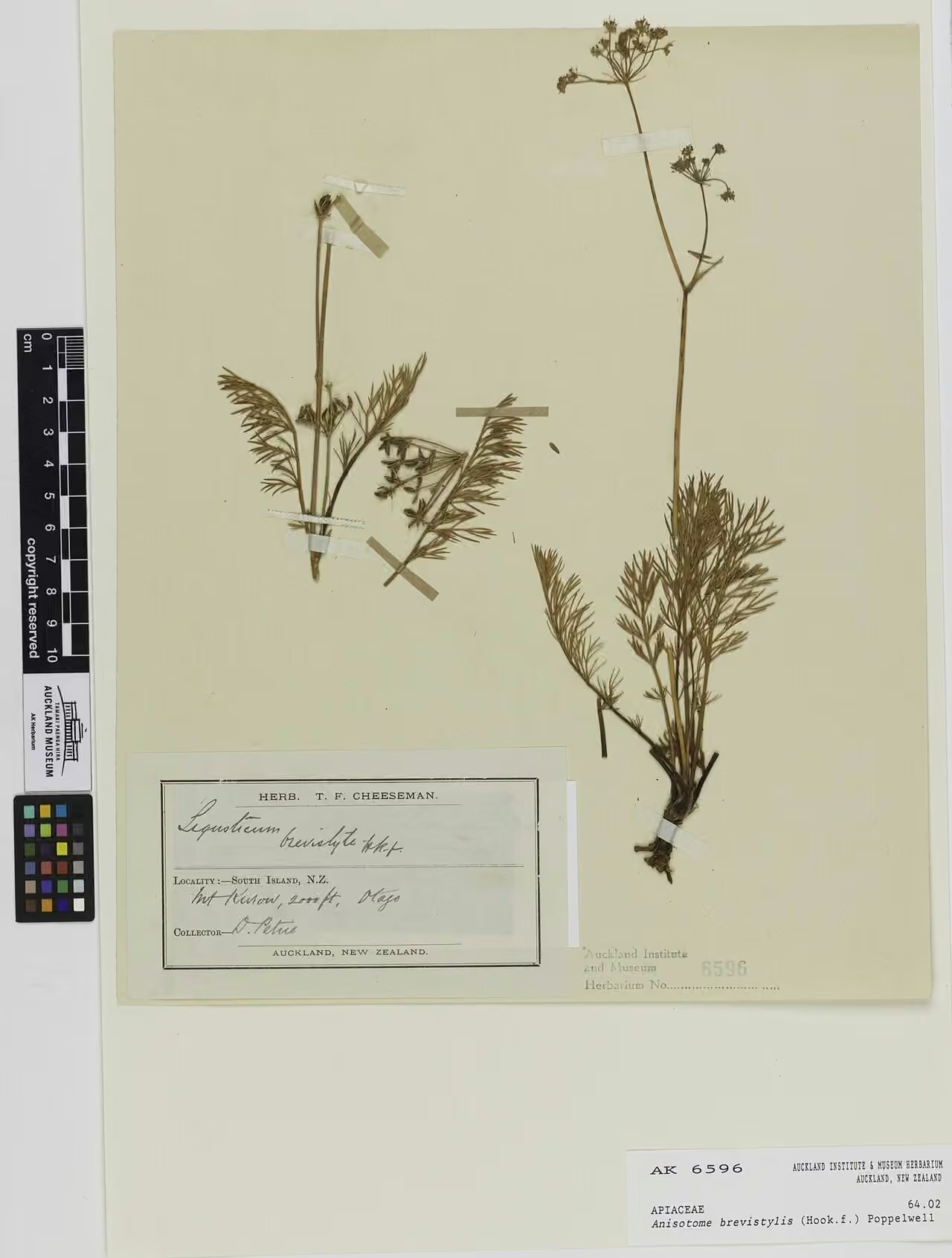
Native Carrot
Anisotome brevistylis
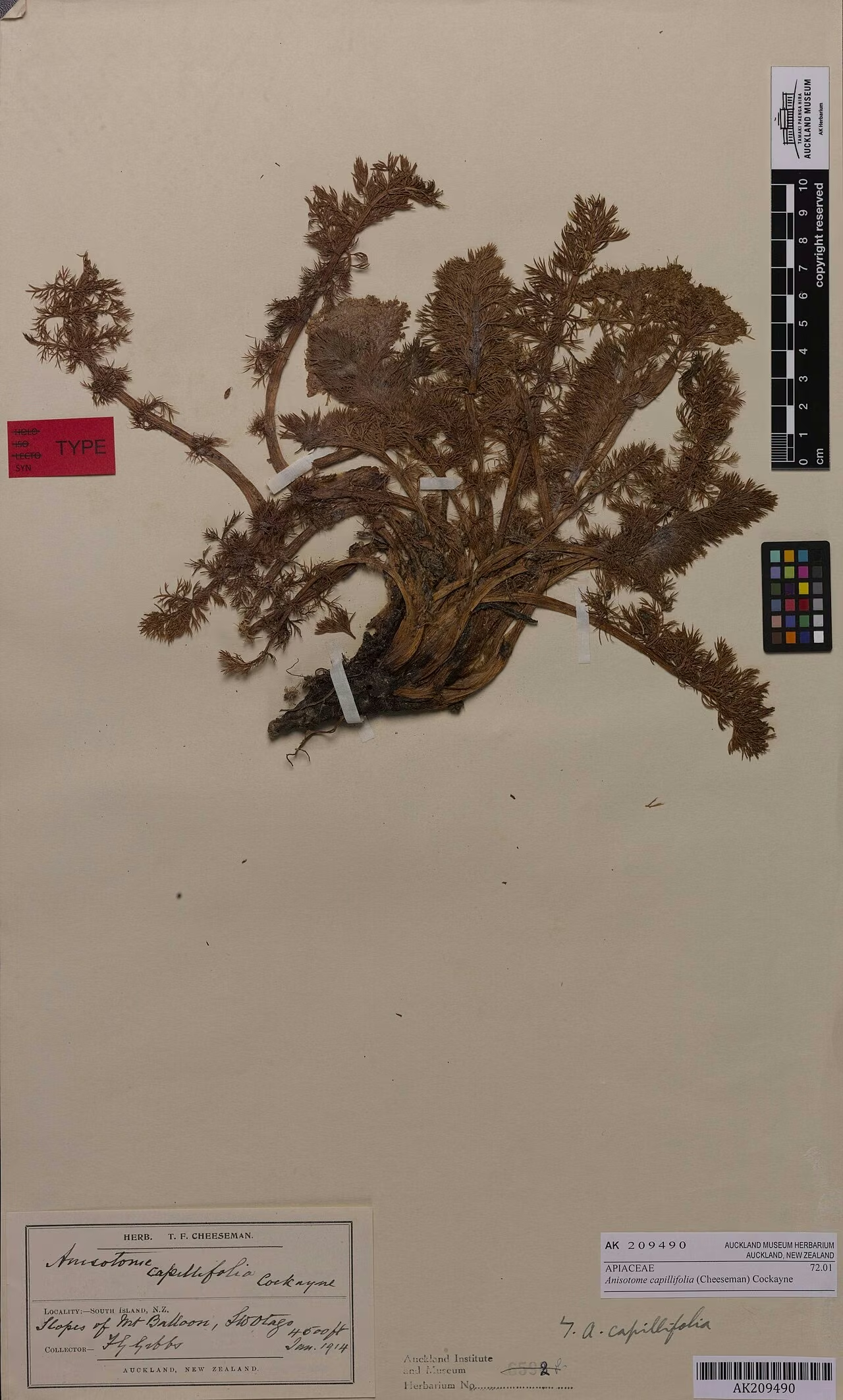
Anisotome capillifolia
Anisotome capillifolia
Cushion Daisy
Cushion Daisy
Plant Conservation
NZPCN lists Anemonastrum tenuicaule as Not Threatened (2023) with the qualifiers Sparse, Data Poor: Size and Data Poor: Trend, having previously been treated as Naturally Uncommon. It is regionally ranked At Risk - Regionally Naturally Uncommon in Otago and Data Deficient in Wellington.
Most populations are on public conservation land and considered secure. Keeping seepage habitats free of weeds and avoiding trampling of damp herbfields help protect it.
Frequently Asked Questions
Is there a native anemone in New Zealand?
Yes. Anemonastrum tenuicaule, known as the New Zealand anemone and formerly called Anemone tenuicaulis, is an endemic member of the buttercup family found in subalpine seepages.
Why has the name of Anemonastrum tenuicaule changed?
It was first described by Cheeseman as Ranunculus tenuicaulis, moved to Anemone in 1935 and placed in Anemonastrum as Anemonastrum tenuicaule in 2018, as part of a revised classification of the anemone group.
Where can you see the New Zealand anemone?
Look in damp subalpine herbfield and tussock grassland, in flushes and seepages at about 900 to 1300 m, from the Tararua Range south. The original specimens came from the mountains above Arthur's Pass.
When does the New Zealand anemone flower?
It flowers from November to January, sometimes into March, producing single nodding pink to reddish-brown flowers on thin stems.
Sources and Further Reading
The botanical, growing, and conservation details for New Zealand Anemone (Anemonastrum tenuicaule) on this page draw on the New Zealand plant references below. Consult them for full technical records and the latest distribution data.