Feeble Bent
Agrostis imbecilla
Last updated:
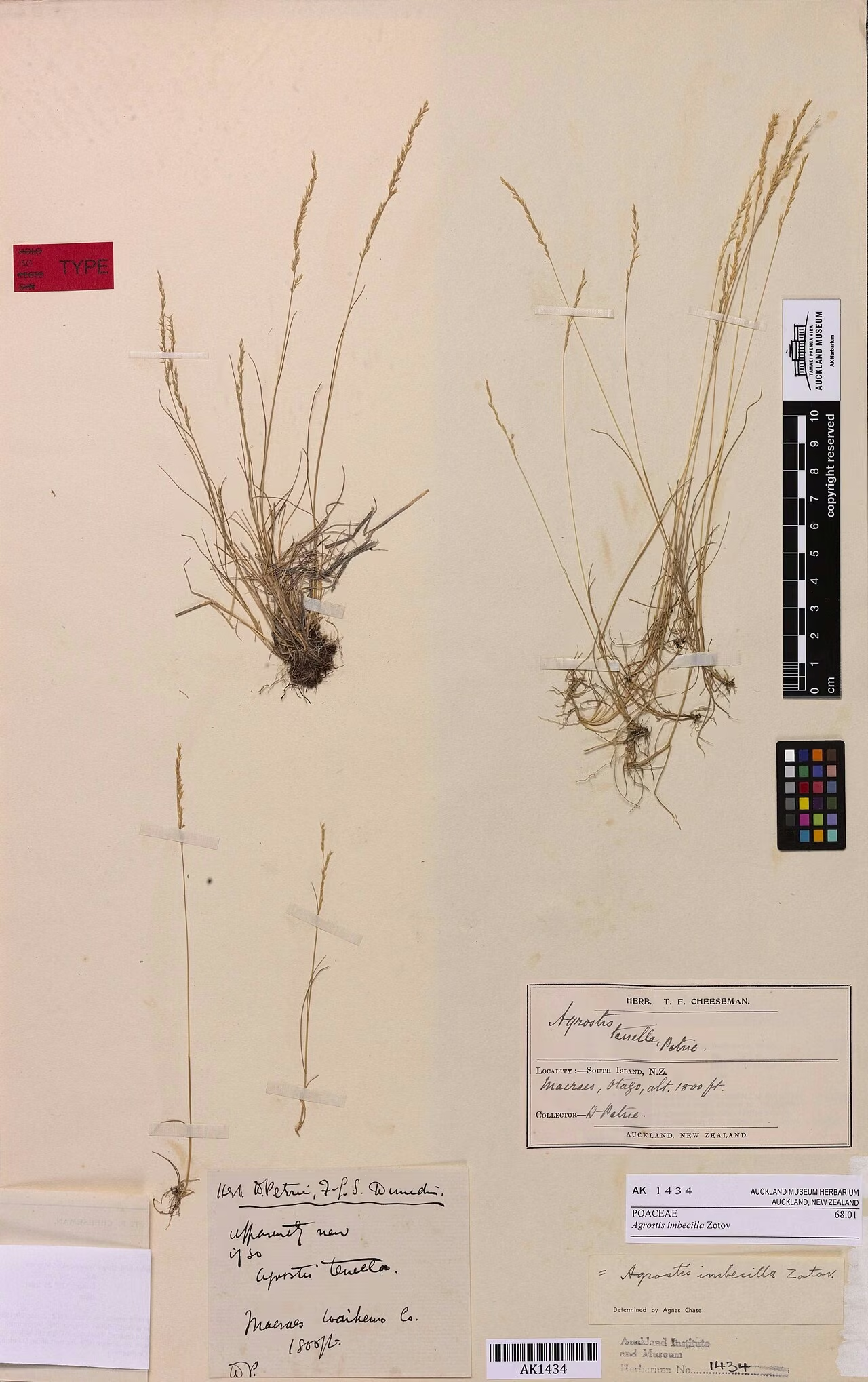
Feeble bent (Agrostis imbecilla) is a delicate, slender tufted grass endemic to New Zealand, usually 15 to 35 cm tall, with very fine, almost thread-like leaves and long, narrow, spike-like pale purple seed heads held above the foliage. It grows in damp places within montane, subalpine and alpine tussock grassland, mainly in Canterbury and Otago, with a single North Island record from Moawhango. It is ranked Data Deficient because it is sporadic and poorly known, so every confirmed record adds to the picture of how common it really is. Explore more native grasses and flaxes in our native plant guide.
Plant Description
Agrostis imbecilla forms very slender, lax perennial tufts (10) 15 to 35 cm tall. The leaf sheaths are narrow and membranous, light cream-brown to reddish, and the ligule is 0.8 to 1.6 mm long and blunt. The leaf blades are 2 to 13 cm long but only 0.2 to 0.4 mm across, rolled inward so they look like fine threads, and they are soft and flaccid rather than stiff.
The slender culms overtop the leaves and carry long, contracted, narrow-linear panicles 5 to 9 cm long and only 2 to 3 mm wide, so the seed head looks like a fine spike. The spikelets are 1.5 to 2.4 mm long and pale greenish-purple to straw coloured, with equal lanceolate glumes. The lemma is 1.5 to 1.9 mm, smooth and five-nerved, usually without an awn but occasionally with a fine awn up to 1 mm. The anthers are 0.6 to 1 mm long.
NZPCN describes it as a distinctive species, recognised by the combination of very fine, slender spike-like panicles and rather lax, flaccid leaves. Most other native bent grasses have more open, spreading panicles or stiffer foliage.
Quick Facts
| Scientific Name | Agrostis imbecilla |
|---|---|
| Height | 0.1-0.35 m (usually 15-35 cm) |
| Spread | Small tuft, roughly 0.1-0.2 m |
| Water Needs | Moist; grows in damp hollows within grassland |
| Light | Full sun in open tussock grassland |
| Frost Tolerance | High; a montane to alpine species |
| Salt Tolerance | No information available; an inland mountain grass |
| Growth Rate | Moderate |
| Lifespan | Perennial |
Climate Best Suited to
Suits cool, moist montane and alpine climates with cold winters; NZPCN notes it will not flower without a cold period and is hard to keep in humid lowland conditions.
Regional Suitability
| City | Climate Suitability |
|---|---|
| Auckland | Low |
| Wellington | Low |
| Christchurch | Medium |
| Dunedin | Medium |
Plant Habitat
Feeble bent is endemic to New Zealand. In the South Island it is infrequent in Canterbury and Otago, and in the North Island it is known from a single record at Moawhango, east of the central volcanic plateau.
It is a montane, subalpine to alpine species of damp sites within tussock grassland, such as seepages, wet hollows and the moist margins of tarns and streams where the surrounding grassland is open enough for a small grass to persist.
Growing Requirements
Soil Requirements
In the wild it roots into damp, often peaty or silty soils within tussock grassland that stay moist through the growing season.
- Moist, moderately fertile mineral or peaty soil
- Avoid hot, dry, free-draining potting mixes
- Tolerates periodically wet ground
Light Requirements
As a grass of open tussock country it needs good light and is easily shaded out by taller plants.
- Full sun or bright, open positions
- Keep competing tall grasses away from small tufts
Water Requirements
Consistent moisture matters more than heavy watering. Its natural sites are damp seepages within otherwise drier grassland.
- Keep the root zone moist in summer
- Combine moisture with good air movement, since humidity causes decline
Planting and Establishing
Feeble bent is not a garden plant and is not sold by nurseries. It is of interest mainly to restoration projects and botanists working in Canterbury and Otago tussock country, where it could be included in damp-site plantings using locally collected seed.
If grown, plant it in a cool, open, moist spot in a mountain or southern South Island garden, ideally in a trough or bog garden where it will not be swamped by vigorous neighbours.
Ecological Role
Like other native bents, feeble bent is wind pollinated, and NZPCN records that its florets are dispersed by wind and water, which suits a plant of seepages and stream margins.
Its role within tussock grassland communities, including which invertebrates use it, has not been documented in the sources consulted. Its sporadic distribution makes it hard to study.
Uses & Significance
Garden Uses
It has little ornamental value and is best regarded as a species for conservation collections rather than home gardens.
- Specialist native grass collections
- Damp-site restoration in Canterbury and Otago tussock grassland
- Botanical reference plantings
Ecological Value
It is one of New Zealand's lesser-known endemic grasses and part of the fine-scale diversity of damp tussock grassland.
- An endemic grass with only scattered known populations
- Contributes to the plant diversity of montane wetlands and seepages
- Records help clarify its Data Deficient status
Landscaping Uses
Feeble bent is not used in landscaping. Its fine, lax foliage and narrow purple-tinged seed heads are subtle and only noticeable up close, and the plant does not persist in humid lowland gardens.
Where a fine native grass is wanted for a moist, cool garden, it could be grown in a container or trough alongside small alpine herbs, but it should be treated as an experiment rather than a reliable feature.
Seasonal Care Calendar
Spring
New leaves grow from the tuft as the high country thaws.
- Check that tufts are not swamped by taller grasses
- Keep cultivated plants moist
Summer
The slender spike-like panicles are produced, although NZPCN records the flowering and fruiting months as not known.
- Record and photograph any wild plants found in flower
- Avoid letting pots dry out in heat
Autumn
Seed ripens and is shed onto wet ground or carried away by water and wind.
- Collect ripe seed from cultivated plants for fresh sowing
- Leave wild seed in place
Winter
The tufts sit dormant under frost or snow, and this cold period is needed for flowering the following season.
- Leave cultivated plants outside in the cold
- Do not bring pots into a warm house
When to Prune and How Much
No pruning is required. Dead leaves can be combed out by hand in early spring if a tuft looks untidy.
Avoid cutting the tuft hard, since small slender grasses recover slowly and the dead leaf bases help protect the growing points over winter.
How to Grow Feeble Bent
NZPCN states that feeble bent is easy to propagate from fresh seed and from rooted pieces, but that it will not flower without cold treatment and is difficult to maintain in humid climates. That means the main challenge is not getting new plants but keeping them healthy and flowering once they are growing. Because the species is ranked Data Deficient and is sporadic in the wild, material should be collected only with permission and only from populations that can sustain it, and ideally used for restoration close to where it was gathered. Growing plants on in a cool, airy position outdoors, rather than in a glasshouse, gives the best chance of success.
From Seed
Fresh seed germinates readily. The florets are small and are shed easily once ripe, so watch the panicles closely and collect them as soon as they turn straw coloured.
- Collect ripe panicles into a paper bag and dry them for a few days
- Sow fresh seed thinly on the surface of a moist, fine seed mix
- Cover very lightly with fine grit and keep the tray cool and moist outdoors
- Prick out seedlings into small pots when they have two or three leaves
- Grow on outdoors so plants experience winter cold before their first flowering season
By Division
Established tufts can be split into rooted pieces. This is the quickest way to multiply a plant that is already in cultivation.
- Lift the tuft in early spring as growth begins
- Tease it apart into small clumps, each with healthy roots and shoots
- Pot the pieces into a moist, open mix and keep them shaded for a week or two
- Move them back into full light once new leaves appear
Pests & Diseases
No specific pests or diseases are recorded for feeble bent. In cultivation, the main problem noted by NZPCN is decline in humid climates, where tufts can rot or dwindle.
In the wild, competition from taller exotic pasture grasses and changes to the water regime of damp hollows are likely pressures on small grass populations, although no specific threats have been documented for this species.
Cultural Significance
No Māori name or traditional use is recorded for Agrostis imbecilla in the sources consulted.
The plant was first described by Donald Petrie as Agrostis tenella, but that name had already been used for another grass. Victor Zotov renamed it Agrostis imbecilla in 1943, choosing an epithet meaning weak that describes its slender, floppy habit.
Bonus Tip
If you botanise in Canterbury or Otago tussock country, search the wettest hollows and seepages for a fine grass with thin, spike-like purple-tinged seed heads. Because feeble bent is Data Deficient, a well-photographed observation with location details posted to iNaturalist NZ can genuinely help botanists assess its status.
Related Plants
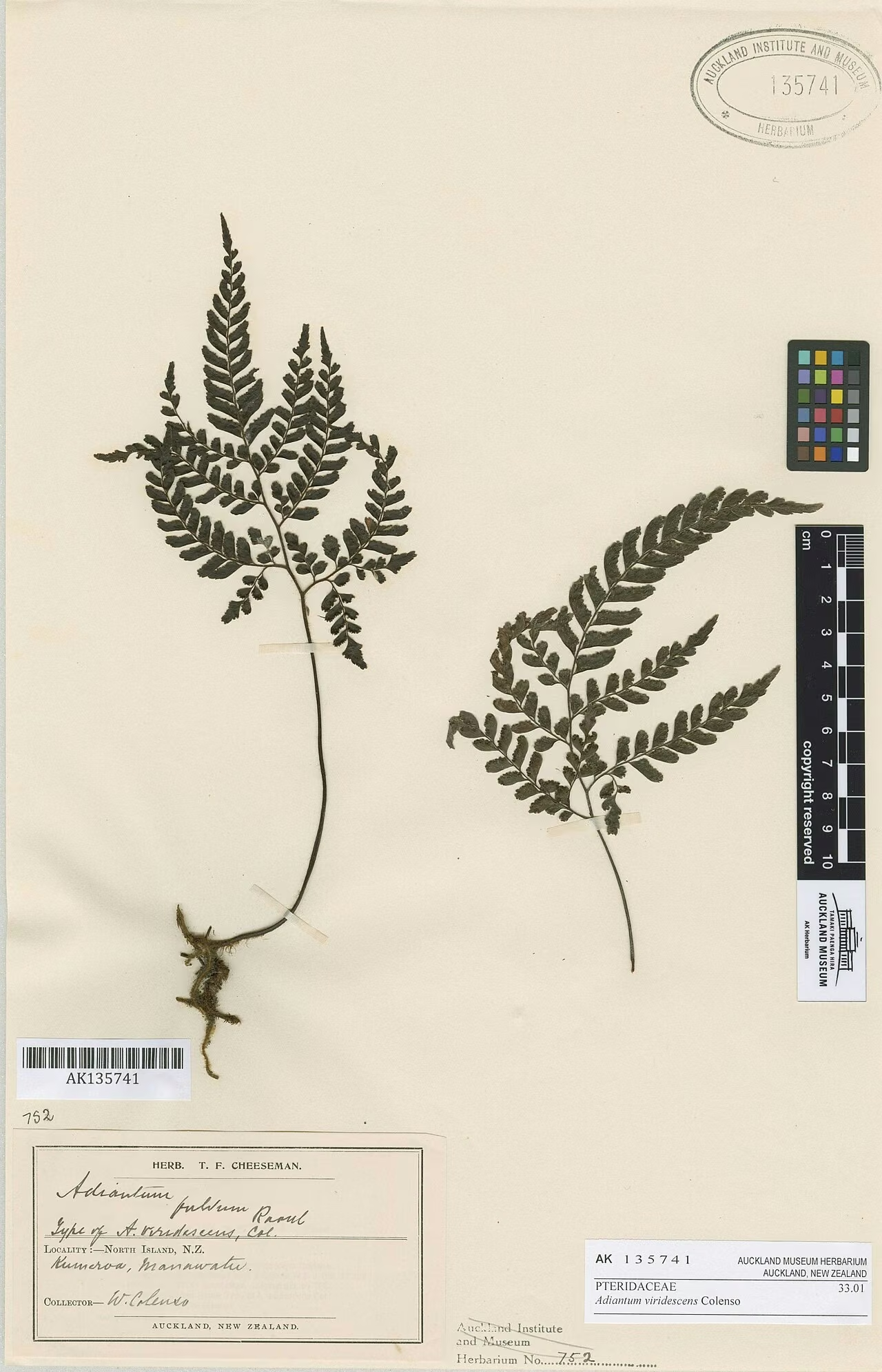
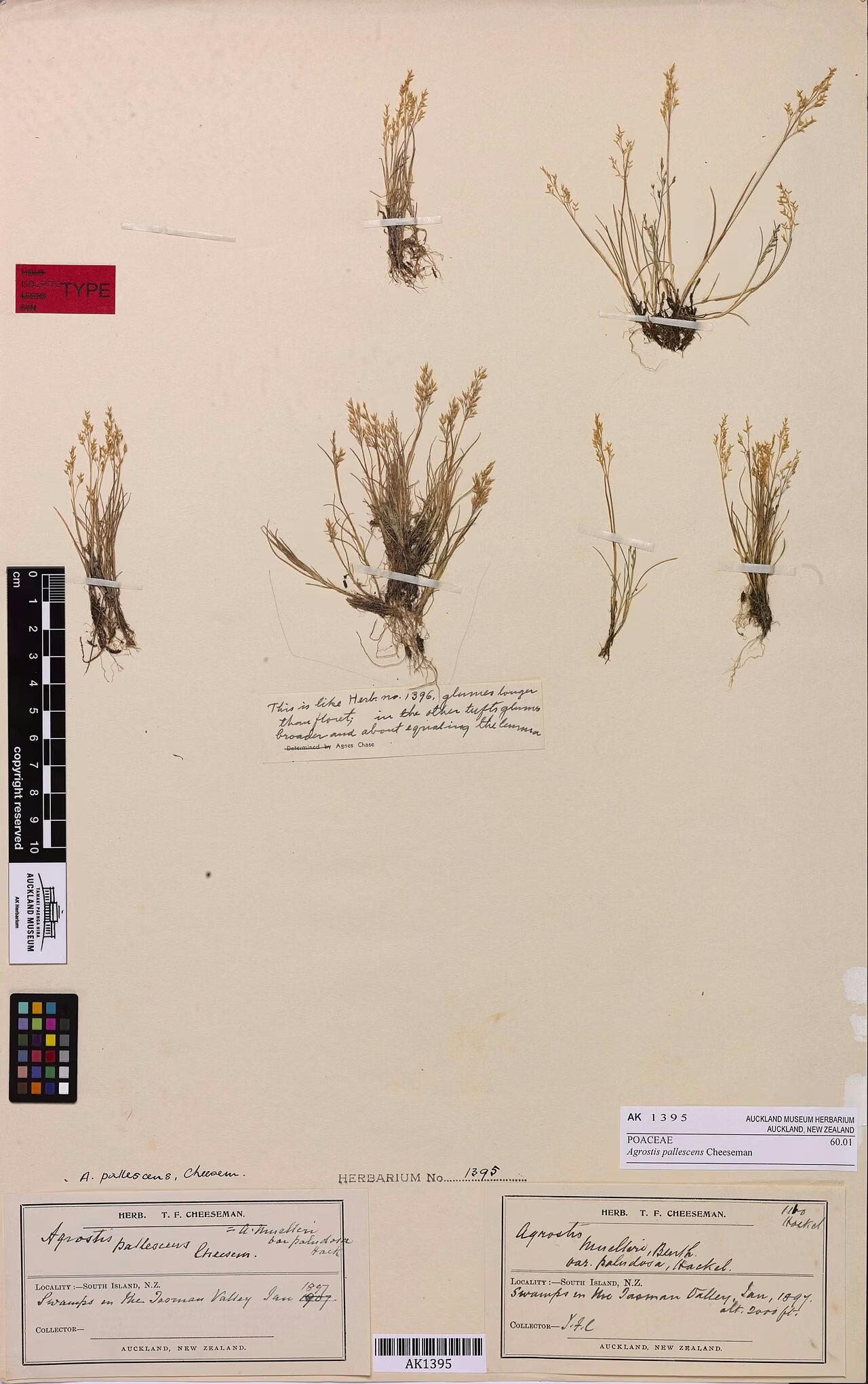
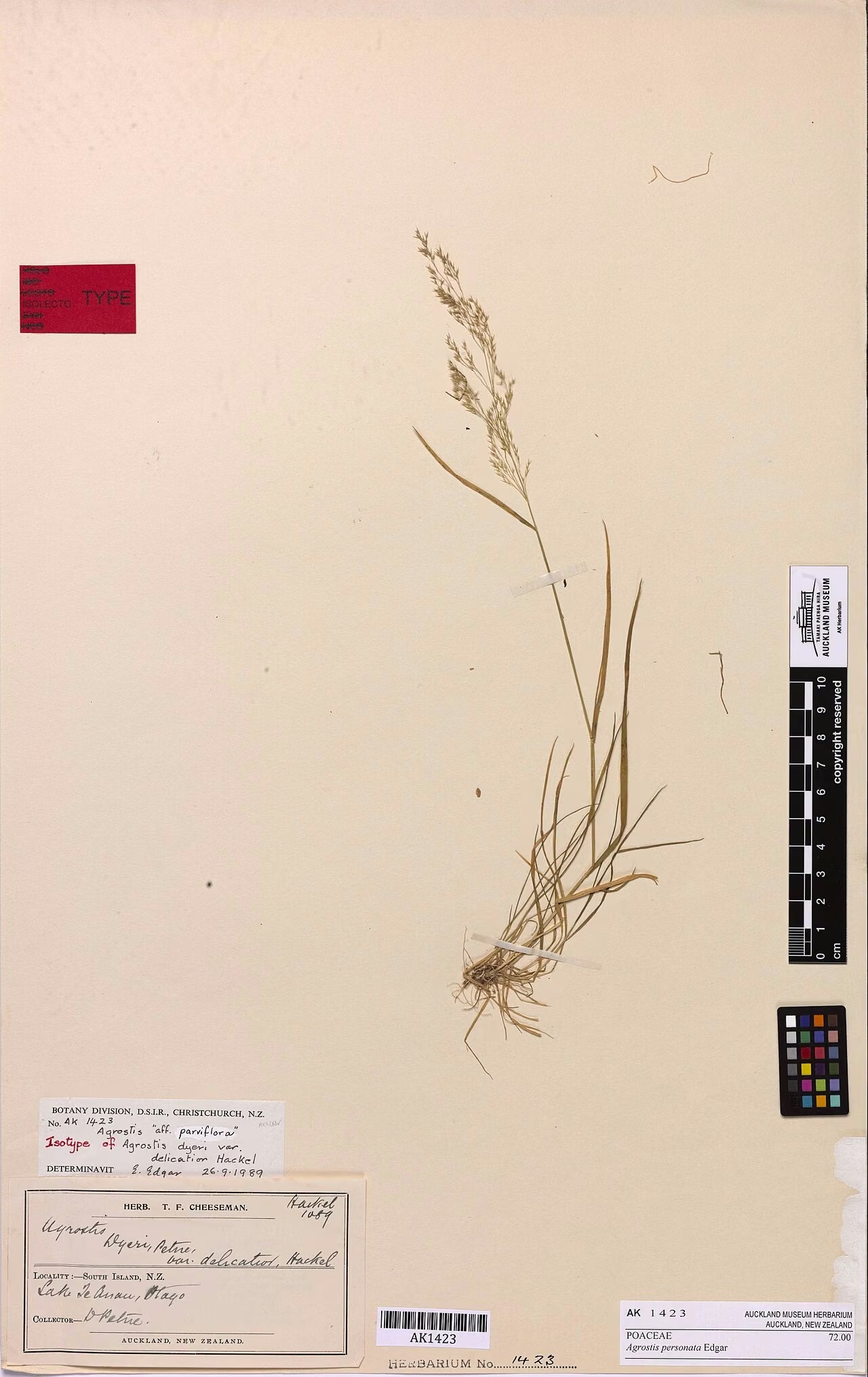
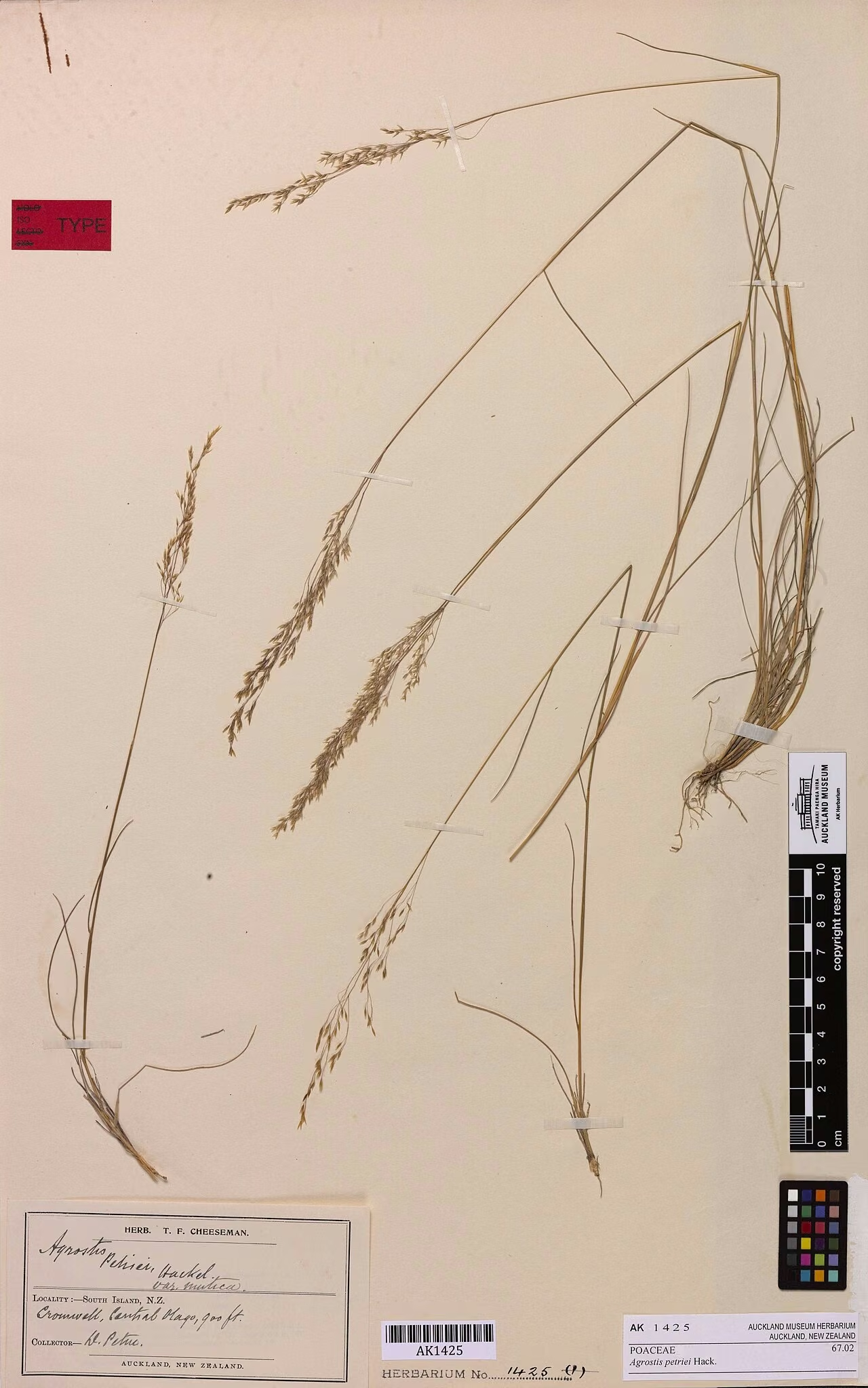
Explore other native plants that share similar characteristics or habitats with Feeble Bent (Agrostis imbecilla), offering further insights into New Zealand's diverse flora. These related species provide context and opportunities for complementary planting in your garden.
Plant Conservation
Agrostis imbecilla is ranked Data Deficient (2023, qualifier Sparse). It was listed as At Risk - Naturally Uncommon in 2009, and Otago's 2025 regional assessment also lists it as Regionally Data Deficient. NZPCN notes it is not directly threatened but is naturally uncommon and occurs sporadically.
Better survey of damp sites in high-country tussock grassland is the most useful step. Protecting wetlands and seepages from drainage, heavy trampling and invasive grasses benefits this and many other small native plants.
Frequently Asked Questions
Why is Agrostis imbecilla called feeble bent?
The epithet imbecilla is Latin for weak, describing its very slender, lax culms and flaccid, thread-like leaves. Bent is the general common name for grasses in the genus Agrostis.
How do you identify feeble bent?
Look for a fine tufted grass with lax, filiform leaves and long, very slender, contracted panicles 5 to 9 cm long that look like narrow pale purple spikes standing above the leaves.
Where does Agrostis imbecilla grow in New Zealand?
It is found infrequently in damp sites within montane to alpine tussock grassland in Canterbury and Otago, with one North Island record from Moawhango in the central North Island.
Is feeble bent threatened?
It is ranked Data Deficient (2023). NZPCN notes it is not directly threatened but is naturally uncommon and sporadic, and too little is known to assign a firm threat category.
Sources and Further Reading
The botanical, growing, and conservation details for Feeble Bent (Agrostis imbecilla) on this page draw on the New Zealand plant references below. Consult them for full technical records and the latest distribution data.