Speargrass
Aciphylla trifoliolata
Last updated:
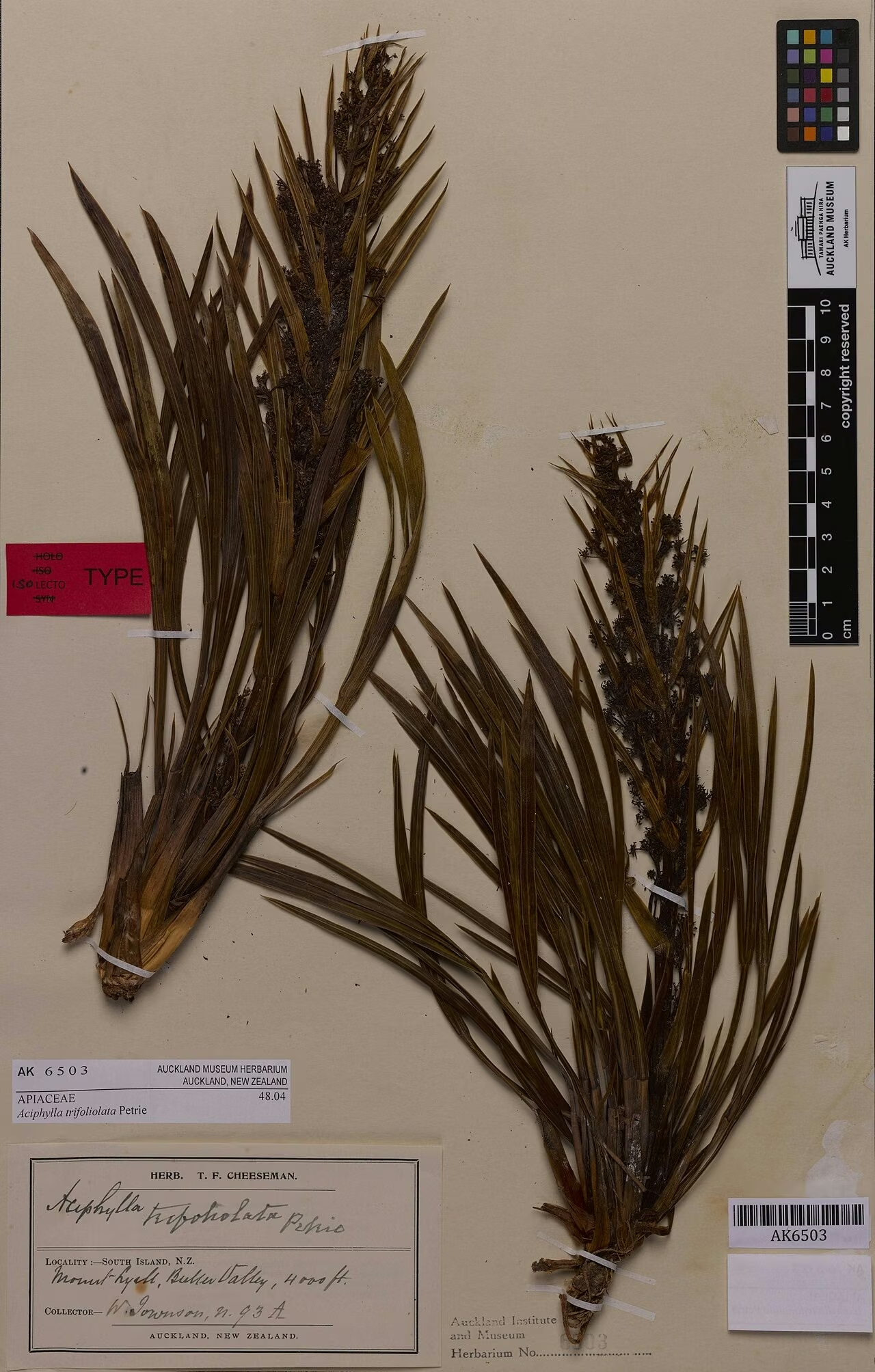
Aciphylla trifoliolata is a stout, rosette-forming speargrass in the carrot family known only from the Lyell Range above the upper Buller Gorge in the South Island. Its stiff, cartilaginous leaves are yellow to orange-green, up to 40 cm long, and usually carry just one or two pairs of narrow, spine-tipped leaflets, which gives the species its name meaning 'with three leaflets'. It grows above 1300 m on rocky ground, around outcrops and in adjacent short grassland. So little is known about its population that it is ranked Data Deficient, and NZPCN notes it may be threatened by browsing animals. Explore more native flowering plants in our native plant guide.
Plant Description
Aciphylla trifoliolata forms one to several stout rosettes of ascending leaves. The leaves are cartilaginous, yellow to orange-green and up to 400 mm long, once-pinnate with one or two pairs of leaflets. The petiole is up to 110 mm long, about half as long as the blade, and the sheath is up to 75 mm long. The lowest leaflets reach about 190 mm long and 5.5 mm wide and end in a spine up to 3 mm long; their margins and midribs are yellow and edged with a continuous series of coarse tubercles.
As in other speargrasses, male and female flowers are on separate plants. Female inflorescences are narrow and up to 45 cm long, male ones up to 32 cm. NZPCN lists the flower colours as brown and red-pink. The mericarps are about 6 mm long and 1.5 mm wide with narrow ribs.
Its closest relative is Aciphylla stannensis, found only on the Tin Range of Stewart Island. A. trifoliolata differs in having a longer petiole relative to the blade, a visible sheath joint, narrower leaflet margin ribs and midribs (0.5 mm rather than 1 mm), slender female pedicels, narrower female petals and smaller mericarps (6 x 1.5 mm rather than 8 x 3 mm).
Quick Facts
| Scientific Name | Aciphylla trifoliolata |
|---|---|
| Height | Leaves up to 0.4 m; female inflorescences up to 0.45 m |
| Spread | One to several rosettes; clump width not recorded |
| Water Needs | Moist, free-draining alpine ground |
| Light | Full sun on open rocky sites |
| Frost Tolerance | High; subalpine to alpine |
| Salt Tolerance | No information available; an inland mountain plant |
| Growth Rate | Slow |
| Lifespan | Long-lived perennial |
Climate Best Suited to
Suits the cold, wet mountain climate of the northern West Coast and Buller ranges, with heavy rainfall, frequent cloud and winter snow. It would not suit lowland gardens.
Regional Suitability
| City | Climate Suitability |
|---|---|
| Auckland | Low |
| Wellington | Low |
| Christchurch | Low |
| Dunedin | Low |
Plant Habitat
Aciphylla trifoliolata is endemic to the South Island and is known only from the Lyell Range, above the upper Buller Gorge. The species was described by Donald Petrie in 1915, and Dawson later designated a lectotype from Mount Lyell.
It grows in the subalpine to alpine zone above about 1300 m, on rocky ground, in and around rock outcrops and in the short grassland next to them.
Growing Requirements
Soil Requirements
It roots into thin, stony soils and rock crevices on and around outcrops, with some plants in adjacent short grassland soils.
- Rocky, free-draining substrate
- Low fertility
- Cool, moist root run among stones
Light Requirements
Its outcrop and short grassland habitat is open and unshaded above the treeline.
- Full sun
- Intolerant of being overtopped by shrubs
Water Requirements
The Lyell Range receives high rainfall, but its rocky habitat drains rapidly.
- Moist but never waterlogged
- Crown should stay dry between rains
Planting and Establishing
Aciphylla trifoliolata is not in general cultivation, and NZPCN records its propagation as not known. It should not be collected from its single known range.
Any material held for conservation purposes would need a deep container of gritty alpine mix in a cool, bright, airy position, treated like other high-country speargrasses.
Ecological Role
Its pollinators and seed dispersers have not been documented in the sources consulted. Like other Aciphylla, it is dioecious, so seed set depends on male and female plants growing close enough for insects to carry pollen between them.
NZPCN notes that browsing animals may threaten it. Speargrass foliage and flowering stems are eaten by introduced mammals in many mountain areas, which can prevent seeding.
Uses & Significance
Garden Uses
It has no current garden use because it is not cultivated and so little is known about its requirements.
- Potential subject for botanic garden conservation collections
- Of interest to botanists surveying the Lyell Range flora
Ecological Value
It is a narrow-range endemic and part of the distinctive alpine flora of the northwest South Island mountains.
- Known only from the Lyell Range
- Adds to the diversity of New Zealand's large Aciphylla radiation
- Contributes to plant cover on exposed rocky alpine ground
Landscaping Uses
This species is not used in landscaping. If it were ever brought into cultivation, its yellow-margined, orange-green leaves would make a striking accent in a rock garden or scree bed.
For now, gardeners wanting a similar effect should use speargrass species that are already grown by native nurseries.
Seasonal Care Calendar
Spring
New leaves expand as snow clears from the Lyell Range.
- No intervention in wild populations
- A good time to note browsing damage on surveys
Summer
NZPCN records flowering in January, with brownish or reddish-pink flowers on inflorescences up to 45 cm long.
- Record flowering plants and their sex if surveying
- Avoid trampling plants around outcrops
Autumn
Fruit ripens from January to March.
- Do not collect wild seed without authorisation
- Note seedling recruitment where seen
Winter
Plants are dormant under snow or in cold, wet conditions.
- No action required
When to Prune and How Much
No pruning is appropriate for wild plants. If grown in a conservation collection, only fully dead leaves and spent flowering stems should be removed.
Wear thick gloves, because the leaflets end in sharp spines up to 3 mm long.
How to Grow Speargrass
NZPCN lists the propagation technique for Aciphylla trifoliolata as not known, and no published account of it being grown was found in the sources consulted. The methods below are therefore the general techniques used for other alpine speargrasses, offered as a starting point for conservation growers rather than a proven recipe. Any attempt should use seed collected under authorisation from the Department of Conservation and with appropriate consultation, because the species is known only from one range and its population size is uncertain. As with other Aciphylla, seed is produced only where male and female plants grow near each other, and seedlings develop taproots that resent disturbance, so they should be moved as little as possible.
From Seed
Fruit ripens from January to March. Most alpine speargrasses germinate best after cold, moist stratification over winter, so autumn sowing in an outdoor cold frame is the logical approach.
- Collect ripe mericarps from female plants under permit in late summer
- Sow fresh into deep pots of gritty, free-draining alpine mix
- Cover lightly with grit and expose pots to winter cold outdoors
- Keep evenly moist and watch for germination the following spring
- Pot seedlings singly while small to protect the taproot
By Division
Plants with several rosettes could in theory be divided, but this risks the parent and has not been reported for this species.
- Use only established plants already held in cultivation
- Separate a rosette with its own roots in early spring
- Pot into pure grit or pumice and keep cool until rooted
Pests & Diseases
NZPCN notes that Aciphylla trifoliolata may be threatened by browsing animals. In the northern South Island mountains these include deer, goats and possums, though which of them affect this species has not been confirmed.
No diseases are recorded. In cultivation, speargrasses commonly fail from crown rot in warm, humid or poorly drained conditions.
Cultural Significance
No traditional Māori name or use is recorded specifically for Aciphylla trifoliolata in the sources consulted. Speargrasses in general are known as taramea in te reo Māori.
The species was described by Donald Petrie in 1915. Its name means 'with three leaflets', presumably referring to leaves with a single pair of side leaflets plus a terminal one.
Bonus Tip
If you botanise on the Lyell Range, photograph any speargrass with yellow-margined, orange-green leaves bearing only one or two pairs of leaflets and upload it to iNaturalist with location and altitude. Because the species is Data Deficient, records like these are exactly what is needed to assess its status.
Related Plants
Explore other native plants that share similar characteristics or habitats with Speargrass (Aciphylla trifoliolata), offering further insights into New Zealand's diverse flora. These related species provide context and opportunities for complementary planting in your garden.
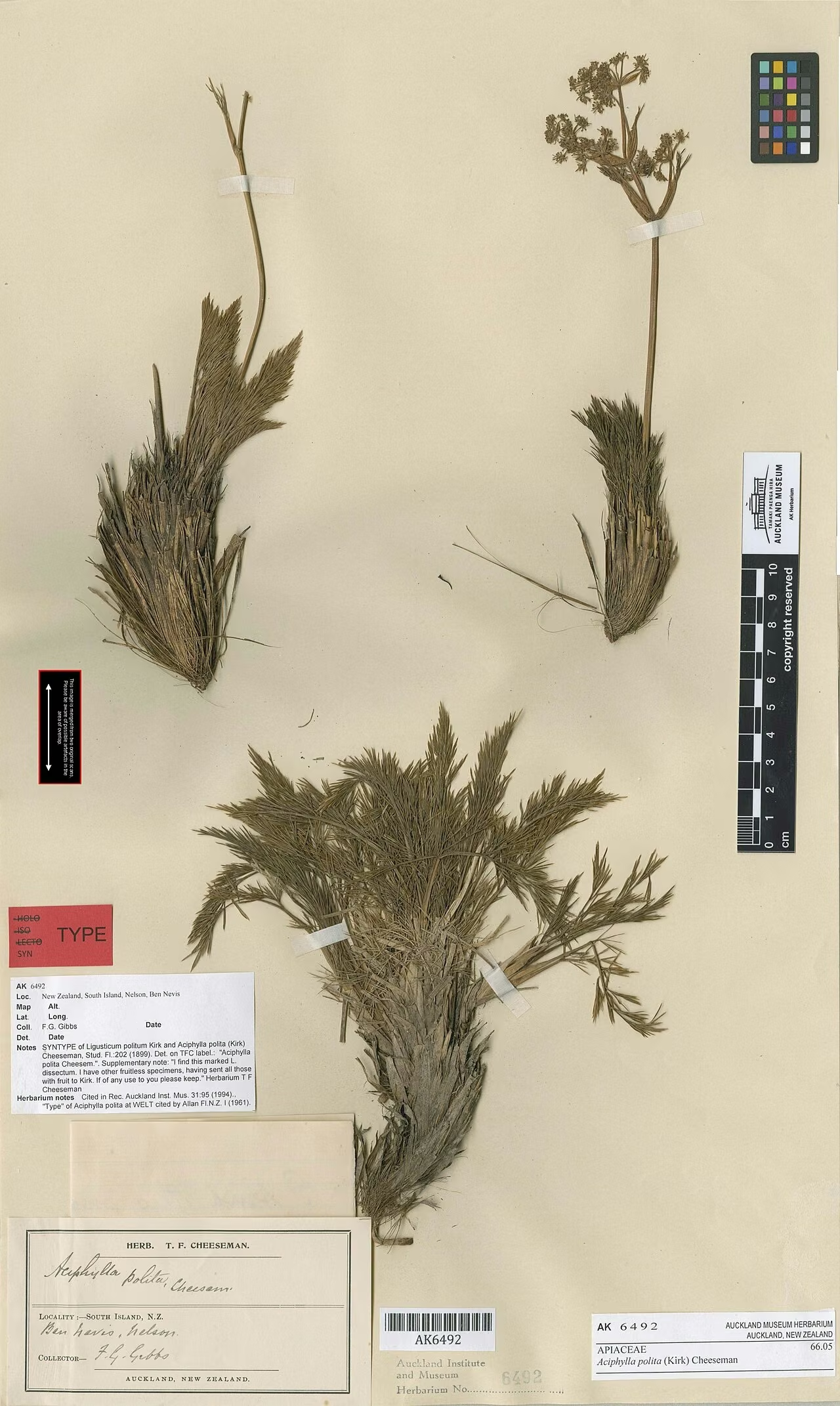
Aciphylla polita
Aciphylla polita
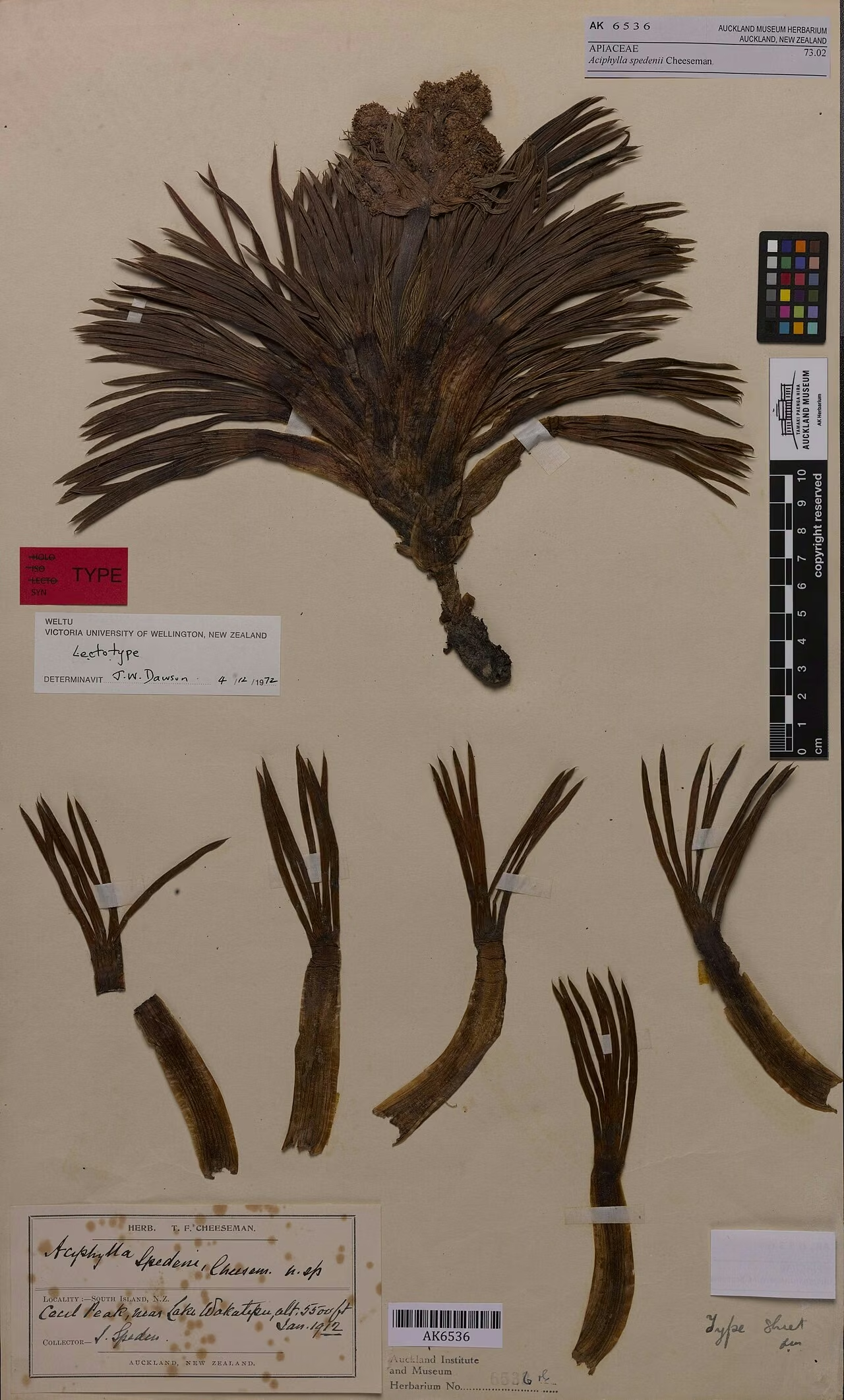
Aciphylla spedenii
Aciphylla spedenii
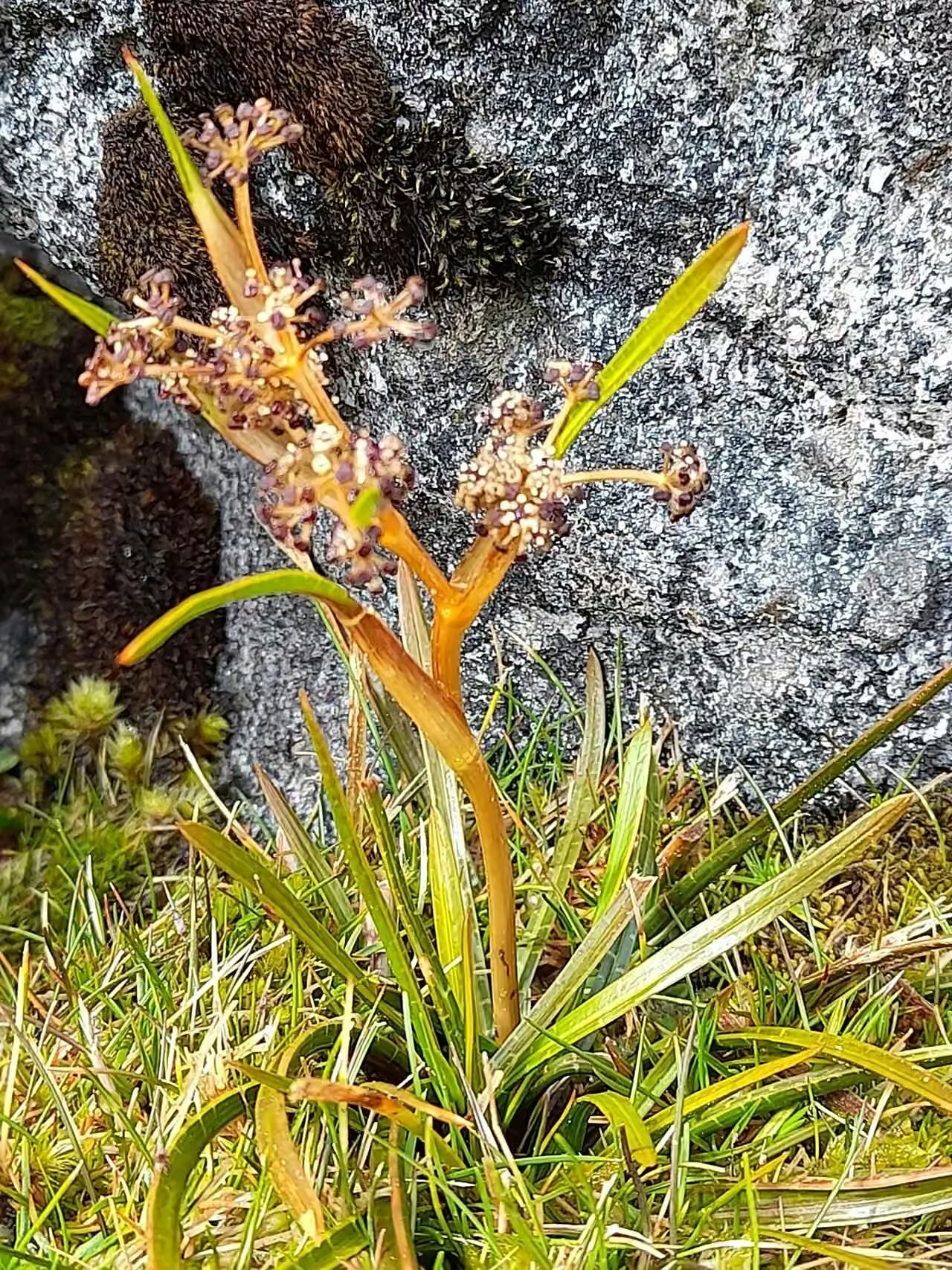
Stewart Island Speargrass
Aciphylla traillii
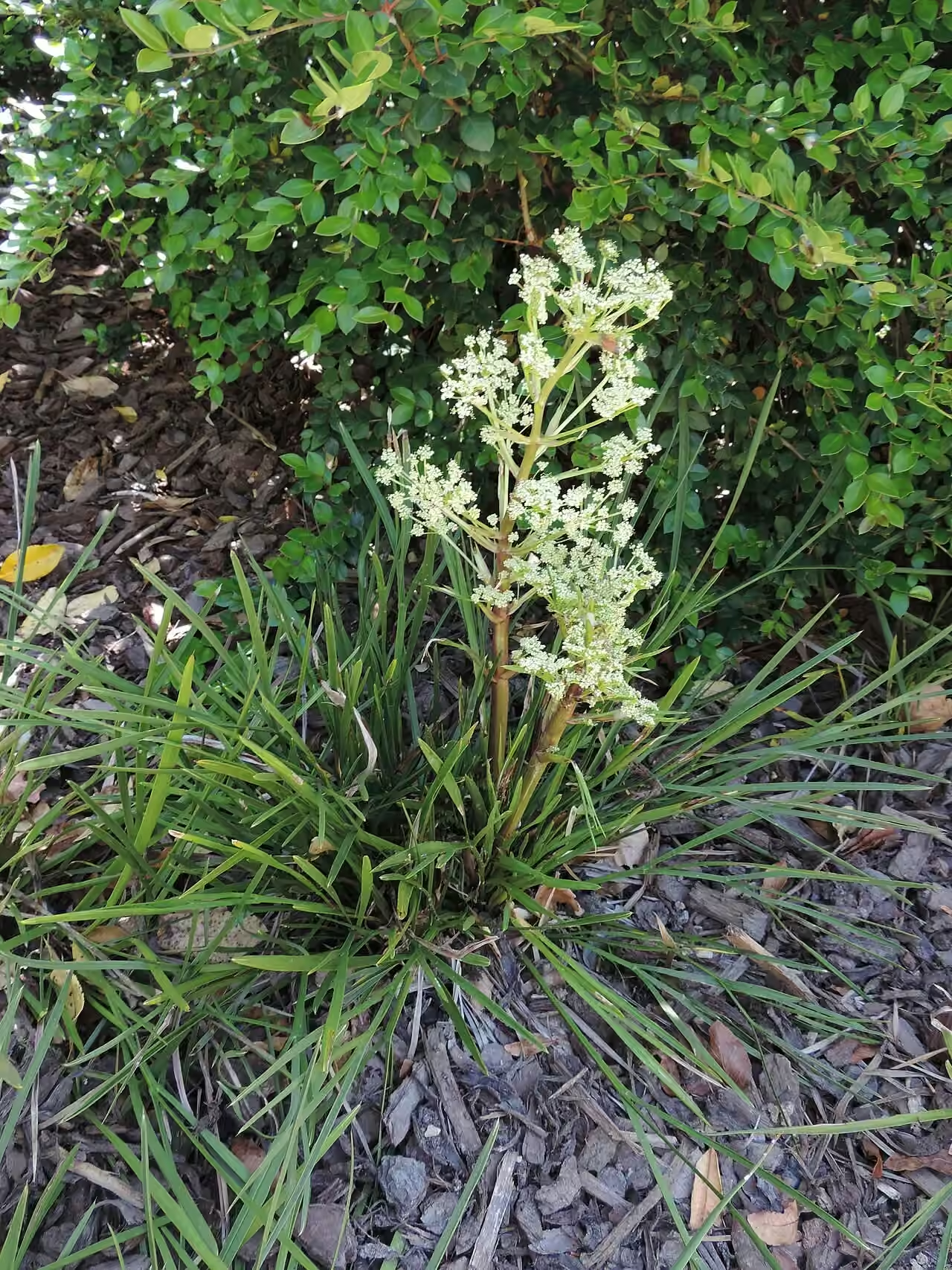
Chatham Island Speargrass
Aciphylla traversii
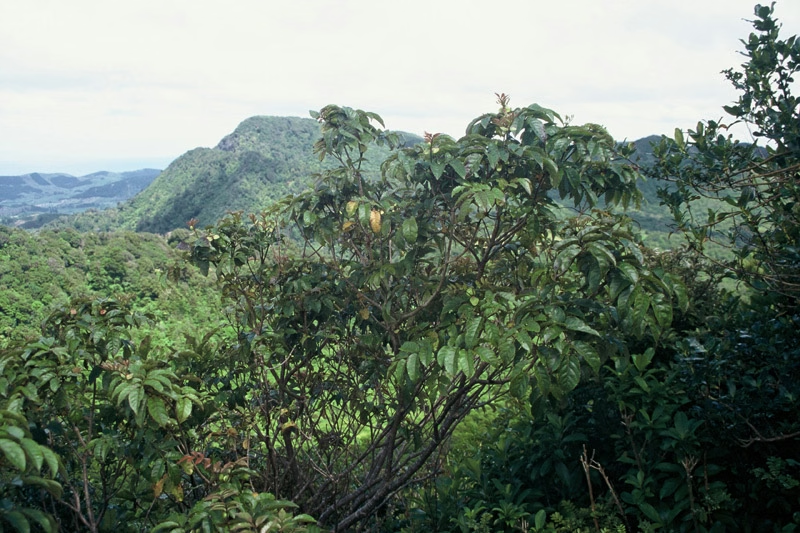
Turoa Onamata
Ackama nubicola
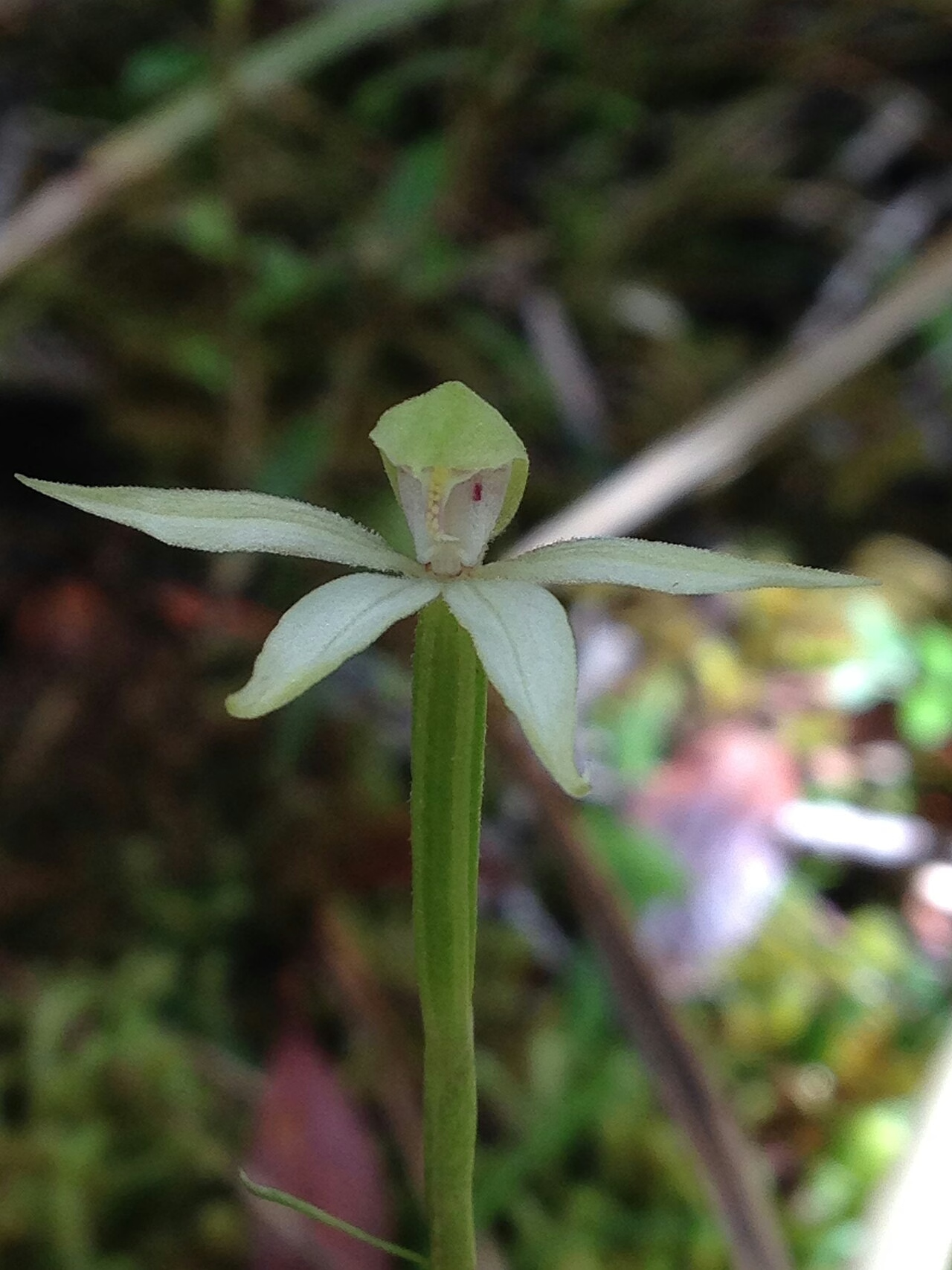
Adenochilus gracilis
Adenochilus gracilis
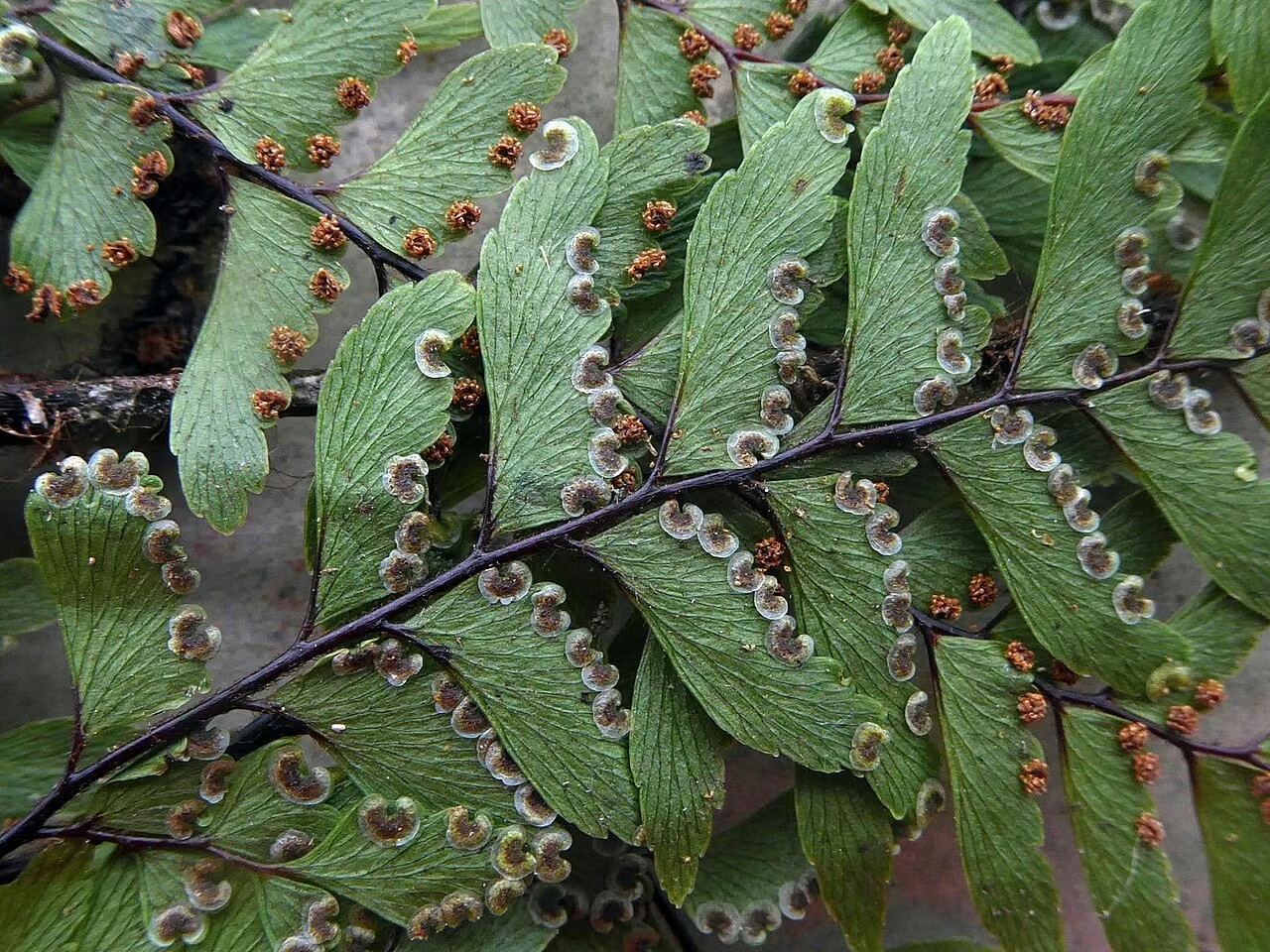
Adiantum fulvum
Adiantum fulvum
Adiantum viridescens
Adiantum viridescens
Plant Conservation
Aciphylla trifoliolata is ranked Data Deficient (2023) with the qualifier Range Restricted. In 2012 and 2017 it was ranked At Risk - Naturally Uncommon, but too little is now known about its numbers and trend to place it with confidence.
NZPCN describes it as a very local, narrow-range endemic that may be threatened by browsing animals and says a full survey and monitoring are needed. Control of browsing animals on the Lyell Range would benefit it.
Frequently Asked Questions
Where is Aciphylla trifoliolata found?
It is a narrow-range endemic of the Lyell Range in the upper Buller Gorge, South Island, growing above 1300 m on rocky ground and in short grassland near outcrops.
Why is Aciphylla trifoliolata classed as Data Deficient?
Too little is known about its population size and trend to assign a threat ranking with confidence. NZPCN says a full survey and monitoring are needed, and that browsing animals may threaten it.
What plant is Aciphylla trifoliolata most similar to?
It is closest to Aciphylla stannensis of Stewart Island's Tin Range, which has a shorter petiole, wider leaf margin ribs, stouter female flower stalks and larger fruit.
Sources and Further Reading
The botanical, growing, and conservation details for Speargrass (Aciphylla trifoliolata) on this page draw on the New Zealand plant references below. Consult them for full technical records and the latest distribution data.