Speargrass
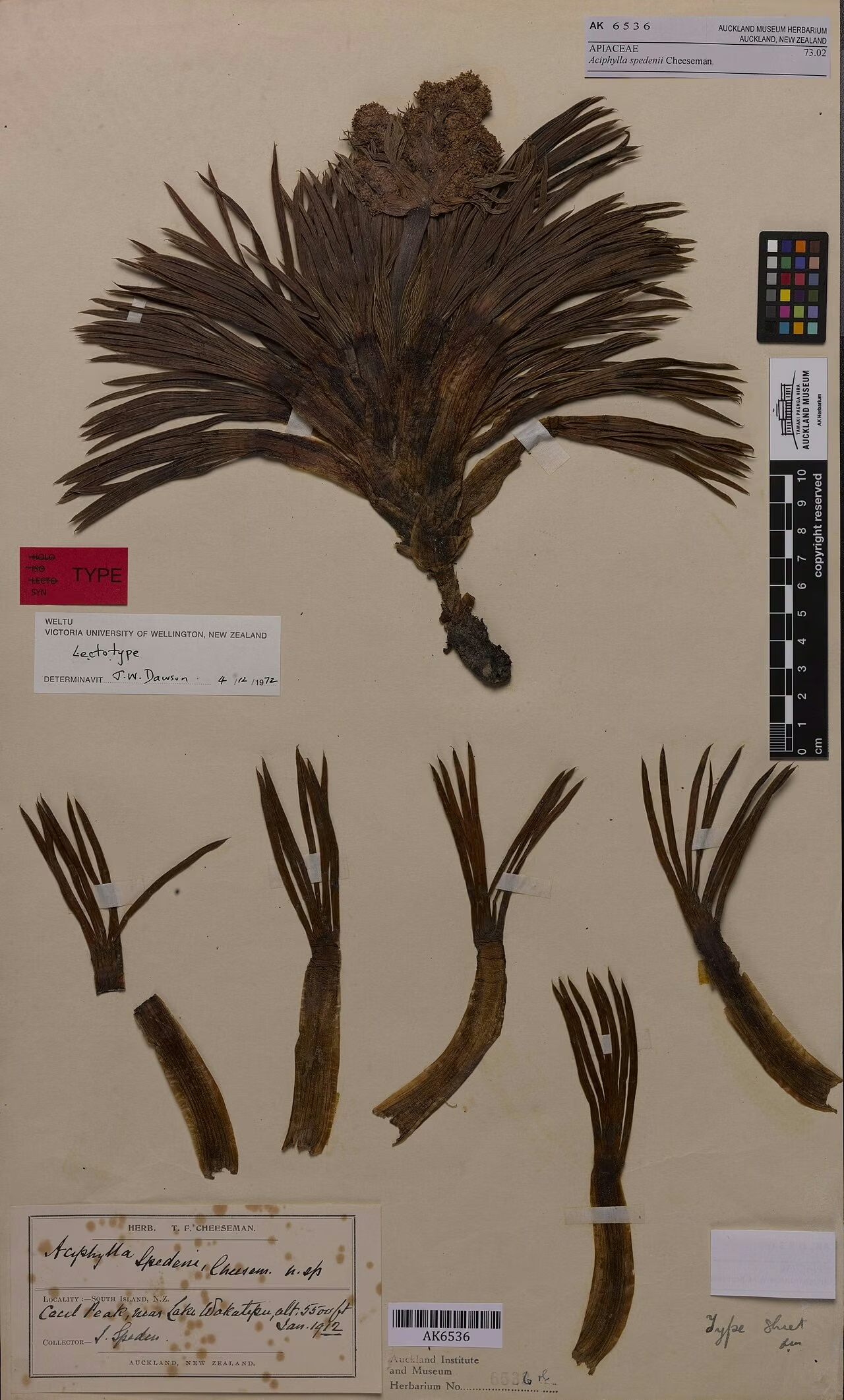
Aciphylla spedenii
Last updated:
Aciphylla spedenii is a small, cushion-forming speargrass in the carrot family (Apiaceae), endemic to the Eyre Mountains of northern Southland. It grows as clumps of soft, red-tipped rosettes up to about 0.5 m across in high alpine fellfield between 1700 and 1900 m. In summer male plants raise stout stems up to 15 cm long topped by globe-shaped heads of white flowers. Its tiny natural range makes it At Risk - Naturally Uncommon. Unlike its fierce lowland relatives, its leaves are soft rather than dagger-like, and it is not grown commercially. Explore more native flowering plants in our native plant guide.
Plant Description
Aciphylla spedenii has a stout stock that may be simple or branched, carrying single rosettes or clumps of several rosettes that together form a low cushion. The leaves are soft and finely striated, about 80 mm long, with membranous sheaths about 15 to 20 mm wide and sharp-tipped stipules. The leaflets are arranged in a near fan-like group of five, and NZPCN notes that the leaf tips are red, a useful field character.
Like other speargrasses it has separate male and female plants. Male plants produce stout flowering stems up to 15 cm long bearing a roughly globe-shaped inflorescence up to about 10 cm across, with white, clawed petals. The fruit is 4.2 to 5 mm long with five evenly winged ribs and ripens pale orange-yellow. The older Flora of New Zealand text records that the female inflorescence was not then known.
Its closest relative is Aciphylla congesta, which is slightly larger, with flowering stems up to 300 mm and flower globes about 120 mm across, and lacks the red-tipped leaves. Within the Eyre Mountains it is the only cushion speargrass of this kind.
Quick Facts
| Scientific Name | Aciphylla spedenii |
|---|---|
| Height | Foliage cushion low; male flowering stems up to 0.15 m |
| Spread | Clumps 0.3-0.5 m across |
| Water Needs | Moist; snowmelt-fed alpine ground |
| Light | Full sun in open fellfield |
| Frost Tolerance | Very high; a high alpine species |
| Salt Tolerance | No information available; an inland alpine plant |
| Growth Rate | Slow |
| Lifespan | Long-lived perennial |
Climate Best Suited to
Suits a cold, high alpine climate with long snow cover, hard frosts and a short summer growing season. It is not suited to lowland gardens anywhere in New Zealand.
Regional Suitability
| City | Climate Suitability |
|---|---|
| Auckland | Low |
| Wellington | Low |
| Christchurch | Low |
| Dunedin | Low |
Plant Habitat
Aciphylla spedenii is endemic to the South Island, where it is confined to the Eyre Mountains in northern Southland. It grows in the high alpine zone at about 1700 to 1900 m above sea level.
Its habitat is fellfield: exposed, sparsely vegetated, stony ground above the tussock grasslands where frost heave, wind and snow restrict plant cover to scattered cushions and low herbs.
Growing Requirements
Soil Requirements
In the wild it roots into stony, freely draining fellfield soils of the Eyre Mountains.
- Coarse, rocky, low-fertility mineral soil
- Excellent drainage around the crown
- Deep, cool root run beneath surface stones
Light Requirements
Fellfield is open ground with no shade from shrubs or trees, so the plant grows in full exposure.
- Full sun and wind
- Would be smothered if taller vegetation established around it
Water Requirements
Moisture comes from rain, cloud and melting snow, while the stony ground drains quickly so the crown rarely sits wet.
- Cool, moist roots with a dry crown
- Protected under snow in winter
Planting and Establishing
Aciphylla spedenii is not commercially available and is not a practical garden plant. Wild plants and seed should not be collected from its tiny natural range.
Alpine specialists who obtain legally sourced seed would need a deep pot or trough of very gritty mix, kept cold in winter and cool in summer, with protection from humid, still air.
Ecological Role
NZPCN records that its winged fruits are dispersed primarily by wind, which suits the open, exposed fellfield where it grows. As with other speargrasses, flowering is likely to vary from year to year.
The insects that visit its white flower heads in the Eyre Mountains have not been documented in the sources consulted.
Uses & Significance
Garden Uses
It has essentially no place in ordinary gardens because it is not in cultivation and requires true alpine conditions.
- Specialist alpine trough or alpine house only, from legal seed
- Botanic garden alpine collections
- Best appreciated in the wild in the Eyre Mountains
Ecological Value
It is one of the narrow-range alpine endemics that give the Eyre Mountains a distinctive flora.
- Found nowhere else in the world
- Cushions provide shelter and soil stability on exposed fellfield
- Contributes flowers to a short alpine summer
Landscaping Uses
This species is not used in landscaping. In a collection it would be shown in a scree bed or trough among rocks, where the red-tipped rosettes contrast with grey stone.
Gardeners wanting a compact Aciphylla are better served by nursery-grown species already established in cultivation.
Seasonal Care Calendar
Spring
Snow melts late in the high Eyre Mountains, and new leaves emerge from the rosettes as the ground thaws.
- Wild plants need no intervention
- Keep any cultivated plants cool as growth starts
Summer
Flowering is in December and January, when male plants carry globe-shaped heads of white flowers.
- Look for flowering cushions on fellfield
- Avoid trampling fragile alpine ground
Autumn
Fruit ripens from January to February and the winged seed is shed onto the fellfield.
- Do not collect seed from wild plants
- Watch for rot in cultivated plants as conditions dampen
Winter
Plants lie dormant under snow through the long alpine winter.
- No action required
- Cultivated plants need cold, dry-crowned conditions
When to Prune and How Much
No pruning is needed. On cultivated plants, pull away only fully dead old leaves at the base of the rosettes, using gloves because the stipules have sharp tips.
Remove spent flowering stems once any seed has been gathered.
How to Grow Speargrass
No published propagation record for Aciphylla spedenii was found in the sources consulted, and NZPCN does not list it as commercially available. The methods below describe the general approach used for alpine Aciphylla species rather than a proven protocol for this one. Because both sexes are needed for seed, and wild plants are scarce, any propagation should be done only from material already held legally in cultivation or collected under permit for conservation purposes. Speargrasses resent root disturbance, so whatever method is used, young plants should be moved into their final pots early and handled as little as possible.
From Seed
Seed is the usual method for alpine speargrasses. The fruits ripen from January to February. Seed of alpine Aciphylla generally germinates best after a period of cold, so sowing fresh in autumn and leaving pots outside over winter mimics natural conditions.
- Collect ripe, pale orange-yellow fruits from a fertilised female plant
- Sow fresh in autumn into deep pots of gritty, free-draining mix
- Cover lightly with grit and leave outdoors in a cold, sheltered spot over winter
- Expect germination in spring; prick out seedlings singly while small
- Grow on in a cool, well-ventilated position, keeping the crown dry
By Division
Clumps with several rosettes can in principle be separated, but each piece needs its own section of taproot or roots, and losses are likely. This is a last resort for established cultivated plants.
- Lift a multi-rosette clump in early spring
- Separate a rosette with roots attached using a clean knife
- Pot into pure grit or pumice and keep cool and lightly moist
- Do not disturb again until new leaves show it has rooted
Pests & Diseases
No specific pests are recorded for Aciphylla spedenii. In cultivation the main risk for alpine speargrasses is crown rot in warm, humid or poorly drained conditions.
In the wild, introduced browsing animals eat many speargrass species, although no browsing impact is documented for this one in the sources consulted.
Cultural Significance
No traditional Māori name or use is recorded specifically for Aciphylla spedenii in the sources consulted. Speargrasses in general are known in te reo Māori as taramea.
The species was described by Thomas Cheeseman in 1912. NZPCN states that the name honours James Speden, a New Zealand explorer.
Bonus Tip
When comparing alpine speargrass photographs from Southland, check the leaf tips: red tips, short flower stems and a flower globe around 10 cm across point to Aciphylla spedenii rather than the similar Aciphylla congesta.
Related Plants
Explore other native plants that share similar characteristics or habitats with Speargrass (Aciphylla spedenii), offering further insights into New Zealand's diverse flora. These related species provide context and opportunities for complementary planting in your garden.
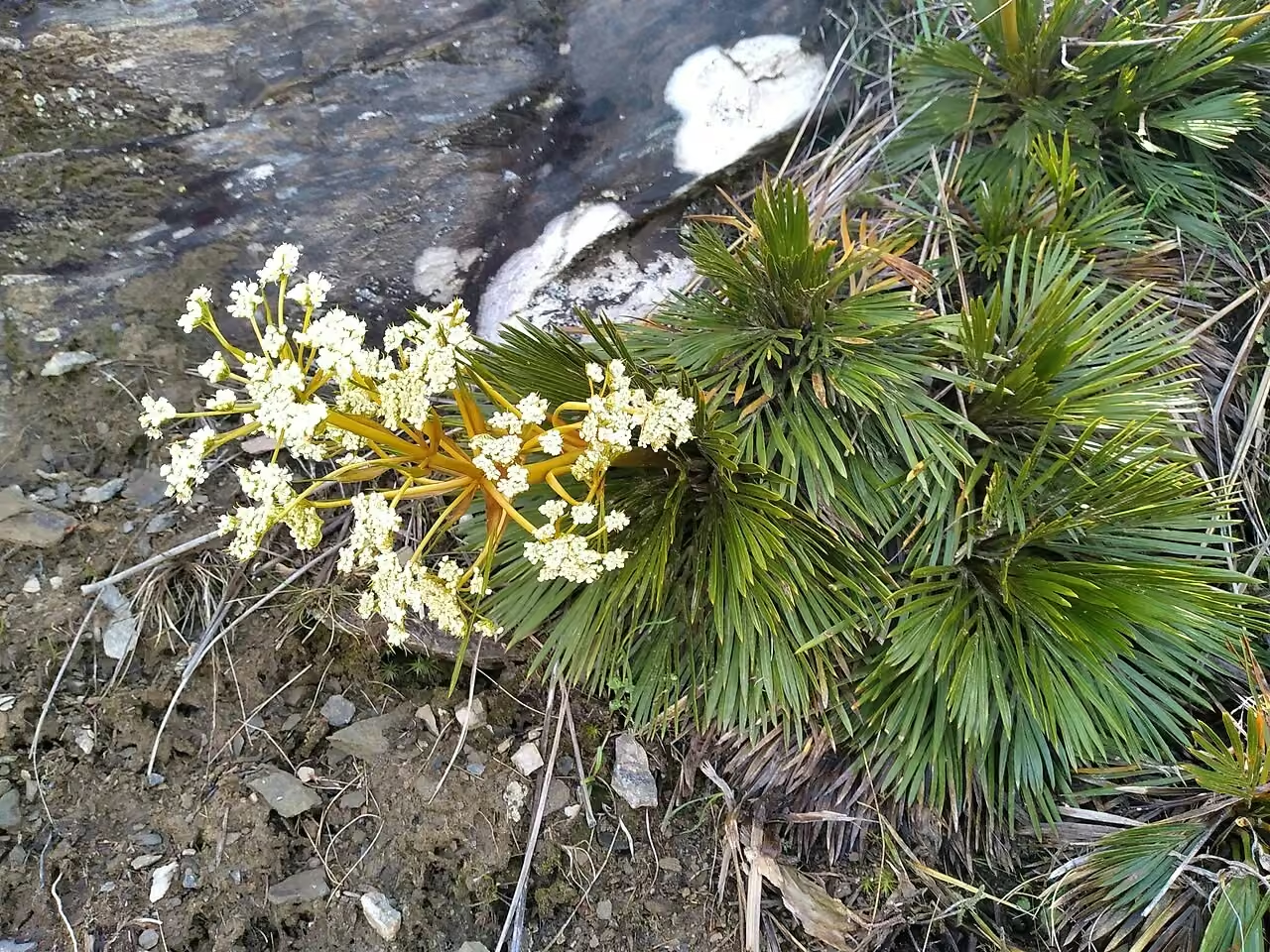
Aciphylla lecomtei
Aciphylla lecomtei
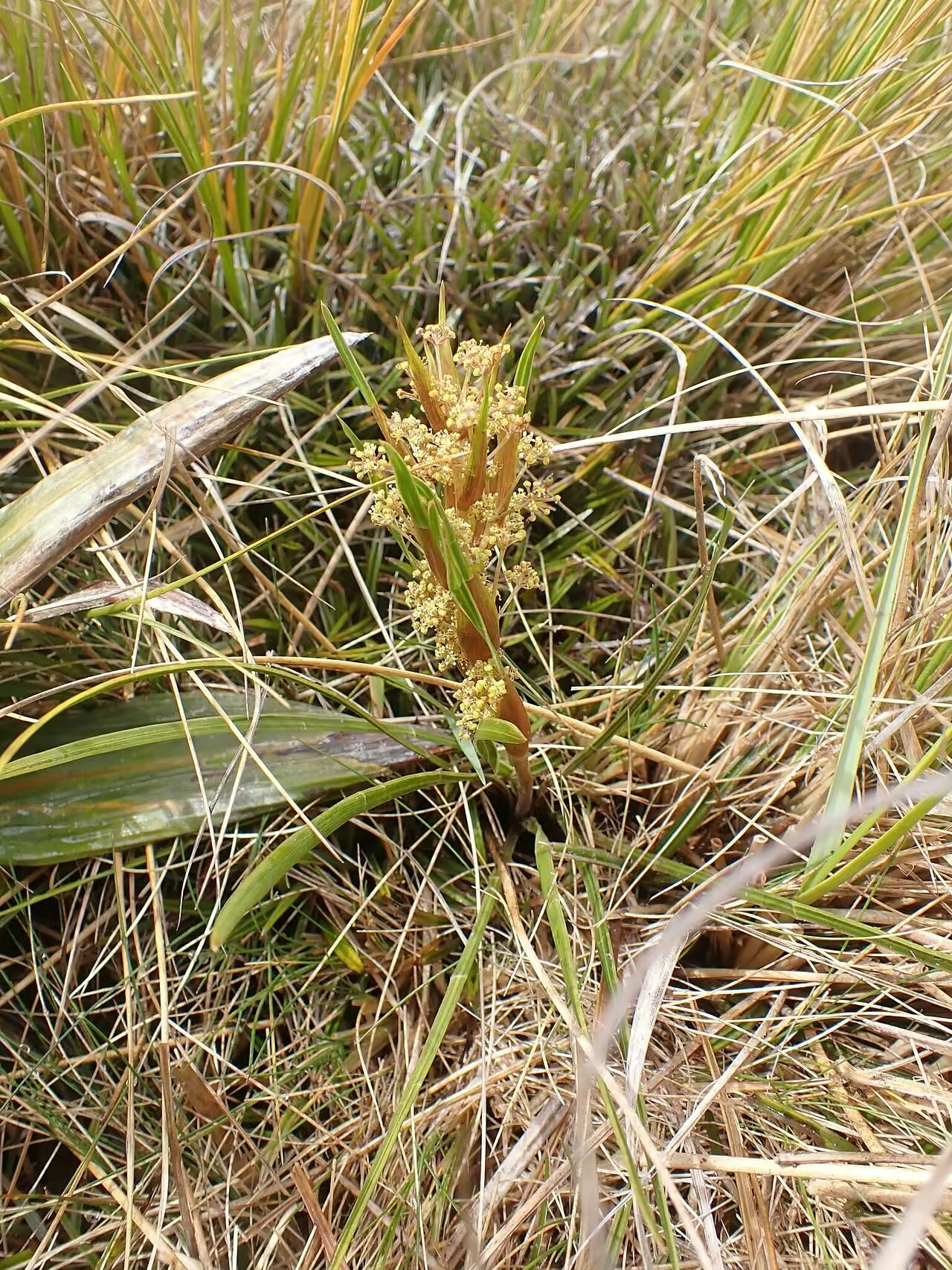
Aciphylla lyallii
Aciphylla lyallii
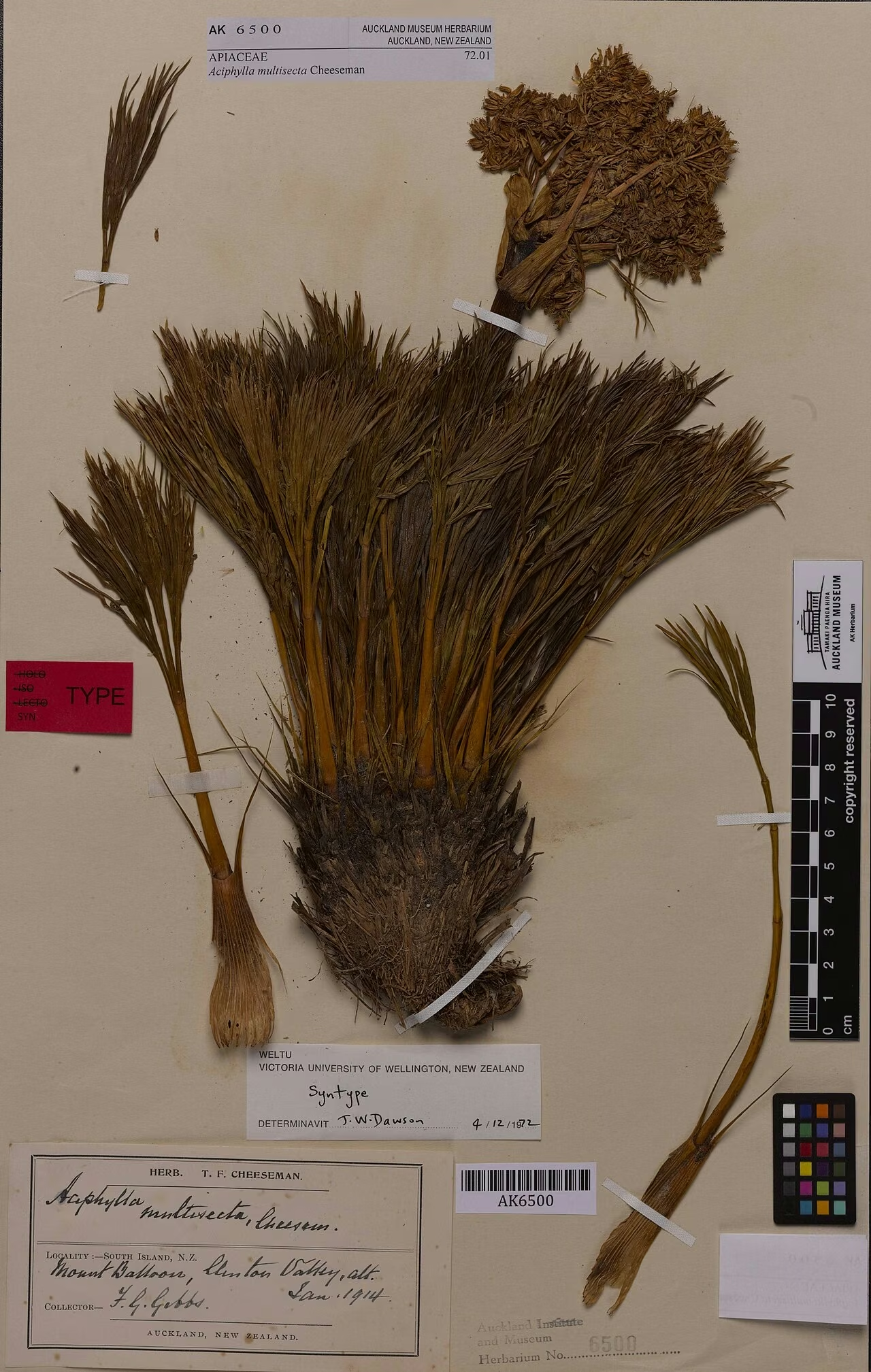
Aciphylla multisecta
Aciphylla multisecta
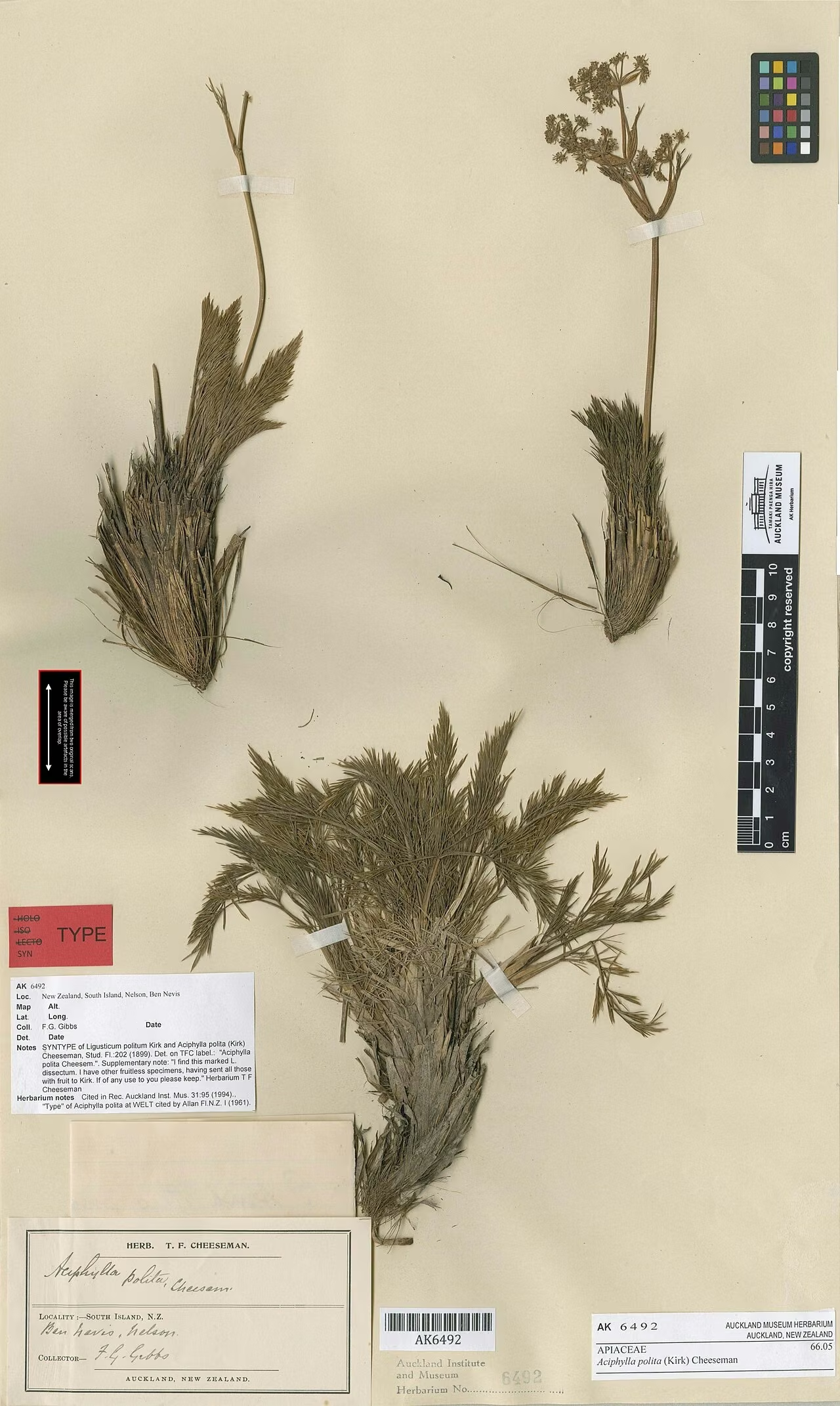
Aciphylla polita
Aciphylla polita
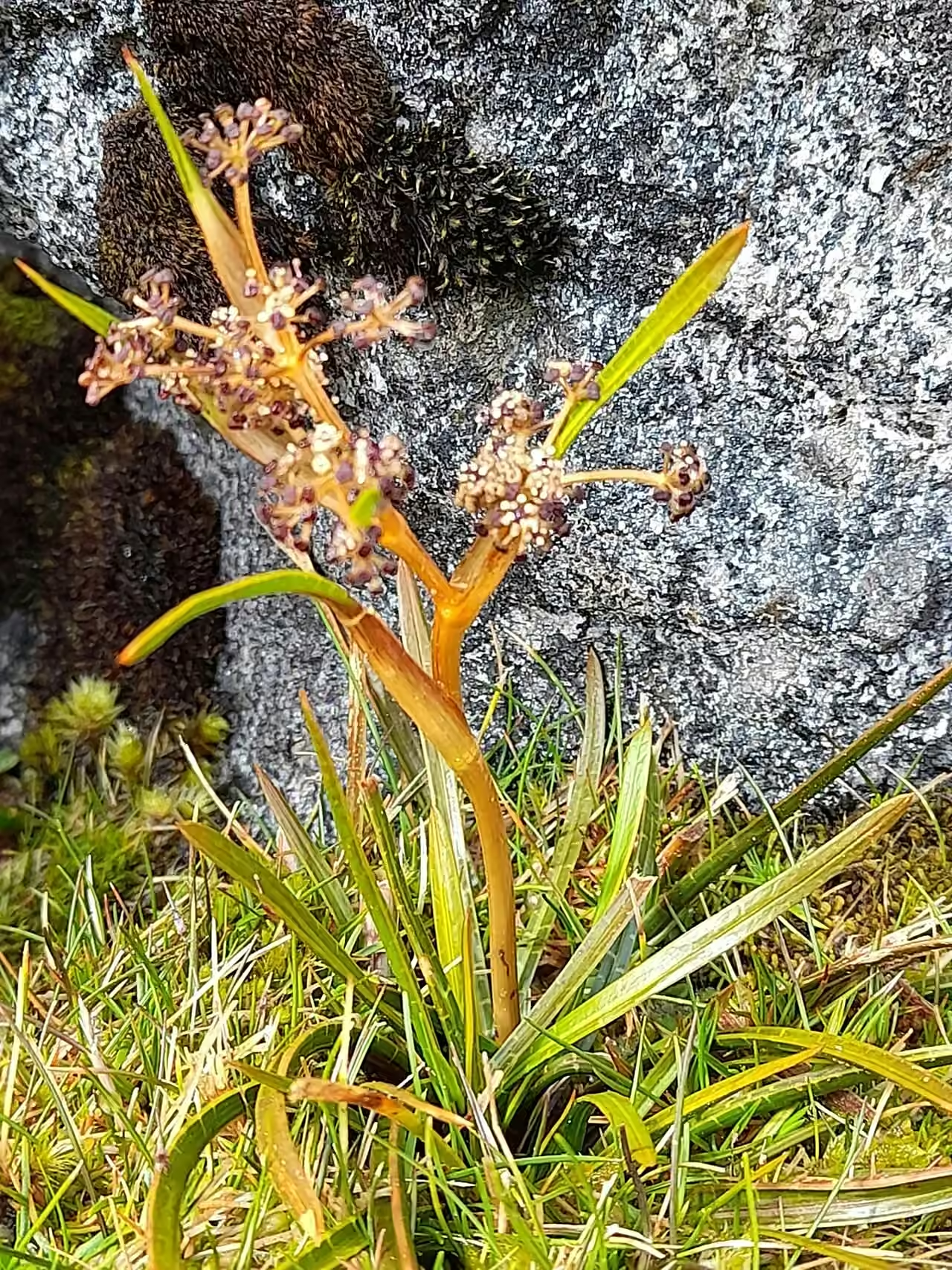
Stewart Island Speargrass
Aciphylla traillii
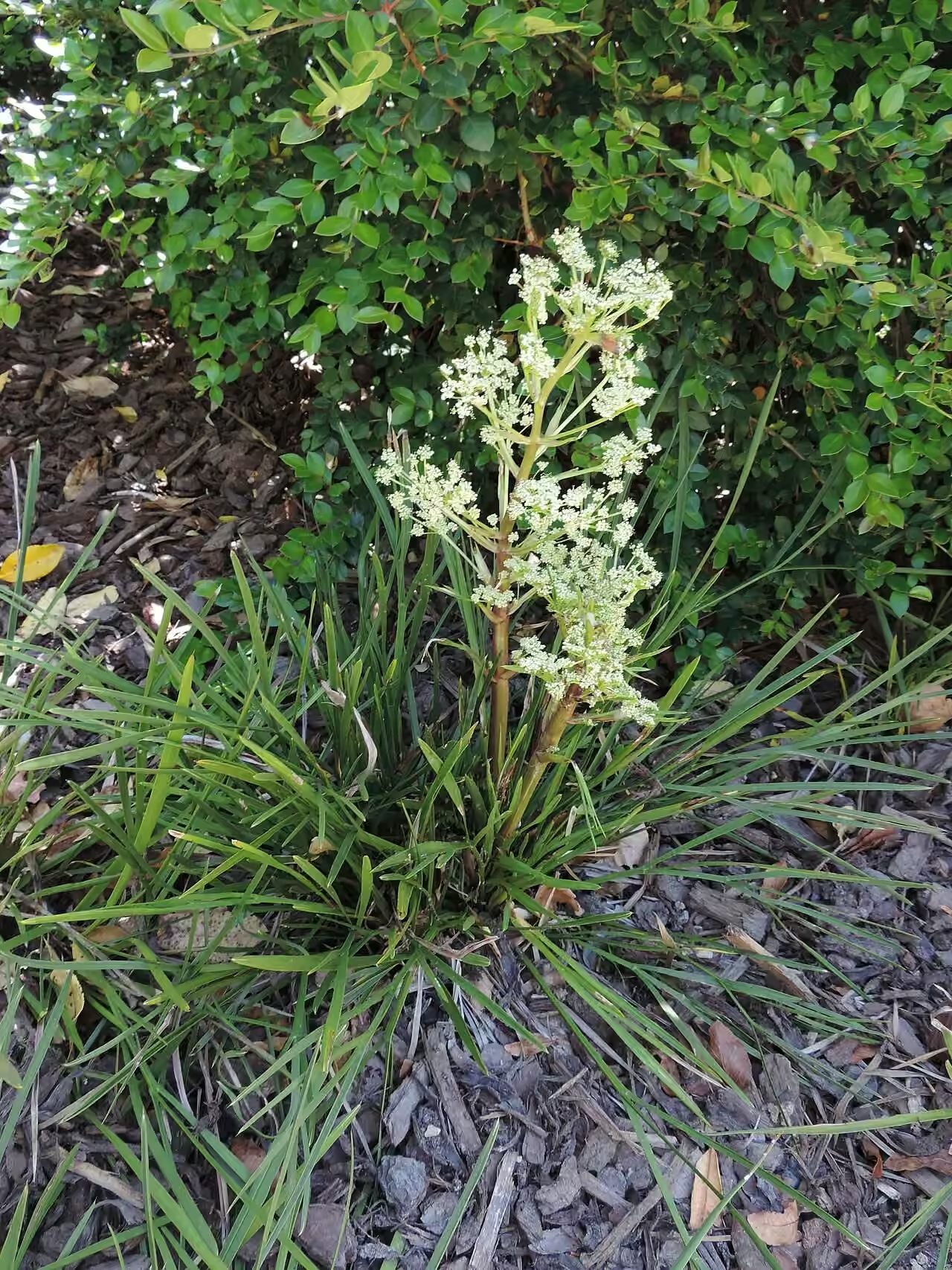
Chatham Island Speargrass
Aciphylla traversii
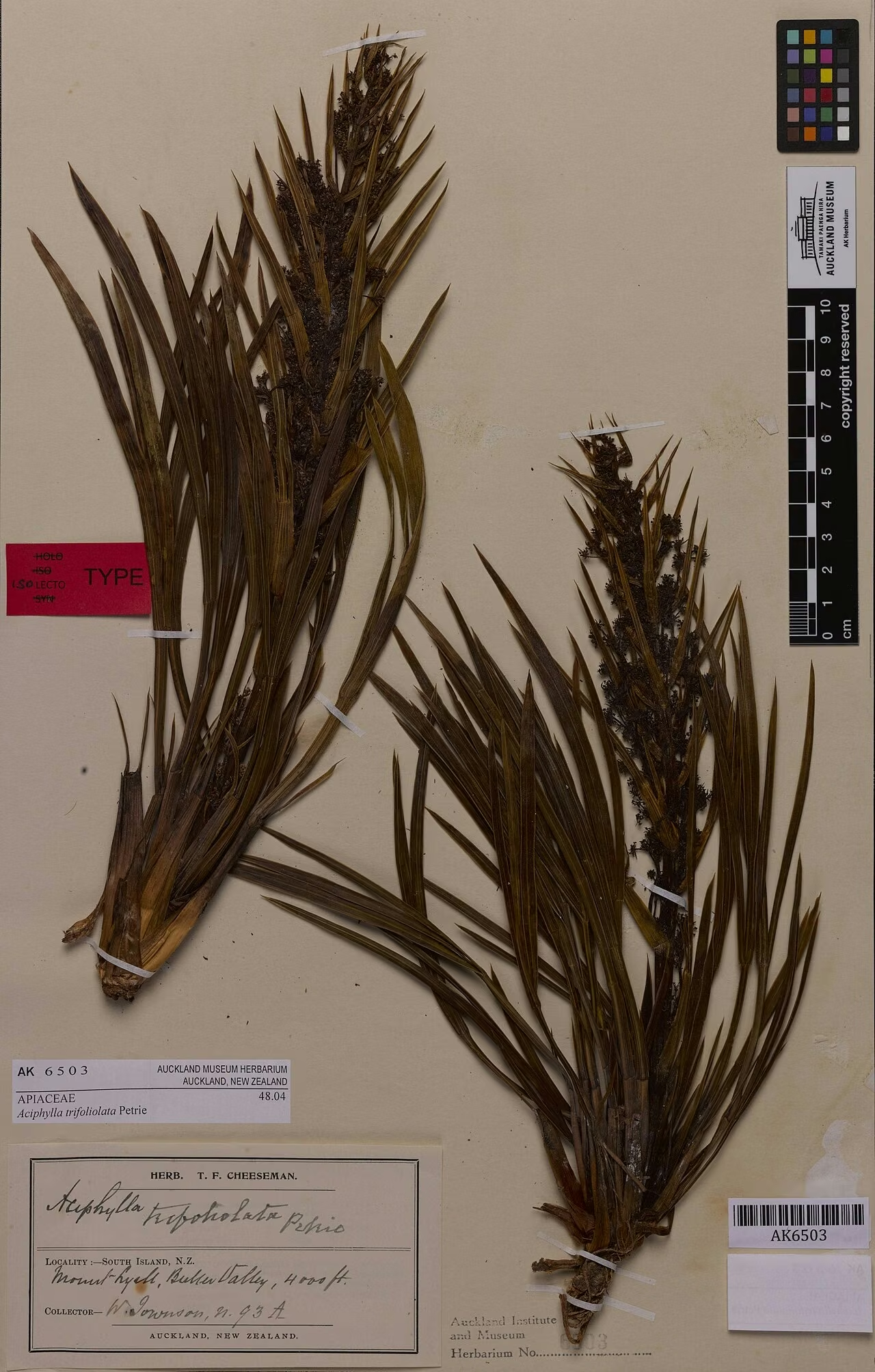
Aciphylla trifoliolata
Aciphylla trifoliolata
Turoa Onamata
Ackama nubicola
Plant Conservation
Aciphylla spedenii is ranked At Risk - Naturally Uncommon (2023) with the qualifiers Sparse, Data Poor Trend and Range Restricted. Its rarity reflects its very small natural range in one mountain group rather than a documented decline.
Because its trend is poorly known, recording observations on iNaturalist and keeping to established routes in the Eyre Mountains help. Plants and seed should never be collected from the wild.
Frequently Asked Questions
Where does Aciphylla spedenii grow?
It is found only in the Eyre Mountains of northern Southland, in high alpine fellfield at about 1700 to 1900 m above sea level.
How do you tell Aciphylla spedenii from Aciphylla congesta?
The two are very similar cushion speargrasses, but A. spedenii has red-tipped leaves, shorter flowering stems up to 150 mm and smaller flower globes about 100 mm across. A. congesta lacks the red leaf tips.
Is Aciphylla spedenii spiny like other speargrasses?
Its leaves are described as soft and striate, so it is far less dangerous to handle than the large rigid speargrasses, although the stipules have sharp tips.
Who is Aciphylla spedenii named after?
NZPCN states that the epithet honours James Speden, a New Zealand explorer. Thomas Cheeseman described the species in 1912.
Sources and Further Reading
The botanical, growing, and conservation details for Speargrass (Aciphylla spedenii) on this page draw on the New Zealand plant references below. Consult them for full technical records and the latest distribution data.