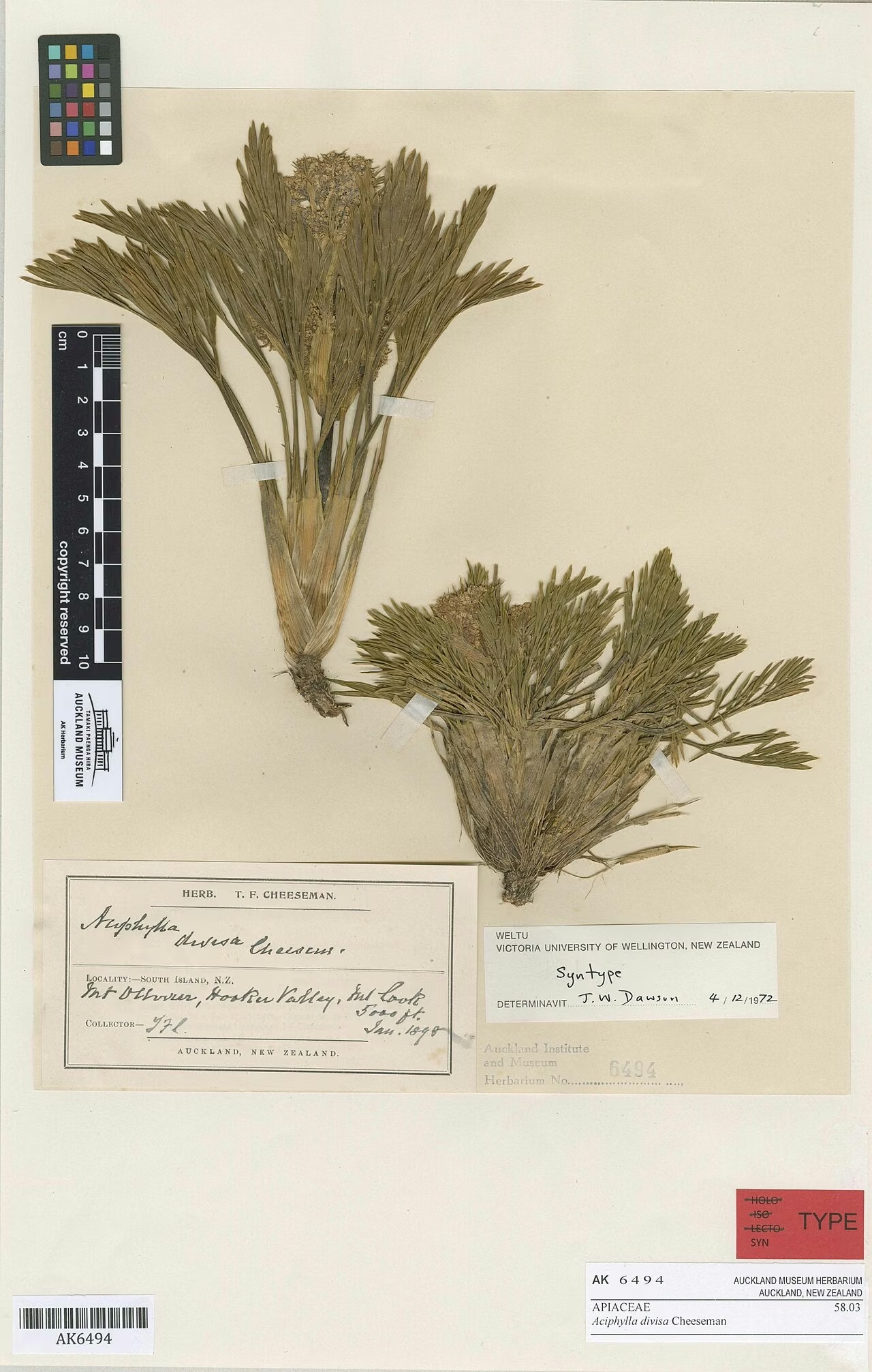
Speargrass
Aciphylla divisa
Last updated:
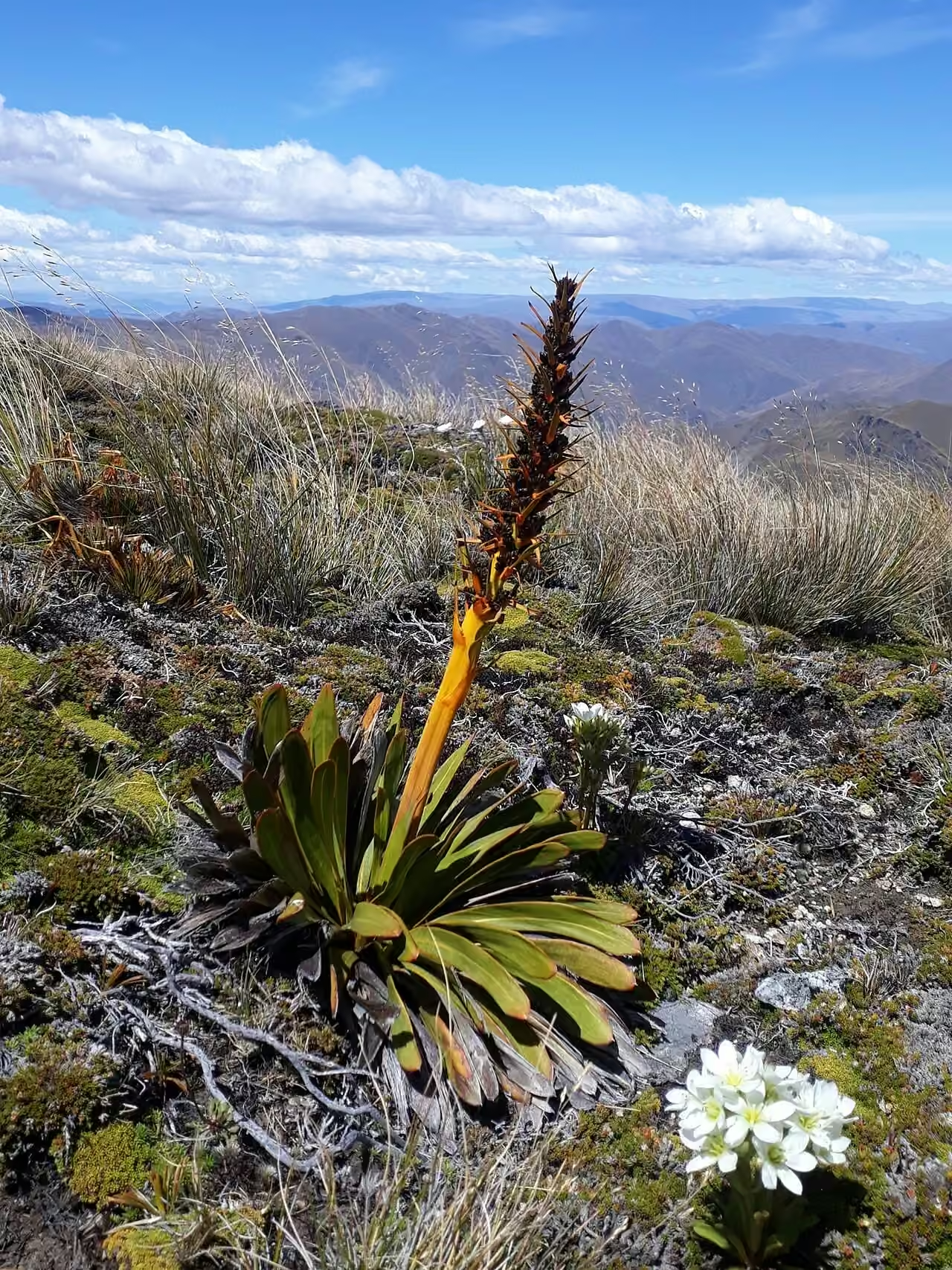
Aciphylla divisa is a golden, spiky speargrass of the South Island mountains, found from central Canterbury southwards along the Southern Alps and especially common in South Westland. It forms tufts about 40 cm tall, densely wrapped in old dead leaf sheaths, with finely divided, fern-like leaves tinged gold and ending in sharp points. Male plants carry flat-topped flower heads about 10 cm across on stems up to 50 cm, while females bear rounded panicles. It grows in low alpine snow tussock herbfield between about 1100 and 1700 m, where it is often common and conspicuous, and is ranked Not Threatened. Explore more native flowering plants in our native plant guide.
Plant Description
Aciphylla divisa is a tufted herb of the carrot family, about 40 cm tall, with its base densely surrounded by the persistent dead sheaths of old leaves. The fern-like foliage has a golden tinge, giving the plant a distinctive golden, spiky look in the field.
The leaf sheaths are up to 80 by 15 mm, with slender, sharp stipules about 20 mm long. The petioles are about 50 to 60 mm long, and each leaf has 4 to 8 pairs of primary pinnae, 40 to 70 mm long and 3 mm wide, further divided into secondary and tertiary segments that taper to sharp points with thickened margins. Male and female flowers are on separate plants. Males produce stems up to 50 cm tall and 9 mm thick ending in flat-topped, umbrella-shaped inflorescences about 100 mm across, while females bear globose panicles of similar size. The fruits are about 4 mm long.
It is closely related to Aciphylla dissecta of the Tararua Range, which has smaller leaf sheaths (about 30 by 3 to 5 mm) and thread-like rather than spiny stipule tips. The two species do not overlap in range.
Quick Facts
| Scientific Name | Aciphylla divisa |
|---|---|
| Height | About 40 cm; male flower stems to 50 cm |
| Spread | Tufts about 30-50 cm across |
| Water Needs | Moist; high rainfall alpine habitat |
| Light | Full sun |
| Frost Tolerance | Very high; low alpine species |
| Salt Tolerance | Not recorded; an inland alpine plant |
| Growth Rate | Slow |
| Lifespan | Long-lived perennial |
Climate Best Suited to
Suited to the cold, snowy and often very wet low alpine climate of the Southern Alps, especially on the western side; it is not suited to warm lowland gardens.
Regional Suitability
| City | Climate Suitability |
|---|---|
| Auckland | Low |
| Wellington | Low |
| Christchurch | Low |
| Dunedin | Medium |
Plant Habitat
Aciphylla divisa is endemic to the South Island (Te Waipounamu), ranging from central Canterbury southward along the Southern Alps through Westland, Otago and Southland. NZPCN describes it as common in South Westland. The lectotype was collected on Mount Ollivier, near Aoraki/Mount Cook, in January 1898.
It grows in the low alpine zone, about 1100 to 1700 m above sea level, and is often common and conspicuous in higher-elevation snow tussock herbfield.
Growing Requirements
Soil Requirements
It grows in moist alpine soils among snow tussocks and herbs, typically stony and with good drainage.
- Moist but free-draining gritty soil
- Deep pots or beds for the root system
- Low fertility
Light Requirements
A plant of open herbfield, it needs full light.
- Full sun in a cool climate
- Avoid hot, dry sites
Water Requirements
The western Southern Alps receive very high rainfall, so the plant is adapted to frequent moisture.
- Keep evenly moist
- Ensure drainage to prevent crown rot
Planting and Establishing
No cultivation notes specific to this species were found in the sources consulted. It is a high alpine plant that is unlikely to thrive in lowland conditions.
Alpine enthusiasts in cool southern districts could try legally sourced seedlings in a raised scree bed with moist, gritty soil and full sun, placed away from paths because of the sharp leaves.
Ecological Role
NZPCN notes that its winged fruits are dispersed primarily by wind. With separate male and female plants, seed is set only where both sexes flower near each other, and Te Papa notes that male speargrasses tend to flower more often than females.
Its possible hybrids with Aciphylla montana and with the related carrot-family genus Anisotome, recorded on Aoraki/Mount Cook, show how closely the alpine Apiaceae of the Southern Alps are interlinked.
Uses & Significance
Garden Uses
Of interest mainly to alpine plant enthusiasts and for its role in mountain herbfields; it is not a general garden plant.
- Specialist alpine and scree gardens in cool districts
- Botanical collections of speargrasses
- Not suited to lowland gardens
Ecological Value
It is a conspicuous member of South Island snow tussock herbfield, especially in South Westland.
- Common component of high herbfield
- Flowers offer food to alpine insects
- Speargrasses host specialist native invertebrates
Landscaping Uses
In the mountains, its golden, finely cut tufts contrast with the straw tones of snow tussock and the greens of alpine herbs.
In a garden, the golden foliage would make a striking accent in a scree bed, but its sharp tips mean it should be set well back from paths.
Seasonal Care Calendar
Spring
Growth resumes as snow melts from the low alpine herbfield.
- Flower stems begin to rise on mature plants
Summer
Flowering runs from November to January, with flat-topped male heads and rounded female heads.
- Look for golden tufts in snow tussock on alpine walks
- Wear long trousers in speargrass country
Autumn
Fruiting occurs in February and March, when the winged fruits are released.
- Leave wild seed undisturbed
Winter
Plants rest under snow, protected by their sheath of old dead leaf bases.
- No action required
When to Prune and How Much
No pruning is needed. Leave the dead leaf sheaths around the base, as they form part of the plant's natural protection.
On a cultivated plant, old flower stems can be removed once dry, wearing thick gloves.
How to Grow Speargrass
No propagation protocol specific to Aciphylla divisa was found in the sources consulted, so the methods below describe the general approach used for alpine speargrasses. Seed is the main method. Because males and females are separate plants and males flower more often, seed can be scarce, and a female needs a male flowering nearby in the same season. The plant's tufted, single-crowned habit means division is seldom practical. Do not collect from the wild without Department of Conservation permission, as most of its habitat is public conservation land.
From Seed
Fruits ripen in February and March. As with other alpine speargrasses, sow seed fresh and give it a cold, moist winter outdoors, which mimics conditions under alpine snow. Germination may be slow and uneven, so keep pots for at least two seasons.
- Collect ripe winged fruits from a female plant in late summer
- Sow fresh in deep pots of gritty, moist mix
- Leave outdoors in a cold, shaded place over winter
- Pot seedlings individually into deep containers once they have true leaves
By Division
Older cultivated plants occasionally produce side crowns, which can be separated with roots attached, though losses are likely, so only attempt it on a well-established plant with several healthy crowns.
- Look for a side crown with its own roots in spring
- Separate it carefully with a sharp knife, wearing gloves
- Pot into a gritty, moist mix
- Keep cool and lightly shaded until established
Pests & Diseases
No specific pests are recorded for this species in the sources consulted. Browsing by introduced deer, chamois and tahr can damage speargrasses in the Southern Alps.
In cultivation, crown rot in warm or poorly drained conditions is the main risk.
Cultural Significance
Te Papa notes that larger speargrasses are known as taramea, whose scented sap was valued for perfume, and smaller ones as papaī. No traditional Māori use specific to Aciphylla divisa is recorded in the sources consulted.
It was originally described as a variety of Aciphylla monroi from a specimen collected on Mount Ollivier in 1898, and was raised to species rank by Thomas Cheeseman in 1923. The name divisa means divided, describing its finely cut leaves.
Bonus Tip
Walking up to Mueller Hut from Aoraki/Mount Cook Village takes you near Mount Ollivier, where the type specimen of this speargrass was collected; in early summer look for golden, finely divided tufts in the snow tussock near the top of the climb.
Related Plants
Explore other native plants that share similar characteristics or habitats with Speargrass (Aciphylla divisa), offering further insights into New Zealand's diverse flora. These related species provide context and opportunities for complementary planting in your garden.
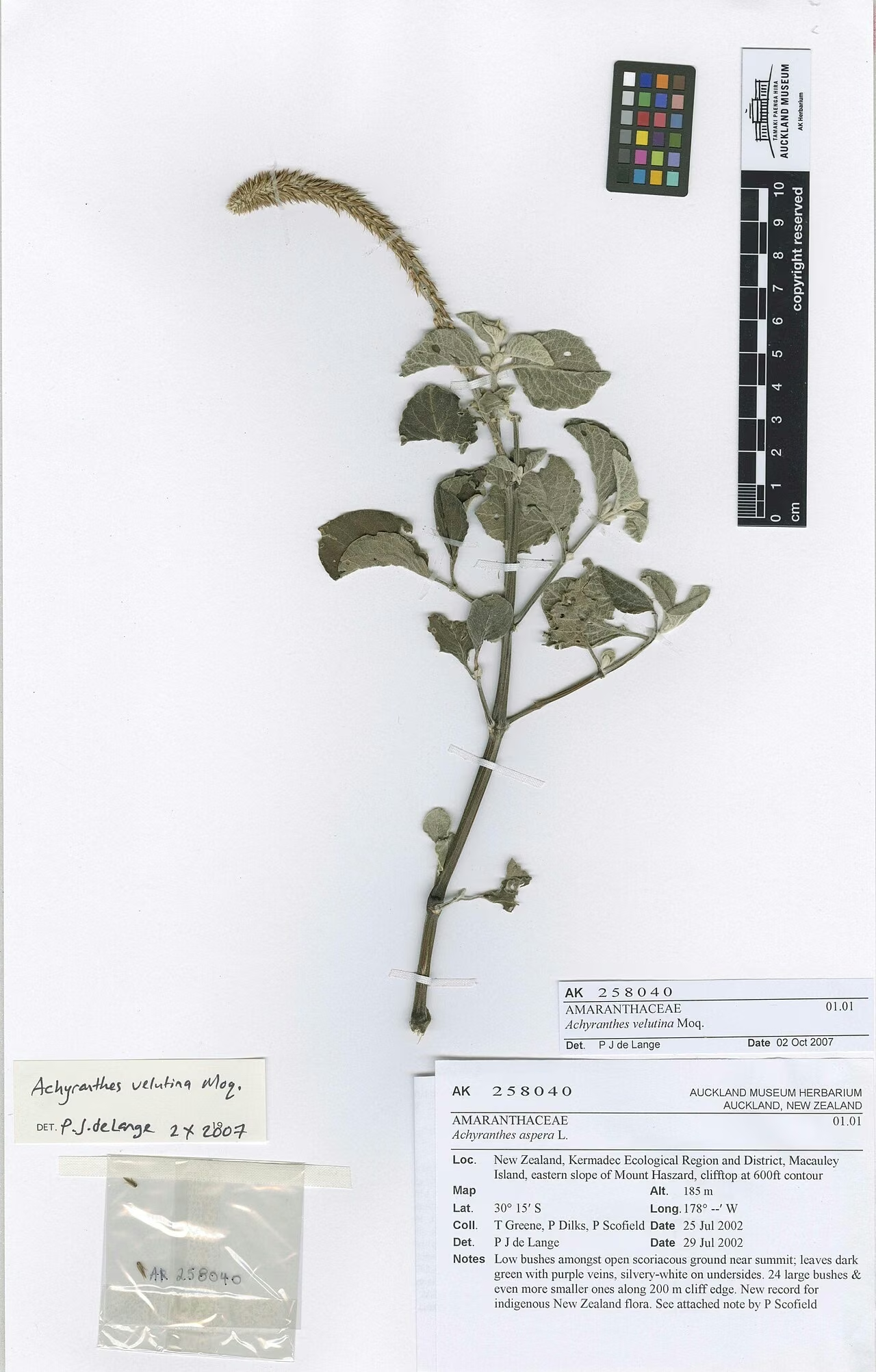
Devil's Horsewhip
Achyranthes velutina
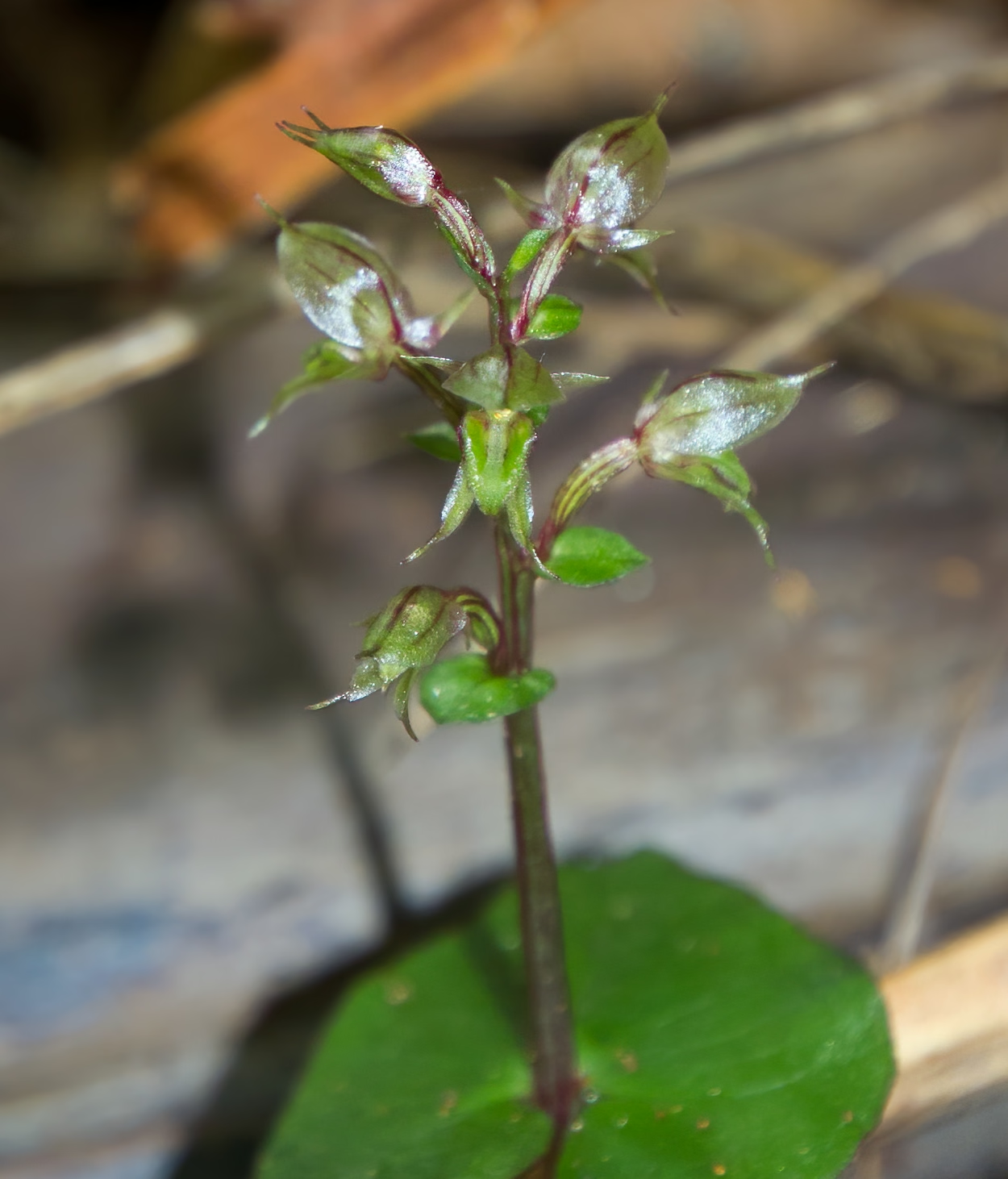
Heart-Leaved Orchid
Acianthus sinclairii
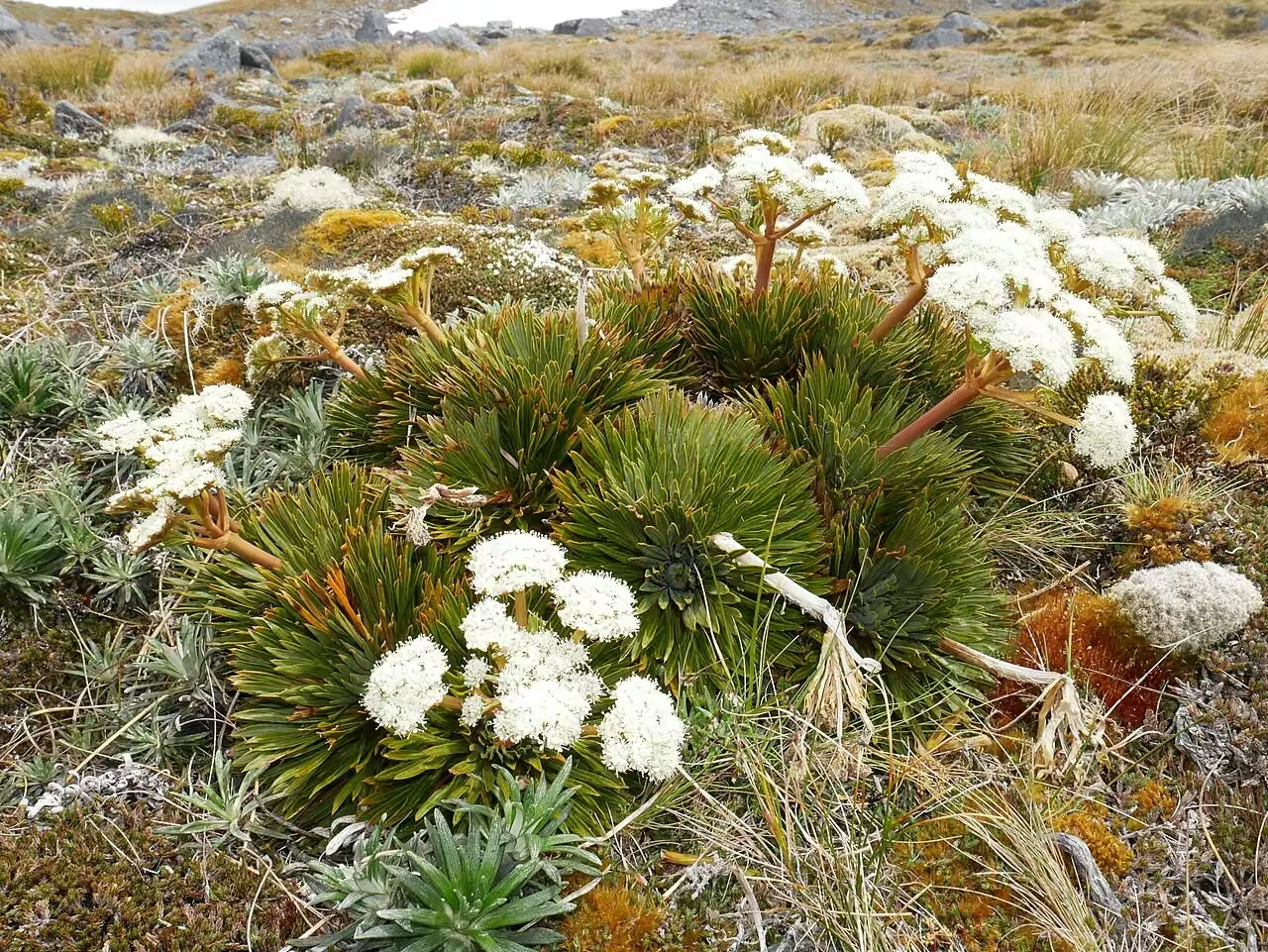
Aciphylla crosby-smithii
Aciphylla crosby-smithii
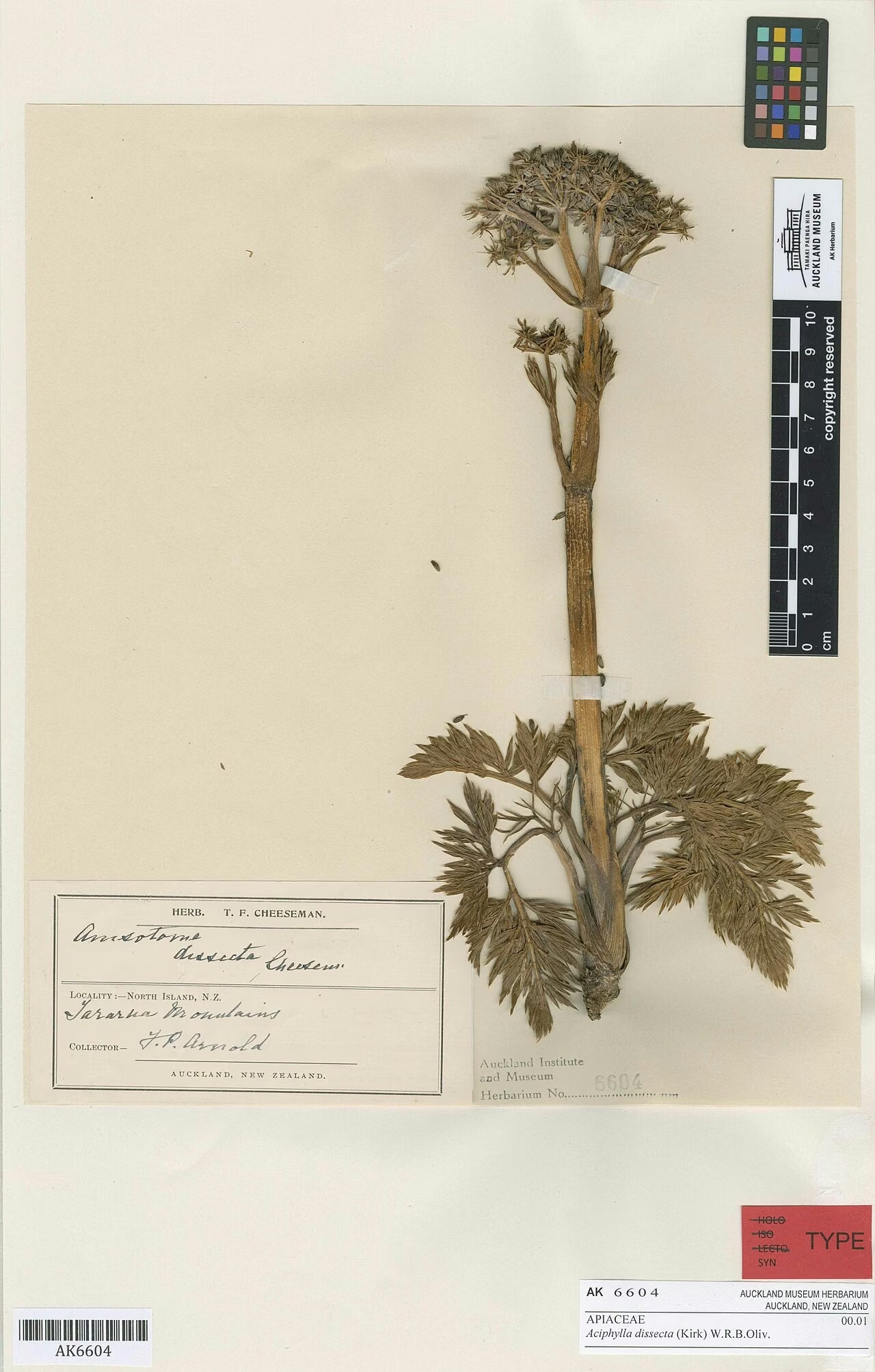
Aciphylla dissecta
Aciphylla dissecta
Aciphylla hectorii
Aciphylla hectorii
Aciphylla hookeri
Aciphylla hookeri
Aciphylla indurata
Aciphylla indurata
Aciphylla kirkii
Aciphylla kirkii
Plant Conservation
Aciphylla divisa is ranked Not Threatened (2023), with a qualifier noting that data on its distribution are poor. It has held this ranking in every assessment since 2004. In Otago it is listed as Regionally Naturally Uncommon.
Most of its habitat lies within national parks and conservation land in the Southern Alps. Control of browsing animals such as deer, chamois and tahr helps protect alpine herbfields.
Frequently Asked Questions
Where does Aciphylla divisa grow?
It grows in the South Island from central Canterbury south, in low alpine snow tussock herbfield at about 1100 to 1700 m, and is common in South Westland.
Does Aciphylla divisa have male and female plants?
Yes. Males bear flat-topped flower clusters about 10 cm across on stems up to 50 cm, while females produce globose panicles of similar size.
Does Aciphylla divisa hybridise with other plants?
NZPCN reports that it may hybridise with Aciphylla montana and with Anisotome haastii, with such plants observed on Aoraki/Mount Cook.
Sources and Further Reading
The botanical, growing, and conservation details for Speargrass (Aciphylla divisa) on this page draw on the New Zealand plant references below. Consult them for full technical records and the latest distribution data.