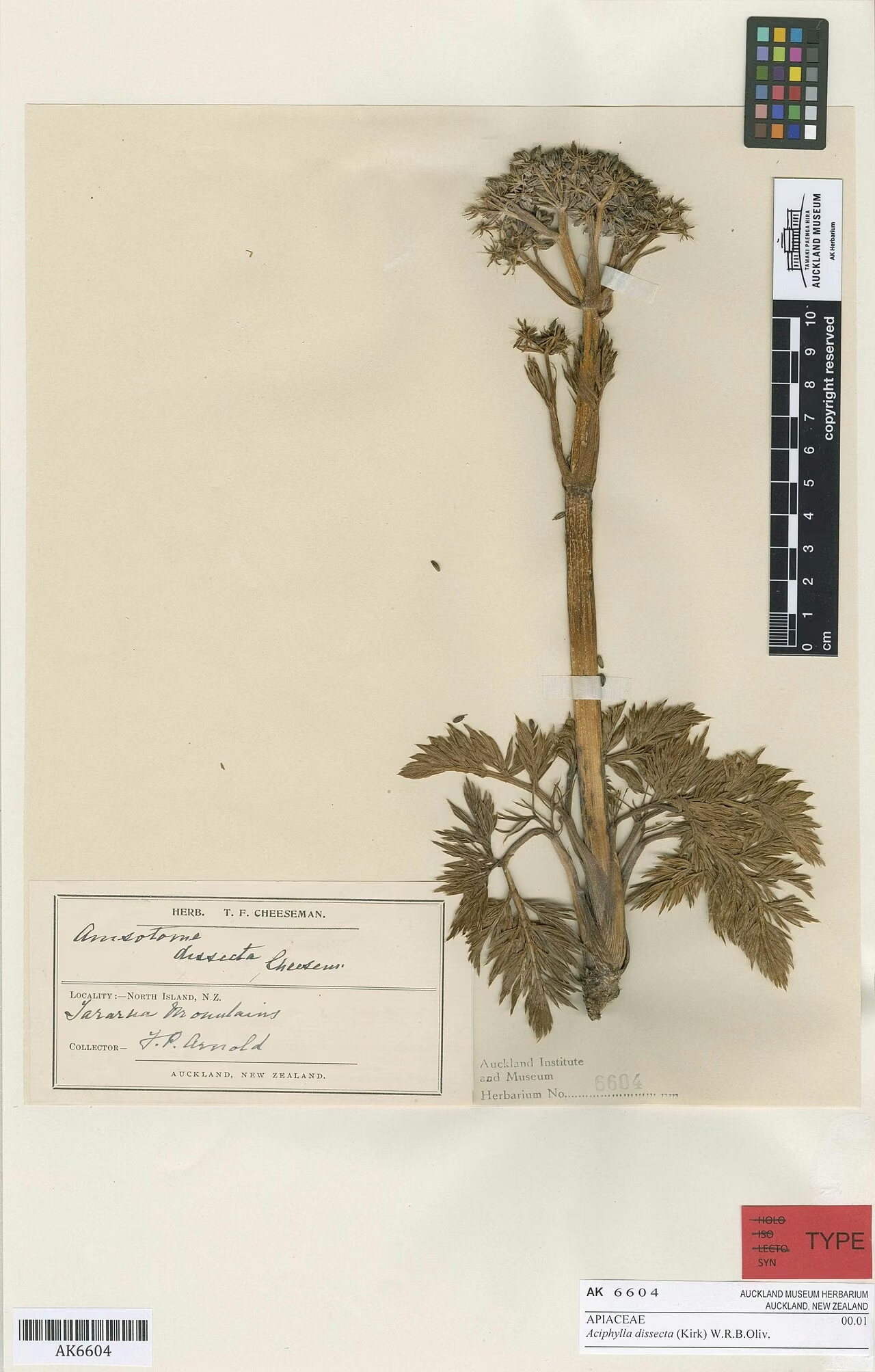
Speargrass
Aciphylla dissecta
Last updated:
Aciphylla dissecta is a compact speargrass found only in the Tararua Range of the southern North Island. It forms stout, dark green tufts of rigid, finely divided leaves up to 30 cm long, which Te Papa describes as looking rather carroty, and in early summer it raises a thick green stalk of white flower clusters to 30 or 40 cm. It grows in low alpine snow tussock grass-herbfield between about 1000 and 1600 m, where it is easy to overlook unless flowering or, as NZPCN puts it, sat on. Because of its single-range distribution it is ranked At Risk - Naturally Uncommon. Explore more native flowering plants in our native plant guide.
Plant Description
Aciphylla dissecta is a rather stout herb in the carrot family, growing from a simple or branched stock and a deeply descending taproot. It usually forms a single rosette, making a dark green, spiky, feathery tuft up to about 40 cm tall when flowering.
The numerous rigid leaves reach about 30 cm long and are divided three times. They have narrow sheaths about 25 to 35 mm long and 3 mm wide, stipules around 10 mm long, and 8 to 10 pairs of primary pinnae. The final divisions are sharp, ascending pinnules up to 25 mm long and 1 to 1.5 mm wide. As in all speargrasses, male and female flowers are on separate plants. The stout female flowering stem is about 290 to 310 mm long and 10 mm thick, bearing an open panicle of small umbels of white flowers. The fruits are 4.5 to 6 mm long, with oblong-elliptic mericarps carrying five evenly winged ribs.
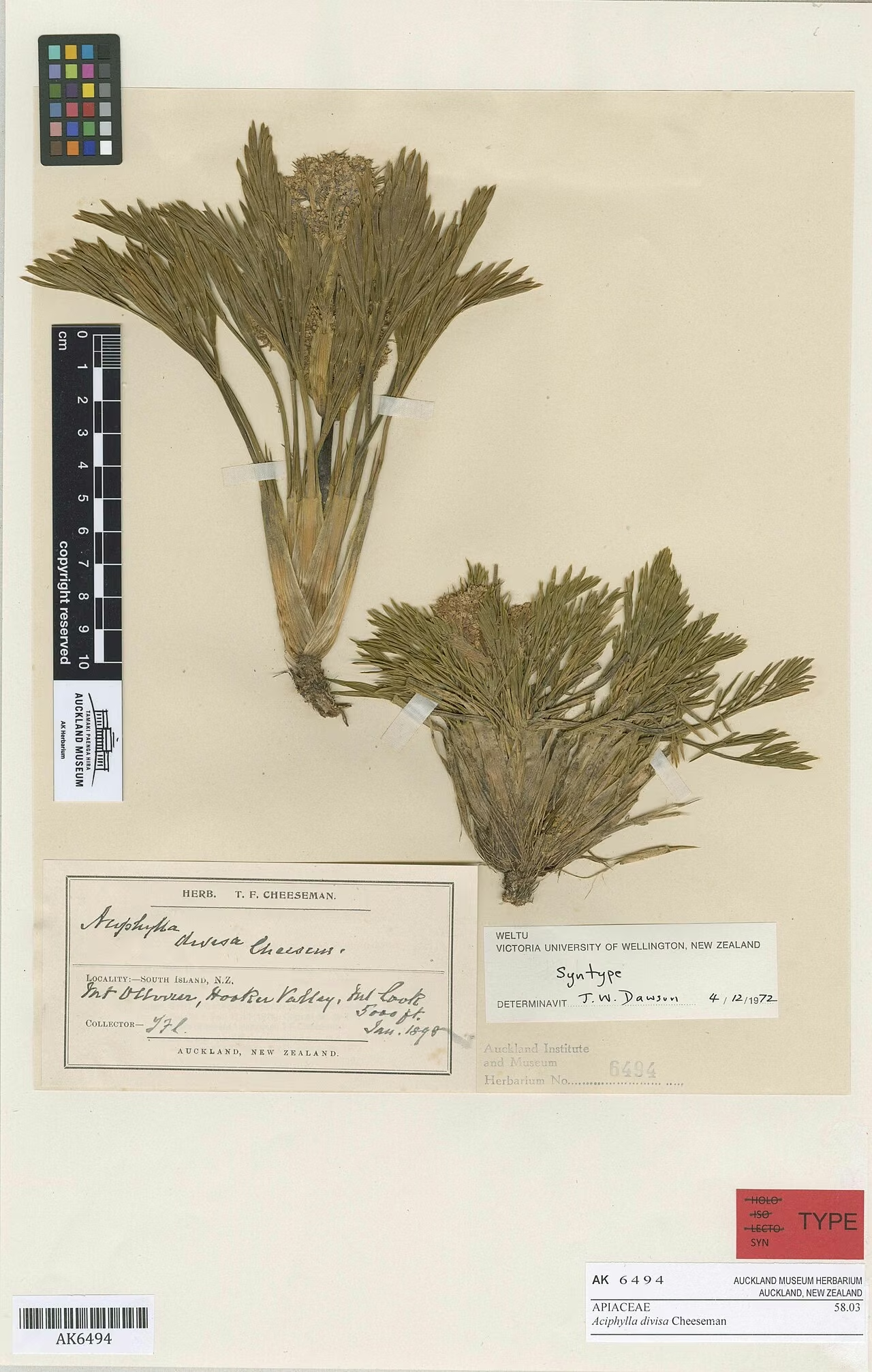
It is most similar to Aciphylla divisa of the southern South Island, which has larger leaf sheaths, less divided leaves and spiny rather than thread-like stipule tips, and to A. dieffenbachii of the Chatham Islands, which is usually larger.
Quick Facts
| Scientific Name | Aciphylla dissecta |
|---|---|
| Height | 30-40 cm in flower |
| Spread | Single tufts about 30-50 cm across |
| Water Needs | Moist; high rainfall alpine habitat |
| Light | Full sun |
| Frost Tolerance | Very high; low alpine species |
| Salt Tolerance | Not recorded; an inland alpine plant |
| Growth Rate | Slow |
| Lifespan | Long-lived perennial |
Climate Best Suited to
Suited to the cold, wet and windy low alpine climate of the Tararua Range, with frequent cloud, snow in winter and cool summers.
Regional Suitability
| City | Climate Suitability |
|---|---|
| Auckland | Low |
| Wellington | Low |
| Christchurch | Low |
| Dunedin | Medium |
Plant Habitat
Aciphylla dissecta is endemic to the North Island (Te Ika-a-Māui) and known only from the Tararua Range. Its type specimens were collected from Mount Holdsworth and Mitre Peak.
It grows in the low alpine zone, about 1000 to 1600 m above sea level, in snow tussock grass-herbfield. Among the tussocks its dark green tufts are inconspicuous until it flowers.
Growing Requirements
Soil Requirements
It roots deeply into moist, peaty alpine soils beneath snow tussock, where its long taproot anchors it.
- Deep, moist, free-draining soil
- Organic but gritty mix in cultivation
- Deep pots to suit the taproot
Light Requirements
It grows in open tussock grass-herbfield with full light, though often in cloud.
- Full sun in cool districts
- Avoid hot, dry exposures
Water Requirements
The Tararua tops are among the wettest and cloudiest parts of the North Island, so the plant is used to constant moisture.
- Keep evenly moist
- Ensure good drainage to avoid crown rot
Planting and Establishing
No cultivation information specific to this species was found in the sources consulted, and it is rarely grown. Wild plants must not be dug up.
If raised from legally obtained seed, it would need a deep pot or raised bed of moist but gritty soil in a cool, open position, ideally in a southern garden.
Ecological Role
NZPCN notes that the winged fruits are dispersed primarily by wind. As in all speargrasses, separate male and female plants mean seed is only set where both sexes grow near each other.
Speargrasses support specialist native insects such as speargrass weevils, as described by Te Papa, though the invertebrates associated with this particular species are not documented in the sources consulted.
Uses & Significance
Garden Uses
Mainly of conservation and botanical interest, it is not a practical plant for general gardens.
- Specialist alpine collections
- Botanical interest as a Tararua endemic
- Not recommended for general planting
Ecological Value
It is one of the few plants found only in the Tararua Range, adding to the distinctive alpine flora of the southern North Island.
- Single-range North Island endemic
- Part of snow tussock grass-herbfield communities
- Speargrasses host specialist invertebrates
Landscaping Uses
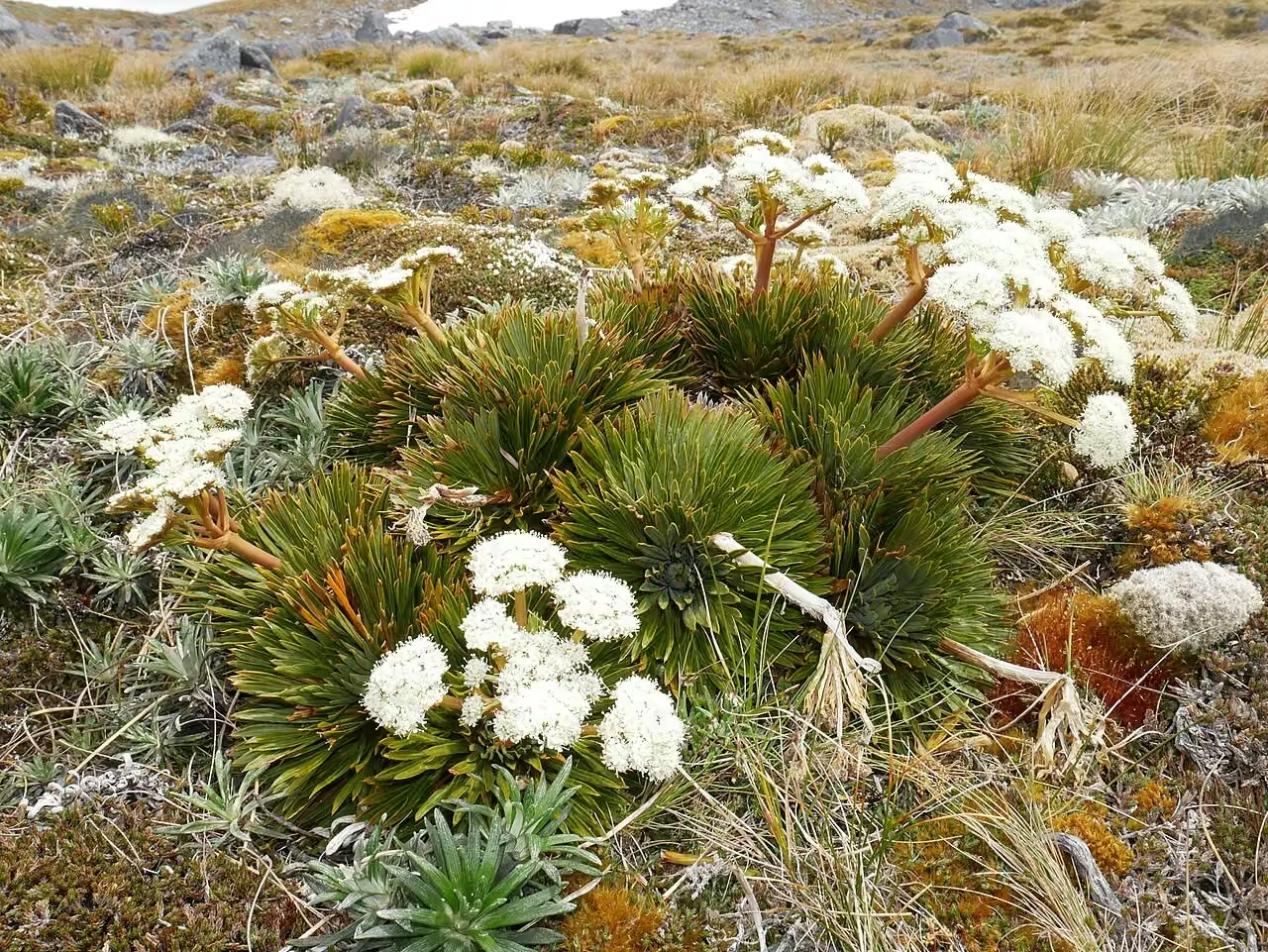
Its finely cut, dark green foliage is more ferny than most speargrasses, giving a softer look despite the sharp tips.
Gardeners wanting this effect should use widely available speargrass species rather than this range-restricted plant.
Seasonal Care Calendar
Spring
Flowering starts in October as the snow clears from the tops.
- Look for white flower clusters among the tussocks
Summer
Flowering continues to January, and fruits begin to form.
- Take care sitting down on the Tararua tops
- Stay on tracks to avoid trampling plants
Autumn
Fruiting runs from January to March, when the winged fruits are released.
- Leave wild seed undisturbed
Winter
The tufts sit under snow and cloud through the alpine winter.
- No action required
When to Prune and How Much
No pruning is needed. On a cultivated plant, cut old flowering stems out once dry, wearing thick gloves.
Remove dead outer leaves carefully to keep the crown airy and reduce the risk of rot.
How to Grow Speargrass
No propagation protocol specific to Aciphylla dissecta was found in the sources consulted, so the methods below follow the general practice used for Aciphylla. Seed is the main method: because male and female flowers are on separate plants, a female needs a male flowering nearby to set seed. The species' deep taproot makes transplanting risky, so seedlings should be raised in deep containers and moved while young. Material should only come from cultivated plants or from seed collected with Department of Conservation permission, never by digging wild plants.
From Seed
Fruits ripen between January and March. Speargrass seed generally germinates best when sown fresh and exposed to winter cold, mimicking conditions on the Tararua tops. Seedlings grow slowly, putting energy into the taproot before much leaf appears, so keep pots weeded and in a cool, bright spot for the first year or two.
- Collect ripe winged fruits from female plants in late summer
- Sow fresh in deep pots of moist, gritty mix
- Leave outdoors over winter to chill
- Pot seedlings individually into deep containers while small to protect the taproot
By Division
Plants with a branched stock may produce more than one rosette, which can sometimes be separated, but because this species usually forms a single rosette, division is rarely possible.
- Check a cultivated plant for a second rosette with its own roots
- Separate it carefully in spring, wearing gloves
- Pot into a deep, moist but free-draining mix
- Keep cool and shaded until it re-establishes
Pests & Diseases
No specific pests are recorded for this species. Browsing by introduced deer and goats, which occur in the Tararua Range, can damage speargrasses.
In cultivation, warm, humid conditions and poor drainage are likely to cause rot.
Cultural Significance
Te Papa records that larger speargrasses are known in te reo Māori as taramea and smaller ones as papaī, whose taproots were eaten. No traditional Māori use specific to Aciphylla dissecta is recorded in the sources consulted.
Thomas Kirk first described it in 1899 as Ligusticum dissectum. Cheeseman moved it to Anisotome in 1925, and W.R.B. Oliver later transferred it to Aciphylla. The name dissecta means deeply cut, referring to its finely divided leaves.
Bonus Tip
When tramping on the Tararua tops between October and January, look for thick green stalks of white flowers poking out of the snow tussock: these are often the only clue to Aciphylla dissecta, and checking before you sit down will save you a painful lesson.
Related Plants
Explore other native plants that share similar characteristics or habitats with Speargrass (Aciphylla dissecta), offering further insights into New Zealand's diverse flora. These related species provide context and opportunities for complementary planting in your garden.
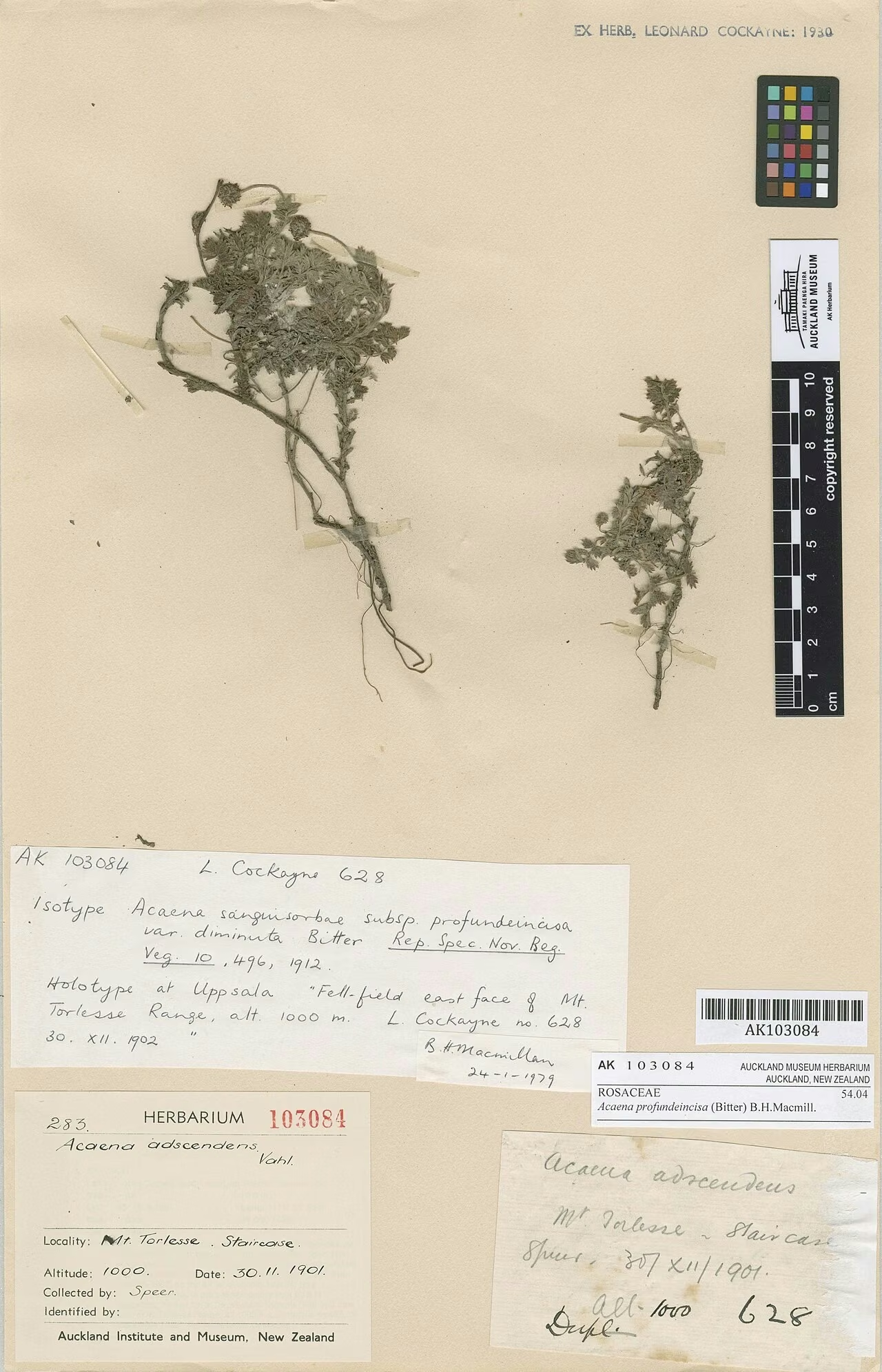
Acaena profundeincisa
Acaena profundeincisa
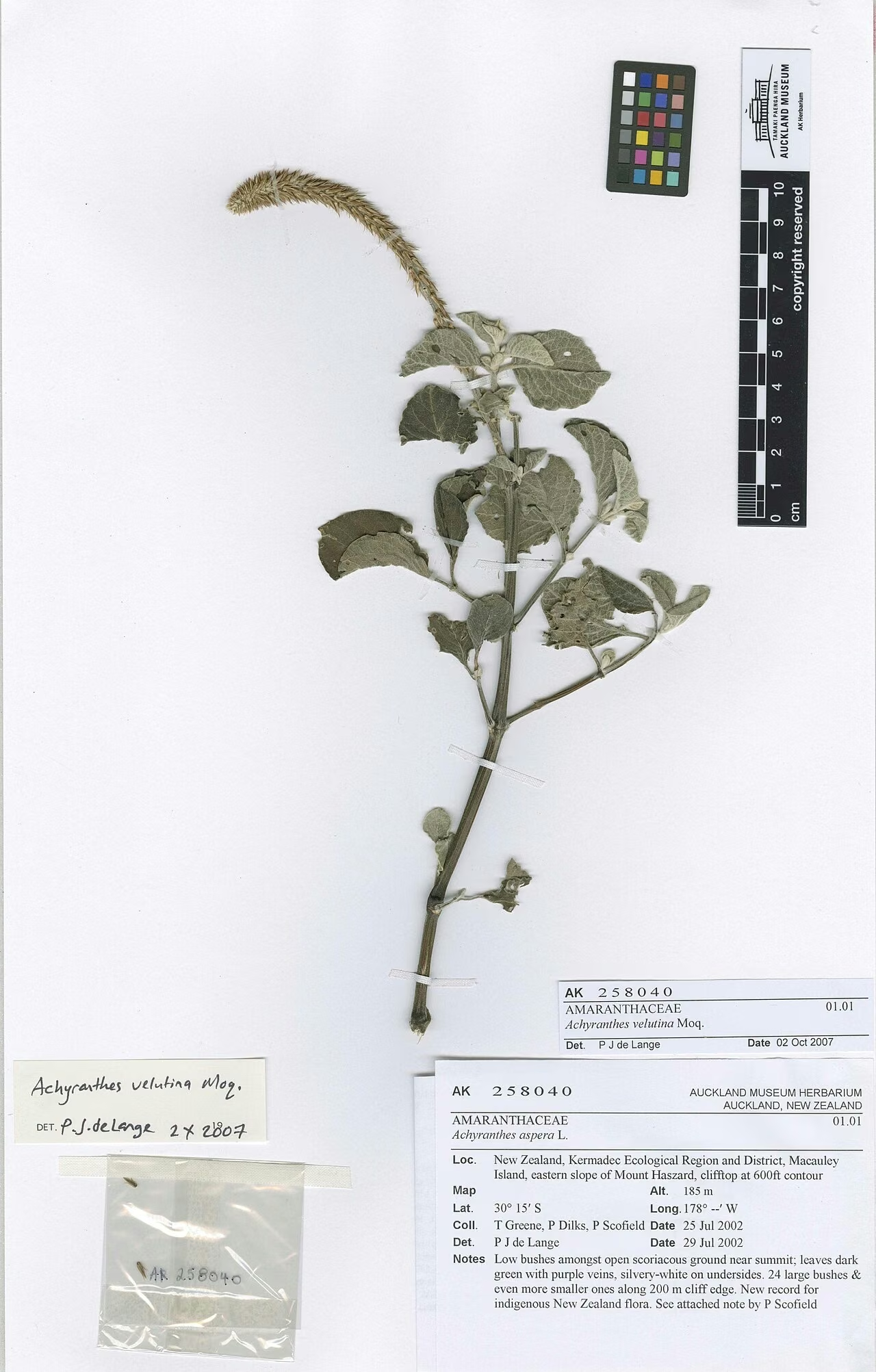
Devil's Horsewhip
Achyranthes velutina
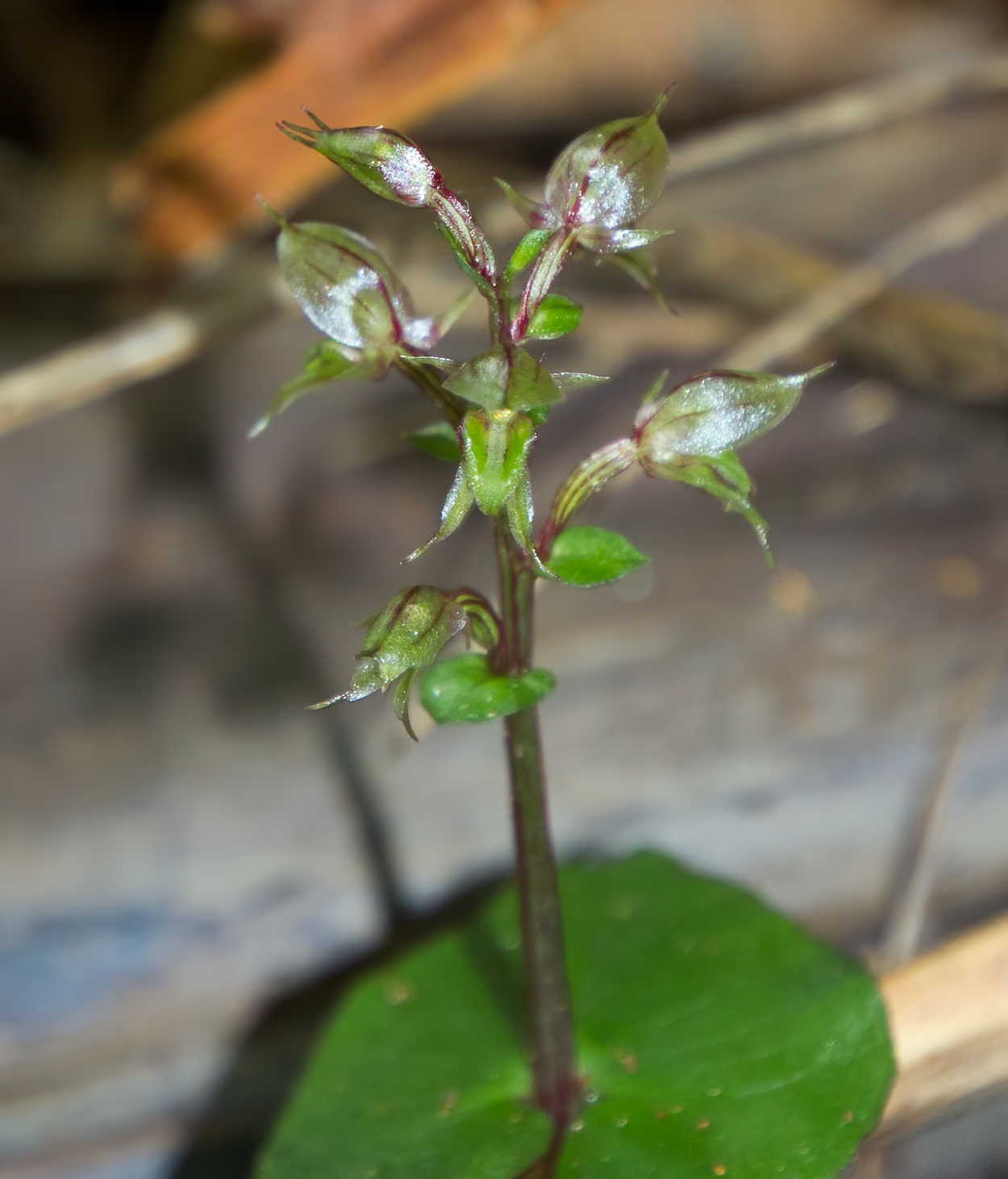
Heart-Leaved Orchid
Acianthus sinclairii
Aciphylla crosby-smithii
Aciphylla crosby-smithii
Aciphylla divisa
Aciphylla divisa
Aciphylla hectorii
Aciphylla hectorii
Aciphylla hookeri
Aciphylla hookeri
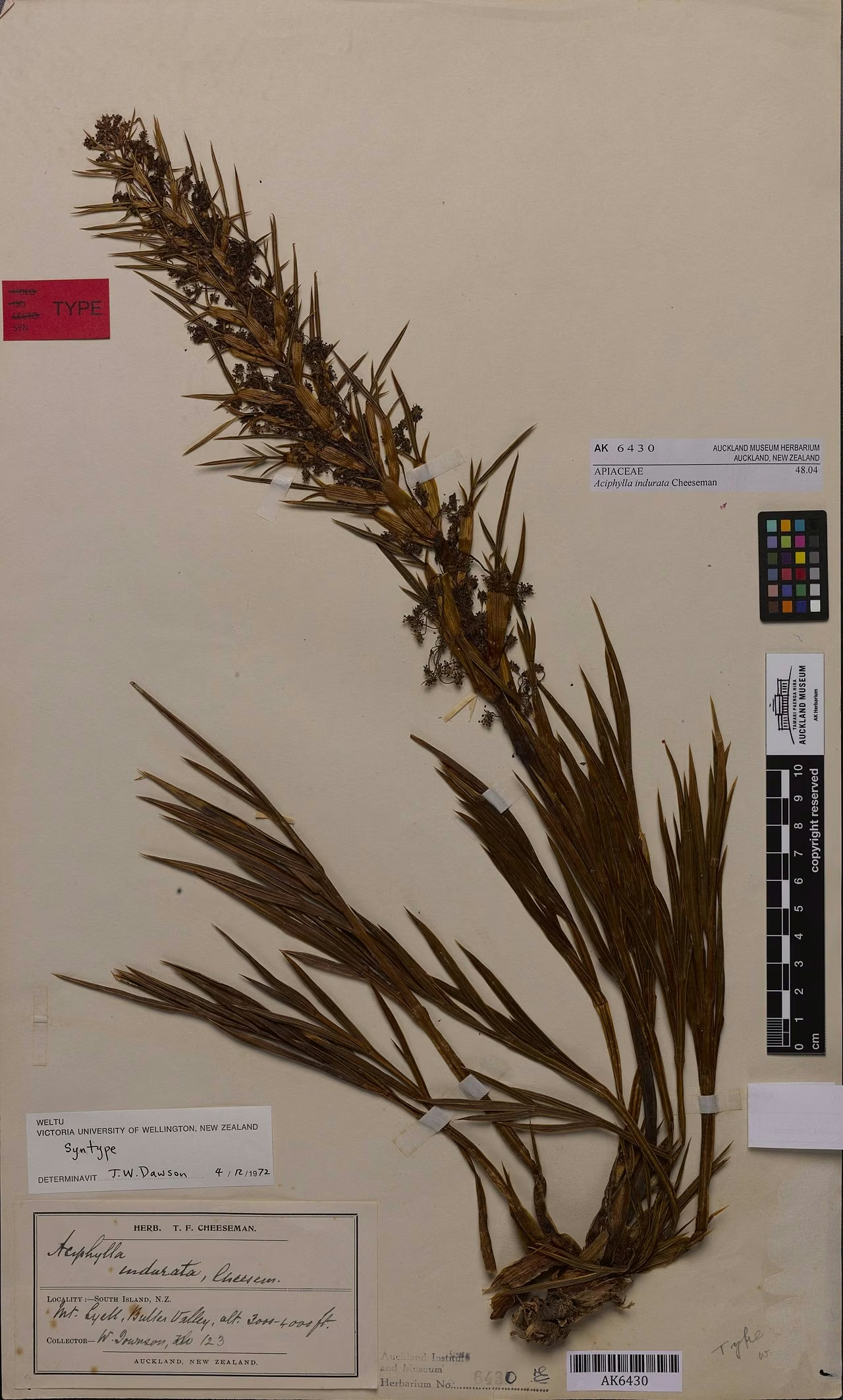
Aciphylla indurata
Aciphylla indurata
Plant Conservation
Aciphylla dissecta is ranked At Risk - Naturally Uncommon (2023), with qualifiers for its restricted range and poor data on distribution and trend. It has held the same ranking since at least 2012, and is Regionally Not Threatened within the Wellington region where it occurs.
Its habitat lies within Tararua Forest Park. Controlling deer and goats, and keeping trampers on tracks in fragile alpine areas, are the most useful protective actions.
Frequently Asked Questions
Where can you see Aciphylla dissecta?
It is endemic to the Tararua Range in the southern North Island, growing in low alpine snow tussock grass-herbfield between about 1000 and 1600 m.
Are the leaves of Aciphylla dissecta sharp?
Yes. Its leaves are divided three times into narrow, rigid pinnules up to 25 mm long that end in pungent, sharp points.
How is Aciphylla dissecta different from Aciphylla divisa?
A. divisa grows in the South Island, has larger leaf sheaths, less divided leaves and spiny stipule tips, while A. dissecta has thread-like stipule tips.
Sources and Further Reading
The botanical, growing, and conservation details for Speargrass (Aciphylla dissecta) on this page draw on the New Zealand plant references below. Consult them for full technical records and the latest distribution data.