Bidibid
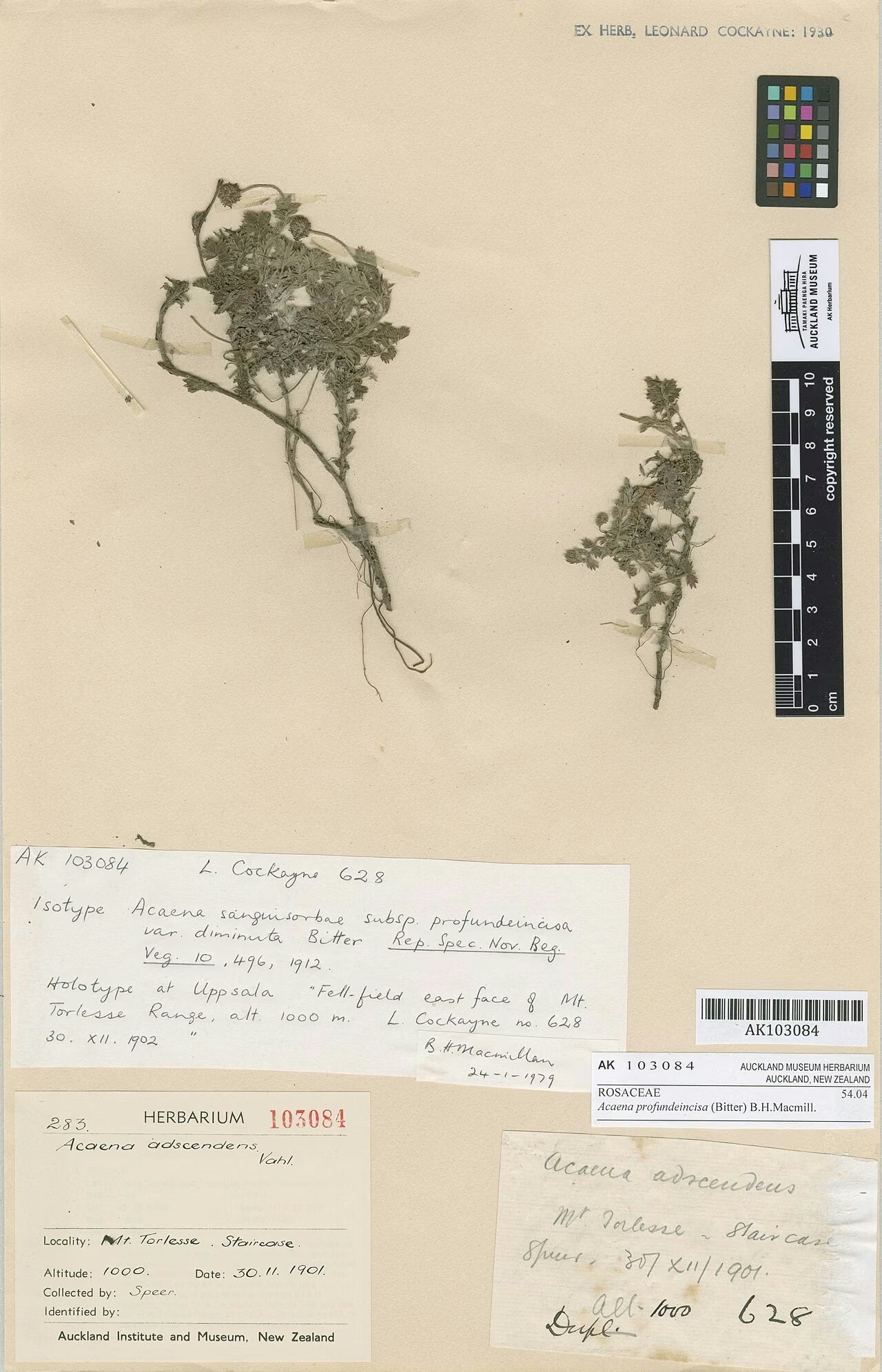
Acaena profundeincisa
Last updated:
Acaena profundeincisa is a stoloniferous bidibid (piripiri) that forms loose, prostrate mats up to about 1 m across and around 10 cm high in the mountains of both main islands, from the Raukumara Range southwards. It grows in montane to alpine grassland and shrubland between roughly 900 and 1900 m. Its deeply toothed, green to grey-green leaflets are edged with red, and the lowest leaflets are small and wholly red, giving the mat a warm tint. In summer it produces reddish flower globes that ripen into very hairy burrs with four barbed spines. The name profundeincisa means deeply cut, describing the leaflet teeth. Explore more native ground covers in our native plant guide.
Plant Description
Acaena profundeincisa is an evergreen, stoloniferous, prostrate herb in the rose family, forming a loose mat up to 1 m in diameter and about 10 cm high. Its stems are less than 1.5 mm thick, hairy, green or brown, and can run up to 30 cm long.
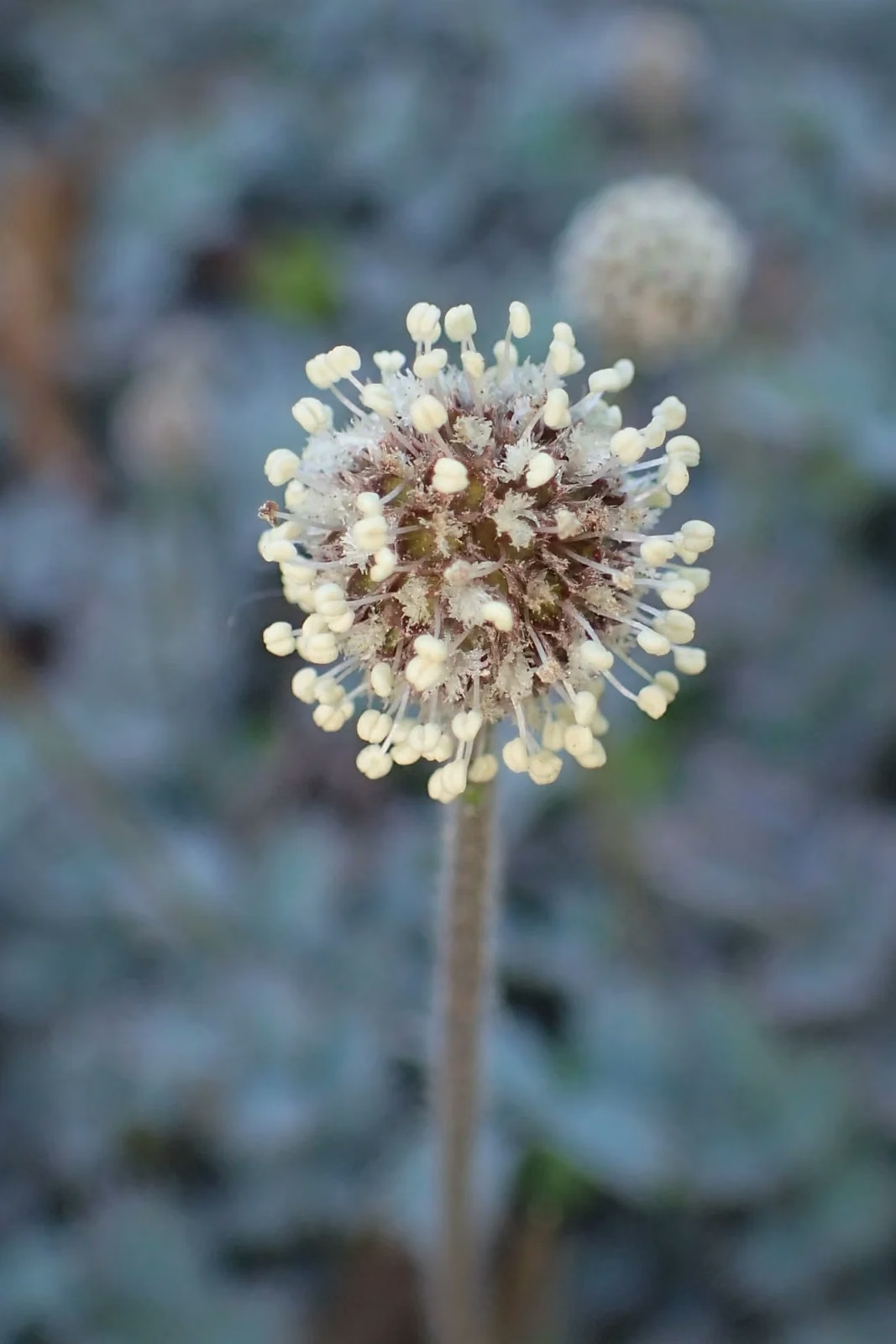
The leaves are odd-pinnate, 15 to 90 mm long, with 7 to 13 elliptical leaflets. The leaflet margins are deeply serrated with hair-tipped teeth, and Flora of New Zealand notes the teeth are red. The lower leaflets on each leaf are much smaller and completely red, while the upper ones are green to grey-green with red margins. Flower heads are reddish globes of 40 to 50 florets with red anthers and white or rose-coloured styles. The fruits are roughly cone-shaped and very hairy, with four pale brown, barb-tipped spines about 5 mm long.
It resembles Acaena caesiiglauca, but that species is more glaucous, its leaflet teeth are less pronounced, and its anthers are white rather than red.
Quick Facts
| Scientific Name | Acaena profundeincisa |
|---|---|
| Height | About 10 cm |
| Spread | Mats up to about 1 m |
| Water Needs | Moderate; well-drained but not parched |
| Light | Full sun |
| Frost Tolerance | High; grows to 1900 m |
| Salt Tolerance | Low; a mountain species, salt tolerance not recorded |
| Growth Rate | Moderate |
| Lifespan | Perennial |
Climate Best Suited to
Suited to cool, frosty mountain climates with snow in winter; it is likely to struggle in warm, humid lowland gardens.
Regional Suitability
| City | Climate Suitability |
|---|---|
| Auckland | Low |
| Wellington | Medium |
| Christchurch | Medium |
| Dunedin | High |
Plant Habitat
This bidibid is endemic to New Zealand and occurs on both the North and South Islands, from the Raukumara Range in the northeast of the North Island southwards through the main ranges.
It is a montane to alpine plant, found from about 900 to 1900 m above sea level in grassland and shrubland, where it trails through tussocks and over open ground between shrubs.
Growing Requirements
Soil Requirements
In grassland and shrubland it grows in mountain soils that are well drained but hold some moisture.
- Free-draining soil with some organic matter
- Add grit to heavy soils
- Low to moderate fertility
Light Requirements
It grows in open tussock and shrubland, so it needs good light to keep its compact, red-tinted habit.
- Full sun in cool districts
- Light afternoon shade in warmer gardens
Water Requirements
Mountain grasslands receive regular rain and snowmelt, so it prefers soil that does not dry out completely, while still draining freely.
- Water during extended dry spells
- Avoid waterlogging
Planting and Establishing
Plant in autumn or spring into an open, sunny spot in a rock garden or among small tussocks, spacing plants around 40 to 60 cm apart to form a continuous mat.
Keep the planting area free of vigorous grasses until the stolons have spread, and place it away from paths if the burrs are unwelcome.
Ecological Role
NZPCN notes the spiny fruits are dispersed by attaching to fur, feathers and clothing, and possibly also by wind and seed-eating animals. In mountain grasslands, birds and introduced mammals are likely carriers.
Its spreading stolons help knit soil between tussocks and shrubs in montane and alpine grassland.
Uses & Significance
Garden Uses
A colourful bidibid for cool-climate rock gardens and alpine plantings, valued for its red-edged foliage.
- Rock gardens and alpine beds
- Between tussocks in grassland-themed plantings
- Groundcover for cool, sunny banks
Ecological Value
It is one of the native herbs that make up the ground layer of New Zealand's montane tussock grasslands.
- Binds soil between tussocks
- Burrs are carried by birds
- Supports endemic alpine plant diversity
Landscaping Uses
The combination of grey-green leaflets, red margins and fully red lower leaflets gives a warm, mottled effect that works well beside green and bronze tussocks.
Let it trail over the edge of rocks or a low wall, where the reddish flower globes can be seen at eye level in summer.
Seasonal Care Calendar
Spring
New stolons extend as the ground warms after snow.
- Plant or divide now
- Weed around young mats
Summer
Flowering runs from December to February, with reddish flower globes.
- Water during dry spells
- Enjoy the red-tinted flowers and foliage
Autumn
Fruiting runs from January to March, and the hairy burrs dry pale brown.
- Collect ripe burrs for seed
- Check clothing and pets for burrs
Winter
The mat rests under frost and snow in its mountain habitat.
- Ensure good drainage
- No feeding needed
When to Prune and How Much
No regular pruning is needed. Trim trailing stolons that wander beyond their space at any time.
Cutting off the flower heads after flowering prevents burrs forming where they would be a nuisance.
How to Grow Bidibid
No propagation protocol specific to Acaena profundeincisa was found in the sources consulted. However, as a stoloniferous bidibid whose stems root along the ground, it can be increased in the same way as related mat-forming species, by taking rooted pieces from the edge of a mat. Seed is a slower alternative suited to restoration work, where genetic diversity matters. For restoration plantings in the mountains, source material locally, because this species ranges widely from the Raukumara Range to the far south.
By Division of Rooted Stolons
Stolons root where they touch the ground, so rooted lengths can be cut away in spring or autumn with minimal disturbance to the parent plant.
- Find a stolon that has rooted at a node
- Cut it free with a sharp knife, keeping the roots intact
- Pot into a free-draining mix or plant directly
- Keep moist and lightly shaded until new leaves form
From Seed
Fruits ripen between January and March. Mountain species often benefit from a period of winter cold before germinating, so sow in autumn and leave the pots outdoors. The hairy burrs can be sown whole, as separating the seed from the spiny fruit is fiddly and unnecessary. Expect germination to be uneven, with some seedlings appearing in the first spring and others a season later, so keep the pots rather than discarding them early.
- Collect dry, pale brown burrs in late summer
- Sow on a gritty seed mix and cover thinly
- Leave outdoors over winter to chill
- Prick out seedlings in spring and pot on
Pests & Diseases
No specific pests or diseases are recorded for this species. In lowland gardens, heat, humidity and wet soils are more likely to cause problems than pests.
Competition from vigorous introduced grasses can smother mats in cultivation and in the wild.
Cultural Significance
Piripiri is the general Māori name for bidibids. No traditional Māori use specific to Acaena profundeincisa is recorded in the sources consulted.
The species was first named by the German botanist Georg Bitter in 1911 as a subspecies of Acaena sanguisorbae, and was raised to species rank by B.H. Macmillan in 1983, reflecting the long and complicated taxonomic history of New Zealand bidibids.
Bonus Tip
To confirm the identity of a red-tinted mountain bidibid, look closely at the flowers: red anthers point to Acaena profundeincisa, whereas the similar but more glaucous A. caesiiglauca has white anthers.
Related Plants
Explore other native plants that share similar characteristics or habitats with Bidibid (Acaena profundeincisa), offering further insights into New Zealand's diverse flora. These related species provide context and opportunities for complementary planting in your garden.
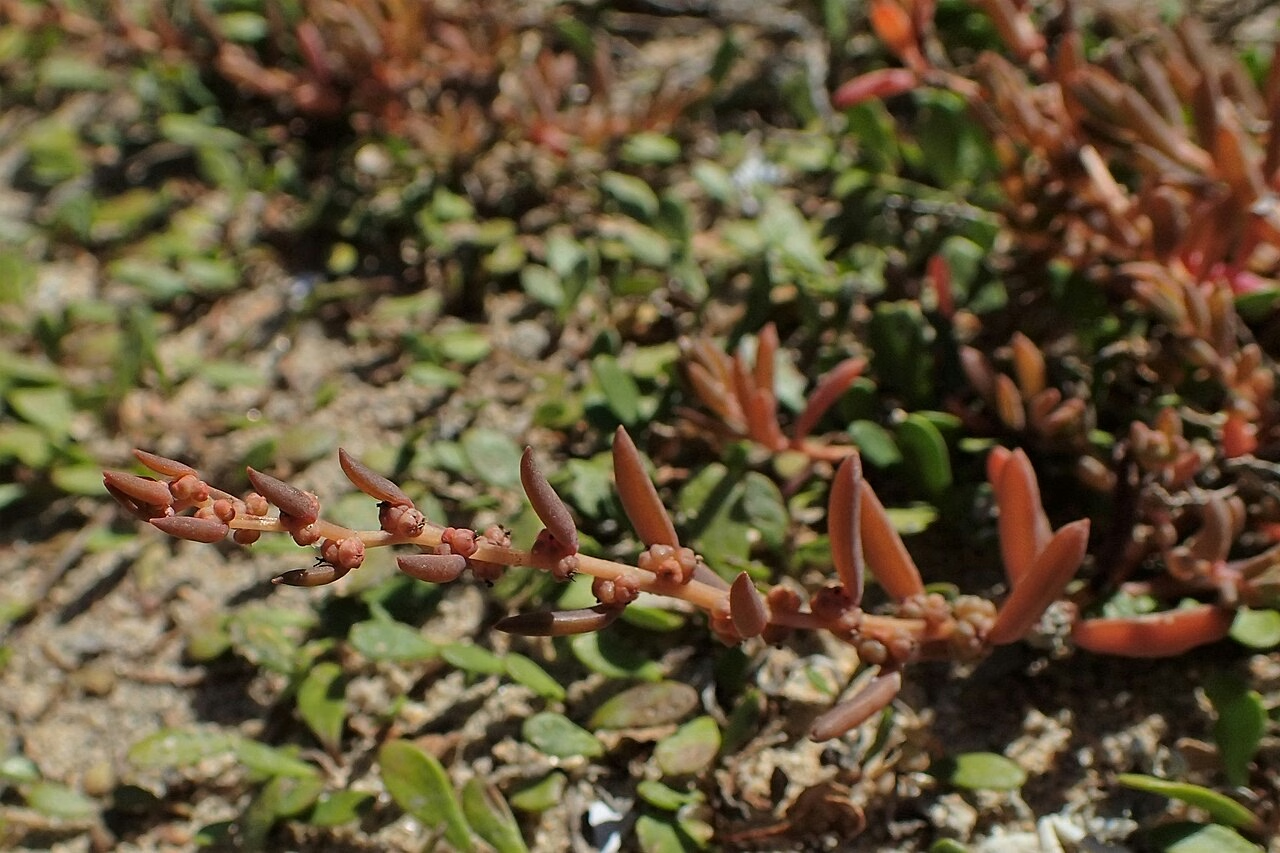
Suaeda novae-zelandiae
Suaeda novae zelandiae
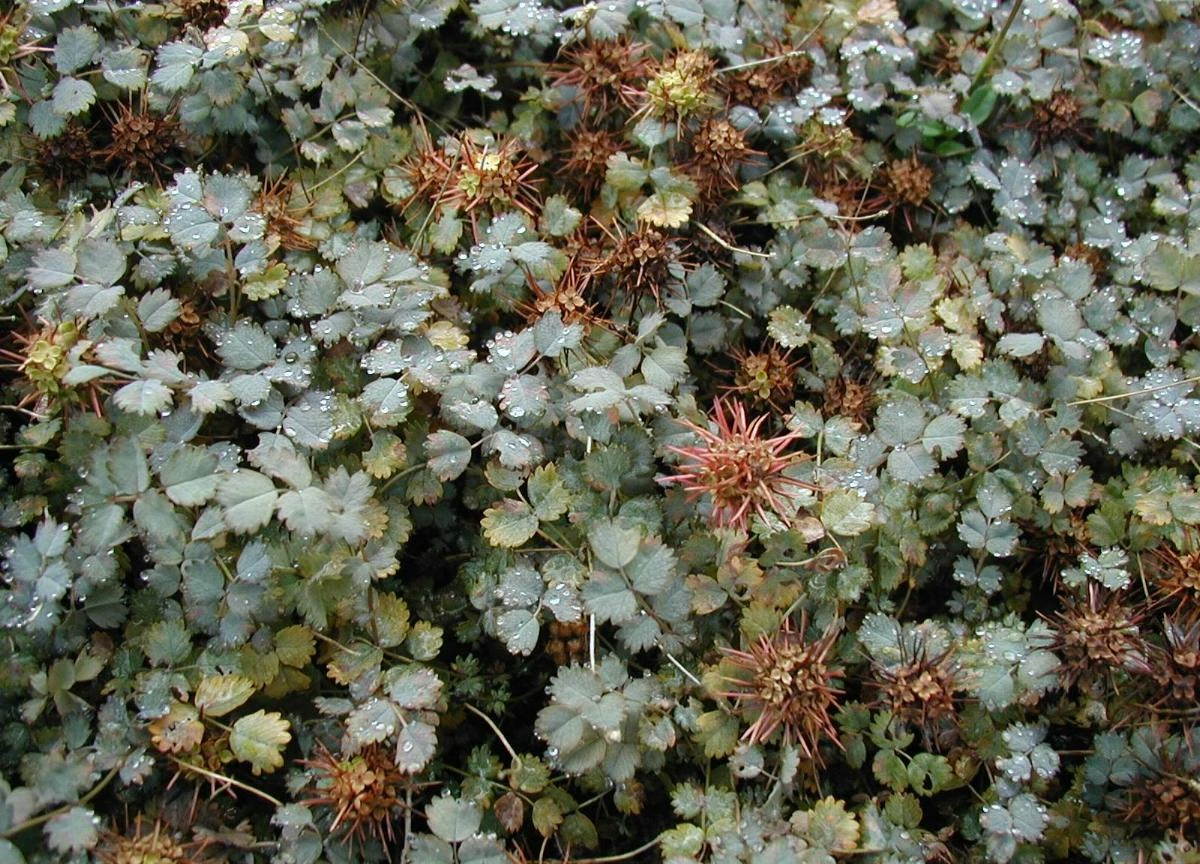
Acaena buchananii
Acaena buchananii
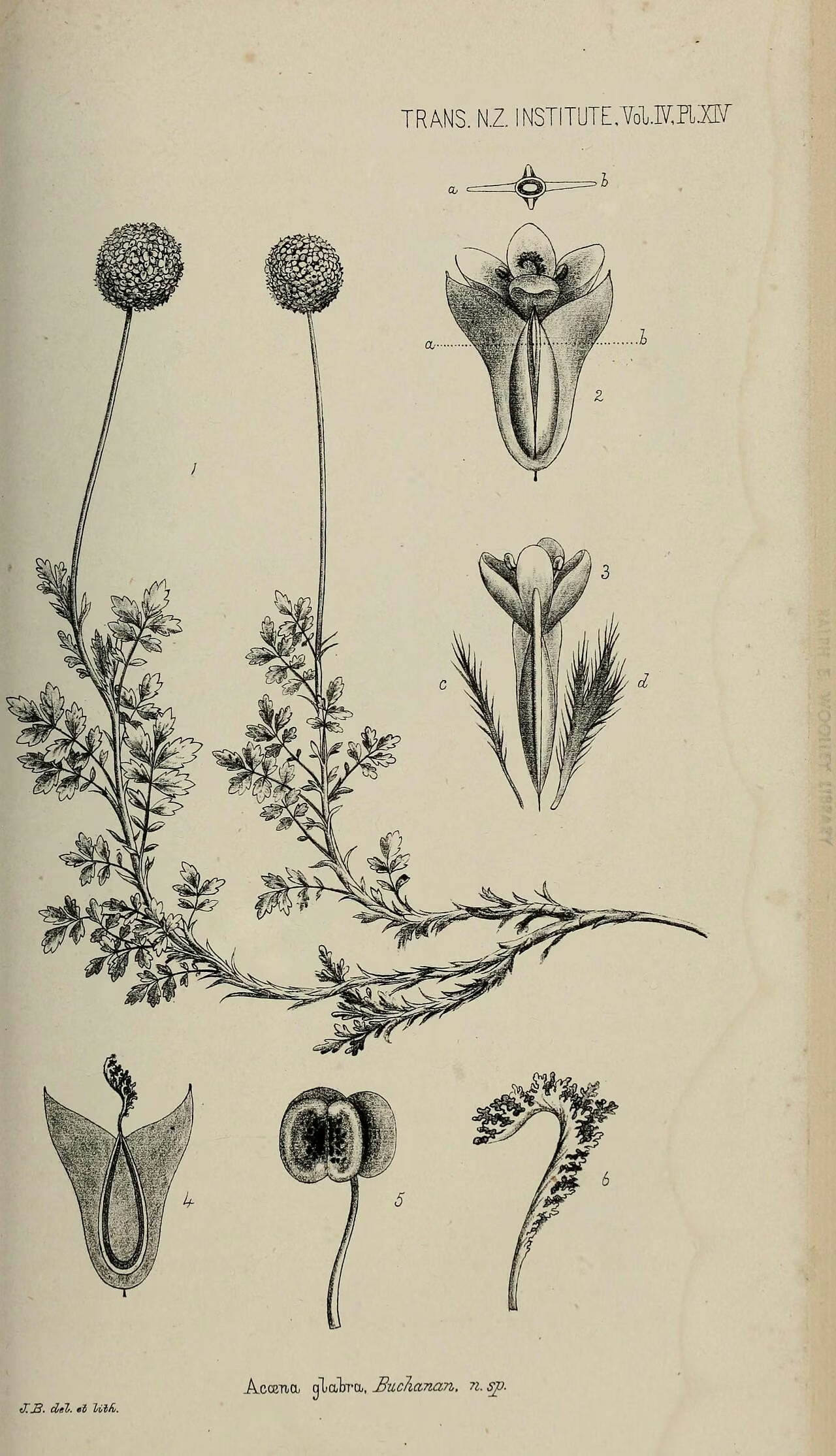
Acaena glabra
Acaena glabra
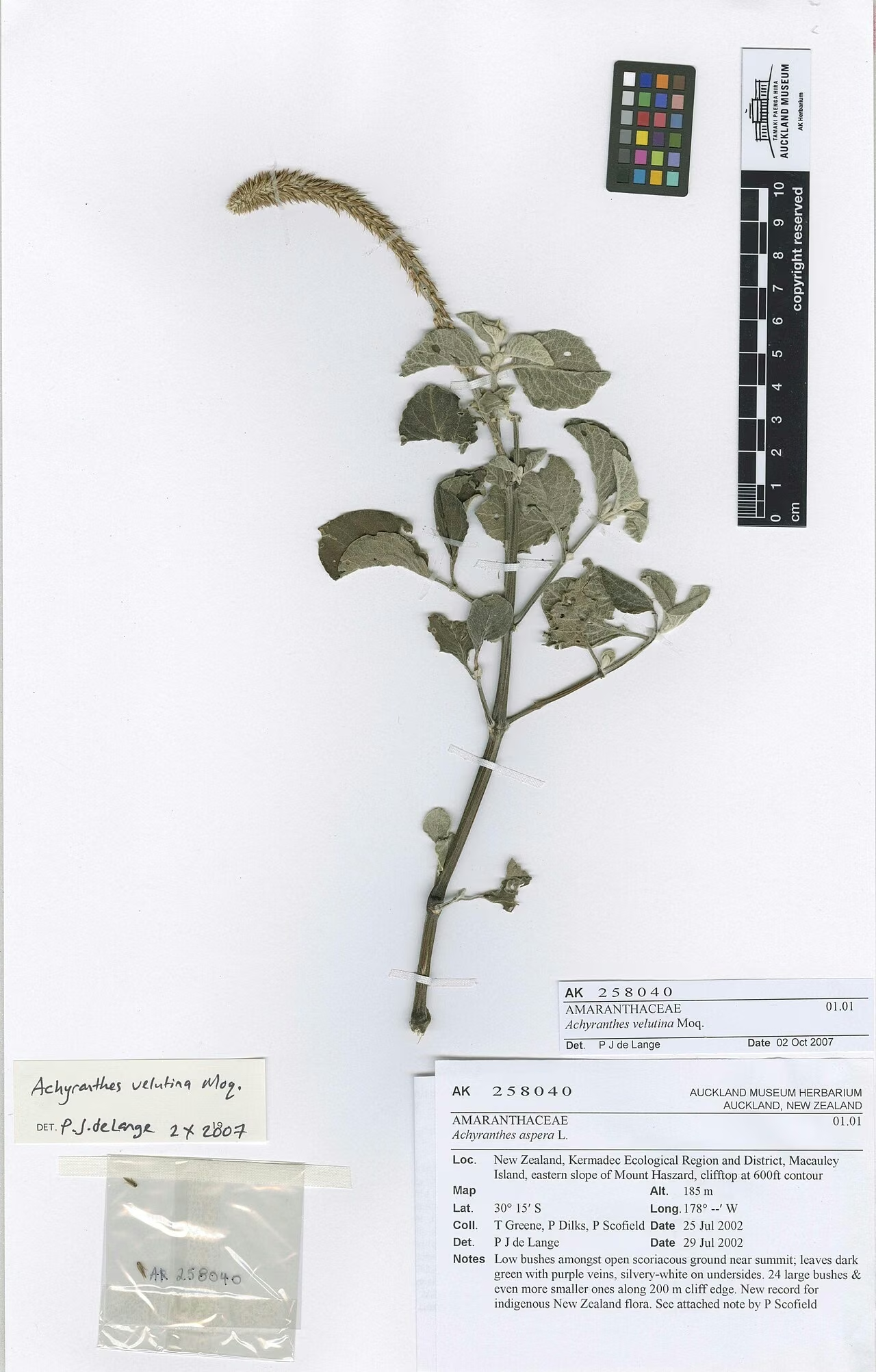
Devil's Horsewhip
Achyranthes velutina
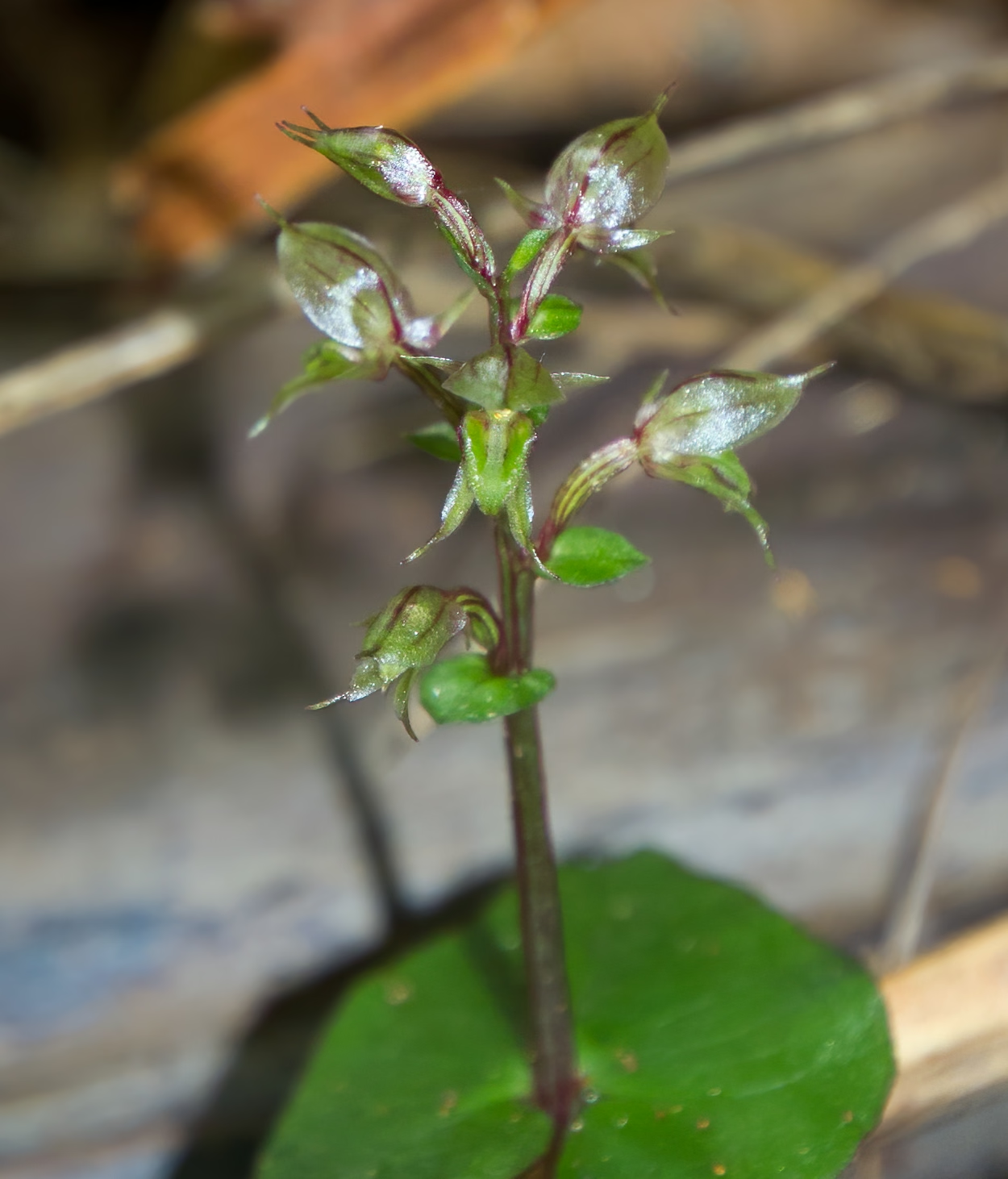
Heart-Leaved Orchid
Acianthus sinclairii
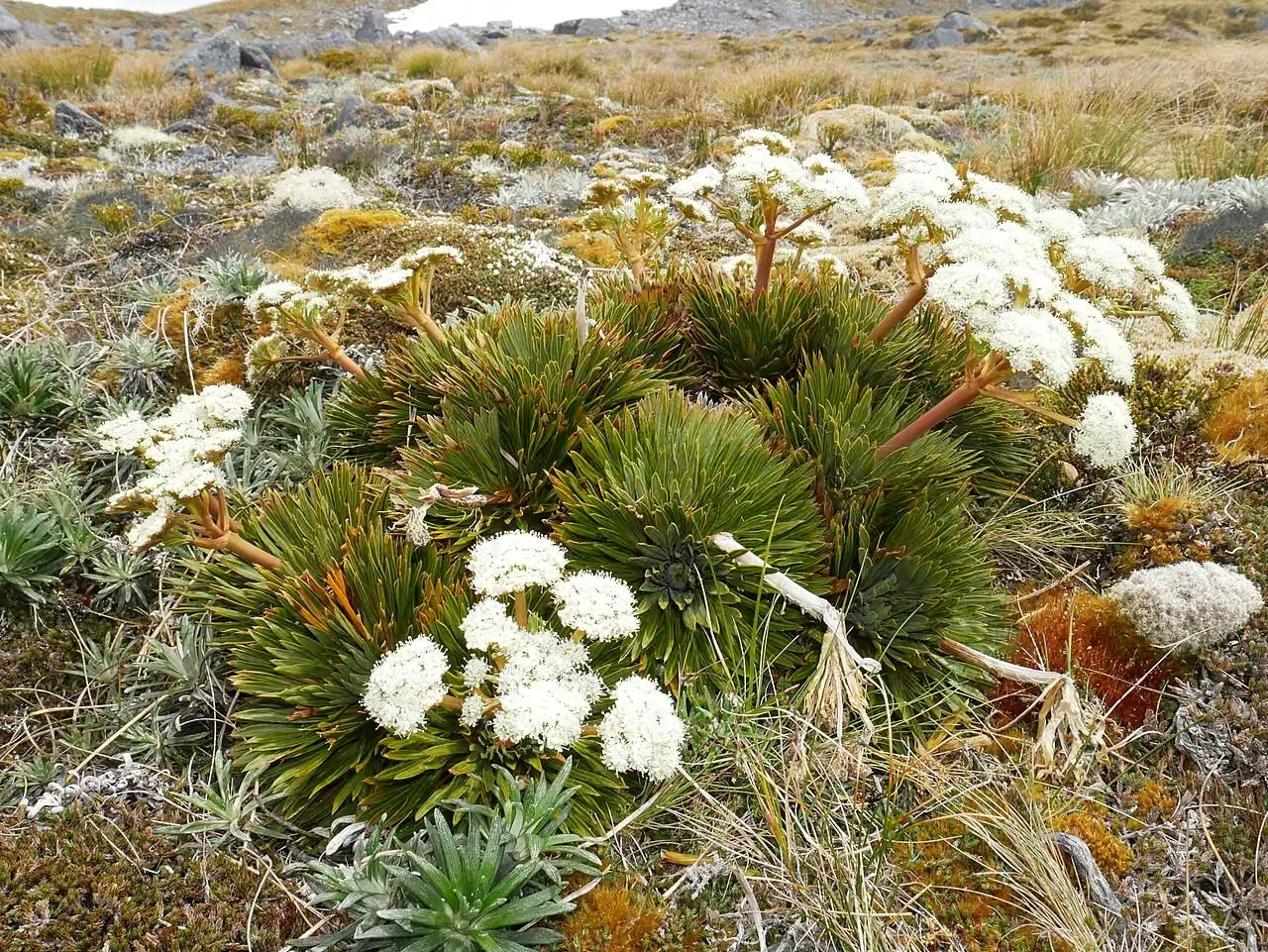
Aciphylla crosby-smithii
Aciphylla crosby-smithii
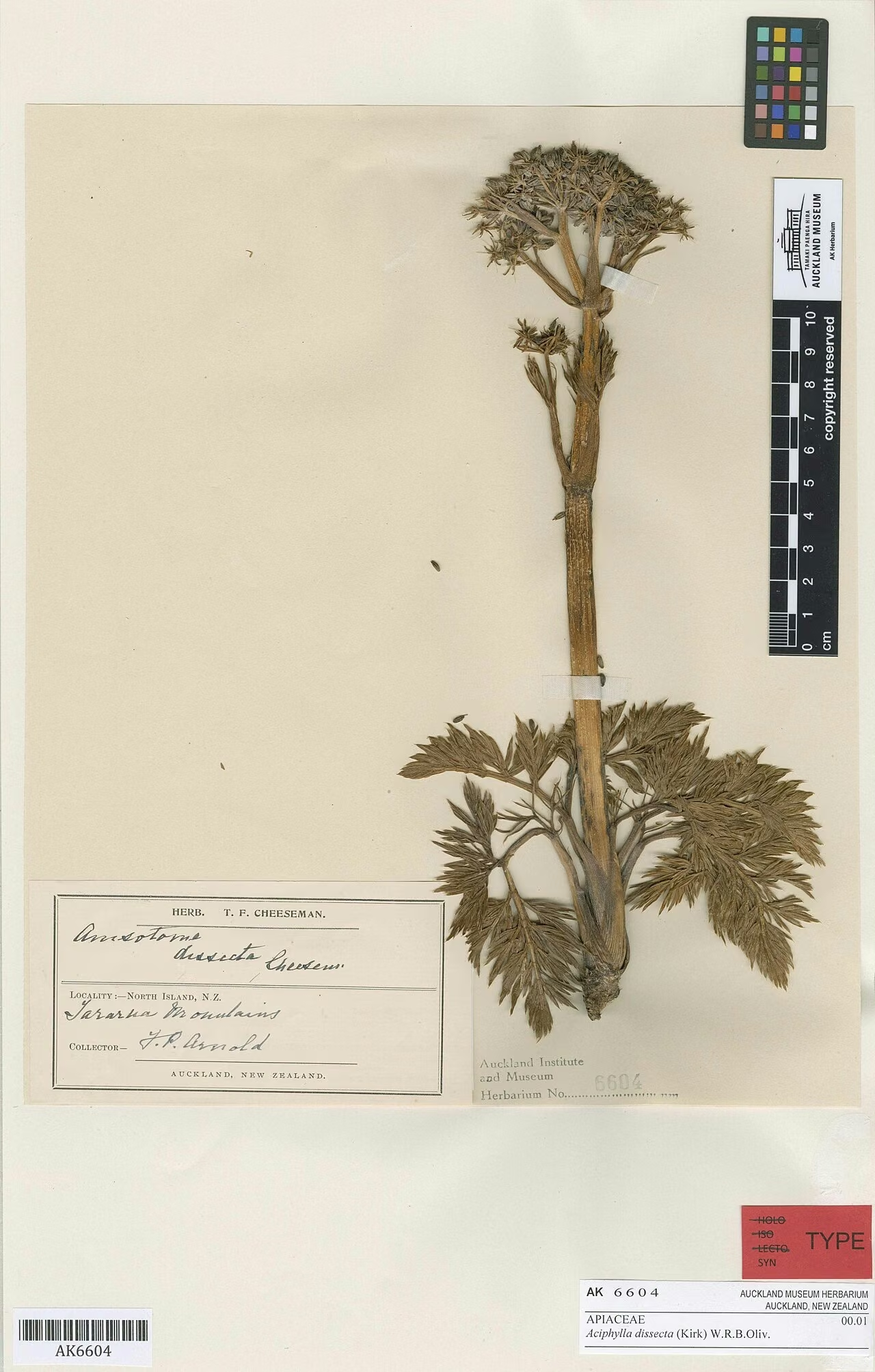
Aciphylla dissecta
Aciphylla dissecta
Caesiiglauca Plant
Caesiiglauca Plant
Plant Conservation
Acaena profundeincisa is ranked Not Threatened (2023). It is Regionally Not Threatened in Otago, and Regionally Data Deficient in the Wellington region.
Much of its montane and alpine habitat lies within conservation land. Controlling invasive weeds and grazing pressure in tussock grasslands helps maintain healthy populations.
Frequently Asked Questions
What does profundeincisa mean?
It means profoundly incised or deeply cut, a reference to the deeply serrated, hair-tipped teeth on the leaflets.
Where is Acaena profundeincisa found?
It grows in montane to alpine grassland and shrubland, about 900 to 1900 m, on the North and South Islands from the Raukumara Range southwards.
How do you tell Acaena profundeincisa from Acaena caesiiglauca?
NZPCN notes A. caesiiglauca is more glaucous, has less pronounced leaflet teeth and has white anthers, while A. profundeincisa has red anthers.
Sources and Further Reading
The botanical, growing, and conservation details for Bidibid (Acaena profundeincisa) on this page draw on the New Zealand plant references below. Consult them for full technical records and the latest distribution data.