Hebe
Veronica macrocarpa var. macrocarpa
Last updated:
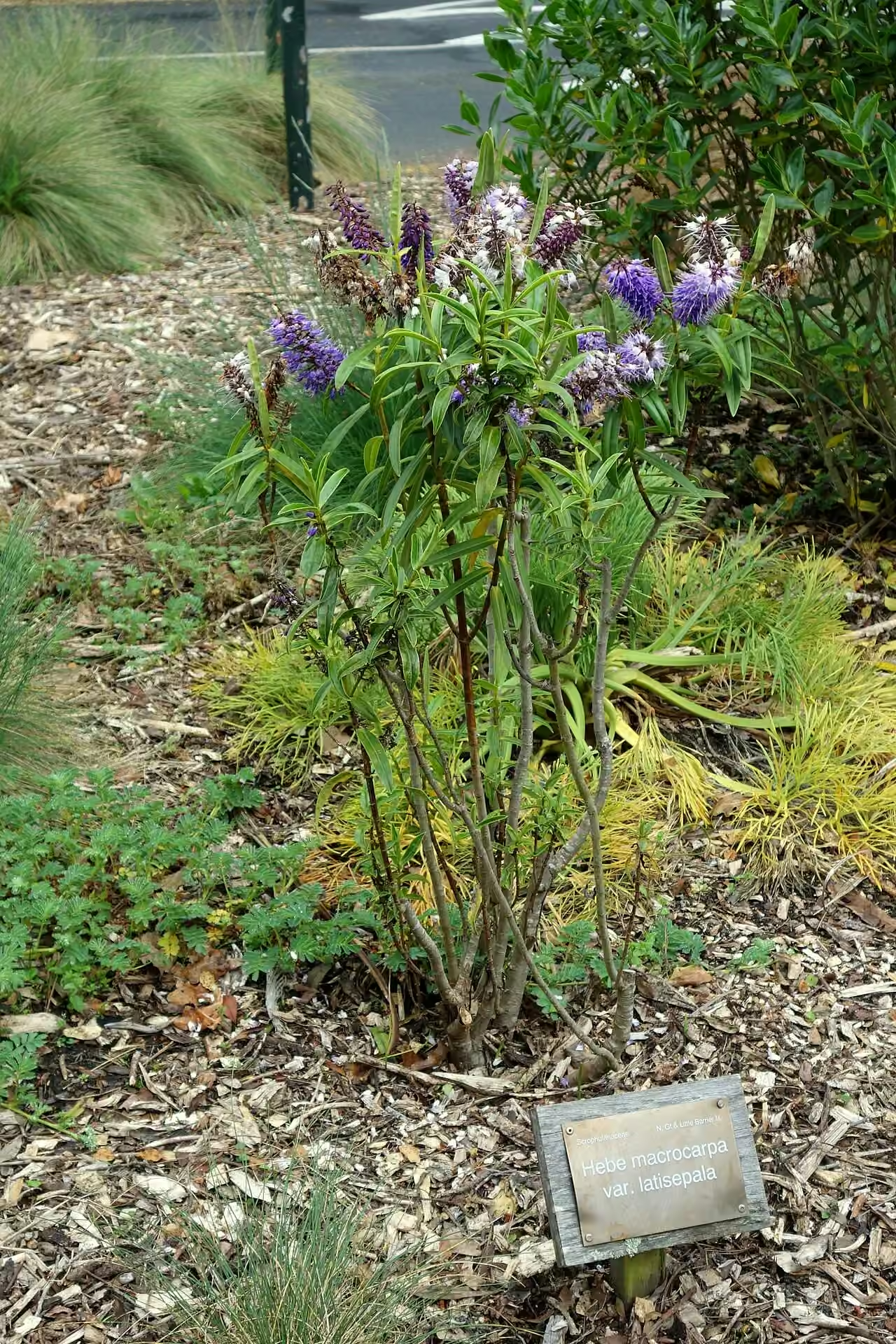
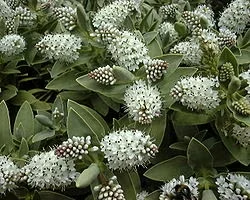
Veronica macrocarpa var. macrocarpa, formerly Hebe macrocarpa, is a bushy shrub up to 3 m tall from the northern North Island. It has large, glossy, leathery leaves up to 11 cm or more long and fat spikes of big white flowers, sometimes tinged pink or mauve, which open mainly from April to November. It grows from near Whangārei south to about Kawhia, including the Hauraki Gulf islands and the Mercury Islands, in scrub, forest margins, clearings and rocky places. The name macrocarpa means large-fruited, referring to its unusually big capsules. It is ranked Not Threatened. It was previously known as Hebe macrocarpa var. macrocarpa. Explore more native shrubs in our native plant guide.
Plant Description
Veronica macrocarpa var. macrocarpa is a bushy shrub to 3 m tall with erect branches; older stems are brown or grey. The leaves are in opposite pairs, thick and leathery, glossy green or dark green above, and lanceolate to elliptic or oblong. They are usually 45 to 110 mm long and 9 to 22 mm wide, but range from 23 to 163 mm long.
The flowers are white, sometimes tinged pink or mauve as they open, and are large and broad for a hebe, with a corolla tube longer than the calyx and long stamen filaments. They are carried in stout spikes from the leaf axils. The capsules are smooth, flattened and pointed, 3.8 to 10 mm long, large compared with most hebes. NZPCN and the Flora note that flower and capsule size vary considerably, especially in mainland populations.
The absence of a leaf-bud sinus and its glossy green leaves separate it from Veronica adamsii and similar northern hebes. Var. latisepala of Great Barrier and Little Barrier islands has violet flowers and narrower leaves.
Quick Facts
| Scientific Name | Veronica macrocarpa var. macrocarpa |
|---|---|
| Height | Up to 3 m |
| Spread | 1-2 m |
| Water Needs | Moderate |
| Light | Full sun to light shade |
| Frost Tolerance | Low to moderate; a northern species |
| Salt Tolerance | Moderate; occurs on coastal islands and rocky sites, but no specific data |
| Growth Rate | Moderate to fast |
| Lifespan | Perennial |
Climate Best Suited to
Suits the warm, humid, mild climate of Northland, Auckland and the Coromandel. It grows well in frost-free or lightly frosted gardens but dislikes hard frost.
Regional Suitability
| City | Climate Suitability |
|---|---|
| Auckland | High |
| Wellington | Medium |
| Christchurch | Low |
| Dunedin | Low |
Plant Habitat
Var. macrocarpa is endemic to the northern North Island. NZPCN gives its range as near Whangārei to near Kawhia, including the islands of the Hauraki Gulf and the Mercury Islands, and the Flora also records the species from the southern Kaimai Range.
It grows in coastal to upland areas in scrub, at forest margins, in open places within forest, and on rock outcrops and cliffs, from sea level to about 1275 m.
Growing Requirements
Soil Requirements
It grows on a wide range of soils in the wild, including rocky ground, and does well in most free-draining garden soils.
- Free-draining loam or clay loam
- Tolerates rocky, shallow soils
- Mulch to keep roots cool and moist
Light Requirements
It grows in open scrub and forest clearings, tolerating full sun and partial shade.
- Full sun for compact growth and most flowers
- Light shade is accepted
Water Requirements
It suits a moist northern climate and benefits from steady moisture, while coping with short dry periods once established.
- Water young plants regularly through summer
- Avoid prolonged waterlogging
Planting and Establishing
Plant in autumn or spring in a sunny, sheltered spot with good drainage. Space plants 1.5 m apart for an informal screen.
In frosty inland areas plant it against a warm wall or under a light canopy. Ecosourced plants are the best choice for restoration plantings in Northland, Auckland and the Coromandel.
Ecological Role
Because it flowers mainly from April to November, it offers nectar to insects such as native bees, flies, butterflies and moths during the cooler months. Specific pollinator studies for this hebe were not found in the sources consulted. The seed is wind dispersed.
It is part of regenerating scrub and forest margins in the northern North Island, helping to occupy gaps and clearings before forest closes.
Uses & Significance
Garden Uses
A vigorous, large-leaved, winter-flowering hebe for warm gardens.
- Informal hedges and screens
- Winter colour in mixed borders
- Restoration planting in northern scrub and forest margins
- Coastal gardens with some shelter
Ecological Value
It provides cool-season nectar and shelter in the scrub and forest margins of the northern North Island.
- Flowers from autumn to spring
- Endemic to northern New Zealand
- Useful early successional shrub in restoration
Landscaping Uses
Its bold, glossy leaves give a lush, subtropical look, and the white spikes stand out against dark foliage in winter. Plant it at the back of a border or as a loose screen, with lower hebes, flaxes and grasses in front.
It also works well in coastal gardens among rocks, as long as it is sheltered from the strongest salt-laden winds.
Seasonal Care Calendar
Spring
Flowering continues, usually ending around November.
- Plant new specimens
- Trim after flowering finishes
Summer
A season of growth with ripening capsules and few flowers.
- Water young plants in dry weather
- Take semi-hardwood cuttings
Autumn
Flowering begins from about April.
- Collect ripe capsules
- Apply mulch
Winter
White flower spikes are a feature through winter.
- Protect young plants from frost
- Enjoy the winter flowers
When to Prune and How Much
Trim lightly once flowering ends in late spring, removing spent spikes and shortening leggy shoots. Avoid pruning in autumn, which would remove the developing flower buds.
Leggy older plants can be reduced by up to a third in late spring, leaving foliage on each branch.
How to Grow Hebe
Veronica macrocarpa var. macrocarpa is easy to propagate from cuttings and can also be raised from seed. Cuttings reproduce the parent exactly, which matters because flower and capsule size vary a great deal between populations, and because hebes hybridise freely, so seed from garden plants near other hebes may give hybrids. For restoration plantings in the northern North Island, collect cuttings or seed from several local wild plants, with landowner or Department of Conservation permission, to keep local genetic diversity. Its large capsules make seed collection straightforward.
From Cuttings
Semi-hardwood cuttings usually root well within a few weeks in warm conditions.
Choose shoots from the current season that have begun to firm at the base but are still flexible. Rooted cuttings grow quickly and can usually be planted out within a year.
- Take 8 to 10 cm cuttings of non-flowering shoots from late spring to autumn
- Remove the lower leaves and cut large upper leaves in half
- Insert into a mix of potting mix with pumice or perlite
- Keep humid and out of hot sun until rooted, then pot on
From Seed
Capsules ripen through much of the year. Collect them when they turn brown and start to split, and sow the seed fresh.
- Collect brown, splitting capsules
- Sow on the surface of a fine seed-raising mix and cover lightly
- Keep moist and warm
- Prick out seedlings into individual pots when large enough
Pests & Diseases
No pests specific to this hebe are recorded. Like other large-leaved hebes it can suffer from downy mildew, leaf spot and septoria in humid, crowded sites, and from root rot in poorly drained soils.
Scale insects and aphids may appear on soft shoots. Good air circulation and drainage prevent most issues.
Cultural Significance
The Te Mara Reo etymology site records that Hebe macrocarpa shares the Māori name kōkōmuka, a name also used for other hebes. No traditional use specific to this species was found in the sources consulted, though koromiko hebes in general were well known in rongoā Māori, especially as a remedy for diarrhoea.
The species was described by the botanist Martin Vahl as Veronica macrocarpa. With the 2007 reclassification of hebes into Veronica, that original name is again in use.
Bonus Tip
For a hedge that flowers in winter, plant Veronica macrocarpa and trim it only once, straight after flowering in late spring. That leaves the whole summer and autumn for new shoots to form flower buds, so the hedge is covered in white spikes through the cold months.
Related Plants
Explore other native plants that share similar characteristics or habitats with Hebe (Veronica macrocarpa var. macrocarpa), offering further insights into New Zealand's diverse flora. These related species provide context and opportunities for complementary planting in your garden.
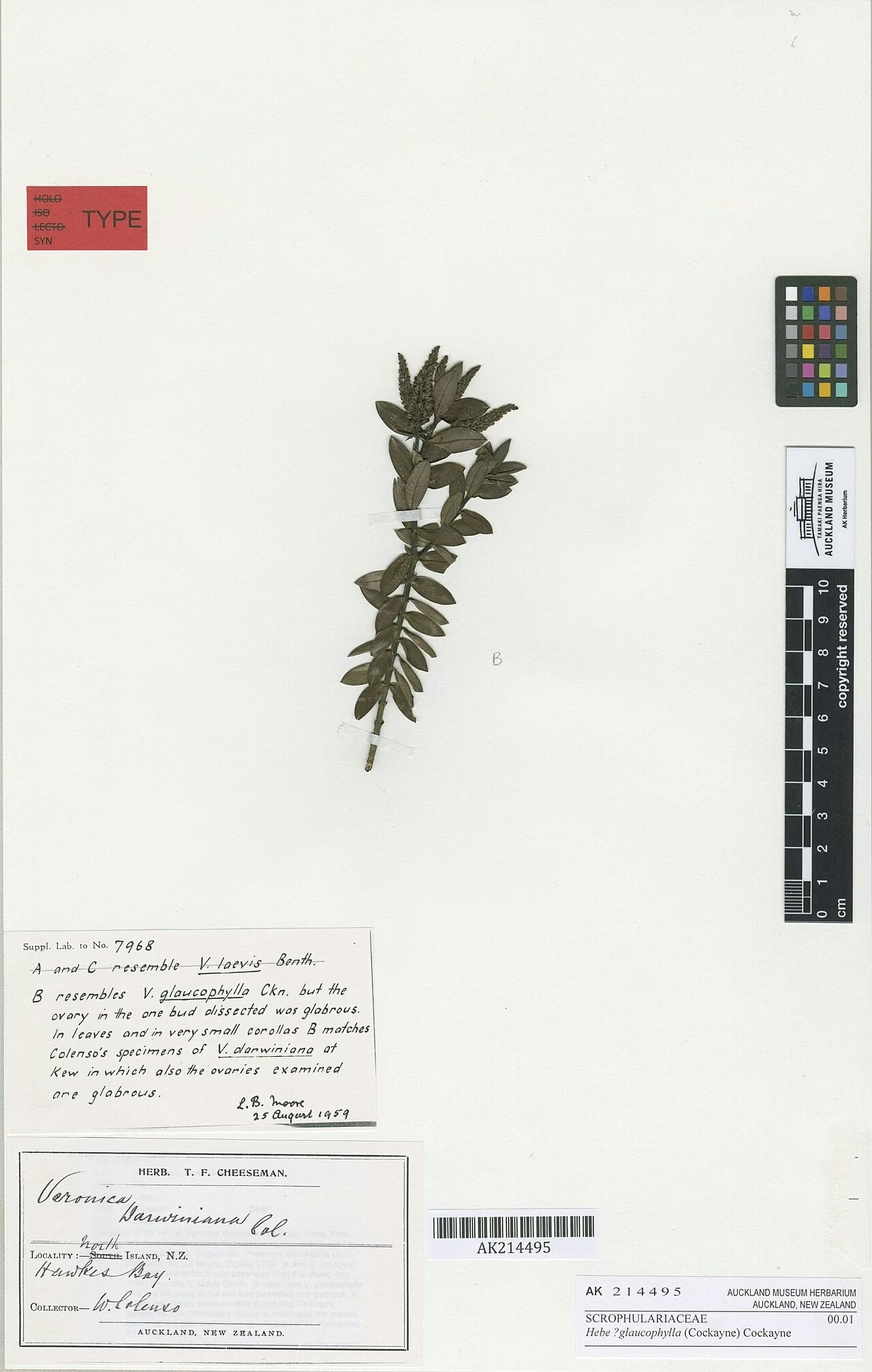
Veronica glaucophylla
Veronica glaucophylla
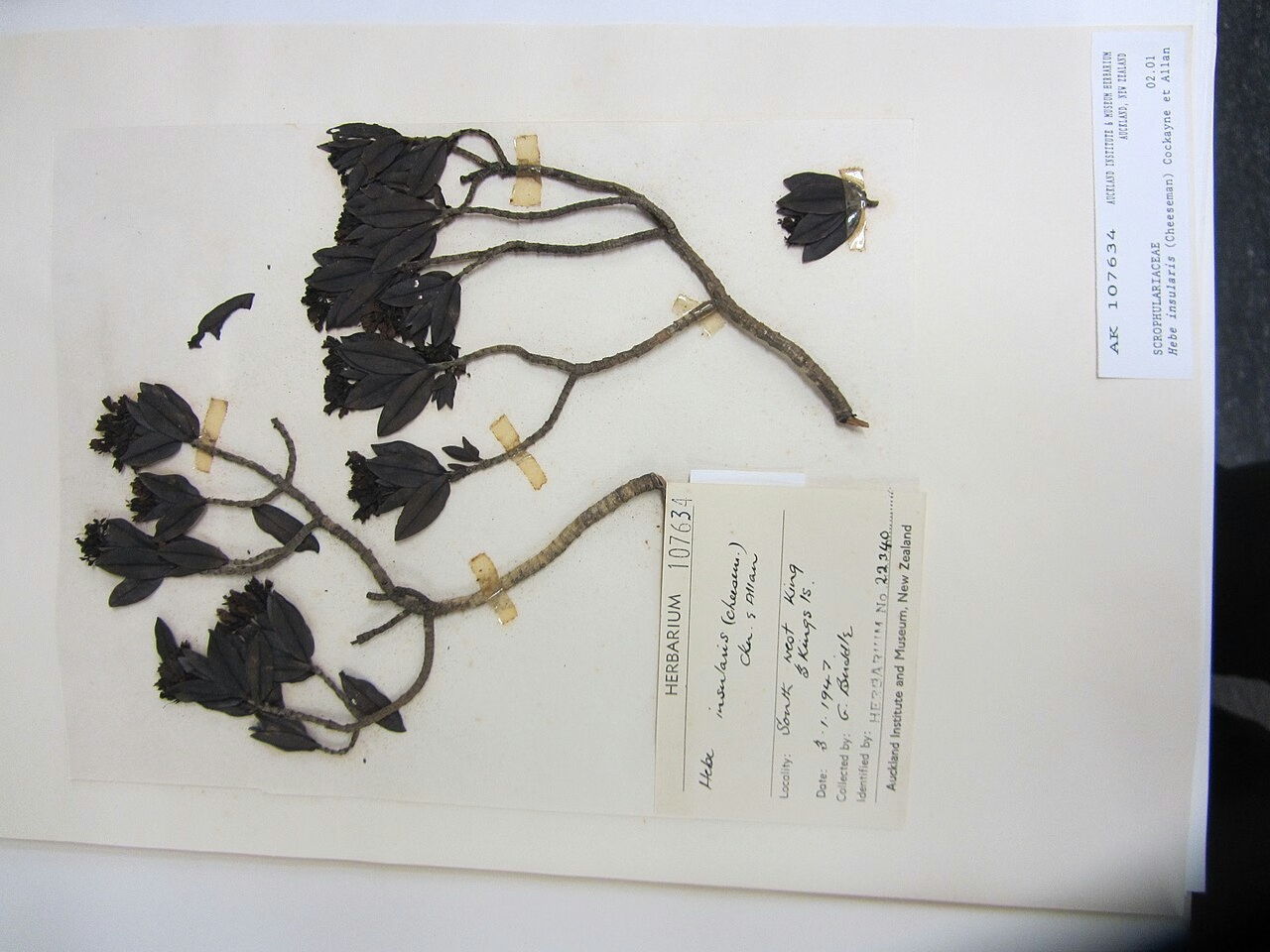
Three Kings Koromiko
Veronica insularis
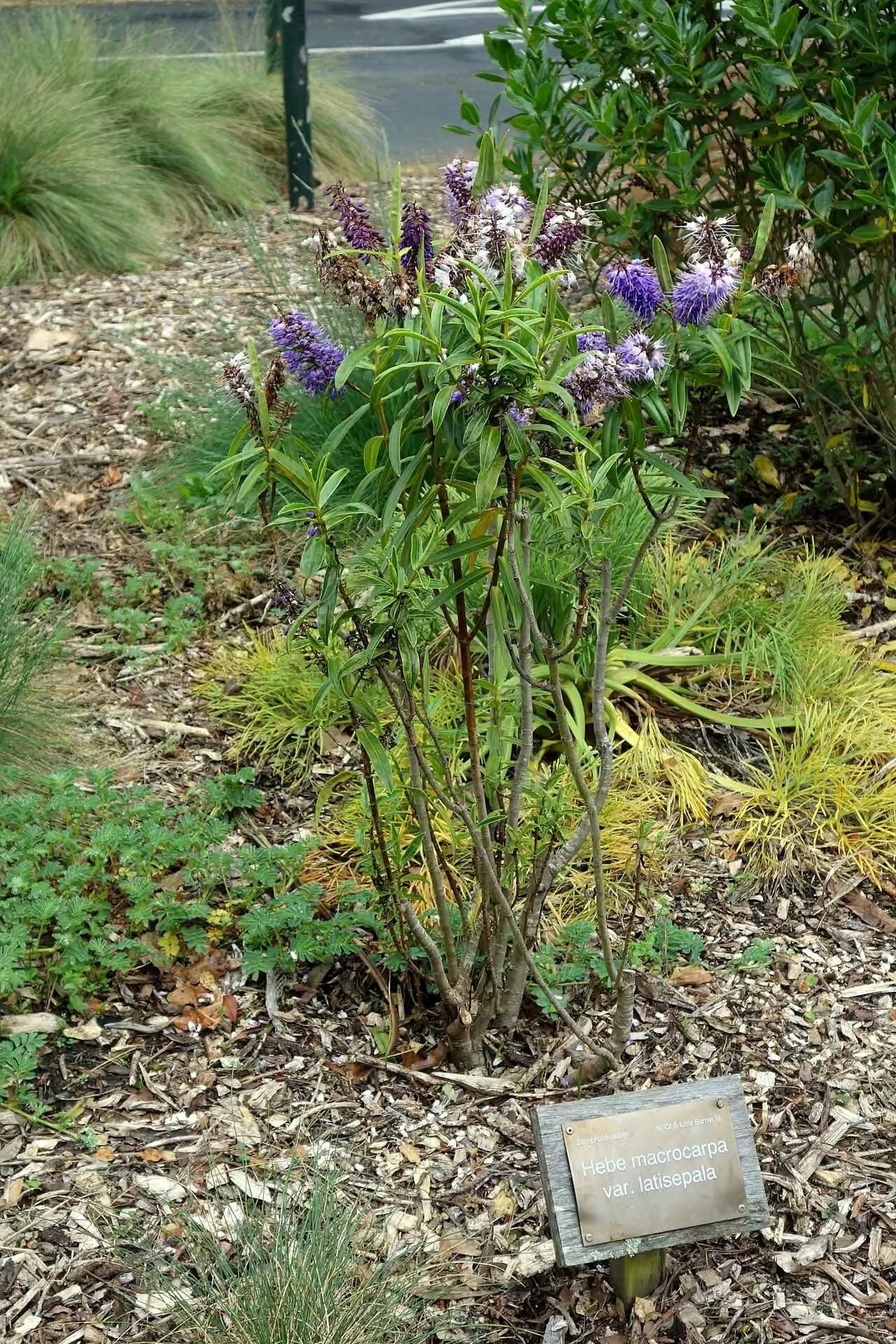
Veronica macrocarpa var. latisepala
Veronica macrocarpa var. latisepala
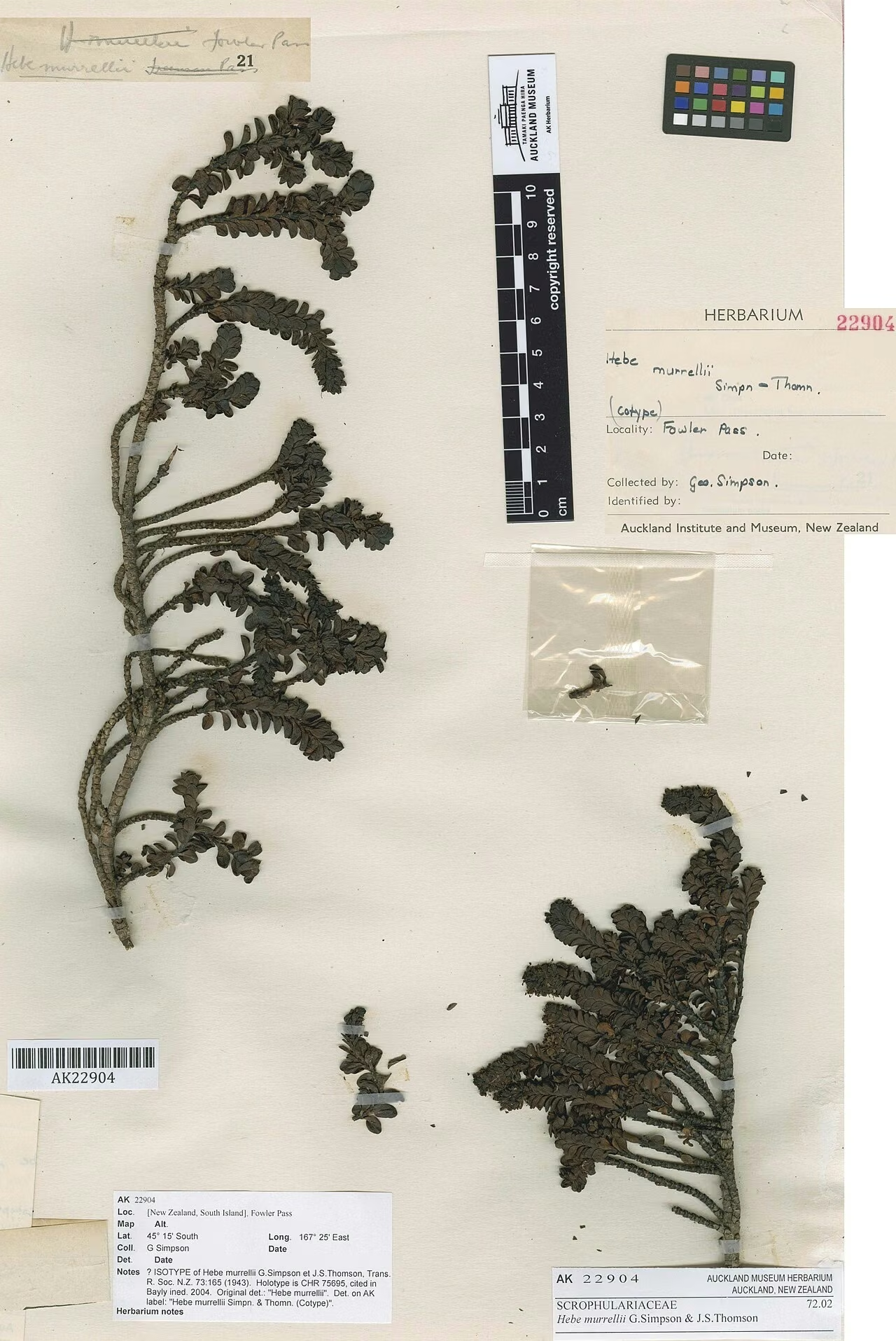
Murrell's Hebe
Veronica murrellii
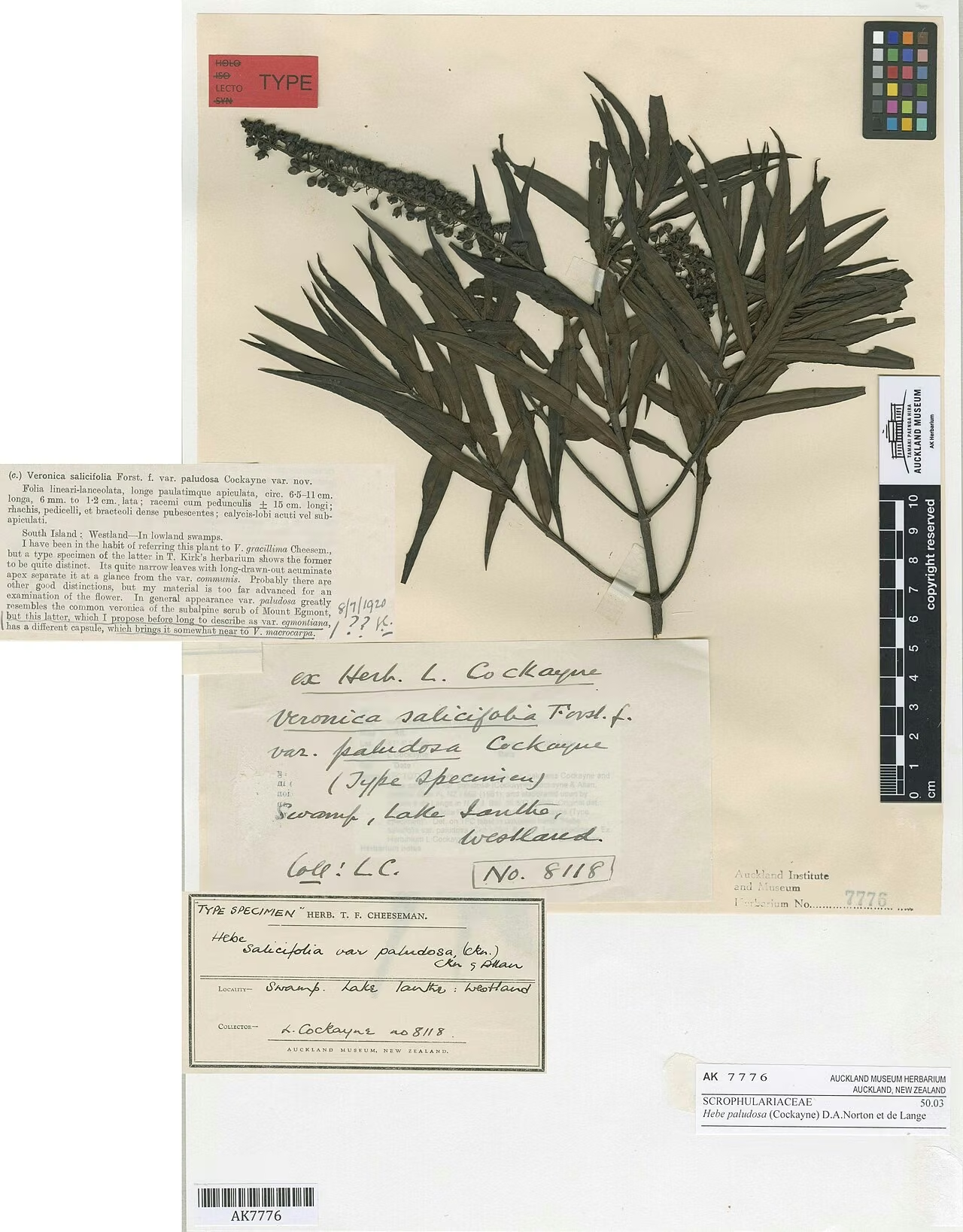
Veronica phormiiphila
Veronica phormiiphila
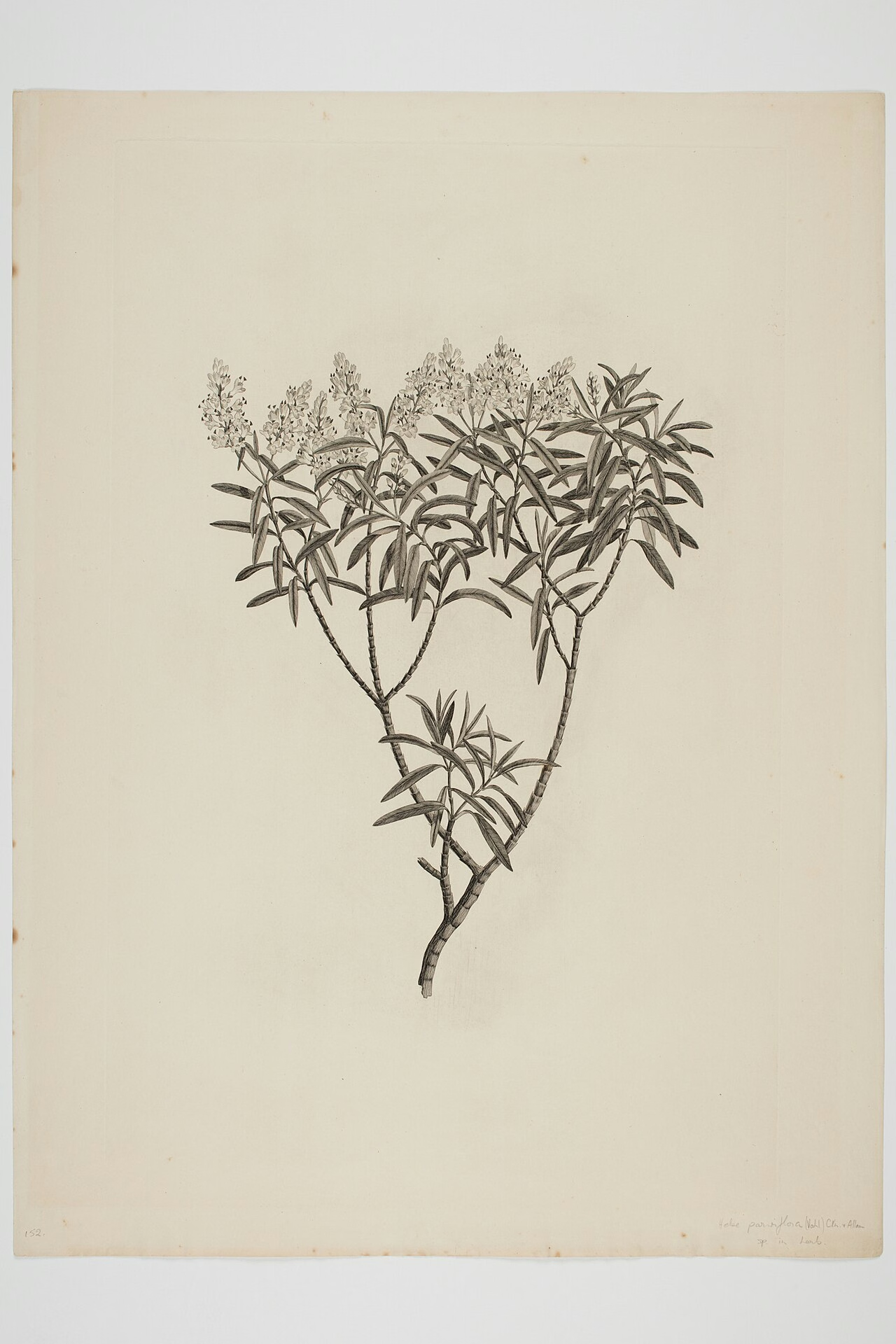
Veronica parviflora
Veronica parviflora
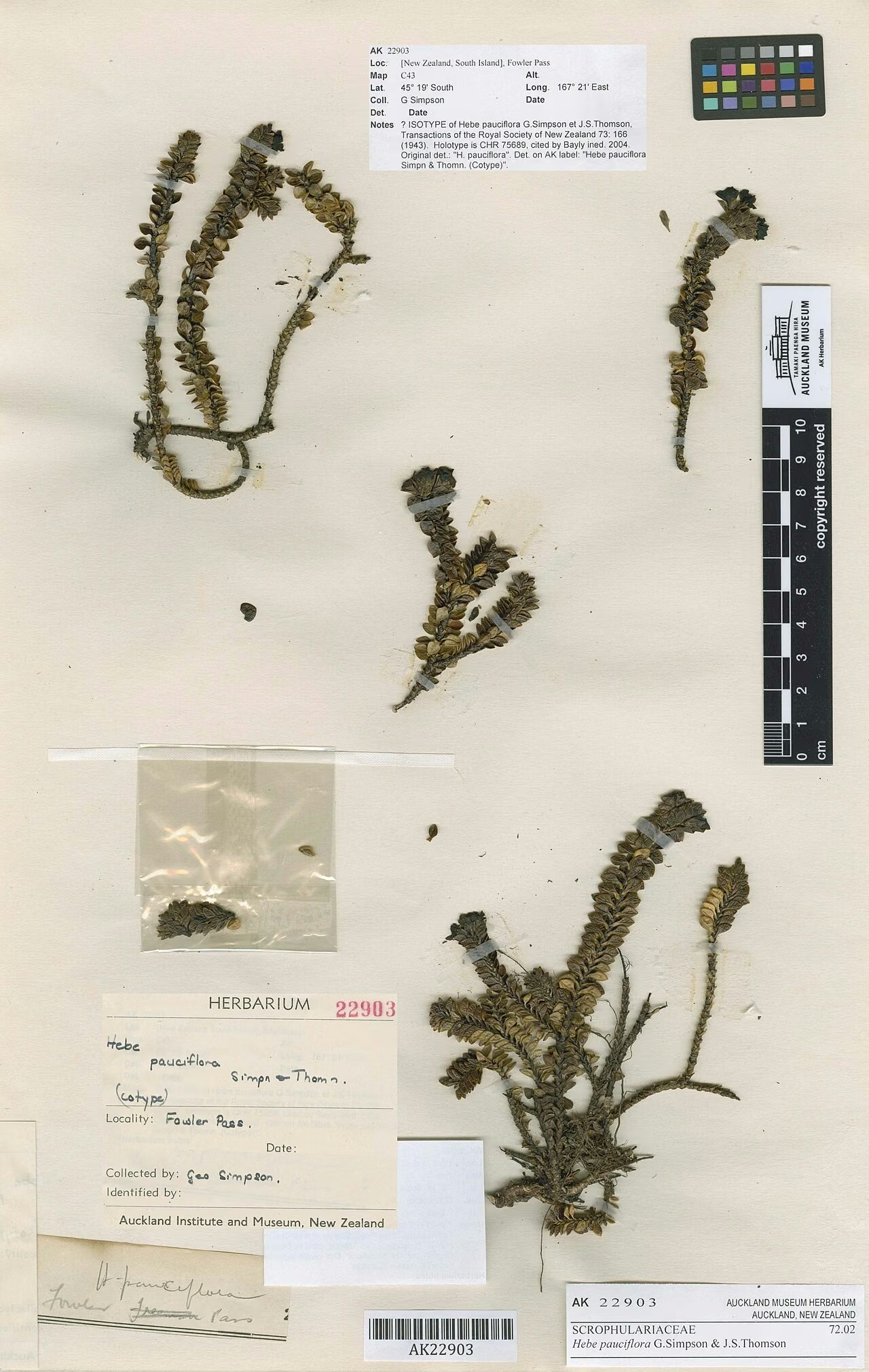
Veronica notialis
Veronica notialis
Snow Hebe
Snow Hebe
Plant Conservation
Veronica macrocarpa var. macrocarpa is ranked Not Threatened (2023). It is regionally Not Threatened in Auckland (2025) but Regionally Naturally Uncommon in Northland (2026), reflecting its more limited occurrence there.
Weed invasion of scrub and forest margins and clearance of regenerating scrub are general pressures on its habitat. Planting ecosourced stock in restoration projects helps keep local populations healthy.
Frequently Asked Questions
When does Hebe macrocarpa flower?
It flowers mainly from April to November, occasionally into January, so it is one of the few native shrubs that flowers through late autumn and winter.
Where does Veronica macrocarpa grow naturally?
It grows in the northern North Island from near Whangārei south to near Kawhia, including the Hauraki Gulf islands and the Mercury Islands, with records also from the southern Kaimai Range.
How do you identify Veronica macrocarpa?
Look for leathery, glossy green leaves with no gap (sinus) in the leaf bud, large broad white flowers with a corolla tube longer than the calyx, long stamens, and big capsules up to about 10 mm long.
Is Hebe macrocarpa the same as the macrocarpa tree?
No. Macrocarpa trees are the Californian cypress Cupressus macrocarpa. Here macrocarpa simply means large-fruited and refers to this hebe's large seed capsules.
Sources and Further Reading
The botanical, growing, and conservation details for Hebe (Veronica macrocarpa var. macrocarpa) on this page draw on the New Zealand plant references below. Consult them for full technical records and the latest distribution data.