Hebe
Veronica glaucophylla
Last updated:
Veronica glaucophylla, still widely sold and labelled as Veronica glaucophylla, is a bushy, rounded shrub up to 2 m tall endemic to the South Island. Its narrow, leathery leaves are a dull bluish-green, and from December to March it carries erect spikes of small white flowers. In the wild it grows in montane scrub, often on rock outcrops, in Marlborough and inland Canterbury, with a few sites near the Main Divide in far north-west Westland. It is ranked Not Threatened. The blue-grey foliage and tidy dome shape make it a hardy choice for cool, dry gardens. It was previously known as Hebe glaucophylla. Explore more native shrubs in our native plant guide.
Plant Description
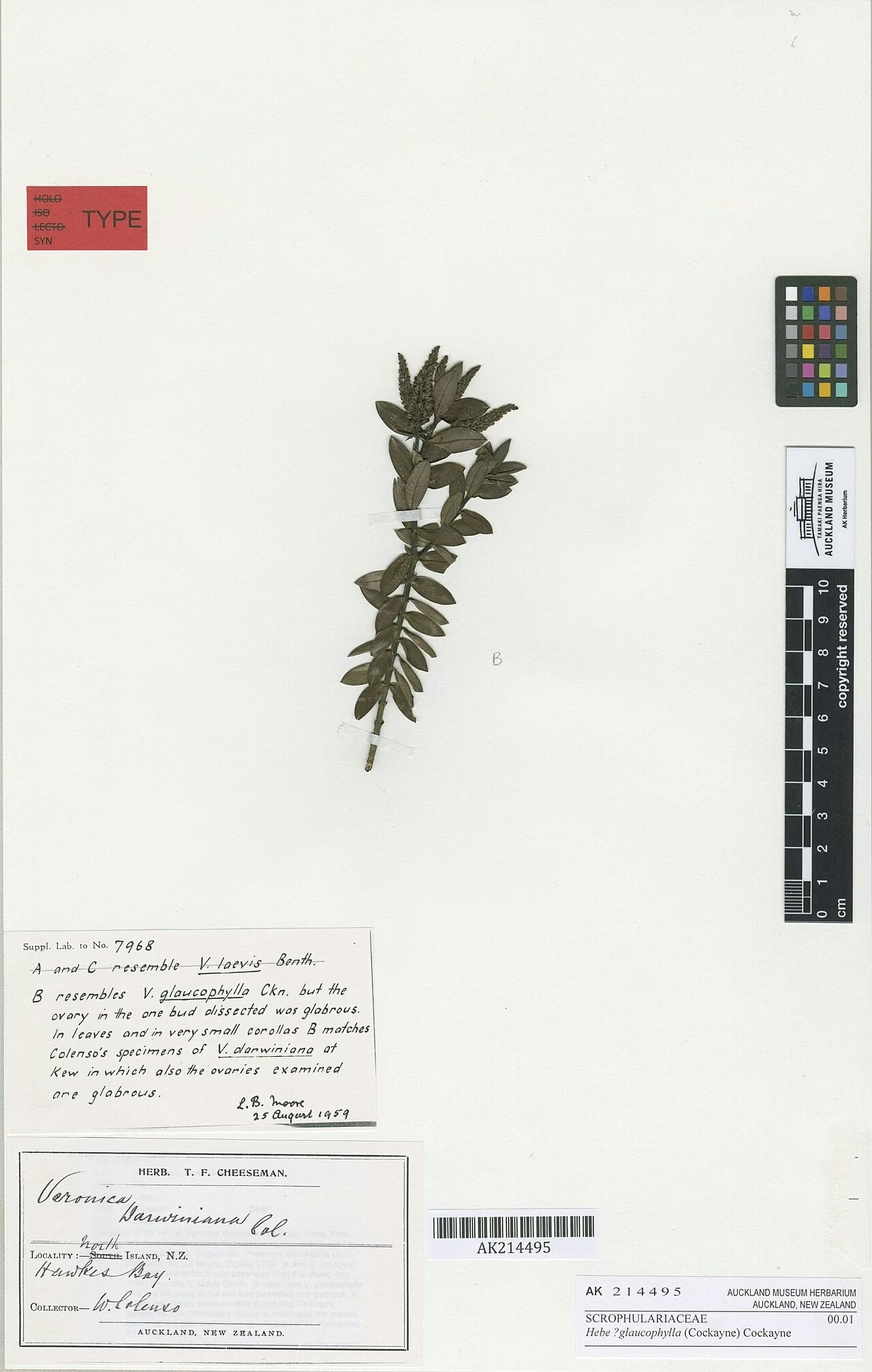
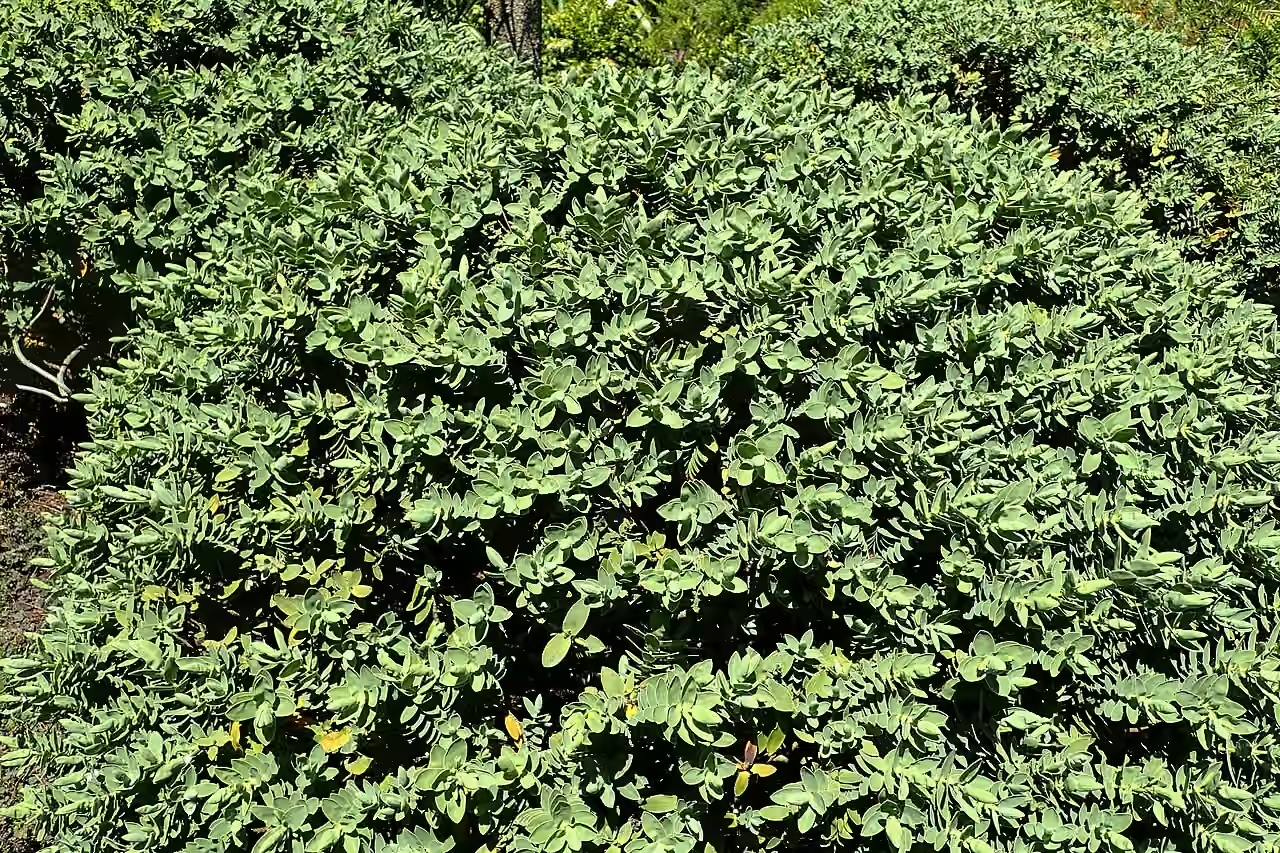
Veronica glaucophylla is a bushy shrub to 2 m tall with erect, finely hairy stems. The leaves sit in opposite pairs at right angles to the pair below (opposite-decussate). They are leathery, lanceolate to oblong, 7 to 25 mm long and roughly 3 to 7 mm wide, and a dull glaucous blue-green that gives the whole bush a grey cast.
Flowers appear from December to March in lateral spikes (racemes) of about 15 to 31 flowers, which stand longer than the leaves. The corolla is white, with lobes 2.5 to 3.5 mm long and a characteristically short tube, and the anthers range from magenta to yellowish. The fruit is a small flattened capsule that is finely hairy or hairless, ripening from January to May and often persisting on the plant for months. The Flora notes that some populations may include male-sterile plants.
Several small-leaved hebes have greyish leaves. Veronica glaucophylla is separated by the combination of glaucous leaves, a very short fine hairiness on the stems, inflorescences and capsules, flower stalks usually longer than their bracts, and a corolla tube that is usually shorter than the calyx.
Quick Facts
| Scientific Name | Veronica glaucophylla |
|---|---|
| Height | Up to 2 m |
| Spread | About 1-1.5 m, rounded |
| Water Needs | Low to moderate once established |
| Light | Full sun |
| Frost Tolerance | High; a montane shrub of inland Canterbury and Marlborough |
| Salt Tolerance | No information available; an inland species |
| Growth Rate | Moderate |
| Lifespan | Perennial |
Climate Best Suited to
Suits cold, frosty, relatively dry eastern South Island climates with warm summers and cold winters. It is less suited to hot, humid northern lowlands.
Regional Suitability
| City | Climate Suitability |
|---|---|
| Auckland | Low |
| Wellington | Medium |
| Christchurch | High |
| Dunedin | High |
Plant Habitat
Veronica glaucophylla is endemic to the South Island. The Flora of New Zealand records it in Marlborough and Canterbury, inland from Lake Tennyson and the mountains near Hanmer Springs south to the Craigieburn Range, being especially frequent near the Castle Hill Basin, with a few records near the Main Divide in far north-west Westland.
It grows in montane, and occasionally lowland, scrub and shrubland, often on rock outcrops, at recorded elevations of about 250 to 1220 m.
Growing Requirements
Soil Requirements
Its natural sites are stony, free-draining mountain soils and rock outcrops, so it needs good drainage more than fertility.
- Free-draining gravelly or stony loam
- Avoid heavy, waterlogged clay
- Little or no fertiliser needed
Light Requirements
It grows in open montane scrub and on outcrops, and keeps its compact, dense shape best in full sun.
- Full sun for the best blue foliage colour
- Shade makes it loose and sparse
Water Requirements
It is adapted to the drier eastern side of the Southern Alps and tolerates dry spells once its roots are established.
- Water regularly through the first summer
- Established plants need watering only in prolonged drought
- Poor drainage is a greater risk than dryness
Planting and Establishing
Plant in autumn or spring in a sunny, open position with free drainage. Space plants about 1 m apart for a low informal hedge, or give a single plant room to form its natural dome.
On heavy soils, plant on a slight mound or in a raised bed with added grit, and mulch with stones or bark to keep roots cool without holding moisture against the stem.
Ecological Role
The small white flowers of hebes attract native bees, flies and butterflies, and this species flowers through the main summer period when insects are active in montane scrub. The seeds are shed from small dry capsules and are wind dispersed.
Specific pollinators or insect hosts recorded on Veronica glaucophylla were not documented in the sources consulted. It forms part of the shrubland that develops on rocky montane ground in inland Canterbury and Marlborough.
Uses & Significance
Garden Uses
A neat, hardy, grey-leaved shrub for cold, dry gardens.
- Low informal hedges and borders
- Rock and gravel gardens
- Contrast planting with green-leaved hebes and tussocks
- Ecosourced plantings in inland Canterbury
Ecological Value
It contributes summer nectar and shelter to montane scrub communities on the eastern side of the Southern Alps.
- Summer flowers for native insects
- Endemic shrub of Canterbury and Marlborough rock outcrops
- Suitable for restoration in its natural range
Landscaping Uses
The blue-grey foliage pairs well with golden tussocks such as Chionochloa and Poa, with green-leaved hebes, and with dark rock. Plant in groups of three or five for a soft, rounded mass, or use a single specimen at the edge of a gravel garden.
Because it keeps a tidy dome without much trimming, it suits low-maintenance plantings and dry banks where larger, softer hebes struggle.
Seasonal Care Calendar
Spring
New growth emerges with fresh glaucous colour.
- Plant out new specimens
- Apply mulch before soils dry
Summer
White flower spikes appear from December through to March.
- Water young plants in dry spells
- Watch insects visiting the flowers
Autumn
Capsules ripen from January to May and many stay on the plant.
- Collect seed if wanted
- Trim lightly after flowering
Winter
The shrub is fully hardy to frost and snow in its home range.
- Take semi-hardwood cuttings in late autumn or winter under cover
- Check drainage after heavy rain
When to Prune and How Much
Lightly trim after flowering, removing spent flower spikes and shortening any long shoots, to keep the bush dense. Avoid cutting hard into old bare wood, which may not resprout.
Regular light trimming from a young age is better than occasional heavy pruning.
How to Grow Hebe
Like most New Zealand hebes, Veronica glaucophylla can be raised from seed or from cuttings. Cuttings are the most reliable way to reproduce a particular plant with good blue foliage, while seed gives genetically varied plants that are better for ecological restoration. For restoration work in Marlborough or Canterbury, collect seed or cuttings from local wild populations with permission, so that plants suit local conditions. The Flora of New Zealand notes that some populations may contain male-sterile plants, so collect seed from several shrubs rather than one to ensure a good seed set and to retain genetic diversity in the new plants.
From Seed
Capsules ripen between January and May and often remain on the bush. Collect them when they turn brown and begin to split, and dry them in a paper bag so the fine seed falls out.
- Collect brown capsules in late summer or autumn
- Sow seed thinly on the surface of a fine seed-raising mix
- Cover lightly with fine grit and keep moist but not wet
- Prick out seedlings when large enough to handle and grow on in full light
From Cuttings
Semi-hardwood cuttings taken from the current season's growth usually root well, as they do for most hebes. Choose healthy shoots without flowers.
- Take 5 to 8 cm tip cuttings from late summer through autumn
- Remove the lower leaves and any flower buds
- Insert into a free-draining mix of potting mix and pumice or perlite
- Keep humid and out of direct hot sun until roots form, then pot on and harden off
Pests & Diseases
No pests specific to this species are recorded. Hebes in general can suffer from downy mildew and leaf spot in humid, airless conditions, and from root rot in wet soils, so good drainage and air movement are the best protection.
Scale insects and aphids occasionally appear on soft new growth and can usually be left to natural predators.
Cultural Significance
No traditional Māori name or use specific to Veronica glaucophylla was found in the sources consulted. Koromiko is the general Māori name for several lowland hebes, whose leaves were widely used as a remedy for diarrhoea, but that use is recorded for lowland species rather than this mountain shrub.
The species was first described by Leonard Cockayne under Veronica and later moved by him to Hebe; with the 2007 revision of the group it has returned to Veronica. The epithet glaucophylla means glaucous-leaved.
Bonus Tip
If you want the bluest foliage, give this hebe full sun and lean, gravelly soil. Rich soil and shade produce greener, looser growth, while hard conditions keep the leaves small and strongly glaucous, close to how it looks on the rocky outcrops around Castle Hill.
Related Plants
Explore other native plants that share similar characteristics or habitats with Hebe (Veronica glaucophylla), offering further insights into New Zealand's diverse flora. These related species provide context and opportunities for complementary planting in your garden.
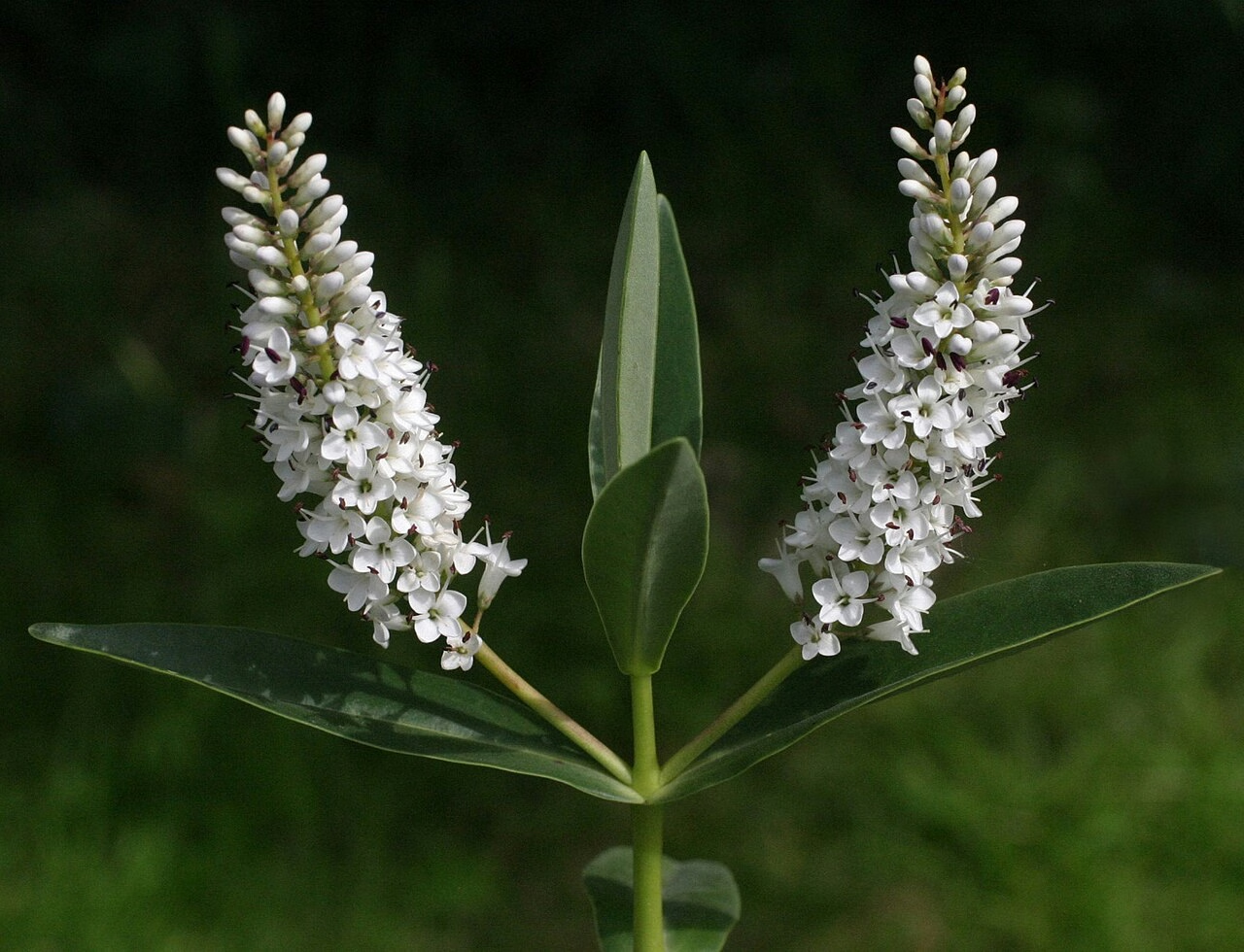
Dieffenbach's Koromiko
Veronica dieffenbachii
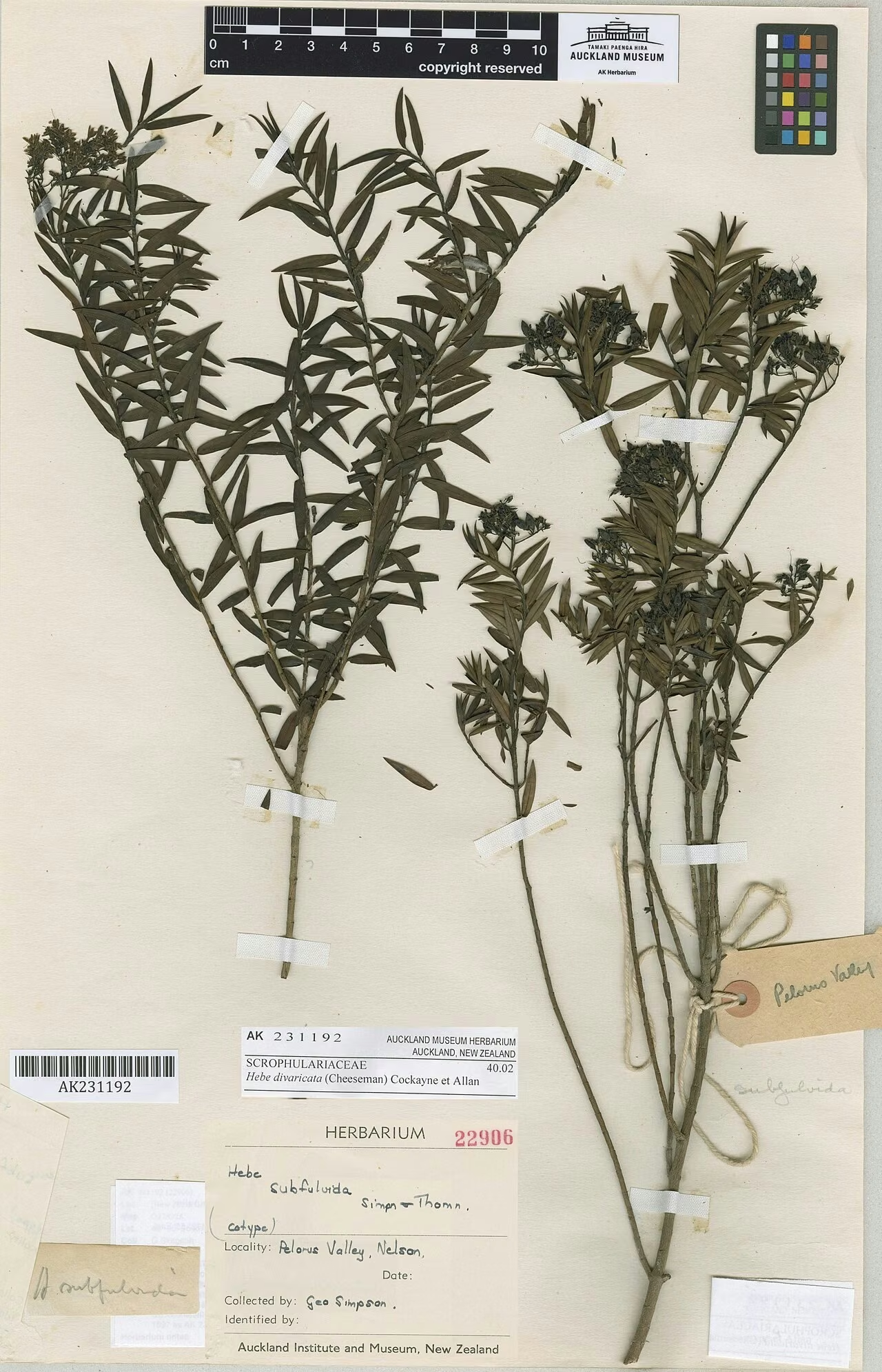
Veronica subfulvida
Veronica subfulvida
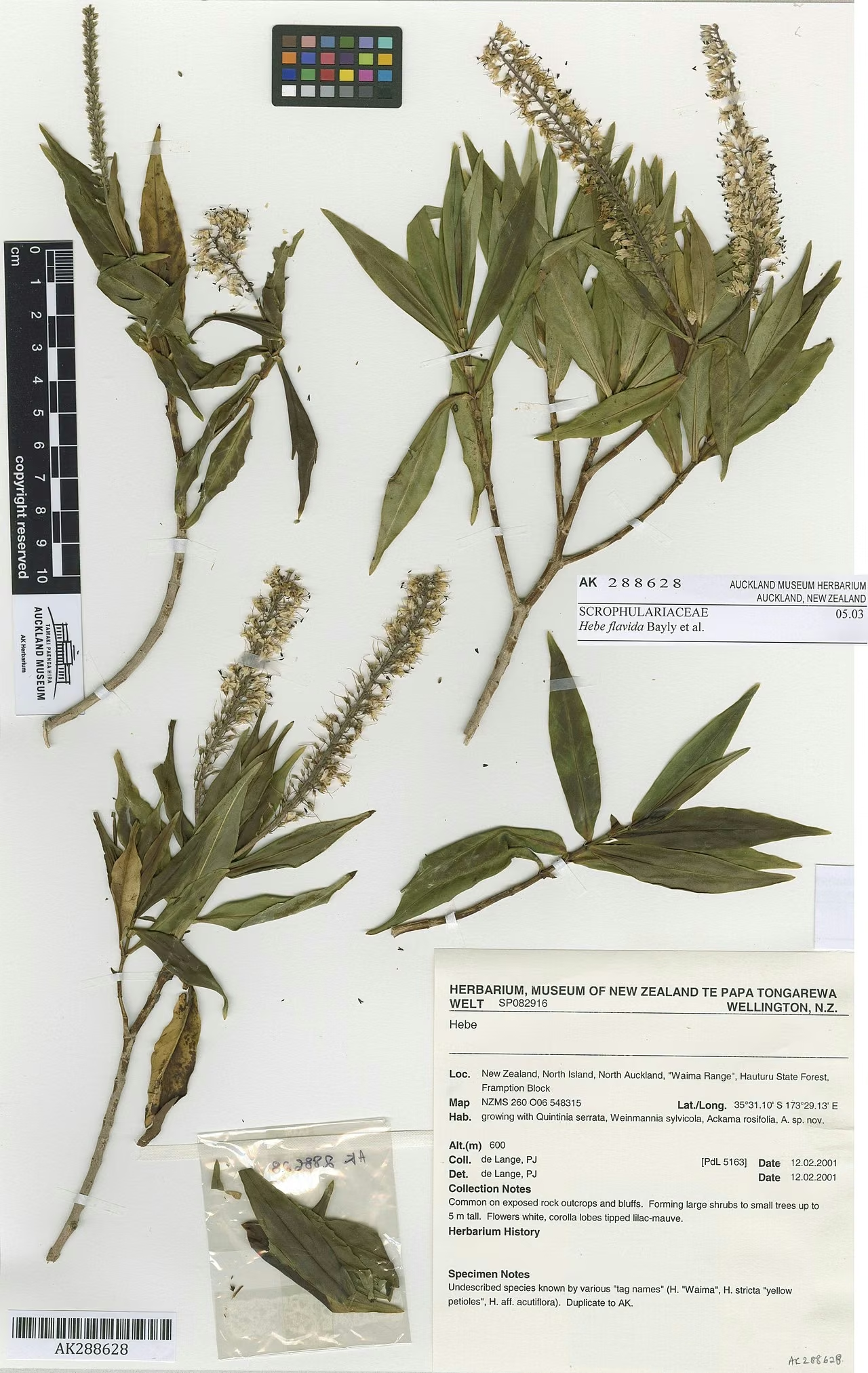
Veronica flavida
Veronica flavida
Veronica gibbsii
Veronica gibbsii
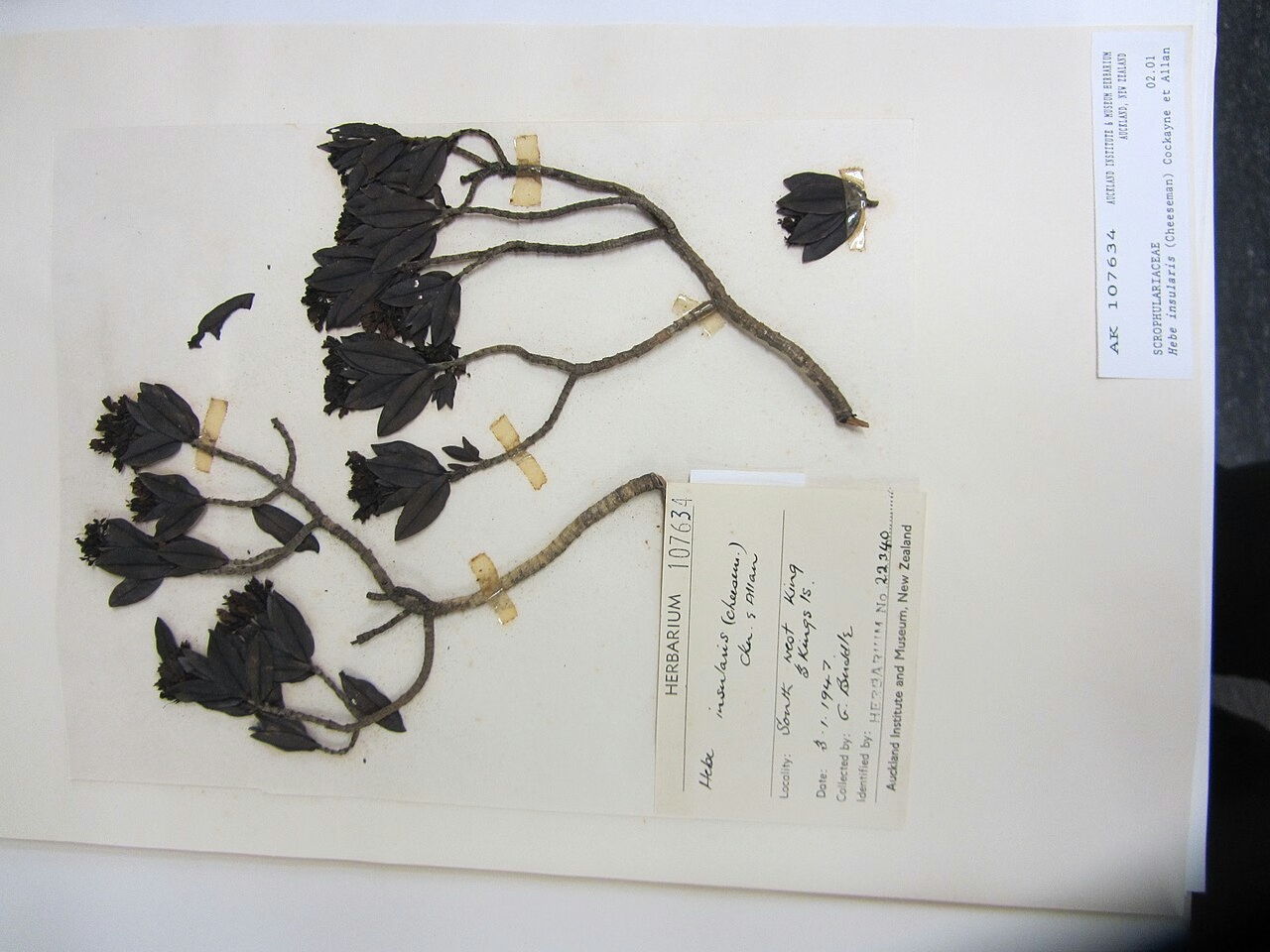
Three Kings Koromiko
Veronica insularis
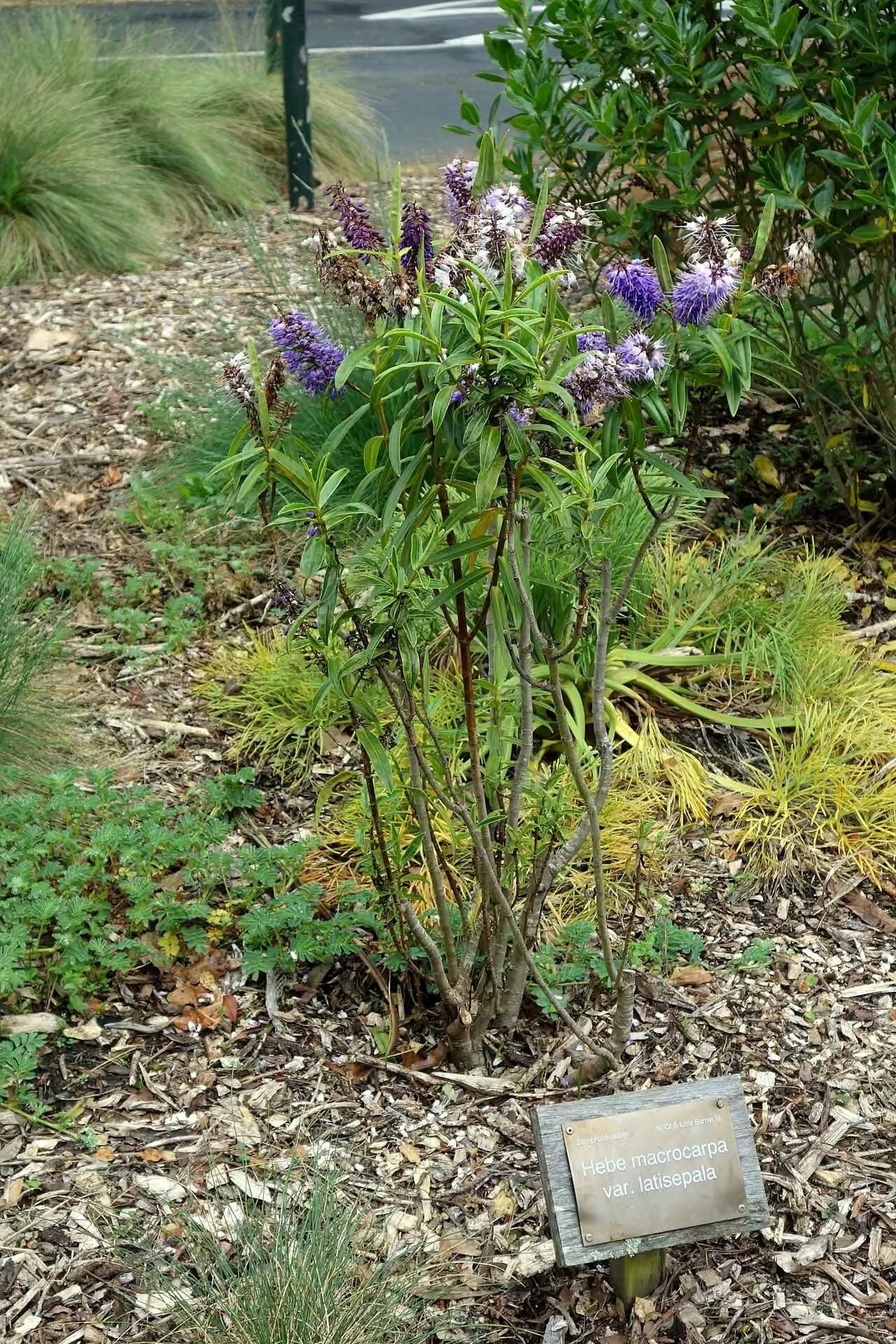
Veronica macrocarpa var. latisepala
Veronica macrocarpa var. latisepala
Veronica macrocarpa var. macrocarpa
Veronica macrocarpa var. macrocarpa
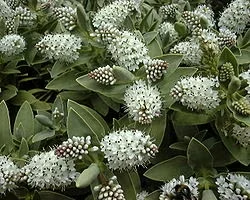
Snow Hebe
Snow Hebe
Plant Conservation
Veronica glaucophylla is ranked Not Threatened (2023) and has held that ranking in every assessment since 2004. It is especially frequent in the Castle Hill Basin area of inland Canterbury.
Weeds such as wilding conifers and broom invading montane scrub and rock outcrops are a general pressure on these habitats. Planting ecosourced stock within its natural range helps maintain local genetic character.
Frequently Asked Questions
Is Hebe glaucophylla the same as Veronica glaucophylla?
Yes. New Zealand hebes were moved into the genus Veronica in 2007, so the accepted name is now Veronica glaucophylla, but nurseries often still use Hebe glaucophylla.
Where does Veronica glaucophylla grow naturally?
It grows in the South Island in Marlborough and inland Canterbury, from Lake Tennyson and the hills near Hanmer Springs to the Craigieburn Range, especially around the Castle Hill Basin, plus a few places near the Main Divide in far north-west Westland.
Why are the leaves of Veronica glaucophylla blue-grey?
The leaves are glaucous, meaning they carry a dull bluish waxy bloom, which is what the name glaucophylla refers to and which helps separate it from other small-leaved hebes.
How tall does Veronica glaucophylla grow?
It forms a bushy, rounded shrub up to about 2 m tall, with erect branches and leaves only 7 to 25 mm long.
Sources and Further Reading
The botanical, growing, and conservation details for Hebe (Veronica glaucophylla) on this page draw on the New Zealand plant references below. Consult them for full technical records and the latest distribution data.