Traversia
Traversia baccharoides
Northern South Island mountain shrub
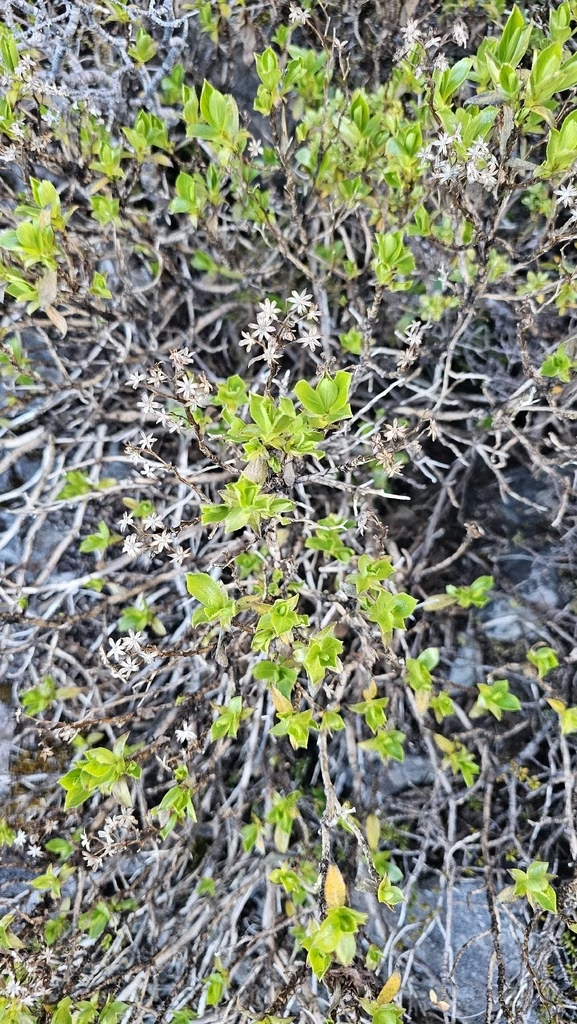
Traversia baccharoides is an endemic shrub daisy of the northern South Island. Its sticky, glossy leaves, peeling bark and pale flower heads distinguish it among New Zealand’s mountain shrubs. It reaches about one metre in height and width.
Identification
This spreading shrub reaches about one metre high and wide. Its young shoots and leaf buds are conspicuously sticky with resin, while older stems carry loose, papery pinkish-grey to pale brown bark. The brittle branchlets are deeply grooved and retain the bases of fallen leaves. The glossy, leathery leaves are 50-80 mm long, narrowing at the base and coarsely toothed towards their broad tips.
Quick facts
| Scientific Name | Traversia baccharoides Hook.f. |
|---|---|
| Common name | Traversia |
| Synonym | Senecio germinatus |
| Family | Asteraceae |
| Origin | Endemic to New Zealand |
| Habit | Spreading shrub to about 1 m |
| Habitat | Montane forest margins and subalpine rocky slopes |
| Flowering | December to March |
| National status | Not Threatened (2023) |
| Height | Up to about 1 m |
| Water Needs | A garden watering requirement is not reported |
| Light | A cultivation light requirement is not reported |
| Spread | Up to about 1 m across |
| Frost Tolerance | Minimum tolerated temperature is not documented |
| Salt Tolerance | Salt tolerance is not documented |
| Growth Rate | Slow growing |
| Lifespan | Longevity in years is not documented |
Natural range
Traversia is confined to the northern South Island, from Nelson and Marlborough south to northern Canterbury. Its recorded sites are generally in the mountains, between about 700 and 1,400 metres above sea level.
| City | Climate Suitability |
|---|---|
| Auckland | Not assessed |
| Wellington | Not assessed |
| Christchurch | Not assessed |
Habitat
In the wild it grows from montane forest margins into subalpine shrubland. It can occupy cliff faces, steep rubble slopes and boulder fields, including the foot of talus slopes among other low shrubs.
Natural growing conditions
The plant’s wild habitats include exposed rocky slopes as well as the margins of mountain forest. NZPCN reports that it dislikes humidity, a useful consideration when assessing a potential cultivated site.
Planting considerations
A site comparable to its rocky mountain habitat is more informative than a general garden recommendation. Plants grow among boulders and shrubs in nature, and NZPCN notes that this species is slow growing and dislikes humidity.
Rocky mountain habitat
Traversia grows among other low shrubs on rubble and boulder slopes, and on cliffs at forest margins. Its pale flower heads and feathery fruits appear at different times through the warmer months.
Observing the plant
Look for the combination of sticky leaf buds, glossy toothed leaves, papery peeling bark and deeply grooved young branchlets. NZPCN uses these features together to distinguish Traversia from other indigenous shrub daisies.
Garden context
This is a small, often spreading or somewhat straggly shrub rather than a compact bedding daisy. Its sticky foliage and flaking bark provide features even when its small pale flower heads are absent.
Flowers and fruit
Flowering is recorded from December to March and fruiting from February to June. The loose clusters contain up to twelve small heads; each head has about twelve to fifteen white or pale pink tubular florets with protruding stamens.
Branches and bark
Older branches develop thin, readily peeling bark, while young branchlets are brittle, grooved and sticky. These are normal features of the species; the cited botanical profile does not prescribe a pruning regime.
How to Grow Traversia (Traversia baccharoides)
Cuttings
NZ Plant Conservation Network records cuttings as an easy propagation method for Traversia baccharoides. The same entry describes the shrub as slow growing and intolerant of humid conditions. It does not specify a cutting season, hormone concentration or rooting period, so those details should not be presented as an established recipe for the species.
Climate and natural setting
The shrub occupies montane forest margins and subalpine shrubland at approximately 700-1,400 m elevation. Records include cliff faces, steep rubble-covered slopes, boulder fields and the bases of talus slopes among other low shrubs. Those mountain settings provide context for its dislike of humidity; the cultivation entry does not equate that preference with a measured drought tolerance or a fixed soil-drying schedule.
Size and growth form
Plants can reach about 1 m high and 1 m across, with branching that ranges from dense to open and somewhat straggly. Young branchlets, emerging leaves and leaf buds are noticeably sticky with resin. Older branches have loose, papery bark that flakes in pinkish-grey to pale-brown pieces. These are normal structural features worth recognising on established nursery stock.
Foliage and reproductive season
The glossy leaves are about 5-8 cm long and 1.5-3 cm wide, broadly expanded toward the tip and coarsely toothed in that upper portion. Flowering is recorded from December to March, with fruit from February to June. Combining the sticky young growth, peeling older bark and toothed leaf shape gives a useful identity check before taking material from an established cultivated plant.
Plant health
The resinous stickiness of the young shoots, buds and flower stalks is characteristic of this plant. NZPCN does not list a species-specific pest treatment; its cultivation note identifies humidity as a condition it dislikes.
Names and classification
Traversia baccharoides belongs to the daisy family, Asteraceae. The New Zealand Organisms Register recognises this as its preferred name, and the Biota of New Zealand lists Senecio germinatus as a synonym.
A distinctive shrub daisy
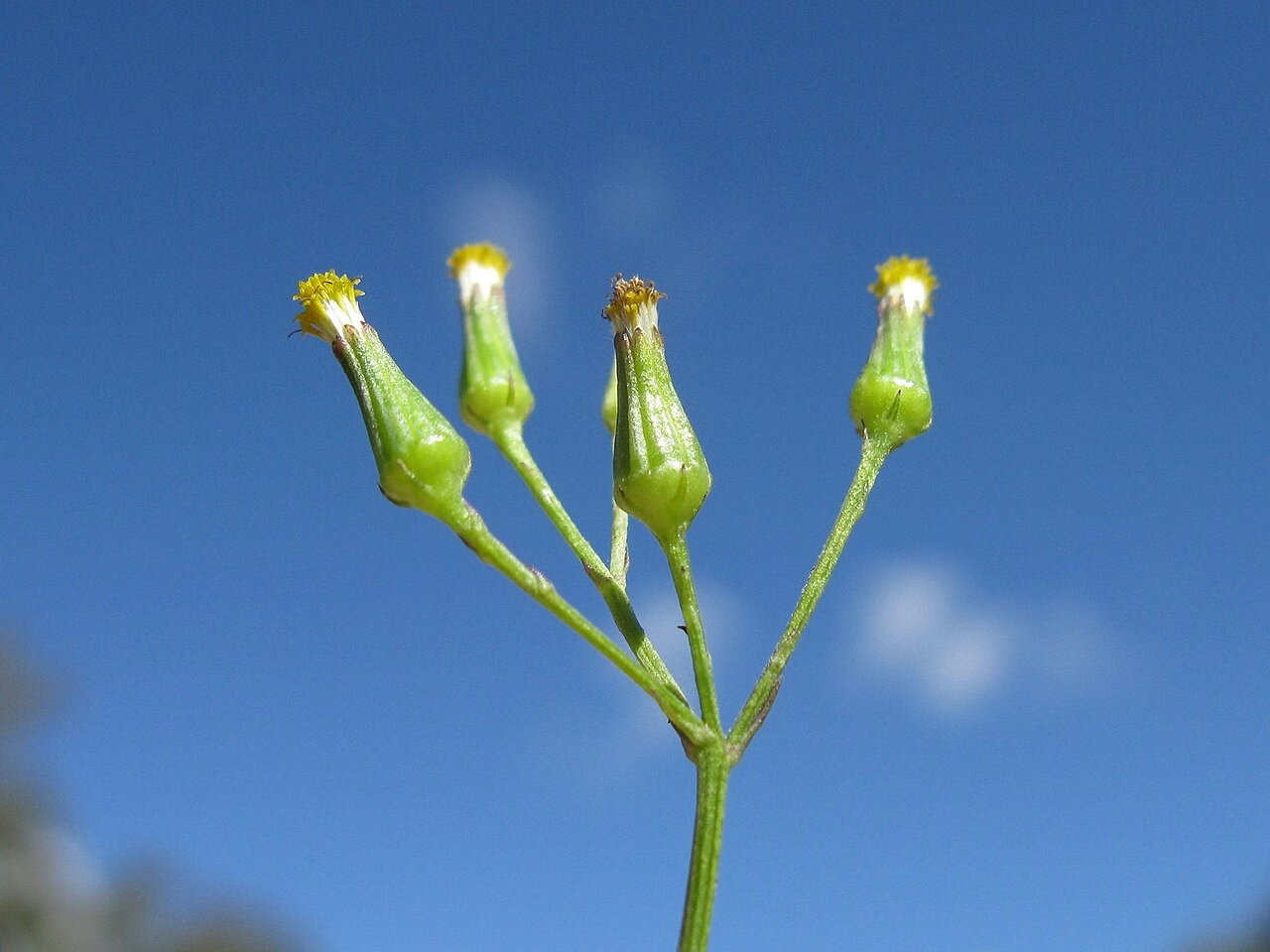
Unlike a familiar daisy with a ring of showy rays, Traversia has small heads of tubular florets. Pale pink or white flowers, protruding stamens and extremely sticky stalks make the clusters distinctive.
Related native daisies
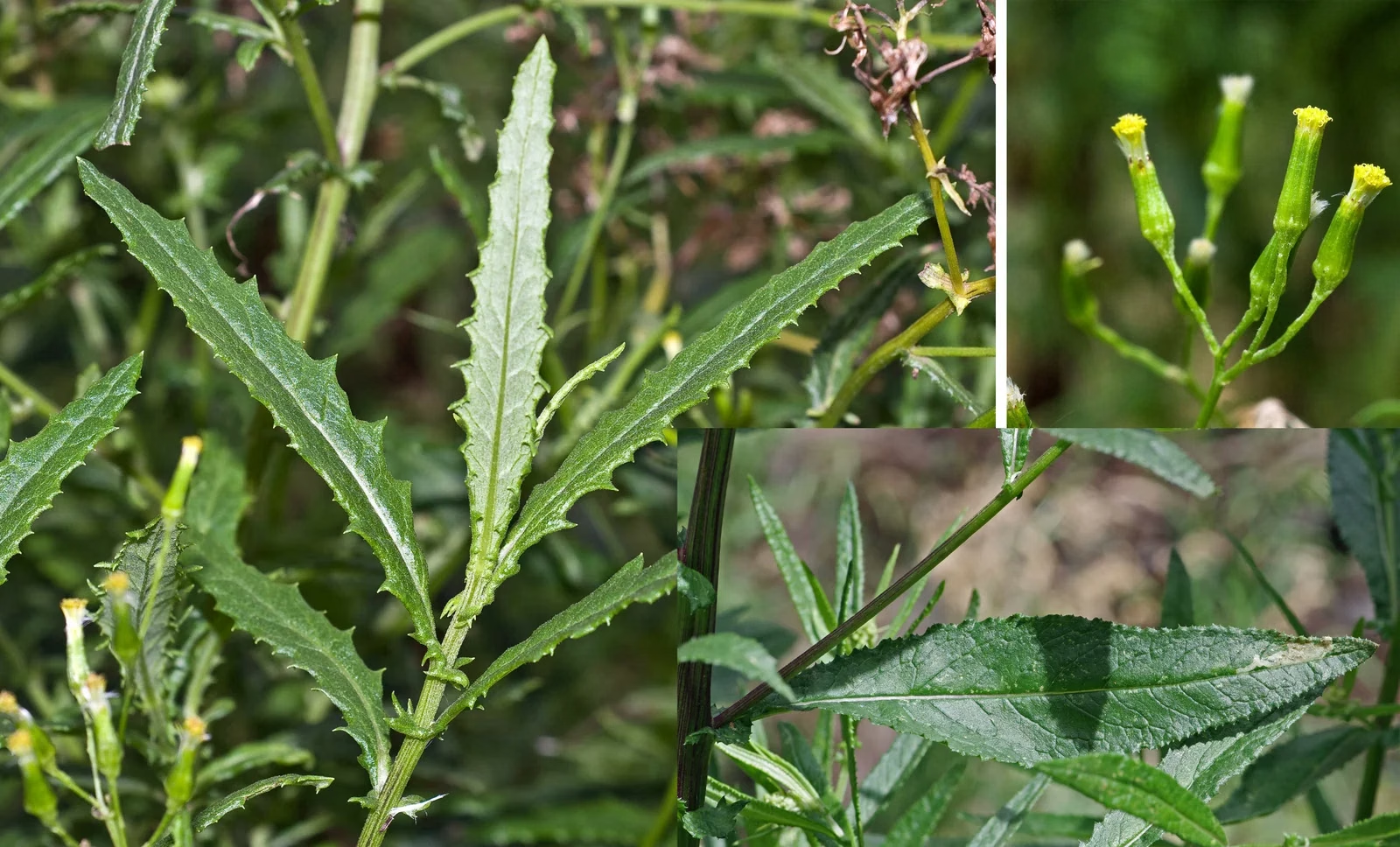
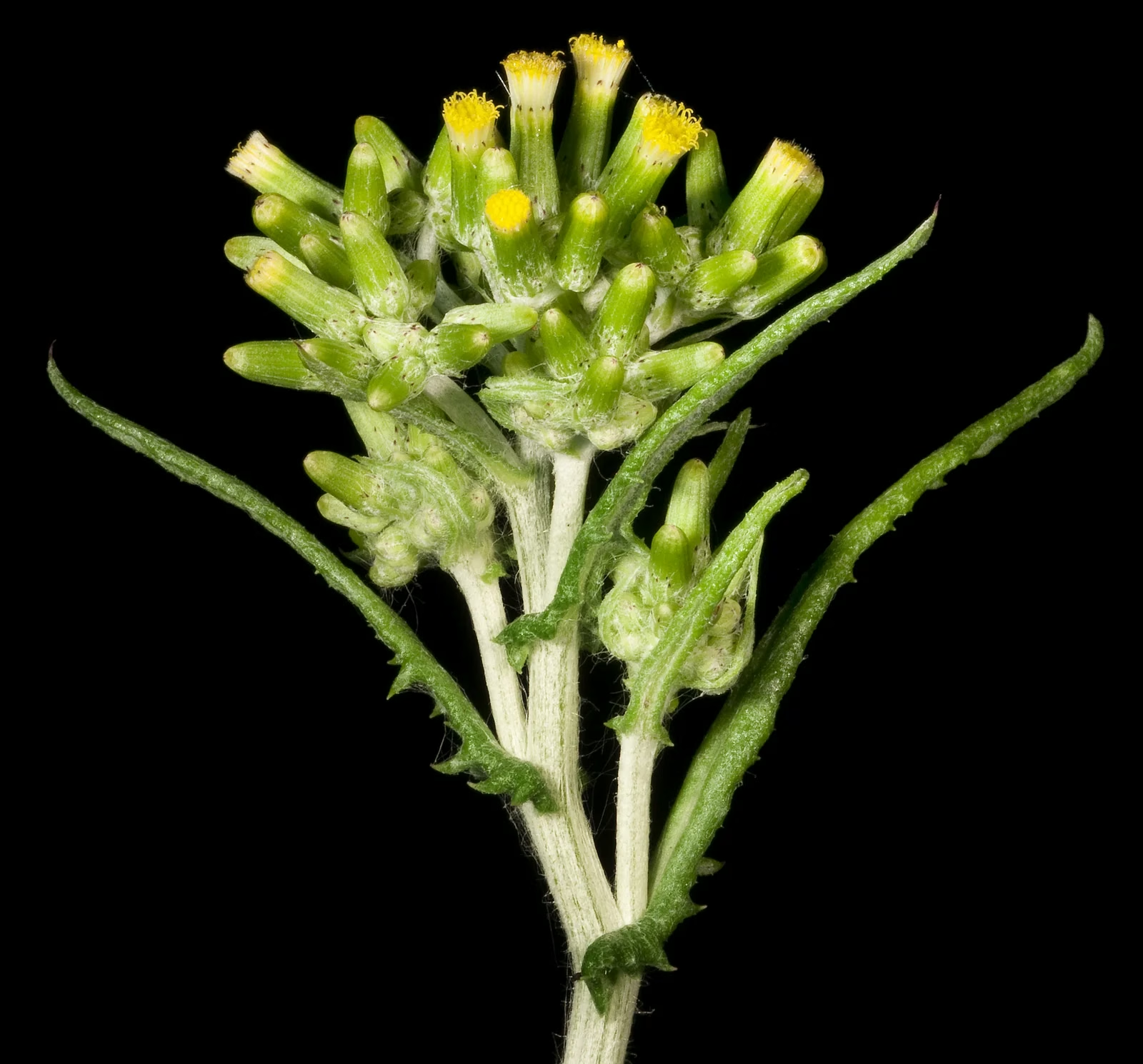
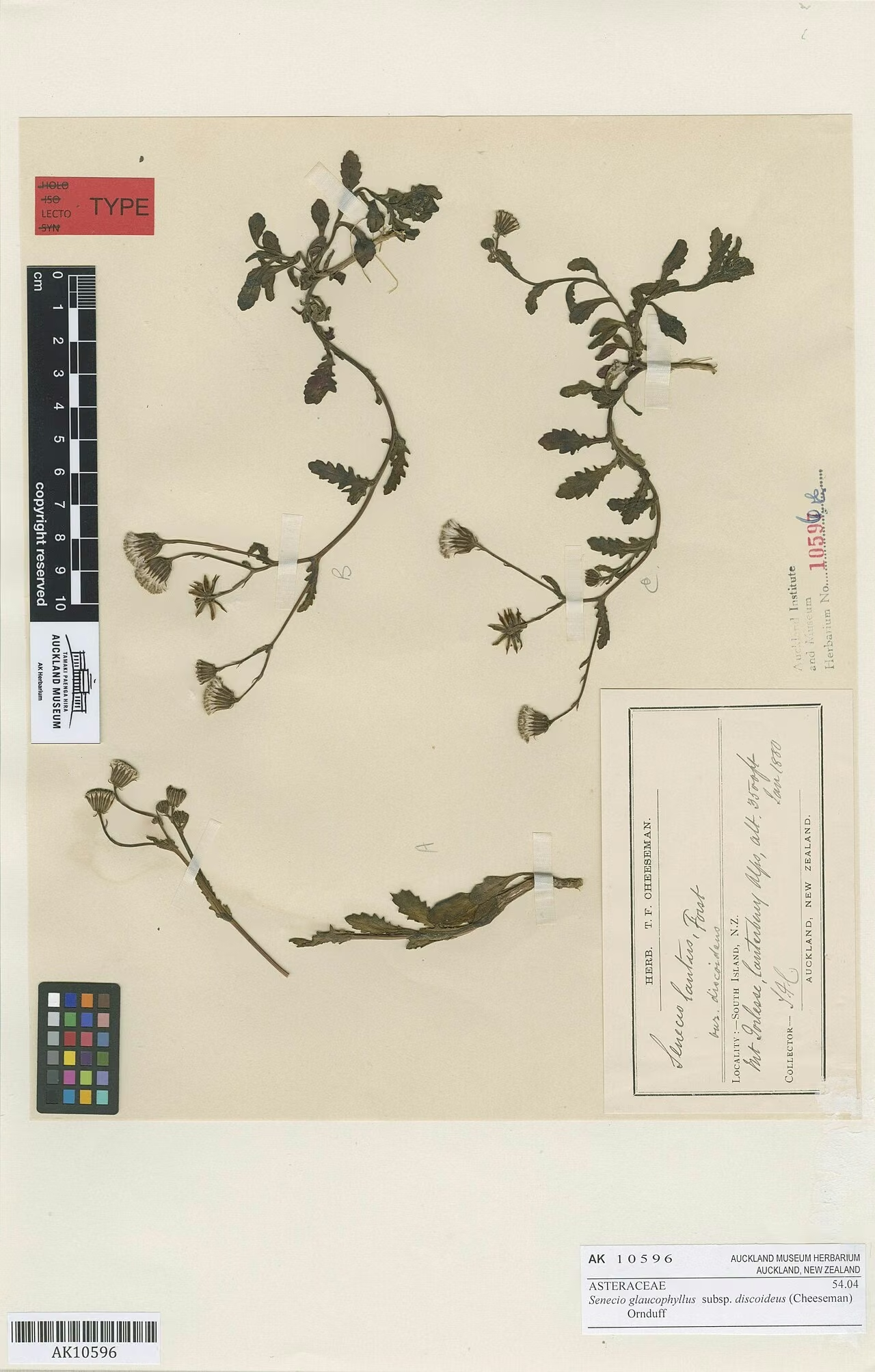
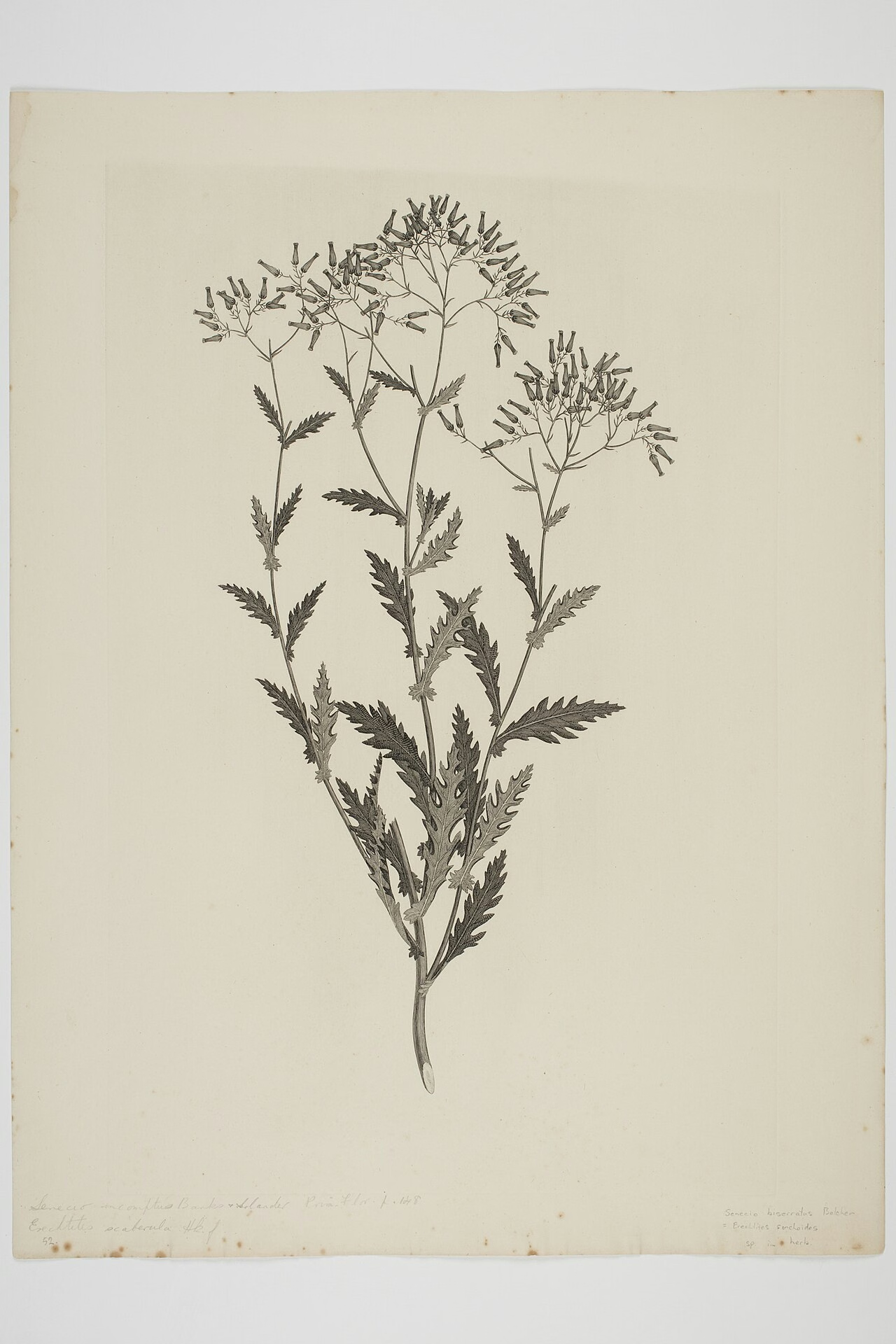
Explore other native daisies found in New Zealand, including plants of rocky and mountain habitats.
Conservation
The 2023 national assessment lists Traversia baccharoides as Not Threatened. NZPCN also describes it as naturally uncommon and sporadic, so its scattered mountain populations remain valuable to observe and protect.
Frequently asked questions
Where does Traversia grow?
It occurs in the northern South Island, typically between 700 and 1,400 metres, at forest margins and in subalpine shrubland on cliffs, rubble and boulder slopes.
Why are the leaves sticky?
Young leaves and buds are naturally resinous and sticky. This, together with peeling bark and grooved branchlets, helps distinguish the shrub from other native daisies.
Is sticky new growth a normal feature?
Yes. Emerging leaves, buds and young branchlets of Traversia baccharoides are naturally resinous and sticky.
Sources
Identification, distribution, flowering, propagation and conservation: NZPCN.
Preferred name and endemic status: New Zealand Organisms Register. Historical synonym and botanical description: Biota of New Zealand.
Last updated: