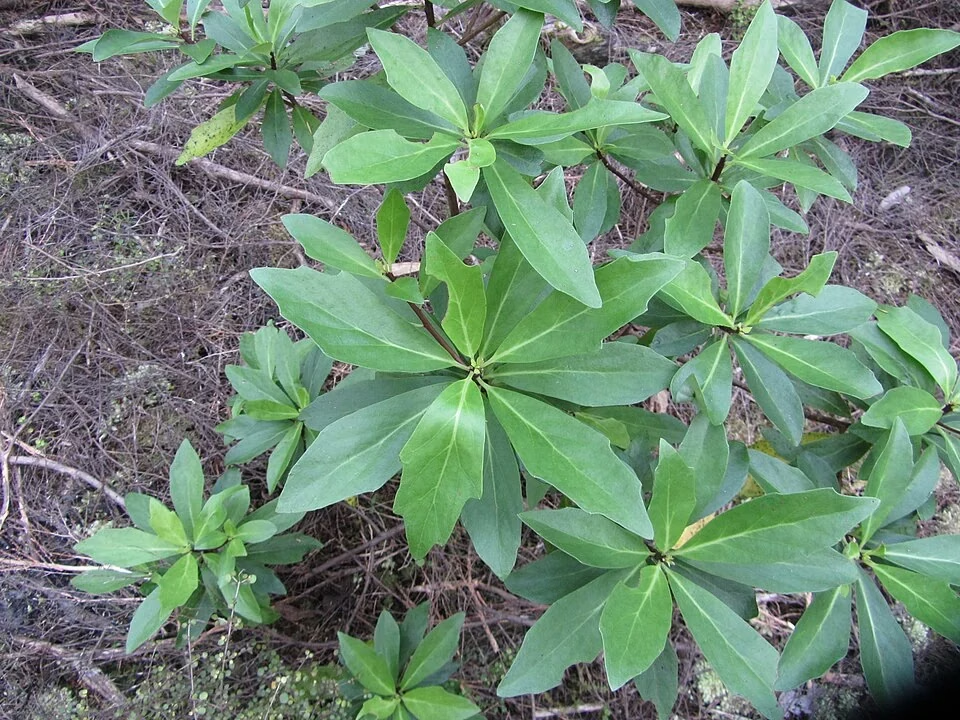
Kirk's Daisy
Brachyglottis kirkii
Last updated:
Brachyglottis kirkii, known as Kirk's Daisy or Kohurangi, is a distinctive spring-flowering shrub typically growing 1.5 to 3 metres tall, with woody stems that are purplish when young and greyish with age. Its fleshy, hairless leaves are often toothed and sometimes maroon-tinted, and in spring dense heads of white daisy-like flowers appear. Endemic to New Zealand and found mainly in the North Island, it grows in lowland to lower montane forest, frequently perching epiphytically on other trees for light as well as rooting in the forest floor. It prefers shaded, sheltered, consistently moist but well-drained sites, and is classed Nationally Vulnerable. Explore more native shrubs in our native plant guide.
Plant Description
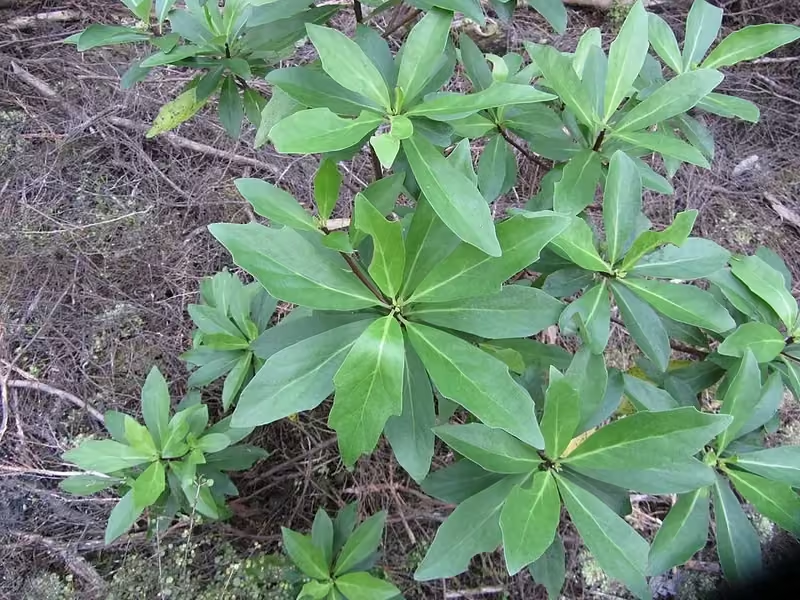
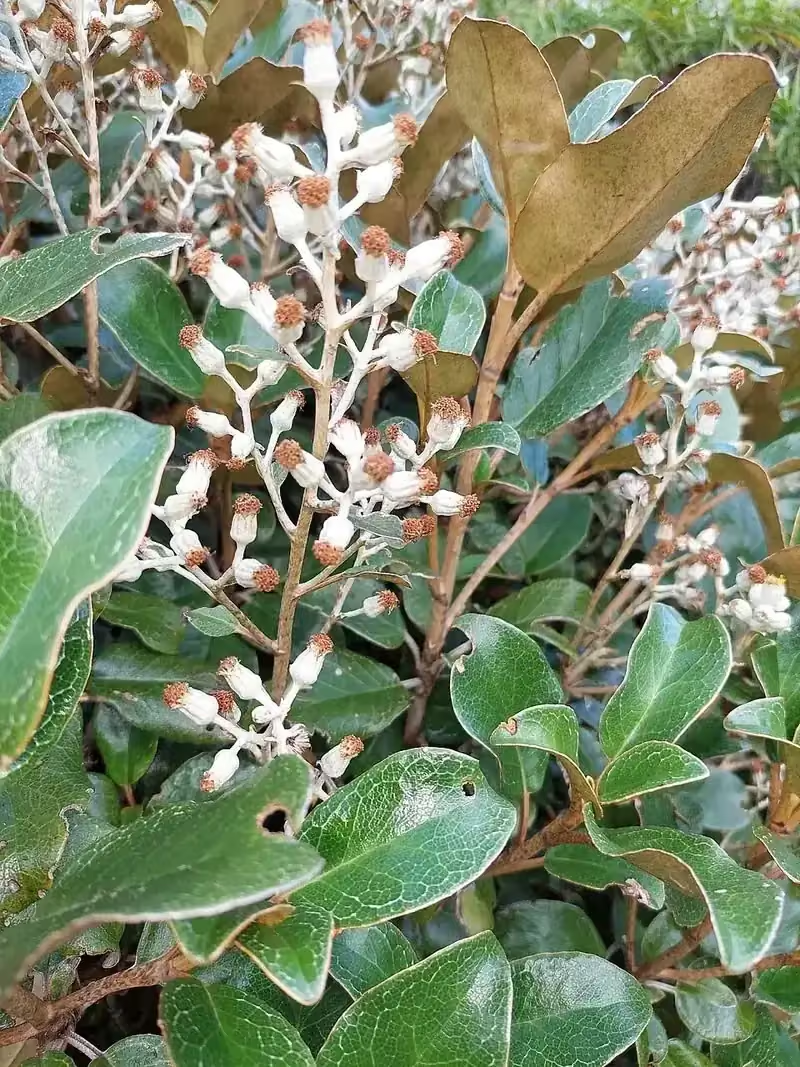
Brachyglottis kirkii is a distinctive, spring-flowering shrub typically growing up to 1.5 meters tall, though some varieties can reach 3 meters. It is characterized by its woody stems, which are often purplish when young and greyish with age. The leaves are a key feature: they are fleshy, hairless (glabrous), and variable in shape, ranging from 40-100 mm long and 20-40 mm wide for the typical variety (var. kirkii). These leaves often have toothed margins and a pale to dark green upper surface, sometimes with a maroon tint. The variety angustior has narrower, lanceolate to narrow-oblong leaves (50-120 x 10-20 mm). In spring, dense inflorescences emerge, bearing 3-20 daisy-like flowers, each approximately 30 x 40 mm in diameter, with bright white ray petals surrounding a yellow central disc. The fruits are small, dry, and wind-dispersed, resembling miniature dandelion clocks.
Quick Facts
| Scientific Name | Brachyglottis kirkii |
|---|---|
| Height | 1.5 to 3 meters |
| Spread | 1 to 2 meters (estimated) |
| Water Needs | Moderate to High (prefers consistently moist but well-drained soil) |
| Light | Partial Shade to Shade |
| Frost Tolerance | Low to Moderate (sensitive to hard frosts) |
| Salt Tolerance | Low (estimated) |
| Growth Rate | Moderate |
| Lifespan | Medium |
Climate Best Suited to
Kirk's Daisy is endemic to the North Island of New Zealand, found primarily in lowland to lower montane forests. It thrives in shaded, sheltered environments with consistently moist, well-drained soil. As an epiphytic or terrestrial plant in these forest settings, it prefers conditions that mimic the humid and stable microclimates found beneath a forest canopy, suggesting sensitivity to prolonged dry periods or extreme temperature fluctuations.
Regional Suitability
| City | Climate Suitability |
|---|---|
| Best suited to the humid, mild climates of the North Island's lowland and lower montane forests; less suitable for dry, exposed, or very frosty environments. | |
Plant Habitat
Brachyglottis kirkii is endemic to New Zealand, primarily distributed throughout the North Island. It is commonly found in lowland to lower montane forests, where it exhibits a unique growth habit. It often grows epiphytically on other plants, utilizing them for support and access to light, but can also establish terrestrially on the forest floor. It prefers shaded, sheltered positions with consistently moist yet well-drained soil, characteristic of a healthy forest understory. Its preferred habitats are threatened by habitat modification and browsing by introduced pests.
Growing Requirements
Soil Requirements
Kirk's Daisy requires well-drained soil that can consistently retain moisture, mimicking its natural forest floor or epiphytic conditions. A rich, organic soil mix is ideal for terrestrial planting. For epiphytic growth, a fibrous medium that allows for air circulation and moisture retention is necessary. Good drainage is paramount to prevent root rot.
- Well-drained and moisture-retentive
- Rich in organic matter (for terrestrial)
- Fibrous medium (for epiphytic)
- Avoid waterlogging
Light Requirements
Brachyglottis kirkii thrives in partial shade to full shade, reflecting its adaptation to growing beneath a forest canopy. It is sensitive to direct, harsh sunlight, which can scorch its fleshy leaves. Filtered light or dappled shade is ideal to promote healthy growth and prevent stress.
- Partial Shade to Shade (essential)
- Avoid direct harsh sun
Water Requirements
This species prefers consistently moist soil, especially during warmer months. However, it is crucial that the soil remains well-drained to prevent waterlogging, which can be detrimental. Regular watering is necessary, allowing the top layer of soil to dry slightly between applications. Reduce watering during cooler, dormant periods. Humidity is also beneficial, reflecting its forest habitat.
- Moderate to High (consistent moisture)
- Avoid waterlogging
- Benefits from humidity
Planting and Establishing
Planting Kirk's Daisy successfully involves replicating its natural forest environment. Choose a sheltered site with partial to full shade, protected from harsh winds and direct sun. The soil should be rich in organic matter, consistently moist, yet exceptionally well-drained. If planting terrestrially, amend heavy soils with compost and grit to improve drainage. For epiphytic planting, secure the plant to a host tree using a fibrous medium like sphagnum moss and ensure regular watering until established. Dig a planting hole that accommodates the root ball comfortably. After planting, water thoroughly. Maintaining a consistently moist environment, especially in the first year, is crucial for establishment. While it can be temperamental in cultivation, careful attention to these conditions can yield success.
Ecological Role
As a Nationally Vulnerable endemic species, Brachyglottis kirkii holds significant ecological importance within New Zealand's North Island forests. Its unique epiphytic growth habit contributes to the structural complexity and biodiversity of these ecosystems, providing microhabitats for various invertebrates and potentially small vertebrates. Its spring flowers serve as a food source for native pollinators. The species acts as an indicator of healthy forest conditions, and its vulnerability highlights the impact of habitat degradation and introduced pests on native flora, underscoring the urgent need for conservation efforts for vulnerable plants .
Uses & Significance
Garden Uses
Kirk's Daisy is a prized ornamental plant for native gardens, particularly in shaded, sheltered positions where its unique form and spring flowers can be appreciated. It is an excellent choice for woodland gardens, underplanting beneath taller trees, or as a feature in epiphytic displays. Its unusual growth habit and attractive foliage add architectural interest, making it a focal point in specialized collections.
- Ornamental Shrub
- Woodland Gardens
- Epiphytic Displays
- Native Plant Collections
Ecological Value
The ecological value of Brachyglottis kirkii is considerable, given its Nationally Vulnerable status and endemic nature. It plays a role in the intricate web of forest life, acting as a host for epiphytic communities and contributing to the overall biodiversity. As a food source for pollinators, it supports insect populations, which in turn benefit other forest organisms. Its continued survival is crucial for maintaining the genetic diversity and ecological integrity of New Zealand's unique forest ecosystems.
- Endemic and Vulnerable Species
- Epiphytic Host
- Pollinator Food Source
- Biodiversity Contributor
Landscaping Uses
Brachyglottis kirkii is a specialist plant for landscaping, best suited to environments that can replicate its native forest understory conditions. It excels in shaded courtyards, beneath established tree canopies, or as part of a native bush regeneration project. Its epiphytic tendencies open opportunities for unique vertical garden displays when secured to suitable host trees. It provides lush foliage and a burst of white flowers in spring, creating a serene and natural aesthetic. Due to its vulnerability, landscaping with this species often contributes to its ex-situ conservation.
Seasonal Care Calendar
Spring
As it is a spring-flowering shrub, ensure consistent moisture and consider a light, balanced native plant fertilizer. This is also a good time for light shaping after flowering.
- Flowering period
- Consistent moisture
- Light fertilization (if needed)
- Light shaping prune (after flowering)
Summer
Maintain consistently moist but well-drained soil. Protect from intense, direct sunlight, especially during the hottest parts of the day. Humidity is beneficial.
- Consistent moisture
- Protect from direct sun
- Ensure humidity
Autumn
Reduce watering as temperatures cool. Ensure excellent drainage to prevent waterlogging over winter. Inspect for any signs of pests or diseases before winter dormancy.
- Reduce watering
- Ensure excellent drainage
- Pest/disease inspection
Winter
Protect from hard frosts and prolonged cold, especially young plants. Ensure soil remains well-drained and avoid overwatering.
- Protect from hard frosts
- Avoid waterlogged soil
- Minimal watering
When to Prune and How Much
Light pruning of Brachyglottis kirkii is best done after its spring flowering to maintain shape and encourage bushiness.
- Perform light shaping and tidying after spring flowering.
- Remove spent flower heads.
- Trim back any leggy or straggly stems to maintain a compact form.
- Remove any dead, damaged, or diseased wood throughout the year.
Avoid severe pruning into old, woody growth, as it may struggle to regenerate. Regular, light tip-pruning is generally sufficient.
How to Grow Kirk's Daisy
Growing Kirk's Daisy ( Brachyglottis kirkii ) in cultivation can be challenging due to its specific environmental requirements, but it is a rewarding endeavor for those dedicated to preserving and showcasing New Zealand's unique flora. Its natural habitat as an epiphyte or terrestrial understory plant in North Island forests dictates careful attention to light, moisture, and drainage. Successful propagation can be achieved through both seeds and cuttings, though consistency and patience are key.
From Seed
Propagating Brachyglottis kirkii from fresh seed is possible, offering a way to contribute to its genetic diversity.
- Collect fresh seeds as they mature.
- Clean the seeds thoroughly.
- While not always strictly necessary, a period of cold stratification (e.g., 4 weeks mixed with moist sand in the refrigerator) can improve germination rates.
- Sow seeds thinly on the surface of a well-draining, fine seed-raising mix, ideally in late winter or early spring. Lightly cover with a fine layer of mix or vermiculite.
- Maintain consistent moisture in the seed tray, ensuring it does not dry out but is also not waterlogged.
- Keep in a cool, shaded environment. Germination can be variable and may take several weeks.
- Once seedlings have developed a few true leaves and are robust enough, prick them out into individual pots containing a rich, well-draining potting mix.
- Grow on in a sheltered, shaded location, gradually hardening off before final planting.
From Cuttings
Propagation from semi-hardwood cuttings is an alternative method, often preferred for ensuring genetic consistency with the parent plant.
- Take semi-hardwood cuttings (approximately 10-15 cm long) from healthy, non-flowering stems, preferably in spring or early summer.
- Remove the leaves from the bottom two-thirds of the cutting.
- Dip the cut end into a rooting hormone powder or gel to encourage root formation.
- Insert the cuttings into a well-draining propagation mix, such as a blend of perlite, peat, and coarse sand.
- Place the cuttings in a warm, humid environment, ideally under a propagation dome or covered with a clear plastic bag to maintain high humidity.
- Ensure the rooting medium remains consistently moist but not saturated.
- Rooting can take several weeks (typically 4-8 weeks). Once a healthy root system has developed, pot up the new plants into individual containers.
- Gradually acclimate the rooted cuttings to lower humidity and outdoor conditions before planting them in their permanent location.
Additional Methods
While less common, careful division of multi-stemmed, established terrestrial plants might be possible, but it carries a higher risk due to the woody nature of the plant. Given its unique growth habit, exploring controlled epiphytic cultivation techniques in a sheltered environment can also be a rewarding aspect of growing this species.
Pests & Diseases
Brachyglottis kirkii is generally resilient to pests and diseases when its specific growing conditions are met. The most common threats arise from environmental stress or improper care. Poor drainage is a significant risk factor, as it can lead to root rot, especially in consistently moist conditions. Overwatering should be avoided. Fungal issues can also occur in overly damp, poorly ventilated environments; ensuring good air circulation is beneficial. Introduced browsing animals like possums, goats, and deer pose a significant threat in its natural habitat by eating foliage, highlighting the need for protection in conservation efforts. Regular inspection for common garden pests, such as aphids or scale, and prompt organic treatment if necessary, will help maintain plant health.
Cultural Significance
Known by the Māori names Kohurangi and Kirk's Daisy, Brachyglottis kirkii holds cultural significance as a Nationally Vulnerable endemic New Zealand plant. Its scientific name honors Thomas Kirk, a notable 19th-century New Zealand botanist, recognizing his extensive contributions to the study of the country's flora. As an integral component of the North Island's forest ecosystems, particularly with its unique epiphytic growth, it contributes to the rich biodiversity and natural heritage of New Zealand. Its threatened status underscores its importance in conservation and the need for greater awareness and protection.
- Māori names: Kohurangi, Kirk's Daisy, Oro
- Named after botanist Thomas Kirk
- Nationally Vulnerable endemic species
- Integral to North Island forest ecosystems
Bonus Tip
Due to its Nationally Vulnerable status and unique epiphytic growth habit, consider cultivating Brachyglottis kirkii in a sheltered, humid, and shaded native plant garden or specialized greenhouse where its specific needs can be met, contributing to its ex-situ conservation.
Related Plants
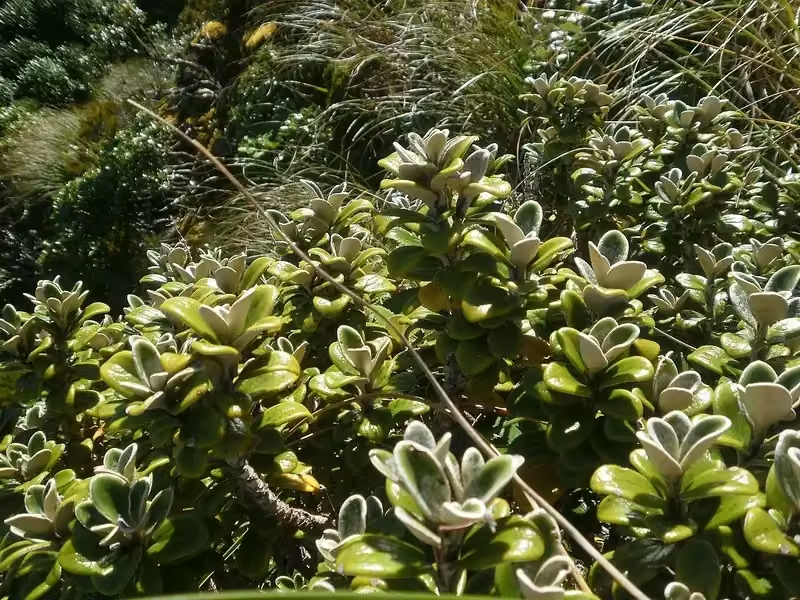
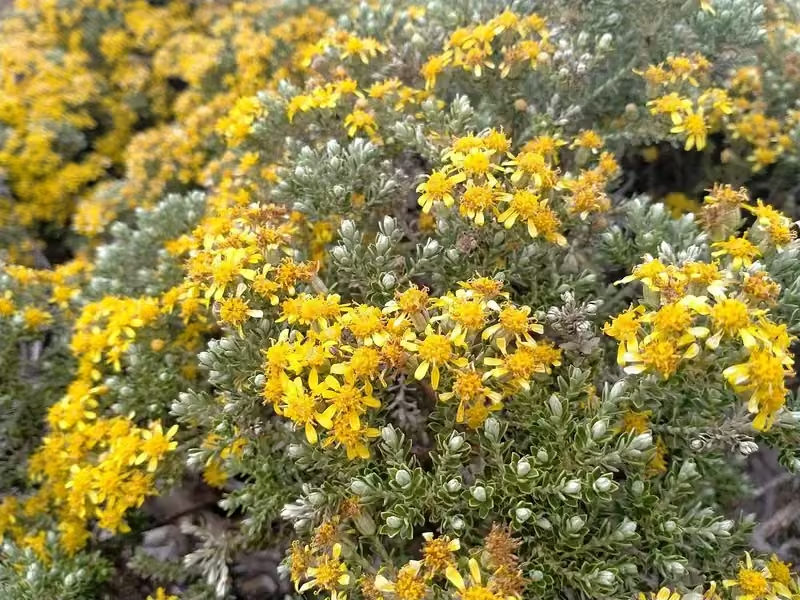
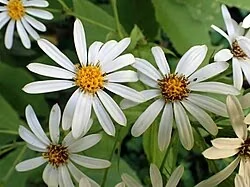
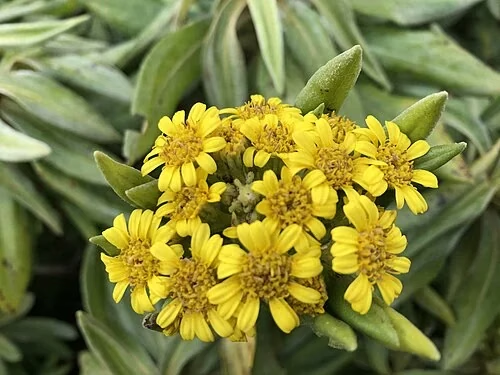
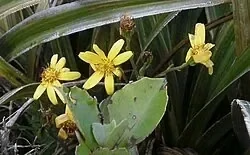
Explore other native plants that share similar characteristics or habitats with Kirk's Daisy ( Brachyglottis kirkii ), offering further insights into New Zealand's diverse flora. These related species provide context and opportunities for complementary planting in your garden. For another threatened native plant, explore Fairchild's Kōhūhū.


Plant Conservation
Brachyglottis kirkii is classified as "Nationally Vulnerable" under the New Zealand Threat Classification System. This status highlights that the species faces a high risk of extinction in the medium term if current threats continue. Major threats include habitat modification and browsing by introduced pests such as possums, goats, and deer. Conservation efforts are crucial and involve protecting its remaining natural habitats, controlling pest populations, and ex-situ conservation through cultivation. Increased awareness and responsible land management are vital for the long-term survival of this unique native shrub.
Frequently Asked Questions
How tall does Brachyglottis kirkii grow?
It typically grows 1.5 to 3 metres tall, with a spread of about 1 to 2 metres.
Where does Kirk's Daisy grow naturally?
It is endemic to New Zealand, mainly the North Island, in lowland to lower montane forest, often growing epiphytically.
Does Brachyglottis kirkii tolerate frost?
It has only low to moderate frost tolerance and is sensitive to hard frosts.
What light does Kirk's Daisy prefer?
It prefers partial shade to shade in sheltered, consistently moist but well-drained forest sites.
Sources and Further Reading
The botanical, growing, and conservation details for Kirk's Daisy (Brachyglottis kirkii) on this page draw on authoritative New Zealand plant references and citizen-science observation records. Consult the sources below for full technical records and the latest distribution data.