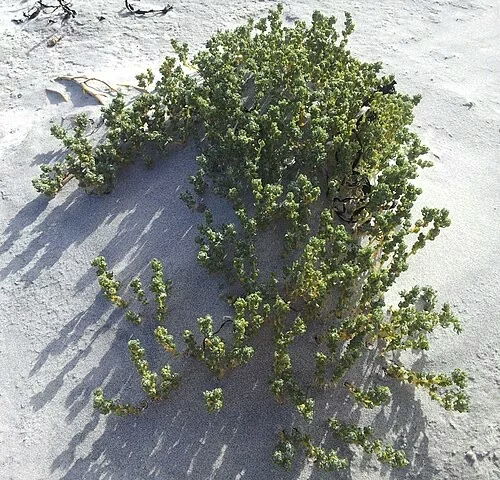
Holloway's Crystalwort
Atriplex hollowayi
Last updated:
Holloway's crystalwort (Atriplex hollowayi) is a soft, succulent annual herb that forms a branched, shrubby habit up to 30 centimetres tall and spreading as much as 1.2 metres across. Its pale green stems and oval leaves are covered in crystalline, water-storing scales that give a distinctive frosted texture. A monoecious species, it produces minute flowers in the leaf axils, followed by papery straw-yellow fruit holding long-lived seeds buried in the sand. It is a strand-line specialist endemic to the northern North Island, growing on upper beaches and foredunes in pure sand, and is classed as Nationally Critical. Explore more native plants such as Buchanan's Orache.
Plant Description
Identification and Physical Characteristics
Atriplex hollowayi is a soft, succulent annual herb that forms a highly branched shrubby habit, typically reaching 30 cm in height but capable of spreading up to 1.2 meters in diameter. It is characterized by its pale green stems and oval leaves, both of which are covered in crystalline, water-storing scales that provide a distinctive frosted texture. As a monoecious species, it produces clusters of minute male and female flowers in the leaf axils. The resulting fruit is straw-yellow and papery, containing circular purple-brown seeds that are adapted to remain viable for years while buried in the sand, ensuring the plant's survival in the destructive storm-swept environments of its native shorelines.
Quick Facts
| Scientific Name | Atriplex hollowayi |
|---|---|
| Height | Up to 30 cm |
| Spread | Up to 1.2 m |
| Water Needs | Low to moderate |
| Light | Full sun only; no shade tolerated |
| Frost Tolerance | Low to moderate |
| Salt Tolerance | High; thrives in strand line |
| Growth Rate | Fast (as an annual) |
| Lifespan | Annual |
Climate Best Suited to
Holloway's Crystalwort is best adapted to the mild, high-light maritime climates of New Zealand's northern beaches, requiring environments with intense solar radiation and consistent oceanic influences.
Regional Suitability
| City | Climate Suitability |
|---|---|
| Auckland | Low (Restricted) |
| Kaitaia | Medium (Natural) |
| Whangārei | Low (Restricted) |
| Tauranga | Low (Restricted) |
Plant Habitat
Natural Occurrence and Ecology
In its natural environment, this crystalwort is a highly specialized strand-line specialist, endemic to the northern North Island. It has evolved to occupy a specific and dynamic niche within stable sand areas just above the high-tide mark, such as upper beaches and foredunes. It thrives in pure, loose beach sand which provides the necessary drainage and aeration for its succulent roots. This species is an obligate halophyte, completely intolerant of shade and highly dependent on the regular environmental disturbance of summer storms to disperse and expose its long-lived seeds. Its presence in these habitats highlights its successful but fragile adaptation to New Zealand's most exposed and sun-drenched coastal interfaces.
Growing Requirements
Soil Requirements
Requires pure, loose beach sand for drainage.
- Sharply drained
- Saline-rich sand
Light Requirements
Grows best in full, intense sun; cannot tolerate shade.
- Full Sun
- No Shade tolerated
Water Requirements
Requires consistent moisture in the sand; avoid stagnant wet.
- Moderate
- Drought tolerant
Planting and Establishing
Establishment Guidance
Establishing Atriplex hollowayi outside its natural habitat is exceptionally difficult and strictly regulated due to its 'Nationally Critical' status. For conservation purposes, it requires an open, sun-drenched position in pure beach sand. Propagation is achieved from seeds that have been pre-soaked in fresh water, or from softwood cuttings taken early in the growing season. Because it is an annual, the plant must successfully flower and set seed within a single year to ensure the colony's persistence. Cultivation is strictly limited to authorized restoration projects aimed at protecting the few remaining wild populations from extinction in their unique and highly vulnerable strand-line niches.
Ecological Role
Biodiversity and Ecosystem Impact
Holloway's Crystalwort plays a vital role in specialized beach ecosystems by contributing to the structural diversity of the strand line. Its succulent habit helps reflect intense coastal light and conserve water, while its roots assist in the temporary stabilization of upper beach sands. As an annual, its lifecycle is perfectly timed to the dynamic coastal processes of the northern North Island. Listed as 'Nationally Critical', it is an important indicator of the health of New Zealand's unique foredune plant communities, which are increasingly threatened by land development, invasive exotic species, and human disturbances such as vehicle use on beaches and trampling of fragile coastal flora.
Uses & Significance
Garden Uses
Due to its extreme rarity and specialized environmental needs, Atriplex hollowayi is not used for general garden use. It has no known practical uses as a cultivated plant and is almost never found in commercial horticulture. Its primary value today lies in its biological rarity and its role as a focus for intensive native conservation projects. Native plant enthusiasts are encouraged to appreciate this species within its natural beach environment and to support broader initiatives that protect the unique and fragile strand-line ecosystems where this beautiful and sensitive crystalwort currently survives against the odds of extinction.
- Conservation focus
- Scientific research
- Endemic rarity
Ecological Value
Beyond its ornamental appeal, this species is vital for supporting local maritime biodiversity. It provides a specialized micro-habitat for ground-dwelling fauna and represents the incredible adaptation of Aotearoa's native flora to extreme saline environments. Historically, its genus name honors John Stevenson Holloway, a renowned New Zealand botanist. As a critically endangered endemic, it represents the most vulnerable aspect of our botanical heritage, standing as a symbol of the unique evolutionary history of our shorelines and the urgent ongoing commitment to protecting our rarest native coastal herbs from extinction.
- Strand-line specialist
- Endangered maritime heritage
Landscaping Uses
Modern landscaping does not utilize Atriplex hollowayi due to its endangered status and its extreme environmental requirements that are almost impossible to replicate outside a natural beach setting. Designers wishing to capture its aesthetic should instead use more hardy relatives such as Atriplex cinerea or Atriplex australasica . These species can provide a similar silvery green form while being better suited to the practicalities of garden maintenance. Holloway's Crystalwort remains a wild treasure, best respected as a permanent and protected resident of New Zealand's pristine northern sands and sun-drenched foredune environments.
Seasonal Care Calendar
Spring
As seeds germinate in the sand following spring tides, ensure that moisture levels remain stable. This is a critical period for monitoring wild populations for any signs of environmental stress or the presence of invasive pests such as aphids and scale insects.
- Monitor populations
- Check moisture
Summer
Provide protection from intense solar radiation and drying winds. In its beach niches, this season requires high ambient light but stable root moisture to prevent the succulent fronds from declining. Full sun is essential for its survival during these warmer months.
- Full sun exposure
- Maintain moisture
Autumn
The seeds will mature and disperse across the upper beach. This is an important time for the natural regeneration of the species. Tidy any significant organic debris that might accumulate in the dunes and smother the short, upright rhizomes.
- Seed dispersal
- Tidy dune margins
Winter
Naturally quite hardy in its northern range but highly sensitive to any sudden environmental changes. Minimal intervention is required beyond ensuring the habitat remains stable and free from the damaging impacts of human interference and vehicle activity.
- Monitor stability
- Habitat protection
When to Prune and How Much
Atriplex hollowayi does not require pruning. In its natural environment, any dead or damaged branches should be left to decompose naturally, as they contribute to the fragile micro-habitat around the base. Human interference, including pruning or sampling, can be highly damaging to these rare and sensitive colonies. For related saltbushes in a garden, maintenance is primarily limited to removing any fully dead branches at their base using sharp, sterilized tools. Proper conservation of this endangered herb emphasizes the preservation of its natural architectural form and the undisturbed beauty of its wild island and coastal niches.
- No pruning required
- Preserve natural form
Always use clean, sharp tools.
How to Grow Holloway's Crystalwort
Cultivating Holloway's Crystalwort ( Atriplex hollowayi ) is an exceptionally challenging task that has proven almost impossible outside its highly specific native beaches. This critically endangered species is best protected in its wild state, and any propagation efforts are strictly limited to specialized conservation and research programs. Replicating its natural well-drained, nutrient-rich and sun-drenched sandy habitat requires precise environmental control that is far beyond the capabilities of typical garden settings.
From Seed
Propagation from seed is the primary method used in specialized conservation nurseries. Collect mature seeds from wild populations under strict scientific guidelines when they appear dark and ready to release. Sow them onto the surface of a sterilized, moist, sand-heavy raising mix that mimics the mineral content of its native foredunes. Pre-soaking seeds in fresh water can help improve the moderate germination rates. Once young seedlings appear, they require constant, precise care and sheltered, bright conditions to slowly develop into robust plants suitable for restoration. It is crucial to ensure they are never shaded as they mature toward flowering.
Sow fresh seeds in a pure sand mix.
- Collect mature seeds
- Pre-soak in fresh water
Keep moist until germination occurs.
From Cuttings
Vegetative propagation via softwood cuttings is possible but must be handled with extreme care due to the plant's sensitivity to root disturbance and its fast annual growth rate. Cuttings should be taken early in the growing season from healthy, non-flowering stems. Replanting them immediately into a sharply drained sand medium and providing consistent humidity is essential for success. However, any damage to the succulent branches of a mature wild plant can lead to the rapid decline of the entire colony. Efforts are focused on preserving the integrity of existing tufts and allowing for natural recruitment through long-lived seeds within its protected beach sanctuaries.
Cuttings are best in early spring.
- Select healthy stems
- Replant in pure sand
Additional Methods
Ensuring the correct environmental conditions is the most critical factor for the continued survival of this species. In the wild, it benefits from the high light levels and the periodic disturbance of winter storms. These specialized factors are almost impossible to replicate in a garden. Because it has such specific needs, it is highly vulnerable to even minor environmental changes or the introduction of common garden pests. Its conservation depends on maintaining the pristine nature of New Zealand's northern beaches, highlighting the importance of strict biosecurity and the ongoing protection of our rarest and most specialized native coastal and foredune herb treasures from human interference.
Once planted, it requires very little intervention.
- Maintain full sun exposure
- Protect wild habitats
Pests & Diseases
Atriplex hollowayi is highly susceptible to outbreaks of aphids and scale insects, which can quickly debilitate the sensitive succulent fronds. In its specialized beach niches, these pests can be managed by natural predators, but environmental stress can increase the plant's vulnerability. The primary risk to its health is environmental change, specifically any reduction in the high light levels or the introduction of invasive weeds that compete for space in the strand line. Protecting these fragile habitats from human interference and vehicle activity is the best way to ensure the long-term resilience and health of this critically endangered native crystalwort.
Cultural Significance
As a specialized coastal endemic, Atriplex hollowayi is a valued but rare component of New Zealand's botanical heritage. Its name honors John Stevenson Holloway, a renowned New Zealand botanist and conservationist. While specific traditional Māori names beyond its general family associations are less widely documented, its status as a critically endangered species represents the most vulnerable aspect of Aotearoa's natural history. Today, it stands as a symbol of the unique evolutionary history of our coastal herbs and the urgent ongoing commitment to protecting our rarest native treasures from the threat of extinction along our northern shores.
- Endangered coastal heritage
- Botanical rarity icon
Bonus Tip
Because Atriplex hollowayi is critically endangered and almost impossible to grow in a garden, the best way to enjoy its unique beauty is through high-quality scientific photography. Supporting reputable conservation organizations dedicated to coastal and beach protection is the most effective way to help ensure that this rare and beautiful native herb continues to thrive in its wild and hidden northern sanctuaries, where its "frosted" beauty can be preserved for future generations.
Related Plants
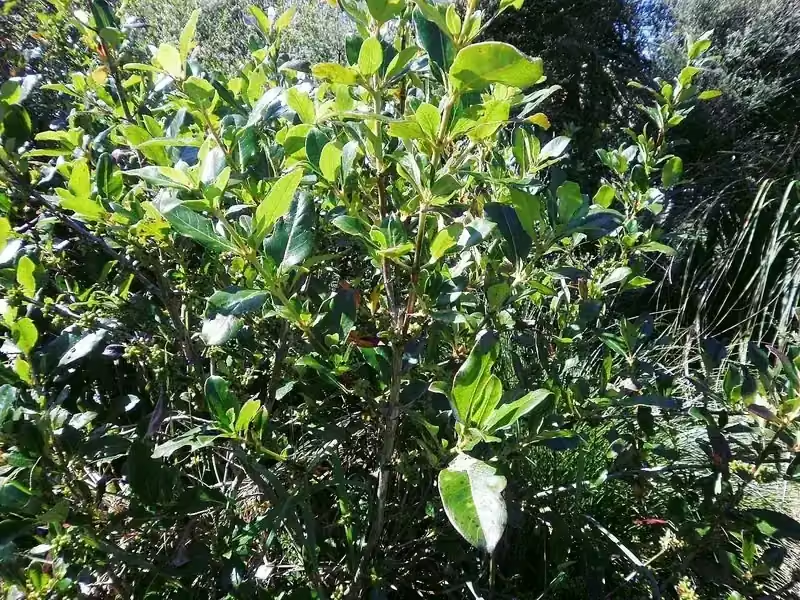
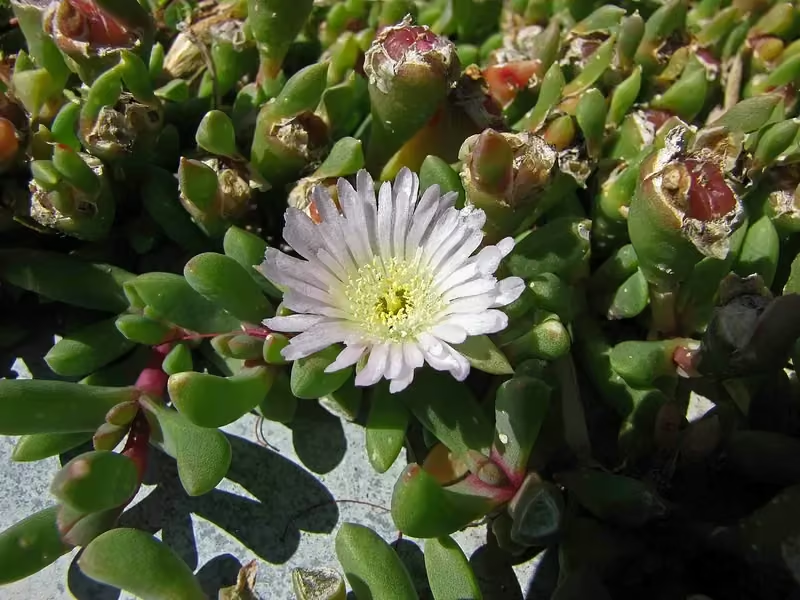
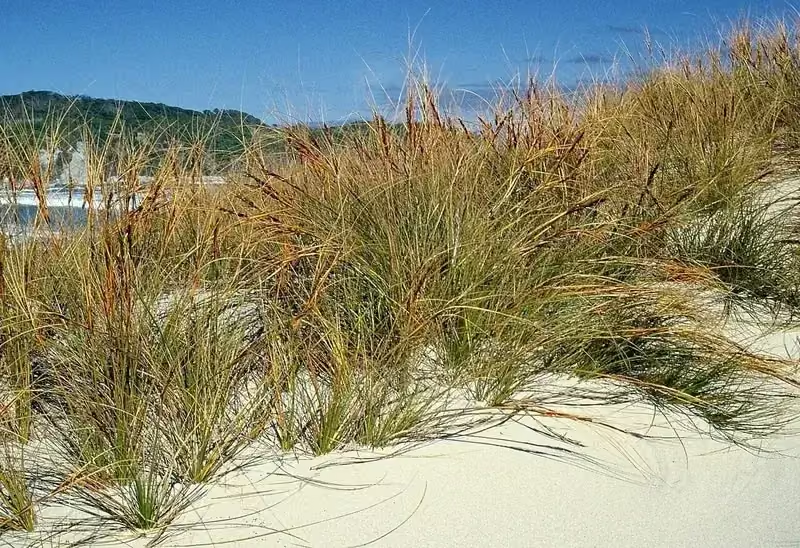
Explore other native plants that share similar characteristics or habitats with Holloway's Crystalwort ( Atriplex hollowayi ), offering further insights into New Zealand's diverse flora. These related species provide context and opportunities for complementary planting in your garden.


Plant Conservation
Conservation Status and Threats
Currently classified as 'Nationally Critical' nationally, Atriplex hollowayi is one of New Zealand's most endangered coastal herbs. Wild populations are extremely vulnerable to human activity, competition from invasive weeds, and the destructive power of summer cyclonic storms. Because it has proven almost impossible to cultivate outside its specialized strand-line habitats, conservation efforts are focused on intensive monitoring and the strict protection of its few remaining northern North Island colonies. Ensuring the continued biosecurity and ecological integrity of our northern beaches is essential for preventing the extinction of this extraordinary and sensitive island specialist.
Frequently Asked Questions
How big does Holloway's Crystalwort get?
It grows up to 30 centimetres tall and can spread up to 1.2 metres across.
Where does Atriplex hollowayi grow?
It is a strand-line specialist endemic to northern North Island beaches, growing on upper beaches and foredunes.
What is the conservation status of Holloway's Crystalwort?
It is classed as Nationally Critical, making it one of New Zealand's rarest coastal plants.
Does Holloway's Crystalwort need full sun?
Yes, it requires full sun with no shade tolerance, favouring high-light beach sites.
Sources and Further Reading
The botanical, growing, and conservation details for Holloway's Crystalwort (Atriplex hollowayi) on this page draw on authoritative New Zealand plant references and citizen-science observation records. Consult the sources below for full technical records and the latest distribution data.