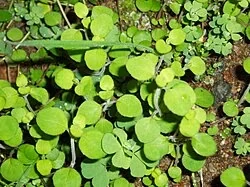
New Zealand Mint
Mentha cunninghamii
Last updated:
New Zealand Mint (Mentha cunninghamii), known in te reo Māori as hioi or moki, is a delicate, highly fragrant perennial herb endemic to New Zealand and a member of the mint family, Lamiaceae. It has a prostrate, creeping habit, forming loose wiry mats rarely more than 15 cm tall and spreading to about 30 cm. Its slender stems carry tiny oval leaves that release a clean, sweet minty scent when crushed, and small white flowers appear in the leaf axils from spring into early autumn. It grows in damp grasslands, stream banks and lake margins. Now classed At Risk - Declining, it is a charming, aromatic native ground cover for moist, sunny spots. Explore more native ground covers in our native plant guide.
Plant Description
Identification and Physical Characteristics
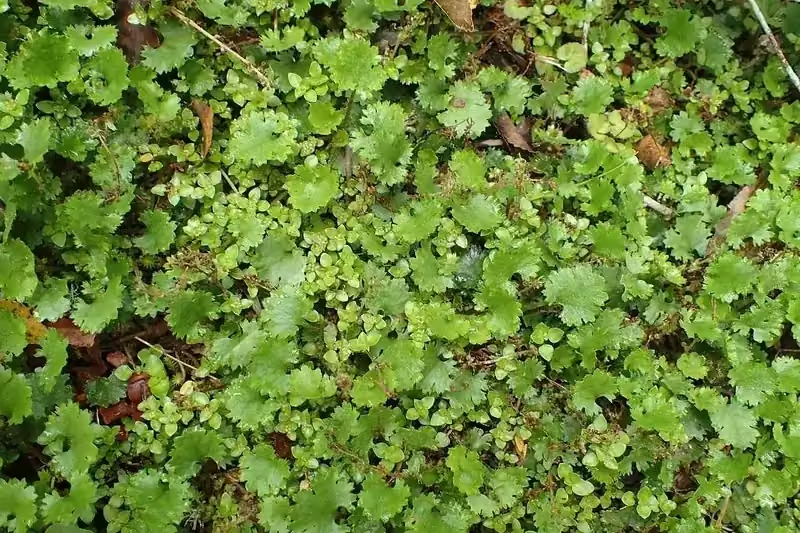
Mentha cunninghamii , also known as hīoi, moki, or New Zealand Mint, is a delicate and highly fragrant perennial herb endemic to New Zealand. It belongs to the Lamiaceae (Mint) family and possesses the characteristic aromatic leaves associated with the genus. This species exhibits a prostrate or creeping growth habit, forming loose, wiry mats that rarely exceed 15 cm in height. The stems are slender and well-branched, covered in tiny, oval leaves that range from bright green to a yellow-green hue. When crushed, these leaves release a clean, sweet minty fragrance. From spring through to early autumn, the plant produces small, fragrant white flowers that are held in the leaf axils, adding a subtle charm to its low-growing foliage.
Quick Facts
| Scientific Name | Mentha cunninghamii |
|---|---|
| Height | 5-15 cm |
| Spread | Up to 30 cm (creeping) |
| Water Needs | Moderate; prefers consistent moisture |
| Light | Full sun to partial shade |
| Frost Tolerance | High |
| Salt Tolerance | Medium |
| Growth Rate | Moderate |
| Lifespan | Perennial |
Climate Best Suited to
New Zealand Mint is a versatile plant capable of thriving in a range of climates across Aotearoa. It is particularly well-suited to temperate and montane environments where humidity levels are moderate and rainfall is reliable. While it is found from coastal areas up to subalpine zones, it performs best when its roots are kept cool and damp. It is highly frost-hardy and can withstand significant winter chills, making it an excellent candidate for gardens in both the North and South Islands.
Regional Suitability
| City | Climate Suitability |
|---|---|
| Auckland | High |
| Wellington | High |
| Christchurch | High |
| Dunedin | High |
| Invercargill | High |
Plant Habitat
Natural Occurrence and Ecology
In its natural state, Mentha cunninghamii is found in open, well-lit environments. Its typical habitats include damp grasslands, stream banks, lake margins, and open areas within grey scrub. It is also a colonizer of cliffs and rocky outcrops where seeps provide constant moisture. Historically, it was widespread throughout New Zealand, but its range has contracted due to the modification of these open, damp sites. It is now more frequently encountered in less disturbed montane and coastal regions.
Growing Requirements
Soil Requirements
Thrives in moist, organic-rich soil but is remarkably adaptable to heavy clay and poorly-drained sites.
- Moist/Loamy
- Clay tolerant
- Rich in organic matter
Light Requirements
Prefers full sun to develop its best fragrance and compact form, but will tolerate light partial shade.
- Full Sun
- Partial Shade
Water Requirements
Requires consistent moisture. It is not drought-tolerant and should be watered regularly during dry summer spells.
- Regular watering
- Maintain humidity
Planting and Establishing
Establishment Guidance
When planting New Zealand Mint, choose a location that receives ample sunlight but remains damp. Incorporating compost into the planting area will help retain the necessary moisture. Space the plants about 20-30 cm apart; they will quickly spread via their underground rhizomes to form a continuous carpet. Planting is most successful in early spring or autumn when the weather is cooler and rainfall is more frequent. Ensure the new transplants are watered daily until they show signs of active new growth.
Ecological Role
Biodiversity and Ecosystem Impact
Mentha cunninghamii provides important ground cover in damp grassland and riparian ecosystems. Its dense mats help stabilize soil and maintain humidity at the ground level, creating a niche for various small invertebrates. The flowers are a source of nectar for native bees and flies. As a declining species, its presence in a habitat is often an indicator of a relatively healthy, intact damp grassland ecosystem that has escaped severe modification by agriculture or drainage.
Uses & Significance
Garden Uses
In the garden, hīoi is perfect for sensory gardens, herb borders, or as a fragrant path filler between paving stones. It can also be grown in containers.
- Sensory gardens
- Herb gardens
- Path softening
Traditional Uses
Traditionally, Māori used hīoi for its fragrance and as a medicinal herb to induce sweating (diaphoretic). It was also used to scent homes and garments.
- Traditional fragrance
- Herbal medicine
- Cultural heritage
Landscaping Uses
Landscapers utilize New Zealand Mint for its ability to create a soft, aromatic ground cover in areas that remain moist. It is effective in "edible" landscape designs or as an underplanting for larger native shrubs where its light green foliage provides a pleasing contrast. Its fragrance is a major asset, especially when planted where it may be gently stepped upon or brushed against.
Seasonal Care Calendar
Spring
Apply a light dressing of compost to encourage new growth. This is the best time for dividing existing mats to expand coverage.
- Fertilize lightly
- Divide and replant
Summer
Peak flowering and fragrance. Ensure consistent watering during dry periods to prevent the delicate foliage from wilting.
- Deep watering
- Monitor for stress
Autumn
Growth slows as temperatures cool. Take semi-hardwood cuttings for propagation if required.
- Collect seed
- Take cuttings
Winter
The plant is dormant and hardy. Minimal care is needed, but ensure the area is not completely waterlogged and stagnant.
- Check drainage
- Minimal care
When to Prune and How Much
New Zealand Mint requires very little pruning.
- Remove yellowing stems
- Lightly shear after flowering
A light trim in late summer can help keep the mat dense and prevent it from becoming too leggy or sparse in the center.
How to Grow New Zealand Mint
Cultivating New Zealand Mint ( Mentha cunninghamii ) is an easy and rewarding way to bring a unique, endemic fragrance into your outdoor space. This species is one of the most straightforward native herbs to grow, provided its fundamental need for consistent moisture is met. Unlike some of the more aggressive exotic mints, New Zealand Mint has a slower, more manageable spread, making it a sophisticated choice for even the smallest native garden.
The primary method of propagation is through division. Because the plant produces creeping rhizomes that naturally root as they spread, you can easily lift a small section of an established mat and transplant it. The best time for this is early spring, just as the plant is beginning its active growth cycle. Ensure that each division has a good cluster of roots and several healthy stems. Replant these immediately into prepared, moist soil and keep them well-shaded and watered for the first two weeks to ensure a smooth transition.
From Seed
Growing from seed is also a viable option and a great way to maintain genetic diversity in your garden. Collect the small seeds in late summer once the flowering spikes have turned brown.
Sow the seeds onto the surface of a high-quality, pre-moistened seed-raising mix. They require light to germinate, so do not cover them deeply; a very fine sifting of grit is enough. Keep the tray in a cool, bright spot and ensure the medium stays damp at all times.
- Collect seeds in late summer.
- Sow on moist organic mix.
- Maintain constant humidity.
Germination usually occurs within 3-4 weeks. Once the seedlings are large enough to handle, prick them out into individual pots to grow on before planting out.
From Cuttings
Soft-wood or semi-hardwood cuttings can also be taken in late spring or summer.
- Select a healthy, non-flowering stem.
- Place in a moist sand/peat mix.
- Keep in a humid cutting frame.
Pests & Diseases
New Zealand Mint is generally a tough plant but can be susceptible to downy mildew in very humid or stagnant conditions. This is best avoided by ensuring good air circulation around the plants. Slugs and snails may occasionally browse on the succulent stems, but they are rarely a major threat. Its high essential oil content often acts as a natural deterrent to many common garden pests.
Cultural Significance
Hīoi holds a special place in Māori ethnobotany as one of the few aromatic herbs utilized for its fragrance and culinary properties. It represents the delicate, sensory side of the New Zealand flora. Historically, it was a treasured find in the wild, valued for its ability to bring a fresh scent to the whare (home). In contemporary times, its "At Risk - Declining" status serves as a reminder of the vulnerability of our native grasslands and the importance of active conservation to protect these small but significant members of our natural heritage.
- Traditional Māori aromatic herb
- Symbol of sensory biodiversity
- Declining endemic treasure
Bonus Tip
For a truly fragrant garden experience, plant New Zealand Mint in the cracks of a stone path that leads to a seating area. As guests walk along the path, their footsteps will release the sweet, clean minty scent, creating a refreshing atmosphere before they even reach their destination.
Related Plants
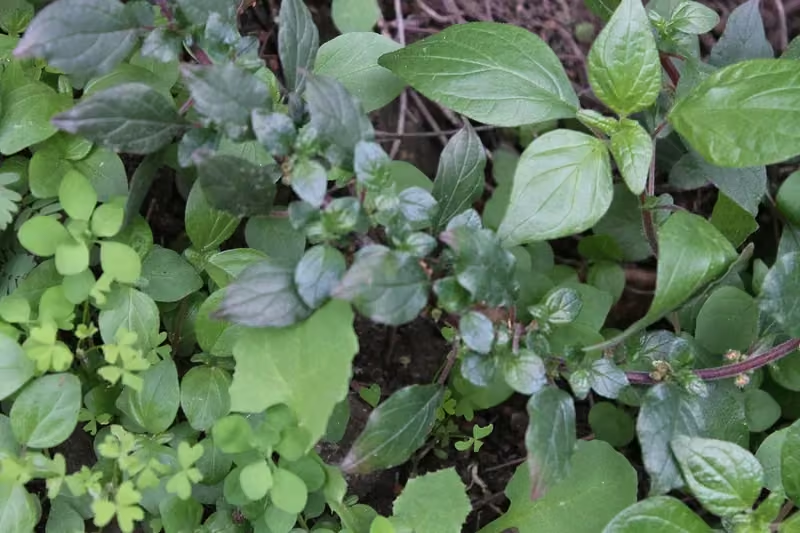
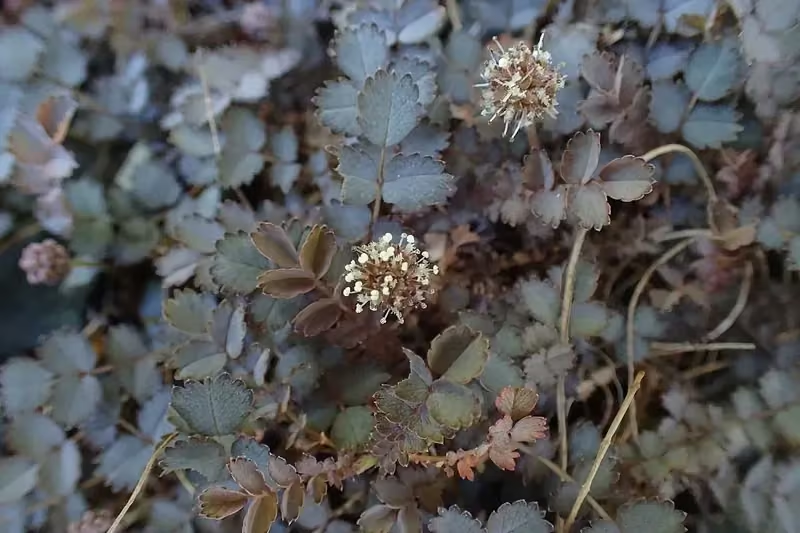
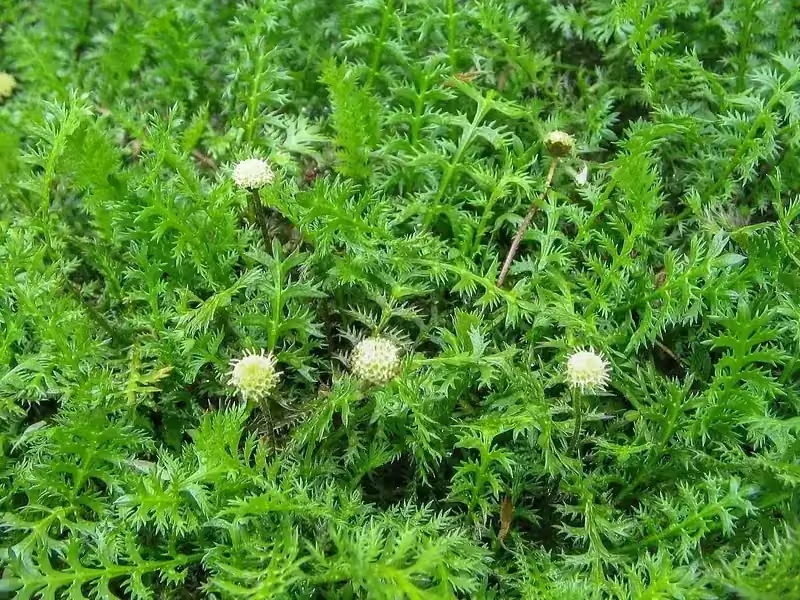
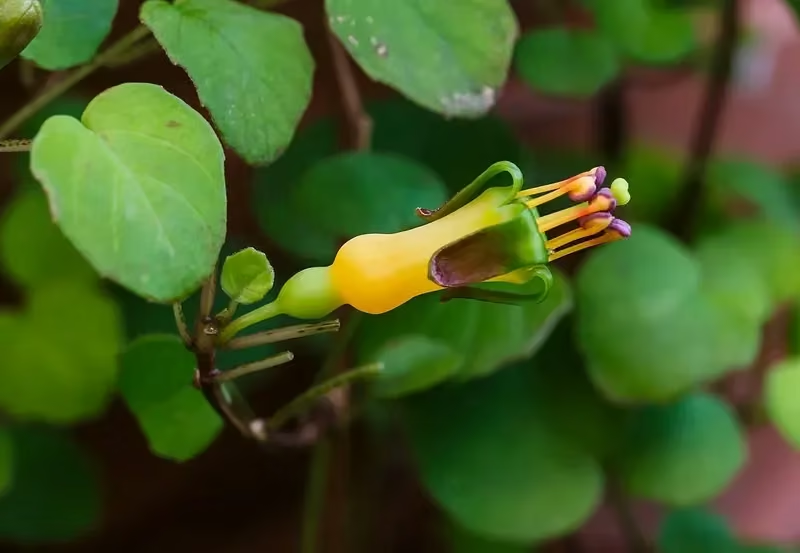
Explore other native plants that share similar characteristics or habitats with New Zealand Mint ( Mentha cunninghamii ), offering further insights into New Zealand's diverse flora. These related species provide context and opportunities for complementary planting in your garden.
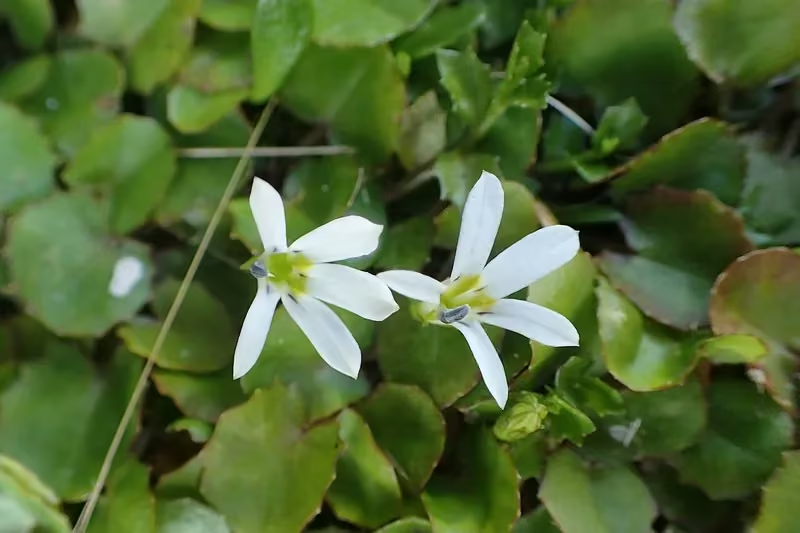
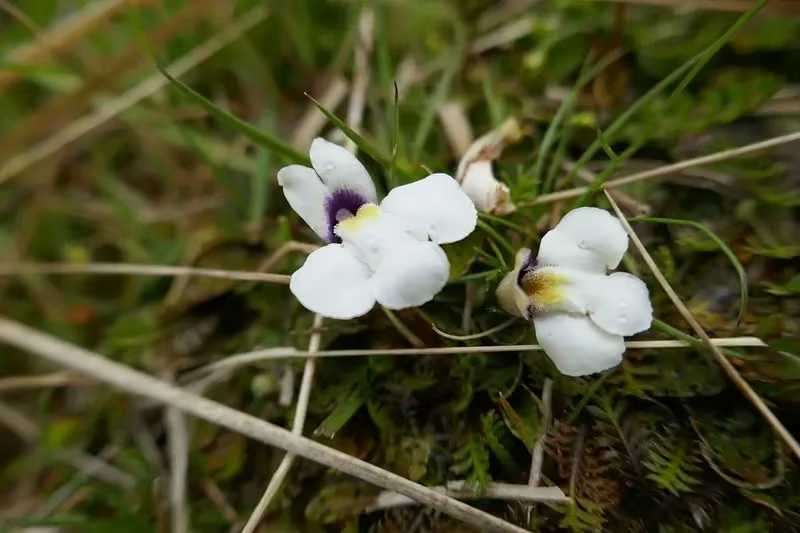
Plant Conservation
Conservation Status and Threats
Currently classified as 'At Risk - Declining', New Zealand Mint faces ongoing pressure from habitat loss and competition from invasive weeds. Protecting damp, open habitats and reducing the impact of grazing animals is vital for its recovery. By including hīoi in your native garden, you are contributing to the preservation of this unique and fragrant part of New Zealand's biodiversity.
Frequently Asked Questions
How tall does New Zealand Mint grow?
It is a low creeping herb, growing about 5 to 15 cm tall and spreading up to 30 cm.
Does Mentha cunninghamii smell like mint?
Yes, its small leaves release a clean, sweet minty fragrance when crushed.
Is New Zealand Mint threatened?
Yes, it is classified as At Risk - Declining due to loss of its damp open habitats.
Where does New Zealand Mint grow naturally?
It grows in damp grasslands, stream banks, lake margins and open grey scrub.
Sources and Further Reading
The botanical, growing, and conservation details for New Zealand Mint (Mentha cunninghamii) on this page draw on authoritative New Zealand plant references and citizen-science observation records. Consult the sources below for full technical records and the latest distribution data.