Sea Blite
Suaeda novae-zelandiae
Last updated:
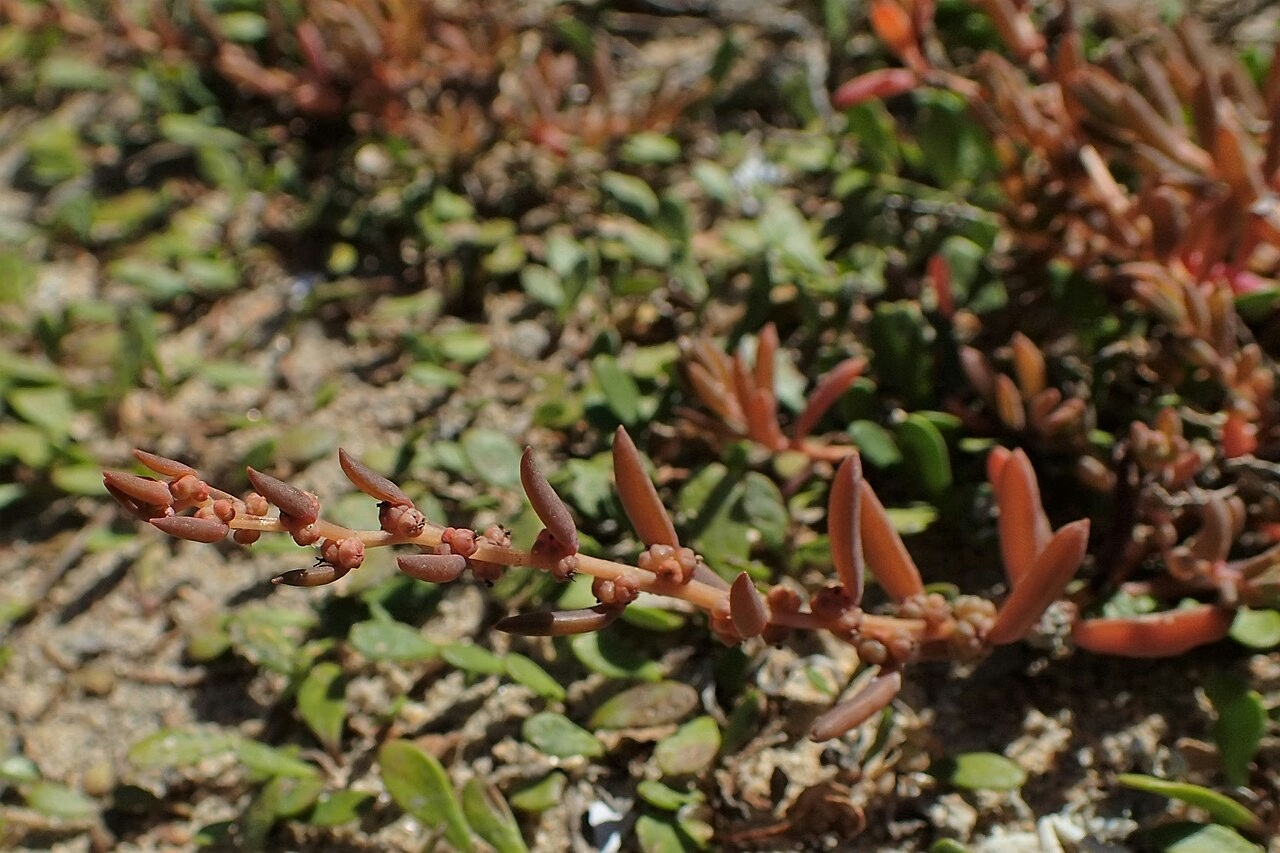
Sea blite (Suaeda novae-zelandiae) is a low, succulent subshrub endemic to New Zealand and one of the few plants that thrives within reach of the high tide. Its much-branched woody stems, rising to 30 cm or more, carry small fleshy leaves 4 to 12 mm long, with tiny green flowers tucked into the leaf axils. It grows in salt marshes and on rocky and gravelly coasts of the North and South Islands, though it is local in occurrence. Nationally it is ranked Not Threatened, but it has become scarce in several regions, and Wellington ranks it Regionally Critical because coastal development and reclamation have removed much of its habitat. Explore more native shrubs in our native plant guide.
Plant Description
Suaeda novae-zelandiae is a perennial, much-branched subshrub. Its stems are woody at the base and retain old leaf bases, with ascending branches up to 30 cm or more long, forming low, spreading clumps.
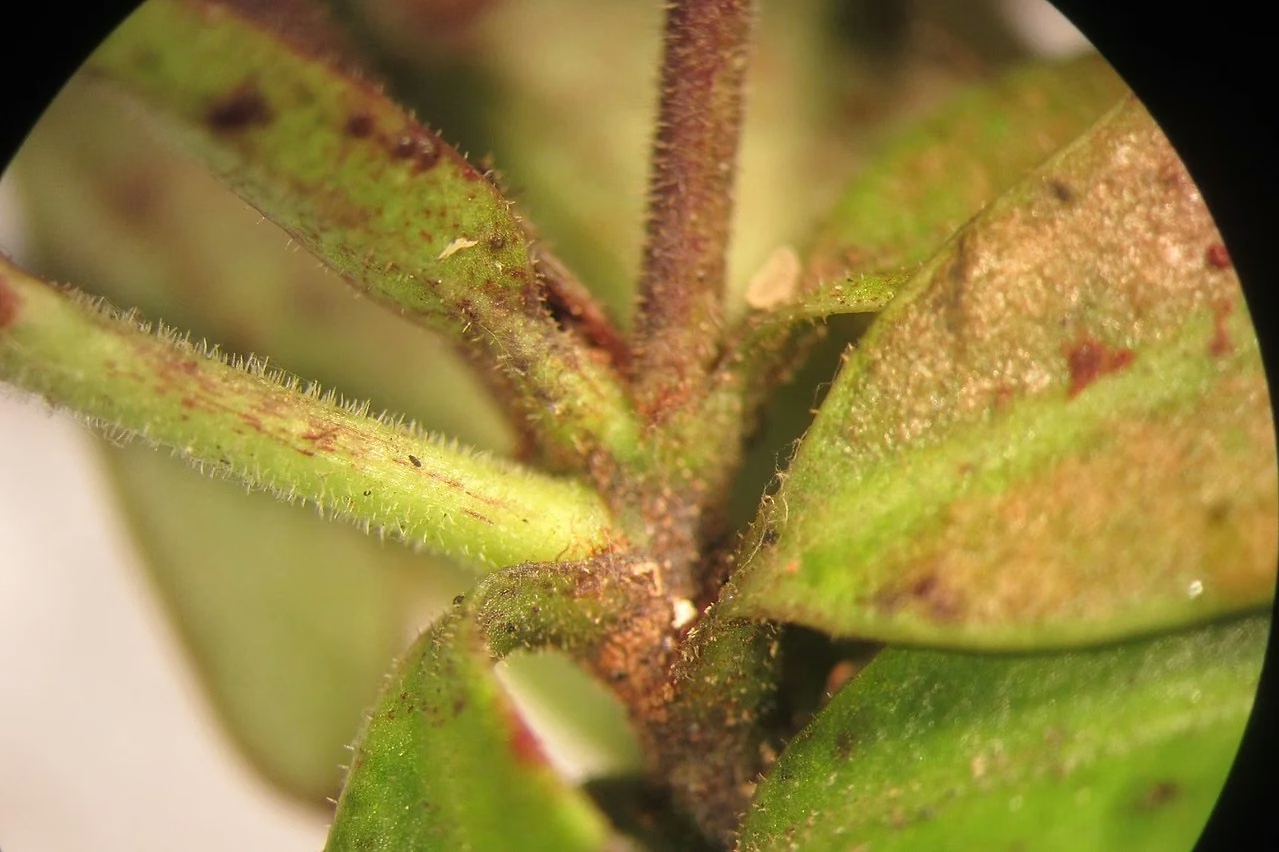
The leaves are stalkless and fleshy, linear to narrowly oblong, 4 to 12 mm long and 1 to 2 mm wide, arranged opposite, alternate or in clusters along the stems. They are usually green to grey-green, and in saline or exposed sites can take on red or purplish tones. The tiny flowers are green or whitish, borne in the leaf axils, with a five-lobed perianth and two or three stigmas. The seeds are horizontal, red-brown and glossy.
It is related to Suaeda maritima and the Australian Suaeda australis, but differs from the Australian plant in its smaller leaves and more spreading branches. A useful field character is that its flowers sit in the axils of normal foliage leaves rather than in distinct spike-like inflorescences. Glasswort (Salicornia) grows in the same salt marshes but has jointed, leafless-looking succulent stems.
Quick Facts
| Scientific Name | Suaeda novae-zelandiae |
|---|---|
| Height | Up to 0.3 m or more |
| Spread | Low, spreading clumps |
| Water Needs | Tolerates tidal wetting and dry gravels |
| Light | Full sun |
| Frost Tolerance | Moderate; coastal sites with mild winters |
| Salt Tolerance | Very high; grows within range of high tide |
| Growth Rate | Slow to moderate |
| Lifespan | Perennial |
Climate Best Suited to
Suits mild, maritime coastal climates. It is adapted to salt spray, periodic tidal inundation and wind, rather than to inland conditions.
Regional Suitability
| City | Climate Suitability |
|---|---|
| Auckland | High |
| Wellington | High |
| Christchurch | High |
| Dunedin | High |
Plant Habitat
Sea blite is endemic to New Zealand and is found throughout the North and South Islands, though it is somewhat local. It is restricted to the coast.
It grows in salt marshes and on rocky and gravelly coasts within range of high tide, often in the upper salt marsh zone with other salt-tolerant plants. Herbarium and nursery sources also note it on shell banks and sandy or muddy shorelines in estuaries.
Growing Requirements
Soil Requirements
It grows in highly saline substrates, from estuarine mud and sand to gravel and shell banks, where few other plants survive.
- Saline mud, sand, gravel or shell
- Tolerates periodic tidal inundation
- Free-draining gravels on rocky shores
Light Requirements
It is a plant of open, unshaded shorelines and needs full sun.
- Full sun
- Open, exposed coastal sites
- Declines when overtopped by taller rushes or weeds
Water Requirements
It is wetted by high tides and salt spray, yet also survives on well-drained gravel banks between tides; its succulent leaves store water.
- Tolerates both tidal wetting and summer dryness
- In cultivation, water occasionally and avoid freshwater waterlogging
Planting and Establishing
NZPCN notes that sea blite is not commercially available, though some specialist nurseries do occasionally grow it. It is best planted as part of salt marsh or estuarine restoration within its natural zone, using eco-sourced stock.
In a coastal garden it can be tried in a sunny, gravelly spot exposed to salt wind. Plant in spring, with free drainage, and keep it clear of vigorous grasses.
Ecological Role
Sea blite forms part of the upper salt marsh community alongside other salt-tolerant plants such as glasswort, helping to trap sediment and stabilise the shoreline. Its tiny green flowers are likely wind-pollinated, as in related Suaeda species, but this is not confirmed for this species in the sources consulted.
Salt marshes are important feeding and roosting areas for coastal birds and nurseries for invertebrates, and sea blite contributes to the structure of these habitats. The specific animals that use the plant are not documented in the sources consulted.
Uses & Significance
Garden Uses
It is mainly a restoration plant, but could suit specialist coastal gardens with saline conditions where few other plants grow.
- Salt marsh and estuary restoration
- Seaside gravel gardens exposed to salt spray
- Educational plantings of coastal native flora
Ecological Value
It is a characteristic endemic plant of upper salt marsh and gravelly shores, habitats much reduced by reclamation, roading and development.
- One of few native plants tolerating tidal salt water
- Helps bind sediment on salt marsh margins
- Regionally threatened in Wellington and declining in Auckland
Landscaping Uses
In coastal landscapes, use sea blite at the very seaward edge of a planting, in drifts with glasswort and native salt marsh grasses and rushes, where its fleshy foliage forms low mounds.
Its foliage colour, sometimes reddish in exposed or saline sites, adds interest against grey stones and shell.
Seasonal Care Calendar
Spring
New shoots extend from the woody bases as temperatures rise.
- Plant out restoration stock
- Remove competing weeds
Summer
The small green flowers develop in the leaf axils; detailed flowering times are not given in the sources consulted.
- Water garden plants occasionally in drought
- Watch for seed set
Autumn
Glossy red-brown seeds ripen within the persistent flower parts.
- Collect seed from cultivated or permitted sources
- Sow fresh
Winter
Growth slows, and foliage may show reddish tints in exposed sites.
- No feeding needed
- Protect from heavy frost inland
When to Prune and How Much
Little pruning is needed. Lightly trim straggly stems in spring to keep the plant compact.
Cutting hard into the old woody bases is best avoided, as the sources consulted give no information on how well it regrows.
How to Grow Sea Blite
NZPCN records sea blite as not commercially available and gives no propagation details, so the methods below follow general practice for succulent coastal Suaeda rather than a published protocol for this species. The plant produces glossy red-brown seeds and has woody, branching stems suitable for cuttings. Because it is regionally threatened in several parts of the country, collect only small amounts of seed or cutting material, from cultivated plants or with permission from the landowner or council, and use local provenance for estuary restoration so that regional populations remain distinct.
From Seed
Seed ripens after flowering and is held within the persistent flower parts. Sow it fresh in a gritty, sandy mix, and harden young plants to wind and salt spray before planting them out on the coast.
- Collect ripe seed from cultivated or permitted plants
- Sow on a sandy, free-draining seed mix and cover lightly
- Keep moist in a bright, warm spot
- Pot seedlings into sandy mix once large enough to handle
- Harden off in an exposed position before planting at the coast
From Cuttings
Semi-hardwood tip cuttings of succulent subshrubs often root readily in sandy mixes, though no specific success rates were found for this species.
- Take 5 to 8 cm tip cuttings in spring or summer
- Strip the lowest leaves
- Insert into a mix of coarse sand and pumice
- Keep in bright light and only lightly moist until rooted
Pests & Diseases
No specific pests or diseases are recorded for this species in the sources consulted.
Its main threats are habitat loss through reclamation, coastal roading and development, trampling and vehicles on shorelines, and invasion of salt marsh by weeds.
Cultural Significance
No Māori name or traditional use is recorded for Suaeda novae-zelandiae in the sources consulted.
The species was described by the New Zealand botanist Harry Allan, and the epithet novae-zelandiae means of New Zealand. The genus Suaeda is now placed in the amaranth family, Amaranthaceae, which absorbed the former goosefoot family.
Bonus Tip
When planting salt marsh margins, place sea blite at the level the highest tides reach rather than lower down: in the wild it grows within range of high tide, and in that narrow band it faces less competition than further up the shore where rushes and weeds take over.
Related Plants
Explore other native plants that share similar characteristics or habitats with Sea Blite (Suaeda novae-zelandiae), offering further insights into New Zealand's diverse flora. These related species provide context and opportunities for complementary planting in your garden.
Plant Conservation
Sea blite has been ranked Not Threatened at every national assessment since 2004. However, regional assessments rank it Regionally Critical in Wellington, Regionally Declining in Auckland and Regionally Naturally Uncommon in Northland, showing it has been lost from many urbanised coasts.
Protecting remaining salt marshes and gravelly shores from reclamation, vehicles and weeds, and replanting with eco-sourced stock in estuary restoration, are the main ways to help it.
Frequently Asked Questions
What is sea blite?
Sea blite is Suaeda novae-zelandiae, an endemic succulent subshrub in the amaranth family that grows in salt marshes and on gravelly shores within reach of high tide.
Where can you find sea blite in New Zealand?
It occurs in salt marshes and on rocky and gravelly coasts throughout the North and South Islands, but its populations are local rather than continuous.
How is New Zealand sea blite different from Australian Suaeda?
It is related to Suaeda maritima and Suaeda australis, but has smaller leaves and more spreading branches than the Australian plant, and its flowers sit in the axils of ordinary leaves rather than in spike-like heads.
Is sea blite endangered?
It is ranked Not Threatened nationally, but Wellington ranks it Regionally Critical, Auckland Regionally Declining and Northland Regionally Naturally Uncommon, reflecting the loss of salt marsh.
Sources and Further Reading
The botanical, growing, and conservation details for Sea Blite (Suaeda novae-zelandiae) on this page draw on the New Zealand plant references below. Consult them for full technical records and the latest distribution data.