Yellow Mistletoe
Alepis flavida
Last updated:
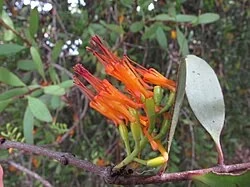
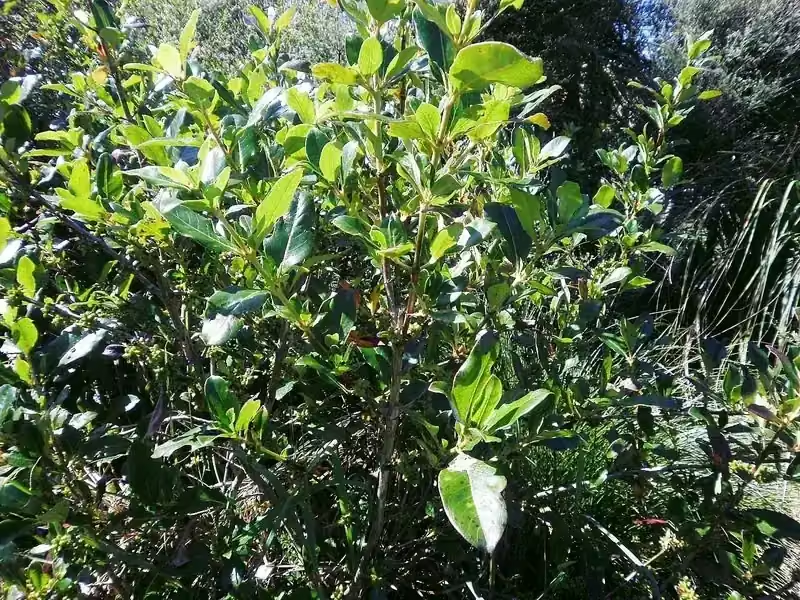
Yellow Mistletoe (Alepis flavida) is a hemi-parasitic shrub that forms rounded, broomy clumps up to 2 metres across within the branches of a host tree. It grows on beech (Fuscospora) in lowland to montane forests of both the North and South Islands, tapping the host for water and nutrients while photosynthesising with its own leathery, dull-green leaves with reddish margins. From December to February it opens small golden-yellow flowers that native birds trigger to release pollen, followed by shiny gold to orange berries. Also known as piriraki, it is classed At Risk - Declining and is an important forest nectar source. Explore more New Zealand alpine plants in our native plant guide.
Plant Description
Identification and Physical Characteristics
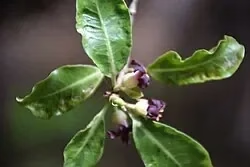
Alepis flavida is a woody, broomy shrub that forms large, rounded clumps up to 2 meters across within the branches of its host. Its leaves are evergreen, leathery, and dull green, typically measuring 2-6 cm long with distinctive reddish margins. A key identifying feature is the arrangement of leaves in opposite pairs and the small, golden-yellow to orange-yellow flowers that open widely from December to February. As a hemi-parasite, it possesses specialized roots that penetrate the host tree's tissue to tap into water and nutrients while using its own green leaves for photosynthesis. The flowers are followed by small, shiny, translucent oval berries that ripen to a beautiful gold or orange colour, providing a seasonal highlight in the forest canopy.
Quick Facts
| Scientific Name | Alepis flavida |
|---|---|
| Height | 0.5-2 m (as canopy shrub) |
| Spread | 0.5-2 m (host-dependent) |
| Water Needs | Low to moderate (drawn from host) |
| Light | Bright forest canopy light |
| Frost Tolerance | Moderate |
| Salt Tolerance | Low |
| Growth Rate | Moderate |
| Lifespan | Long-lived perennial |
Climate Best Suited to
Alepis flavida is well adapted to various New Zealand regions.
Regional Suitability
| City | Climate Suitability |
|---|---|
| Auckland | High |
| Wellington | High |
| Christchurch | Medium |
Plant Habitat
Natural Occurrence and Ecology
Yellow Mistletoe occupies a specialized ecological niche in lowland to montane forests throughout both the North and South Islands. It is most abundant in healthy beech forests where its preferred hosts, Fuscospora cliffortioides and Fuscospora solandri, are dominant. The species establishes itself on the outer branches of the host canopy, where it can access high light levels while remaining protected within the forest environment. It is also recorded on at least 13 other indigenous tree species, demonstrating some flexibility in its parasitic relationship. Its distribution is closely linked to areas with intact forest structures and healthy native bird populations, which are essential for its complex life cycle and long-term persistence.
Growing Requirements
Soil Requirements
Prefers well-draining soil rich in organic matter.
- Well-drained
- Loamy
Light Requirements
Grows best in partial to full sun.
- Full Sun
- Partial Shade
Water Requirements
Requires regular watering during dry periods.
- Regular
- Drought tolerant once established
Planting and Establishing
Establishment Guidance
Because of its specialized hemi-parasitic nature, Yellow Mistletoe cannot be grown using conventional garden methods. It must be established directly onto a suitable living host tree, preferably a native beech. Successful 'planting' involves placing fresh, sticky seeds from mature berries onto the high, sun-exposed branches of a healthy host. The seeds require light to germinate and must quickly establish a connection with the host's vascular system. This process is naturally performed by native birds, making the presence of avian dispersers the best way to encourage mistletoe establishment. It is not suitable for standard landscaping but is a valuable addition to large-scale forest restoration projects where suitable hosts and pollinators are present.
Ecological Role
Biodiversity and Ecosystem Impact
In its native ecosystems, Alepis flavida is a critical keystone species that supports a wide array of forest life. Its bright golden flowers are an important nectar source for native bees and birds like the tui and bellbird, which often trigger the flowers to 'explode' and spray pollen. The fleshy, high-energy berries that follow are a vital food resource for fruit-eating birds during the late summer and autumn. These mutualistic relationships are essential for the health of the entire forest community. Furthermore, the clumps of mistletoe provide additional nesting and shelter sites within the canopy. By contributing to the overall biological complexity and food availability, Yellow Mistletoe enhances the resilience and health of New Zealand's indigenous forest remnants.
Uses & Significance
Garden Uses
Yellow Mistletoe is not a plant for the average garden due to its parasitic requirements, but it is a highly prized sight for those exploring New Zealand's wild places. Its presence adds a unique layer of beauty and complexity to the forest canopy, with its golden blooms providing a spectacular seasonal display. For those managing large areas of native forest or participating in community restoration projects, encouraging the establishment of Yellow Mistletoe is a significant step towards creating a truly authentic and biologically diverse ecosystem. It represents the intricate and fascinating interdependencies that define New Zealand's unique botanical identity.
- Ecological restoration
- Botanical interest
Ecological Value
Ecologically, it is an essential component of healthy beech forest food webs. It supports local biodiversity by providing high-energy resources for native birds and pollinators, acting as a natural indicator of forest integrity and successful pest management in the high country.
- Tūī and bellbird support
- Forest health indicator
Landscaping Uses
While unsuitable for traditional landscaping, Yellow Mistletoe is used conceptually in environmental design to represent the multi-tiered complexity of New Zealand's forests. Its iconic image is often used in educational displays and conservation signage to highlight the importance of protecting the entire forest ecosystem, including its most specialized and vulnerable members. The sight of a healthy clump of Yellow Mistletoe in the canopy is a powerful aesthetic symbol of a forest that is being effectively managed against introduced pests and where native birds continue to perform their essential roles.
Seasonal Care Calendar
Spring
The start of the growth phase. This is when the leathery leaves may show the most vibrant reddish margins. Ensure the host tree is healthy and free from competition that could block light to the mistletoe clump.
- Fertilize
- Mulch
Summer
The spectacular flowering season. Bright golden-yellow clusters appear from December to February, attracting native birds. This is the best time to observe and appreciate the mistletoe's contribution to forest biodiversity.
- Water
- Check for pests
Autumn
Berries mature and provide a vital food source for avian dispersers. This is the natural time for seed spread. Tidy any fallen organic debris from the host branches to maintain good airflow around the mistletoe.
- Prune lightly
- Plant new specimens
Winter
Naturally very frost-hardy and adapted to cool mountain winters. Requires no active care; the plant remains dormant and protected within the forest canopy, relying on the host tree's resilience during the coldest months.
- Frost protection
When to Prune and How Much
Yellow Mistletoe requires no pruning. As a wild forest species, it is best left entirely undisturbed to follow its natural life cycle. Any maintenance should focus on the health of the host tree rather than the mistletoe itself. In a restoration setting, if a clump becomes too large and threatens the host branch, it is a natural process that may lead to the eventual loss of both, though this is rare in healthy systems. Always prioritize the preservation of the host tree and avoid any physical damage to the mistletoe's attachment points.
- Remove dead branches
Always use clean, sharp tools.
How to Grow Yellow Mistletoe
Supporting Yellow Mistletoe ( Alepis flavida ) is a complex and rewarding effort for those involved in New Zealand's native forest conservation. This species cannot be grown in soil; it must be established directly onto a living host tree. Success depends on maintaining a healthy forest environment where suitable hosts and native bird dispersers can thrive together in a stable and protective forest ecosystem.
From Seed
Propagation is achieved by mimicking the natural dispersal by birds. Fresh, ripe berries should be collected and the sticky seeds immediately pressed onto the young, smooth-barked branches of a suitable host, such as a mountain or black beech. The seeds require bright, filtered light to trigger germination and must be kept moist until they establish their parasitic connection. This is a delicate process with a naturally variable success rate, requiring patience and a long-term commitment to site stewardship.
Sow fresh seeds in a seed-raising mix.
- Collect seeds
- Sow in trays
Keep moist until germination.
From Cuttings
Vegetative propagation via cuttings or division is not possible for this species due to its specialized parasitic attachment. The mistletoe is inextricably linked to the host's vascular system, and any attempt to remove it will result in the death of the plant. Focusing on seed establishment and the protection of natural pollinators is the only reliable way to increase the presence of Yellow Mistletoe in a restoration area.
Take semi-hardwood cuttings in late summer.
- Take cuttings
- Use rooting hormone
Additional Methods
Depending on the growth habit of Alepis flavida , other methods such as division or layering might also be viable options. Division is particularly suitable for plants that form dense clumps or have spreading root systems, while layering can be used for species with trailing or flexible stems.
The most effective way to grow Yellow Mistletoe populations is to implement intensive pest control, particularly targeting possums and rats. Possums are a major threat as they browse directly on the mistletoe foliage, while rats consume the seeds and compete with the native birds that are essential for the plant's dispersal. A healthy, predator-free forest is the best 'garden' for this magnificent and unique native plant to flourish.
- Divide clumps
- Replant immediately
Pests & Diseases
Yellow Mistletoe faces severe threats from introduced pests in its native habitats. Possums are the most significant danger, as they find the leathery foliage highly palatable and can quickly strip and kill entire clumps. Fungal diseases can also occasionally target the leaves or attachment points. The primary defense against these issues is intensive, ongoing pest management and maintaining the overall health and diversity of the surrounding forest to ensure a robust and resilient ecosystem.
Cultural Significance
The Yellow Mistletoe, or piriraki, represents the intricate and beautiful interdependencies of New Zealand's forest ecosystems. Its golden-yellow blooms have long been a symbol of the height of summer in the high-country beech forests. For Māori, it is a part of the broader forest taonga, representing the health and vitality of the ngahere. Today, it stands as a flagship species for forest conservation, reminding us of the critical need to protect the complex relationships between our native plants and birds.
- Traditional medicine
- Crafts
Bonus Tip
If you are lucky enough to have native mistletoe on your property, the best thing you can do is maintain a regular trapping program for possums and rats. By protecting the birds that pollinate and disperse the seeds, you are ensuring that the spectacular golden display of the Yellow Mistletoe will continue for many years to come.
Related Plants
Explore other native plants that share similar characteristics or habitats with Alepis flavida ( Alepis flavida ), offering further insights into New Zealand's diverse flora. These related species provide context and opportunities for complementary planting in your garden.



Plant Conservation
Conservation Status
Currently classified as 'At Risk - Declining' nationally, the Yellow Mistletoe faces a range of significant threats. Browsing by introduced possums is the most immediate cause of decline, while the loss of native bird populations reduces its ability to disperse and colonize new hosts. Habitat fragmentation and forest clearance also pose ongoing risks. Conservation efforts focus on intensive predator control, the protection of large, intact beech forest remnants, and public education to highlight the critical role this keystone species plays in New Zealand's unique botanical heritage.
Frequently Asked Questions
How big does Alepis flavida grow?
It forms rounded clumps roughly 0.5 to 2 metres across within the branches of its host tree.
What does Yellow Mistletoe grow on?
It is a hemi-parasite of beech trees, mainly Fuscospora cliffortioides and Fuscospora solandri, in lowland to montane forest.
When does Alepis flavida flower?
It produces golden-yellow to orange-yellow flowers from December to February, followed by gold or orange berries.
Is Yellow Mistletoe threatened in New Zealand?
Yes, it is classified At Risk - Declining and is found across both the North and South Islands.
Sources and Further Reading
The botanical, growing, and conservation details for Yellow Mistletoe (Alepis flavida) on this page draw on authoritative New Zealand plant references and citizen-science observation records. Consult the sources below for full technical records and the latest distribution data.