Mountain Fireweed
Senecio wairauensis
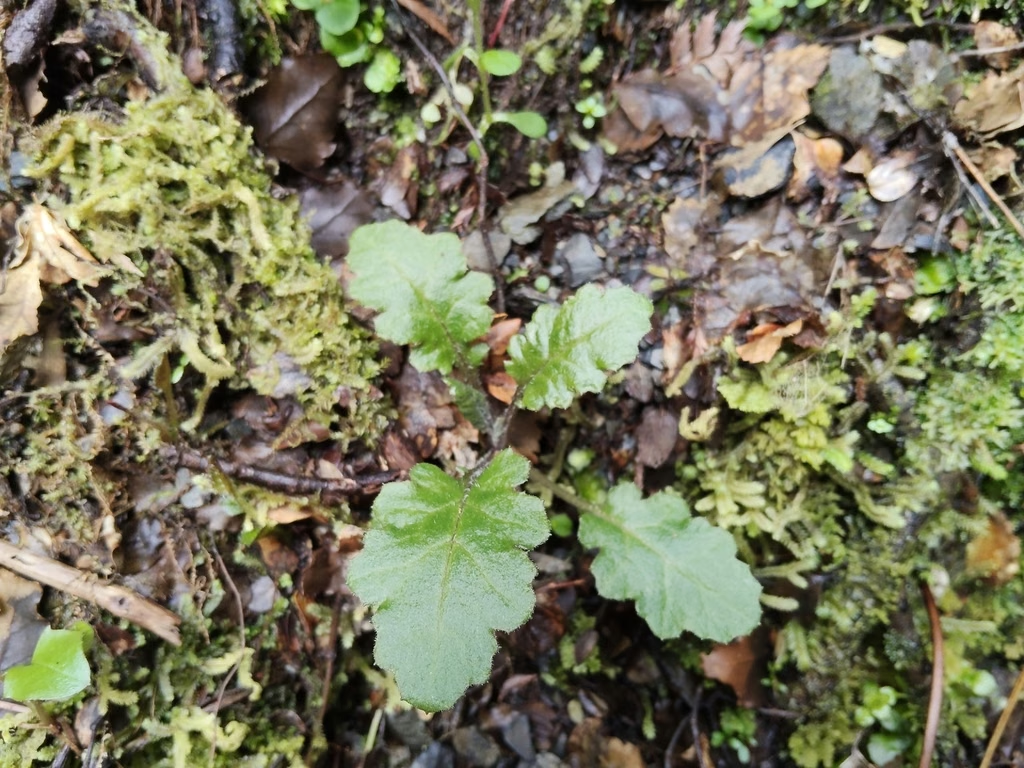
Senecio wairauensis, mountain fireweed, is an endemic New Zealand herb of forest openings, mountain ground and wet places. Its small yellow flower heads have no showy ray florets. This erect herb is annual or short-lived perennial.
Identification
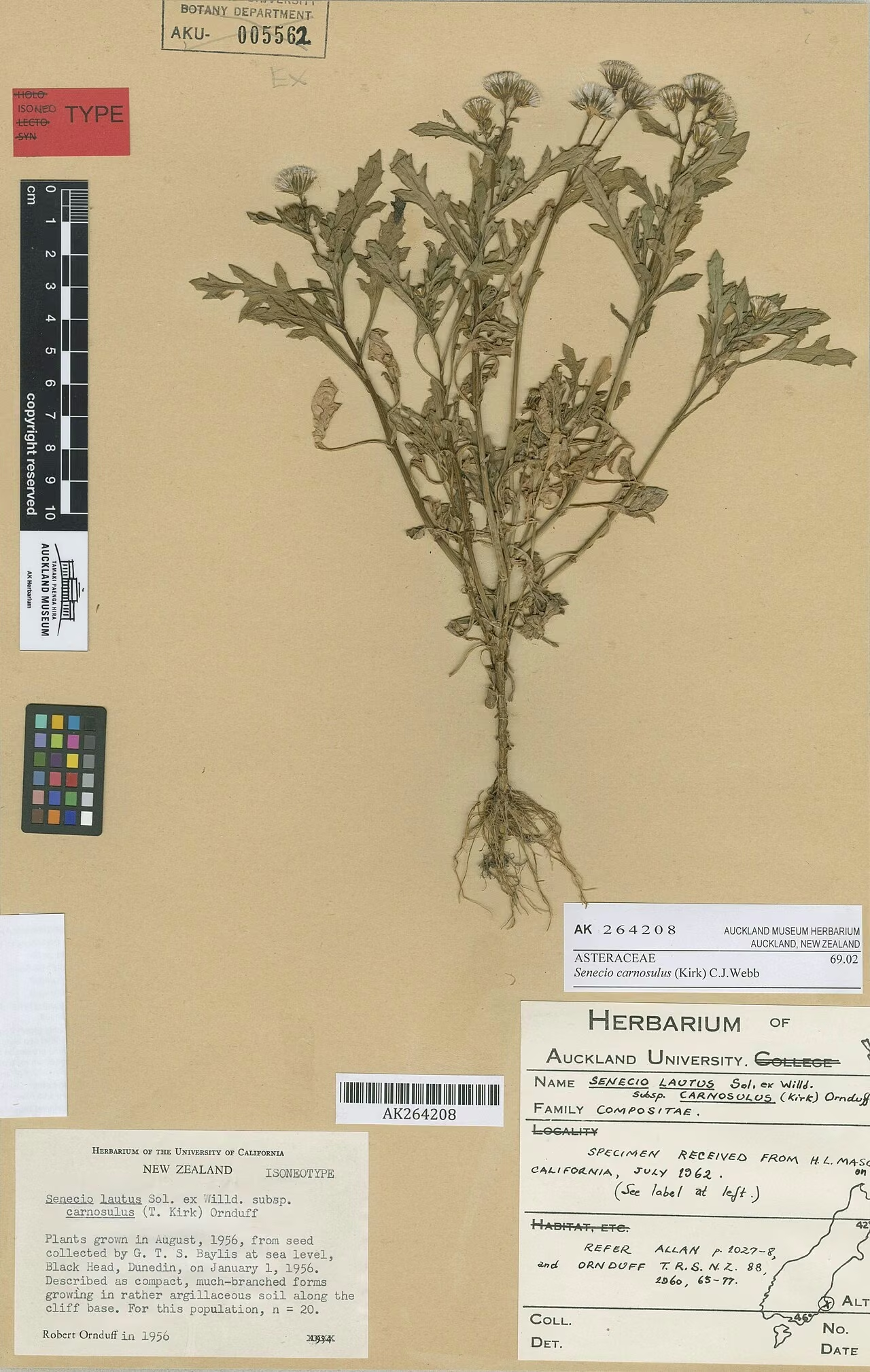
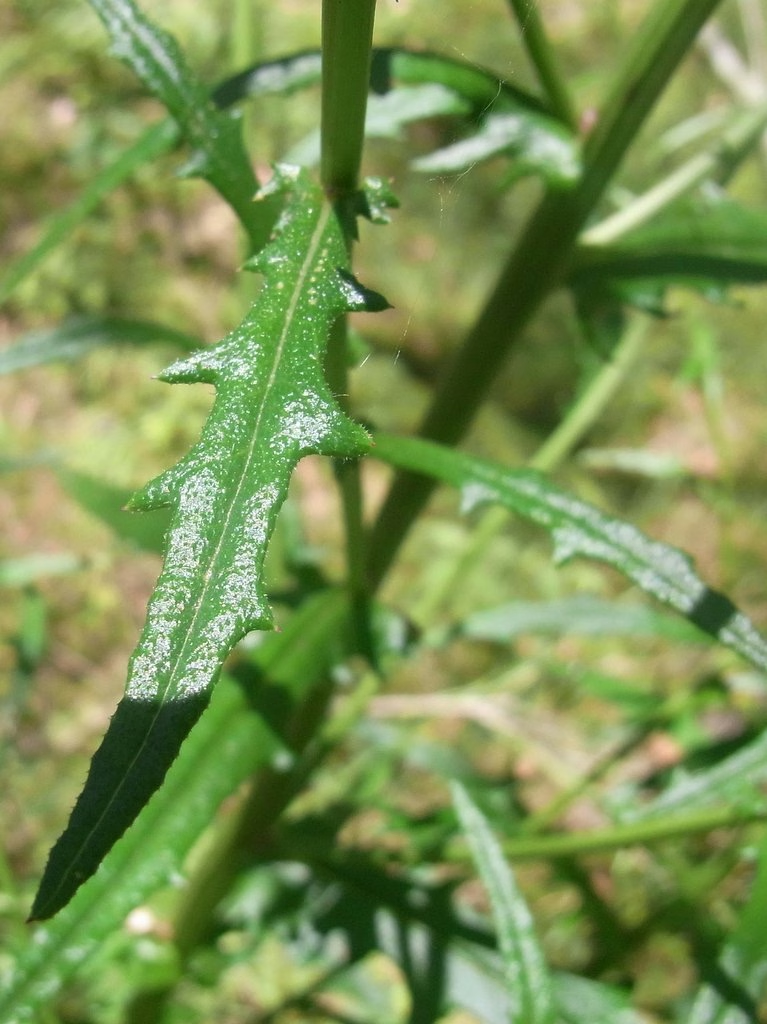
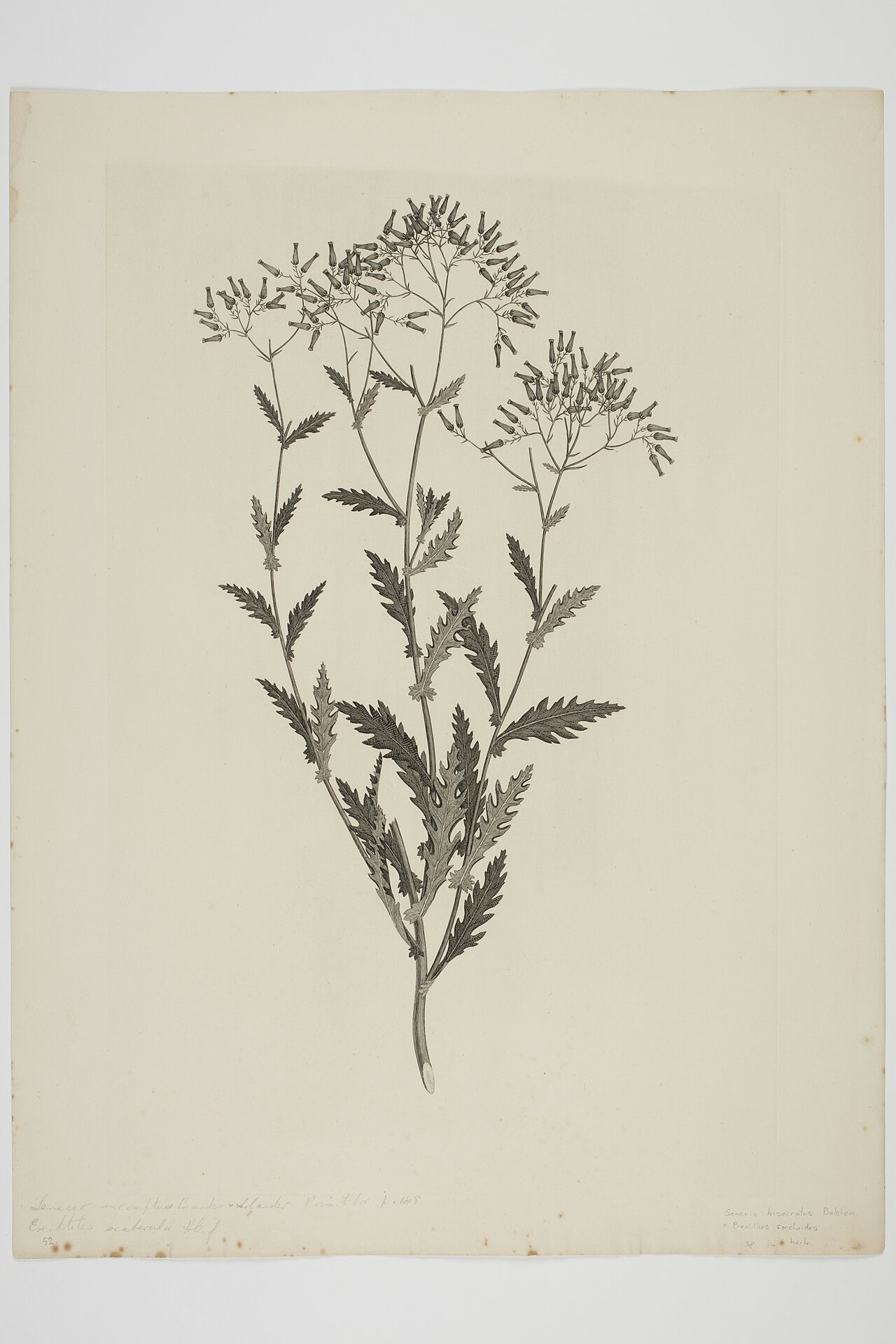
This erect herb is annual or short-lived perennial. Its mid-stem leaves are variable, from shallowly toothed or lobed to deeply divided, usually 6-13 cm long and 2-5 cm wide.
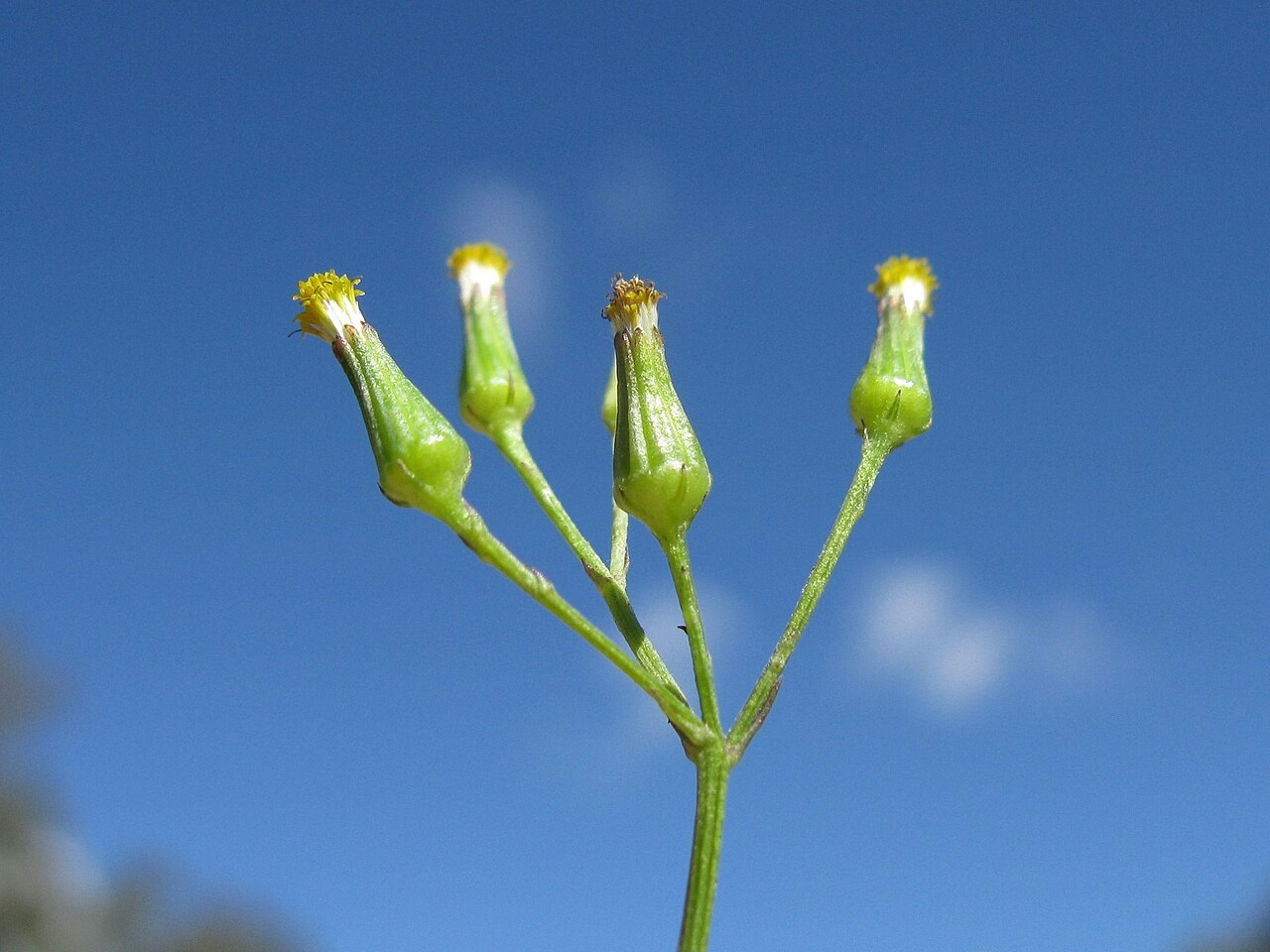
The small yellow flower heads have no ray florets. Each is surrounded by mostly 12-13 hairless bracts, typically 6-7 mm long; the yellow disc is only 2-3 mm across.
Quick facts
| Scientific Name | Senecio wairauensis Belcher |
|---|---|
| Common name | Mountain fireweed |
| Earlier name | Erechtites wairauensis |
| Family | Asteraceae |
| Origin | Endemic to New Zealand |
| Habit | Erect annual to short-lived perennial herb |
| Habitat | Open forest, scrub, wet ground and grassland |
| Flowering | December to May |
| National status | Not Threatened (2023) |
| Height | An erect herb; total height is not quantified in the cited Flora description |
| Water Needs | Wet ground is among its habitats; no cultivated watering schedule is supplied |
| Light | Open forest, scrub and open ground in its natural habitat |
| Spread | Individual plant width is not quantified; may spread readily by seed |
| Frost Tolerance | Minimum tolerated temperature is not documented |
| Salt Tolerance | Salt tolerance is not documented |
| Growth Rate | Annual extension is not quantified in the cited accounts |
| Lifespan | Annual to short-lived perennial |
Natural range
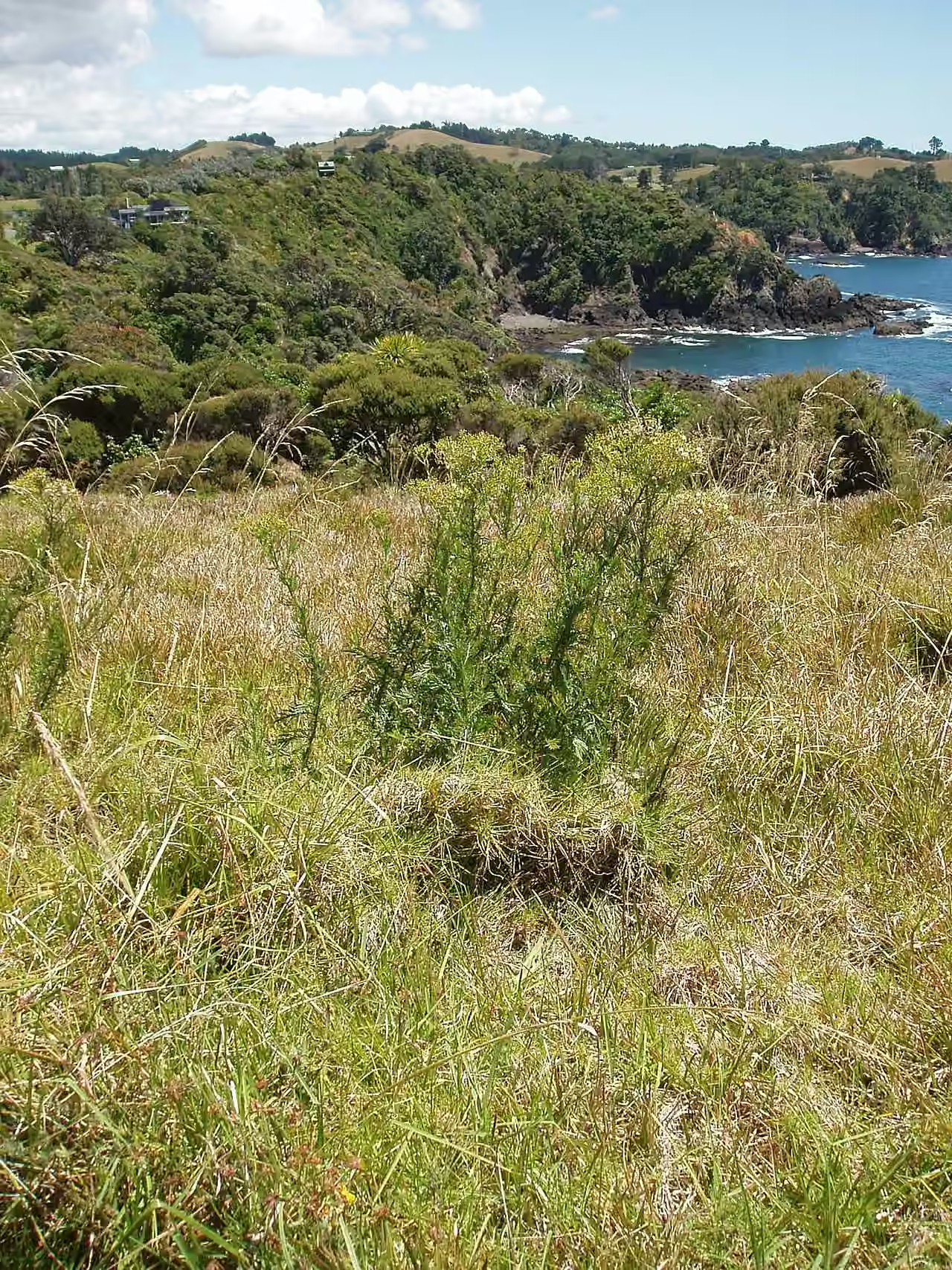
NZPCN records mountain fireweed in the North and South Islands and Rakiura / Stewart Island. It is usually montane to alpine, but in southern parts of its range it also grows near the coast.
| City | Climate Suitability |
|---|---|
| Auckland | Not assessed |
| Wellington | Not assessed |
| Christchurch | Not assessed |
Habitat and distribution
The species occurs in open forest, forest margins and clearings, shrubland, grassland and disturbed places, often on stony or wet ground. Flora records most sites between 600 and 1,500 m, with some at sea level.
NZPCN also records it beside streams and lakes and in bogs.
Natural growing conditions
Wild plants occupy both stony and wet sites, including open forest and stream margins. This range of observations does not establish a tested garden watering schedule or soil recipe for the species.
Planting considerations
This is an erect annual to short-lived perennial herb, not a permanent woody shrub. Flora describes its variable leaves and natural habitats but does not provide a species-specific garden planting protocol.
Disturbed and open ground
Mountain fireweed can grow in forest clearings, shrubland and other disturbed sites, as well as beside water. NZPCN notes that the species is variable and that some geographic races may warrant further taxonomic study.
Observing the plant
Look for variable, often toothed or lobed stem leaves and small yellow heads without a ring of ray florets. The uppermost leaves are smaller and may be divided, toothed or nearly entire.
Garden context
Its short-lived herbaceous habit and inconspicuous rayless flower heads differ from the showy daisies often grown in gardens. The cited botanical profiles describe wild populations and do not report cultivation trials.
Flowers and fruit
Flora records flowering from December to May. Each small yellow disc is surrounded by narrow bracts, while ray florets are absent; the upper leaves become smaller along the stem.
The fruits are narrow and roughly 3-4 mm long, occasionally with sparse hairs in grooves between their ribs.
Growth form
Plants are erect annuals or short-lived perennials. Mid-stem leaves usually clasp the stem at their bases, while upper leaves are smaller; the botanical sources do not prescribe pruning for this fireweed.
How to Grow Mountain Fireweed (Senecio wairauensis)
Fresh seed
NZ Plant Conservation Network records fresh seed as an easy propagation route for Senecio wairauensis. The same entry notes that the plant can become invasive. That qualification matters when choosing a place for seed-grown plants and when following subsequent seedlings around an established specimen. The account does not specify a germination temperature or number of days to emergence.
Recognising This Fireweed's Growth
Flora of New Zealand describes an erect annual to short-lived perennial. The mid-stem leaves are variable: some are shallowly toothed or lobed, while others are deeply divided. Most measure about 6-13 cm long and 2-5 cm wide. Upper leaves become smaller and can be narrow, toothed or entire.
Checking the heads before seed develops
The yellow flower heads lack ray florets. Their small discs are only about 2-3 mm across and are usually surrounded by twelve or thirteen smooth bracts. Flora records flowering from December to May. Mature achenes are generally about 3-4 mm long, narrowly cylindrical and tapered near the apex. These features help distinguish reproductive plants from similar leafy fireweeds.
The range of recorded sites
Mountain forest, scrub, open ground, stream sides, lake margins, bogs and tussock grassland are all recorded habitats. Southern populations also reach coastal sites. The species' broad site range and easy fresh-seed propagation are documented, but the cited profile does not establish a single fertiliser programme or watering interval for cultivated plants.
Plant health
Leaf shape varies considerably within the species, from shallowly toothed to deeply divided, and the leaf surfaces may have only a few hairs. The sources do not list species-specific pests or diseases.
Naming and classification
The earlier name Erechtites wairauensis is a synonym of Senecio wairauensis. Flora links the epithet to the type locality at Lake Rotoiti, historically recorded via the Wairau Valley.
A daisy without rays
Despite belonging to the daisy family, this species has no ray florets. Its yellow disc is only 2-3 mm across, and its surrounding hairless bracts help distinguish the small flower head.
Related native Senecio
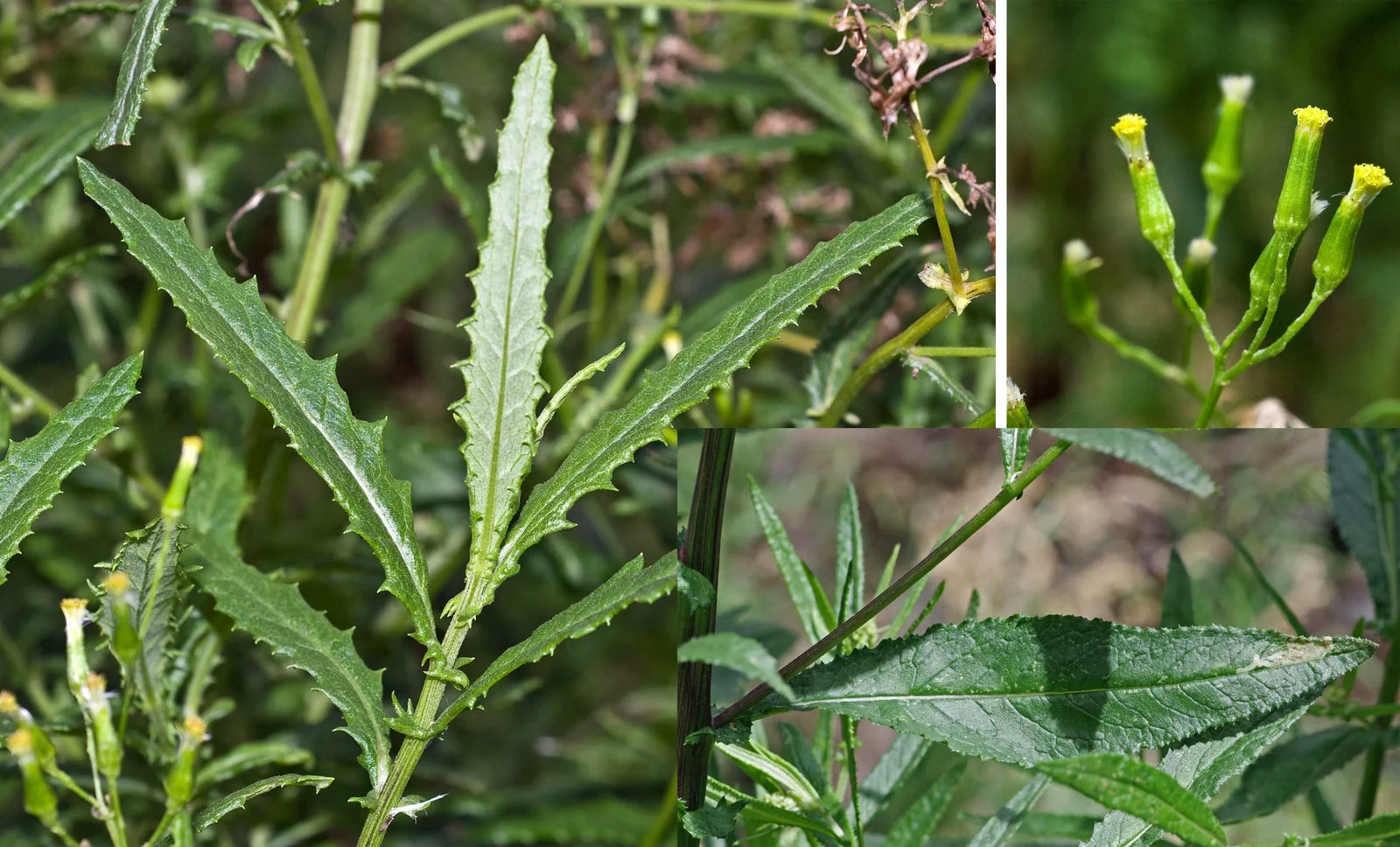
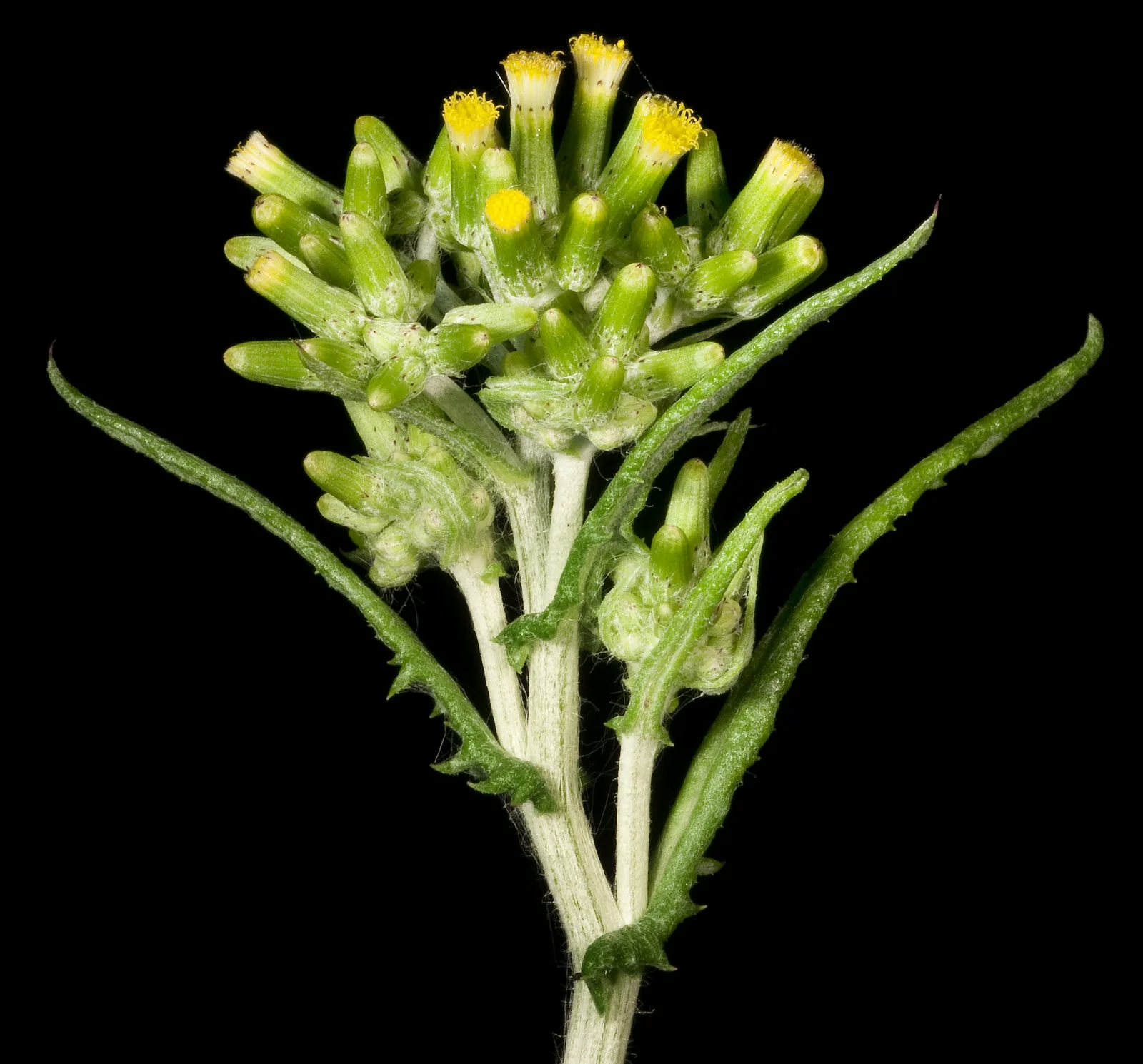
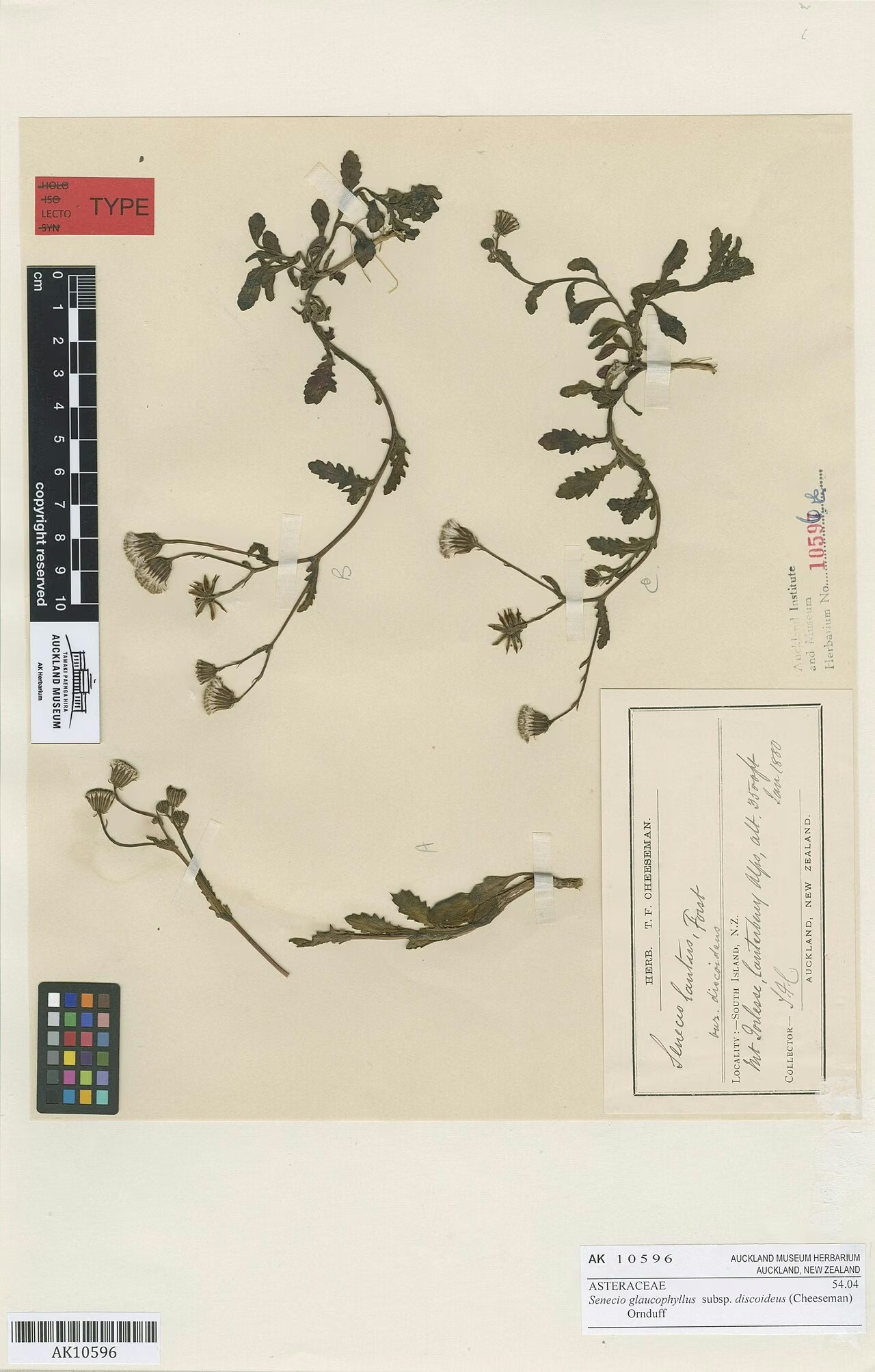
Explore other New Zealand Senecio and fireweed relatives from coastal, forest and open habitats.
Conservation
NZPCN lists this endemic fireweed as nationally Not Threatened in the 2023 assessment. It is also assessed as Regionally Not Threatened in Otago, where its records include mountain and lower-altitude sites.
Frequently asked questions
Does it have daisy-like rays?
No. The small yellow heads have disc florets and no ray florets in the Flora description.
Is it a long-lived shrub?
No. It is described as an erect annual to short-lived perennial herb.
What propagation method is documented?
NZ Plant Conservation Network records easy propagation from fresh seed and notes that the species can become invasive.
Sources
Botanical identification, names and flowering season: Flora of New Zealand. Habitat, distribution and conservation: NZ Plant Conservation Network.
Detailed description and altitude range: Flora of New Zealand Series. National assessment: Conservation status of vascular plants, 2023.
Last updated: