Hatch's Sun Orchid
Thelymitra hatchii
Thelymitra hatchii, Hatch’s sun orchid, is endemic to New Zealand. Its mauve flowers and upright, channelled leaf grow in open grassland, scrub and other habitats. The flowering plant reaches about 40 cm in the Flora description.
Identification
The flowering plant reaches about 40 cm in the Flora description. Its stiff leaf is 7-15 mm wide, channelled and keeled, making a clear V-shaped cross-section.
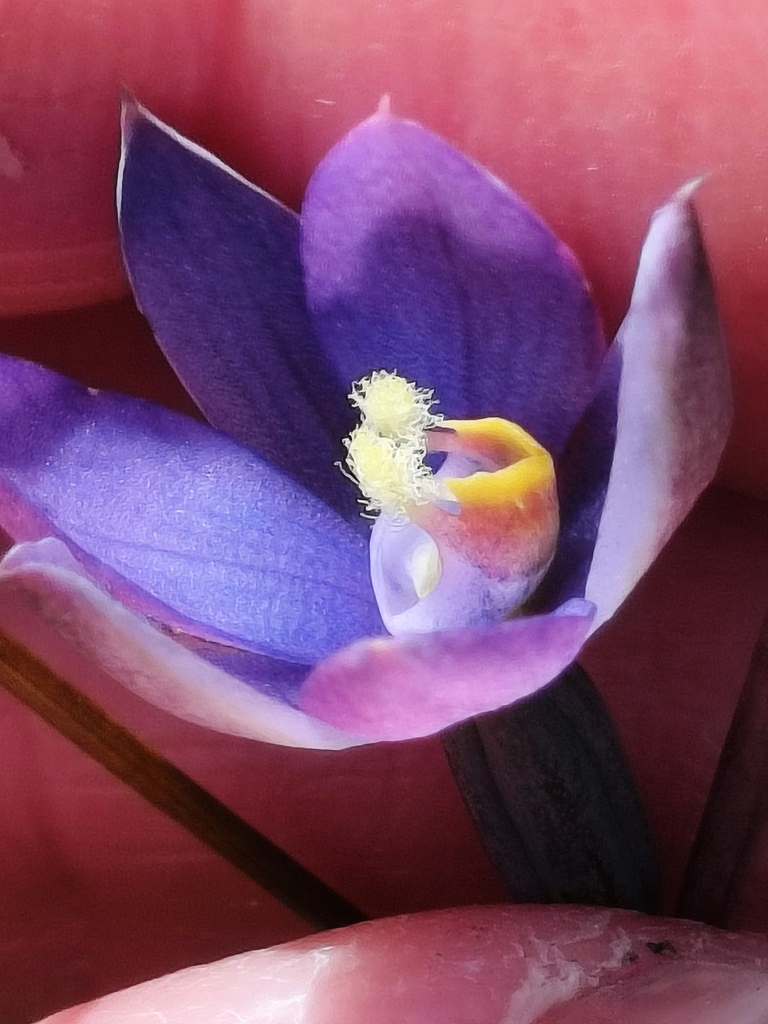
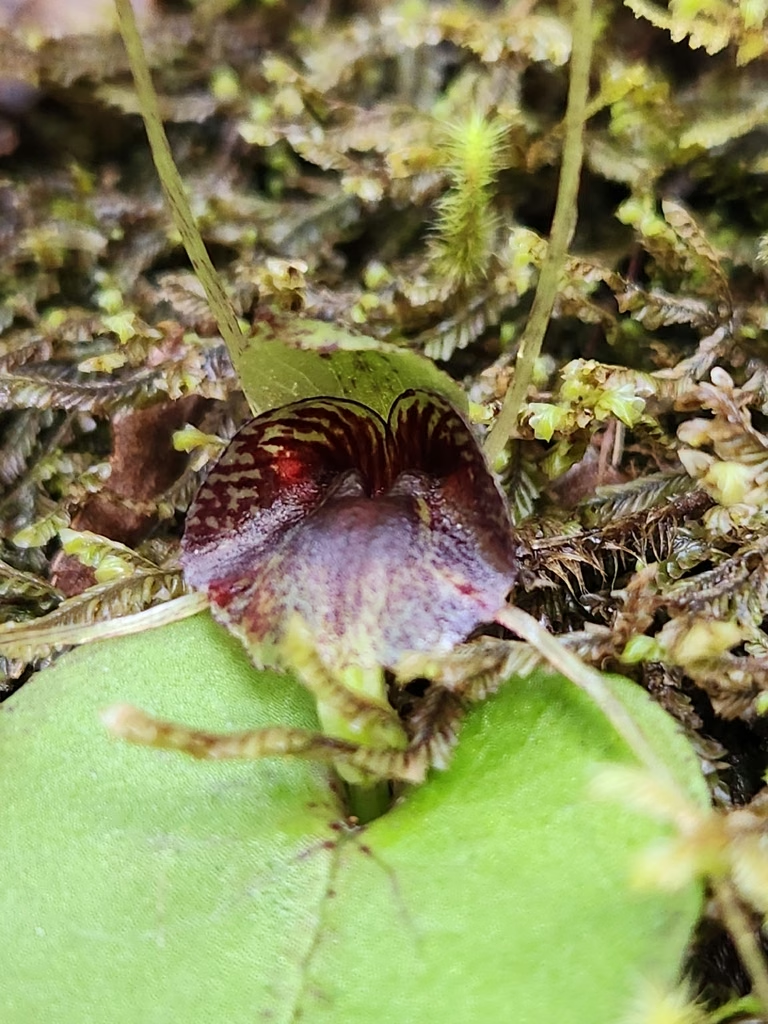
Up to about six unspotted, unstriped flowers range from pinkish blue to mauve. The flower column has numerous usually pale yellow hairs and a dark red upper lobe with a yellowish margin.
Quick facts
| Scientific Name | Thelymitra hatchii L.B.Moore |
|---|---|
| Common name | Hatch’s sun orchid |
| Family | Orchidaceae |
| Origin | Endemic to New Zealand |
| Habit | Terrestrial orchid with a stiff, channelled leaf |
| Flower | Pinkish blue to mauve, without spots or stripes |
| Flowering | November-March in the NZPCN account |
| National status | Not Threatened (2023) |
| Height | Up to 60 cm at flowering in the NZPCN account |
| Water Needs | A well-drained site is recommended; watering frequency is not specified |
| Light | Sunny position |
| Spread | Colonies of 4-20 plants through vegetative extension |
| Frost Tolerance | Minimum tolerated temperature is not documented |
| Salt Tolerance | Salt tolerance is not documented |
| Growth Rate | Annual extension is not quantified in the cited accounts |
| Lifespan | Spring- to summer-green tuberous perennial |
Natural range
Flora records this endemic orchid on the North, South and Stewart Islands. The New Zealand Native Orchid Group describes it from Whangārei southwards, in habitats extending from lowland grassland into mountain country.
| City | Climate Suitability |
|---|---|
| Auckland | Not assessed |
| Wellington | Not assessed |
| Christchurch | Not assessed |
Habitat and distribution
Recorded sites include open grassland, dry clay banks, gravel, scrub and forest margins. The native orchid guide also records plants in bogs, illustrating that the species occurs in a range of conditions.
Flora describes it as widespread in open grassy places; the type locality is View Hill near Oxford, Canterbury.
Natural growing conditions
Observations include dry, stony clay sites and peat bogs. These are records of wild habitats rather than a tested garden recipe; the orchid guide notes that plants can vary in size between sites.
Planting considerations
The species is a terrestrial orchid with a single stiff, channelled leaf and a flowering stem. The cited botanical accounts do not provide a reliable species-specific planting or propagation protocol.
Variation in the wild
The orchid guide notes variation in flower colour and in the colour of the hairs on the column. A field account also reports larger plants on stony ground and smaller plants in peat bogs near Owaka.
Observing the flowers
Look closely at the flower’s central column for dense, usually yellow hairs and the horseshoe-shaped upper lobe. The mauve floral segments lack the stripes or spots found in some other sun orchids.
Garden context
Wild plants are recorded in grassland, scrub and on clay or gravel, but those varied observations do not establish a reliable garden method. The cited sources describe the orchid rather than reporting cultivation trials.
Flowering season
Flora records flowering in November and December, while the New Zealand Native Orchid Group gives a broader November to February season. The flowers are pale to deep mauve, with a yellowish upper column and dense hairs.
Leaf and stem
The upright leaf is channelled and distinctly V-shaped in cross-section. The flower spike bears up to about six flowers in the Flora account; no species-specific pruning treatment is given in the botanical sources.
How to Grow Hatch's Sun Orchid (Thelymitra hatchii)
Tubers and documented cultivation
NZ Plant Conservation Network describes Thelymitra hatchii as readily cultivated in a sunny, well-drained site. It also notes spontaneous establishment in gardens adjoining indigenous vegetation. These observations apply to this species specifically. The account still advises against removing orchids from the wild and does not provide instructions for dividing tubers or artificially germinating seed.
Allowing for vegetative colonies
This tuberous perennial is green from spring into summer and can form dense groups of four to twenty plants through vegetative extension. Its natural sites include clay banks, gravel and open clay pans, often beside scrub, peat bogs or tarns. The profile records coastal to subalpine occurrences, reaching approximately 1,300 m, with coastal populations concentrated in the south.
Recognising the developing leaf
A single stiff, fleshy leaf rises from each plant. It is strongly channelled, prominently ribbed and distinctly V-shaped in cross-section, usually about 10-30 cm long and 7-15 mm wide. Reddish-green to reddish-brown colouring is characteristic. These features help identify a plant before the flowers open.
Following flowering stems
The current NZPCN description gives flowering heights up to 60 cm and usually about six flowers in the raceme. Older Flora measurements are smaller. NZPCN records flowers from November to March and fruit from December to April. The unspotted flowers and the column's pale yellow hairs are useful checks when comparing a garden plant with its label.
Plant health
A dark reddish upper column and yellowish, sometimes ragged margin are normal flower features. The botanical and orchid guide accounts used here do not prescribe disease or pest treatments for this orchid.
Naming and classification
Lucy Moore described Thelymitra hatchii; Flora records its type locality at View Hill near Oxford. The species name commemorates New Zealand orchid botanist Edwin Daniel Hatch.
Recognising the column
The column top is dark red toward the apex, with a yellowish margin and a notch at the rear. Its side arms carry dense hairs, usually pale yellow but sometimes white or pink.
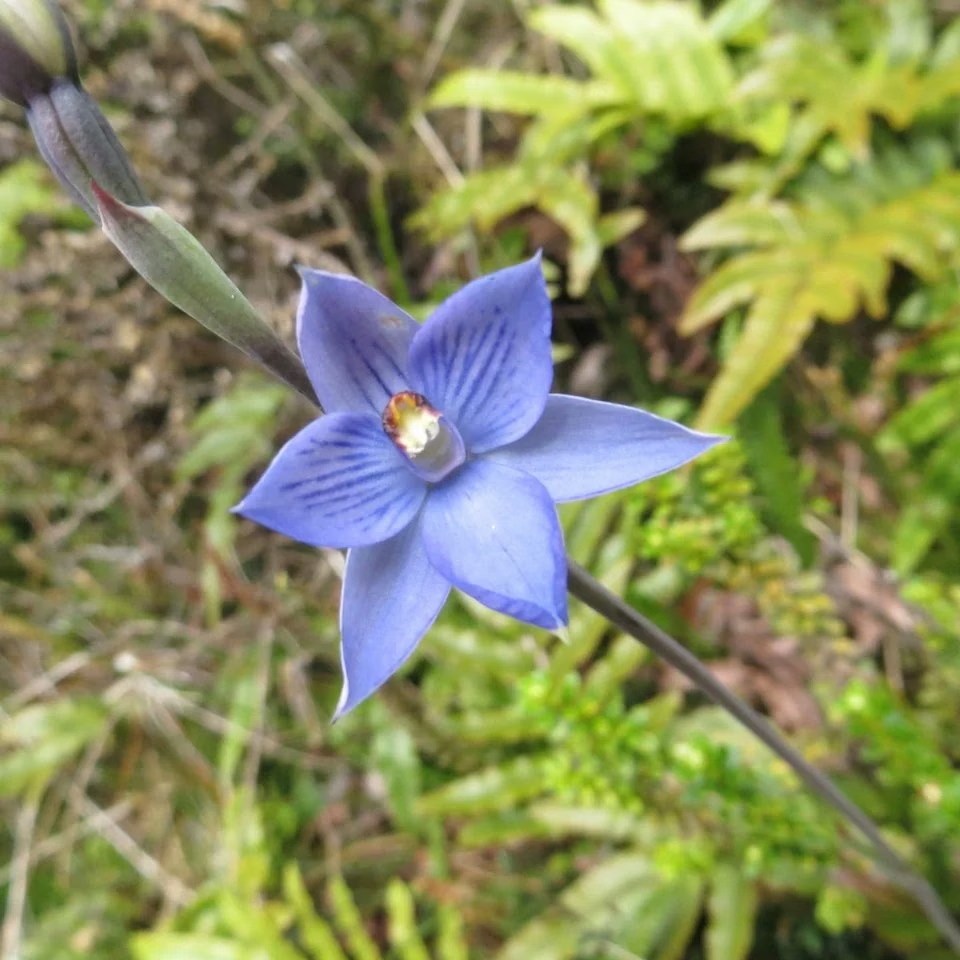
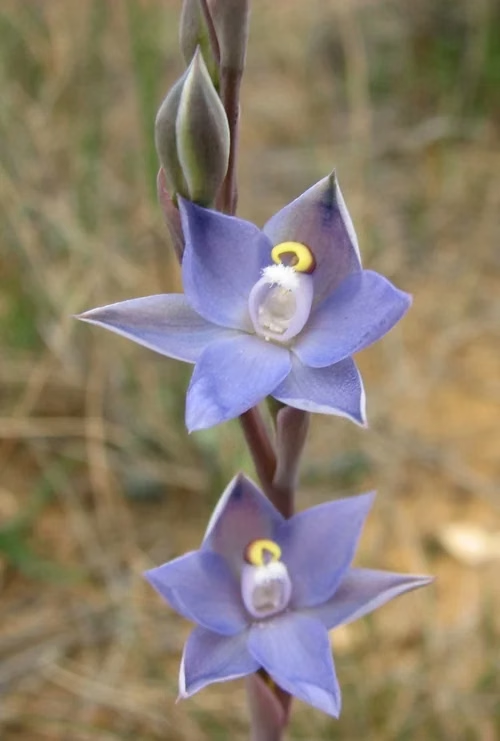
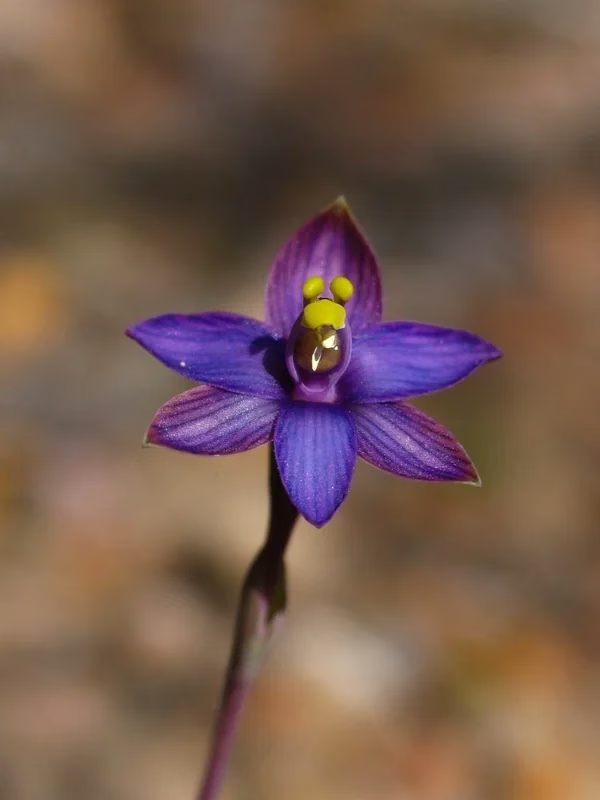
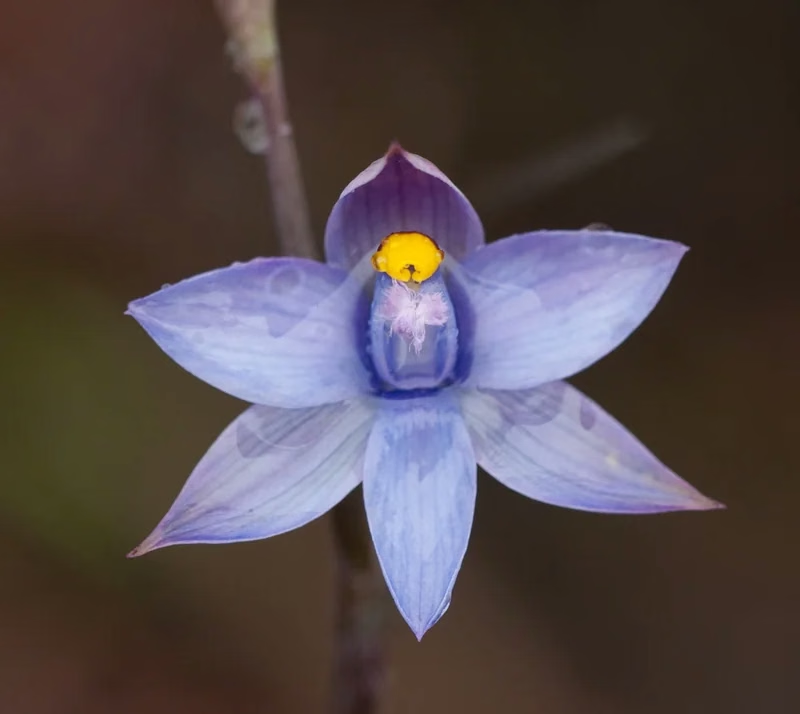
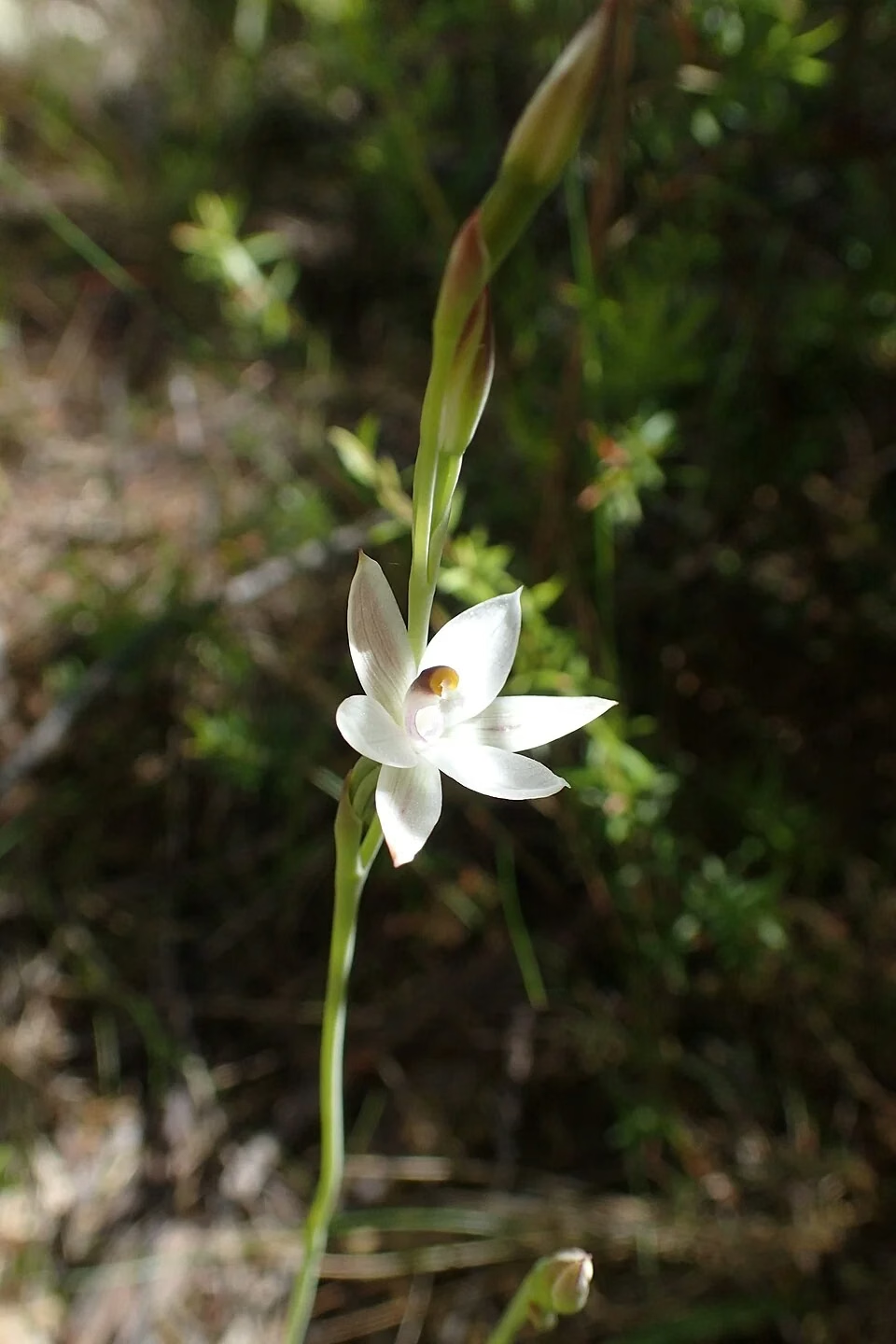
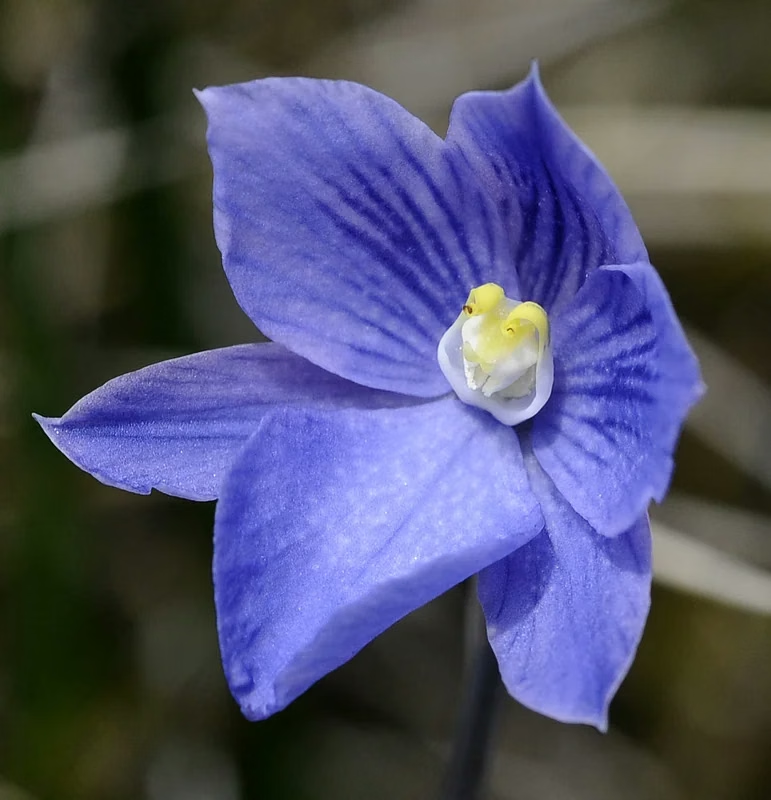
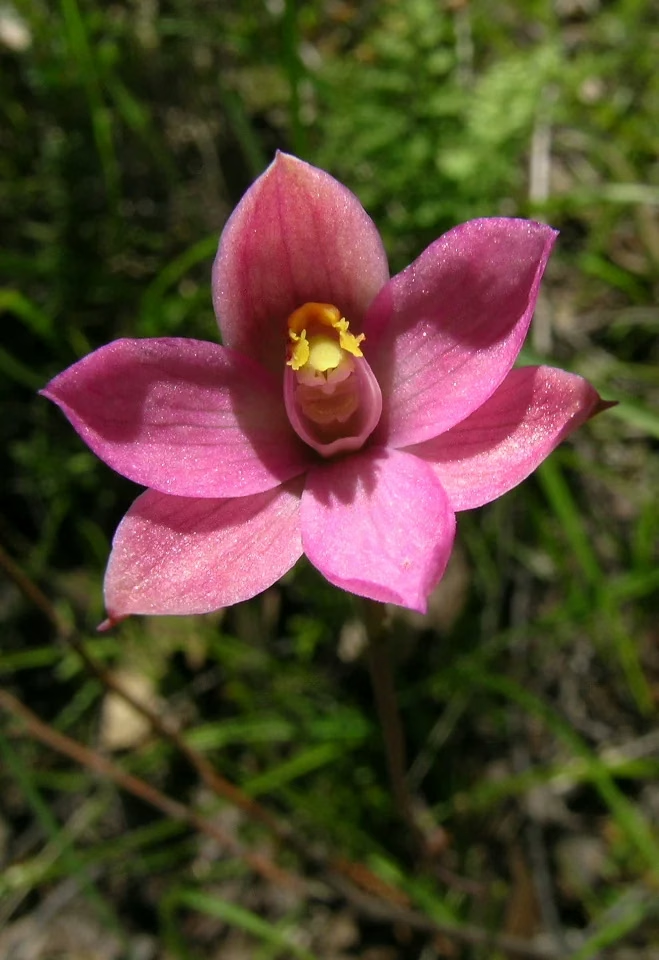
Other Native Sun Orchids
Explore New Zealand Thelymitra orchids and another native orchid named for Edwin Hatch.
Conservation
Flora of New Zealand lists this endemic orchid as nationally Not Threatened in the 2023 assessment. Otago’s 2025 regional assessment also lists it as Regionally Not Threatened.
Frequently asked questions
Does this orchid always grow as a single plant?
No. The species can form colonies of four to twenty plants through vegetative extension.
What position is recommended for cultivated plants?
NZ Plant Conservation Network recommends a sunny, well-drained site and reports establishment in some gardens near native vegetation.
What is distinctive about the leaf?
The solitary leaf is stiff and deeply channelled, with prominent longitudinal ribs and a clear V-shaped cross-section.
Sources
Botanical description, flowering and national status: Flora of New Zealand. Habitat, colour variation and broader flowering season: New Zealand Native Orchids. NZ Plant Conservation Network: cultivation and current description.
Type locality and identification: Flora of New Zealand Series. Regional status: Otago regional assessment.
Last updated: