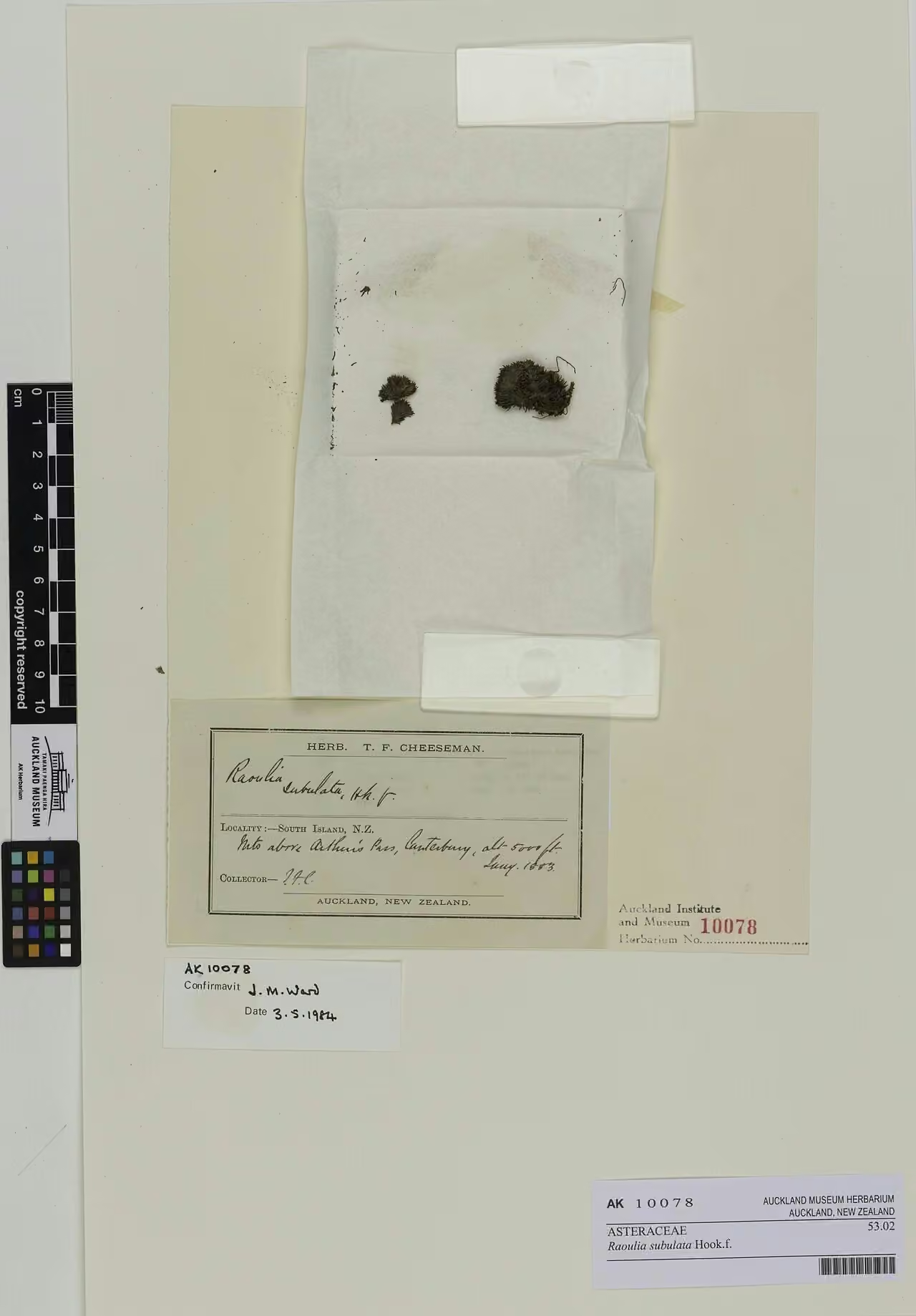
Scabweed
Raoulia subulata
Last updated:
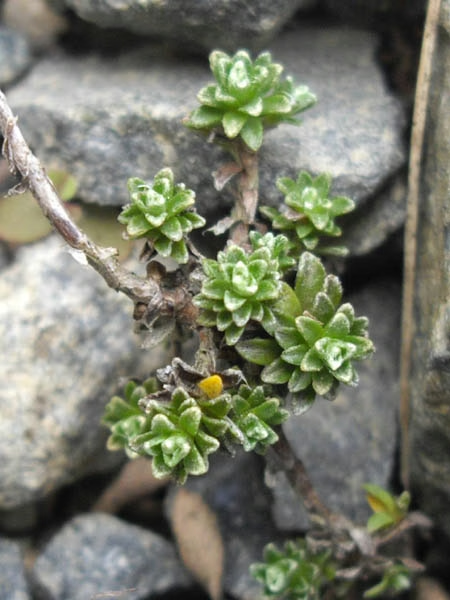
Raoulia subulata is a small, tufted daisy endemic to the South Island, found from Nelson south to Southland, mostly east of the main divide. Unlike the familiar silvery scabweeds and woolly vegetable sheep, it has hairless, firm, awl-shaped leaves up to 1 cm long, packed densely on short branches to form green tufts or patches about 10 cm across. It grows in subalpine herbfield and flowers from December to February, with small white flower heads among the leaf tips. NZPCN lists it under the general name scabweed. It is ranked Not Threatened nationally, but is regarded as naturally uncommon in Otago and is difficult to cultivate. Explore more native ground covers in our native plant guide.
Plant Description
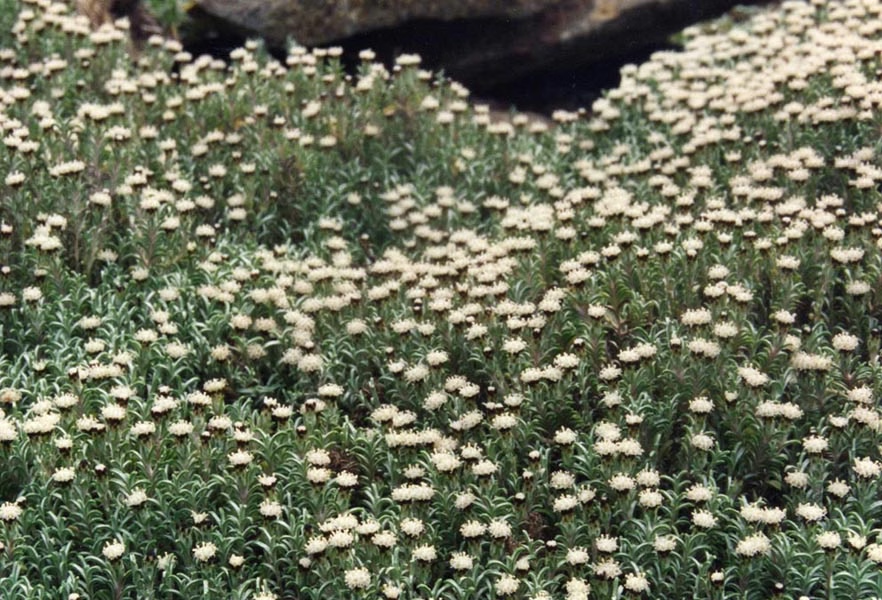
Raoulia subulata is a closely branched, more or less tufted herb forming patches up to about 10 cm in diameter, with branches up to about 4 cm long. The leaves are densely overlapping and held suberect to spreading. They are usually 3 to 6 mm long but occasionally up to 10 mm, only 0.5 to 1 mm wide, hairless, membranous yet firm, lanceolate and tapering to a fine point, with a prominent single nerve.
The flower heads are about 4 mm across, with papery bracts 3 to 4 mm long, the inner ones irregularly fringed at the tips. Each head holds 15 to 25 florets with white, somewhat funnel-shaped corollas; Flora of New Zealand notes the female florets are fewer than the bisexual ones. The receptacle is bristly. The seeds are under 1 mm long with rather stiff pappus hairs about 3 mm long.
Its hairless, awl-shaped leaves set it apart from almost all other Raoulia, which have hairy, woolly or rounded leaves. Small plants could be mistaken for a moss or a tufted herb such as a Colobanthus at first glance, but the daisy flower heads confirm its identity.
Quick Facts
| Scientific Name | Raoulia subulata |
|---|---|
| Height | Branches up to about 4 cm |
| Spread | Patches up to about 10 cm across |
| Water Needs | Moist subalpine conditions |
| Light | Full sun to light shade in open herbfield |
| Frost Tolerance | High |
| Salt Tolerance | No information available; not a coastal plant |
| Growth Rate | Slow |
| Lifespan | Perennial |
Climate Best Suited to
It suits the cool, moist subalpine climate of the South Island mountains, with snow cover in winter, frost and short growing seasons.
Regional Suitability
| City | Climate Suitability |
|---|---|
| Auckland | Low |
| Wellington | Low |
| Christchurch | Low |
| Dunedin | Low |
Plant Habitat
Raoulia subulata is endemic to the South Island, where NZPCN records it from Nelson south to Southland, predominantly east of the main divide.
It grows in subalpine herbfield, among other low herbs and grasses above the treeline. More detailed habitat preferences, such as the soils and moisture regimes it favours within herbfield, were not described in the sources consulted.
Growing Requirements
Soil Requirements
It grows in the thin, organic subalpine soils of mountain herbfield.
- Cool, moist, freely draining soil
- Low fertility
- Gritty mix in cultivation
Light Requirements
Subalpine herbfield is open and bright, often under cloud.
- Full sun to bright light in the wild
- Shade from hot lowland afternoon sun in cultivation
Water Requirements
Its subalpine habitat stays moist through the growing season from rain and snowmelt.
- Keep roots evenly moist
- Avoid waterlogging and humid, still air
Planting and Establishing
NZPCN describes Raoulia subulata as difficult to propagate and says it should not be removed from the wild. It is not available commercially and is only suited to specialist alpine growers with legally sourced material.
In an alpine house or trough it would need a cool, bright position in a very gritty but moisture-retentive mix, with grit around the neck of the plant and good air movement. Warm, humid lowland summers are likely to be fatal.
Ecological Role
Raoulia subulata is one of many small herbs making up South Island subalpine herbfield communities. Its small white flower heads, open from December to February, are likely visited by the flies and other small insects that pollinate alpine daisies, though no species-specific studies were found.
Seeds are dispersed by wind on a fine pappus. As a small, slow-growing tufted plant, it fills gaps among taller herbs and grasses and helps hold thin mountain soils.
Uses & Significance
Garden Uses
This is not a practical garden plant and is of interest mainly to botanists and alpine specialists.
- Alpine house or trough specimen for experienced growers
- Botanical collections of New Zealand Raoulia
- Best observed in subalpine herbfield in the wild
Ecological Value
It contributes to the diversity of subalpine herbfield across much of the eastern South Island.
- Part of subalpine herbfield plant communities
- Provides small flowers for alpine insects
- Helps bind thin mountain soils
Landscaping Uses
Raoulia subulata has no realistic role in landscaping. In a specialist trough garden, its fine green tufts would contrast with the silvery cushions of other Raoulia.
Trampers in the eastern South Island mountains are most likely to notice it as a small green tuft among herbfield plants in midsummer when its white flower heads open.
Seasonal Care Calendar
Spring
Snow melts from the herbfield and new leaves develop.
- Leave wild plants undisturbed
- Water cultivated plants as growth resumes
Summer
Flowering runs from December to February with small white heads among the leaf tips.
- Look for white flower heads in subalpine herbfield
- Shade cultivated plants in hot weather
Autumn
Fruiting runs from February to April as seed is released.
- Do not collect seed from the wild
- Reduce watering of cultivated plants
Winter
Plants rest under snow or exposed to frost.
- No action needed in the wild
- Keep cultivated plants cold and bright
When to Prune and How Much
No pruning is needed. The tufted growth habit should be left intact.
On cultivated plants, gently remove any dead leaves or browning shoots to reduce the risk of rot.
How to Grow Scabweed
NZPCN describes Raoulia subulata as difficult to propagate and states that it should not be removed from the wild. No published propagation protocol was found for this species, so the methods below describe the general approach used by alpine specialists for small tufted and cushion Raoulia rather than proven techniques. Flowering is reliable in the wild, from December to February, so seed is the most natural starting point. Work only with legally held cultivated material and expect slow results.
From Seed
Fruiting runs from February to April. The tiny seeds are carried off on the wind soon after ripening, so seed heads on cultivated plants need to be collected promptly.
- Collect ripe seed heads from cultivated plants between February and April
- Sow fresh on the surface of a fine, gritty seed mix
- Cover with a light dusting of grit and place outdoors in a cold, bright spot
- Keep evenly moist through winter for spring germination
- Grow seedlings on slowly in small pots of gritty mix
By Division
A well-established cultivated tuft can sometimes be split into smaller pieces, each with roots attached. This should be done sparingly, as small tufts recover slowly.
- In spring, gently lift a cultivated plant and tease apart a rooted portion
- Pot into a gritty mix with the neck at the surface
- Keep cool, lightly shaded and well ventilated while it re-establishes
- Move into brighter light once new growth is visible
Pests & Diseases
No pest problems are recorded for wild plants. In cultivation, rot from warm, humid conditions is the main risk.
Slugs could damage small tufts in pots, and dry roots in summer can kill plants quickly. Good ventilation and steady moisture are the best defences.
Cultural Significance
No Māori name or traditional Māori use is recorded for Raoulia subulata in the sources consulted.
Joseph Hooker described the species, naming it for its awl-shaped leaves. It was later placed in Psychrophyton as Psychrophyton subulatum, along with the cushion-forming vegetable sheep, but is treated in Raoulia today. Its chromosome number, 2n = 56, is double that of many other Raoulia.
Bonus Tip
If you find a small green tuft with fine, pointed, hairless leaves in eastern South Island herbfield, wait for midsummer: white daisy-like heads about 4 mm across confirm Raoulia subulata, a plant easily overlooked as a moss or a grass seedling.
Related Plants
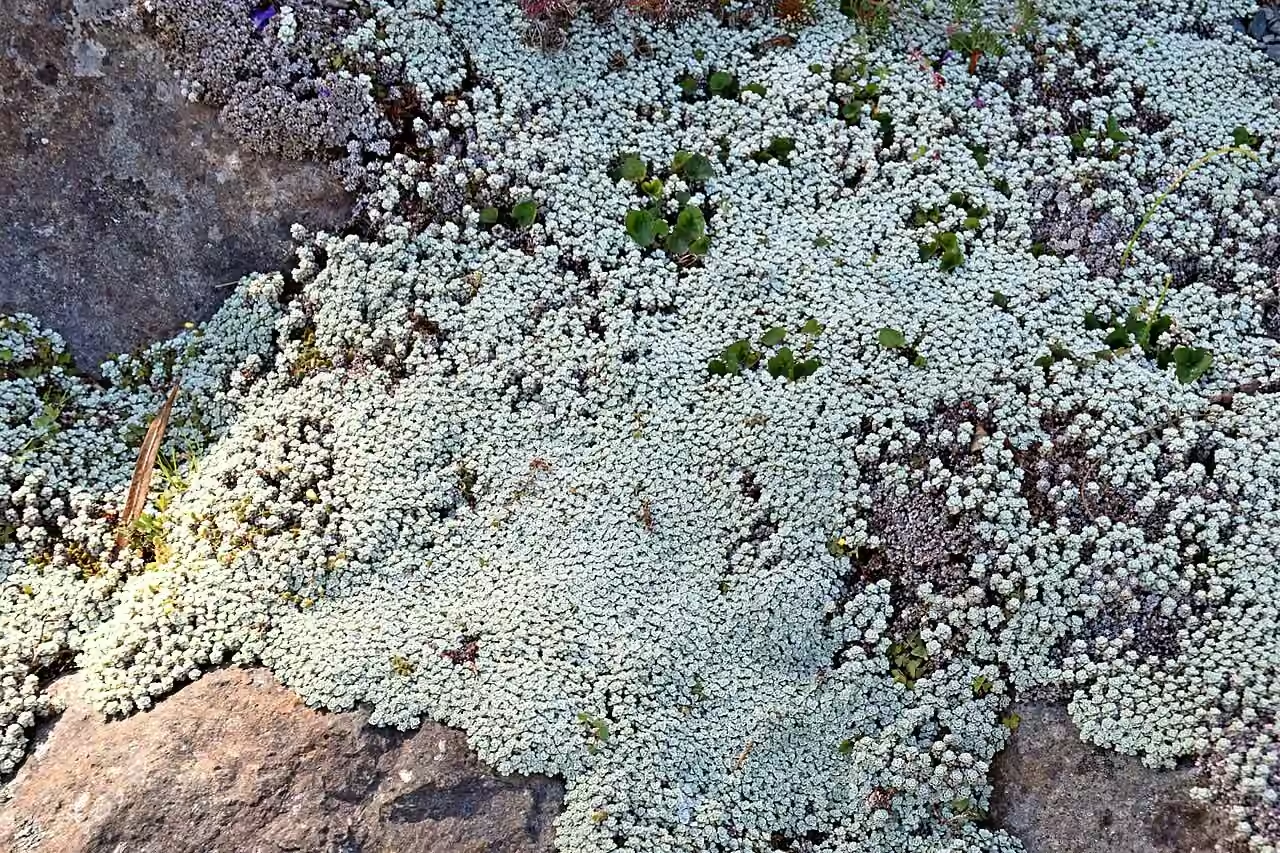
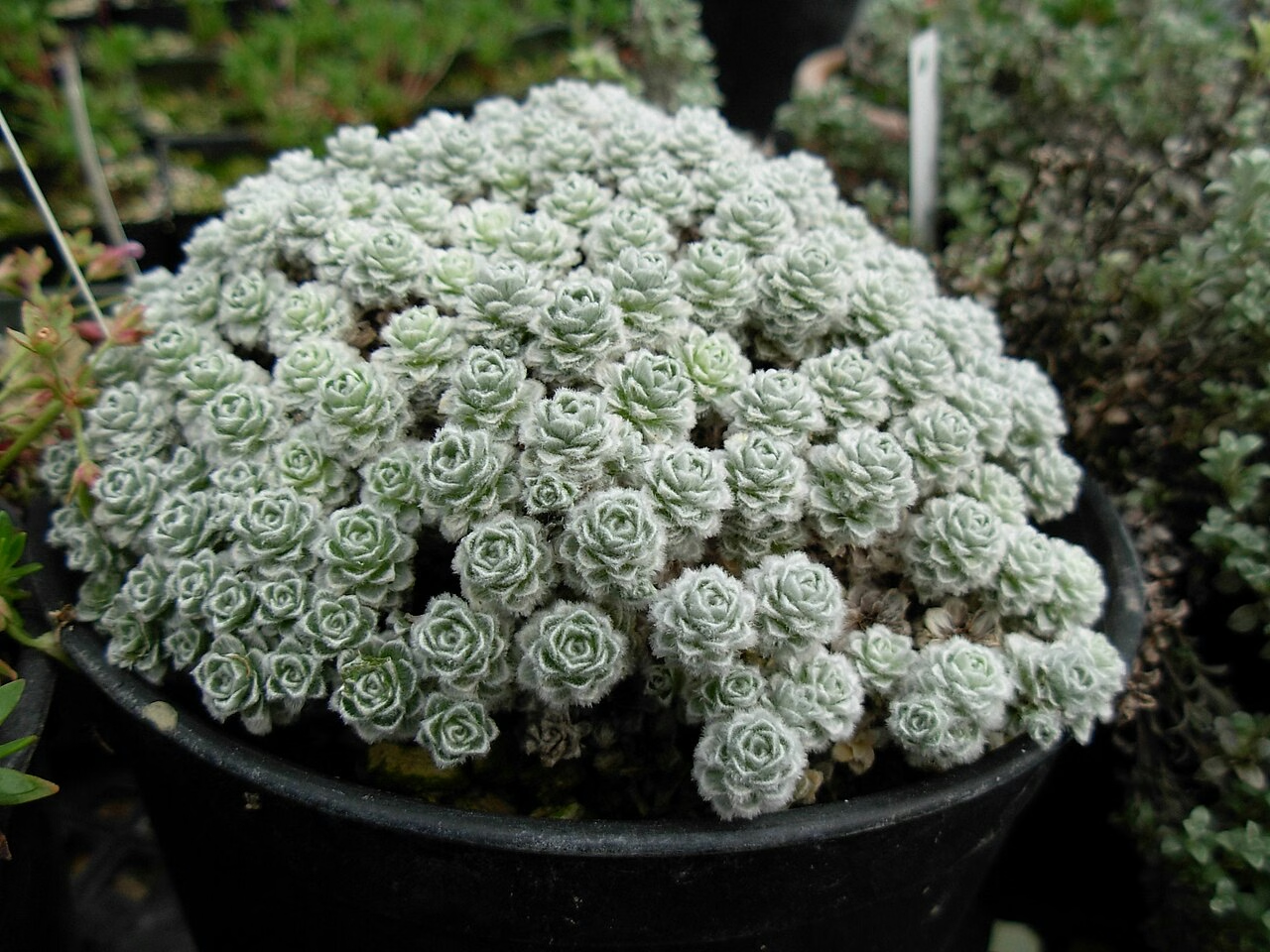
Explore other native plants that share similar characteristics or habitats with Scabweed (Raoulia subulata), offering further insights into New Zealand's diverse flora. These related species provide context and opportunities for complementary planting in your garden.
Plant Conservation
Raoulia subulata is ranked Not Threatened in the 2023 New Zealand Threat Classification. In Otago it is ranked Regionally Naturally Uncommon (2025), with qualifiers including Sparse and Range Restricted, reflecting its scarcity in that region.
No specific threats are documented. Protecting subalpine herbfield from trampling, weed invasion and browsing animals benefits this and other small alpine herbs.
Frequently Asked Questions
What does subulata mean in Raoulia subulata?
NZPCN explains that subulata comes from the Latin for an awl, referring to the narrow, sharply pointed, awl-shaped leaves that distinguish this species from other Raoulia.
How do you recognise Raoulia subulata?
Look for small green tufts up to about 10 cm across, with densely packed, hairless, lanceolate leaves 3 to 10 mm long that taper to a fine point and have a prominent central nerve.
When does Raoulia subulata flower?
NZPCN records flowering from December to February and fruiting from February to April. The flower heads are about 4 mm across with white florets.
Is Raoulia subulata a vegetable sheep?
No. Although it was once placed in Psychrophyton alongside the cushion-forming vegetable sheep, it forms small green tufts with hairless leaves rather than large woolly cushions.
Sources and Further Reading
The botanical, growing, and conservation details for Scabweed (Raoulia subulata) on this page draw on the New Zealand plant references below. Consult them for full technical records and the latest distribution data.