Celadon Mat Daisy
Raoulia parkii
Last updated:
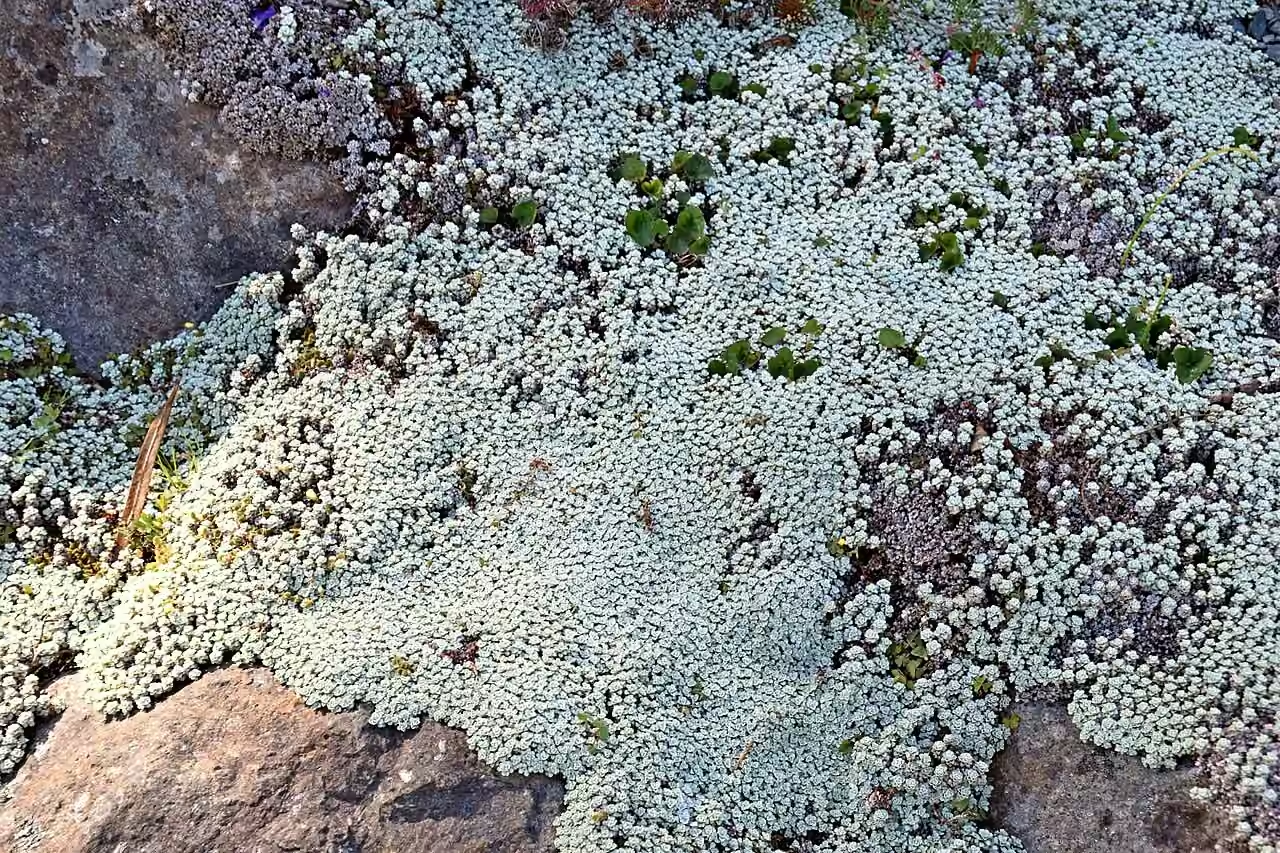
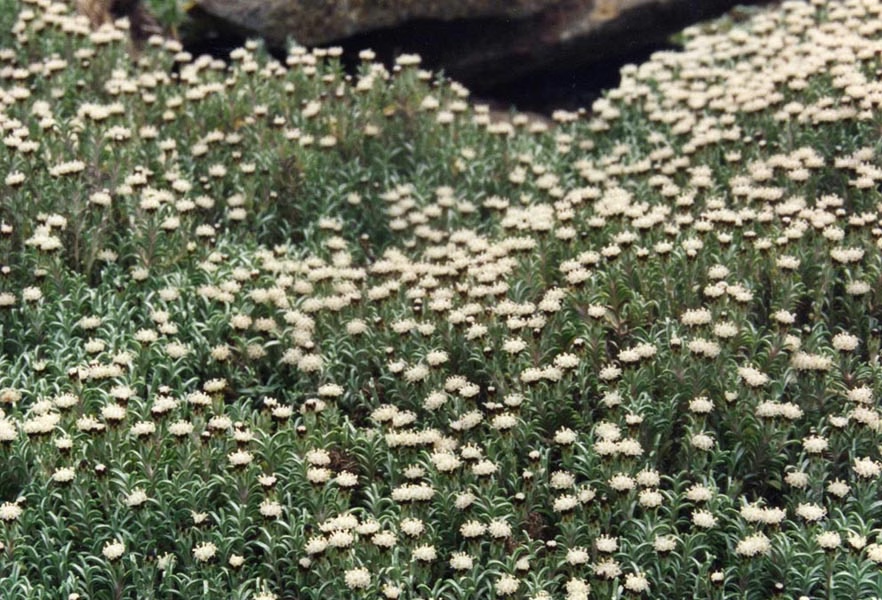
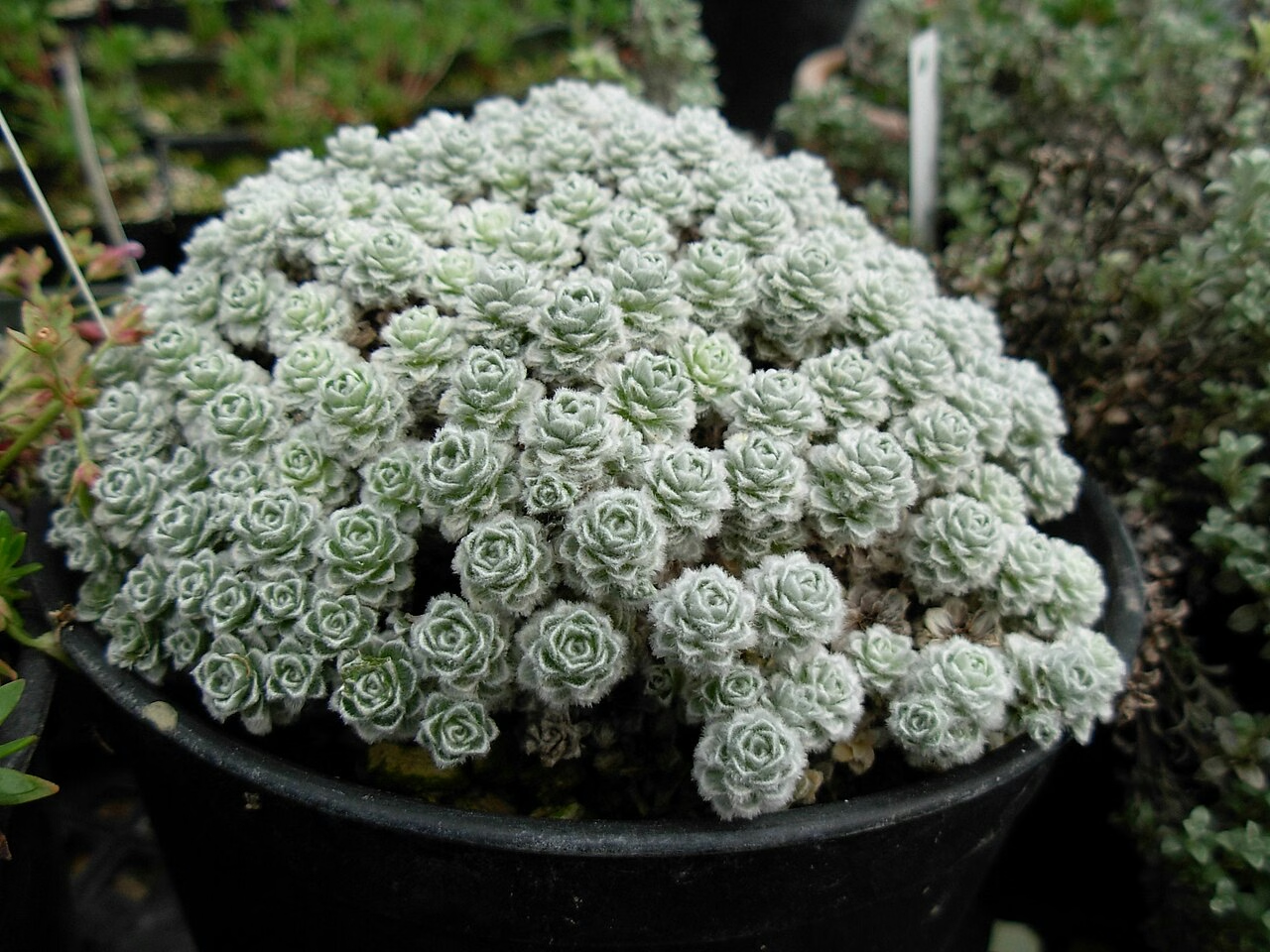
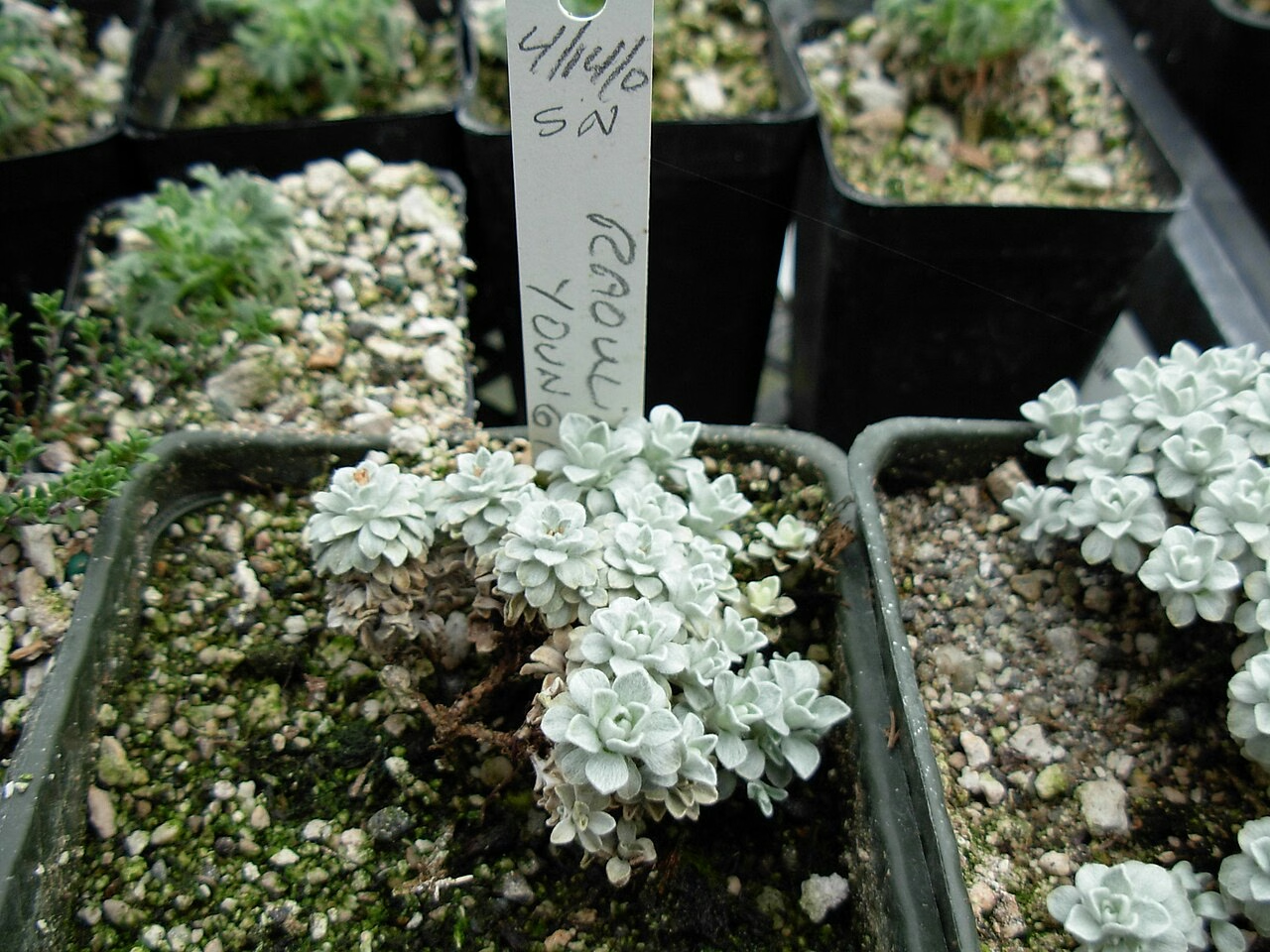
Celadon mat daisy (Raoulia parkii) is a low, mat-forming daisy endemic to the South Island east of the main divide. Its creeping, rooting stems carry erect branchlets clothed in closely overlapping leaves with soft white to pale buff or yellowish-green hairs at their tips, giving the mat the soft grey-green tone of celadon pottery. It grows in upland to subalpine open places, on rocky ground and in grassland and fellfield. It has pale yellow flower heads with white radiating bract tips. Once considered secure, it is now ranked At Risk - Declining, but it grows easily from rooted pieces in a hot, sunny, free-draining garden. Explore more native ground covers in our native plant guide.
Plant Description
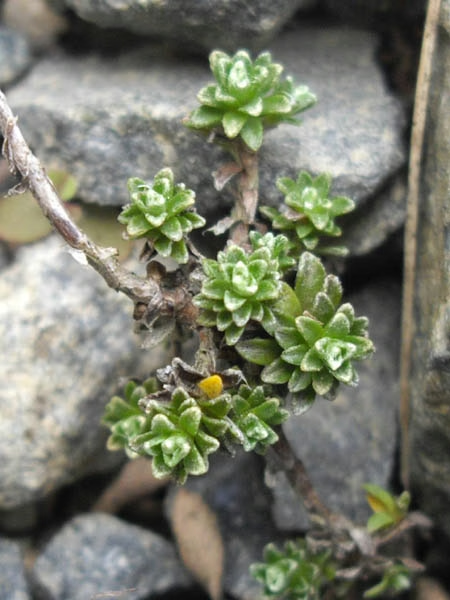
Raoulia parkii has prostrate stems that creep and root, with erect or ascending branchlets set more or less closely together to form tight to open mats. The leaves are closely overlapping, about 3 to 5 mm long and 2 mm wide, obovate-spathulate to obovate-cuneate with broadly rounded to almost squared-off tips that spread or curl back. The base of each leaf is hairless, while the tip is densely clad in soft, closely pressed white to pale buff or occasionally yellowish-green hairs, and the leaves are angled along the midrib.
The flower heads are 4 to 7 mm across with inner bracts 4 to 6 mm long that end in expanded white radiating tips. Each head holds 15 to 25 florets, about half of them female, and NZPCN describes the flower colour as pale yellow to yellow-green. The seeds are less than 1 mm long and finely hairy, with pappus hairs about 4 mm long.
It is most likely to be confused with Raoulia subsericea, which is a brighter green with narrower, softer and less closely overlapping leaves, and with Raoulia hookeri, which is distinctly greyer. Raoulia parkii has a much higher chromosome number (2n = 84) than many Raoulia, such as Raoulia monroi and Raoulia haastii, which are 2n = 28.
Quick Facts
| Scientific Name | Raoulia parkii |
|---|---|
| Height | A few centimetres |
| Spread | Tight to open mats; spread not recorded |
| Water Needs | Low; dislikes humidity |
| Light | Full sun |
| Frost Tolerance | High |
| Salt Tolerance | No information available; not a coastal plant |
| Growth Rate | Slow to moderate |
| Lifespan | Perennial |
Climate Best Suited to
It suits the dry, sunny inland climate of the eastern South Island uplands, with frosty winters, warm dry summers and low humidity.
Regional Suitability
| City | Climate Suitability |
|---|---|
| Auckland | Low |
| Wellington | Low |
| Christchurch | High |
| Dunedin | Medium |
Plant Habitat
Celadon mat daisy is endemic to the South Island, where NZPCN records it east of the main divide. Exact regional limits were not given in the sources consulted, but it is assessed in Otago, where it is regionally Vulnerable.
It grows in upland to subalpine open places, on rocky ground and among grassland and fellfield. These are open, sunny sites with thin stony soils where low mats can persist between tussocks and rocks without being shaded out.
Growing Requirements
Soil Requirements
NZPCN notes it likes freely draining soil, matching the thin stony soils of its upland home.
- Gravelly, stony or rocky soil
- Low fertility; avoid fertiliser
- Sharp drainage at all times
Light Requirements
It needs hot, sunny conditions to stay compact and healthy.
- Full sun
- Open site free of overhanging plants
Water Requirements
It is intolerant of humidity and prefers dry conditions at the surface.
- Water deeply but rarely in drought
- Avoid overhead watering on humid days
- Never plant in heavy, wet soil
Planting and Establishing
Plant in spring into a sunny gravel garden, rock garden, scree bed or trough filled with a gritty mix. Spread fine gravel around and under the mat so the foliage sits on stone rather than damp soil.
Choose an exposed site with good air movement, away from tall or spreading neighbours. In humid regions such as Auckland it is best kept in a gritty pot or trough that can be moved under cover during long wet periods.
Ecological Role
Celadon mat daisy is part of the low herb and mat communities that grow between tussocks and rocks in eastern South Island grassland and fellfield. Its flower heads with white radiating bracts likely attract the small native flies, moths and bees that visit other mat daisies, but no species-specific pollinator studies were found.
Its seeds are dispersed by wind on a fine pappus. As a low mat it depends on open, sparsely vegetated ground and helps bind thin soils on rocky slopes.
Uses & Significance
Garden Uses
A soft-coloured mat for dry, sunny rock and gravel gardens that is easier to grow than many Raoulia.
- Rock gardens, troughs and scree beds
- Gravel gardens in dry eastern districts
- Conservation and educational plantings
Ecological Value
As a declining endemic of upland grassland and fellfield, it adds to the diversity of eastern South Island dryland flora.
- Binds thin stony soils
- Provides nectar and pollen for small native insects
- Part of declining upland herb communities
Landscaping Uses
Use celadon mat daisy to flow between rocks in a dryland or alpine-style garden, where its grey-green tone contrasts with silver scabweeds and the bright green of Raoulia haastii. It pairs well with small tussocks such as blue tussock (Poa colensoi) and low shrubs from the same high country.
Plant it near the front of a bed or along a gravel path where its fine texture can be appreciated, and keep vigorous groundcovers well away.
Seasonal Care Calendar
Spring
New shoots extend and it is the best time to plant or divide.
- Divide rooted pieces from garden plants
- Weed carefully around the mat
Summer
Flowering times are not documented in the sources consulted, but pale yellow heads with white radiating bracts appear in the warmer months.
- Water only in prolonged drought
- Watch for scorch only in very humid heat
Autumn
Seed is shed on the wind and growth slows.
- Collect seed from garden plants
- Clear fallen leaves from the mat
Winter
The mat rests through frosts and snow.
- No protection from frost needed
- Shelter potted plants from prolonged rain
When to Prune and How Much
No pruning is required. Keep the mat free of leaf litter and weeds that could cause it to rot or be smothered.
Trim away any dead patches and let the rooting stems around them fill in.
How to Grow Celadon Mat Daisy
NZPCN describes Raoulia parkii as easily grown from rooted pieces, adding that it likes freely draining soil and hot sunny conditions and is intolerant of humidity. Division of cultivated mats is therefore the most reliable method. Seed is a second option, but no species-specific seed germination information was found in the sources consulted. Because the species is declining, plants should not be dug from the wild; take material from cultivated stock or, for restoration projects, work with the Department of Conservation and local seed sources.
By Division
The prostrate stems root as they creep, so small rooted portions can be removed from the edge of a mat without harming the parent.
- In spring, choose a rooted section at the edge of a cultivated mat
- Lift it with a trowel, keeping the roots intact
- Pot into a gritty mix of mostly pumice or grit
- Place in full sun with good airflow and water sparingly
- Plant out once new growth shows and roots fill the pot
From Seed
Seed is tiny and carried on a pappus. Fresh seed sown on a gritty surface is the usual approach for mat daisies, though germination rates for this species are not documented.
- Collect ripe fluffy seed heads from cultivated plants
- Sow on the surface of a gritty seed mix and dust with fine grit
- Keep in a bright, airy place, evenly moist but not wet
- Prick out seedlings into small pots of gravelly mix
Pests & Diseases
No specific pests are recorded. In gardens the main cause of failure is rot in humid or poorly drained conditions.
Slugs may graze young divisions, and leaf litter or weeds settling on the mat can cause it to die back. Keep it open, airy and clean.
Cultural Significance
No Māori name or traditional Māori use is recorded for Raoulia parkii in the sources consulted.
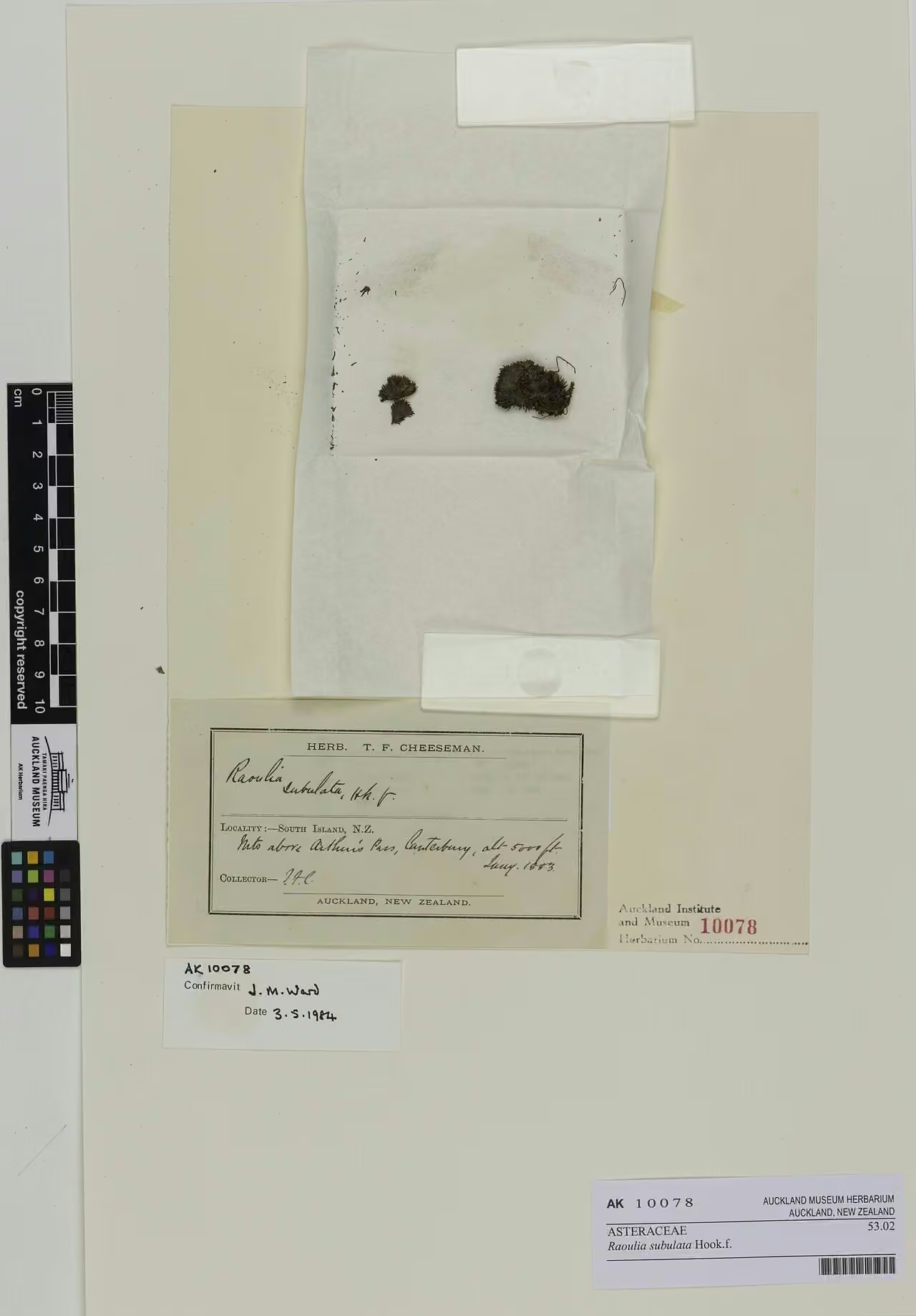
The species was described by John Buchanan, first published in 1881 under the misspelt name Roulia parkii. The person honoured by the epithet parkii was not confirmed in the sources consulted. The common name celadon mat daisy appears to refer to the pale green of celadon ceramic glazes.
Bonus Tip
When comparing green Raoulia mats in the high country, press a finger lightly on the mat: celadon mat daisy has broad, firm, closely packed leaves that feel denser and look paler than the softer, brighter green turf mat daisy (Raoulia subsericea) growing nearby.
Related Plants
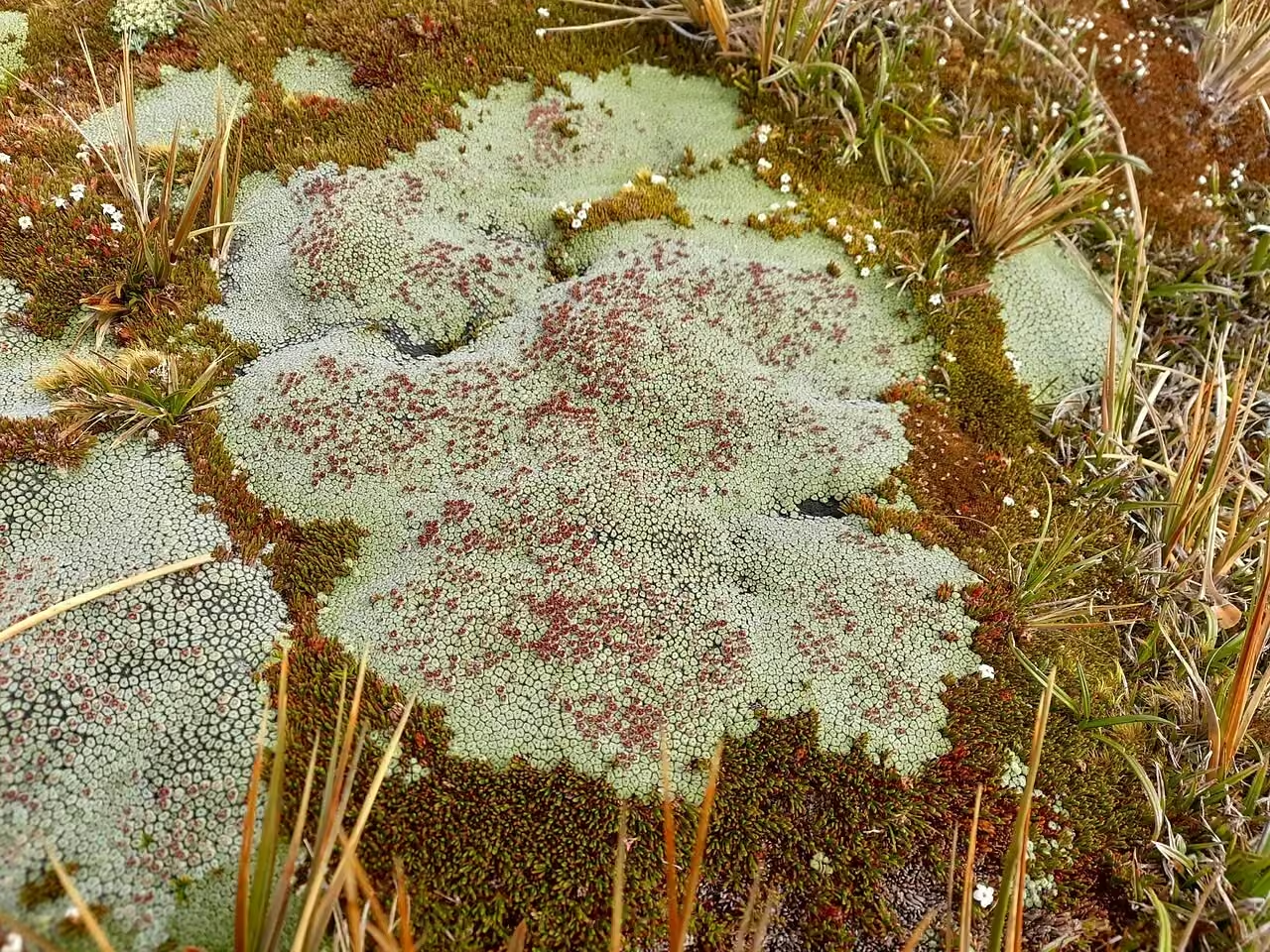
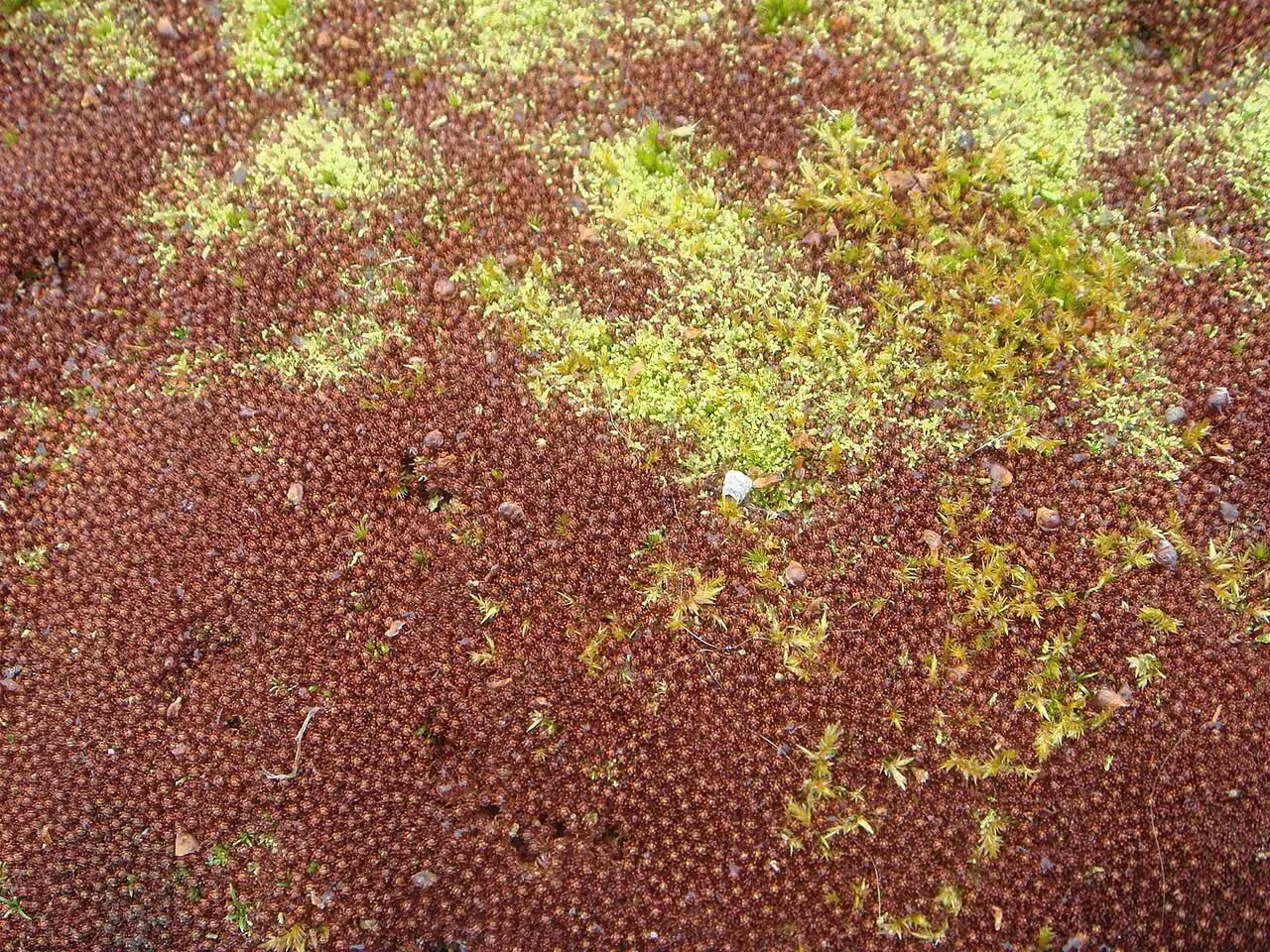
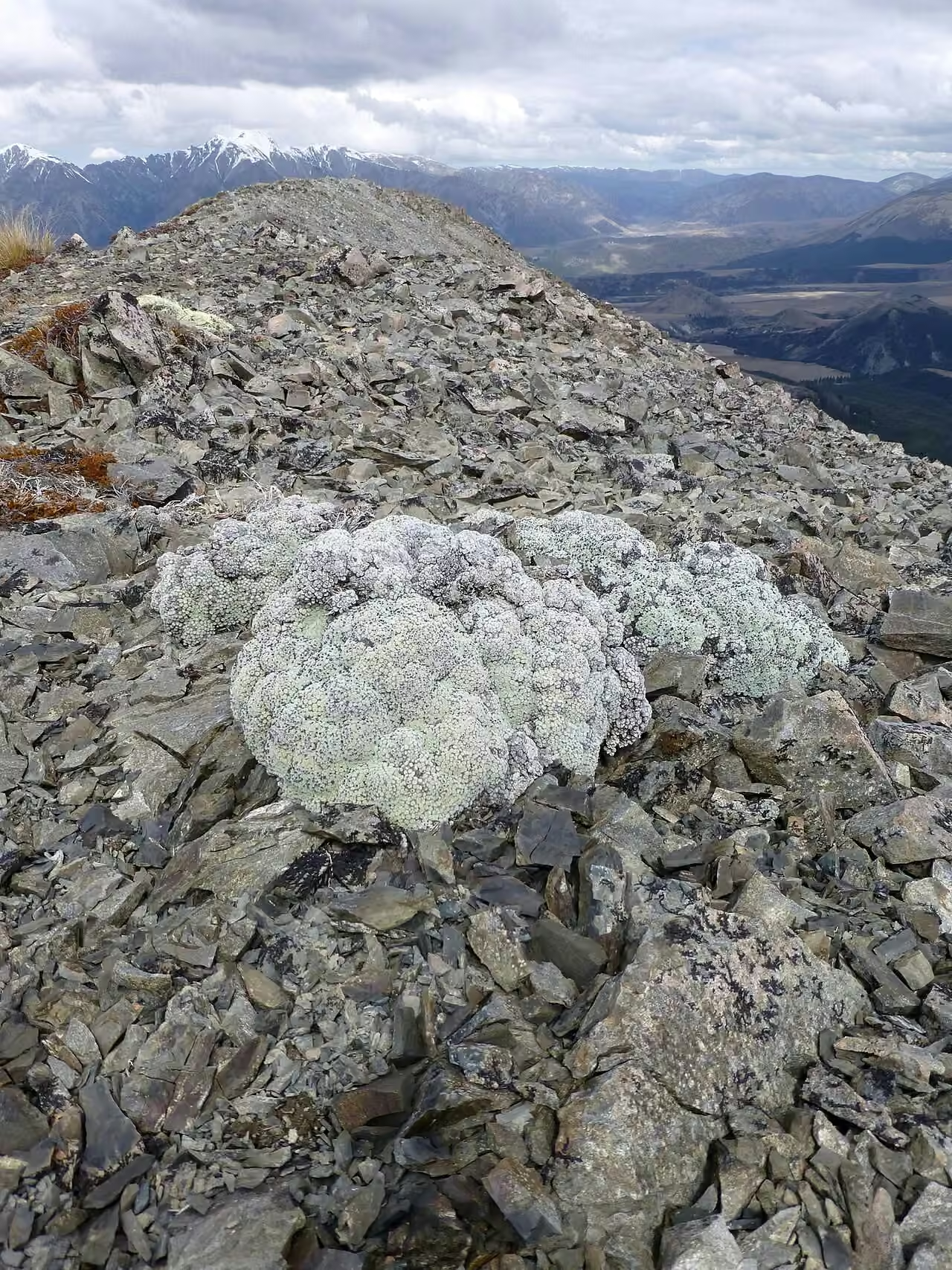
Explore other native plants that share similar characteristics or habitats with Celadon Mat Daisy (Raoulia parkii), offering further insights into New Zealand's diverse flora. These related species provide context and opportunities for complementary planting in your garden.
Plant Conservation
Raoulia parkii is ranked At Risk - Declining in the 2023 New Zealand Threat Classification, with the qualifier Sparse. It was ranked Not Threatened in 2004, 2009 and 2012 and moved to Declining in 2017. Otago ranks it Regionally Vulnerable (2025).
The specific causes of decline were not described in the sources consulted. Like other low mat daisies of eastern grassland and fellfield, it relies on open ground, so protecting upland habitats from weed invasion and inappropriate development, and reporting populations on iNaturalist NZ, will help.
Frequently Asked Questions
Why is Raoulia parkii called celadon mat daisy?
The name appears to refer to the pale grey-green colour of its mats, similar to the celadon glaze used on ceramics. The colour comes from soft white to buff or yellowish-green hairs on the leaf tips.
How is celadon mat daisy different from Raoulia subsericea?
NZPCN notes that Raoulia parkii is paler green than Raoulia subsericea, with broader, firmer and more closely overlapping leaves. It is also less grey than Raoulia hookeri.
Is Raoulia parkii threatened?
It was ranked Not Threatened until 2012, but since 2017 it has been ranked At Risk - Declining. In Otago it is now considered Regionally Vulnerable.
How do you grow celadon mat daisy?
NZPCN says it is easily grown from rooted pieces, likes freely draining soil and hot sunny conditions, and is intolerant of humidity, so plant it in gravel in full sun.
Sources and Further Reading
The botanical, growing, and conservation details for Celadon Mat Daisy (Raoulia parkii) on this page draw on the New Zealand plant references below. Consult them for full technical records and the latest distribution data.