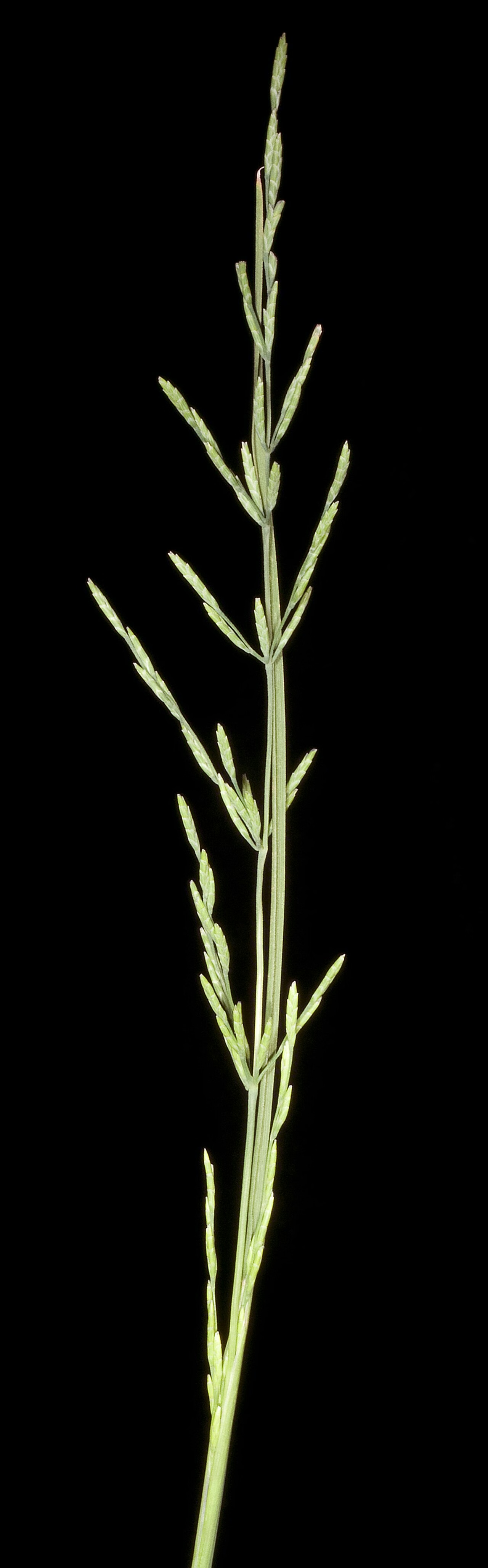
Salt Grass
Puccinellia stricta
Last updated:
Salt grass (Puccinellia stricta) is a native tufted grass of salt marshes and the high-tide line, found from Auckland southwards and on Stewart Island/Rakiura, and also in southern Australia. It forms small, light bluish-green or pale yellow-green tufts, usually 10 to 50 cm tall, with stiff stems and tightly inrolled, needle-like leaves. Besides coastal salt marsh and sandy or stony shores, it also grows inland on saline soils in Central Otago and near Sutton, one of the few New Zealand grasses of inland salt pans. It is Not Threatened, though uncommon north of the Waikato, and is easily grown from seed or division for estuary restoration. Explore more native grasses and flaxes in our native plant guide.
Plant Description
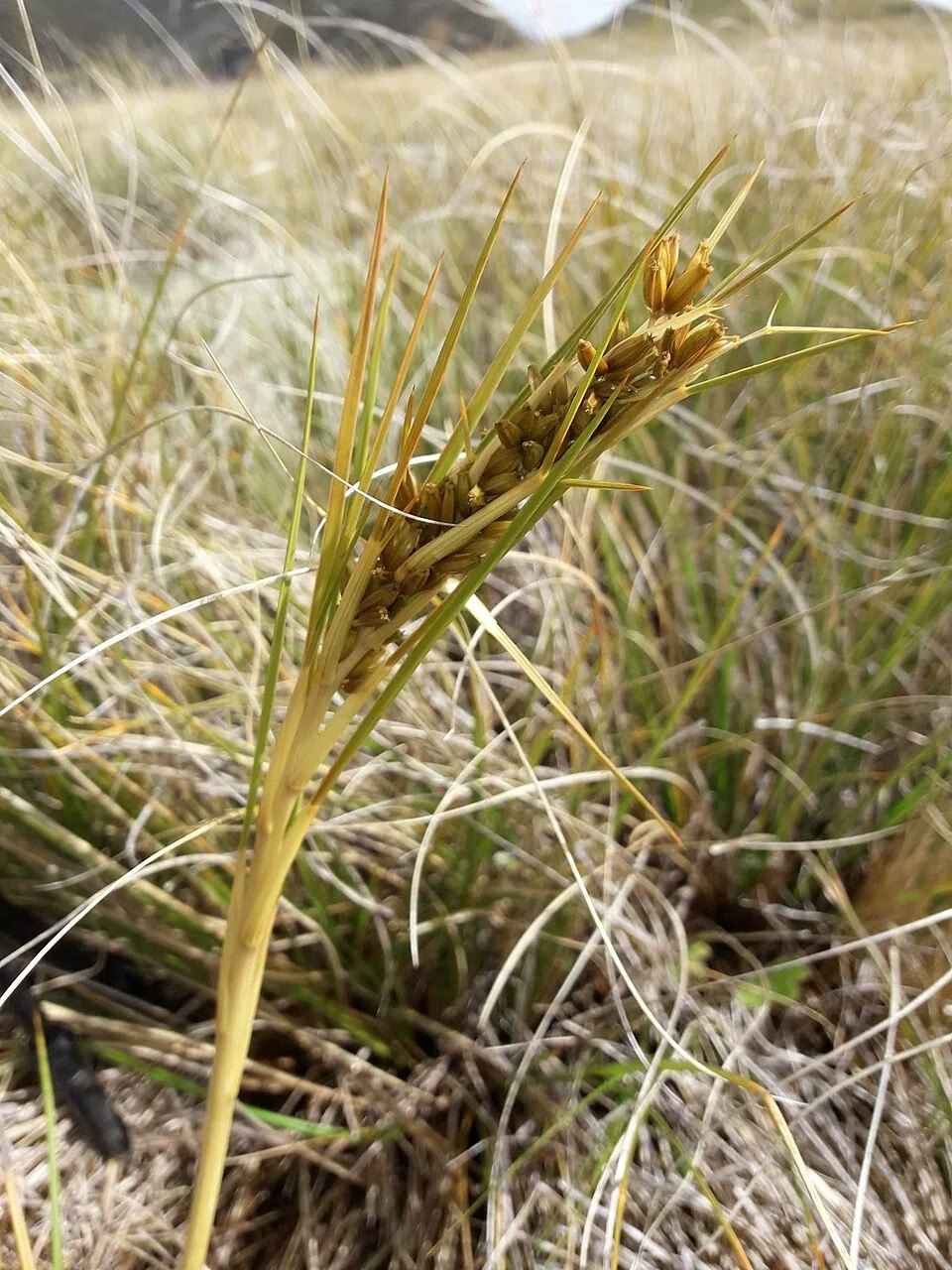
Puccinellia stricta forms small, light bluish-green or occasionally pale yellow-green perennial tufts, mostly 10 to 50 cm tall but ranging from 2.5 to 65 cm, with stiff culms and leaves. The leaf blades are involute (rolled inward), about 0.5 mm in diameter when rolled, with rough margins, and plants may show either rigid or finer leaf forms.
The panicle starts narrow and linear but opens out after flowering, reaching 20 to 200 mm long. Spikelets are narrow and light green to purplish. The lemmas are mostly 2.5 to 3 mm long, five-nerved and minutely hairy at the base.
It is distinguished from other New Zealand saltgrasses by its intravaginal shoots, involute leaves and panicle that overtops the leaves. Lemma length is a quick check: 3 mm or less in P. stricta against 3 to 5 mm in P. walkeri.
Quick Facts
| Scientific Name | Puccinellia stricta |
|---|---|
| Height | 0.1-0.5 m (rarely to 0.65 m) |
| Spread | Small tufts |
| Water Needs | Moist to periodically wet, saline ground |
| Light | Full sun |
| Frost Tolerance | High; reaches inland Central Otago |
| Salt Tolerance | High; salt marsh specialist |
| Growth Rate | No information available |
| Lifespan | Perennial |
Climate Best Suited to
Grows from mild northern estuaries to the cold, dry inland basins of Central Otago, so it handles frost, heat and drought as long as the ground is saline and open. It is uncommon in the warm, humid far north.
Regional Suitability
| City | Climate Suitability |
|---|---|
| Auckland | Medium |
| Wellington | High |
| Christchurch | High |
| Dunedin | High |
Plant Habitat
Salt grass is indigenous to New Zealand and also native to southern Australia. In the North Island it occurs from Auckland City southwards but has not been recorded from Bay of Plenty, Gisborne or Taranaki. In the South Island it grows on the Nelson coast and along eastern to south-eastern coasts throughout, and inland in Otago near Sutton and in Central Otago. It also occurs on Stewart Island/Rakiura.
Its habitat runs from coastal to montane. On the coast it grows in salt marsh and on sandy or stony ground at high tide level, while inland it is found on saline soils. The species was first collected for science at Akaroa.
Growing Requirements
Soil Requirements
It needs saline ground, from tidal mud and sand to inland salt-affected soils.
- Salt marsh mud and sand at the high-tide line
- Stony or gravelly upper shores
- Inland saline soils in dry basins
Light Requirements
It grows in open salt marsh and shoreline where there is no shade.
- Full sun
- Open ground free of taller rushes or shrubs
Water Requirements
Coastal plants sit around the high-tide mark and are periodically wetted by salt water, while inland plants grow where salty groundwater dries out at the surface.
- Tolerates periodic tidal inundation
- Copes with seasonal drying on inland salt pans
Planting and Establishing
Plant salt grass in the upper salt marsh or along the high-tide line of an estuary restoration site, among other low salt-tolerant plants. Use plants raised from local seed, since populations range from northern estuaries to inland Otago.
Space small tufts about 20 to 30 cm apart in open ground, and plant in autumn or spring so they establish before summer heat. Keep competing weeds and taller grasses away while they settle in.
Ecological Role
Salt grass is wind-pollinated, flowering from September to December and fruiting from October to March. It is part of the low turf of upper salt marshes, alongside other halophytic herbs.
Inland, it is one of the characteristic plants of Central Otago's rare saline habitats, where salt rises to the surface in dry basins and few other native plants can grow.
Uses & Significance
Garden Uses
It is mainly a restoration plant for estuaries and saline ground rather than an ornamental.
- Salt marsh and estuary margin restoration
- Coastal gardens with brackish, poorly drained ground
- Inland saline site restoration in Otago
Ecological Value
It helps bind sand and mud at the top of the salt marsh and is part of nationally rare inland saline plant communities.
- Stabilises substrates at the high-tide line
- A characteristic plant of Central Otago salt pans
- Contributes to the low native turf of upper salt marshes
Landscaping Uses
In coastal landscapes its fine, bluish tufts suit naturalistic plantings along estuary paths and stormwater wetlands that receive brackish water.
Combine it with other low native salt marsh plants rather than tall grasses, since it needs open ground and full sun to persist.
Seasonal Care Calendar
Spring
Flowering runs from September to December, with narrow panicles rising above the leaves.
- Plant out new tufts
- Weed around young plants
Summer
Seed ripens from October onwards, and the panicles open out after flowering.
- Collect ripe seed for propagation
- Water new plantings in dry inland sites
Autumn
Fruiting continues until March, after which growth slows.
- Sow fresh seed
- Divide established clumps
Winter
Tufts remain in place through winter, tolerating frost inland and storm tides on the coast.
- Little care needed
- Check plantings after storm surges
When to Prune and How Much
No pruning is needed. Old flower stems can be left to shed seed or cut off after fruiting if a tidier look is wanted.
In crowded clumps, comb out dead leaves by hand in late winter rather than cutting hard.
How to Grow Salt Grass
NZPCN describes Puccinellia stricta as easily grown from seed and by division of established plants, which makes it one of the simpler native salt marsh plants to produce for restoration. Seed is available from October to March, after the September to December flowering. For restoration work, collect seed from the nearest wild population with the landowner's or Department of Conservation's permission, because coastal and inland Otago populations grow in very different conditions. Grow the young plants on in pots until they have formed small, sturdy tufts, then plant them out into the open saline ground they are adapted to.
From Seed
The panicles open out once flowering ends, and the small seeds can then be shaken or stripped from the heads. Sow soon after collection for the best results.
- Collect seed heads as they dry, between October and March
- Sow thinly on a free-draining seed mix and cover lightly with sand or grit
- Keep the tray moist and in full light until seedlings appear
- Pot seedlings into small tubes when they have several leaves
- Plant out once tufts are established, in autumn or spring
By Division
Established tufts can be split into smaller rooted pieces, which establish quickly and are useful when seed is scarce.
- Lift a healthy cultivated clump in autumn or early spring
- Split it into rooted pieces with several shoots each
- Pot up or plant directly into moist saline ground
- Keep moist until new growth shows that roots have taken
Pests & Diseases
No specific pests or diseases are recorded for salt grass.
The main threats to its habitat are reclamation and drainage of salt marsh, weed invasion by taller grasses, and in Central Otago the conversion and irrigation of rare inland saline land.
Cultural Significance
No Māori name or traditional use specific to Puccinellia stricta is recorded in the sources consulted.
Joseph Dalton Hooker described the species in 1853 as Glyceria stricta from a specimen collected at Akaroa on Banks Peninsula, and it was moved to Puccinellia in 1930. The epithet stricta means upright or stiff, describing its stiff stems and leaves.
Bonus Tip
To confirm you have salt grass rather than another fine-leaved coastal grass, roll a leaf between your fingers: Puccinellia stricta leaves are tightly rolled inward to about half a millimetre across, and the plant grows right at the high-tide line or on salty ground where most other grasses fail.
Related Plants
Explore other native plants that share similar characteristics or habitats with Salt Grass (Puccinellia stricta), offering further insights into New Zealand's diverse flora. These related species provide context and opportunities for complementary planting in your garden.
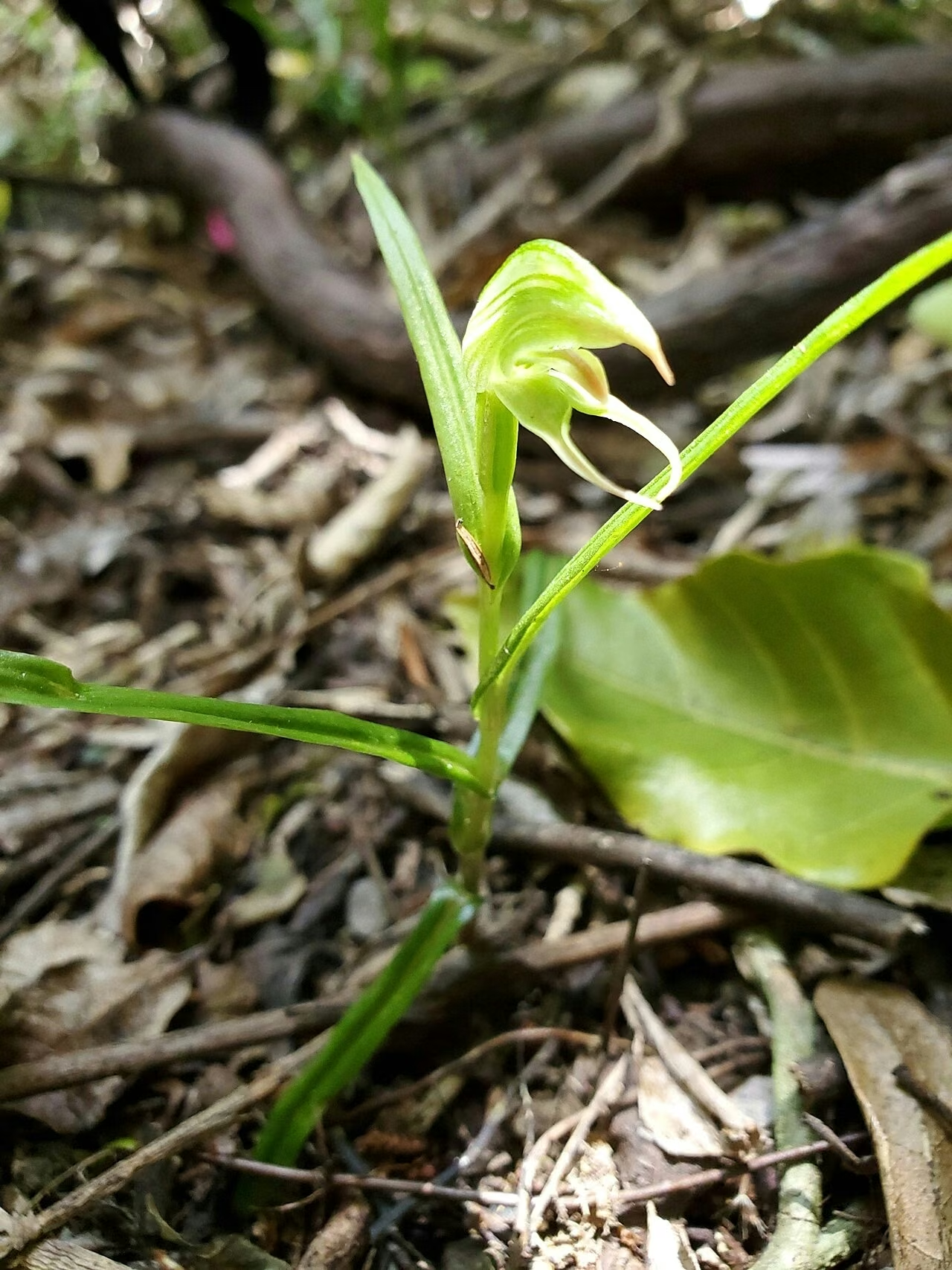
Shrimp-Flowered Greenhood
Pterostylis porrecta
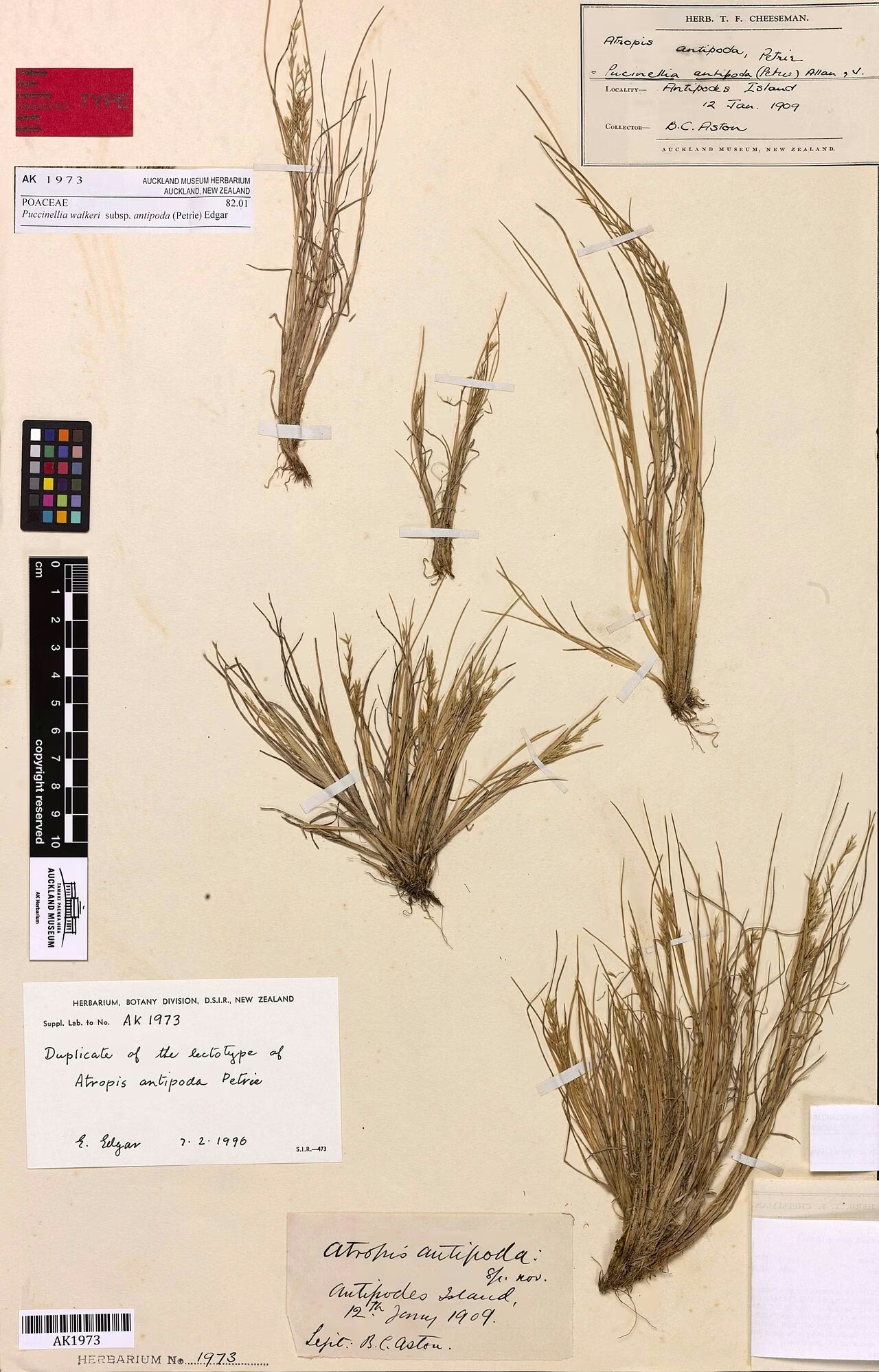
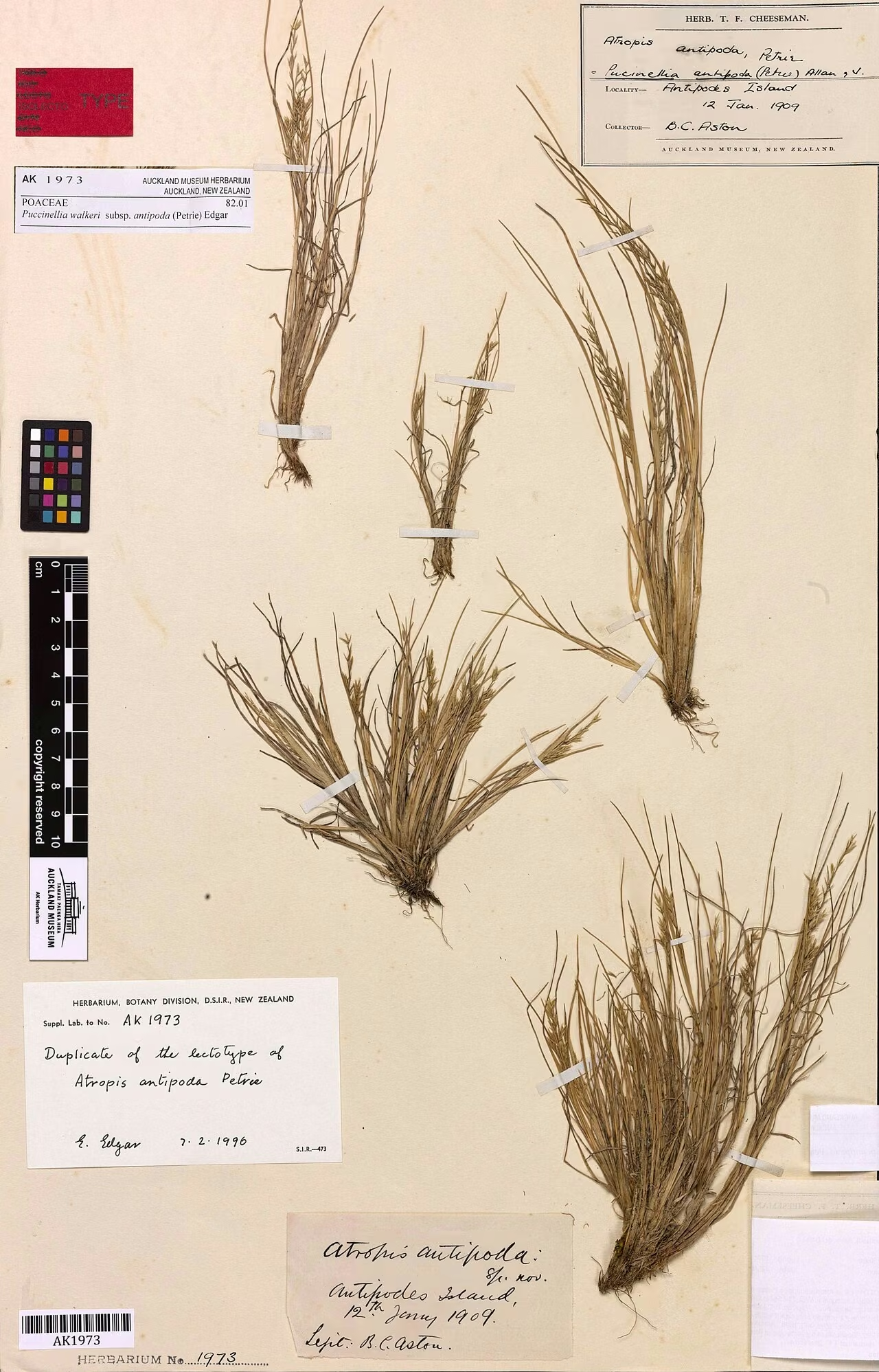
Antipodes Saltgrass
Puccinellia antipoda
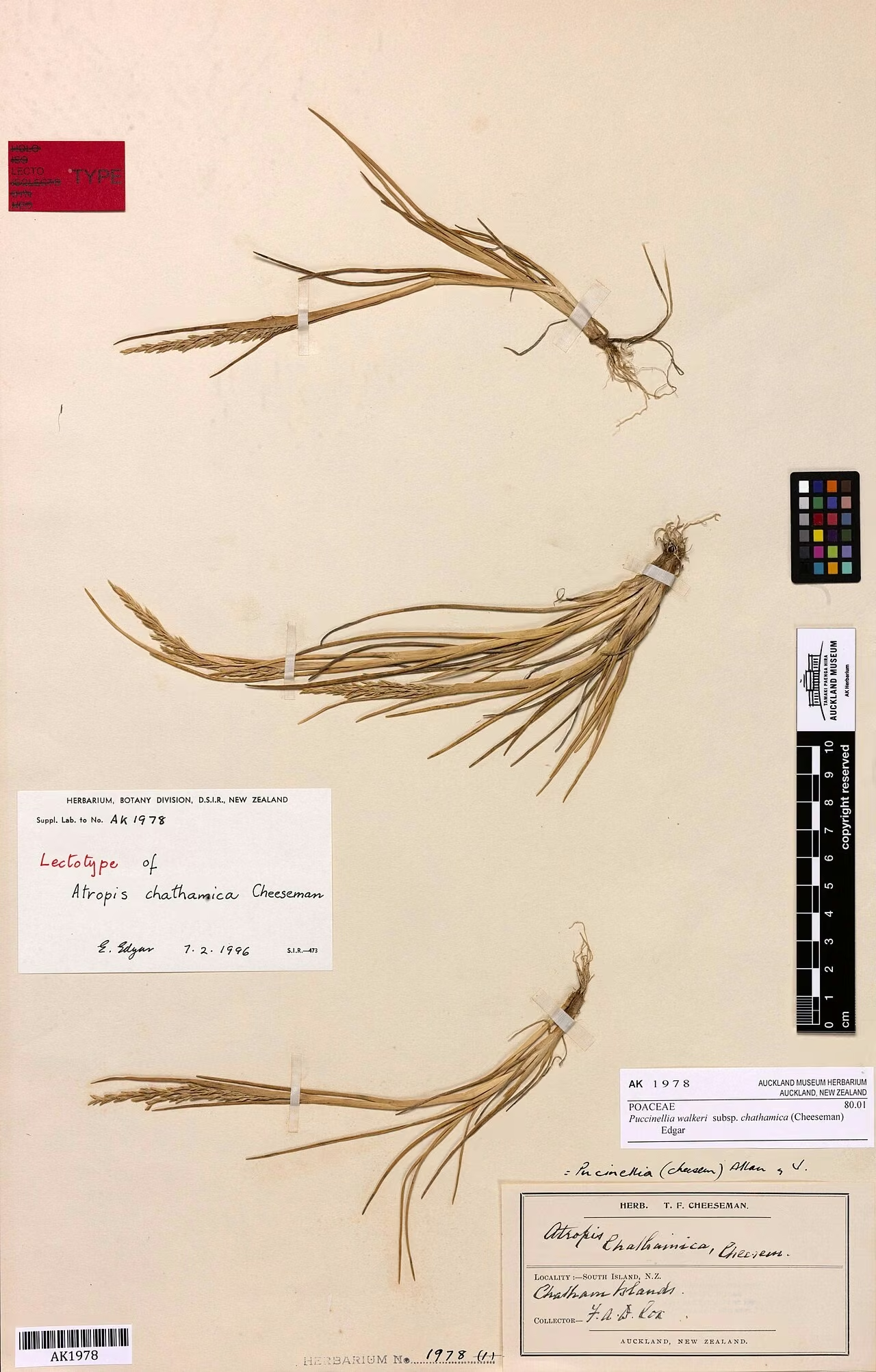
Chatham Islands Salt Grass
Puccinellia chathamica
Walker's Saltgrass
Puccinellia walkeri
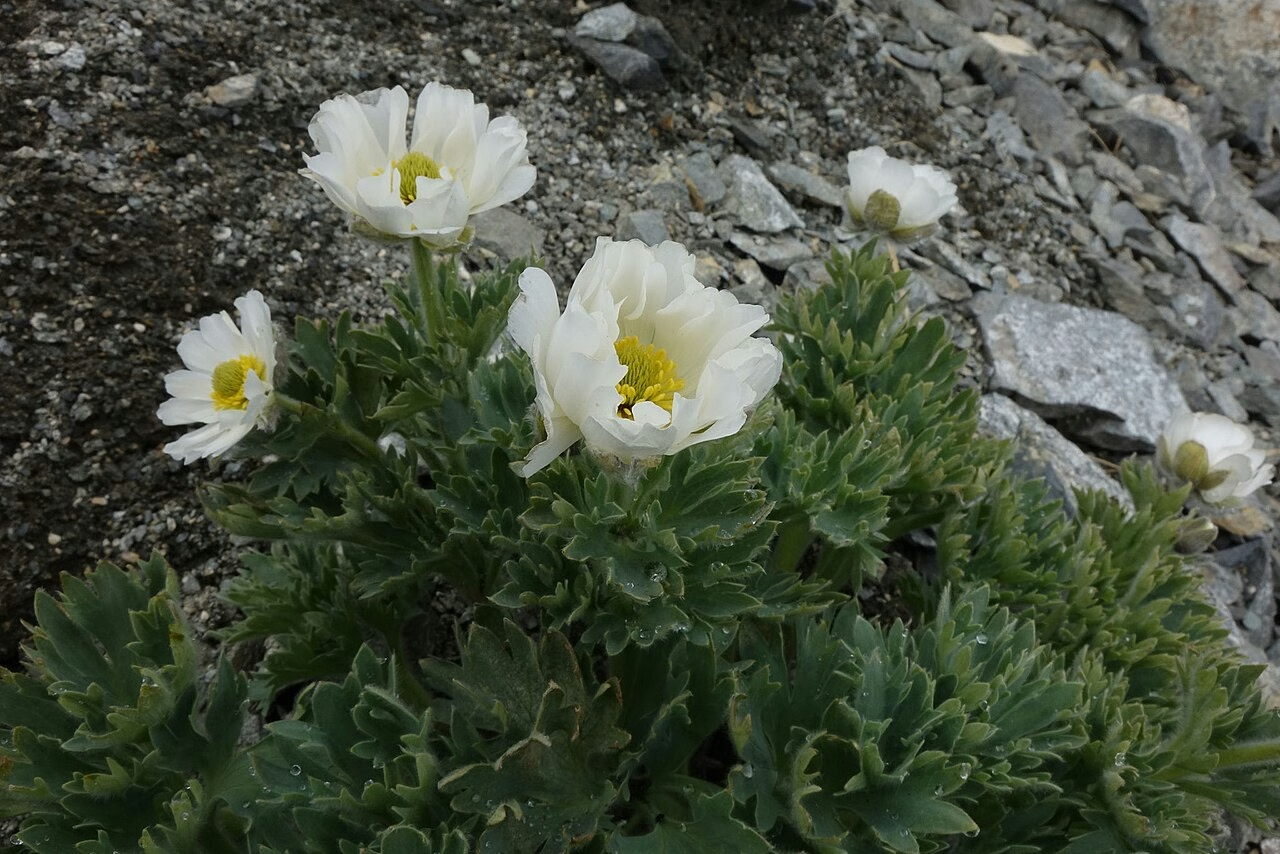
Cut-Leaved Alpine Buttercup
Ranunculus buchananii
Ranunculus carsei
Ranunculus carsei
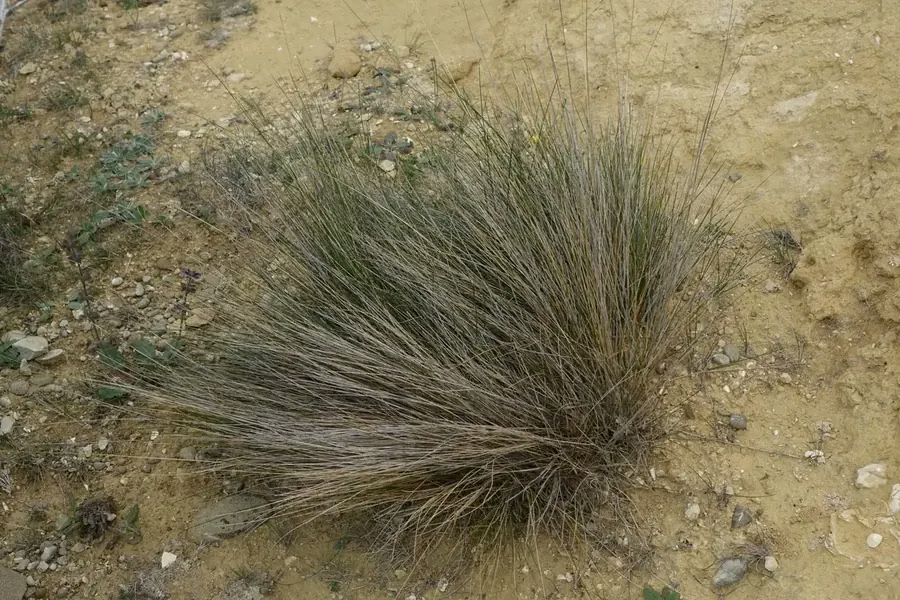
Petriei Grass
Achnatherum Petriei Grass
Speargrass
Speargrass
Plant Conservation
Puccinellia stricta is ranked Not Threatened (2023) with the qualifier SO (Secure Overseas), reflecting its wide range in Australia. NZPCN notes it is uncommon north of the Waikato.
Protecting salt marshes from reclamation, controlling weeds at estuary margins and safeguarding Central Otago's remaining inland saline sites all help this grass and the communities it belongs to.
Frequently Asked Questions
Where does salt grass grow in New Zealand?
It grows in the North Island from Auckland City southwards (not recorded from Bay of Plenty, Gisborne or Taranaki), on the Nelson coast and eastern and south-eastern South Island coasts, inland in Central Otago and near Sutton, and on Stewart Island.
Is Puccinellia stricta good for salt marsh restoration?
Yes. It is a natural salt marsh and high-tide grass, and NZPCN says it is easily grown from seed and by division of established plants.
How do you tell Puccinellia stricta from Puccinellia walkeri?
Puccinellia stricta has intravaginal shoots, involute leaves and a panicle that overtops the leaves, and its lemmas are 3 mm or less long, compared with 3 to 5 mm in P. walkeri.
Does salt grass grow inland?
Yes. Although mostly coastal, it also occurs on inland saline soils in Central Otago, including near Sutton, where salt accumulates in dry basins.
Sources and Further Reading
The botanical, growing, and conservation details for Salt Grass (Puccinellia stricta) on this page draw on the New Zealand plant references below. Consult them for full technical records and the latest distribution data.