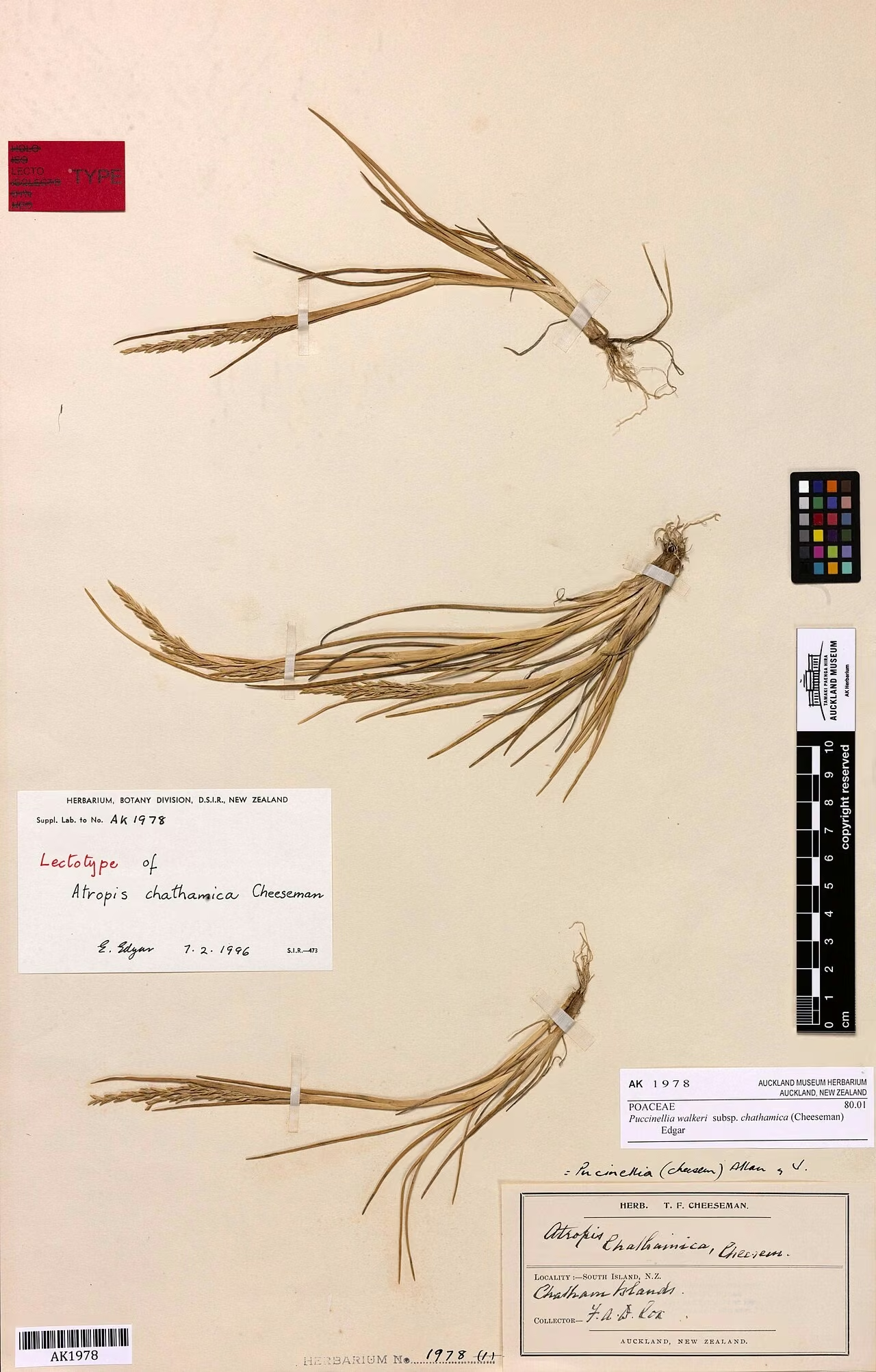
Chatham Islands Salt Grass
Puccinellia chathamica
Last updated:
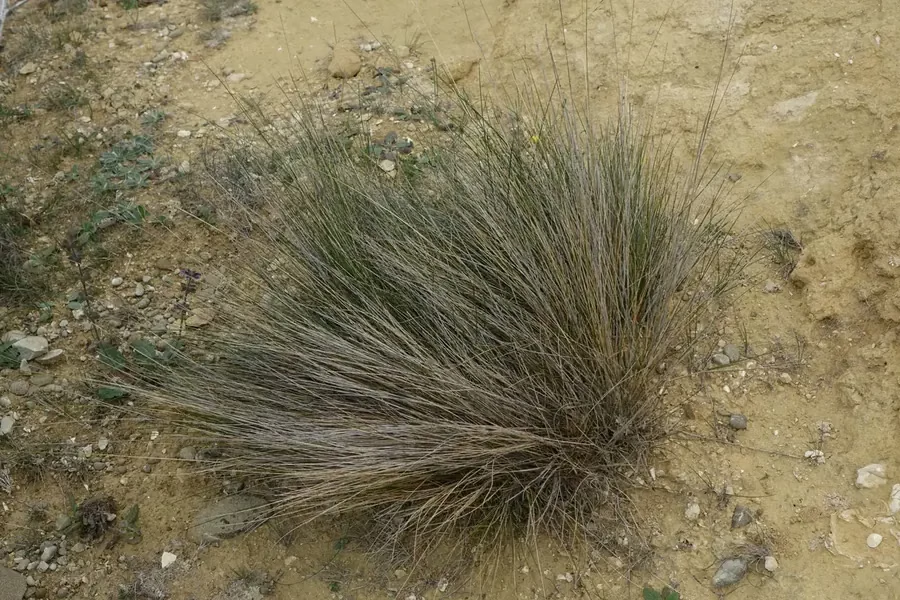
Chatham Islands salt grass (Puccinellia chathamica) is an endemic coastal grass found on the Chatham Islands and the subantarctic Auckland and Campbell Islands. It forms dense, erect, glaucous to dark green tufts 6 to 50 cm tall with folded leaves and narrow, contracted flower heads. It grows in the zone of heavy salt spray very close to the shore, on coastal cliffs, clay faces, rocky shores and islets, often in seepages and mostly out of reach of stock. Grazing by sheep, cattle and goats on the farmed Chatham Islands is the main threat, and the species is now ranked At Risk - Declining. Explore more native grasses and flaxes in our native plant guide.
Plant Description
Puccinellia chathamica is a dense, erect, tufted grass, glaucous to dark green, 6 to 50 cm tall. Its leaf-sheaths are light greenish brown, sometimes dark brown or purplish, and the leaf blades are folded.
The flower head is a narrow, contracted panicle with smooth branches, carrying spikelets of two to five florets. Flowering runs from September to January and fruiting from December to May.
In herbarium specimens it can be told from Puccinellia walkeri and P. antipoda by its very narrow, condensed panicle and smooth panicle branches. It also has a different chromosome number (2n = 42) from P. walkeri.
Quick Facts
| Scientific Name | Puccinellia chathamica |
|---|---|
| Height | 0.06-0.5 m |
| Spread | Dense tufts |
| Water Needs | Moist; often in coastal seepages |
| Light | Full sun on exposed coasts |
| Frost Tolerance | Moderate to high; cool oceanic islands |
| Salt Tolerance | High; grows in the heavy salt spray zone |
| Growth Rate | No information available |
| Lifespan | Perennial |
Climate Best Suited to
Suits the cool, windy, oceanic climate of the Chatham and subantarctic islands. NZPCN notes it struggles in humid northern climates such as Auckland, where it does not flower.
Regional Suitability
| City | Climate Suitability |
|---|---|
| Auckland | Low |
| Wellington | Medium |
| Christchurch | Medium |
| Dunedin | Medium |
Plant Habitat
Chatham Islands salt grass is endemic to New Zealand and confined to the Auckland, Campbell and Chatham Islands. Within the Chatham group it is known from Chatham, Pitt, South-East and Rabbit Islands, and herbarium specimens also come from Mangere Island.
It is a strictly coastal plant of cliffs, clay faces, rocky shores and islets. It usually grows within the zone of heavy salt influence very near the shore, frequently in seepages, and is mostly found out of reach of stock. The Flora of New Zealand also records it from salt marsh and from stony shores and hill slopes exposed to the sea.
Growing Requirements
Soil Requirements
It grows on clay faces, rock ledges and seepages that are constantly salted by spray.
- Clay and rocky coastal substrates
- Seepage zones that stay moist
- Salt-affected ground right at the shoreline
Light Requirements
Its coastal cliffs and shores are open and fully exposed.
- Full sun and wind exposure
- Not shaded by taller vegetation
Water Requirements
It often grows in seepages, so it is used to a reliable supply of water as well as salt spray.
- Keep moist; seepage-fed sites are typical
- Salt spray is tolerated
Planting and Establishing
On the Chatham Islands, the most useful planting is to protect existing populations by fencing coastal cliffs and shores from stock, which allows the grass to spread onto ground it currently cannot hold.
Off the islands it is a specialist plant. NZPCN reports it can be grown from fresh seed and rooted pieces, but it is hard to keep and does not flower in humid climates like Auckland, so cooler southern coastal gardens are more likely to succeed.
Ecological Role
It is a wind-pollinated grass of the salt spray zone, forming part of the coastal turf and cliff vegetation of the Chatham and subantarctic islands.
Its tendency to survive mainly on cliffs and islets out of stock reach shows how strongly grazing has shaped its distribution on the farmed Chatham Islands.
Uses & Significance
Garden Uses
It is mainly of interest for coastal restoration on the Chatham Islands and for specialist collections of island plants.
- Coastal restoration on fenced Chatham Islands shorelines
- Specialist collections in cool southern coastal gardens
- Not suited to humid northern gardens
Ecological Value
It is an endemic component of the coastal vegetation of the Chatham, Auckland and Campbell Islands.
- Endemic to New Zealand's outlying island groups
- Binds clay faces and seepages on eroding coasts
- Part of the salt-tolerant turf of island shorelines
Landscaping Uses
In a coastal garden its glaucous tufts would sit naturally among rocks and gravel close to the sea, with other salt-tolerant Chatham Islands plants.
Because it does poorly in humid climates, it is best tried only in cool, breezy coastal sites in the south, using nursery-raised plants.
Seasonal Care Calendar
Spring
Flowering begins in September and continues through the season.
- Check fences protecting coastal populations
- Keep cultivated plants moist
Summer
Flowering finishes in January, and fruit begins to ripen from December.
- Collect ripe seed from cultivated plants
- Water cultivated plants in dry spells
Autumn
Fruiting continues until May, when the last seed is shed.
- Sow fresh seed promptly
- Divide established tufts if needed
Winter
The tufts remain green through the cool, stormy island winter.
- No management needed
- Ensure good drainage in pots
When to Prune and How Much
Pruning is not needed. If cultivated tufts accumulate dead leaves, comb them out by hand in late winter.
Do not cut the tufts hard, since repeated loss of leaf is exactly what grazing does to wild plants.
How to Grow Chatham Islands Salt Grass
NZPCN states that Puccinellia chathamica can be grown from fresh seed and from rooted pieces. It also cautions that in humid climates such as Auckland the plant is difficult to maintain and does not flower, so propagation and growing on are best done in a cool, airy coastal setting. For restoration on the Chatham Islands, seed and divisions should be sourced from the same island or nearby populations to keep local genetic character, and collection from the wild should be done in small amounts with landowner and Department of Conservation approval.
From Seed
Seed ripens between December and May. NZPCN specifies fresh seed, so sow it soon after collection rather than storing it.
- Collect seed heads as they turn straw-coloured and the seed loosens
- Sow promptly on a free-draining seed mix and cover lightly with grit
- Keep the tray cool, moist and well ventilated in good light
- Pot seedlings individually once they form small tufts
By Division
Rooted pieces taken from an established tuft establish readily. This is the quickest way to multiply plants for a planting project.
Divisions also let a grower keep a single proven clone going while waiting for seed, which can be unreliable where the plant does not flower well.
- Lift a healthy cultivated tuft in autumn or early spring
- Split it into rooted pieces with a few shoots each
- Pot into a gritty mix and keep moist and sheltered until new roots form
- Harden off in an exposed, breezy spot before planting out
Pests & Diseases
The greatest threats are browsing and trampling by sheep, cattle and goats on the farmed islands, which confine the grass to cliffs and islets. Coastal erosion also destroys some populations.
No specific insect pests or diseases are recorded. In cultivation, humid conditions cause decline.
Cultural Significance
No Moriori or Māori name or traditional use is recorded for this grass in the sources consulted.
Thomas Cheeseman first described it, and it was transferred to Puccinellia by Allan and Jansen. The genus honours the Italian botanist Benedetto Puccinelli (1808 to 1850), and the epithet chathamica refers to the Chatham Islands.
Bonus Tip
If you farm coastal land on Chatham or Pitt Island, look at the seepages and clay faces just above the shoreline. Fencing even a short stretch of coast from stock can let this declining grass recolonise ground it has lost, at very little cost.
Related Plants
Explore other native plants that share similar characteristics or habitats with Chatham Islands Salt Grass (Puccinellia chathamica), offering further insights into New Zealand's diverse flora. These related species provide context and opportunities for complementary planting in your garden.
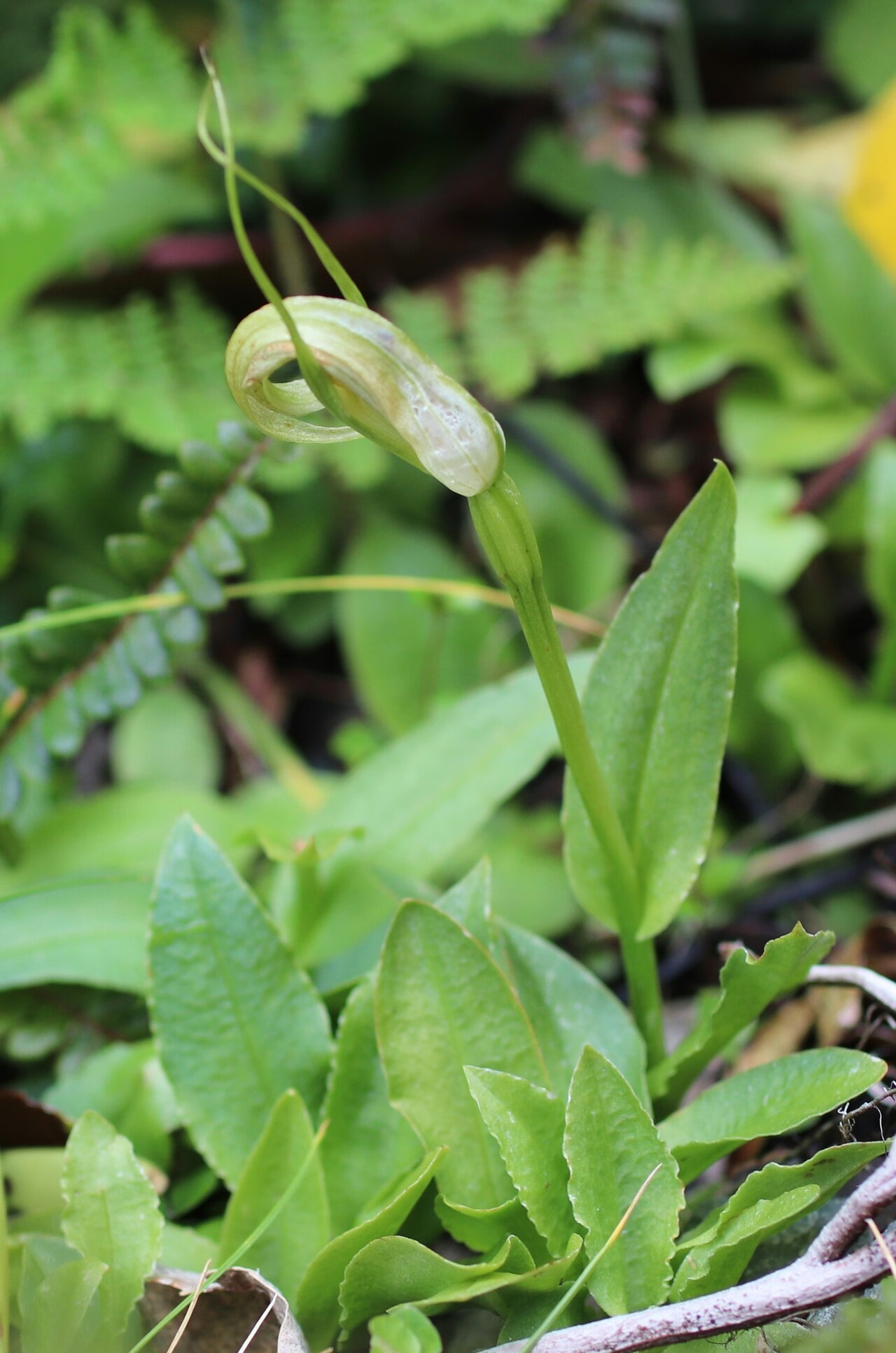
Oliver's Greenhood
Pterostylis oliveri
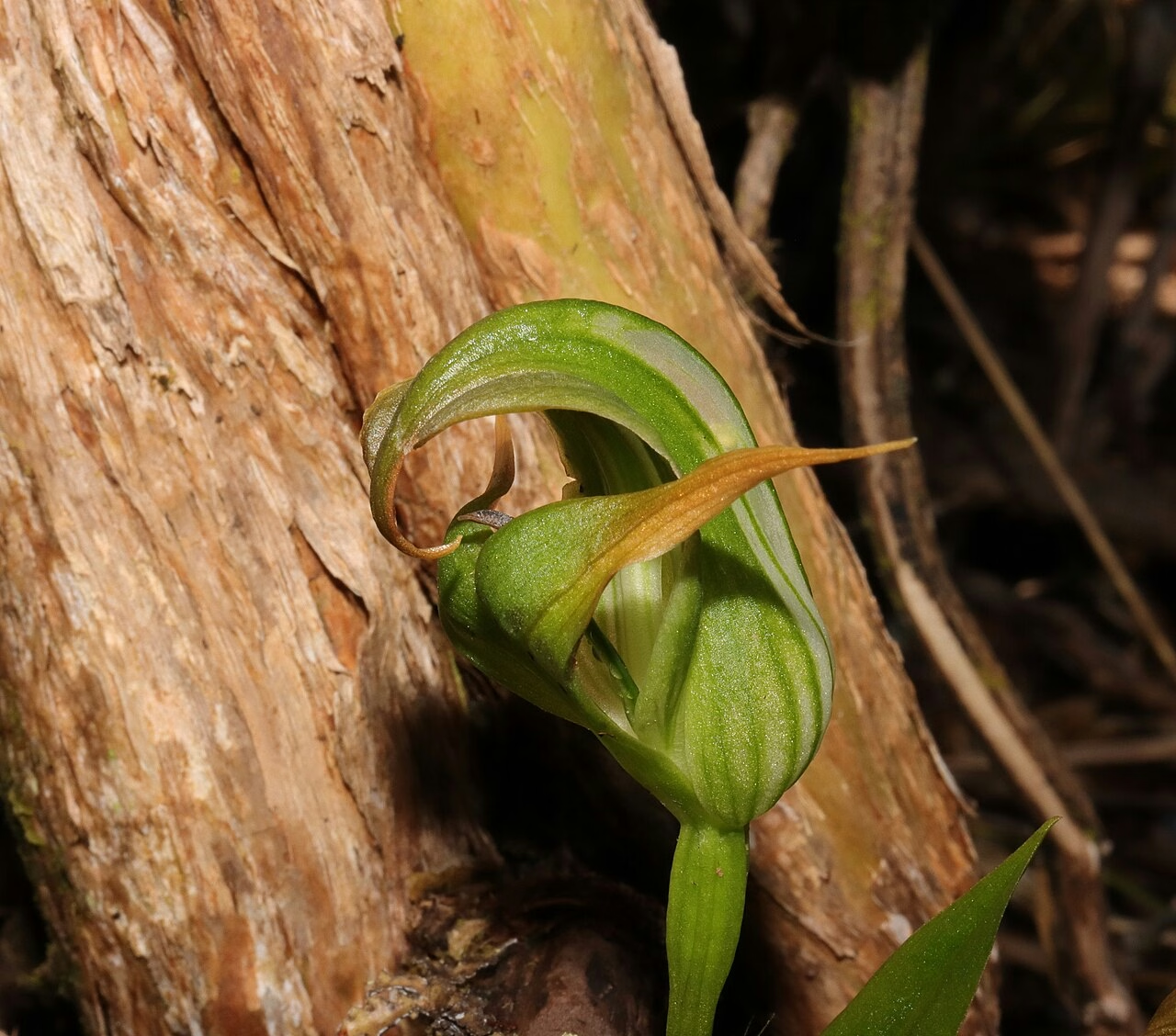
Pterostylis patens
Pterostylis patens
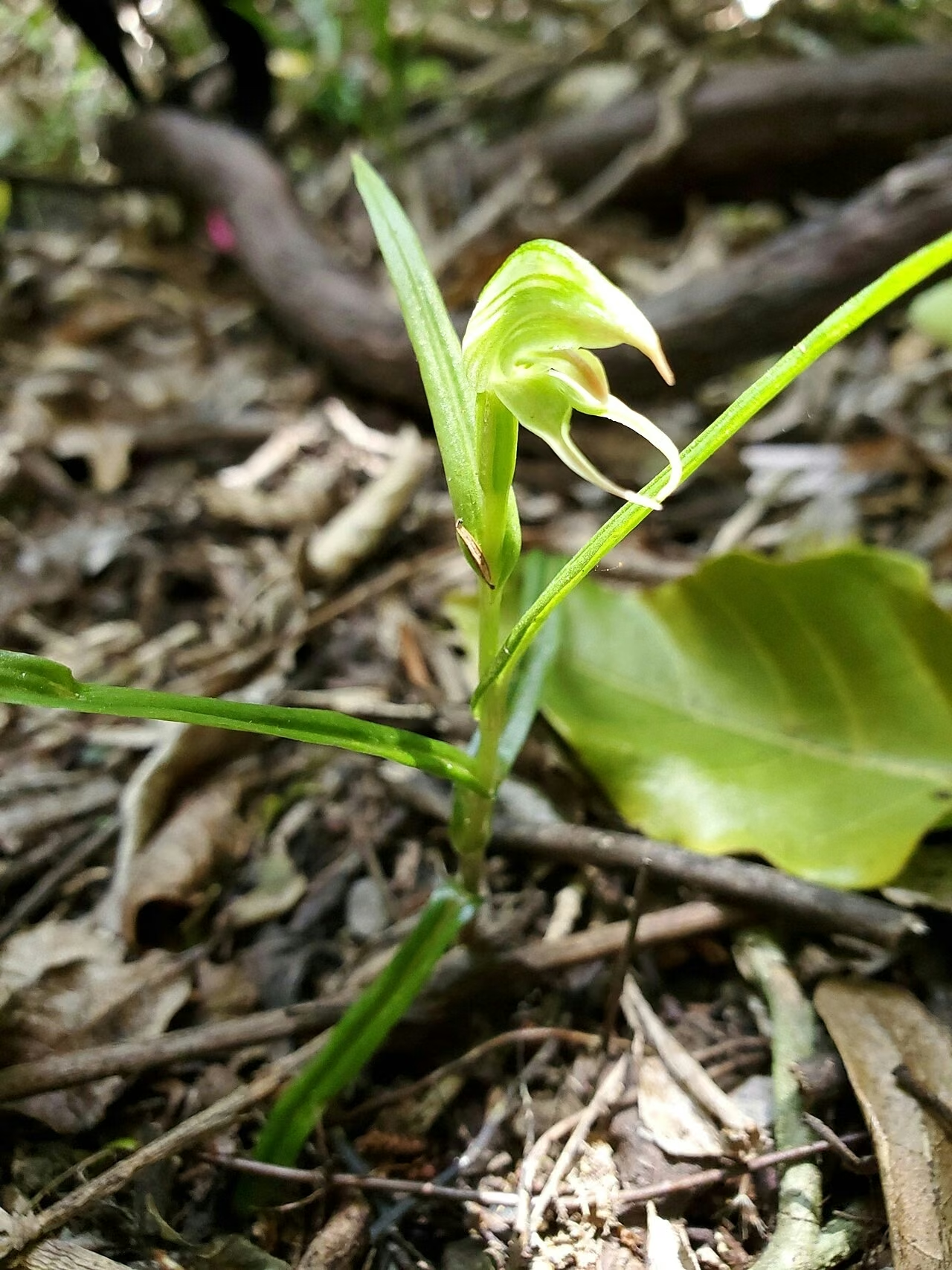
Shrimp-Flowered Greenhood
Pterostylis porrecta
Antipodes Saltgrass
Puccinellia antipoda
Salt Grass
Puccinellia stricta
Walker's Saltgrass
Puccinellia walkeri
Cut-Leaved Alpine Buttercup
Ranunculus buchananii
Petriei Grass
Achnatherum Petriei Grass
Plant Conservation
Puccinellia chathamica is ranked At Risk - Declining (2023), up from At Risk - Naturally Uncommon in 2017. Its qualifiers include CI (Climate Impact), DPS (Data Poor: Size), DPT (Data Poor: Trend), EF (Extreme Fluctuations) and RR (Range Restricted).
Stock exclusion from coastal habitats on Chatham and Pitt Islands is the main action needed. Populations on smaller offshore islands such as South-East Island, a nature reserve, and on the protected subantarctic Auckland and Campbell Islands are less exposed to grazing.
Frequently Asked Questions
Where is Chatham Islands salt grass found?
It is confined to the Auckland, Campbell and Chatham Islands. In the Chatham group it grows on Chatham, Pitt, South-East and Rabbit Islands.
Why is Puccinellia chathamica declining?
NZPCN identifies sheep, cattle and goats as the greatest threats on the main farmed islands, with coastal erosion also affecting some populations.
Is Puccinellia chathamica the same as Puccinellia walkeri?
It was once treated as a subspecies of P. walkeri, but the two have very different chromosome numbers and DNA sequences, so it is now accepted as a separate species.
Can Chatham Islands salt grass be grown on the mainland?
It can be raised from fresh seed and rooted pieces, but NZPCN notes that in humid climates such as Auckland it is difficult to maintain and does not flower.
Sources and Further Reading
The botanical, growing, and conservation details for Chatham Islands Salt Grass (Puccinellia chathamica) on this page draw on the New Zealand plant references below. Consult them for full technical records and the latest distribution data.