Ladder Brake
Pteris vittata
Last updated:
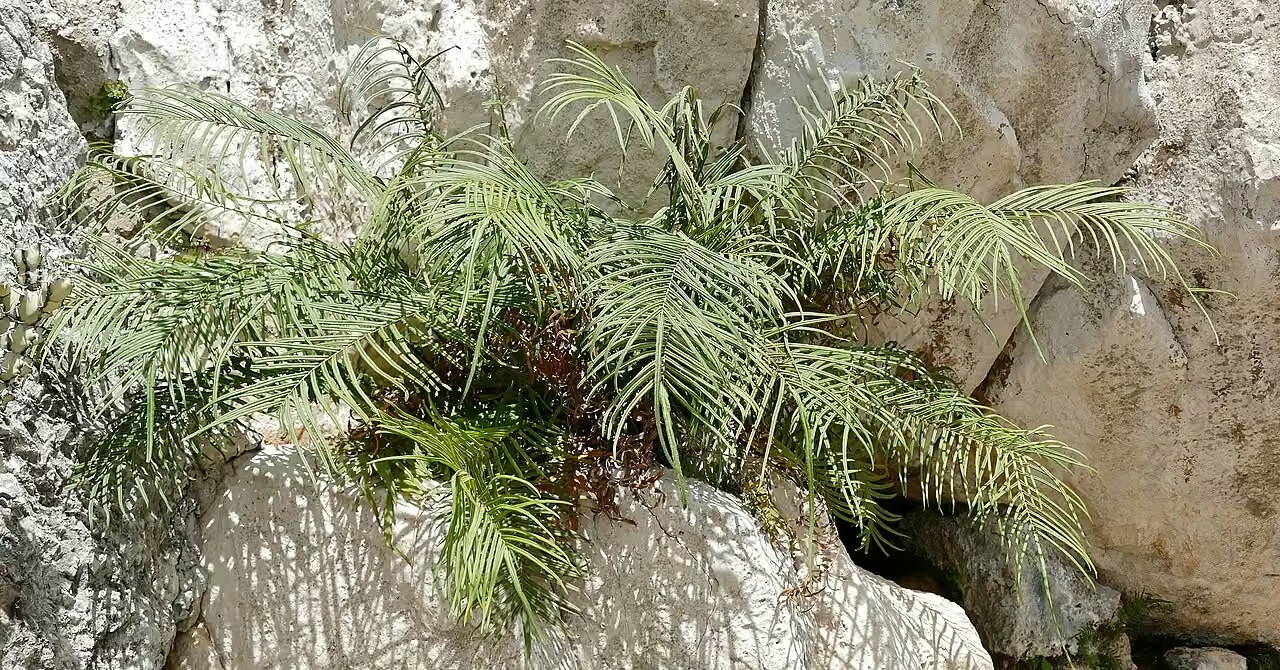
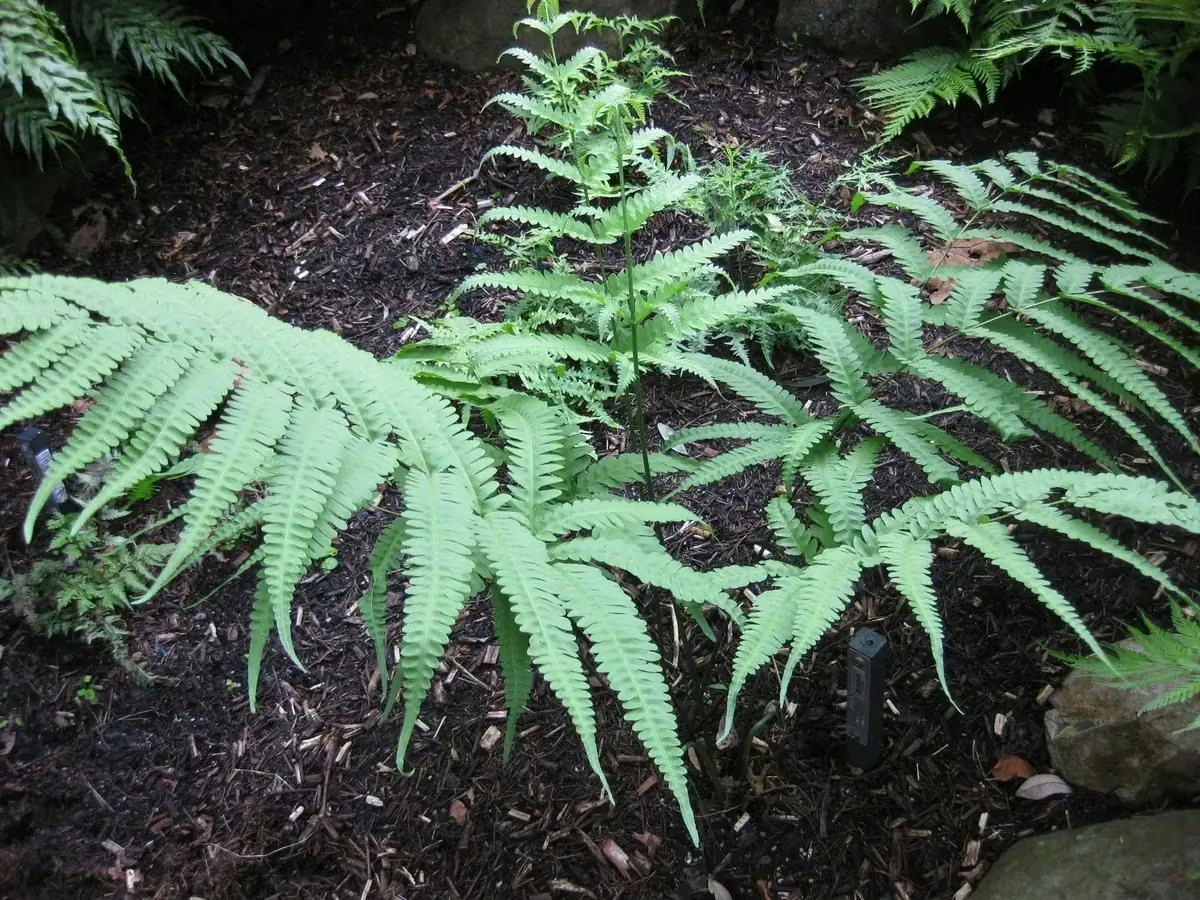
Ladder brake or Chinese brake (Pteris vittata) is a fern with arching, once-pinnate fronds up to about 1.2 m long, each carrying 8-40 pairs of narrow, undivided pinnae like the rungs of a ladder. In New Zealand it is known only from the North Island: on warm geothermal ground around Lake Rotomahana, and on brick, scoria and concrete walls in Auckland and Napier. It is widespread from Australia through tropical and warm temperate Asia, Africa and southern Europe. Its New Zealand status is debated, with NZPCN treating it as native and Flora of New Zealand as naturalised. Overseas it is well known for accumulating arsenic from soil. Explore more native ferns in our native plant guide.
Plant Description
Pteris vittata is a terrestrial or rock-dwelling fern with a short-creeping rhizome densely covered in pale brown scales about 5 mm long. The fronds are all alike, arching, leathery and mid-green, with a 1-pinnate, oblong-obovate lamina that is widest above the middle and tapers towards the base.
Each frond carries 8-40 pairs of narrow, undivided pinnae set close together along the rachis, tapering to pointed tips. The veins are free and run at right angles to the midrib. The sori form continuous lines along the pinna margins, under the rolled leaf edge, as in other brakes. The common names ladder brake and Chinese brake describe the ladder-like frond and its Asian range.
It is easy to separate from all other Pteris in New Zealand, which have 2-pinnate or more divided fronds. The overall look is closer to some Blechnum species, but those have separate fertile and sterile fronds, whereas all fronds of P. vittata are the same.
Quick Facts
| Scientific Name | Pteris vittata |
|---|---|
| Height | Fronds 0.1-1.2 m long |
| Spread | Clumps from a short-creeping rhizome |
| Water Needs | Low to moderate; free-draining sites |
| Light | Sun to partial shade |
| Frost Tolerance | Low; a warm-climate fern |
| Salt Tolerance | No information available |
| Growth Rate | Moderate to fast |
| Lifespan | Perennial |
Climate Best Suited to
Ladder brake is a warm-climate fern of the tropics and warm temperate zones. In New Zealand it survives only in frost-free urban microclimates and on geothermally heated ground.
Regional Suitability
| City | Climate Suitability |
|---|---|
| Auckland | High |
| Wellington | Medium |
| Christchurch | Low |
| Dunedin | Low |
Plant Habitat
In New Zealand Pteris vittata is known only from the North Island, in Auckland, the Volcanic Plateau and Napier, from sea level to about 340 m. It is abundant around the hot springs of Lake Rotomahana and was historically reported from the former Tarawera Springs, where it is now gone. Flora of New Zealand records the first Auckland record in 1995. Overseas it ranges through Australia, Norfolk Island and tropical to warm temperate parts of Asia, Africa and southern Europe.
It grows on base-rich rocks such as limestone and basalt, and readily on concrete. Most recent New Zealand records are urban, on brick and scoria walls, while at Lake Rotomahana it grows in warm, thermally active soil.
Growing Requirements
Soil Requirements
It favours base-rich, free-draining substrates, including mortar and concrete in cities.
- Gritty, free-draining mix
- Tolerates alkaline, lime-rich conditions
- Thrives in wall crevices and rubble
Light Requirements
NZPCN notes that it prefers a sunny situation, which is unusual among ferns.
- Full sun to partial shade
- Warm, sheltered walls suit it
- Avoid cold, damp shade
Water Requirements
Its natural sites on walls and rocks drain quickly, so it copes with periods of dryness.
- Water moderately in pots
- Never leave in standing water
- Established plants in crevices need no watering
Planting and Establishing
NZPCN describes it as easily grown from spore and readily self-establishing, preferring a free-draining, sunny situation. It suits a pot, a warm courtyard wall or a frost-free rock garden.
Because it spreads by spores and can colonise walls and paving, think before planting it near buildings. Its status in New Zealand is uncertain, so it is not a plant for ecological restoration plantings.
Ecological Role
Ladder brake reproduces by wind-dispersed spores and readily self-establishes on suitable surfaces, which is how it colonises walls and concrete in cities. In Sydney and elsewhere it is a common fern of urban structures.
Its best-known trait is the ability to hyperaccumulate arsenic, storing very high concentrations in its fronds. This has made it a model species for research into phytoremediation of arsenic-contaminated soils overseas.
Uses & Significance
Garden Uses
An easy fern for warm, dry spots where most ferns would fail.
- Pots and containers in sunny courtyards
- Wall crevices and rock gardens in frost-free areas
- Botanical and fern collections
Ecological Value
Its value lies more in research and the unusual geothermal community it joins at Rotomahana than in wildlife support.
- Part of the specialised geothermal vegetation near Lake Rotomahana
- Studied worldwide for arsenic uptake
- Colonises bare urban surfaces
Landscaping Uses
The long, ladder-like fronds have a strong architectural form that suits contemporary pots and courtyard planting, especially against masonry where it would naturally grow.
Do not plant it into restoration areas or near geothermal habitats, where its uncertain origins and capacity to spread could complicate the natural vegetation.
Seasonal Care Calendar
Spring
New fronds emerge as soils warm.
- Repot or plant out
- Remove last season's tired fronds
Summer
Peak growth in warm conditions.
- Water pots in hot, dry weather
- Sori develop along the pinna margins
Autumn
Spores ripen and are shed.
- Collect spores if you want new plants
- Watch for self-sown sporelings on walls
Winter
Growth slows; fronds may be damaged by frost.
- Move pots under cover in cold areas
- Keep on the dry side
When to Prune and How Much
Cut off old or frost-damaged fronds at the base in spring to keep the clump tidy. No other pruning is needed.
If plants grown for arsenic research or on contaminated ground are trimmed, the fronds should not be composted, as they may contain high arsenic levels.
How to Grow Ladder Brake
Pteris vittata is one of the easier ferns to raise. NZPCN notes that it is easily grown from spore and readily self-establishes, and self-sown sporelings frequently appear on damp walls and in nearby pots. Clumps can also be divided. Because its New Zealand status is debated and it can colonise walls and paving, it is best raised only for pots and garden use rather than released into natural areas, especially not near the geothermal sites at Lake Rotomahana.
From Spores
Spores are borne in continuous lines along the margins of the pinnae. Sown on a moist, sterile surface they germinate readily, forming prothalli and then small fronds within a few months in warm conditions.
- Choose a frond with dark, ripe sori along the pinna edges
- Dry it on white paper for a few days to collect the spores
- Sprinkle spores on sterilised, moist fine mix with some lime or crushed limestone added
- Cover with clear plastic and keep warm in bright, indirect light
- Mist to keep the surface moist
- Prick out young plants into small pots once they have a few fronds
By Division
The short-creeping rhizome forms multi-crowned clumps that can be split once a plant has filled its pot.
- Lift the plant in spring or early summer
- Cut the rhizome into pieces each with roots and fronds
- Replant in gritty, free-draining mix
- Keep lightly moist and sheltered until regrowth starts
Pests & Diseases
Few pests trouble this tough fern. Scale insects and mealybugs can infest pot plants kept in dry, sheltered spots, and slugs may chew young fronds.
The main cultivation problem is cold: frost damages the fronds, and wet, cold soil in winter can rot the rhizome.
Cultural Significance
No Māori name or traditional Māori use is recorded for this fern, which was first documented in New Zealand in the twentieth century.
The epithet vittata is Latin for striped lengthwise, and Pteris is the ancient Greek name for a fern. Overseas the plant is grown as an ornamental and is widely used in research on cleaning arsenic from polluted soils.
Bonus Tip
If you find a ladder-like fern growing out of a brick or scoria wall in Auckland or Napier, check it against Pteris vittata: its once-pinnate fronds with simple, narrow pinnae and scaly base make it unlike any other New Zealand brake.
Related Plants
Explore other native plants that share similar characteristics or habitats with Ladder Brake (Pteris vittata), offering further insights into New Zealand's diverse flora. These related species provide context and opportunities for complementary planting in your garden.
Plant Conservation
Pteris vittata was ranked Not Evaluated in the 2023 New Zealand assessment, having previously been treated as Introduced and Naturalised (2017). Internationally the IUCN lists it as Least Concern.
At Lake Rotomahana it is abundant around the hot springs, but it has disappeared from the former Tarawera Springs site, and threats to it are not known. Whether it is native or introduced remains under discussion.
Frequently Asked Questions
Is Pteris vittata native to New Zealand?
It is debated. NZPCN now lists it as native but Not Evaluated, while Flora of New Zealand treats it as a naturalised exotic, noting uncertainty over whether the Lake Rotomahana population arrived naturally.
Why is ladder brake fern famous?
Pteris vittata is a well-known arsenic hyperaccumulator, able to take up large amounts of arsenic from contaminated soil, and it has been used overseas in phytoremediation projects.
How do you recognise ladder brake?
Among New Zealand Pteris it is the only one with once-pinnate fronds and undivided pinnae, combined with an obovate frond outline, free veins and dense pale brown scales.
Where does Pteris vittata grow in New Zealand?
It grows around hot springs near Lake Rotomahana and on brick, scoria and concrete walls in Auckland and Napier. It was first recorded in Auckland in 1995.
Sources and Further Reading
The botanical, growing, and conservation details for Ladder Brake (Pteris vittata) on this page draw on the New Zealand plant references below. Consult them for full technical records and the latest distribution data.