Waving Brake
Pteris comans
Last updated:
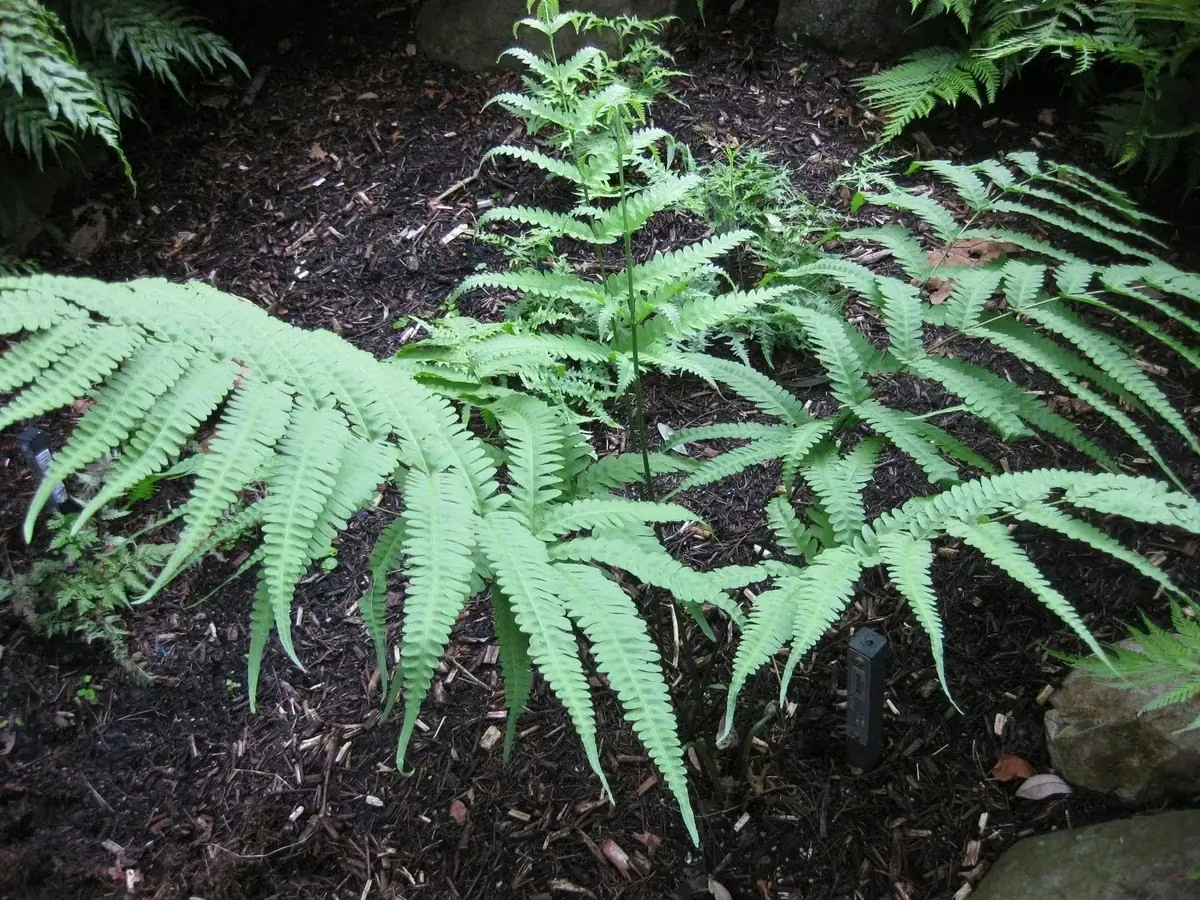
ferns profile: Waving Brake (Pteris comans) is a native New Zealand brake fern of coastal and lowland habitats. Current references treat the name as accepted and indigenous, with a Not Threatened conservation status. It is one of the more graceful Pteris species, forming arching divided fronds in sheltered coastal forest, banks, cliffs, and scrub margins.
Plant Description
Identification and Physical Characteristics
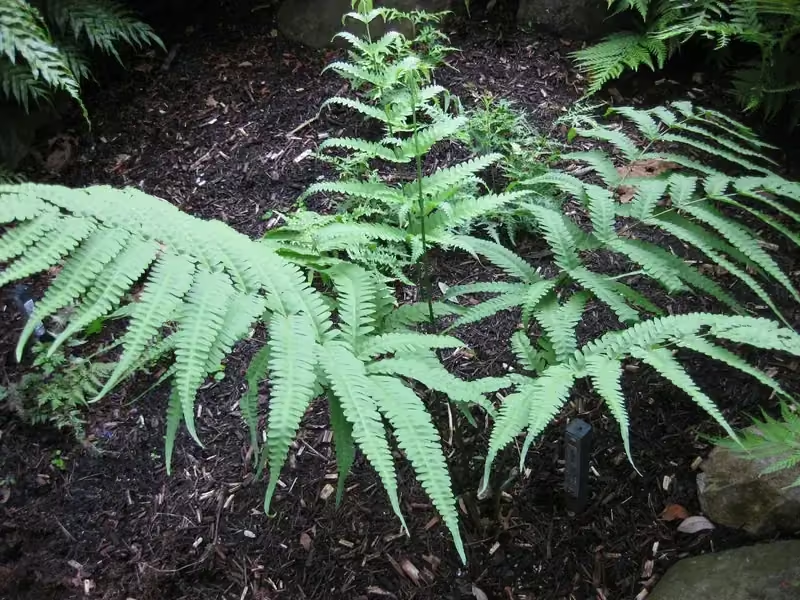
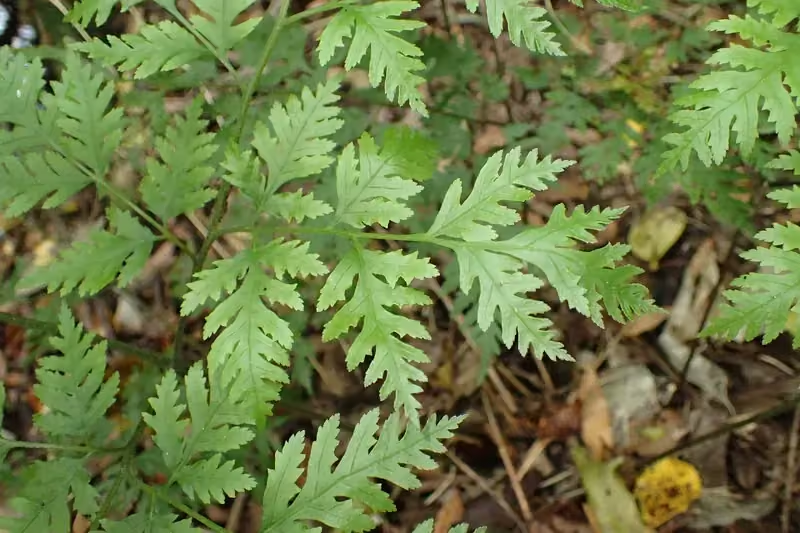
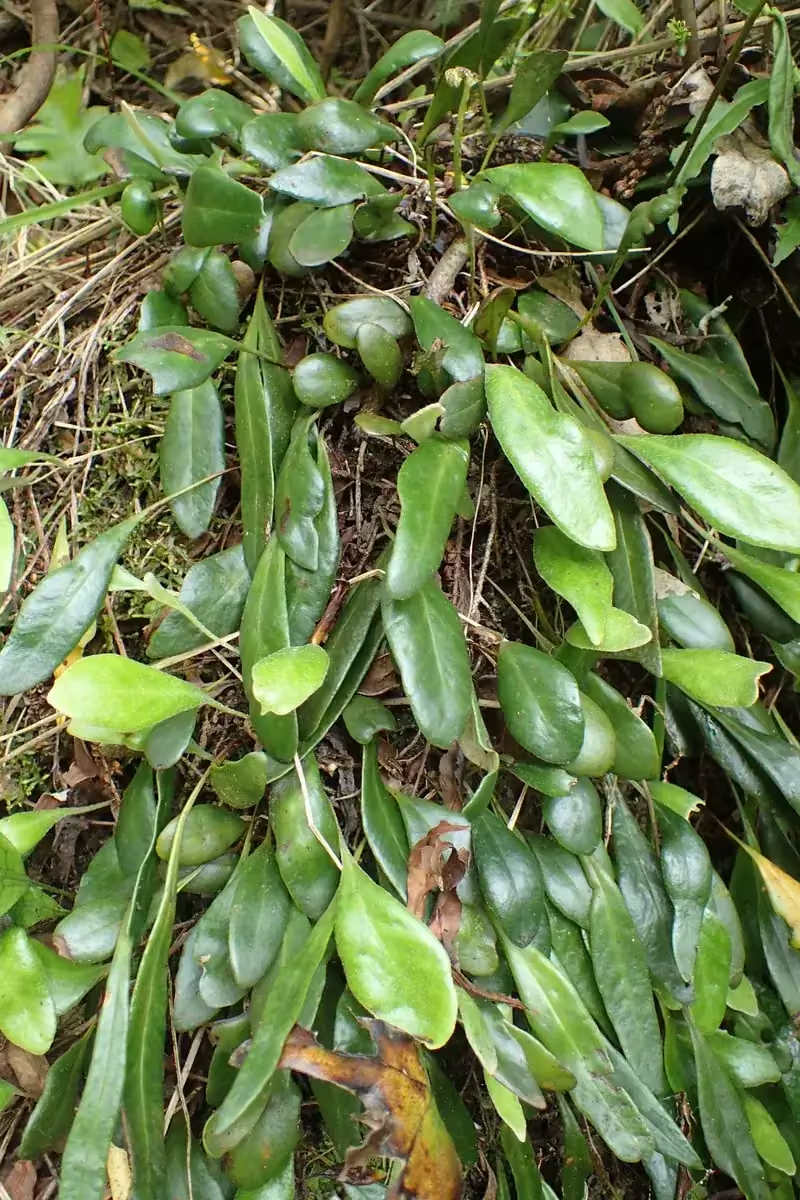
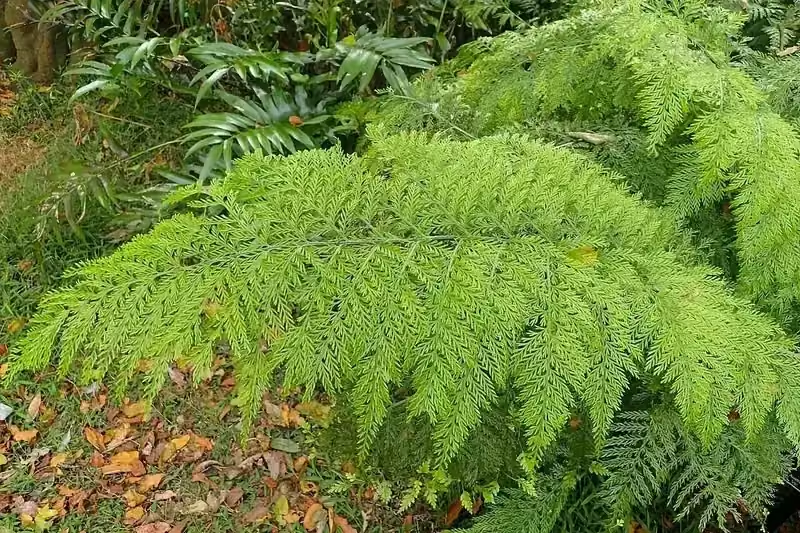
This fern forms clumps from a short rhizome, with green fronds divided into narrow pinnae and a soft arching outline. Fertile pinnae carry marginal sori protected by the rolled edge of the lamina, a typical brake-fern feature. Its flexible waving fronds and coastal habit help separate it from the more widespread and slender Pteris macilenta and from exotic Pteris cretica.
Quick Facts
| Scientific Name | Pteris comans |
|---|---|
| Height | Fronds often 40 cm - 1 metre |
| Spread | Clumping fern with arching fronds |
| Water Needs | Moderate |
| Light | Shade to filtered coastal light |
| Frost Tolerance | Moderate in shelter |
| Salt Tolerance | Moderate in coastal shelter |
| Growth Rate | Moderate |
| Lifespan | Perennial fern |
Climate Best Suited to
Waving Brake suits mild coastal to lowland New Zealand climates where shelter, shade, and free-draining but moist soil are available.
Regional Suitability
| City | Climate Suitability |
|---|---|
| Auckland | High in coastal forest and shaded bank habitats |
| Wellington | High in sheltered coastal banks and forest margins |
| Christchurch | Medium in protected frost-light shade |
| Nelson | High in sheltered coastal and lowland sites |
Plant Habitat
Natural Occurrence and Ecology
The species grows in coastal forest, cliffs, shaded rocks, scrub, banks, and lowland forest margins. It is particularly useful in places with some coastal influence, filtered light, and enough shelter to prevent fronds from drying or tearing in wind.
Growing Requirements
Soil Requirements
Use humus-rich, free-draining soil, especially in shaded banks or rocky coastal pockets.
- Coastal forest loam
- Shaded bank soil
- Rock crevice humus
Light Requirements
Filtered shade keeps fronds fresh; harsh sun and wind can scorch or shred them.
- Light shade
- Coastal shelter
- No hot exposed sun
Water Requirements
Keep even moisture during establishment and avoid dry wind around young fronds.
- Moderate moisture
- Mulched roots
- Good drainage
Planting and Establishing
Establishment Guidance
Plant Waving Brake into sheltered coastal shade, a rocky bank, or a native fernery with free-draining soil. Water well at planting, mulch lightly, and keep weeds away while the clump forms. Avoid exposed windy sites where the fronds cannot hold their arching shape.
Ecological Role
Biodiversity and Ecosystem Impact
Waving Brake contributes native fern cover to coastal forest edges, cliffs, and shaded banks. Its spores can colonise suitable crevices, while clumps protect soil and add fine foliage beneath shrubs and trees. It is valuable where a native fern is needed for mild coastal shade rather than wet gully conditions.
Uses & Significance
Garden Uses
Use in coastal native gardens, shaded banks, fern borders, and rocky lowland plantings.
- Coastal shade
- Rocky banks
- Native fern borders
Ecological Value
It adds native fern cover and spore-dispersed diversity to coastal restoration sites.
- Coastal fern layer
- Bank cover
- Spore colonisation
Landscaping Uses
Use Waving Brake where the arching fronds can soften rock, timber, or shrub edges. Pair with coastal shrubs, kiekie, rengarenga, leather-leaf fern, and small filmy ferns in sheltered places. It is more elegant when not crowded by coarse groundcovers.
Seasonal Care Calendar
Spring
New fronds unfurl with fresh green growth.
Summer
Water in dry coastal winds while plants are young.
Autumn
Divide strong clumps or plant nursery stock after rain.
Winter
Remove damaged fronds after storms.
When to Prune and How Much
Cut old or wind-damaged fronds at the base. Avoid pulling fronds, and keep the crown clear of heavy mulch.
- Cut damaged fronds
- Keep crown clear
- Avoid pulling
Always use clean, sharp tools and avoid disturbing new growth.
How to Grow Waving Brake
From Spores
Waving Brake can be raised from spores collected from fertile pinnae when the marginal sori are mature. Dry frond pieces in a clean paper packet, sow the spores on sterile moist fern medium, and keep the tray covered in bright shade. Young sporophytes should be potted into a free-draining humus mix before they crowd. For restoration, collect spores from local coastal populations where permitted and keep batches labelled. Spore-grown plants provide better genetic spread than repeated division from a single garden clump.
- Collect fertile pinnae
- Sow spores on sterile medium
- Keep humid in bright shade
- Pot young ferns early
From Division
Established garden clumps can be divided in autumn or spring. Lift the plant carefully, separate a section with roots and a healthy crown, and replant at the same depth in free-draining shaded soil. Water deeply and trim only badly damaged fronds. Division gives a quicker display than spores but should be used modestly because large clumps resent repeated disturbance. Use division for garden maintenance and spores for restoration diversity.
- Lift strong clumps
- Separate rooted crowns
- Replant at same depth
- Water until settled
Establishing Coastal Shade
Prepare a sheltered site before planting. Remove weeds, loosen compacted soil, and add leaf mould or fine bark if drainage remains open. Plant after rain or in mild spring weather, then mulch lightly and water through the first dry spell. If fronds brown on the tips, improve shelter before adding fertiliser. In restoration plantings, place Waving Brake under shrubs that break salt wind while still allowing filtered light to reach the fern.
- Prepare shaded soil
- Plant after rain
- Mulch lightly
- Shelter from salt wind
Pests & Diseases
Slugs may graze new fronds, and wind scorch can damage exposed plants. Avoid waterlogged soil and heavy grass competition.
This Waving Brake note is specific to Pteris comans, connecting identification, habitat context, and practical care so the section remains useful for readers comparing New Zealand plant profiles.
Cultural Significance
The common name describes the flowing movement of the fronds. As a coastal native fern, it helps link forest margins, cliffs, and shaded banks in mild parts of Aotearoa.
- Native coastal fern
- Waving frond form
- Brake fern group
Bonus Tip
Plant it beside dark rocks or timber so the arching green fronds show clearly.
This Waving Brake note is specific to Pteris comans, connecting identification, habitat context, and practical care so the section remains useful for readers comparing New Zealand plant profiles.
Related Plants
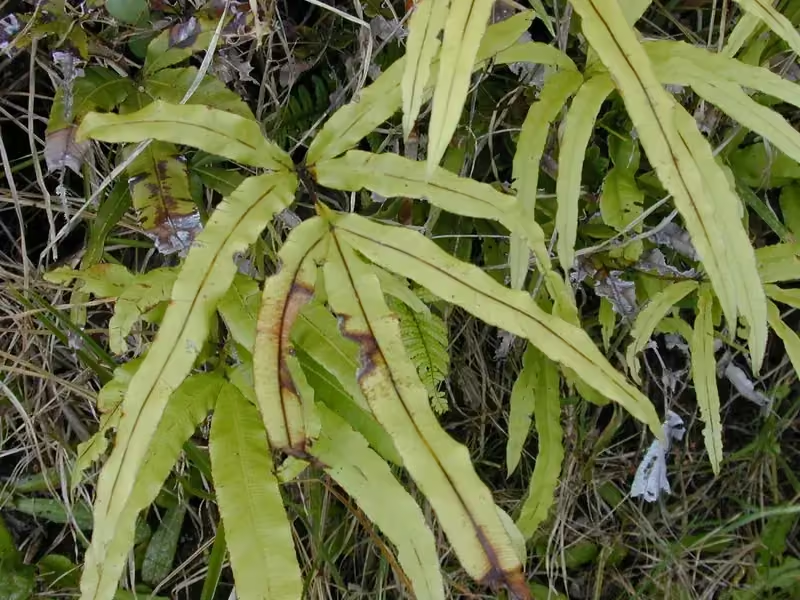
Compare Waving Brake with other New Zealand Pteris and coastal ferns.



Plant Conservation
Conservation Status and Threats
Pteris comans is assessed as Not Threatened. Local habitats still benefit from weed control, retention of coastal shade, and protection from trampling or cliff disturbance.
Frequently Asked Questions
Is Pteris comans native to New Zealand?
Yes. It is an indigenous New Zealand fern.
Is it the same as Pteris cretica?
No. Pteris cretica is exotic in New Zealand and should not be used as a native substitute.
Where does it grow best?
It suits sheltered coastal shade, banks, cliffs, and rocky forest margins.
Sources and Further Reading
The botanical, growing, and conservation details for Waving Brake draw on authoritative New Zealand plant references and taxonomic databases.