Five Finger
Pseudopanax discolor
Last updated:
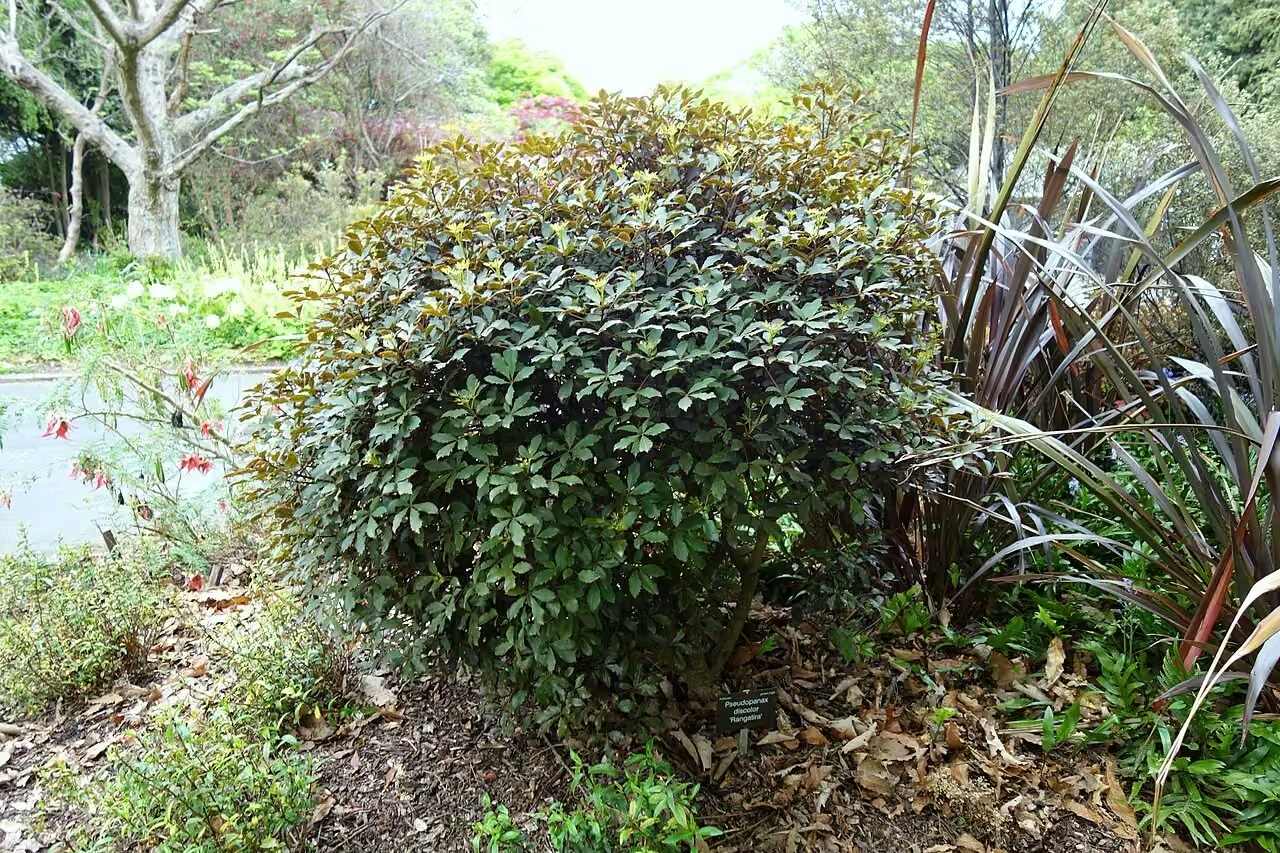
Pseudopanax discolor is a much-branched shrub or small tree up to 5 m tall, endemic to the North Island from Northland to the upper Waikato. Its compound leaves usually have three to five narrow, coarsely and sharply toothed leaflets that are dark green, bronze or yellowish green above and a paler purplish green beneath, the contrast that gives the species its name. It is a common component of coastal and lowland forest and shrubland from sea level to about 750 m. Shade, wind and coastal tolerant, it makes a colourful hedge or screen, but it was ranked At Risk - Declining in 2023. Explore more native shrubs in our native plant guide.
Plant Description
Pseudopanax discolor is a shrubby, much-branched small tree up to about 5 m tall with fleshy, brittle branchlets. The leaves are usually 3 to 5 foliolate, occasionally reduced to a single leaflet, on slender stalks. Leaflets are obovate to elliptic and wedge-shaped at the base, coarsely and sharply toothed, with the terminal leaflet about 4 to 8 cm long and 1.5 to 2.5 cm wide.
The upper surface ranges from dark green to bronze or yellowish green, depending on exposure, while the underside is paler and purplish green. Small greenish flowers are produced in terminal umbels, with separate male and female umbels, followed by fleshy oblong fruits about 6.5 mm long that darken to purple when ripe.
It is usually confused with five finger, Pseudopanax arboreus, which typically has five larger leaflets. Pseudopanax colensoi var. ternatus also has three leaflets, but its leaves are larger and thicker. The small, sharply toothed, often bronzed leaflets of P. discolor are the best field character.
Quick Facts
| Scientific Name | Pseudopanax discolor |
|---|---|
| Height | 3-5 m |
| Spread | 1.5-3 m |
| Water Needs | Moderate |
| Light | Full sun to shade |
| Frost Tolerance | Low to moderate; a northern lowland species |
| Salt Tolerance | Good; coastal tolerant |
| Growth Rate | Moderate |
| Lifespan | Long-lived perennial shrub |
Climate Best Suited to
Suits the warm, mild, humid climate of the northern North Island. It grows in cooler districts in sheltered spots but prefers frost-free or lightly frosted sites.
Regional Suitability
| City | Climate Suitability |
|---|---|
| Auckland | High |
| Wellington | Medium |
| Christchurch | Low |
| Dunedin | Low |
Plant Habitat
Pseudopanax discolor is endemic to the North Island, occurring from Northland south through the Coromandel Peninsula to the upper Waikato. In Auckland it is ranked Regionally Naturally Uncommon.
It grows in coastal and lowland forest and shrubland from sea level to about 750 m, where NZPCN describes it as a common component of the vegetation. As a shade-tolerant shrub it is found both in forest understorey and in more open regenerating shrubland.
Growing Requirements
Soil Requirements
It grows on a range of northern soils, from clays to volcanic loams, provided they are not waterlogged.
- Well-drained loam or clay improved with compost
- Tolerates low to moderate fertility
- Mulch to conserve moisture
Light Requirements
It is shade tolerant and grows naturally in forest understorey, yet it also copes with full sun, where its foliage tends to colour more strongly bronze or yellow.
- Full sun to deep shade
- Leaf colour is richest in brighter positions
Water Requirements
Moderate moisture is ideal; established plants tolerate short dry spells.
- Water regularly during the first summer
- Avoid poorly drained sites
Planting and Establishing
Plant in autumn or spring into well-drained soil, spacing about 1 to 1.5 m apart for a hedge or screen. Water in well and mulch.
In cooler districts, choose a sheltered position away from frost hollows. Buy eco-sourced plants where possible when planting within its natural northern range.
Ecological Role
The purple fruits ripen in summer and are eaten by native birds, which disperse the seed. Nurseries list it as both a bird attractant and a bee food source because of its small greenish flowers.
It is a common shrub of northern regenerating forest and shrubland, contributing to the understorey structure of coastal and lowland forest.
Uses & Significance
Garden Uses
It is a versatile northern native shrub with colourful foliage, suited to hedging, screening and understorey planting.
- Informal hedges and screens
- Shady understorey planting
- Coastal gardens in the north
- Bird and bee friendly plantings
Ecological Value
It provides food for birds and insects in northern forests and shrublands.
- Fruit eaten by native birds
- Flowers visited by bees
- Common component of coastal and lowland forest
- Ranked At Risk - Declining, so planting eco-sourced stock helps
Landscaping Uses
Use the bronze and yellowish tones of the foliage to contrast with darker greens such as kawakawa, karamu or rangiora. Planted in groups, it forms a dense, colourful mid-layer.
Clipped lightly it forms a neat hedge, while left alone it develops into a rounded small tree suitable for a shady corner or woodland edge.
Seasonal Care Calendar
Spring
New growth often shows rich bronze tones, and flower buds begin to form.
- Plant new shrubs
- Lightly trim hedges
Summer
Flowering and fruiting both take place from November to February.
- Collect ripe purple fruit for seed
- Water young plants in dry weather
Autumn
Growth slows and the last fruits are taken by birds.
- A good time to plant
- Take semi-hardwood cuttings
Winter
Foliage can take on stronger bronze colouring in cold, bright conditions.
- Protect young plants from frost in cooler areas
- Little other care needed
When to Prune and How Much
It responds well to trimming, and can be clipped in late spring and again in late summer to keep a hedge dense. The brittle branchlets break easily, so cut cleanly rather than bending stems.
Shrubs grown as specimens need only occasional removal of dead or wayward shoots.
How to Grow Five Finger
NZPCN gives no propagation notes for Pseudopanax discolor, but nursery growers report that it is straightforward from fresh seed, which germinates without pretreatment, and that cold stratification can speed germination. Semi-hardwood cuttings also root, though slowly. Because the species was ranked At Risk - Declining in 2023, growers in its natural range should collect seed from local wild or eco-sourced plants with landowner permission, so that restoration plantings keep regional genetic character. Separate male and female flowers mean that only some plants will bear fruit.
From Seed
Fruit ripens between November and February. Collect it when it has turned dark purple.
Seed sown fresh usually comes up within a few months, and seedlings grow steadily once potted into a fertile mix.
- Gather ripe fruit from female plants
- Remove the flesh by soaking and rubbing in a sieve
- Sow fresh seed on a free-draining seed mix and cover lightly
- Optionally chill moist seed for a few weeks to speed germination
- Pot on seedlings when they have several leaves
From Cuttings
Semi-hardwood cuttings taken from summer to autumn will strike, but they can take several months to form roots.
- Select healthy stems with adult foliage, 10-15 cm long
- Cut below a node and remove lower leaves
- Apply rooting hormone and insert into propagating mix
- Keep humid and shaded, with gentle bottom heat if available
- Pot on once a good root system has formed, usually the following spring
Pests & Diseases
No specific pests are recorded for this species in the sources consulted. Like other Pseudopanax it can be affected by scale insects and sooty mould in sheltered, humid gardens.
Possums browse many Pseudopanax species, and seedlings are vulnerable to browsing animals in restoration plantings.
Cultural Significance
No Māori name or traditional use specific to Pseudopanax discolor is recorded in the sources consulted.
It was first described by Thomas Kirk as Panax discolor and later transferred to Pseudopanax by Hermann Harms. The epithet discolor refers to the differently coloured upper and lower leaf surfaces.
Bonus Tip
For the best bronze foliage, grow it in a bright position; in deep shade the leaflets stay mostly green. A mixed hedge of sun and shade plants will show the full range of colours this species can produce.
Related Plants
Explore other native plants that share similar characteristics or habitats with Five Finger (Pseudopanax discolor), offering further insights into New Zealand's diverse flora. These related species provide context and opportunities for complementary planting in your garden.
Kermadec Nettle-Tree
Pouzolzia australis
Prasophyllum colensoi
Prasophyllum colensoi
Swamp Leek Orchid
Prasophyllum hectorii
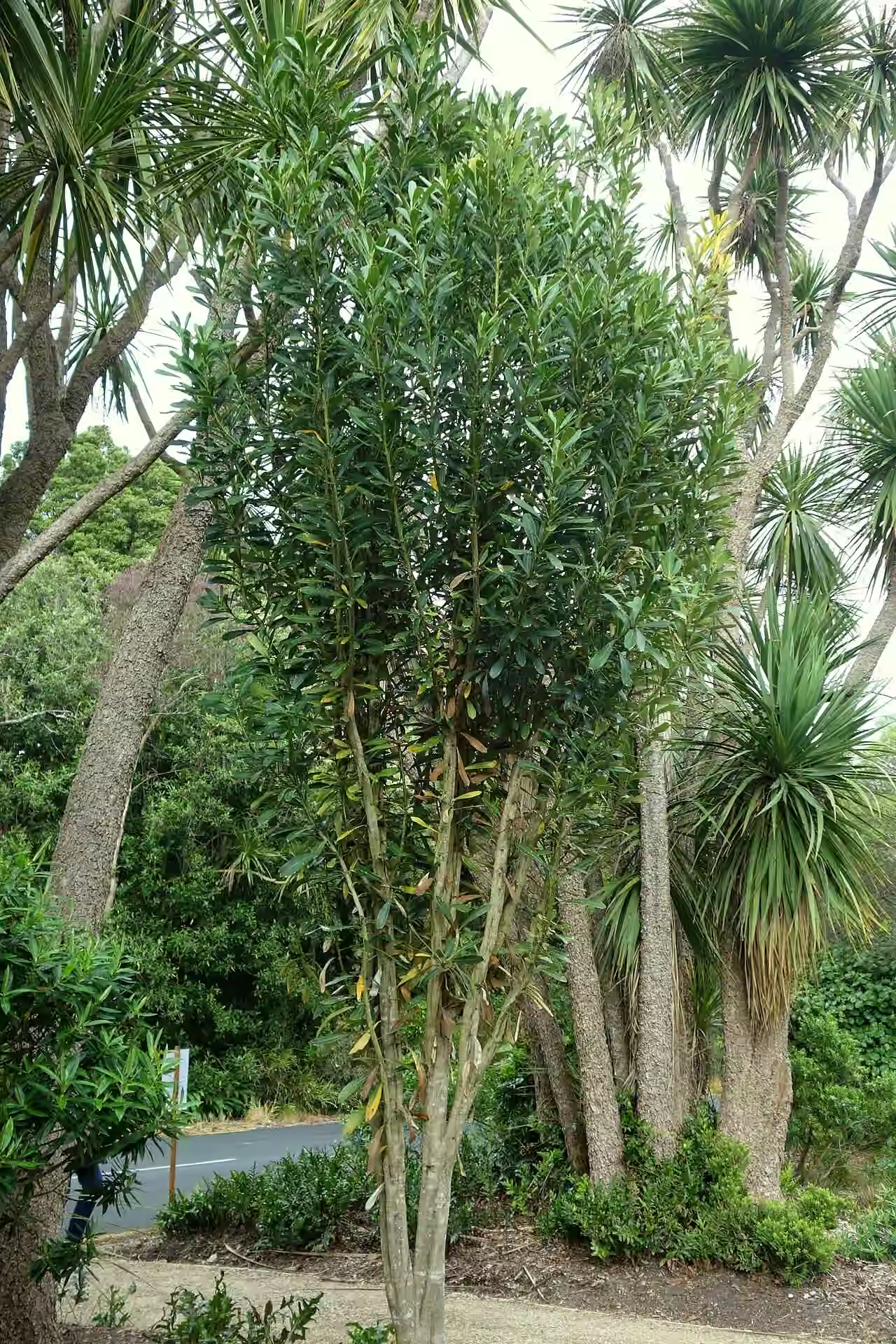
Chatham Island Lancewood
Pseudopanax chathamicus
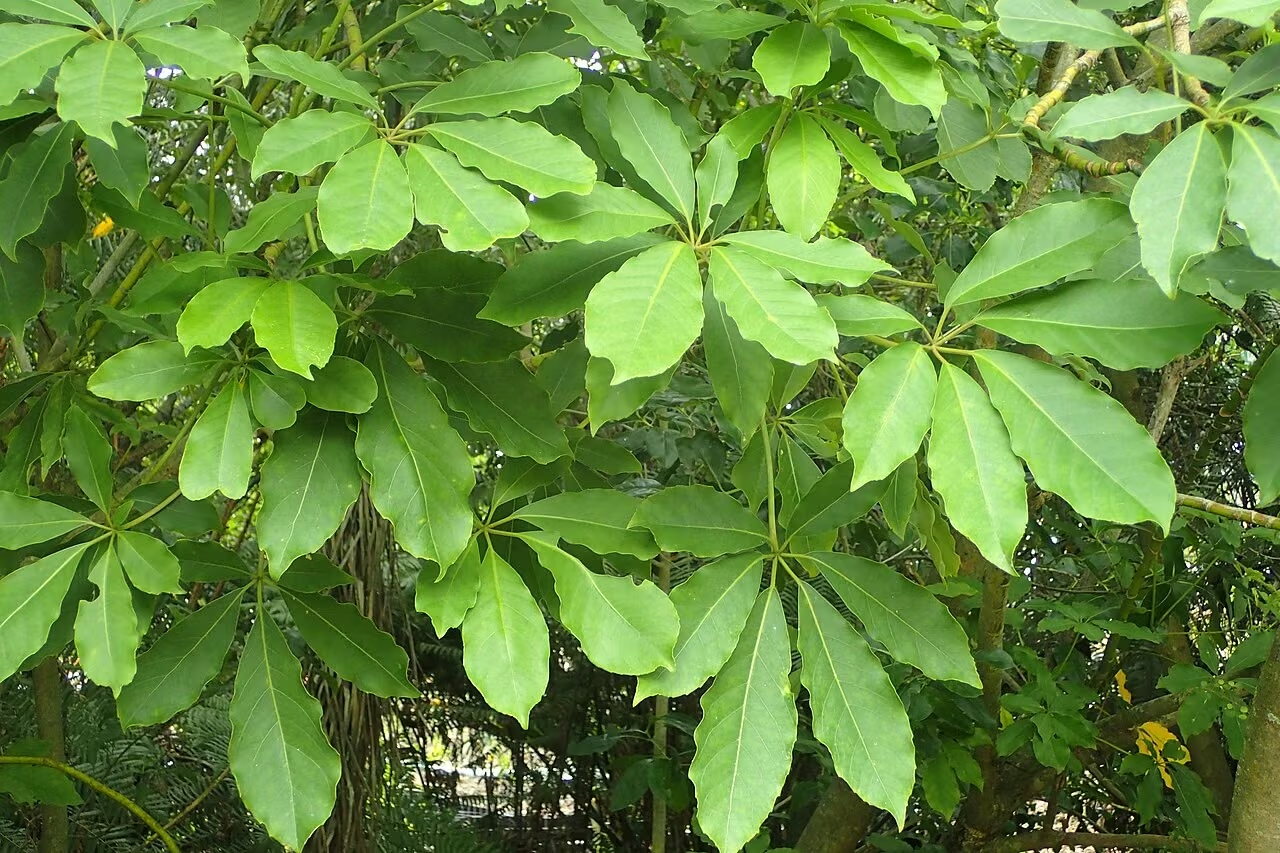
Kermadec Five Finger
Pseudopanax kermadecensis
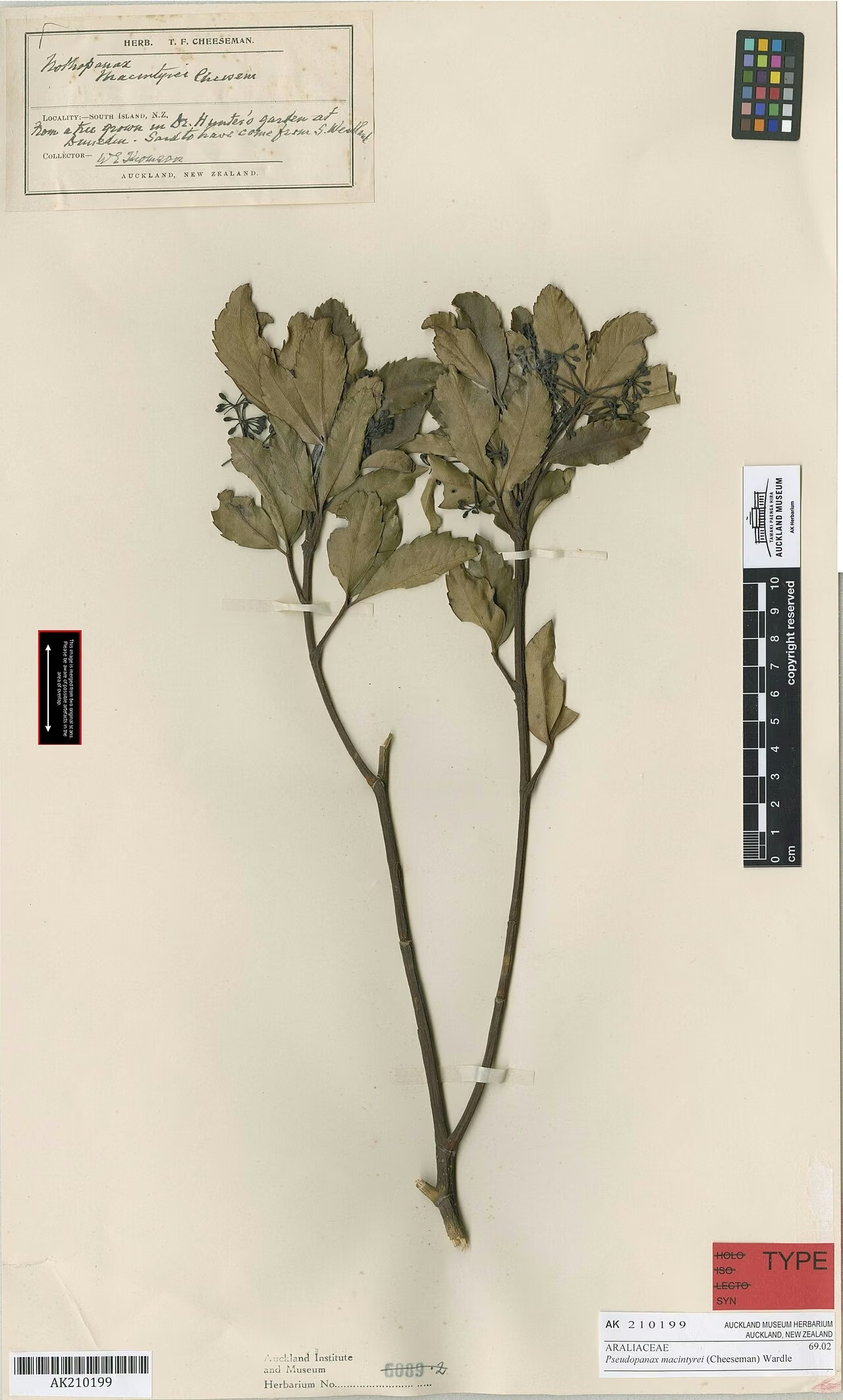
MacIntyre's Panax
Pseudopanax macintyrei
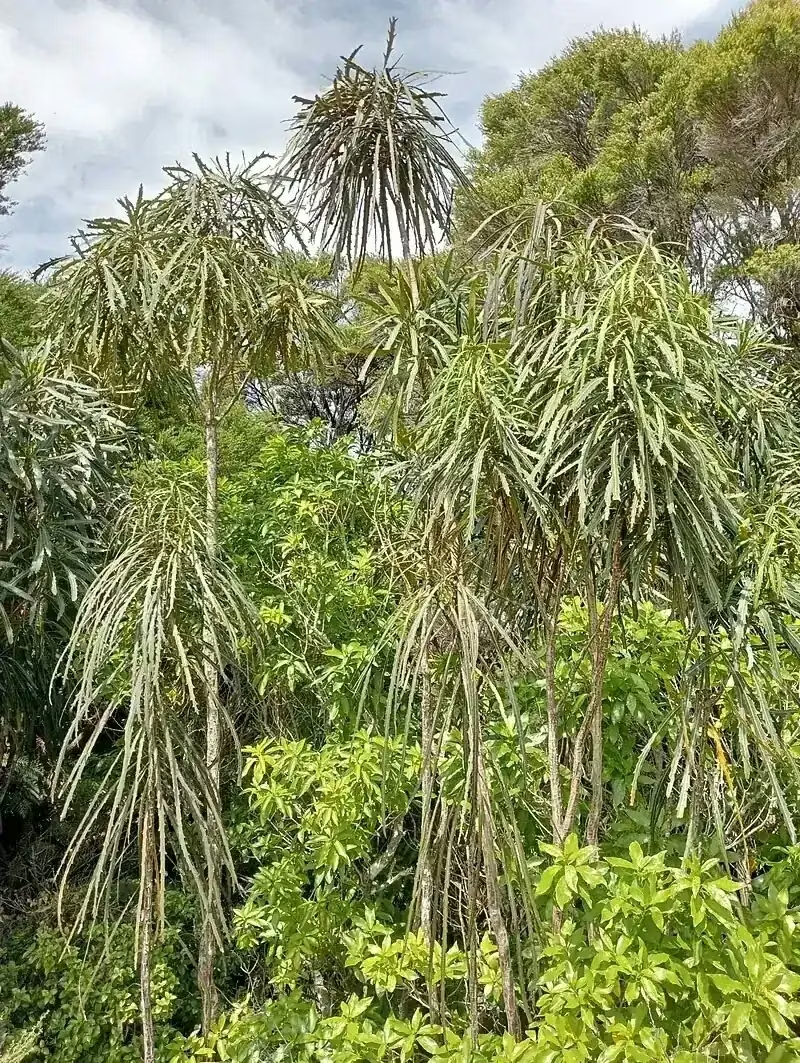
Lancewood
Lancewood
Toothed Lancewood
Toothed Lancewood
Plant Conservation
Pseudopanax discolor was ranked At Risk - Declining in 2023 with the qualifier DPT (data poor: trend), having been Not Threatened in 2017. NZPCN still describes it as a common component of coastal and lowland forest, and the specific cause of the decline is not explained in the sources consulted.
Protecting northern coastal and lowland forest remnants, controlling browsing pests and using eco-sourced plants in restoration all support the species.
Frequently Asked Questions
What does discolor mean in Pseudopanax discolor?
The epithet refers to the different colours of the two leaf surfaces: bronze, dark or yellowish green above and paler purplish green below.
How do you tell Pseudopanax discolor from five finger?
It is often confused with five finger (Pseudopanax arboreus), which usually has five larger leaflets. P. discolor has smaller, narrower, sharply toothed leaflets, typically three to five, and brittle, fleshy branchlets.
Where does Pseudopanax discolor grow naturally?
It is endemic to the northern North Island, from Northland south to the upper Waikato, in coastal and lowland forest and shrubland up to about 750 m.
Is Pseudopanax discolor good for hedging?
It is a bushy, shade, wind and coastal tolerant shrub with coloured foliage, which makes it useful for informal hedges and screens in northern gardens.
Sources and Further Reading
The botanical, growing, and conservation details for Five Finger (Pseudopanax discolor) on this page draw on the New Zealand plant references below. Consult them for full technical records and the latest distribution data.