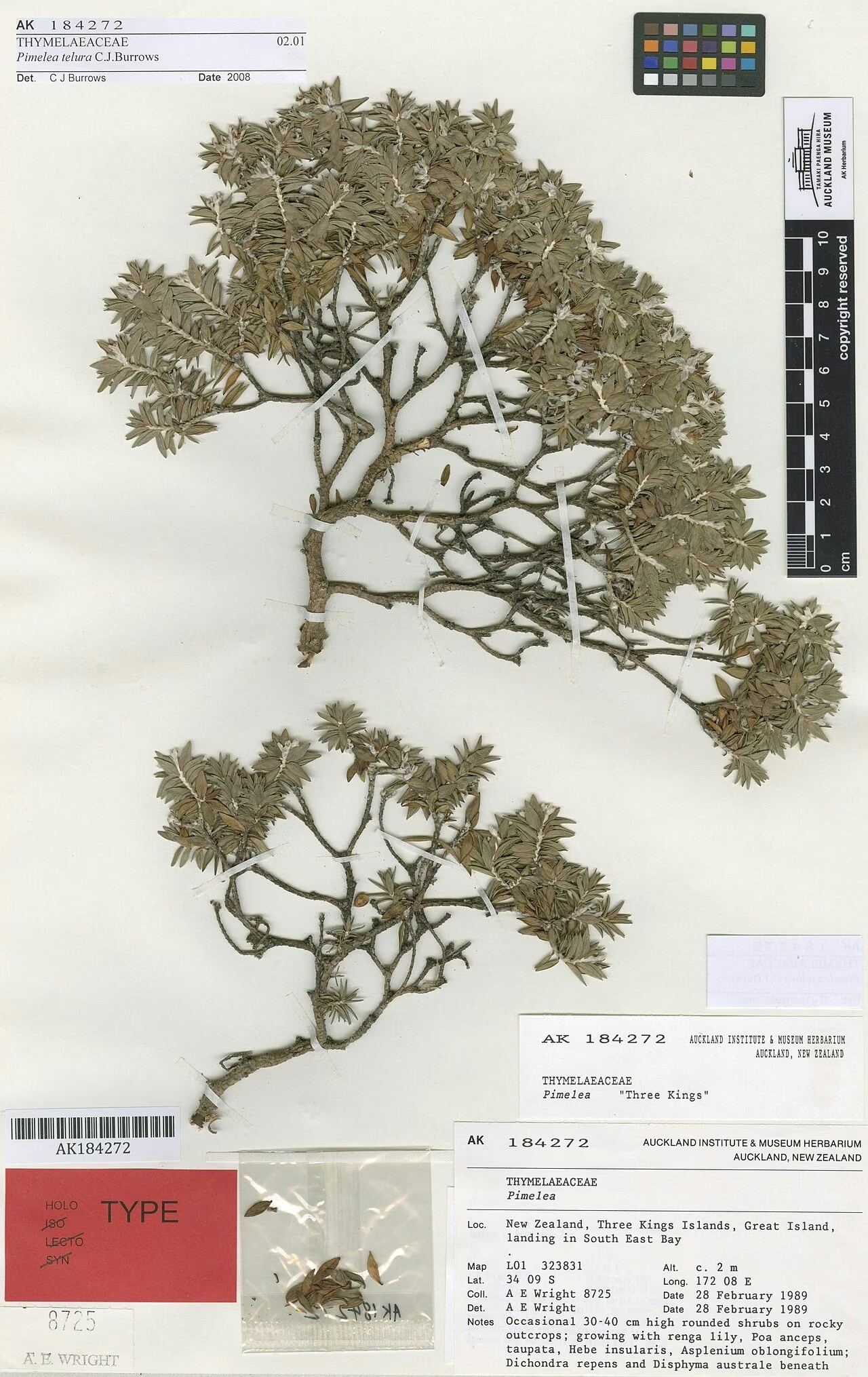
Three Kings Pimelea
Pimelea telura
Last updated:
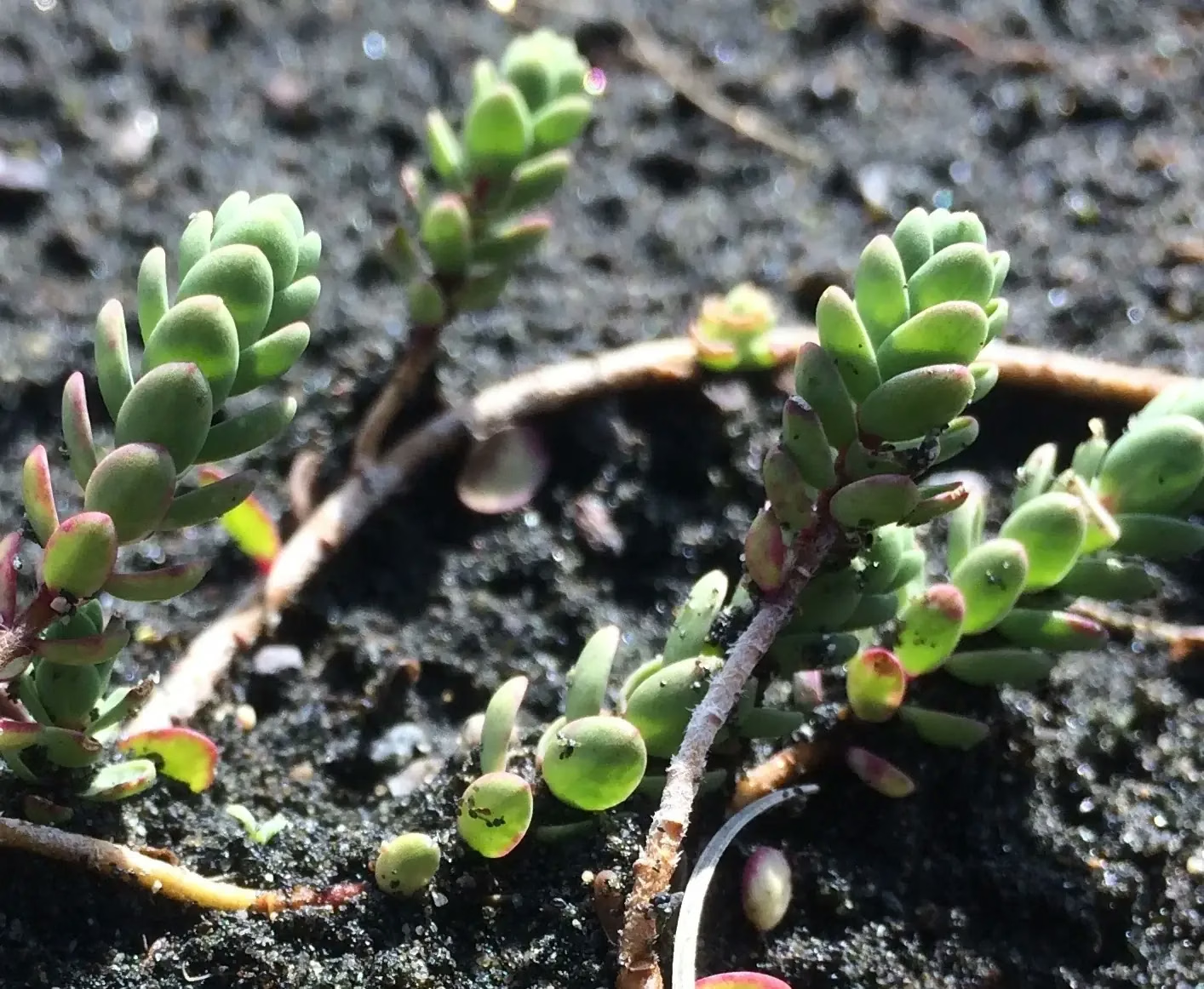
Three Kings pimelea (Pimelea telura) is a small shrub up to 1 m tall found only on the Three Kings Islands, off the northern tip of New Zealand, where it grows on Manawa Tawhi (Great Island). It has erect branches covered in white hairs, pairs of thick, fleshy, boat-shaped green leaves 8-14 mm long that stand out from the stem, hairy creamy white flowers and fleshy creamy white fruit. It grows on basalt cliffs, rubble slopes and windswept scrub. First described in 2008, it is ranked At Risk - Naturally Uncommon and is not known in cultivation. Explore more native shrubs in our native plant guide.
Plant Description
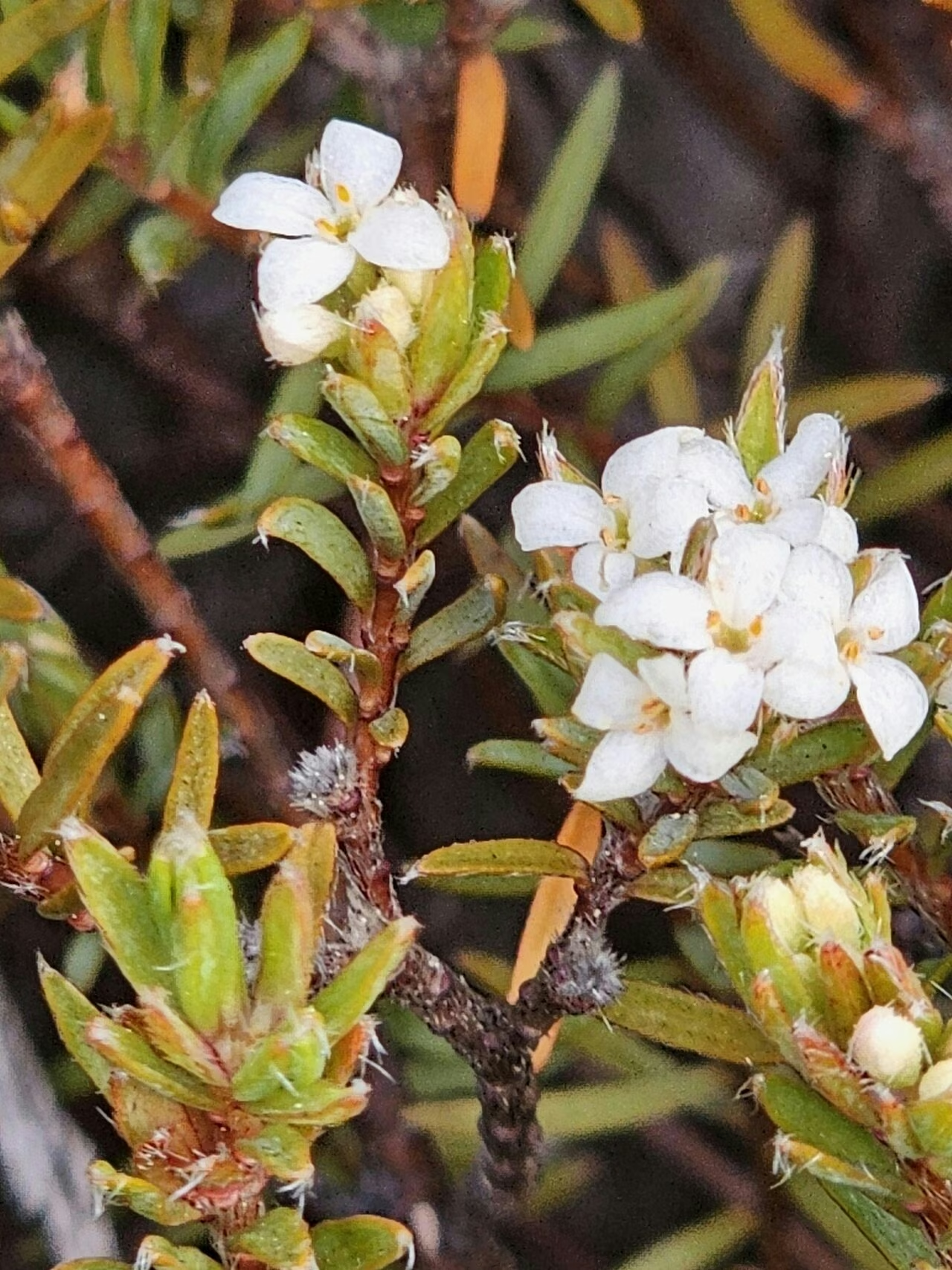
Pimelea telura is a small shrub to about 1 m tall with erect branches densely covered in white hairs. The leaves are in opposite pairs, green, thick and leathery, boat-shaped (cymbiform) and 8-14 mm long by 3-6 mm wide, and they tend to stand out from the stem rather than lie flat against it.
The flowers are creamy white, hairy and bisexual, and NZPCN notes characteristic stripes of hairs on them. Flowering and fruiting are recorded from October to July. The fruit is an ovoid, fleshy berry about 6 mm by 3 mm, creamy white and sometimes flushed with pink.
Compared with related pimeleas of the Pimelea prostrata and P. urvilleana groups, Three Kings pimelea is larger and more robust, with thicker leaves, denser hairs and bisexual cream flowers. Where it meets the P. urvilleana complex at Bald Hill, intermediate hybrid plants occur.
Quick Facts
| Scientific Name | Pimelea telura |
|---|---|
| Height | Up to 1 m |
| Spread | Compact; erect branching |
| Water Needs | Low; a cliff and rubble plant |
| Light | Full sun |
| Frost Tolerance | Not recorded; grows in a frost-free island climate |
| Salt Tolerance | High; grows on exposed coastal cliffs |
| Growth Rate | Not recorded in cultivation |
| Lifespan | Perennial |
Climate Best Suited to
Its home is a mild, frost-free, windy oceanic island climate with salt-laden air. It is not known how it would cope with mainland conditions, and attempts to grow it have been short-lived.
Regional Suitability
| City | Climate Suitability |
|---|---|
| Auckland | Low |
| Wellington | Low |
| Christchurch | Low |
| Dunedin | Low |
Plant Habitat
Three Kings pimelea is endemic to the Three Kings Islands (Manawa Tawhi), about 55 km northwest of Cape Reinga, and is recorded from Great Island.
It grows on basalt cliffs, rubble slopes and deeply weathered basaltic soils, in sparsely vegetated sites or in low, windswept scrub alongside kahikatoa (mānuka), Hebe insularis, taupata (Coprosma repens) and ferns.
Growing Requirements
Soil Requirements
In the wild it grows on basalt rubble and weathered basaltic soils that drain freely.
- Rocky, free-draining basaltic ground
- Sparse vegetation and low competition
- Garden soil requirements are untested
Light Requirements
Its cliff and rubble-slope habitat is open and fully exposed to sun and wind.
- Full sun
- Open, exposed sites
Water Requirements
Cliff and rubble habitats dry out quickly, so it is adapted to free drainage rather than constant moisture.
- Relies on rain and sea mist in the wild
- Waterlogging is likely to be harmful
Planting and Establishing
This species is not available for planting and NZPCN reports that it rarely survives more than a year or two in cultivation. The Three Kings Islands are a nature reserve with strictly controlled access, so the plant should be appreciated in its island home.
Gardeners wanting a similar look can grow commercially available coastal pimeleas such as Pimelea prostrata, which suit sunny, well-drained rock gardens.
Ecological Role
The fleshy white fruit are likely eaten by lizards and birds on the islands, which would spread the seed, as is thought for other fleshy-fruited pimeleas; no dispersal study of this species was found. Its cream flowers are likely visited by insects.
It is part of the distinctive Three Kings flora, which recovered strongly after feral goats were removed from Great Island in 1946, allowing low scrub and open-ground plants to regenerate.
Uses & Significance
Garden Uses
It has no current garden use because it is not in cultivation.
- Not commercially available
- Short-lived when grown away from the islands
- Of interest mainly to botanists and conservation programmes
Ecological Value
It is one of many plants found nowhere else but the Three Kings Islands.
- Island endemic shrub
- Fleshy fruit for island fauna
- Part of windswept cliff and scrub communities
Landscaping Uses
No landscaping use is possible because the plant is not grown in cultivation.
For a coastal rock garden with a similar feel, use other fleshy-leaved pimeleas alongside taupata and coastal hebes.
Seasonal Care Calendar
Spring
Flowering begins in October as new shoots grow.
- Cream flowers appear at the branch tips
Summer
Plants continue to flower and creamy white fruit develop.
- Flowers and fruit may be present together
Autumn
Fruiting continues, with some fruit flushed pink.
- Fruit are available to lizards and birds
Winter
The long flowering and fruiting season extends to July in the mild island climate.
- Plants endure winter gales on exposed cliffs
When to Prune and How Much
Wild plants are never pruned. If plants are held for conservation purposes, only dead or damaged shoots should be removed.
Heavy pruning is unwise for any pimelea because they regrow slowly from older wood.
How to Grow Three Kings Pimelea
Three Kings pimelea is not known from cultivation, and NZPCN states that plants rarely persist for longer than one to two years when grown. No reliable propagation protocol has been published, so the notes below describe the methods generally used for fleshy-fruited New Zealand pimeleas and should be treated as untested for this species. Because the Three Kings Islands are a strictly protected nature reserve, any collection of seed or cuttings can only be done under permit as part of an approved conservation or research programme.
From Cuttings
Related pimeleas root readily from semi-hardwood cuttings, and this is the most likely way to establish material for ex situ conservation. Long-term survival rather than rooting appears to be the main difficulty with this species. Any rooted plants should be kept in conditions as close as possible to an exposed, sunny, salt-washed cliff rather than a sheltered nursery.
- Take short semi-hardwood tips only under permit
- Insert into a very free-draining mix of pumice and grit
- Keep frost-free, bright and well ventilated
- Pot on into a lean, rocky mix with excellent drainage
From Seed
The fleshy fruit ripen over a long season from spring to winter. Seed of other pimeleas is often slow and erratic to germinate, so fresh seed and patience are needed.
- Clean the flesh from ripe fruit
- Sow fresh on a gritty seed mix
- Keep in a frost-free, sheltered place
- Record germination and survival to build knowledge of the species
Pests & Diseases
No pests or diseases are recorded for this species. The short life of cultivated plants has not been attributed to any particular pest in the sources consulted.
On the islands, NZPCN notes no obvious threats. Introduced animals or weeds reaching Great Island would be the most serious potential risk to its whole population.
Cultural Significance
No Māori name or traditional use is recorded for Pimelea telura in the sources consulted.
The islands are known in Māori as Manawa Tawhi. The species was described by the botanist Colin Burrows in 2008 as part of his revision of New Zealand pimeleas, which recognised several previously overlooked species.
Bonus Tip
If you see a Three Kings pimelea photograph online, check the leaves: thick, boat-shaped, white-hair-fringed leaves sticking out from erect, hairy stems separate it from the flatter-leaved mainland pimeleas. Mixed-looking plants from Bald Hill may be hybrids.
Related Plants
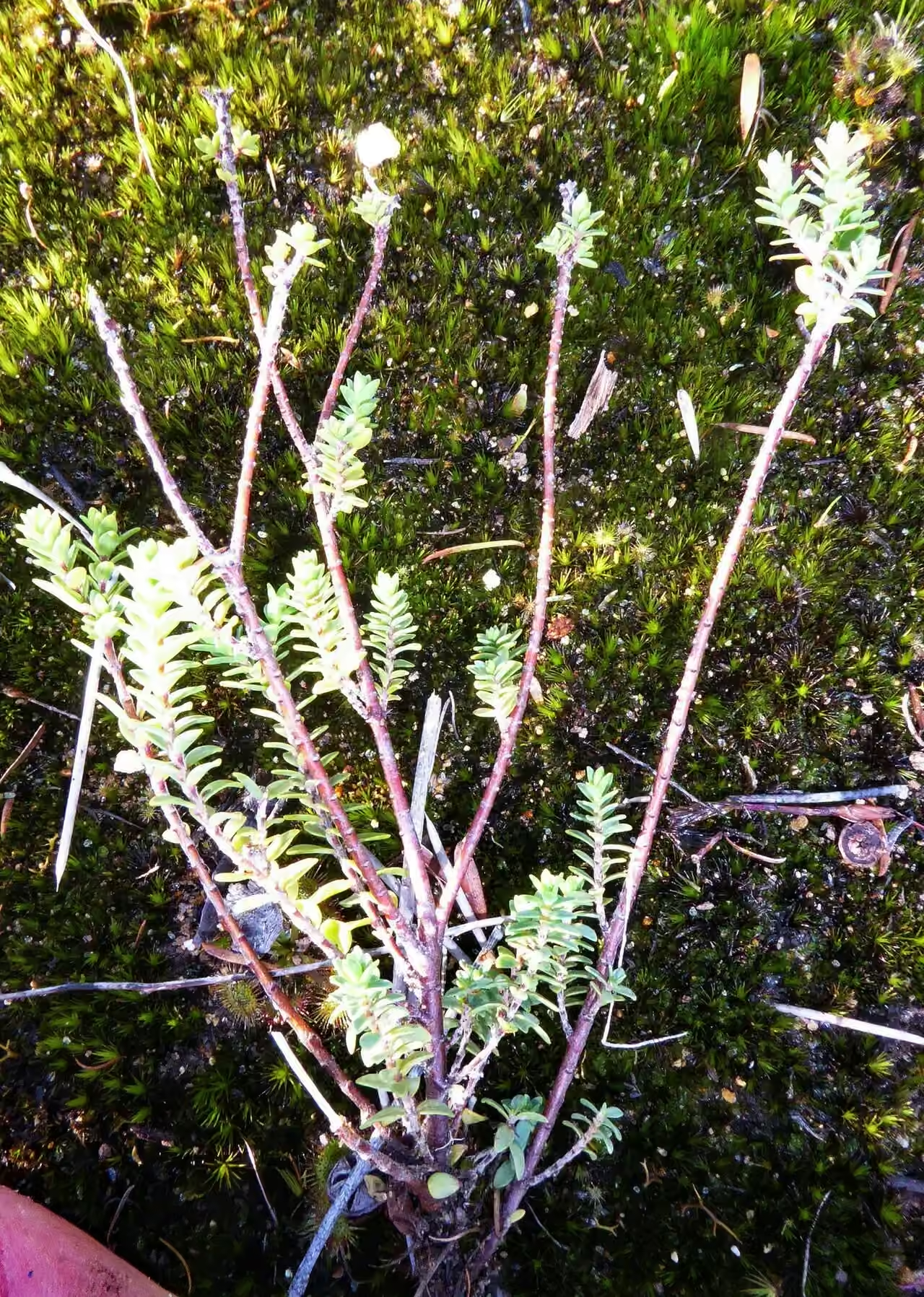
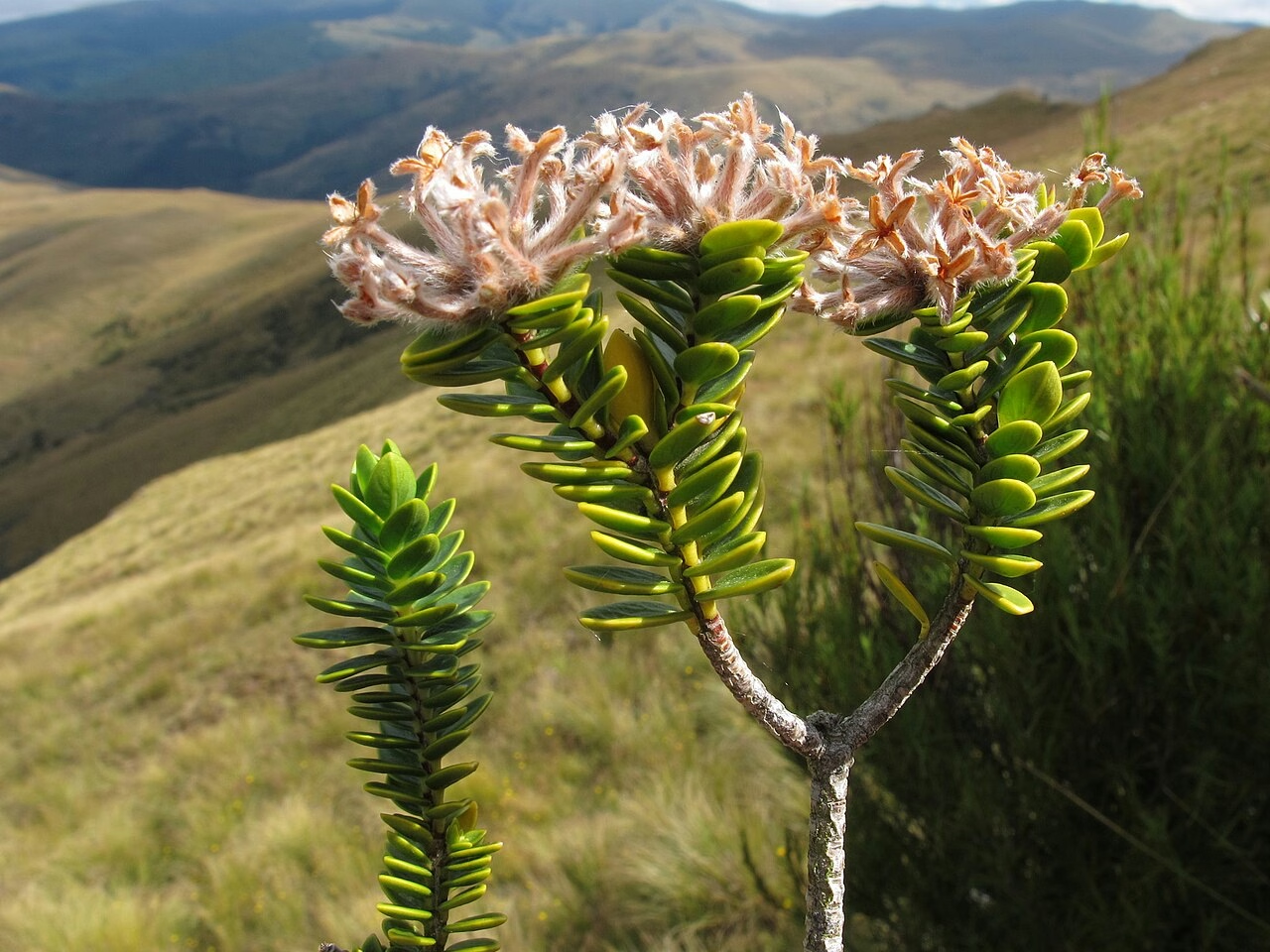
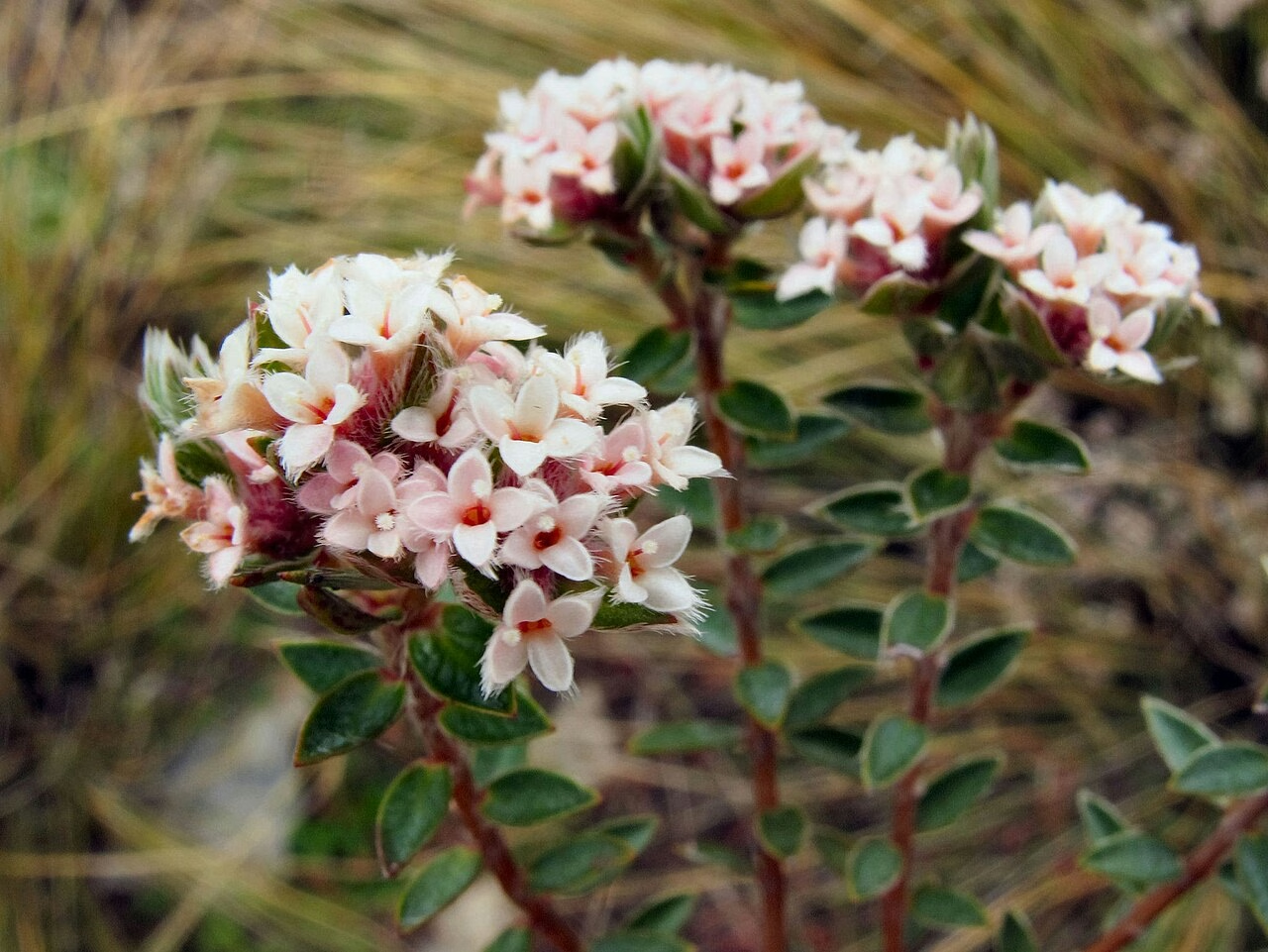
Explore other native plants that share similar characteristics or habitats with Three Kings Pimelea (Pimelea telura), offering further insights into New Zealand's diverse flora. These related species provide context and opportunities for complementary planting in your garden.
Plant Conservation
Pimelea telura is ranked At Risk - Naturally Uncommon (2023) with the qualifier Island Endemic. Its whole natural range lies on the Three Kings Islands, and NZPCN describes it as a range-restricted island endemic with no obvious threats.
The islands are a nature reserve with tightly controlled landings and strict biosecurity. Keeping pests and weeds off Great Island is the most important protection for this and the other Three Kings endemics.
Frequently Asked Questions
Where does Three Kings pimelea grow?
It is endemic to the Three Kings Islands and grows on Manawa Tawhi (Great Island) on basalt cliffs, rubble slopes, weathered basalt soils and in low windswept scrub.
Can you buy Pimelea telura for the garden?
No. NZPCN says it is not known from cultivation and that plants grown off the islands rarely persist for longer than one or two years.
Does Pimelea telura hybridise with other pimeleas?
Yes. NZPCN records hybrids between Pimelea telura and members of the Pimelea urvilleana complex at Bald Hill on Great Island.
Sources and Further Reading
The botanical, growing, and conservation details for Three Kings Pimelea (Pimelea telura) on this page draw on the New Zealand plant references below. Consult them for full technical records and the latest distribution data.