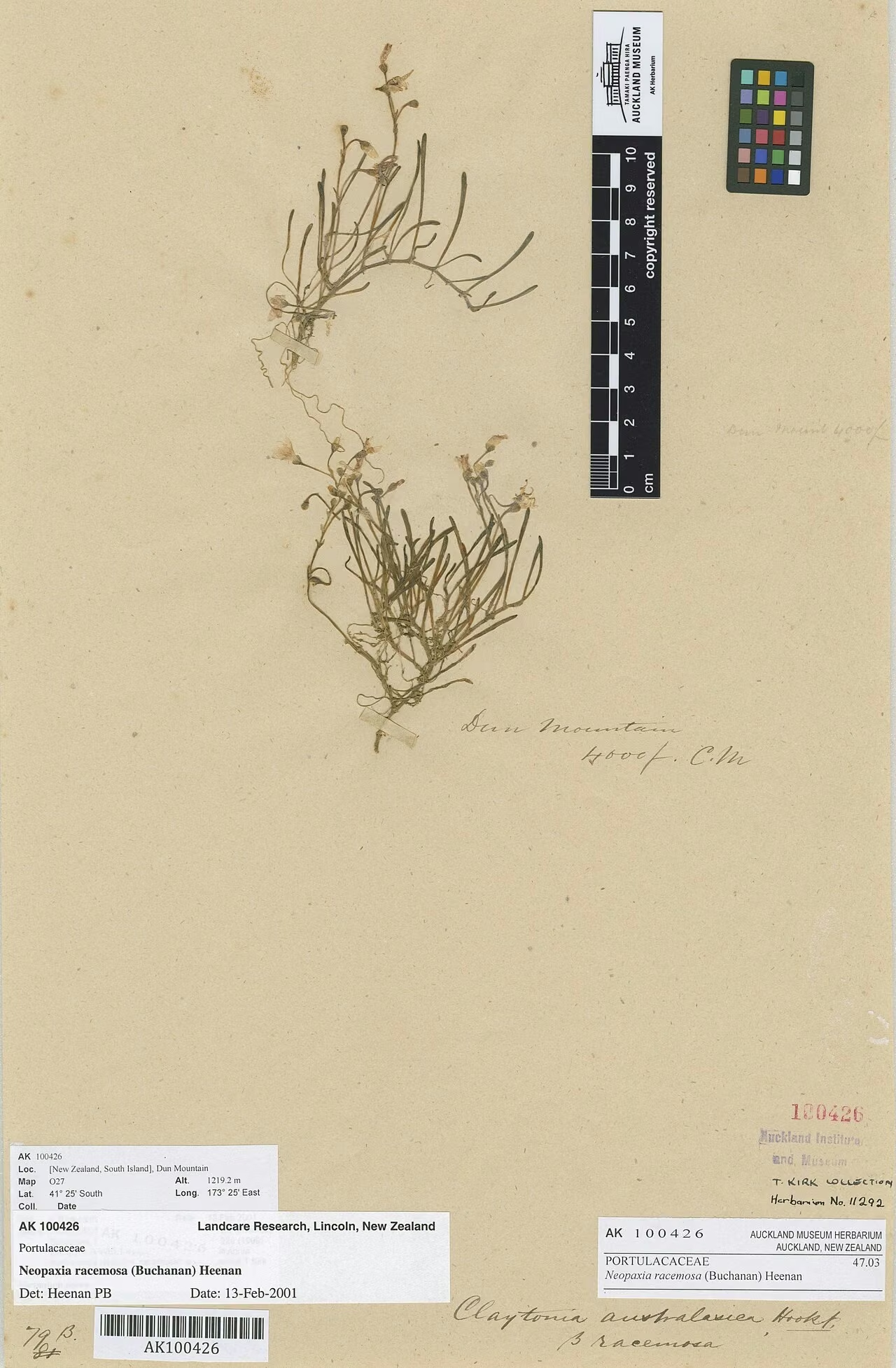
Montia
Montia racemosa
Last updated:
Montia racemosa is a small endemic herb confined to the ultramafic mineral belt of Nelson and Marlborough, where it grows on serpentine screes such as those of Dun Mountain and the Red Hills. Unlike most of its relatives it usually forms loose, sparse tufts up to 40 cm across rather than dense mats. Its leaves are narrow, up to 30 mm long, and from November to January it carries white flowers flushed pink, 8 to 12 mm across. Because it is restricted to these unusual metal-rich soils, it is ranked At Risk - Naturally Uncommon. Explore more native ground covers in our native plant guide.
Plant Description
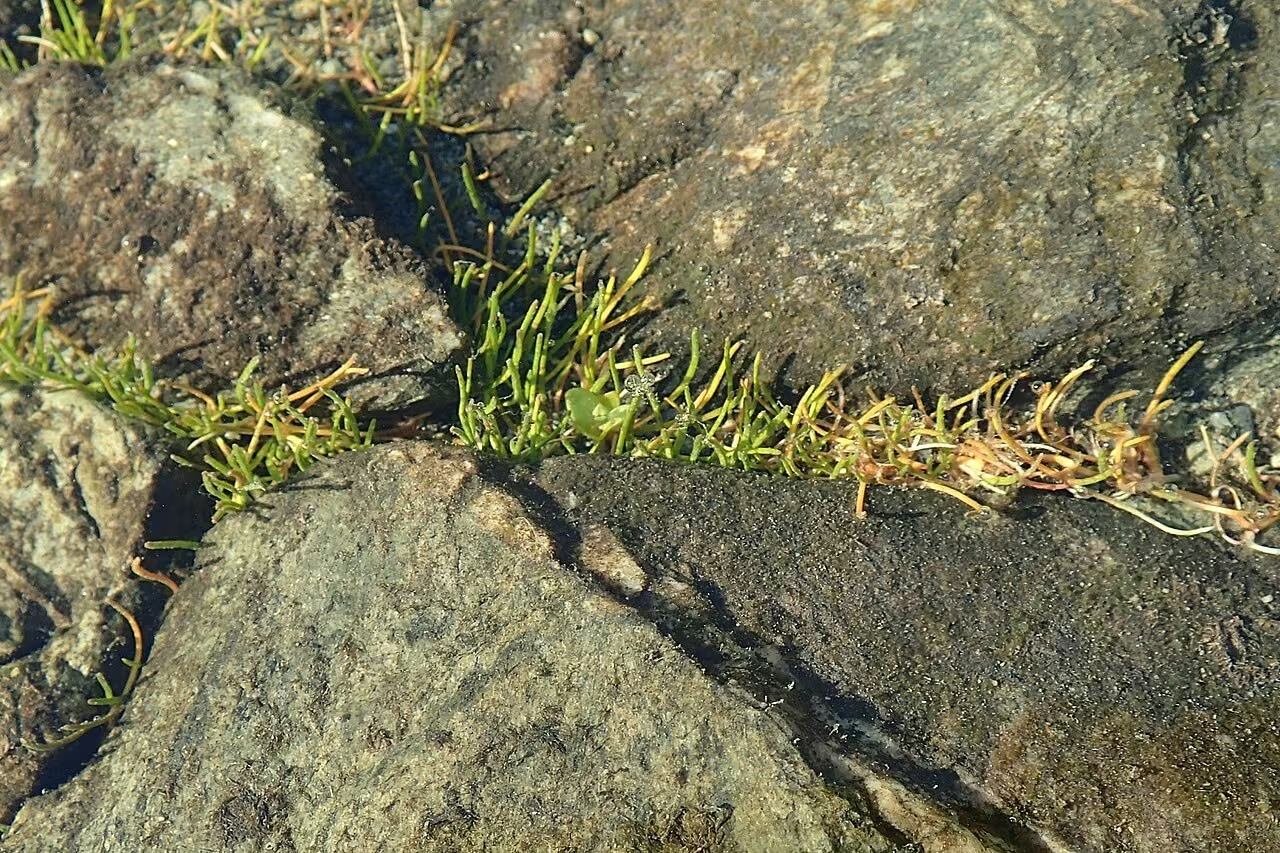
Montia racemosa is a herb up to 40 cm in diameter that forms loose, sparse tufts and only rarely compact mats. Its leaves are up to 30 mm long and about 1.8 mm wide, narrowly elliptic to lanceolate.
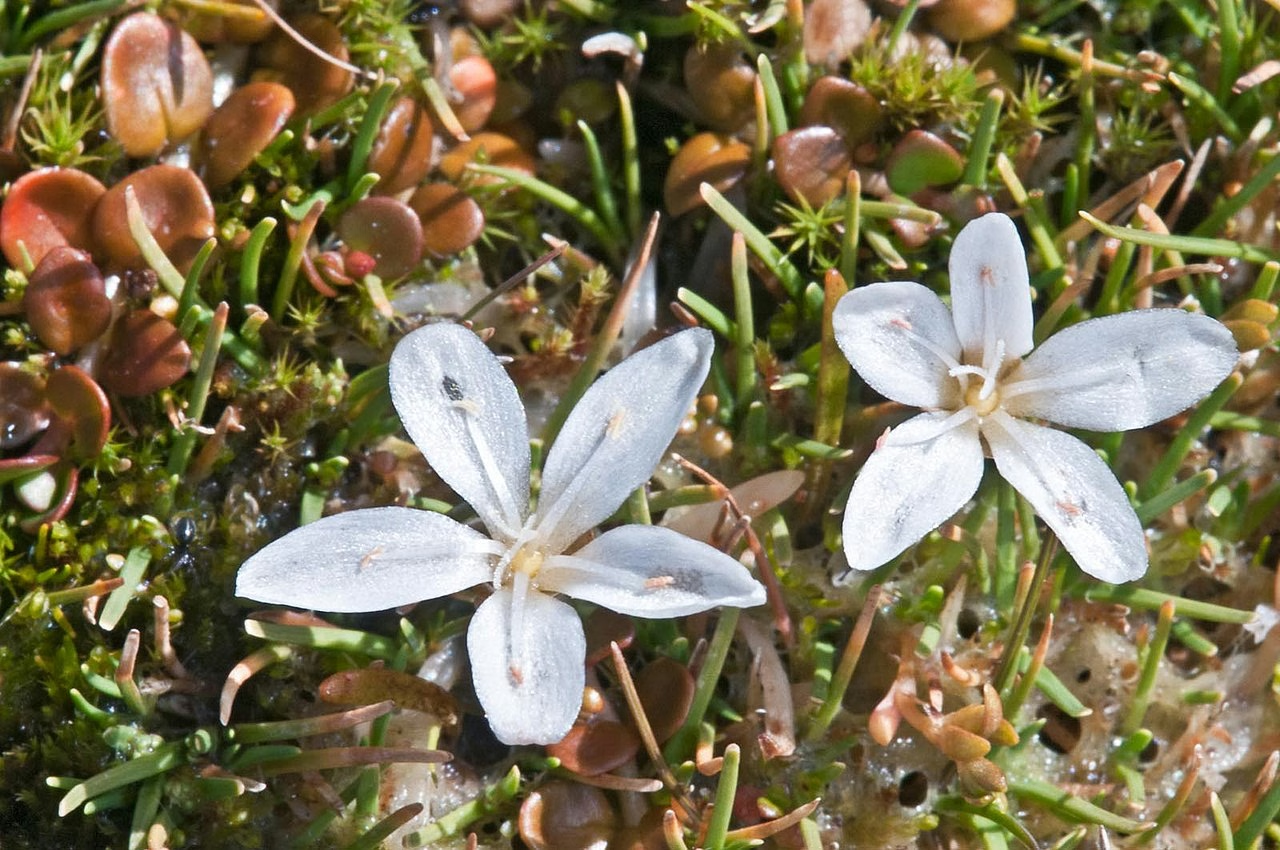
The flowers are 8 to 12 mm in diameter with white tepals flushed pink, and the epithet racemosa, meaning raceme-bearing, refers to the arrangement of its flowers. It flowers from November to January and fruits from December to March. The seeds are 1.2 to 1.4 mm long by 1.1 to 1.2 mm wide, slightly to moderately wrinkled and dark brown.
Its sparse, tufted habit and ultramafic scree habitat help distinguish it from mat-forming relatives such as Montia sessiliflora, which has broad spathulate leaves, and M. angustifolia, which has strictly linear leaves and much smaller seeds and grows on lakeshore turf.
Quick Facts
| Scientific Name | Montia racemosa |
|---|---|
| Height | Low tufts, under 0.1 m |
| Spread | Loose tufts up to 0.4 m across |
| Water Needs | Moist scree; free-draining |
| Light | Full sun on open scree |
| Frost Tolerance | High; a montane plant |
| Salt Tolerance | No information available |
| Growth Rate | No information available |
| Lifespan | Perennial |
Climate Best Suited to
It grows in the cool montane climate of the Nelson and Marlborough ranges, with cold winters and dry, sunny summer spells on exposed scree.
Regional Suitability
| City | Climate Suitability |
|---|---|
| Auckland | Low |
| Wellington | Low |
| Christchurch | Low |
| Dunedin | Low |
Plant Habitat
Montia racemosa is endemic to the northern South Island. Its lectotype comes from Dun Mountain near Nelson, and herbarium specimens record it on serpentine scree in the Mineral Belt along the Dun Mountain Track (about 823 m) and on ultrabasic screes near Coads Creek in the Bryant Range. iNaturalist NZ observations extend this to the Richmond Range, Mt Richmond Forest Park and the Red Hills near St Arnaud and the Wairau Valley.
These sites lie on the ultramafic mineral belt, rocks high in iron, magnesium, nickel, chromium and cobalt that produce sparse, stunted vegetation. The open screes and stony ground provide the low-competition conditions this small herb needs.
Growing Requirements
Soil Requirements
It grows on ultramafic (serpentine) scree and stony ground with unusual, metal-rich chemistry.
- Free-draining rocky scree
- Ultramafic, low-nutrient substrate
- Unstable, sparsely vegetated ground
Light Requirements
The vegetation on mineral belt screes is very open, so the plant grows in full sun.
- Full sun
- No overhead cover
Water Requirements
Scree drains quickly, so it relies on rainfall and moisture held between stones.
- Moist but sharply drained
- Avoid waterlogging in cultivation
Planting and Establishing
No cultivation guidance specific to Montia racemosa has been published. Given its habitat, a deep pot or alpine trough of gritty, stony mix in full sun, kept evenly moist, is the most likely to succeed.
Wild plants must not be collected. Its restricted range makes it a candidate only for conservation collections working with the Department of Conservation.
Ecological Role
Montia racemosa is one of a suite of plants able to cope with the toxic metals and low nutrients of the Nelson mineral belt. The sparse vegetation of these screes means it competes with few other plants.
Pollination and seed dispersal of this species have not been studied in the sources consulted. Its open flowers are presumably visited by small insects.
Uses & Significance
Garden Uses
Of interest mainly to alpine and ultramafic plant specialists.
- Alpine troughs of gritty mix
- Conservation collections of mineral belt endemics
Ecological Value
It is part of the distinctive endemic flora of the Nelson ultramafic belt.
- Contributes to a nationally significant serpentine plant community
- Colonises unstable scree
Landscaping Uses
It has no established landscaping role. In a specialist rock garden it could be displayed in a raised scree bed alongside other mineral belt plants.
The best way to appreciate it is on the Dun Mountain Track or in the Red Hills in early summer.
Seasonal Care Calendar
Spring
New growth appears as snow clears from the screes.
- Keep cultivated plants evenly moist
Summer
Pink-flushed white flowers open from November to January.
- Look for it on the Dun Mountain Track
Autumn
Capsules ripen by March and release dark brown seed.
- Seed collection only with permission
Winter
Plants are dormant or slow-growing under cold conditions.
- Protect pots from waterlogging
When to Prune and How Much
No pruning is needed.
Keep any competing weeds away from cultivated plants, and avoid disturbing the roots in stony mix.
How to Grow Montia
No propagation information has been published specifically for Montia racemosa. NZPCN records that the related M. angustifolia grows easily from division of whole plants and from seed, and these are the methods most likely to work here, although this species' dry, stony habitat means a gritty, free-draining mix is needed rather than pots standing in water. Propagation should be limited to conservation purposes using material collected with permission from the landowner or the Department of Conservation. Growers should record the source of every plant, and a mix containing some crushed ultramafic rock, where it can be obtained legally, may better imitate its natural substrate, though this has not been tested for this species.
From Seed
Seed ripens from December to March. Its relatively large seeds, 1.2 to 1.4 mm long, are easier to handle than those of other New Zealand Montia.
- Collect ripe capsules as they dry
- Sow on a gritty, free-draining seed mix and cover very lightly
- Keep evenly moist in a cool, bright place
- Pot seedlings individually into stony mix once established
By Division
Because it often forms loose tufts rather than dense mats, divisions may be few, but older tufted plants with several rooted crowns can be separated.
- Divide in spring when growth begins
- Ease rooted crowns apart with minimal root damage
- Replant in gritty, low-fertility mix
- Water in and keep moist but not wet until established
Pests & Diseases
No pests or diseases are recorded for this species.
In cultivation, rotting from waterlogged mix is the most likely problem for a scree plant, so drainage should be sharp.
Cultural Significance
No Māori name or traditional Māori use specific to Montia racemosa is recorded in the sources consulted.
It was first described by John Buchanan as Claytonia australasica var. racemosa from Dun Mountain material, later raised to species rank by Peter Heenan in Neopaxia and then moved to Montia. The genus honours Italian botanist Giuseppe Monti (1682 to 1760).
Bonus Tip
When looking for this plant on the Dun Mountain Track, scan the reddish-orange serpentine screes rather than the forest edges; its sparse tufts of narrow leaves stand out best when the pink-flushed flowers are open in early summer.
Related Plants
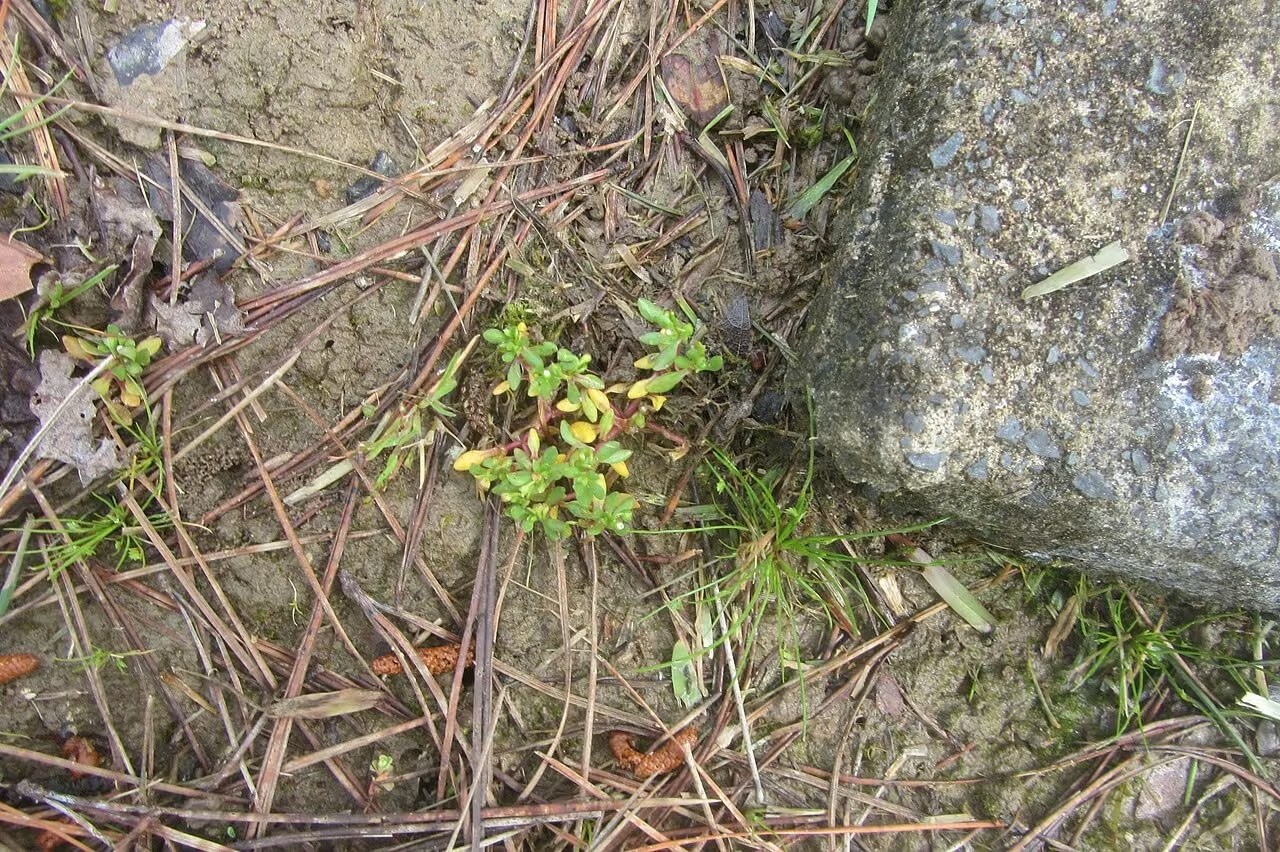
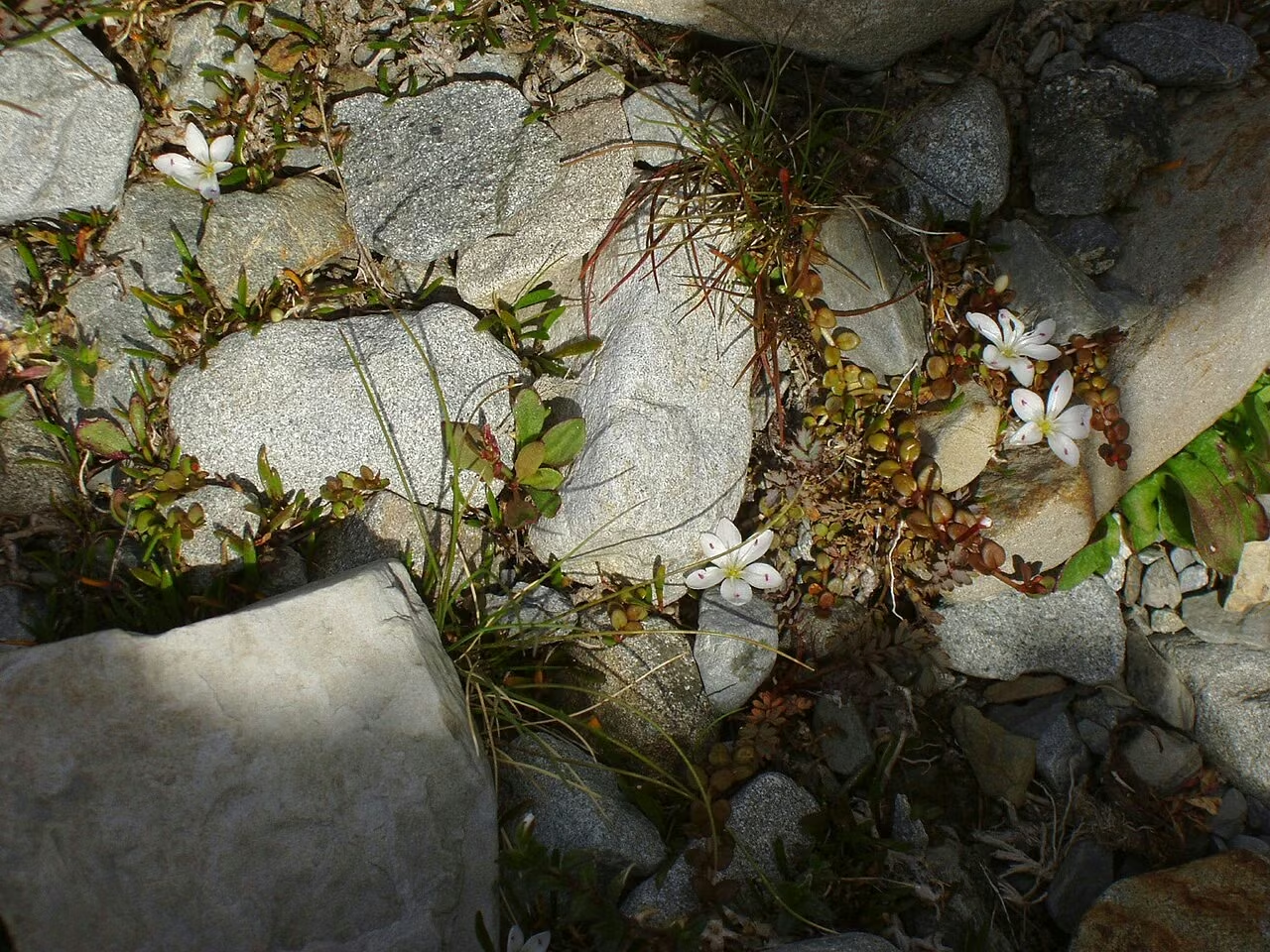
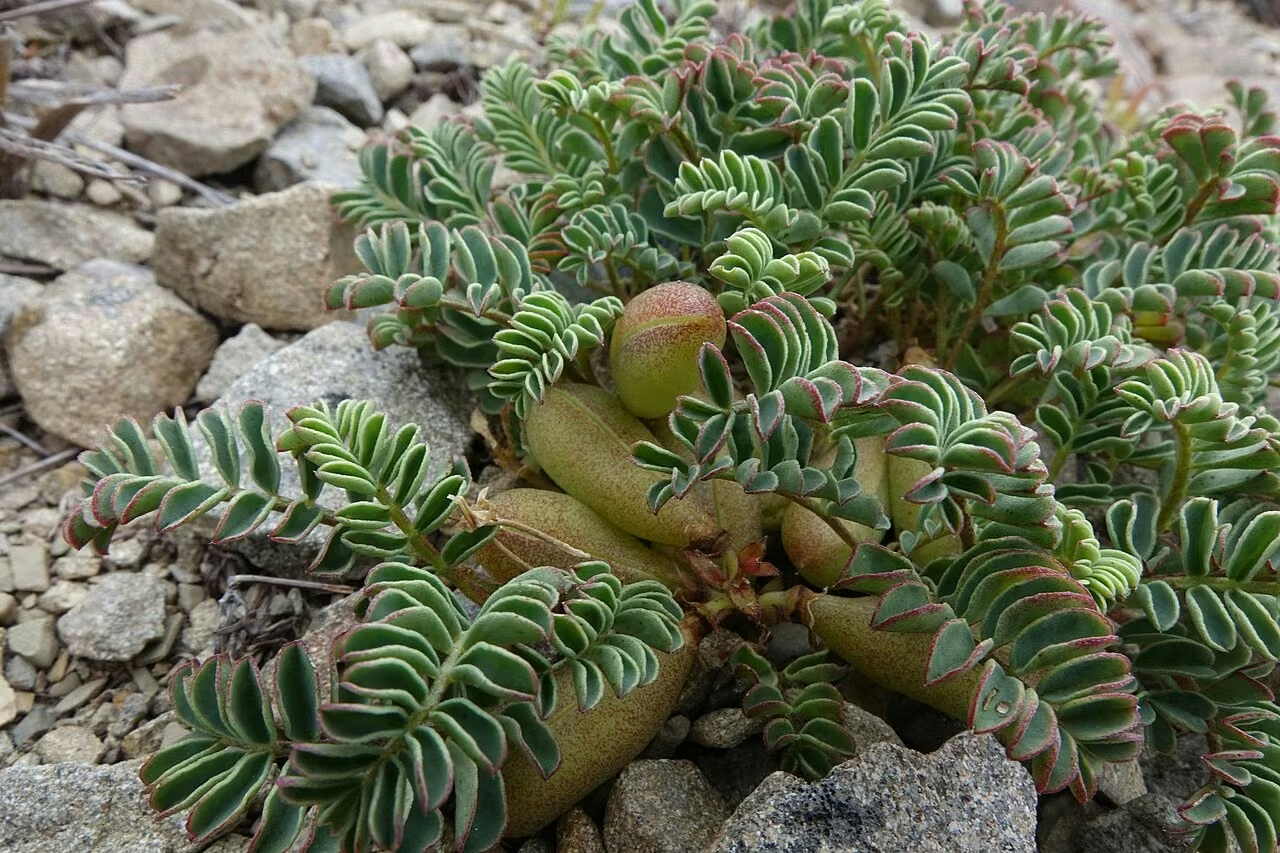
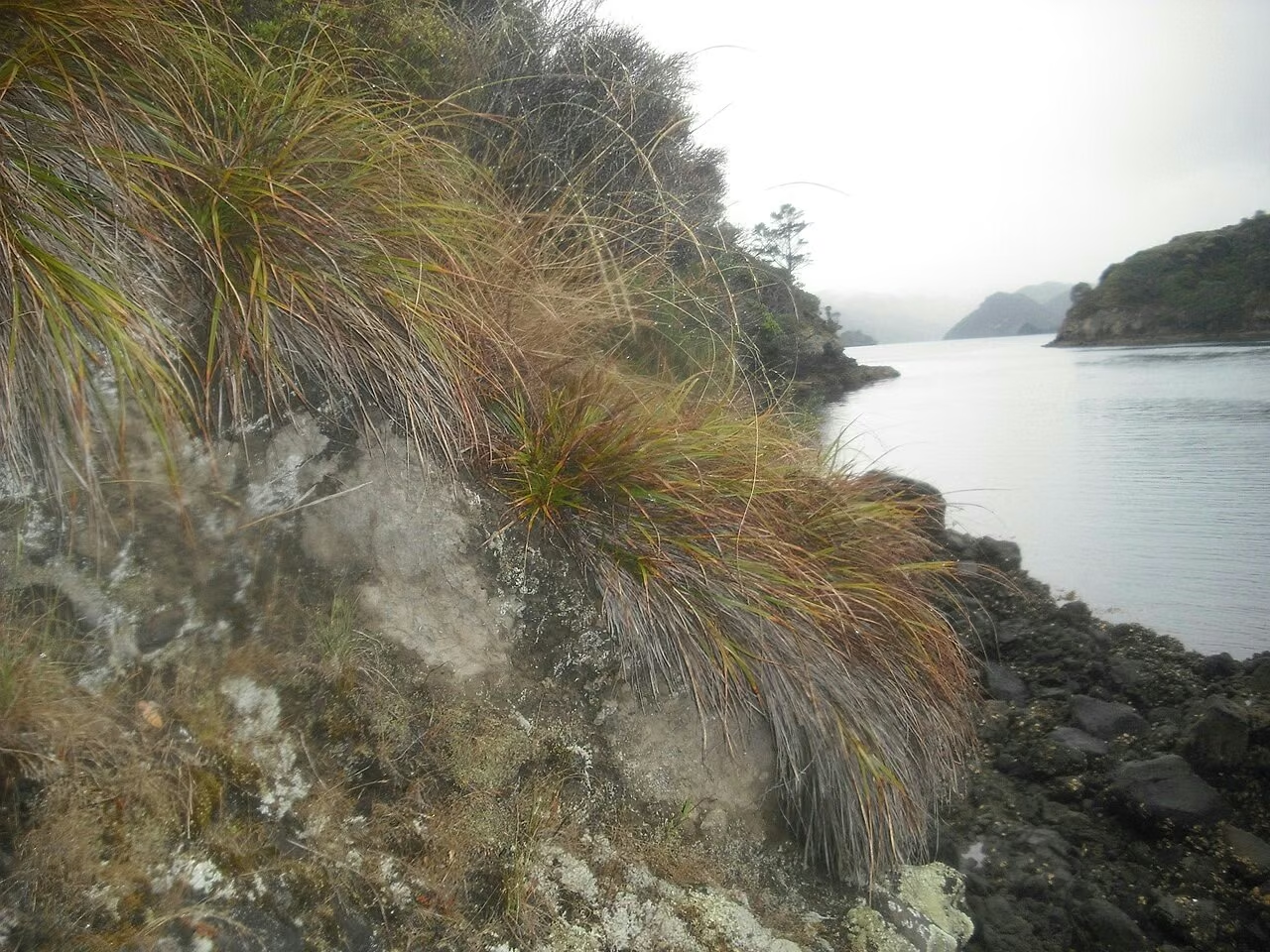
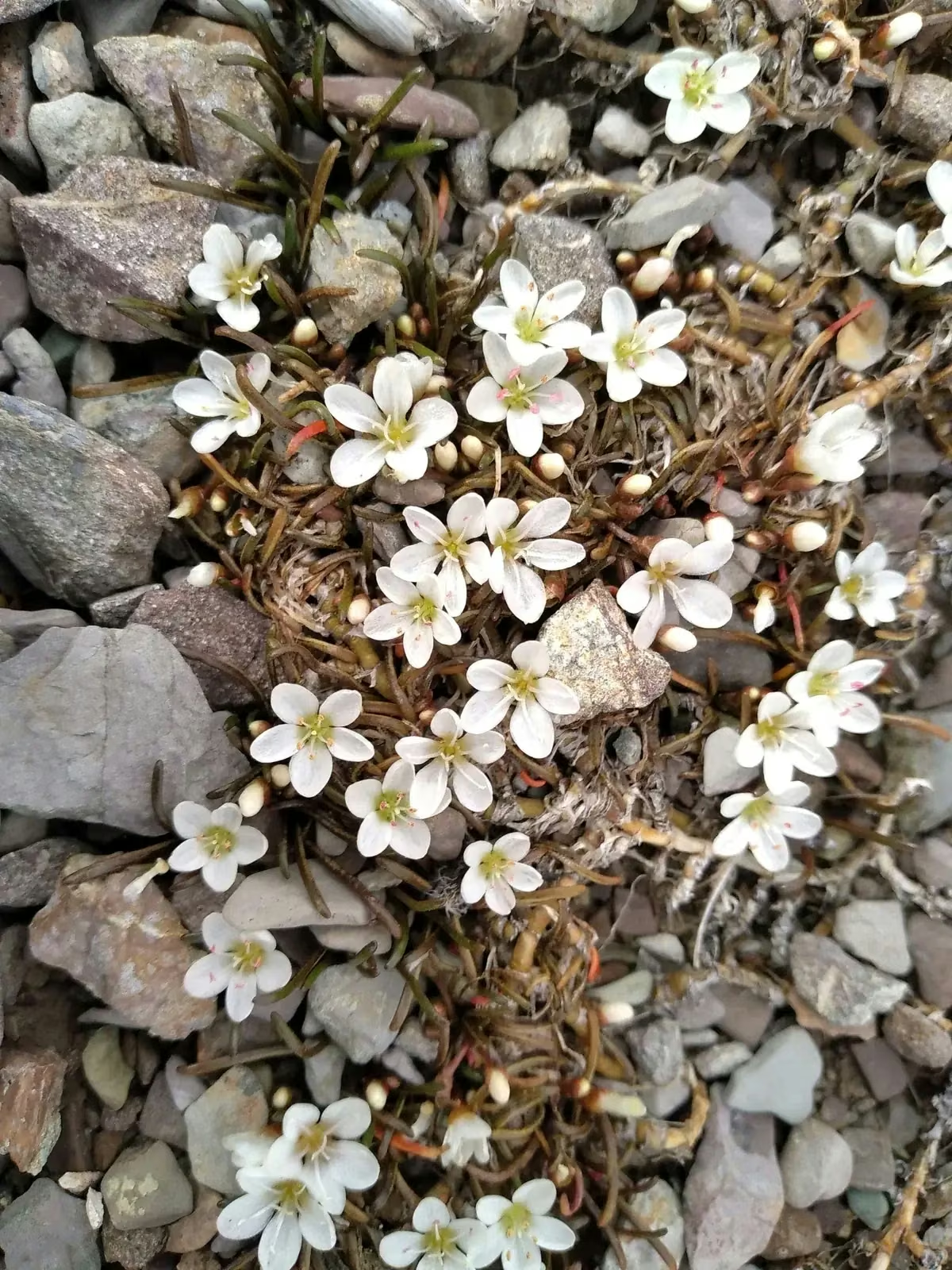
Explore other native plants that share similar characteristics or habitats with Montia (Montia racemosa), offering further insights into New Zealand's diverse flora. These related species provide context and opportunities for complementary planting in your garden.
Plant Conservation
Montia racemosa has been ranked At Risk - Naturally Uncommon since 2009 (Range Restricted from 2004), currently with the qualifiers RR and Sp. Its narrow range on the Nelson mineral belt is natural rather than the result of decline.
Keeping weeds off the ultramafic screes and avoiding disturbance to known sites help protect it.
Frequently Asked Questions
Where does Montia racemosa grow?
It is restricted to the ultramafic mineral belt of Nelson and Marlborough, with herbarium records from serpentine screes on Dun Mountain and the Bryant Range and observations from the Richmond Range and Red Hills.
Why does Montia racemosa grow on ultramafic rock?
Ultramafic soils are rich in iron, magnesium, nickel and chromium and toxic to many plants, so tolerant specialists like this Montia face little competition on the open screes.
How is Montia racemosa different from other New Zealand Montia?
It usually forms loose, sparse tufts rather than compact mats, has narrow elliptic to lanceolate leaves up to 30 mm long, pink-flushed white flowers and relatively large seeds 1.2 to 1.4 mm long.
Is Montia racemosa threatened?
It is ranked At Risk - Naturally Uncommon with the Range Restricted and Sparse qualifiers, because it naturally occupies only a small area of specialised habitat.
Sources and Further Reading
The botanical, growing, and conservation details for Montia (Montia racemosa) on this page draw on the New Zealand plant references below. Consult them for full technical records and the latest distribution data.