Scree Pea
Montigena novae zelandiae
Last updated:
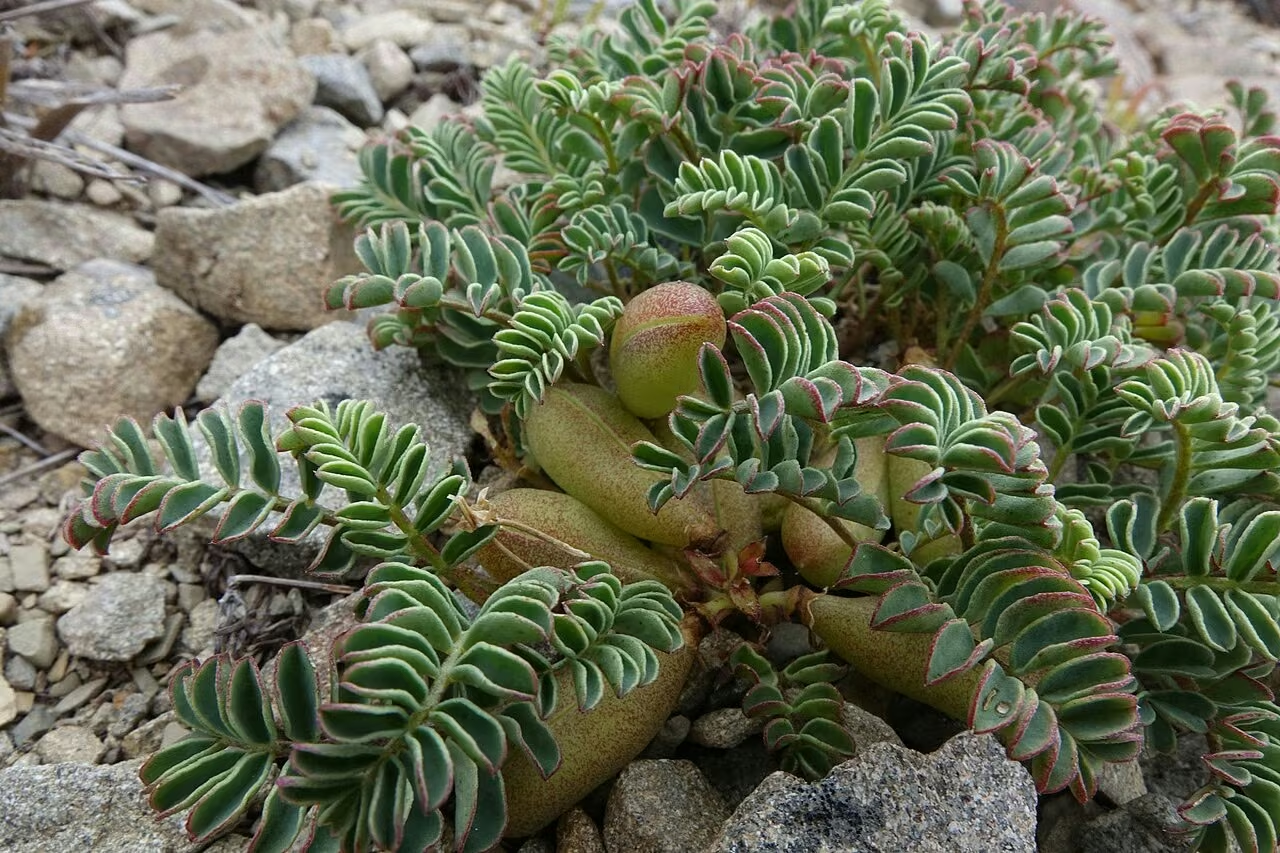
Scree pea (Montigena novae-zelandiae) is a small, woody-based legume found only on the South Island, east of the Southern Alps. Thin, branched stems push up through moving greywacke scree from a deeply buried rootstock, carrying fern-like, grey-green leaves with 6-10 pairs of folded, fleshy leaflets. In summer it bears purplish, pink or golden-brown pea flowers, followed by bloated, sausage-shaped pods that turn orange-red. It is the only member of its genus, one of only a handful of native New Zealand legume genera, and is now ranked Threatened - Nationally Vulnerable. Explore more native flowering plants in our native plant guide.
Plant Description
Scree pea is a small woody subshrub. Thin, branched stems run up to the surface from a rootstock buried deep in the scree, so what shows above ground is a loose tuft of foliage rather than an obvious plant. The leaves are pinnate and fern-like, with 6-10 pairs of opposite, folded, fleshy leaflets about 7 x 4 mm. They are grey-blue or grey-green and sometimes flushed red, which helps the plant blend in with grey greywacke stones.
Flowers are typical pea flowers about 2 cm long, carried in short racemes of up to 5-8. Their colour ranges from purple or violet to clover-pink and golden-brown. The pods that follow are its most distinctive feature: swollen, bladder-like and sausage-shaped, up to about 2 x 1 cm with strongly ridged seams, ripening orange-red and holding about ten seeds.
No other native plant of South Island screes combines fern-like compound leaves with inflated pea pods, so it is hard to confuse once seen. The native brooms (Carmichaelia) are the closest relatives in habit among NZ legumes, but they have mostly leafless green stems and very different pods.
Quick Facts
| Scientific Name | Montigena novae zelandiae |
|---|---|
| Height | Low; stems emerge a short distance above the scree surface |
| Spread | Stems spread through scree from a buried rootstock |
| Water Needs | Moist scree with free drainage |
| Light | Full sun on open scree |
| Frost Tolerance | High; a subalpine to low alpine species |
| Salt Tolerance | Low; an inland mountain plant |
| Growth Rate | Slow |
| Lifespan | Perennial |
Climate Best Suited to
It is adapted to the cold, dry-summer, snowy mountains of the eastern South Island, with hard winter frosts and strong sun on open scree.
Regional Suitability
| City | Climate Suitability |
|---|---|
| Auckland | Low |
| Wellington | Low |
| Christchurch | Low |
| Dunedin | Low |
Plant Habitat
Scree pea is endemic to the South Island, where it occurs east of the main divide of the Southern Alps; specimens are documented from areas such as the central Waitaki District. It is a plant of the subalpine and low alpine zones.
Its habitat is fine-grained, partially stable and moist greywacke scree, rock debris and gravel slopes, and it sometimes persists in depleted tussock grassland. The deep rootstock lets it survive the slow movement of scree that would bury or uproot shallow-rooted plants.
Growing Requirements
Soil Requirements
In the wild it roots deep into fine, moving greywacke scree and gravel that stays moist below the surface.
- Fine-grained greywacke scree and rock debris
- Low fertility, mineral substrate with little organic matter
- Very free drainage at the surface with moisture held at depth
Light Requirements
It grows on open, unshaded scree slopes in full mountain sun.
- Full sun
- Does not tolerate shading by taller vegetation
Water Requirements
Moisture held deep in the scree supports the plant, while the surface dries quickly.
- Moist root run at depth
- Never waterlogged
- Rain and snowmelt are the main water sources in the wild
Planting and Establishing
NZPCN states that scree pea is difficult to grow and should not be removed from the wild, so it is not a plant for ordinary gardens. Digging it up is almost certain to fail, because the rootstock is deeply buried in scree and the fragile stems snap off well above it.
Any cultivation should be left to specialist growers or conservation programmes working with legally obtained seed. Those attempting it generally use deep containers or raised scree beds of coarse gravel to imitate the deep, freely drained root run of its natural habitat.
Ecological Role
Scree pea is one of the few plants able to colonise the unstable, fine screes of the eastern South Island mountains, and it shares this habitat with other scree specialists. Like other legumes it is likely to form root nodules with nitrogen-fixing bacteria, which would help it grow in such nutrient-poor ground, though no study specific to this species was found.
Specific information on its pollinators and seed dispersal was not found in the sources consulted. The 2023 assessment notes recruitment failure, meaning few young plants are establishing, which is a key reason for its decline.
Uses & Significance
Garden Uses
It has essentially no place in general gardening, because it is hard to grow and wild plants must not be collected.
- Specialist alpine scree beds using legally sourced seed only
- Conservation and botanic garden collections
- Best appreciated in the wild on eastern South Island screes
Ecological Value
As a monotypic endemic genus and a scree specialist, it is a significant part of New Zealand's unique mountain flora.
- One of only a few endemic native legume genera
- Colonises unstable scree where few plants survive
- Declining species whose populations need monitoring
Landscaping Uses
Scree pea is not suitable for landscaping. Its value lies in the wild scree communities where it grows, and planting projects should focus on protecting those sites rather than moving plants into gardens.
Where an alpine garden aims to show eastern South Island scree plants, a deep bed of fine and coarse greywacke gravel in full sun is the closest imitation of its habitat, but only seed-raised plants from a conservation source should be used.
Seasonal Care Calendar
Spring
New stems push up through the scree as snow melts and the ground warms.
- Avoid walking on scree slopes where it grows
- Keep any cultivated plants moist at depth
Summer
Flowering runs from December to February, with purple, pink or golden-brown pea flowers.
- Look for the grey-green, fern-like foliage on scree
- Record sightings to help monitor populations
Autumn
Fruiting continues from January to April as the inflated pods turn orange-red.
- Do not collect wild seed without permission
- Pods are the easiest feature to spot
Winter
Above-ground growth dies back or sits dormant under snow and frost while the buried rootstock survives.
- No action needed in the wild
- Keep cultivated containers from becoming waterlogged
When to Prune and How Much
No pruning is needed. The stems are thin and arise from a buried rootstock, and cutting them would only weaken the plant.
In cultivation, simply remove dead stems once they have died back, taking care not to disturb the gravel over the rootstock.
How to Grow Scree Pea
Scree pea is difficult to propagate, and NZPCN states that it should not be removed from the wild. No detailed published propagation protocol for this species was found in the sources consulted, so the notes below describe general approaches used for hard-seeded native legumes and alpine scree plants, not a proven method for Montigena. Anyone attempting it should work only with seed obtained legally, for example through a conservation programme, and should expect slow growth and losses. Because the plant depends on a deep rootstock, root disturbance is a major risk at every stage, so seedlings are best raised in deep pots and planted out once only.
From Seed
Each inflated pod holds about ten seeds roughly 3.5 mm long, ripening between January and April. Legume seed generally has a hard coat, and gently nicking or scarifying it before sowing usually improves germination, though no germination data specific to scree pea was found.
- Collect ripe orange-red pods from cultivated plants or under permit
- Lightly nick or rub each seed coat with fine sandpaper
- Sow singly in deep pots of very gritty, low-fertility mix
- Keep the pots in full light, cool and evenly moist but never wet
- Transplant only once, into a deep scree bed, with minimal root disturbance
From Cuttings
Cuttings are not a recommended method. The above-ground stems are thin and connect to a deeply buried rootstock, and no successful cutting propagation of this species was found in the sources consulted. Wild plants should never be dug up or cut for propagation material.
- Use only stems from a plant already in legal cultivation
- Take short, healthy stem pieces in late spring
- Insert into pure pumice or coarse sand kept just moist
- Expect a low strike rate and discard any cuttings that rot
Pests & Diseases
Specific pest problems for scree pea are not documented in the sources consulted. In the wild, browsing animals and trampling of scree are possible pressures, and the threat assessment highlights sparse populations and recruitment failure rather than a single named pest.
In cultivation, the main risk is rot of the rootstock in wet or humid conditions, and slugs and snails can damage soft new shoots in pots.
Cultural Significance
No Māori name or traditional use of scree pea was found in the sources consulted. Its scientific name means mountain-born of New Zealand, reflecting its home on South Island mountain screes.
Botanically it is notable as one of the few native legume genera, alongside Carmichaelia, Clianthus and Sophora, and its long history under the name Swainsona linked it to Australian and other southern hemisphere peas before it was given its own genus in 1998.
Bonus Tip
If you are looking for scree pea on an eastern South Island scree in late summer, scan for the orange-red, bladder-like pods rather than the flowers. The grey-green foliage is well camouflaged against greywacke, but the swollen coloured pods stand out, and they make the plant easy to photograph and report without leaving the track or disturbing the scree.
Related Plants
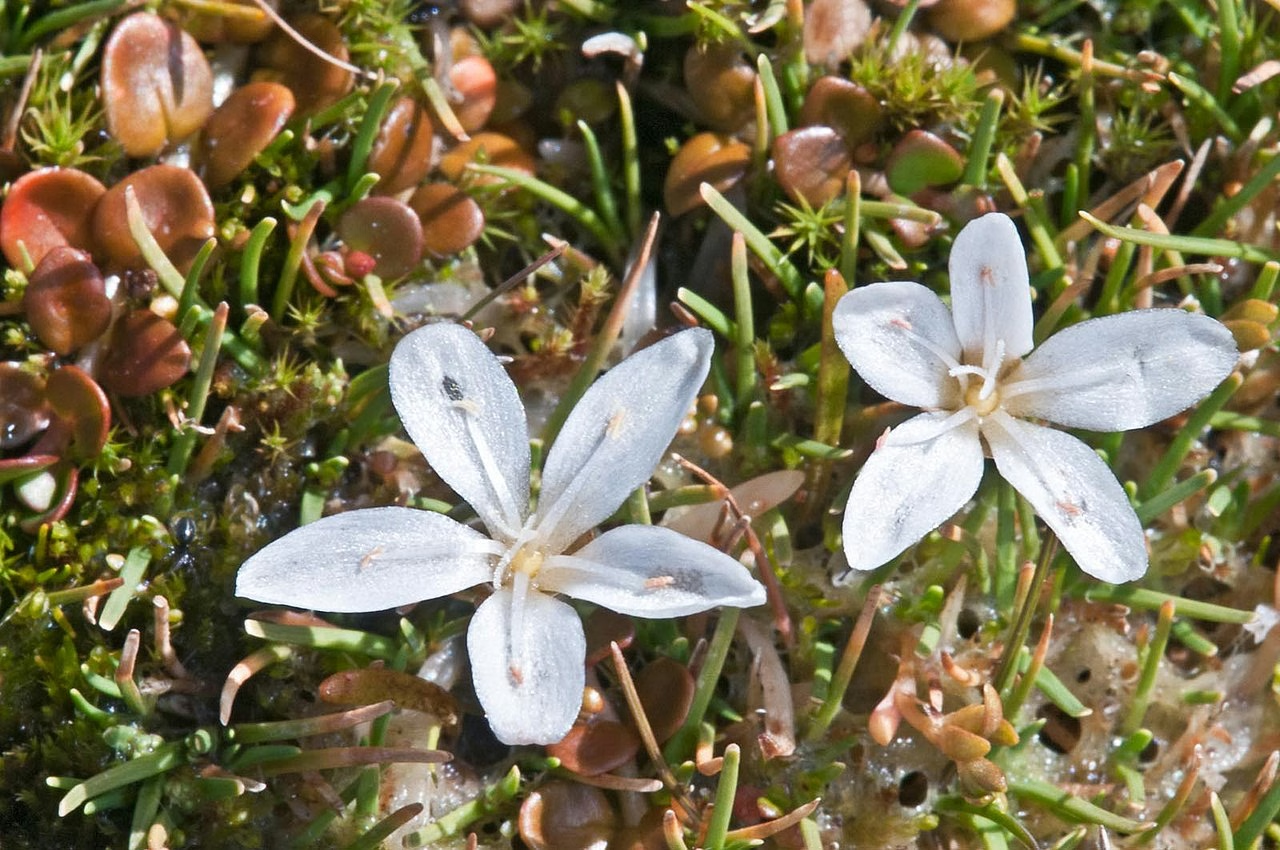
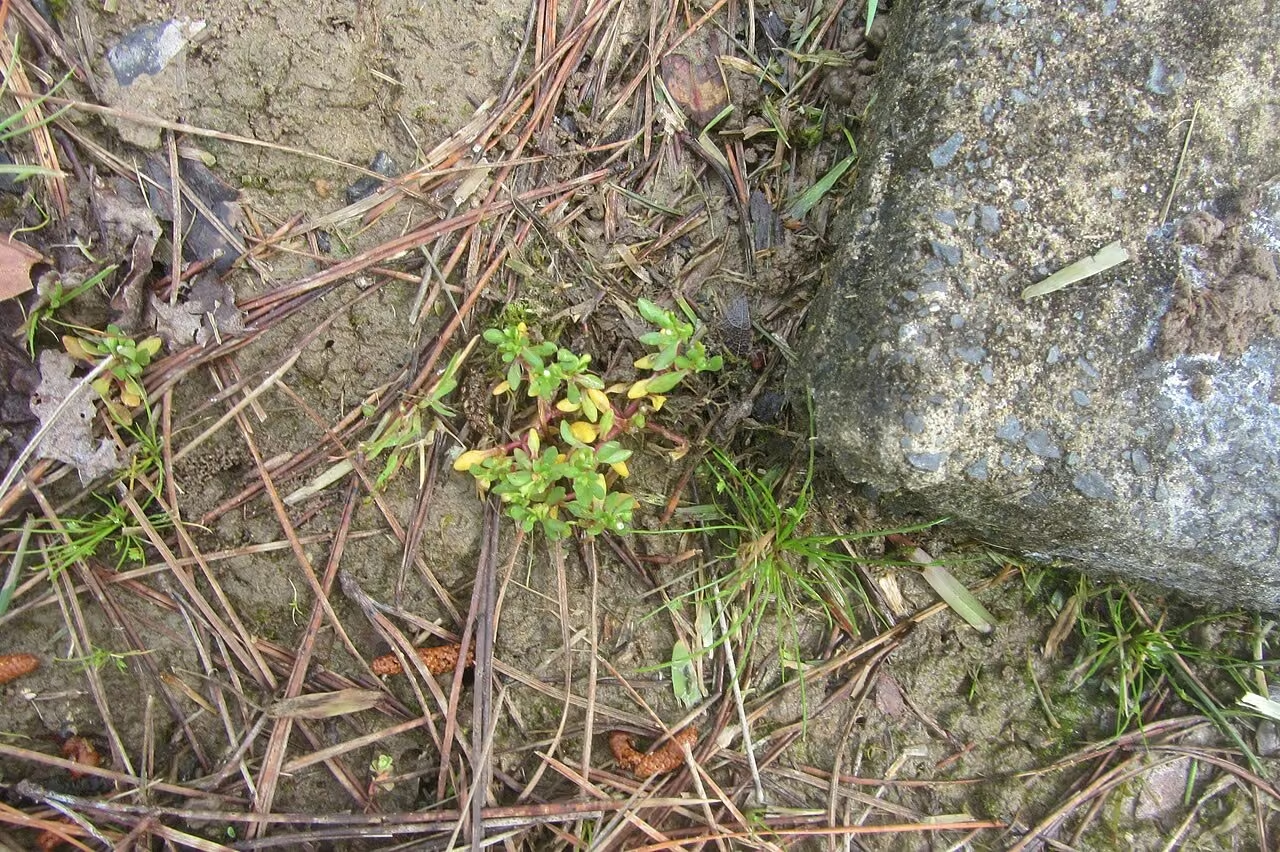
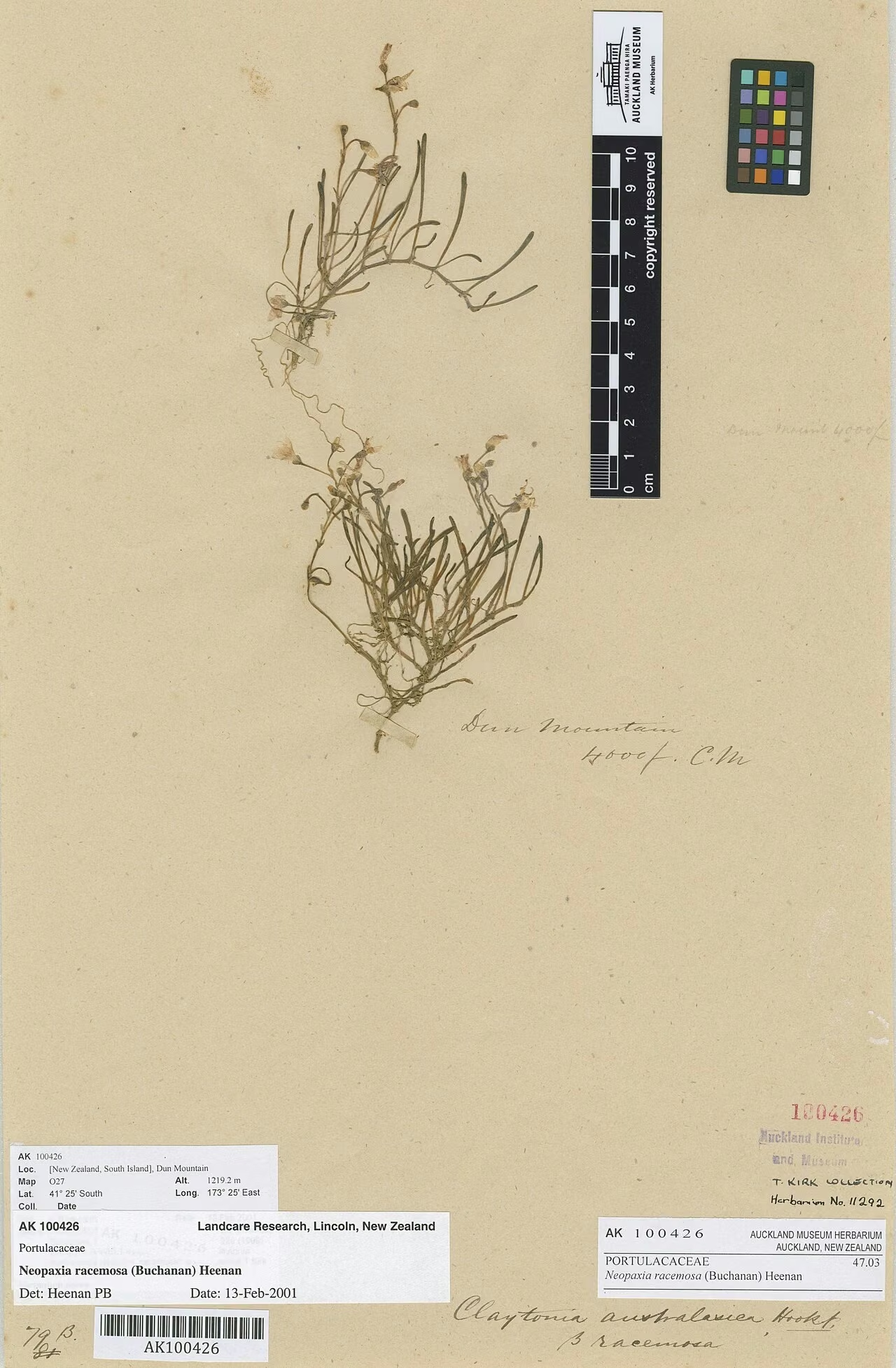
Explore other native plants that share similar characteristics or habitats with Scree Pea (Montigena novae zelandiae), offering further insights into New Zealand's diverse flora. These related species provide context and opportunities for complementary planting in your garden.
Plant Conservation
Scree pea was ranked At Risk - Declining in 2009, 2012 and 2017, and was moved to Threatened - Nationally Vulnerable in 2023, with qualifiers for sparse populations, data poor status and recruitment failure. Otago lists it as Regionally Endangered.
Protecting scree habitats from disturbance, browsing and weed invasion, and monitoring known populations to understand why seedlings are not establishing, are the main ways to help. Collecting wild plants is harmful and should be avoided.
Frequently Asked Questions
Where does the scree pea grow?
It grows only in the South Island east of the Southern Alps, on subalpine to low alpine slopes of fine, partly stable, moist greywacke scree, rock debris and gravel, and sometimes in depleted tussock grassland.
Why was Swainsona novae-zelandiae renamed Montigena?
The plant was described as Swainsona novae-zelandiae in 1864, but in 1998 botanists placed it in a new endemic genus, Montigena, meaning mountain-born, because of its distinctive features.
What do scree pea pods look like?
NZPCN describes them as large, bloated and sausage-shaped, ripening orange-red and holding about ten seeds each roughly 3.5 mm long. They are one of the easiest ways to recognise the plant.
Is the scree pea endangered?
Yes. The 2023 New Zealand threat assessment ranks it Threatened - Nationally Vulnerable, with sparse populations, a declining trend and recruitment failure noted.
Sources and Further Reading
The botanical, growing, and conservation details for Scree Pea (Montigena novae zelandiae) on this page draw on the New Zealand plant references below. Consult them for full technical records and the latest distribution data.