Blinks
Montia fontana subsp. fontana
Last updated:
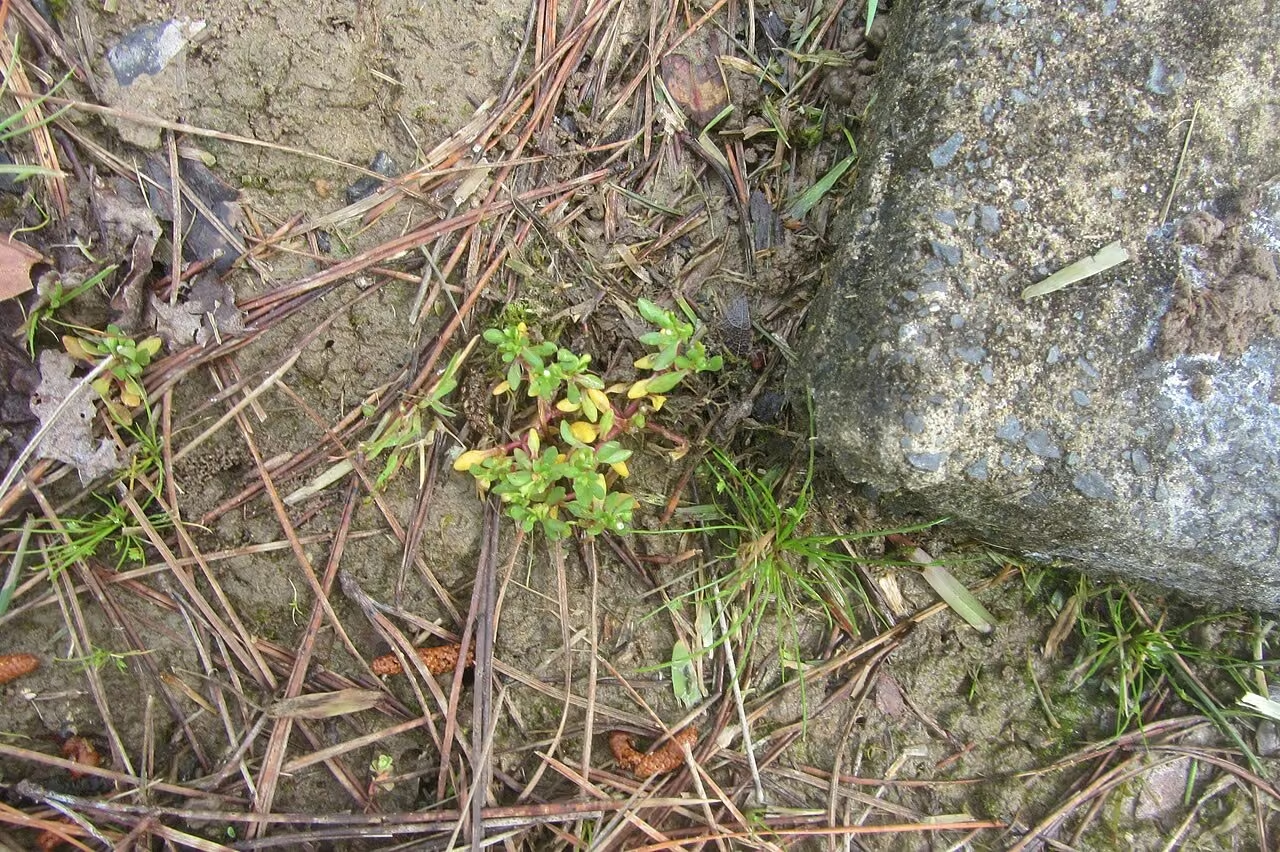
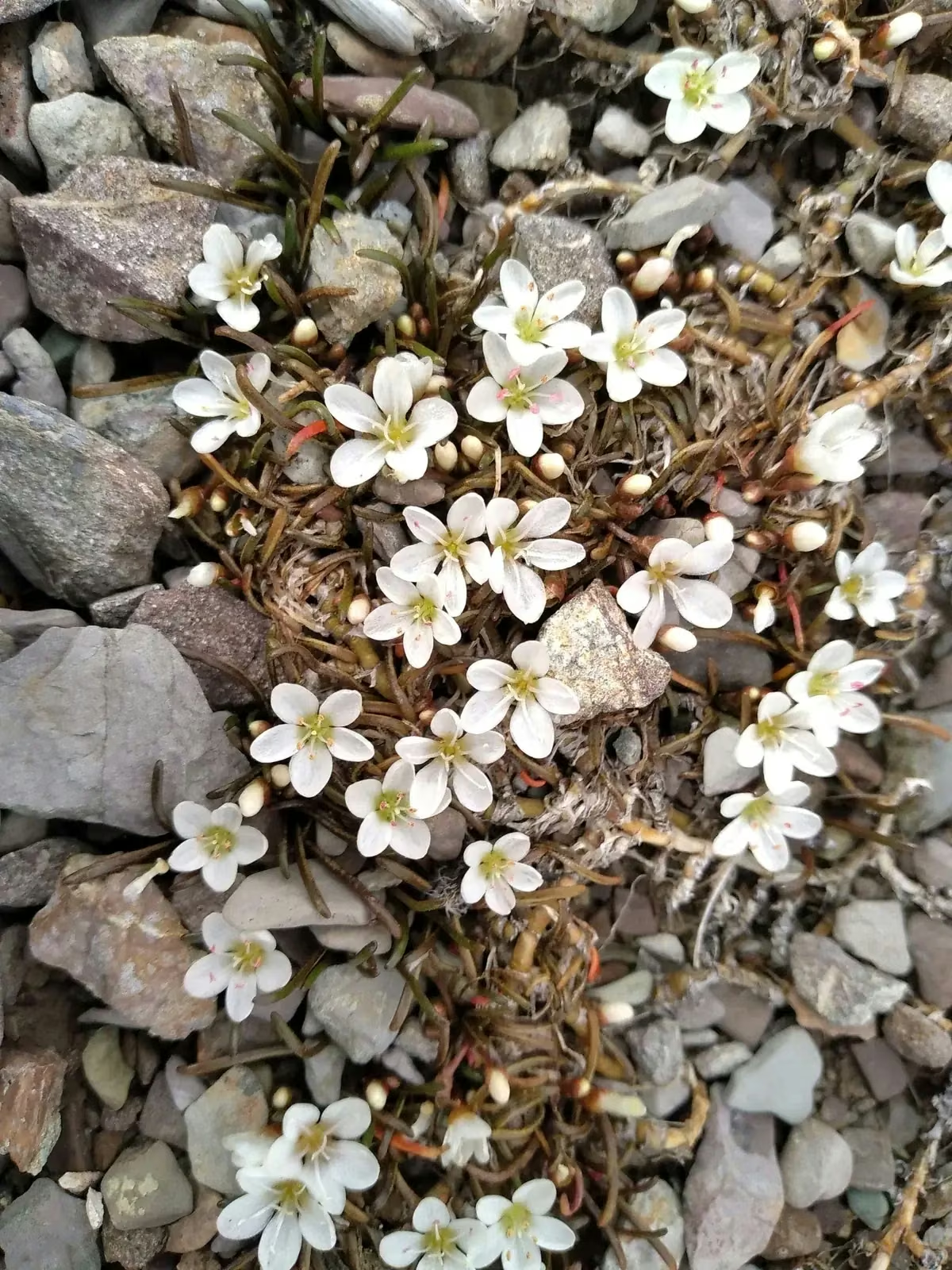
Blinks (Montia fontana subsp. fontana) is a small, often overlooked aquatic or semi-aquatic herb that is native to New Zealand and much of the cool-temperate world. It is annual to perennial, with trailing to upright stems that reach 50 cm long in water, small succulent spoon-shaped leaves and tiny white flowers, usually borne singly. Its smooth, shiny seeds separate it from other subspecies. In New Zealand it grows in streams, swamps, flushes, bogs, pools and lakeshores in the central and southern North Island, throughout the South Island, on Stewart Island and on the Auckland and Campbell Islands. Explore more native ground covers in our native plant guide.
Plant Description
Montia fontana subsp. fontana is an annual to perennial herb in the family Montiaceae. Its stems are trailing to semi-upright and can reach 50 cm long when growing in water; on land the plant is much more compact. Wikipedia describes the species as forming mats up to 50 cm across, with thin, often reddish stems and fleshy spoon-shaped leaves 2 to 20 mm long.
The flowers are tiny and white with five petals and in this subspecies are usually solitary. They are followed by small capsules containing up to three round seeds. The flowers may be pollinated by insects or self-pollinate, especially when submerged.
The three recognised subspecies are separated mainly by their seed coats. Subsp. fontana has smooth, shiny seeds and grows in very wet habitats, whereas subsp. chondrosperma has less shiny seeds and subsp. amporitana has tuberculate seeds. In New Zealand its small size and aquatic habit set it apart from the endemic mat-forming Montia species, which have much larger flowers.
Quick Facts
| Scientific Name | Montia fontana subsp. fontana |
|---|---|
| Height | Low; stems up to 0.5 m long in water |
| Spread | Small mats up to about 0.5 m |
| Water Needs | Wet to aquatic |
| Light | Full sun to part shade |
| Frost Tolerance | High; reaches subantarctic islands |
| Salt Tolerance | No information available |
| Growth Rate | Fast |
| Lifespan | Annual to perennial |
Climate Best Suited to
It thrives in cool, wet climates, from the central North Island volcanic plateau to the subantarctic Auckland and Campbell Islands.
Regional Suitability
| City | Climate Suitability |
|---|---|
| Auckland | Low |
| Wellington | High |
| Christchurch | High |
| Dunedin | High |
Plant Habitat
In New Zealand, blinks occurs in the North Island on the Volcanic Plateau and in Taranaki, Hawke's Bay and Wellington, throughout the South Island, on Stewart Island, and on the Auckland and Campbell Islands. Overseas the subspecies is found in northern cool temperate, montane tropical and subantarctic regions.
It grows in streams, swamps, flushes, riverbanks and beds, bogs, pools and lakeshores. NZPCN rates it as an obligate wetland plant, almost always found in wet places. Wikipedia notes the species prefers acidic water but tolerates mildly alkaline conditions.
Growing Requirements
Soil Requirements
It grows in wet mud, silt, gravel and peat, often in shallow running or still water.
- Saturated or submerged soils
- Prefers acidic conditions
- Clean water, often in seepages
Light Requirements
It needs open, lightly vegetated wet ground where it is not crowded by taller plants.
- Full sun to part shade
- Low competition
Water Requirements
Blinks is a true wetland plant that can grow fully in water, with longer trailing stems when submerged.
- Permanently wet or shallow water
- Suits springs, flushes and slow streams
Planting and Establishing
It is rarely planted deliberately. Where it appears naturally in a spring, ditch or pond margin, it can be left to persist. A shallow container of wet mix or a trickle-fed pool in a cool climate suits it.
Because it is small and short-lived in some sites, keep surrounding vegetation low so it can reseed.
Ecological Role
Blinks is a pioneer of open, wet ground and clean water, often among mosses in seepages and along stream edges. Its ability to grow as an annual lets it occupy seasonally wet hollows that dry in summer.
Its flowers can be insect-pollinated or self-pollinated, which helps it set seed even when submerged. In Britain it is regarded as an indicator of clean-water habitats.
Uses & Significance
Garden Uses
A curiosity for natural ponds and wetland gardens in cool districts.
- Spring-fed pools and rills
- Wet margins of natural ponds
- Wetland restoration in the south
Ecological Value
It contributes to the native herb layer of springs, flushes and stream margins.
- Indicator of clean, cool water
- Cover for small aquatic invertebrates
- Colonises bare wet ground
Landscaping Uses
Blinks has no real landscaping role beyond allowing it to colonise the wettest corners of a natural pond or spring-fed rill, where its tiny bright-green leaves form a fresh carpet.
In a restoration planting it fills gaps on bare saturated ground beneath taller sedges and rushes.
Seasonal Care Calendar
Spring
Plants grow actively in cool, wet conditions.
- Keep water levels steady
Summer
Tiny white flowers and seed capsules develop.
- Do not let seasonal pools be cleared
Autumn
Seed is shed; annual plants die back while perennial ones persist.
- Leave seeding plants undisturbed
Winter
Perennial plants persist in water or under snow.
- No care needed
When to Prune and How Much
No pruning is needed.
If it spreads into areas where it is not wanted, it is easily pulled by hand.
How to Grow Blinks
No New Zealand propagation guidance has been published for blinks, but its biology points to straightforward methods. It is annual to perennial, readily self-pollinates and sets small round seeds in capsules, and its trailing stems grow in water and wet mud. In practice, the easiest approach is to encourage it to self-seed where it already grows, or to move small pieces within your own property. Do not collect it from protected wetlands. Plants grown from seed or stem pieces do best in cool, clean, slightly acidic water, matching the springs and flushes where it grows wild.
From Seed
Each capsule holds up to three round, shiny seeds. Because many plants behave as annuals, allowing them to set seed each year is the key to keeping a colony going.
- Let plants flower and set seed in summer
- Collect ripe capsules if you want to move seed elsewhere
- Scatter seed onto saturated mud or a tray of wet mix standing in water
- Keep cool, bright and wet until seedlings establish
From Cuttings
Trailing stems that grow in shallow water can be detached and pressed into wet mud. This method is not documented specifically for New Zealand plants, but it reflects how the stems spread in water.
- Take short stem pieces in spring
- Press them into wet mix or pond-edge mud
- Keep them constantly submerged or saturated
- Allow new shoots to form before moving
Pests & Diseases
No pests or diseases are recorded for blinks in New Zealand.
Its main risks are drainage of springs and seepages, nutrient-enriched water and smothering by vigorous introduced wetland weeds.
Cultural Significance
No Māori name or traditional Māori use for blinks is recorded in the sources consulted.
The genus honours Italian botanist Giuseppe Monti (1682 to 1760), and fontana means growing in springs. In Spain and Portugal Montia fontana is gathered wild as a salad vegetable.
Bonus Tip
If you have a spring or seepage on your land and find a tiny, fleshy-leaved plant with minute white flowers in the water, check its seeds with a hand lens: smooth, shiny seeds point to the native subsp. fontana.
Related Plants
Explore other native plants that share similar characteristics or habitats with Blinks (Montia fontana subsp. fontana), offering further insights into New Zealand's diverse flora. These related species provide context and opportunities for complementary planting in your garden.
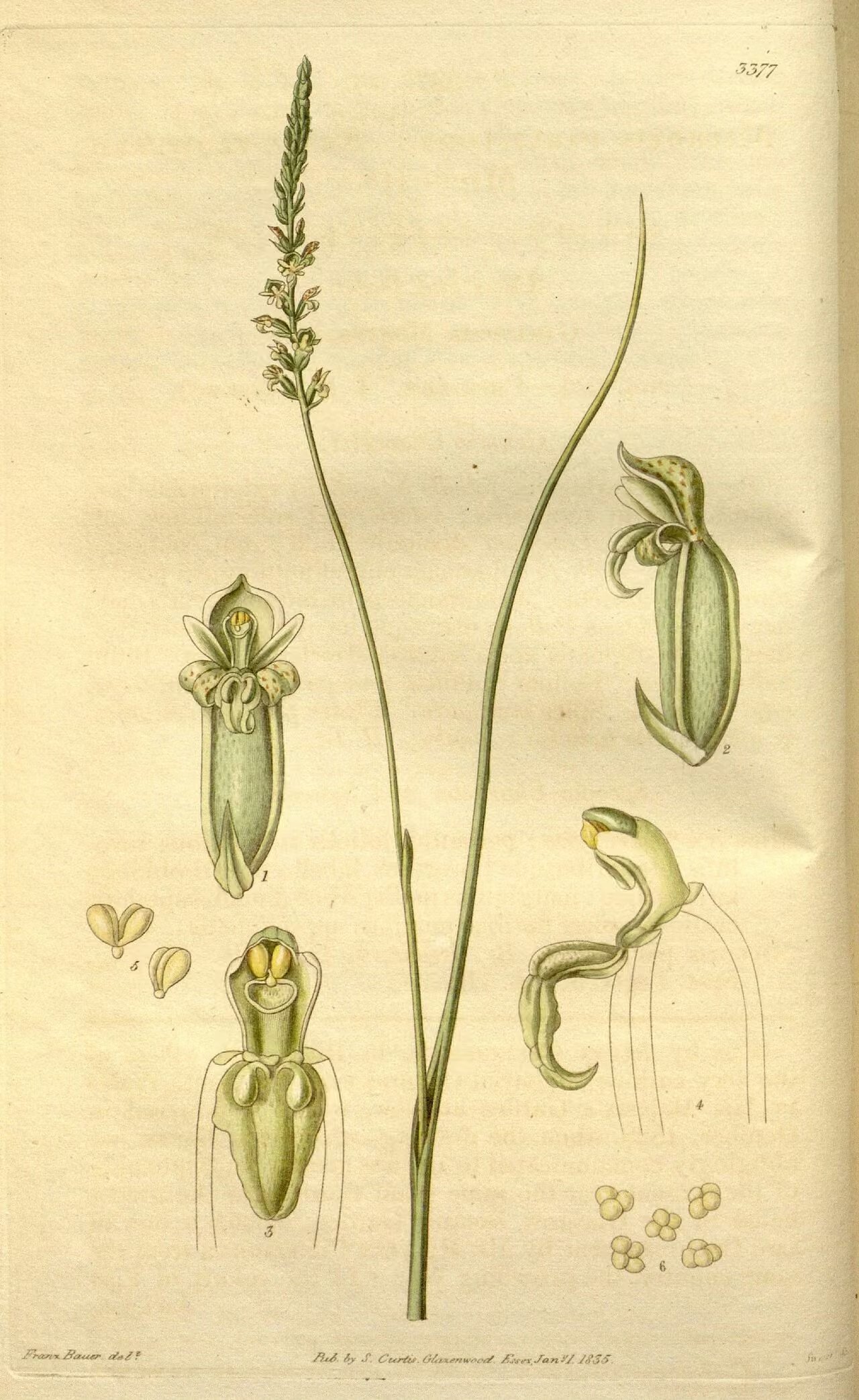
Onion-Leaved Orchid
Microtis parviflora
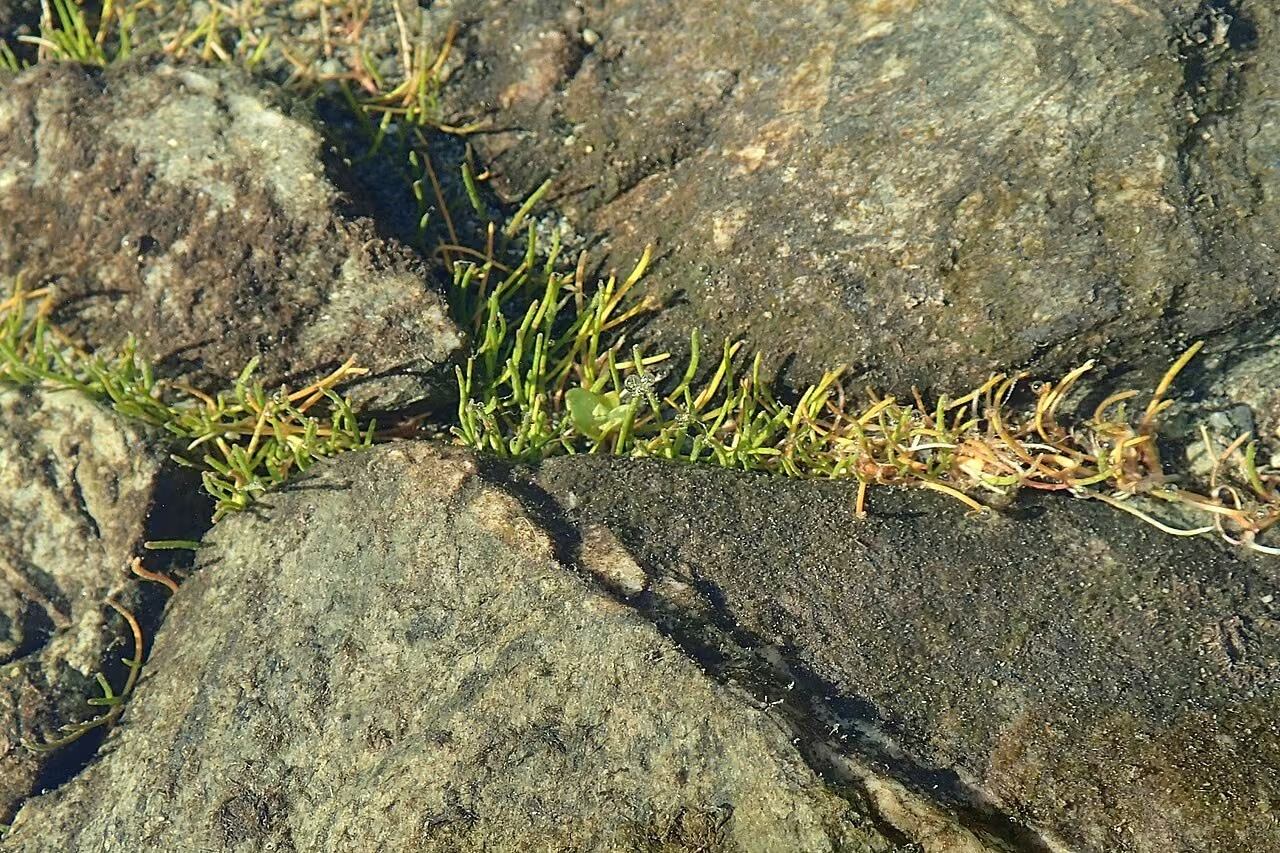
Montia angustifolia
Montia angustifolia
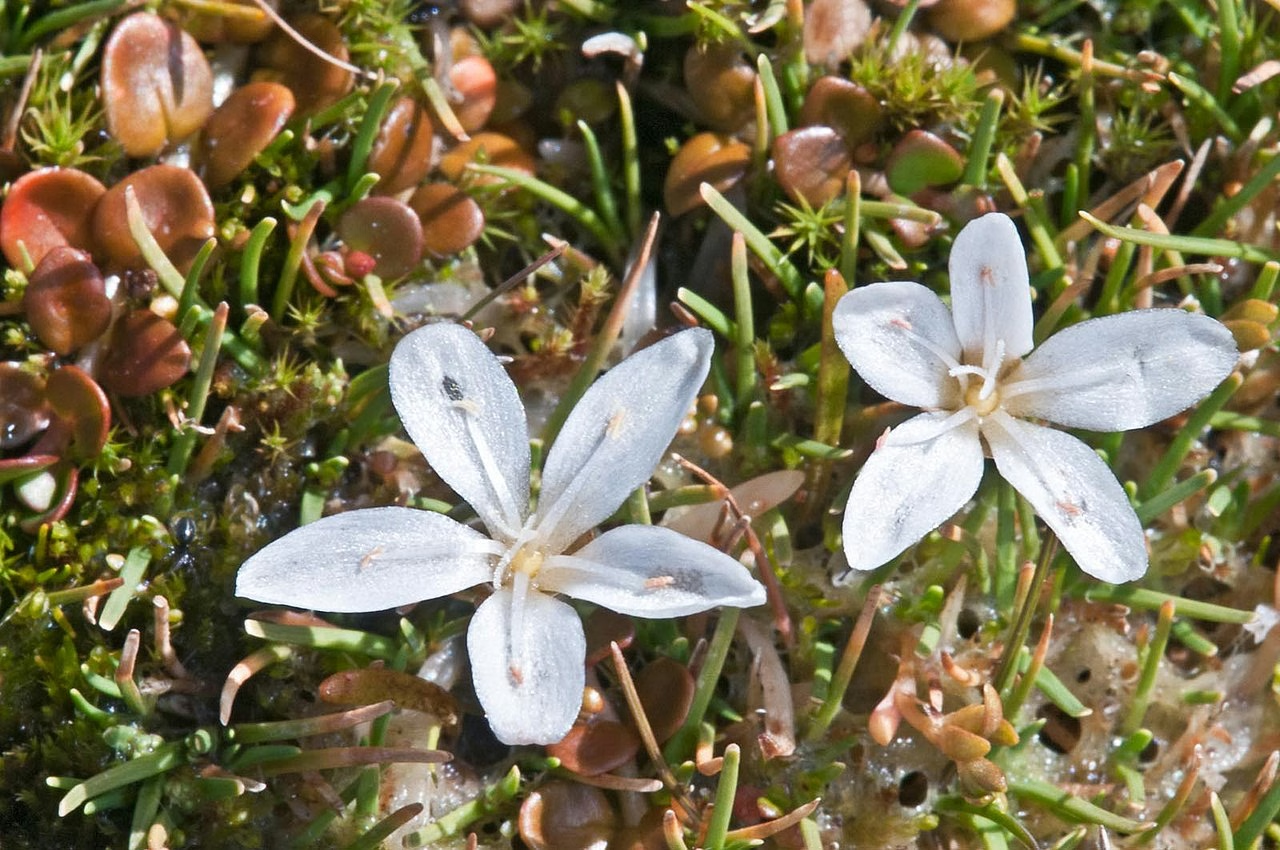
Montia campylostigma
Montia campylostigma
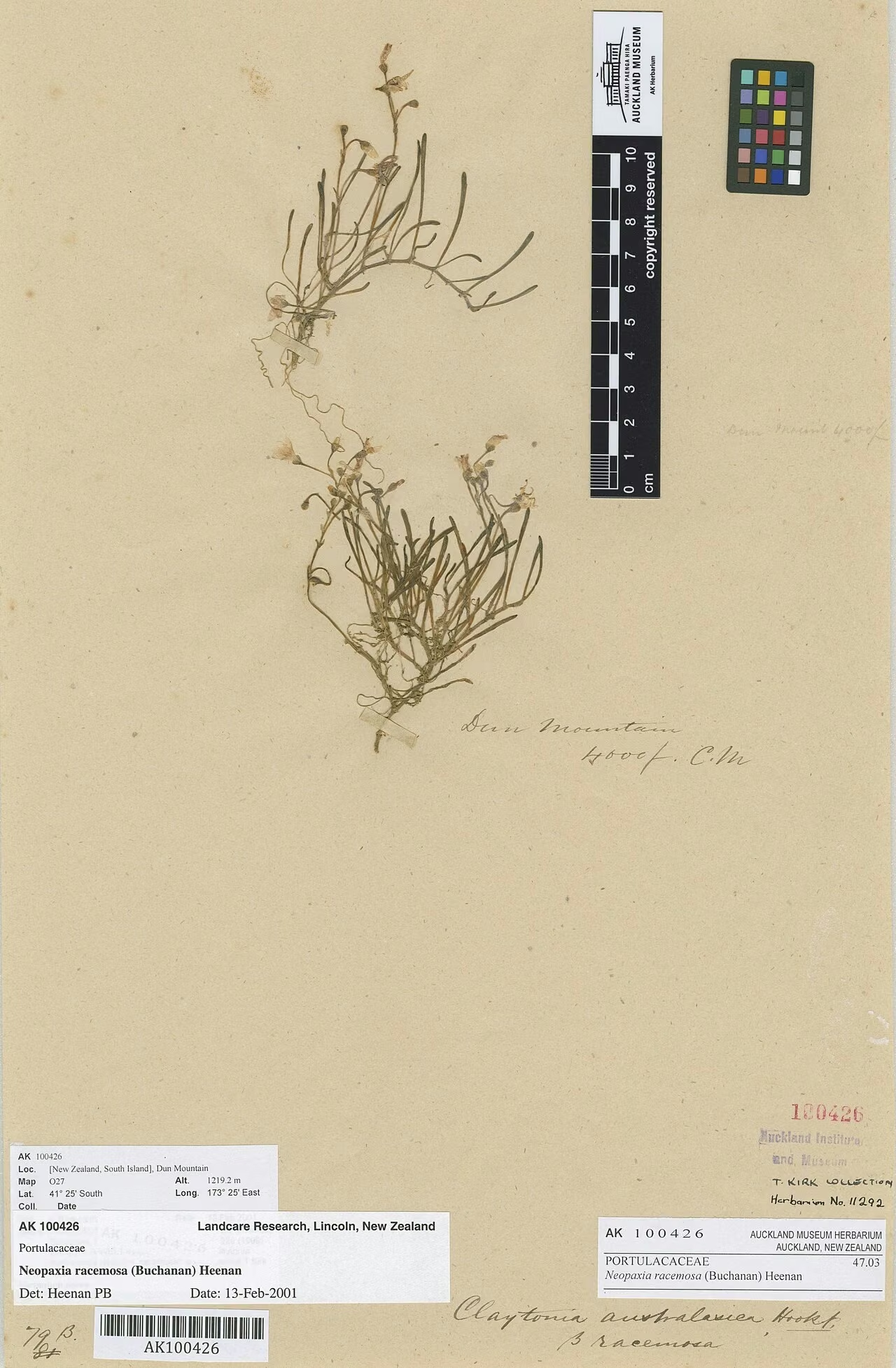
Montia racemosa
Montia racemosa
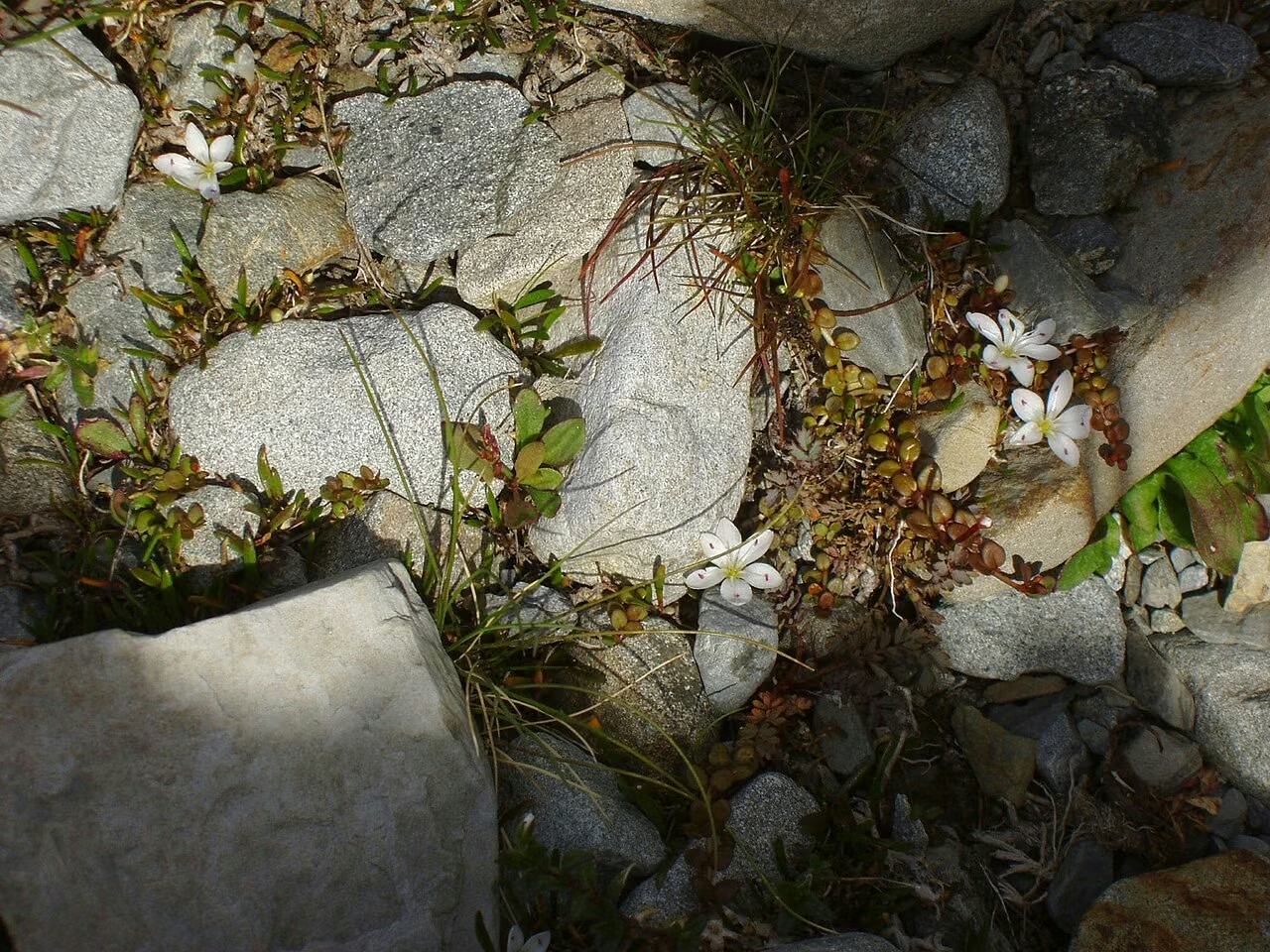
Montia sessiliflora
Montia sessiliflora
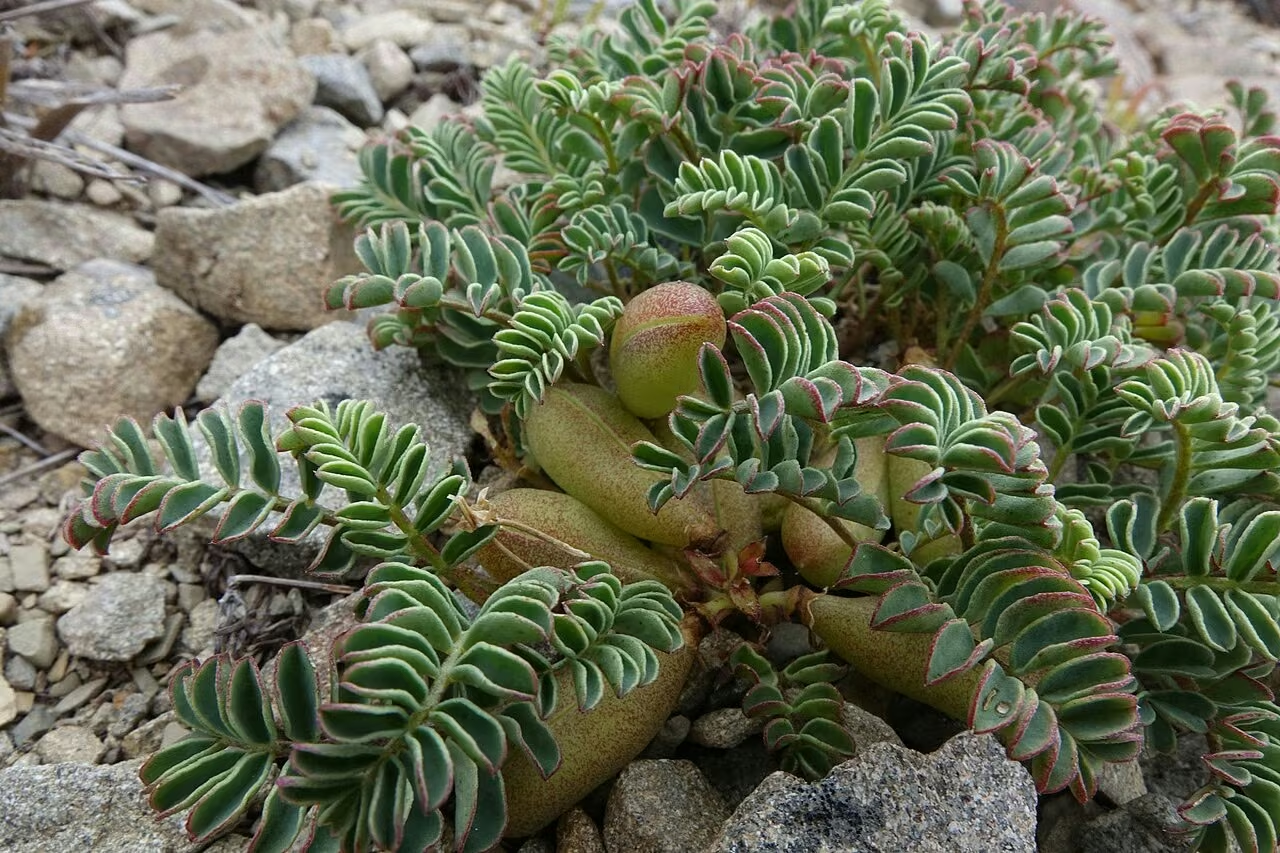
Montigena novae zelandiae
Montigena novae zelandiae
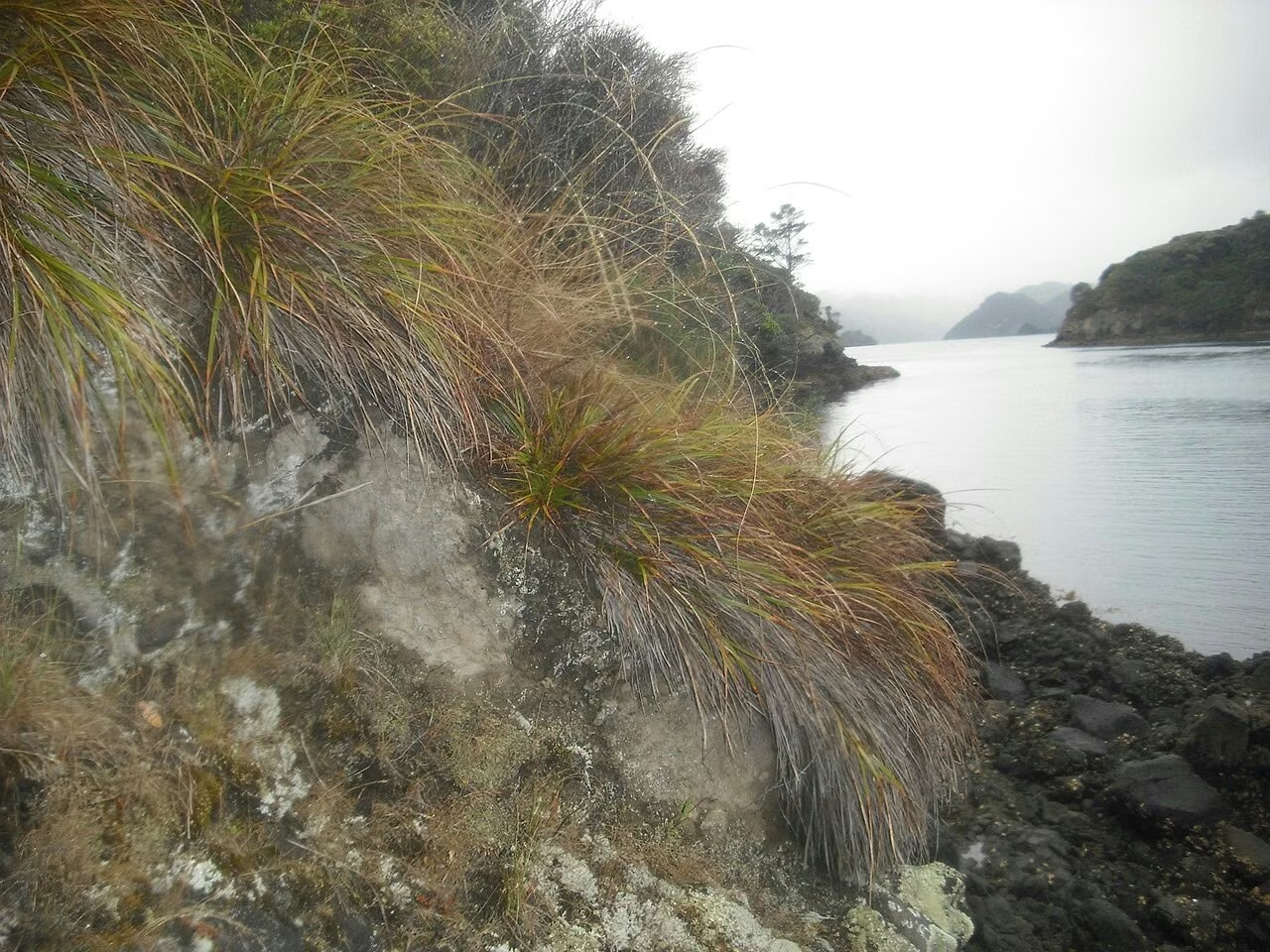
Morelotia affinis
Morelotia affinis
Calycina Plant
Calycina Plant
Plant Conservation
Montia fontana subsp. fontana is ranked Not Threatened (2023, qualifier SO, Secure Overseas). Otago lists it as Regionally Not Threatened and Wellington as Regionally Data Deficient.
Protecting springs, flushes and stream margins from drainage, pollution and weed invasion keeps its habitat secure.
Frequently Asked Questions
Is blinks native to New Zealand?
Yes. Montia fontana subsp. fontana is indigenous to New Zealand but not endemic; it also occurs in northern cool temperate, montane tropical and subantarctic regions.
Where does blinks grow in New Zealand?
It is found on the Volcanic Plateau and in Taranaki, Hawke's Bay and Wellington in the North Island, throughout the South Island, on Stewart Island and on the Auckland and Campbell Islands.
How do you identify Montia fontana subsp. fontana?
Look for a small, often reddish-stemmed water plant with fleshy spoon-shaped leaves and minute white flowers. Its seeds are smooth and shiny, unlike the duller or tuberculate seeds of other subspecies.
Is blinks edible?
Wikipedia notes Montia fontana is gathered as a salad vegetable in Spain and Portugal. No traditional use as food in New Zealand was found, and wild plants from streams should not be eaten without care over water quality.
Sources and Further Reading
The botanical, growing, and conservation details for Blinks (Montia fontana subsp. fontana) on this page draw on the New Zealand plant references below. Consult them for full technical records and the latest distribution data.