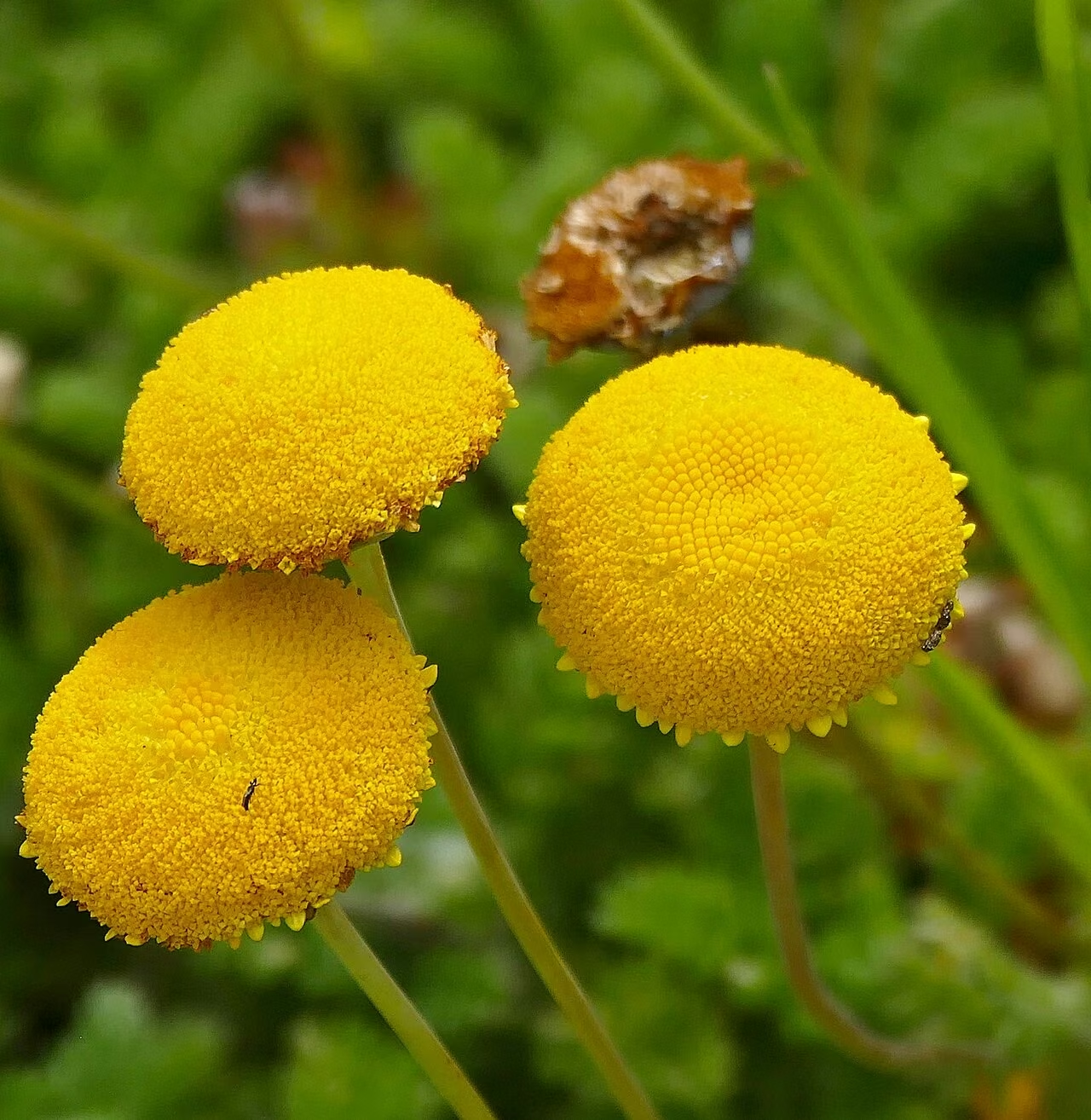
Button Daisy
Leptinella albida
Last updated:
Leptinella albida is a small, creeping button daisy endemic to the high block mountains of Central Otago. Every part of the plant is densely clothed in long, silky, white-silver to grey-silver hairs, so its mats, which can reach 1 m across, look like patches of frosted silver among the rocks. It grows above 1600 m on the Old Man Range, Mt Cardrona and the Pisa Range, in fellfield, rubble and rockland. It is ranked At Risk - Naturally Uncommon because it is confined to a handful of summits, although it is abundant where it does occur. It grows easily from rooted pieces but dislikes humidity. Explore more native ground covers in our native plant guide.
Plant Description
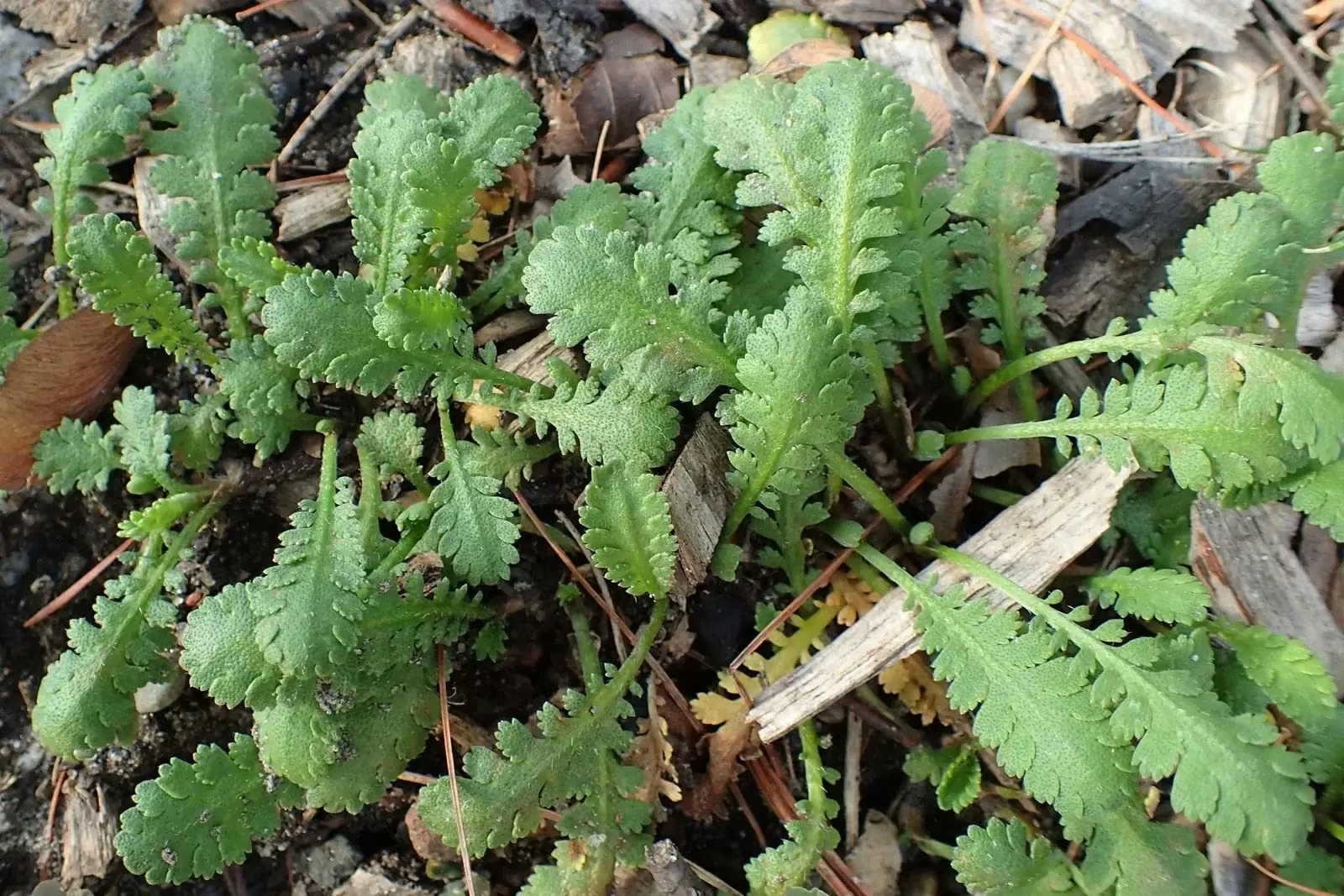
Leptinella albida is a monoecious creeping perennial herb, meaning each plant bears both female and male florets. Its creeping stems knit together into mats up to about 1 m wide, and the whole plant, stems, leaves and flower stalks alike, is densely covered in long silky hairs that are white-silver to grey-silver.
The leaves are small, 4 to 10 mm long and 2 to 3 mm wide, and once-divided (1-pinnatifid) into 4 to 8 pairs of narrow lobes, giving a finely toothed, comb-like outline beneath the hair. The flower heads (capitula) are the typical rayless buttons of Leptinella, 3 to 10 mm across, with pale yellow or yellow-red female florets. Seed is a small dry cypsela.
Its closest relative is Leptinella pectinata subsp. villosa, which also has hairy leaves. Leptinella albida is told apart by its tight, mat-forming habit and strongly silvery foliage, but intermediates exist where the two meet, so not every plant can be named with confidence.
Quick Facts
| Scientific Name | Leptinella albida |
|---|---|
| Height | A few centimetres; a low creeping mat |
| Spread | Mats up to 1 m across |
| Water Needs | Low to moderate; dislikes excessive moisture |
| Light | Full sun, open alpine sites |
| Frost Tolerance | High; grows above 1600 m |
| Salt Tolerance | No information available; an inland alpine species |
| Growth Rate | Slow |
| Lifespan | Perennial |
Climate Best Suited to
Suits a cold, dry continental alpine climate with hard frosts, snow lie and low humidity, like the summits of Central Otago. Mild, humid lowland climates do not suit it.
Regional Suitability
| City | Climate Suitability |
|---|---|
| Auckland | Low |
| Wellington | Low |
| Christchurch | Medium |
| Dunedin | Medium |
Plant Habitat
Leptinella albida is endemic to the South Island, where it is known only from the Central Otago mountains: the Old Man Range, Mt Cardrona and Mount Pisa on the Pisa Range. These are broad, rolling schist block mountains with extensive alpine tops.
It grows in the alpine zone above about 1600 m, in fellfield, rubble and rockland. These are open, stony places with sparse vegetation, strong frost action, wind and summer drought, where low silvery mats are well suited to conserving moisture and reflecting strong sunlight.
Growing Requirements
Soil Requirements
In the wild it roots among schist rubble and thin, stony alpine soils with very little organic matter.
- Very free-draining, gritty or stony mix
- Low fertility; rich soil encourages soft growth and rot
- A gravel collar keeps the hairy foliage dry
Light Requirements
It is a plant of open, treeless fellfield exposed to full sun and high ultraviolet light.
- Full sun is essential to keep mats compact and silver
- Do not let taller plants overgrow it
Water Requirements
Central Otago summits are dry for much of the summer, and NZPCN notes the plant dislikes excessive moisture.
- Water sparingly and only when the mix has dried
- Avoid overhead watering of the woolly leaves
- Shelter from prolonged winter wet in cultivation
Planting and Establishing
Grow Leptinella albida in a trough, raised scree bed or alpine house where drainage is sharp and air moves freely. Plant into a mix of mostly grit or pumice with a little loam, and top-dress with fine stone so the silvery mat sits on a dry surface.
It is best suited to drier eastern and southern districts with cold winters. In humid northern areas it is likely to rot, and plants should never be dug from the wild, since all known populations are on a few mountain summits.
Ecological Role
As a mat-forming plant of fellfield, it helps bind loose rubble and provides small sheltered pockets for alpine invertebrates. Its button-like flower heads have exposed florets that are accessible to small flies and other insects, though specific pollinators of this species are not documented in the sources consulted.
Leptinella fruits are small, papery cypselae without a pappus. NZPCN notes for related species that they are dispersed by wind and possibly by attachment, and similar dispersal is likely here.
Uses & Significance
Garden Uses
It is a specialist plant for alpine enthusiasts rather than a general garden ground cover.
- Silver foliage contrast in an alpine trough
- Scree or crevice gardens in dry, cold districts
- Collections of Central Otago alpine flora
Ecological Value
It is one of the distinctive endemics of the Central Otago block mountain summits, a centre of alpine plant diversity.
- A narrow-range endemic found on only three mountain ranges
- Stabilises fellfield rubble with its creeping mats
- Part of a high-altitude plant community vulnerable to disturbance
Landscaping Uses
In a trough or crevice garden, Leptinella albida reads as a small silver carpet. It looks best spilling over a schist edge or between flat stones, set against darker green cushion plants or the bronze foliage of other button daisies.
Keep companions small and slow-growing so they do not shade the mat, and repeat the schist rock theme to echo its natural home on the Old Man and Pisa ranges.
Seasonal Care Calendar
Spring
Growth resumes as snow melts off the tops, and the first flower heads appear from October.
- Check cultivated mats for rot after winter
- Top up gravel mulch around the crown
Summer
Flowering continues to January, and the silvery mats are at their brightest in strong sun.
- Water sparingly in prolonged dry spells
- Give plenty of air movement in hot weather
Autumn
Fruit ripens from December through to April.
- Remove fallen leaves that land on the mat
- Take rooted pieces once the heat has passed
Winter
In the wild it lies dormant under frost and snow on the high tops.
- Protect cultivated plants from cold, wet conditions
- An alpine house or cloche keeps the foliage dry
When to Prune and How Much
No pruning is needed. The mat stays naturally low and compact in full sun with lean soil.
If parts of the mat die back or rot, cut them out cleanly with fine scissors and fill the gap with grit so the surrounding stems can creep back in.
How to Grow Button Daisy
NZPCN describes Leptinella albida as easily grown from rooted pieces, so division of the creeping mat is the practical method. The main challenge is not getting it to root but keeping it alive afterwards, because it prefers a non-humid climate and dislikes excessive moisture. Work only with material already in cultivation or collected legally for conservation work; the wild populations are confined to a few Central Otago summits and should be left alone. Seed is a possible second method, but no published germination results for this species were found, so the seed notes below follow the general practice for alpine Leptinella.
By Division (Rooted Pieces)
The creeping stems root as they spread, so small sections with their own roots can be lifted from the edge of a mat and grown on. Late summer or early autumn, after the hottest weather, gives the pieces time to establish before winter.
- Choose a healthy section at the edge of a cultivated mat
- Cut a piece 3 to 5 cm across that already carries roots
- Pot into a very gritty mix of pumice, grit and a little loam
- Keep lightly moist, cool and out of hot afternoon sun for a few weeks
- Move into full sun with good air movement once new growth appears
From Seed
Fruit ripens between December and April. Because the plant is monoecious, a single cultivated plant can produce seed, but the small papery cypselae must be gathered before they blow away.
- Collect ripe heads when they turn brown and papery
- Sow on the surface of a gritty seed mix and cover lightly with fine grit
- Leave the pot outdoors in a cold, airy place over winter
- Prick out seedlings carefully once they have several leaves
Pests & Diseases
No specific pests or diseases are recorded for Leptinella albida. In cultivation the main problem is rotting of the hairy foliage in humid or wet conditions, which shows as browning patches in the mat.
Slugs and snails may graze young pieces, and birds sometimes scratch at gravel mulches and dislodge small plants, so check new divisions regularly.
Cultural Significance
No traditional Māori name or use is recorded for Leptinella albida in the sources consulted.
The species was described by David Lloyd as Cotula albida before New Zealand button daisies were returned to the genus Leptinella. The name Leptinella comes from the Greek leptos, slender, referring to the ovary, and albida is Latin for whitish, describing the silvery hairs.
Bonus Tip
If your silver mat starts to brown in winter, the cause is almost always moisture sitting in the hairs rather than cold. Move the trough under eaves or into an unheated alpine house from May to September, and only water from below so the foliage stays dry.
Related Plants
Explore other native plants that share similar characteristics or habitats with Button Daisy (Leptinella albida), offering further insights into New Zealand's diverse flora. These related species provide context and opportunities for complementary planting in your garden.
Plant Conservation
Leptinella albida is ranked At Risk - Naturally Uncommon (2023) with the qualifiers Sparse, Data Poor Size and Range Restricted. NZPCN describes it as a local, range-restricted endemic that is abundant within its few known habitats, so it is uncommon because of its tiny natural range rather than a known decline.
Its alpine habitat on the Old Man Range and Pisa Range is crossed by tracks and vehicle routes, so keeping off the fellfield vegetation, and never collecting plants, helps keep these small populations intact.
Frequently Asked Questions
Where does Leptinella albida grow?
Only on a few Central Otago mountains, namely the Old Man Range, Mt Cardrona and the Pisa Range, in alpine fellfield, rubble and rockland above about 1600 m.
Why is Leptinella albida silver?
All parts of the plant are densely covered in long silky white-silver or grey-silver hairs, which give the mats their frosted look and is reflected in the name albida, meaning whitish.
How is Leptinella albida different from Leptinella pectinata?
It is closely related to Leptinella pectinata subsp. villosa but forms tighter mats with silvery foliage. NZPCN notes that intermediate plants between the two do occur.
Can Leptinella albida be grown in a garden?
NZPCN says it is easily grown from rooted pieces, but it prefers a non-humid climate and dislikes excessive moisture, so it suits a gritty alpine trough in a dry, cool region.
Sources and Further Reading
The botanical, growing, and conservation details for Button Daisy (Leptinella albida) on this page draw on the New Zealand plant references below. Consult them for full technical records and the latest distribution data.