Square Sedge
Lepidosperma australe
Last updated:
Square sedge (Lepidosperma australe), also called square-stemmed sedge, is a stout, rush-like sedge endemic to New Zealand. It forms dense patches of rigid, erect stems that are dark blue-green or grey-green and distinctly square in cross-section, usually 20 to 60 cm tall but sometimes much taller. It grows throughout the North, South, Stewart and Chatham islands from the coast to about 1300 m, in open ground, regenerating scrub and peat bogs, on both wet and well-drained soils. Its compact reddish-brown flower heads appear from August to December. It is ranked Not Threatened but is notoriously hard to grow. Explore more native grasses and flaxes in our native plant guide.
Plant Description
Lepidosperma australe is a stout, rush-like sedge that forms dense patches. The culms (flowering stems) are densely packed, rigidly erect and leathery, 1 to 2.5 mm thick and quadrangular, usually 20 to 60 cm tall but up to 150 cm, and NZPCN describes patches up to 2 m tall. They are dark blue or grey-green and often have a waxy bloom. Most leaves are reduced to brown sheaths; the upper one or two have square blades 5 to 25 cm long ending in a sharp, dark brown point.
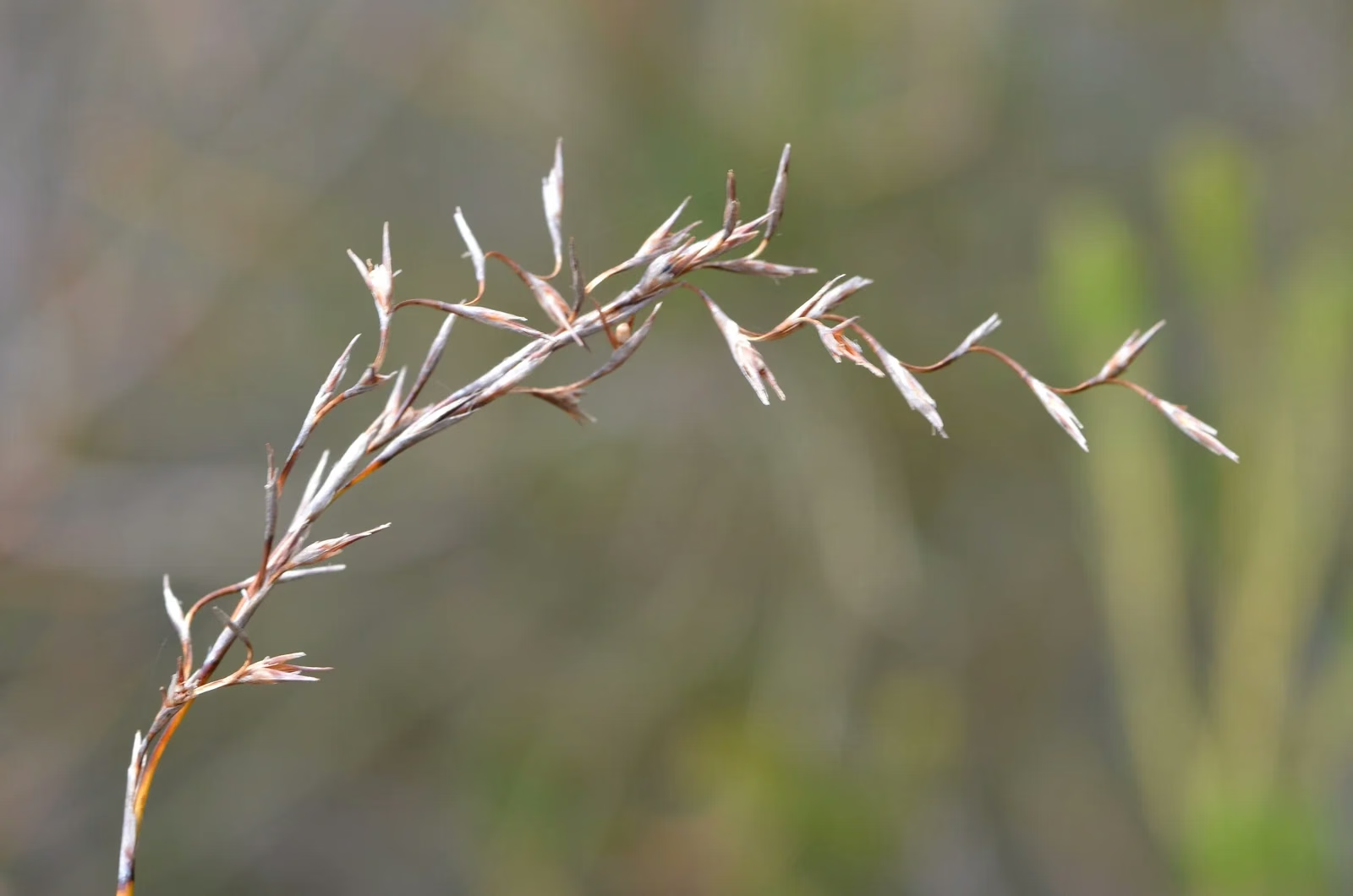
The inflorescence is a dense, contracted, spike-like head 1 to 3 cm long, reddish to brown, made up of one-flowered spikelets. The glumes are corky with a rough surface and thickened midrib, and only the uppermost is fertile. Each produces a smooth, lustrous light brown nut about 4 mm long and three-angled. Flowers appear from August to December, and fruit is present from October to July, often year round.
No other New Zealand sedge combines rush-like habit with square, dark blue-green stems, which is how both its common names arose. Rushes (Juncus) have round stems, so the square outline is a quick field check.
Quick Facts
| Scientific Name | Lepidosperma australe |
|---|---|
| Height | 0.2-0.6 m, occasionally to 1.5 m or more |
| Spread | Forms dense patches; no fixed figure published |
| Water Needs | Adaptable; wet peat to seasonally dry ground |
| Light | Full sun |
| Frost Tolerance | High; grows up to 1300 m |
| Salt Tolerance | Some; occurs in coastal vegetation, no specific data |
| Growth Rate | Slow |
| Lifespan | Long-lived perennial |
Climate Best Suited to
Very adaptable, growing from warm northern lowlands to cold subalpine bogs at 1300 m and on the windswept Chatham Islands.
Regional Suitability
| City | Climate Suitability |
|---|---|
| Auckland | High |
| Wellington | High |
| Christchurch | High |
| Dunedin | High |
Plant Habitat
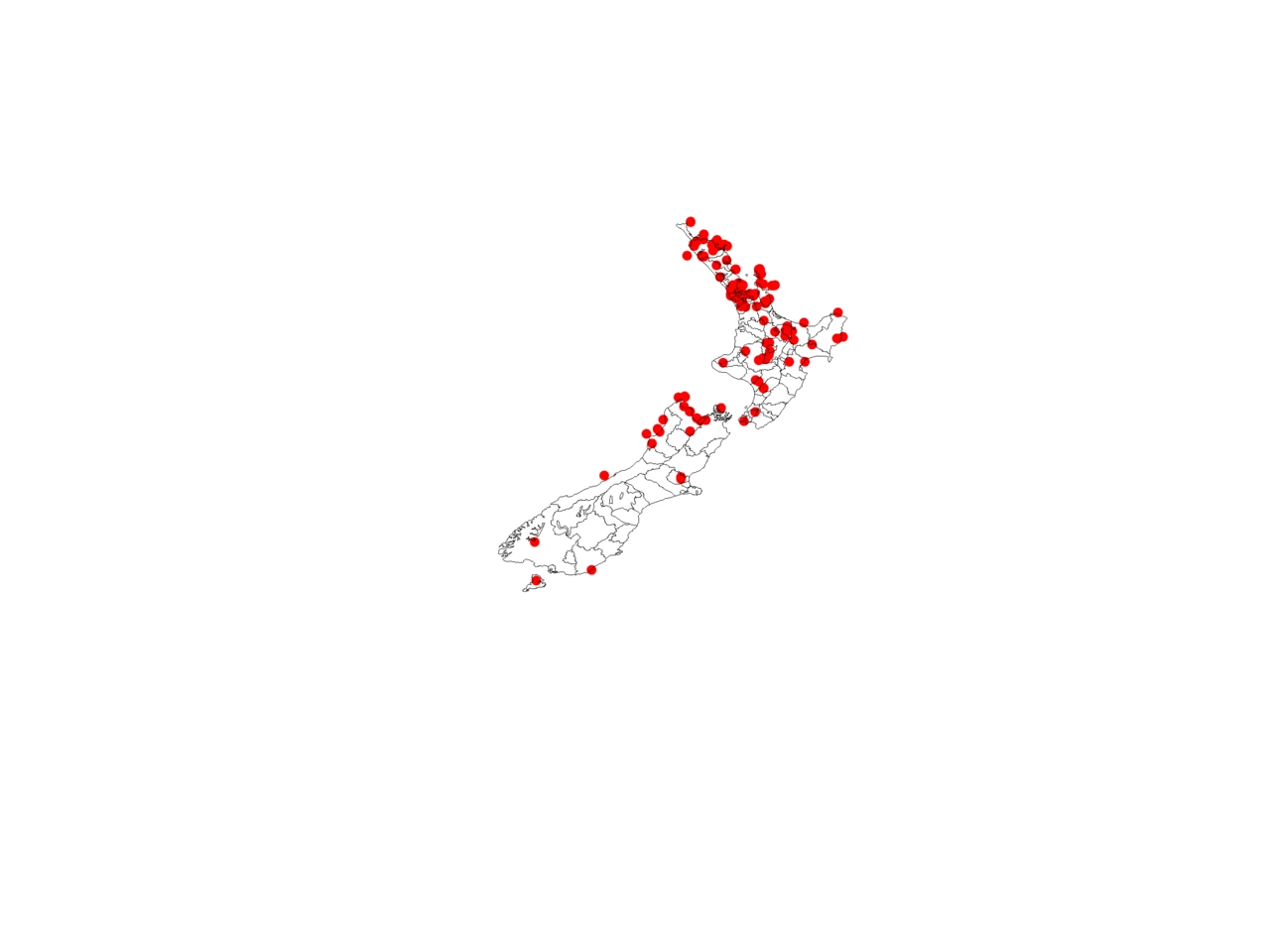
Square sedge is endemic and widespread, occurring on the North Island, South Island, Stewart Island/Rakiura and the Chatham Islands. It ranges from coastal sites to about 1300 m above sea level.
It usually grows in open ground, regenerating (seral) vegetation such as scrub, and peat bogs. It colonises seasonally dry or well-drained ground as well as permanently wet substrates such as peat, which is why it is classed as a facultative wetland plant.
Growing Requirements
Soil Requirements
It tolerates infertile soils, from wet peat to seasonally dry, well-drained ground.
- Low-fertility soils are fine
- Peat or acidic soils suit it
- Avoid rich, heavily fertilised beds
- Do not disturb the roots once planted
Light Requirements
A plant of open, sunny sites and early successional vegetation.
- Full sun
- Tolerates exposure and wind
- Declines when overtopped by forest
Water Requirements
It is equally at home in wet peat and seasonally dry ground, making it flexible in cultivation.
- Keep evenly moist while establishing
- Established plants tolerate dry spells
- Suitable for boggy spots
Planting and Establishing
Because plants resent root disturbance and usually die if transplanted, plant only container-grown stock and handle the root ball as little as possible. Water the pot thoroughly, slide the plant out gently and set it into a hole of the same depth without teasing the roots.
Never attempt to move plants from the wild. Choose a permanent position in full sun, such as a bog garden edge, a peaty bank or a restoration site in open scrubland.
Ecological Role
Square sedge is wind-pollinated, like most sedges. NZPCN notes that its scaly nuts are dispersed by water, wind and possibly ants. Fruit can be present for most of the year.
It is a plant of open habitats such as peat bogs and of seral vegetation that develops after disturbance, persisting until taller vegetation closes over it. Its dense, long-lived patches help bind peat and bare soil, although no studies of the animals that use it were found.
Uses & Significance
Garden Uses
An architectural sedge for natural and restoration plantings, if you can source plants.
- Bog gardens and pond margins
- Peat and low-fertility gardens
- Restoration of open scrub and bog sites
- Contrast plant in native grass and sedge plantings
Ecological Value
A widespread endemic sedge of open, infertile habitats.
- Dense evergreen cover in open bogs and scrub
- Stabilises peat and bare ground
- Contributes to the plant cover of peat bogs
Landscaping Uses
Its rigid, upright, blue-green stems make a strong vertical accent, contrasting with soft tussocks and low shrubs. Group several plants together to form a patch, as it grows in nature.
Combine it with other plants of infertile, boggy ground such as manuka and wire rush in a naturalistic bog or heath garden.
Seasonal Care Calendar
Spring
Flowering is underway from August to December, with compact brown heads at the stem tips.
- Plant container-grown stock
- Keep new plantings moist
Summer
Nuts begin ripening from October onward.
- Water new plants in dry spells
- Collect ripe nuts for sowing
Autumn
Fruit remains on many plants, which stay evergreen.
- Remove competing weeds by hand
- Sow seed in sawdust trays
Winter
A hardy evergreen that needs little attention.
- No feeding needed
- Avoid disturbing the roots
When to Prune and How Much
Square sedge needs no regular pruning. If the clump becomes untidy, cut out old brown stems at the base with secateurs, taking care not to damage the root system, which it resents being disturbed.
How to Grow Square Sedge
NZPCN warns that square sedge can be difficult to cultivate. The seed is hard to germinate, and plants resent root disturbance and usually die if transplanted, so division of established clumps is not recommended. However, NZPCN reports considerable success growing plants and germinating seed in untreated sawdust. Patience is required, and the aim should be to raise plants in containers that allow them to go into the ground with minimal root disturbance.
From Seed
Nuts are present from October to July. Collect them when they are lustrous light brown and fall easily from the heads.
Sowing into untreated sawdust has given the best results according to NZPCN; untreated sawdust avoids the chemicals in treated timber, which could harm seedlings.
- Collect ripe nuts from several plants for genetic diversity
- Fill trays with moist, untreated sawdust or a sawdust and seed-mix blend
- Sow nuts on the surface and cover lightly
- Keep evenly moist in a sheltered, bright position
- Be patient; germination can be slow and uneven
- Transfer seedlings to deep individual pots with minimal root disturbance
- Grow on until well rooted before planting out
Growing on in Sawdust
NZPCN notes that whole plants have also been grown successfully in untreated sawdust. Growing seedlings on in a sawdust-based medium may help avoid the root problems that make this species hard to establish.
- Pot seedlings into a mix containing a high proportion of untreated sawdust
- Use deep pots so the roots are not cramped
- Plant out the whole root ball without teasing roots apart
Pests & Diseases
No significant pests or diseases are recorded for square sedge. The main problems in cultivation are failure to establish after root disturbance and slow germination rather than pest attack.
In the wild, competition from weeds and loss of open habitat as scrub matures into forest can reduce local populations, but the species remains widespread.
Cultural Significance
No Māori name or traditional use for Lepidosperma australe was found in the sources consulted. Its botanical history is complicated: it was first described as Vauthiera australis by Achille Richard, and has since been placed in Cladium and Machaerina before returning to Lepidosperma.
The genus name Lepidosperma means scale seed, and australe means southern.
Bonus Tip
When buying square sedge, choose plants grown in deep containers and plant them out without disturbing the root ball at all; NZPCN warns this species usually dies if its roots are disturbed, so treat it more like a delicate tree seedling than a typical sedge.
Related Plants
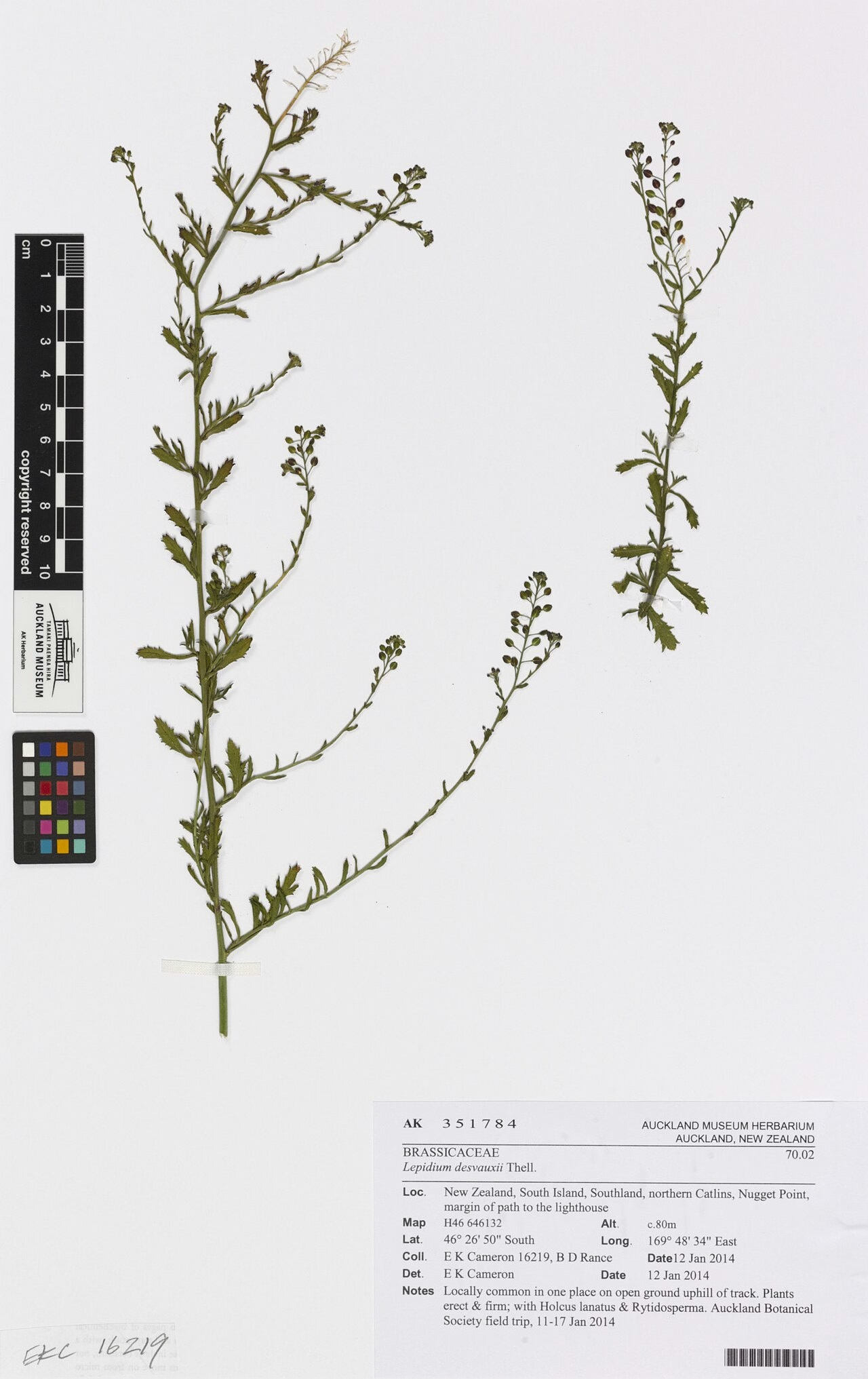
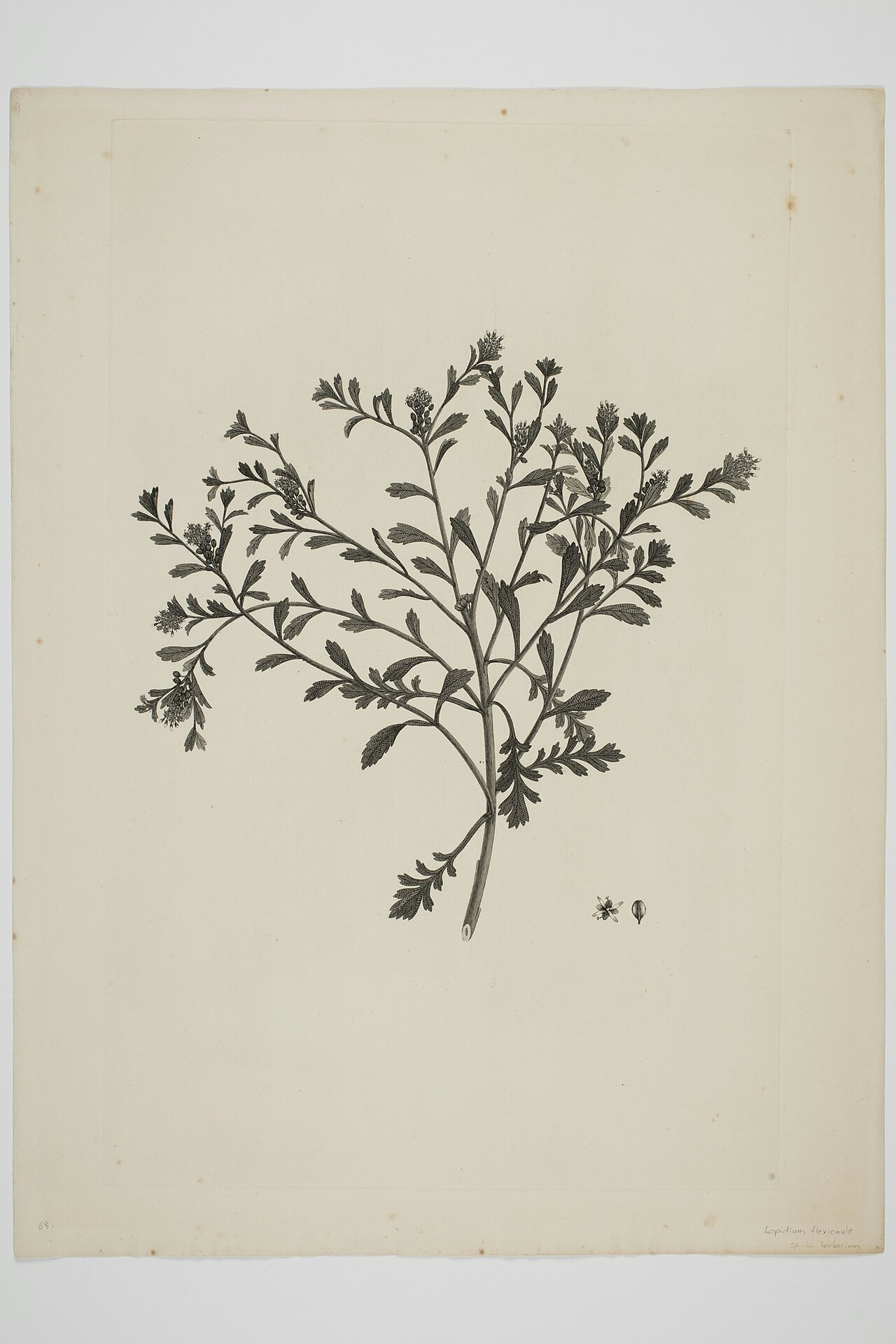
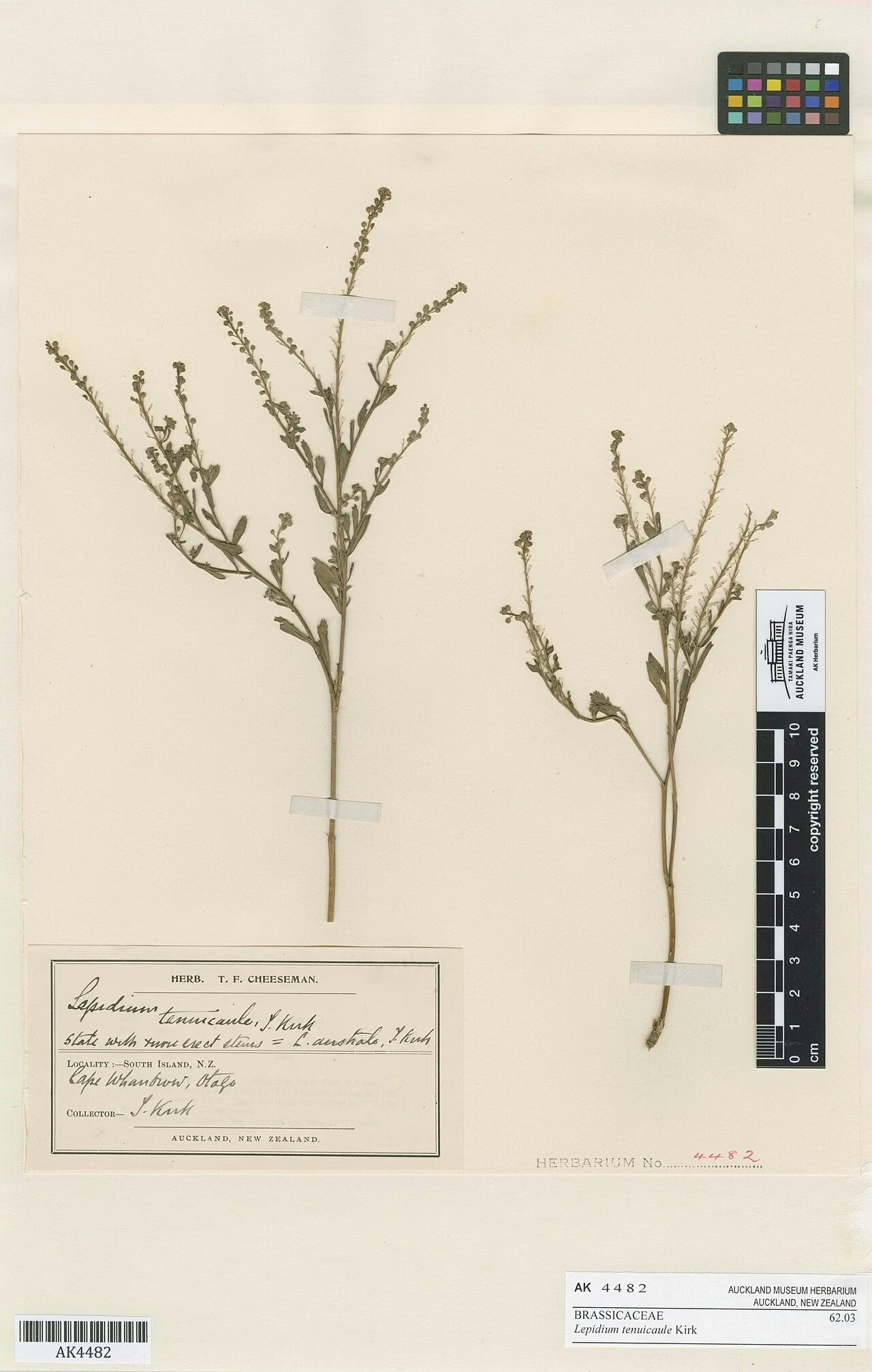
Explore other native plants that share similar characteristics or habitats with Square Sedge (Lepidosperma australe), offering further insights into New Zealand's diverse flora. These related species provide context and opportunities for complementary planting in your garden.
Plant Conservation
Square sedge is ranked Not Threatened (2023). It is widespread across the main islands and the Chatham Islands and occupies a broad range of habitats from coast to subalpine bogs.
Wetland drainage and the loss of open, infertile habitats can reduce local populations, although no specific threats are listed by NZPCN. Protecting wetlands and open, infertile habitats helps this and the many other specialised plants that share them.
Frequently Asked Questions
How do you identify square sedge?
Roll a stem between your fingers: square sedge has rigid, leathery stems that are square in cross-section and usually dark blue-green, topped by a dense, spike-like brown flower head.
Where does Lepidosperma australe grow?
It is endemic to New Zealand and occurs on the North, South, Stewart and Chatham islands, from the coast up to about 1300 m, in open ground, scrub and peat bogs.
Why is square sedge hard to grow?
NZPCN says its seed is difficult to germinate and that plants resent root disturbance and usually die if transplanted. Some growers have had success germinating seed in untreated sawdust.
Is square sedge a wetland plant?
It is rated facultative, meaning it grows both in wetlands such as peat bogs and on seasonally dry or well-drained ground outside wetlands.
Sources and Further Reading
The botanical, growing, and conservation details for Square Sedge (Lepidosperma australe) on this page draw on the New Zealand plant references below. Consult them for full technical records and the latest distribution data.