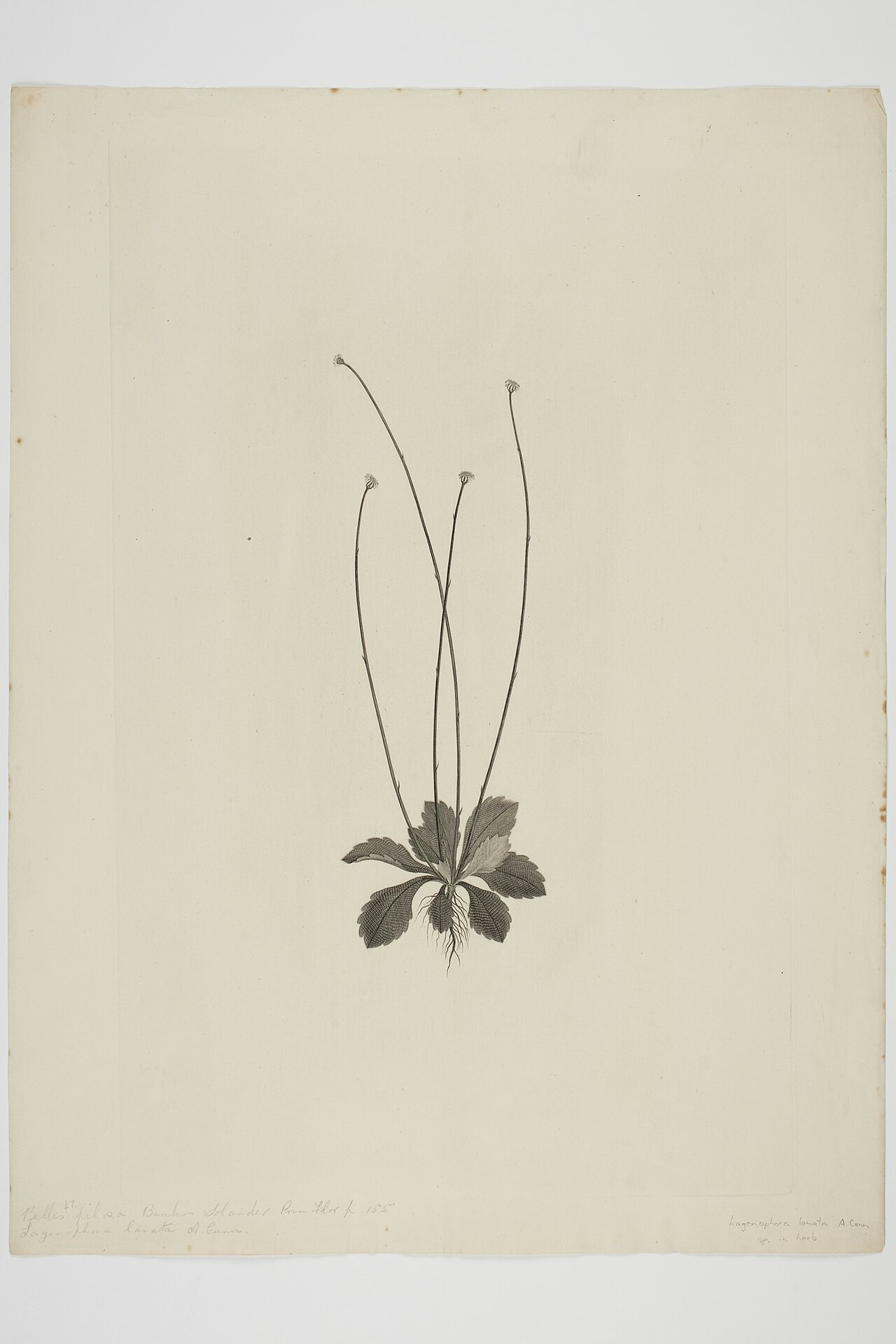
Native Daisy
Lagenophora sublyrata
Last updated:
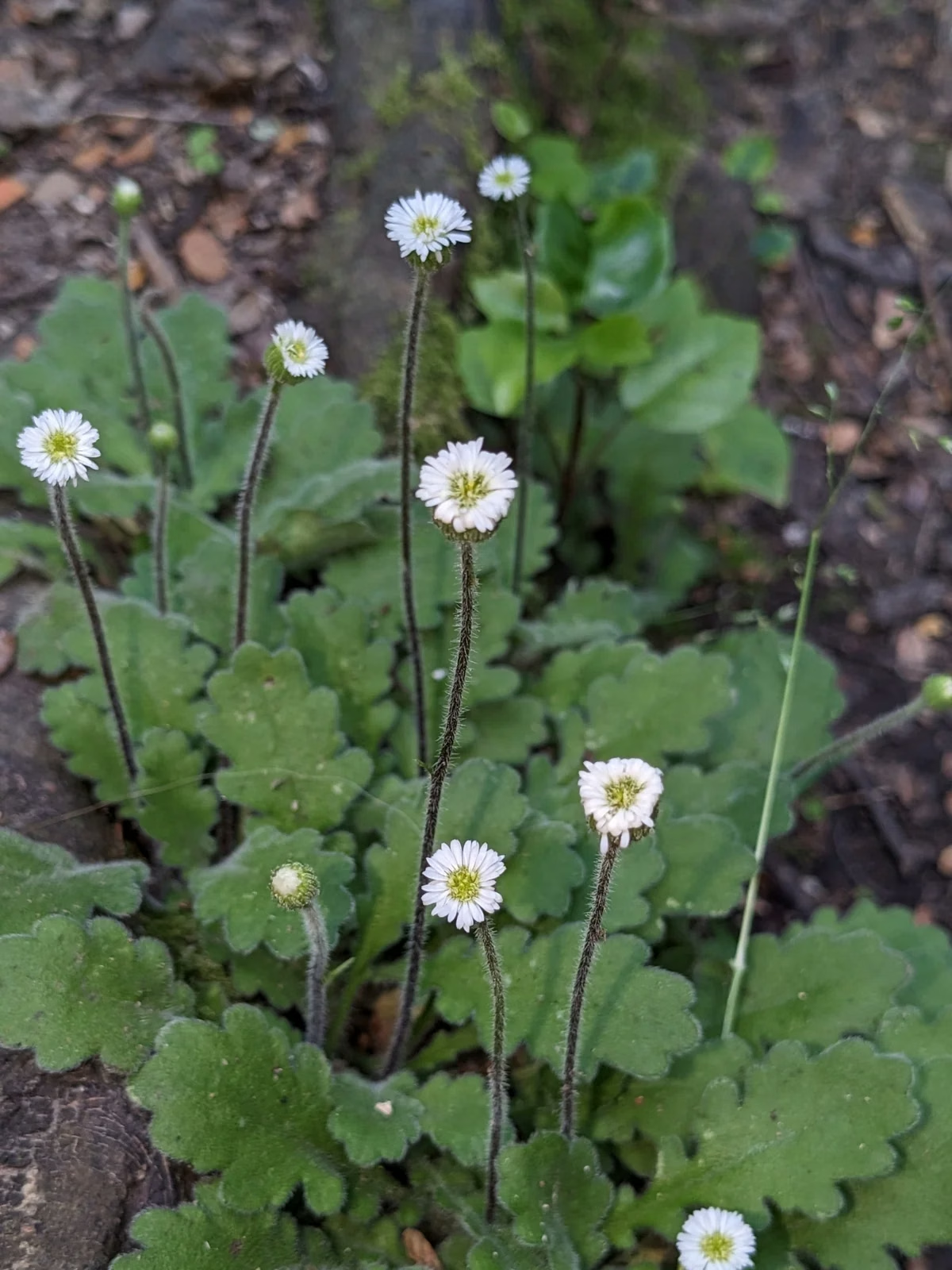
Lagenifera lanata, now known as Lagenophora sublyrata, is a small tufted daisy with soft, velvety, grey-green to dark green leaves in a ground-hugging rosette. White-rayed daisy heads on stalks 1 to 8 cm long appear from September to March. In New Zealand it is confined to the northern North Island, from Te Paki to the Hauraki Gulf islands, Cuvier Island and the Waitākere Ranges, where it grows on bare clay pans, under short scrub and kānuka forest and in rough coastal pasture. It also occurs in Australia, and in New Zealand it is ranked At Risk - Naturally Uncommon. Explore more native ground covers in our native plant guide.
Plant Description
Lagenophora sublyrata is a small tufted herb without creeping rhizomes. It has a simple or few-branched rootstock with stout, fleshy, bunched roots and a basal rosette of leaves. The leaves are 10 to 25 mm long and 5 to 15 mm wide, ovate to obovate-spathulate, grey-green to dark green, with coarsely or shallowly and often distantly toothed margins. Both surfaces are densely covered in soft, fine, appressed hairs, giving a velvety feel.
Flower stalks (scapes) 10 to 80 mm long each carry one head 5 to 10 mm across with numerous short white ray florets, about 30 to 80, surrounding 10 to 15 or more yellow disc florets.
The soft, velvety, hairy leaves distinguish it from other New Zealand Lagenophora. It is most likely to be confused with the introduced Solenogyne gunnii, which has narrower oblanceolate to lanceolate leaves and shorter fruiting stalks.
Quick Facts
| Scientific Name | Lagenophora sublyrata |
|---|---|
| Height | 0.01-0.08 m in flower |
| Spread | Single rosettes about 0.05-0.1 m across |
| Water Needs | Low to moderate |
| Light | Semi-shade preferred; tolerates sun |
| Frost Tolerance | Low to moderate; a northern coastal plant |
| Salt Tolerance | No information available |
| Growth Rate | Moderate |
| Lifespan | Perennial |
Climate Best Suited to
Suits the warm, mild climate of Northland and Auckland, where frosts are light and infrequent. It is not adapted to colder southern climates.
Regional Suitability
| City | Climate Suitability |
|---|---|
| Auckland | High |
| Wellington | Low |
| Christchurch | Low |
| Dunedin | Low |
Plant Habitat
In New Zealand this daisy is confined to the North Island, occurring locally from Te Paki in the Far North south to the Hauraki Gulf islands, Cuvier Island and the Waitākere Ranges. The type of Lagenophora lanata was collected among fern between the Waitangi and Kerikeri rivers in Northland. It also occurs naturally in Australia.
It grows in coastal locations on open or relatively bare clay pans, under short scrub and within rough pasture. It is often seen beneath tall kānuka forest, rooted in exposed clay or shallow leaf litter, and seems to do best in semi-shaded sites.
Growing Requirements
Soil Requirements
It typically roots into bare, infertile clay, including the hard clay pans of northern gumland and scrub.
- Poor, compact clay soils
- Bare ground or thin leaf litter
- No fertiliser; rich soil encourages competitors
Light Requirements
NZPCN notes it seems to do best in semi-shade, such as under open kānuka canopy.
- Dappled shade beneath open scrub or kānuka
- Tolerates open sites if competition is low
Water Requirements
Its clay habitats are wet in winter and can bake dry in summer, and the plant's fleshy roots help it cope.
- Moderate moisture in cultivation
- Avoid prolonged waterlogging in pots
Planting and Establishing
This species is rarely cultivated. If you have legally sourced plants, grow them in a pot or a small open patch of clay under light shade, away from vigorous grasses.
Within its natural range it can be encouraged by keeping open clay patches under kānuka free of weeds rather than by planting.
Ecological Role
Its glandular seeds are dispersed by wind and by sticking to animals, as in other Lagenophora. It occupies bare clay gaps in kānuka forest, short scrub and rough pasture, where competition is low.
Specific pollinators and invertebrate associates are not recorded in the sources consulted.
Uses & Significance
Garden Uses
It is mainly of interest to conservation growers and collectors of uncommon native herbs.
- Pot culture for specialist collections
- Open clay patches under kānuka in northern restoration sites
- Seed sources for local conservation plantings
Ecological Value
It is part of the distinctive low herb flora of northern clay soils, gumland and kānuka scrub.
- Naturally uncommon in New Zealand
- Grows on bare clay that few other plants occupy
- Contributes to the diversity of northern scrub understoreys
Landscaping Uses
It has no general landscaping role. In a native woodland garden in Auckland or Northland, a few plants could be grown in a bare clay opening under kānuka, where the velvety rosettes and white daisies can be seen close up.
Keep surrounding mulch thin, as it naturally grows in shallow litter or on bare clay.
Seasonal Care Calendar
Spring
Flowering begins in September.
- Keep competing weeds away
- Check pot plants for slug damage
Summer
Flowering continues and seed ripens from November.
- Collect ripe seed heads
- Water potted plants in dry spells
Autumn
Flowering ends in March but fruiting continues until June.
- Sow fresh seed
- Separate rooted pieces
Winter
Rosettes persist through the mild northern winter.
- Protect potted plants from hard frost
- Avoid waterlogging
When to Prune and How Much
No pruning is needed. Remove spent flower stalks only if you do not want it to set seed.
Pick off any dead outer leaves to keep the rosette free of rot in humid weather.
How to Grow Native Daisy
NZPCN states that Lagenophora sublyrata is easy to grow from fresh seed or from rooted pieces. Flowering runs from September to March and fruiting from November to June, so ripe seed is available over a long period. Because the species is At Risk - Naturally Uncommon in New Zealand, propagation material should come only from plants already in cultivation or be collected with landowner and Department of Conservation approval, and plants raised should be returned to sites within the species' natural northern range rather than planted further south.
From Seed
The seeds are small, glandular and lack a pappus. Collect heads once the florets have withered and the seeds come away easily, and sow them fresh for the best germination.
Seedlings stay small for their first months, so grow them on in pots for a season before planting out, which also makes it easier to keep track of these uncommon plants.
- Collect ripe heads between November and June
- Sow on the surface of a fine seed mix with some clay or loam
- Cover lightly with fine grit
- Keep moist in a sheltered, semi-shaded place
- Pot seedlings individually once they form small rosettes
By Division of Rooted Pieces
Mature plants sometimes form small offsets or branching crowns with their own roots, which can be separated carefully. The fleshy roots should be kept intact as far as possible.
- Lift a mature plant in autumn or spring
- Separate crowns that have their own fleshy roots
- Replant into small pots of free-draining mix
- Keep in semi-shade and water lightly until new leaves appear
Pests & Diseases
No specific pests are recorded. In cultivation, slugs and snails may damage the soft leaves.
The main threat in the wild is not a pest but habitat change: rough pasture where it grows may be improved with fertiliser and vigorous grasses, or become overgrown.
Cultural Significance
No Māori name or traditional use is recorded for this species in the sources consulted.
The name Lagenophora lanata was published by Allan Cunningham from a collection made among fern between the Waitangi and Kerikeri rivers. The epithet lanata means woolly, a reference to the soft hairs on the leaves.
Bonus Tip
When searching for this plant in northern kānuka forest, look at bare patches of clay rather than in the leaf litter; run a finger over any rosette you find, as the soft, velvety feel of the leaves is the quickest way to separate it from other small daisies.
Related Plants
Explore other native plants that share similar characteristics or habitats with Native Daisy (Lagenophora sublyrata), offering further insights into New Zealand's diverse flora. These related species provide context and opportunities for complementary planting in your garden.
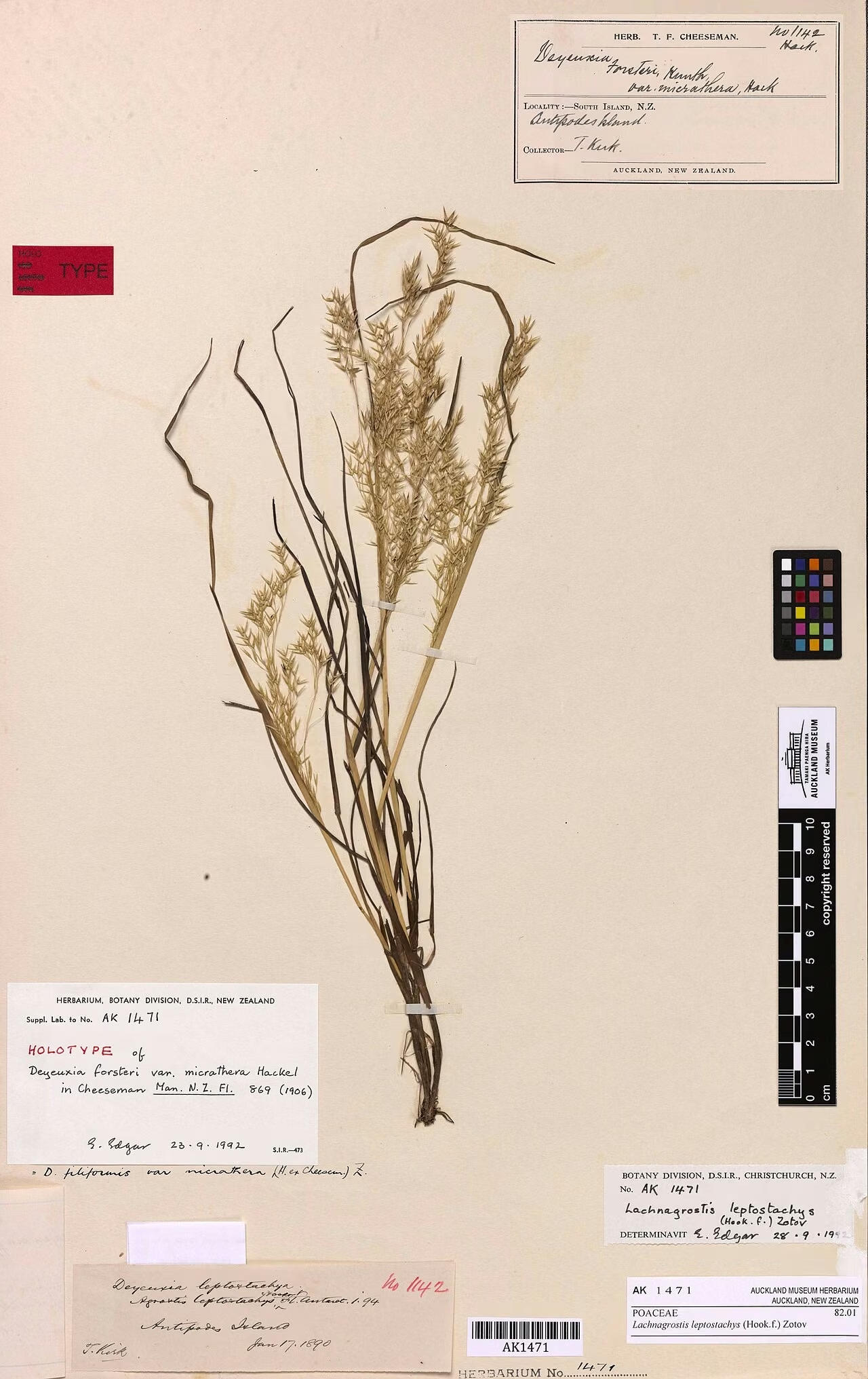
Lachnagrostis leptostachys
Lachnagrostis leptostachys
Coastal Wind Grass
Lachnagrostis littoralis subsp. littoralis
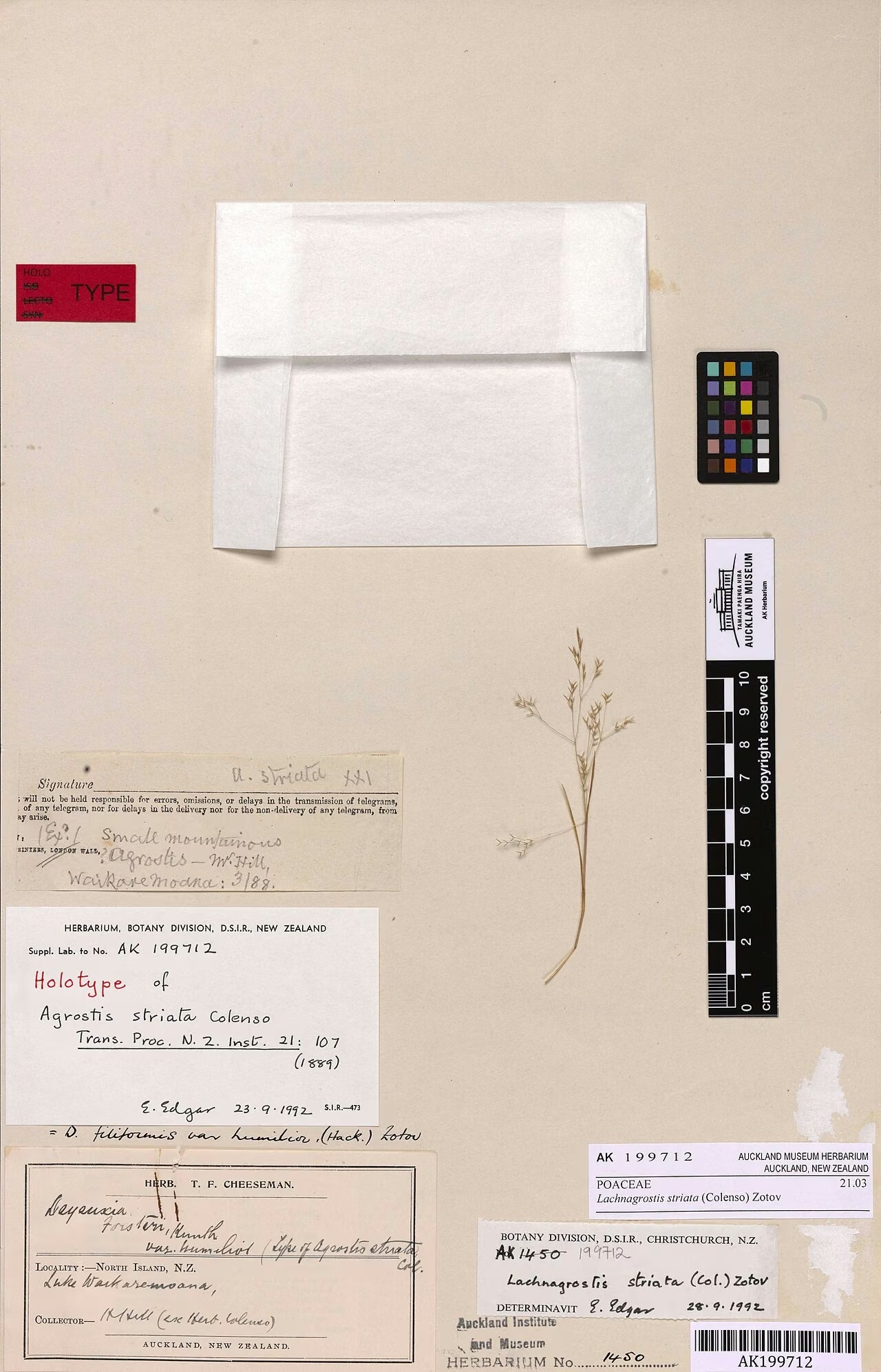
Purple Wind Grass
Lachnagrostis striata
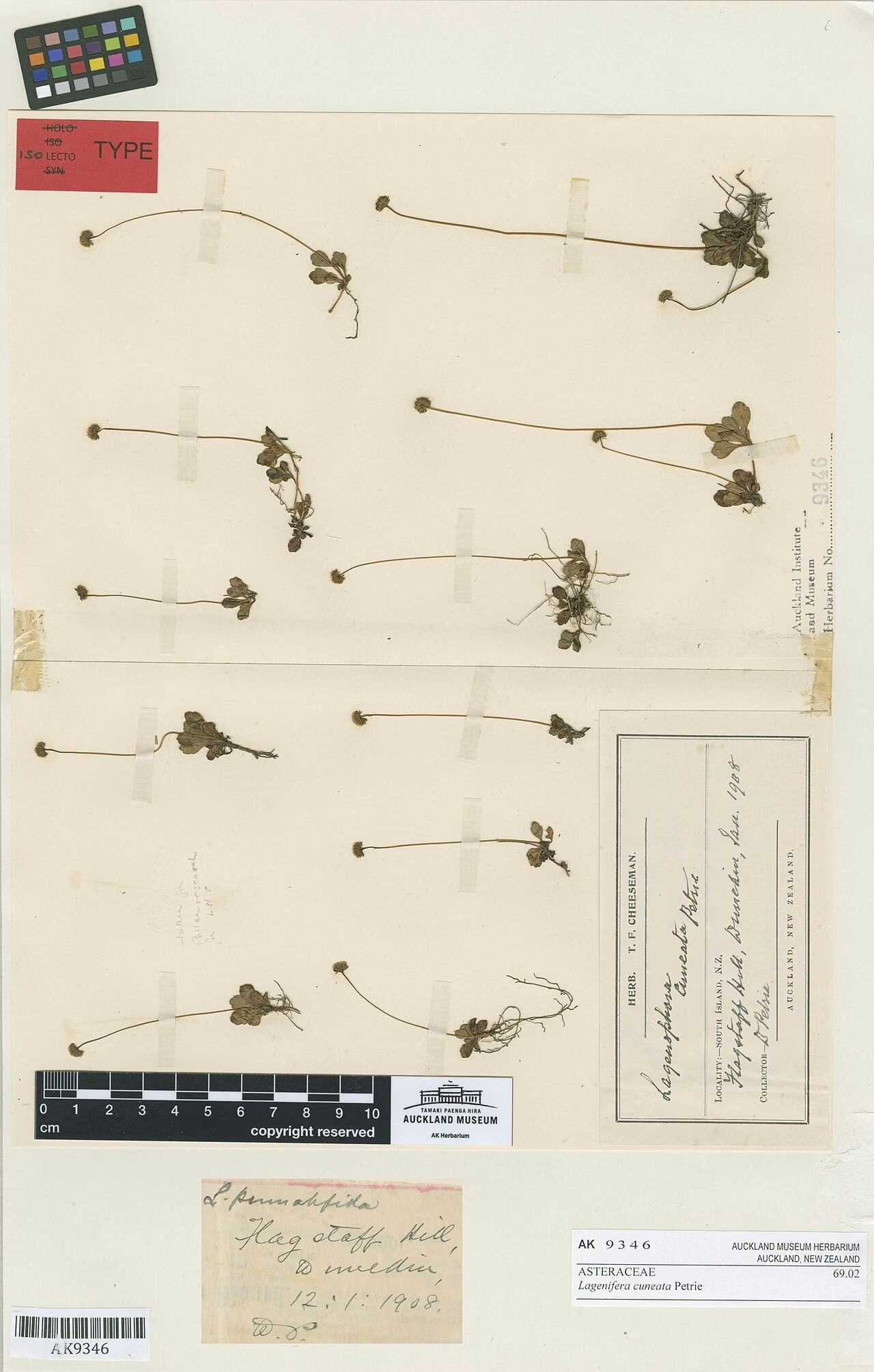
Lagenophora cuneata
Lagenophora cuneata
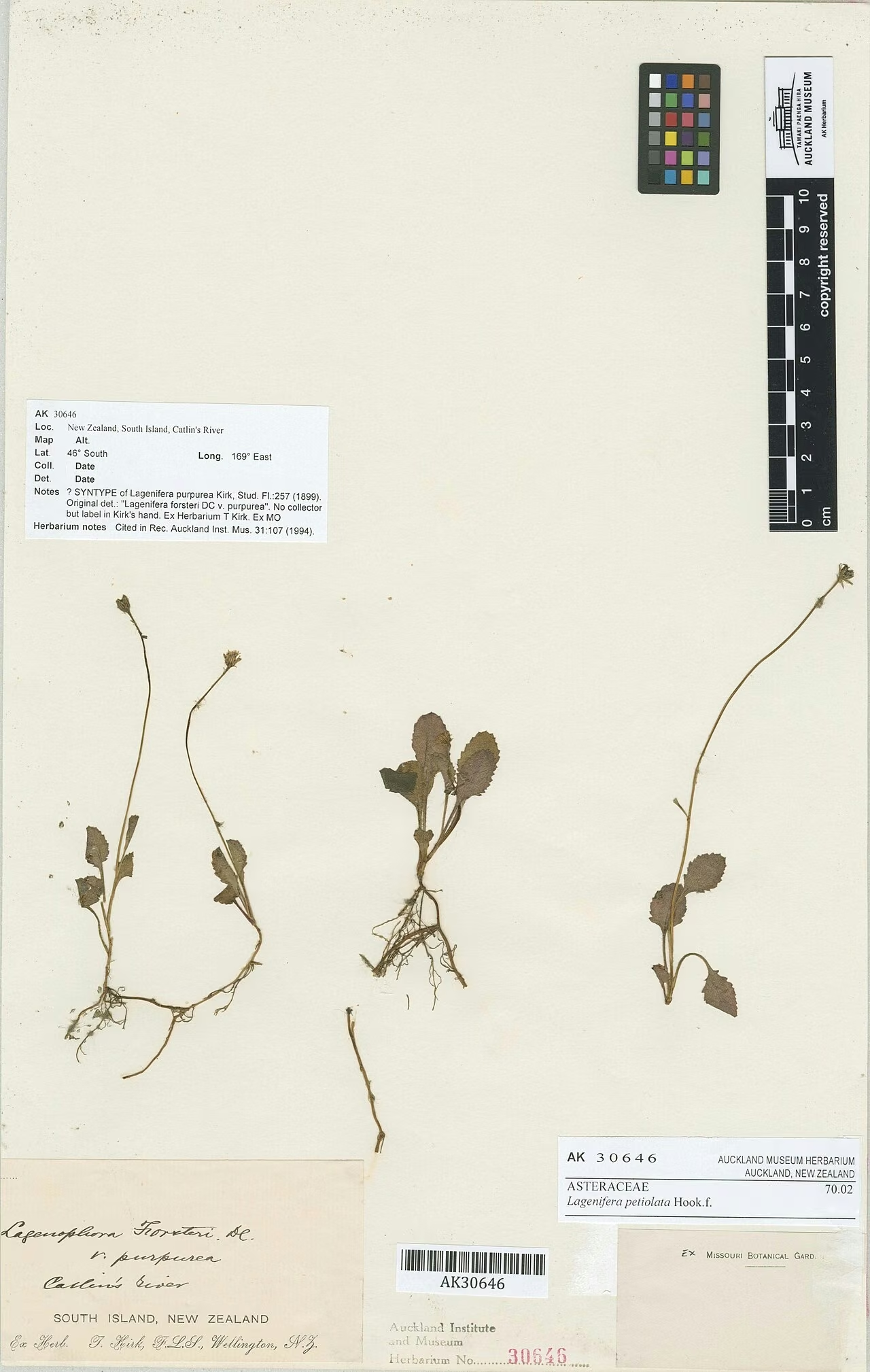
Papataniwhaniwha
Lagenophora petiolata
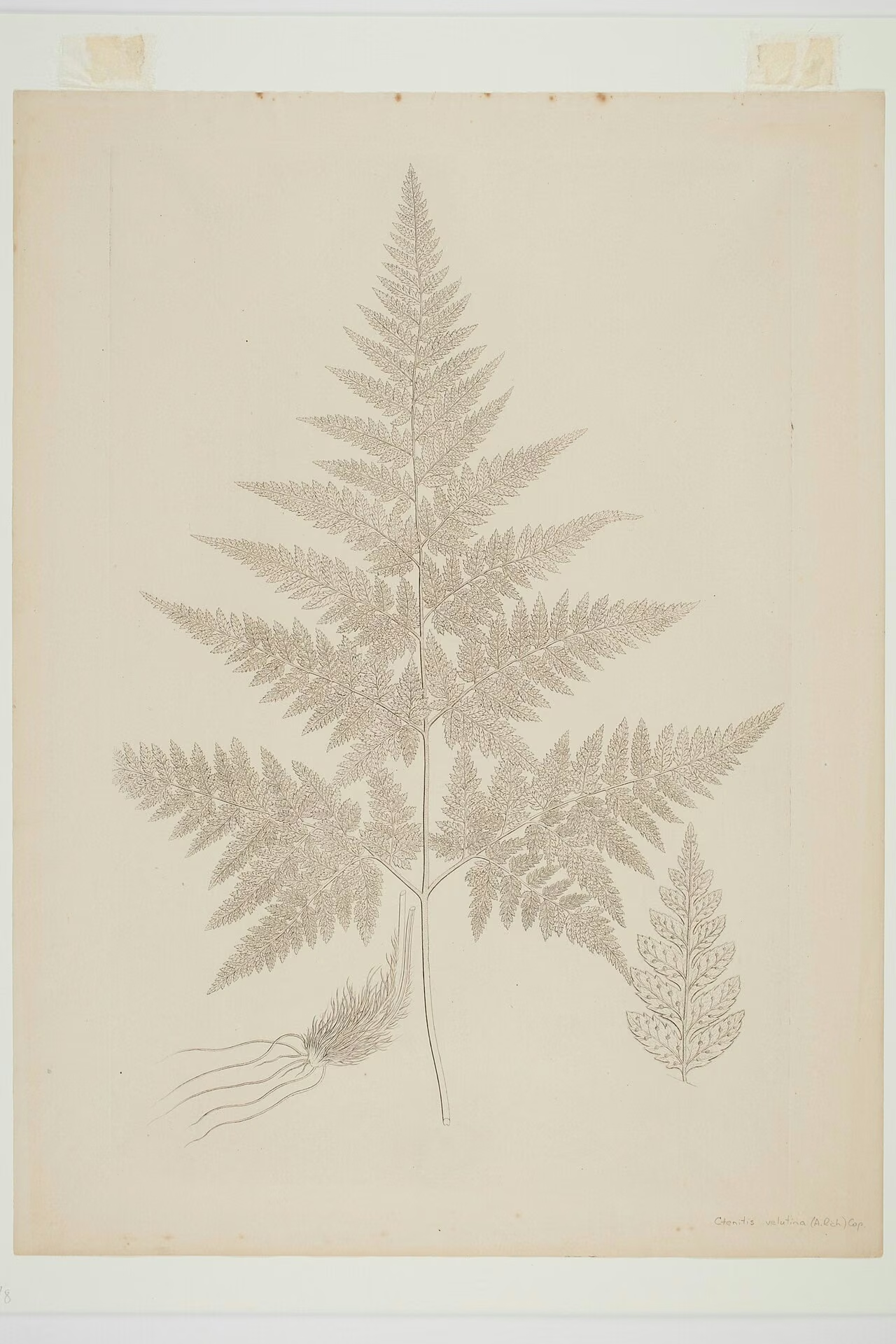
Velvet Fern
Lastreopsis velutina
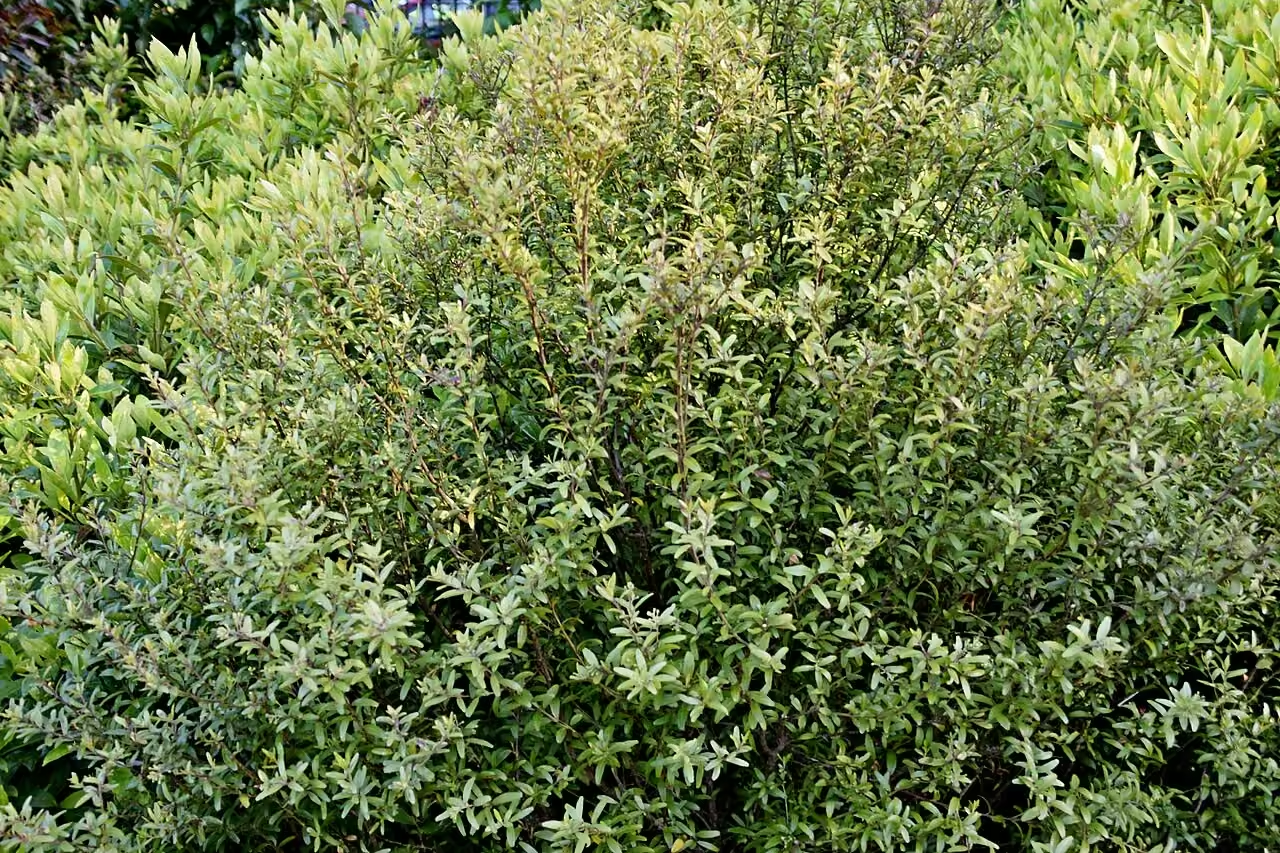
Mairehau
Leionema nudum
Pinnatifida Plant
Pinnatifida Plant
Plant Conservation
Lagenophora sublyrata is ranked At Risk - Naturally Uncommon (2023), with qualifiers for sparse occurrence and data poor status. It is Regionally Naturally Uncommon in Northland and Regionally Declining in Auckland.
NZPCN notes it is not directly threatened but is uncommon throughout its range. It often grows in rough or poorly maintained pasture reverting to scrub and is therefore vulnerable to pasture improvement. Retaining open clay patches and avoiding fertiliser in such areas helps it persist.
Frequently Asked Questions
What is the current name for Lagenophora sublyrata?
Lagenifera lanata, also written Lagenophora lanata, is now treated as a synonym of Lagenophora sublyrata, the name confirmed by Wang and Bean in 2019.
Where does Lagenophora sublyrata grow in New Zealand?
It is confined to the northern North Island, from Te Paki south to the Hauraki Gulf islands, Cuvier Island and the Waitākere Ranges, usually in coastal districts.
How can you tell Lagenophora sublyrata from other small native daisies?
Its leaves are larger, soft and velvety with fine hairs on both surfaces, grey-green to dark green and coarsely toothed, unlike the stiffer or hairless leaves of other New Zealand Lagenophora.
Why is Lagenophora sublyrata considered at risk?
It is naturally uncommon throughout its small range and often grows in rough pasture reverting to scrub, which makes it vulnerable to pasture improvement.
Sources and Further Reading
The botanical, growing, and conservation details for Native Daisy (Lagenophora sublyrata) on this page draw on the New Zealand plant references below. Consult them for full technical records and the latest distribution data.