Native Daisy
Lagenophora cuneata
Last updated:
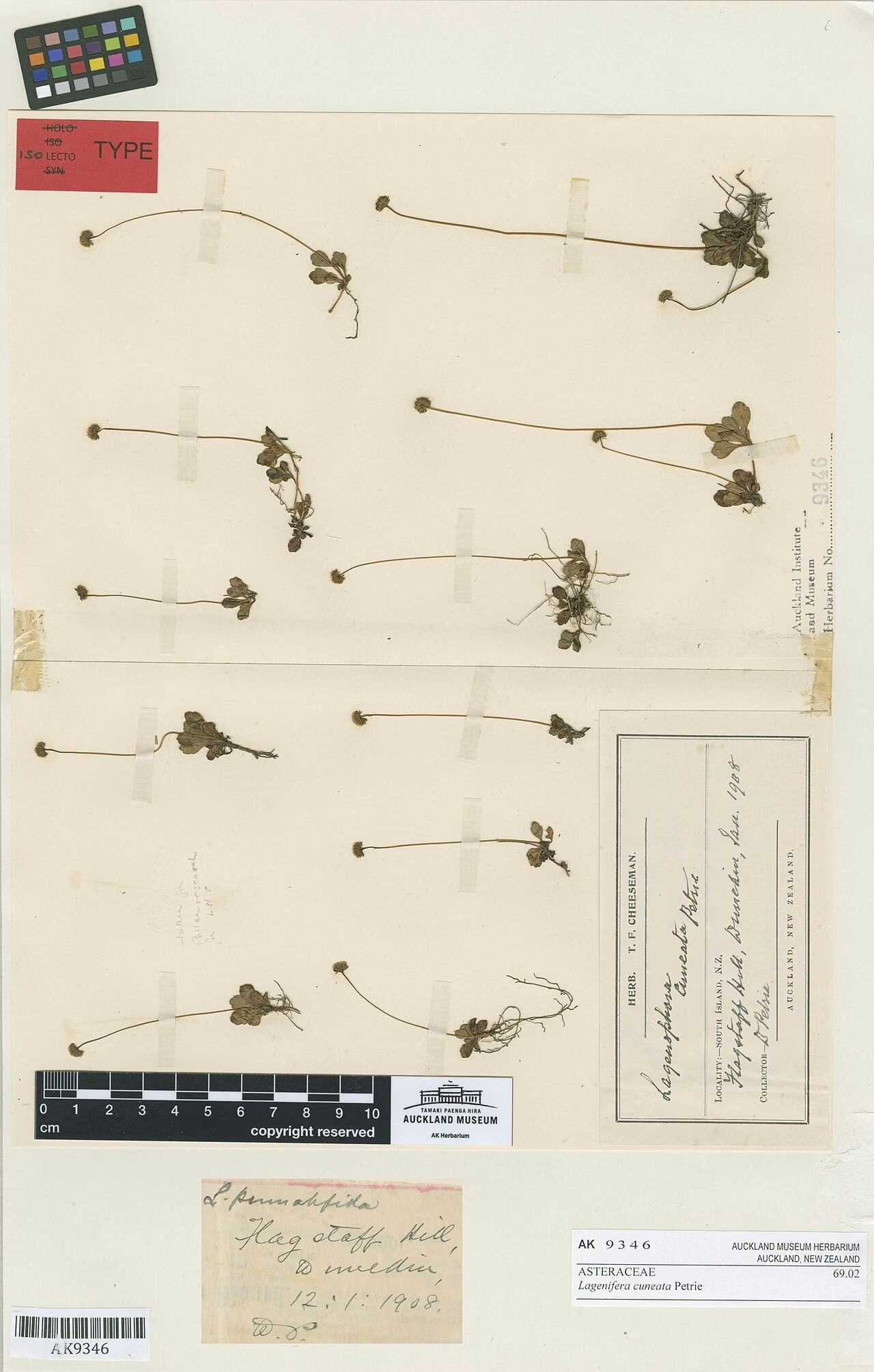
Lagenophora cuneata, formerly spelt Lagenifera cuneata, is a very small, slender native daisy endemic to New Zealand. It spreads by thin rhizomes to form open patches of tiny leaf rosettes, the leaves only 4 to 15 mm long and wedge shaped. Very slender stalks 5 to 12 cm tall carry minute daisy heads 5 to 8 mm across from November to February. It grows in lowland to lower subalpine grassland and open places from about latitude 39° southwards, often on damp tarn and lake margins, fens and tussock grassland. It is ranked Not Threatened. Explore more native ground covers in our native plant guide.
Plant Description
Lagenophora cuneata is a diminutive rhizomatous herb. Thin underground stems run through the turf and produce small rosettes of leaves at their nodes, so a single plant forms an open, scattered patch rather than a tight clump.
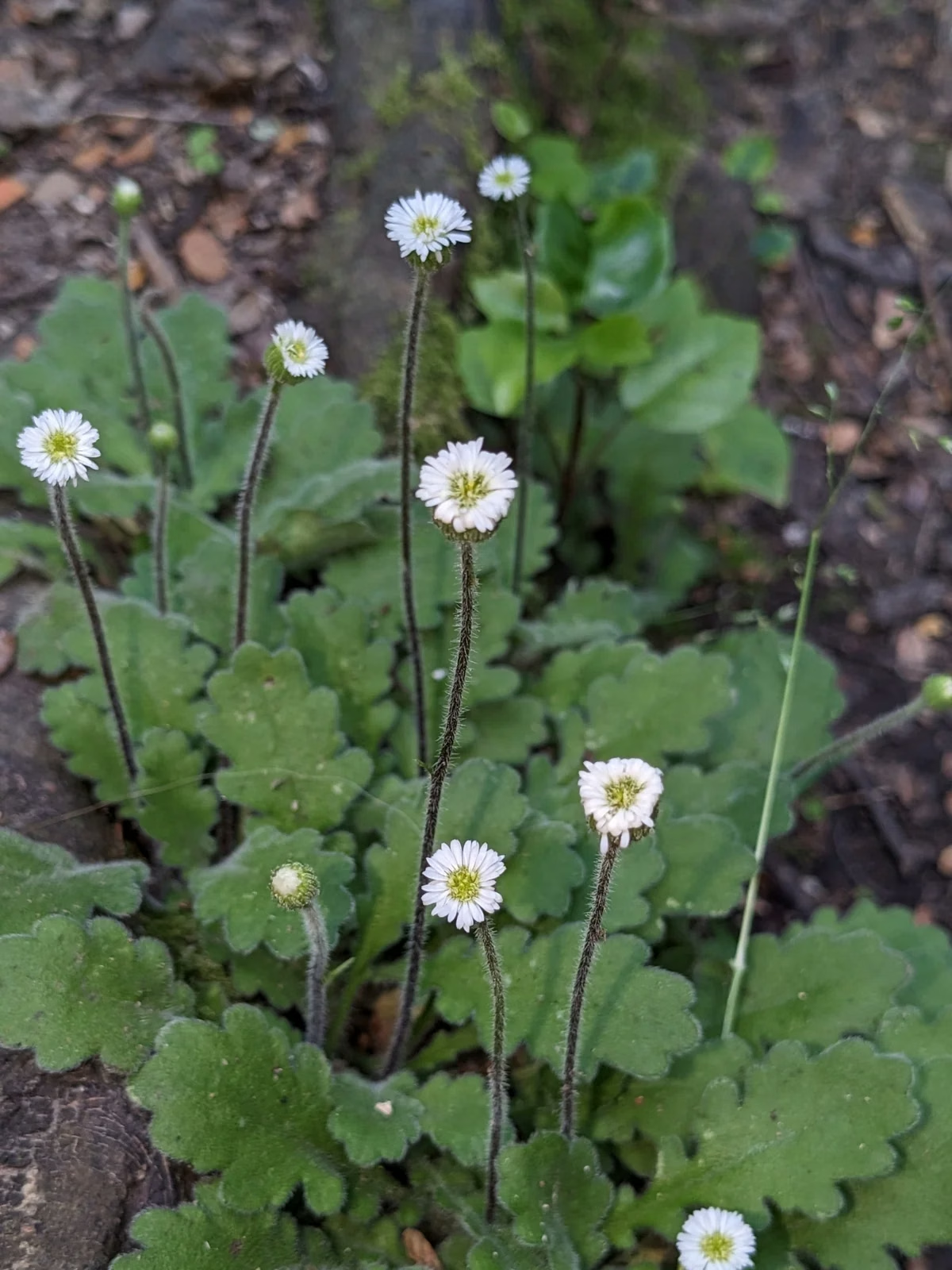
The leaves are obovate to oblong-cuneate (wedge shaped), rounded at the tip, only about 4 to 15 mm long and 3 to 6 mm wide, somewhat leathery, hairless or sparsely hairy, with slightly thickened, finely ciliate margins. Very slender scapes 5 to 12 cm long, erect or curving, each carry a single minute flower head 5 to 8 mm across, with short ray florets around a central disc, and up to two narrow leaves on the stalk.
Compared with the more familiar papataniwhaniwha (Lagenophora pumila), it is much smaller in every part, with wedge-shaped rather than roundish leaves. Its seeds (cypselae) are small, about 1.5 to 1.75 mm long, with a very short erect beak of 0.25 mm or less.
Quick Facts
| Scientific Name | Lagenophora cuneata |
|---|---|
| Height | 0.05-0.12 m in flower |
| Spread | Open patches spreading slowly by rhizomes |
| Water Needs | Moderate to high; often in damp sites |
| Light | Full sun to light shade |
| Frost Tolerance | High; reaches lower subalpine altitudes |
| Salt Tolerance | No information available |
| Growth Rate | Slow to moderate |
| Lifespan | Perennial |
Climate Best Suited to
Suits cool temperate climates from the southern North Island through the South Island, including frosty inland basins and montane country.
Regional Suitability
| City | Climate Suitability |
|---|---|
| Auckland | Low |
| Wellington | Medium |
| Christchurch | Medium |
| Dunedin | High |
Plant Habitat
Lagenophora cuneata is endemic to New Zealand and occurs from about latitude 39° southwards in the North and South Islands, in lowland to lower subalpine grassland and open places.
Herbarium collections record it from montane fens, including on hummocks of old tussock bases, from tarn and lake margins, stream beds and dry tussock grassland, from around 790 m to about 1500 m in the Richardson Mountains of Otago. Most records are from moist, open, short vegetation.
Growing Requirements
Soil Requirements
It grows in low-fertility soils, from peaty fen margins to the stony soils of tussock grassland.
- Moist, low-fertility soil or peat
- Open, short turf with little competition
- Avoid rich, heavily fertilised ground
Light Requirements
It is a plant of open grassland and turf where little shades its tiny rosettes.
- Full sun or very light shade
- Easily swamped by taller grasses
Water Requirements
Many of its sites are damp, such as fens and tarn edges, although it also occurs in drier tussock grassland.
- Keep soil evenly moist
- Suits a damp corner of a rock garden or trough
Planting and Establishing
Lagenophora cuneata is rarely available, so it is mainly of interest to collectors of alpine and miniature native plants. Grow it in a trough, pot or small rock garden pocket where it will not be overrun.
Use a gritty, moist mix and plant small divisions in spring, keeping them watered until the rhizomes start to run.
Ecological Role
Its glandular seeds (cypselae) are dispersed by wind and by attaching to passing animals or people, as is typical for the genus. This lets it colonise small open patches in turf and fens.
Pollinators are not specifically recorded for this species in the sources consulted. Its small, open daisy heads are of a type generally visited by small generalist insects.
Uses & Significance
Garden Uses
It is a curiosity for specialist growers rather than a general garden plant.
- Alpine troughs and miniature gardens
- Moist pockets in a rock garden
- Collections of native daisies
Ecological Value
It is one of several small native daisies that add diversity to grassland, fen and lake-margin turf.
- Endemic to New Zealand
- Part of open montane turf and fen communities
- Adds small flowering herbs to short vegetation
Landscaping Uses
Because of its tiny size it has no practical landscaping role at scale. In a trough garden, use it as a fine-textured groundcover between stones alongside other miniature natives.
It looks best where it can be seen at close range, such as in a raised trough near a path.
Seasonal Care Calendar
Spring
New rosettes form along the rhizomes as soils warm.
- Divide or plant out in spring
- Keep competing grasses trimmed
Summer
Flowering runs from November to February, with minute daisy heads on hair-thin stalks.
- Keep moist in dry spells
- Watch for seed heads from December
Autumn
Fruiting continues until April.
- Collect ripe seed heads
- Sow fresh seed
Winter
The small rosettes sit dormant through frosts.
- No action needed
- Keep troughs free-draining in wet spells
When to Prune and How Much
No pruning is needed. Snip off spent flower stalks if you want a tidier look, or leave them to shed seed.
Remove any taller weeds or grasses that start to overshadow the rosettes.
How to Grow Native Daisy
NZPCN describes Lagenophora cuneata as easy to propagate from fresh seed and by division of whole plants. Flowering is from November to February and fruiting from December to April, so seed can be gathered through late summer and early autumn. Because the plant spreads by slender rhizomes that root at the nodes, division is the quickest way to make new plants, while seed gives a larger number of plants for restoration work. Use only material from cultivated plants or collected with permission from local populations.
From Seed
The seeds are tiny, about 1.5 to 1.75 mm long, with glandular surfaces and no pappus. Collect heads as they dry and the seeds loosen.
- Collect ripe seed heads between December and April
- Sow fresh seed on the surface of a fine, gritty mix
- Cover with a light dusting of fine grit
- Keep moist and in good light
- Prick out seedlings into small pots once they have a few leaves
By Division
Each rosette along the rhizome can root independently, so small rooted pieces can be separated easily.
Division is best done in spring when new rosettes are forming, and small pieces establish most reliably in a shallow pan where the rhizomes have room to spread sideways rather than in a deep pot.
- Lift part of a patch in spring
- Cut the rhizome between rooted rosettes
- Pot each rosette into a moist gritty mix
- Keep shaded and damp for a few weeks until established
Pests & Diseases
No specific pests are recorded. In cultivation, slugs and snails may graze the small leaves, and competition from vigorous weeds is the most common cause of loss.
In the wild, invasion of turf and fens by introduced grasses and weeds can crowd it out.
Cultural Significance
No Māori name or traditional use is recorded specifically for Lagenophora cuneata in the sources consulted.
Donald Petrie named the species. The genus name comes from the Latin lagen, a flask, and the Greek suffix phora, carrier, possibly referring to the urn-shaped seed, while cuneata means wedge shaped, describing the leaves.
Bonus Tip
If you find a tiny native daisy on a tarn margin and are unsure whether it is Lagenophora cuneata or a small papataniwhaniwha, check the leaves: this species has leaves that taper to a wedge at the base and are only a centimetre or so long, with flower heads under 8 mm across.
Related Plants
Explore other native plants that share similar characteristics or habitats with Native Daisy (Lagenophora cuneata), offering further insights into New Zealand's diverse flora. These related species provide context and opportunities for complementary planting in your garden.
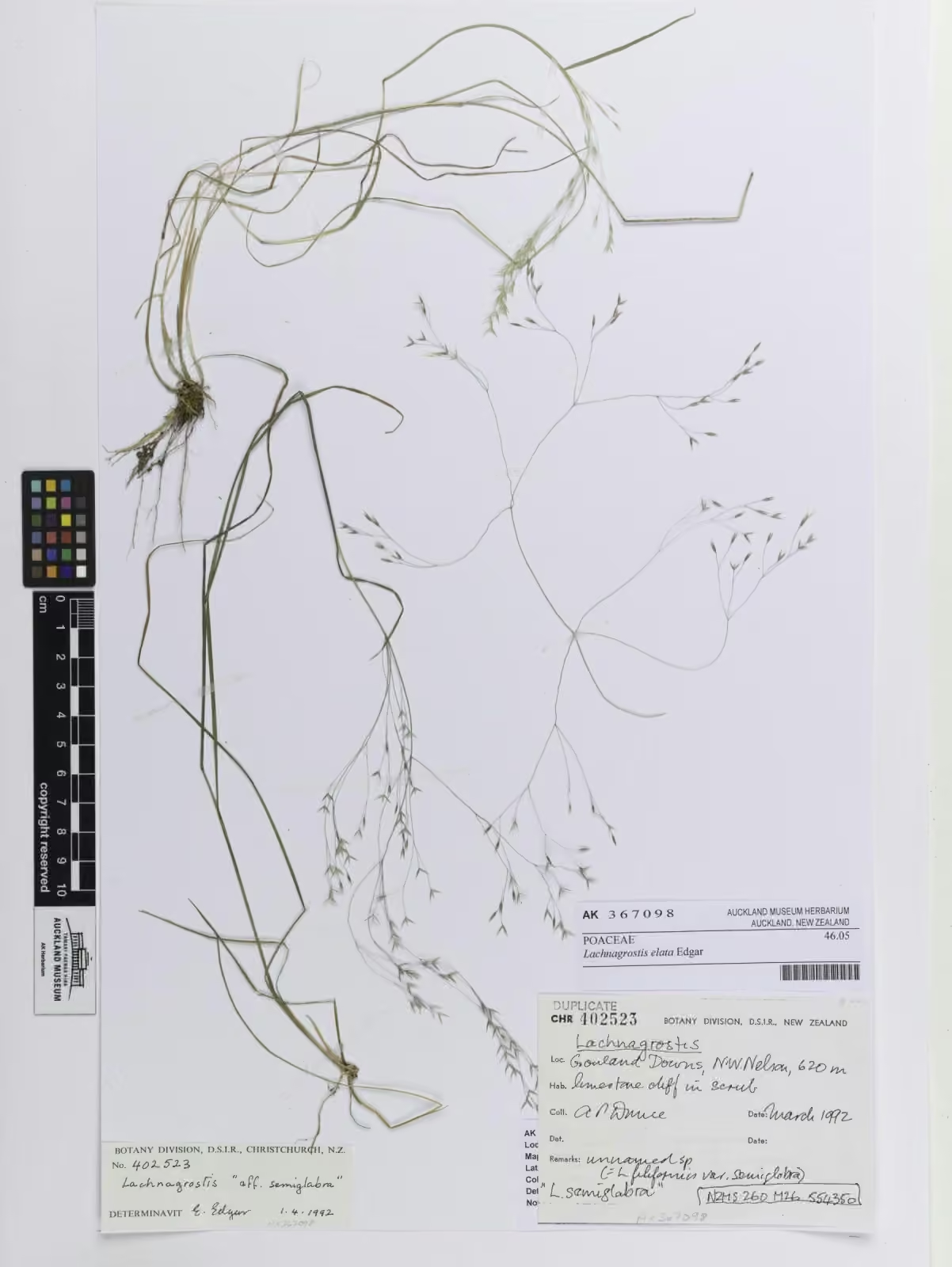
Lachnagrostis elata
Lachnagrostis elata
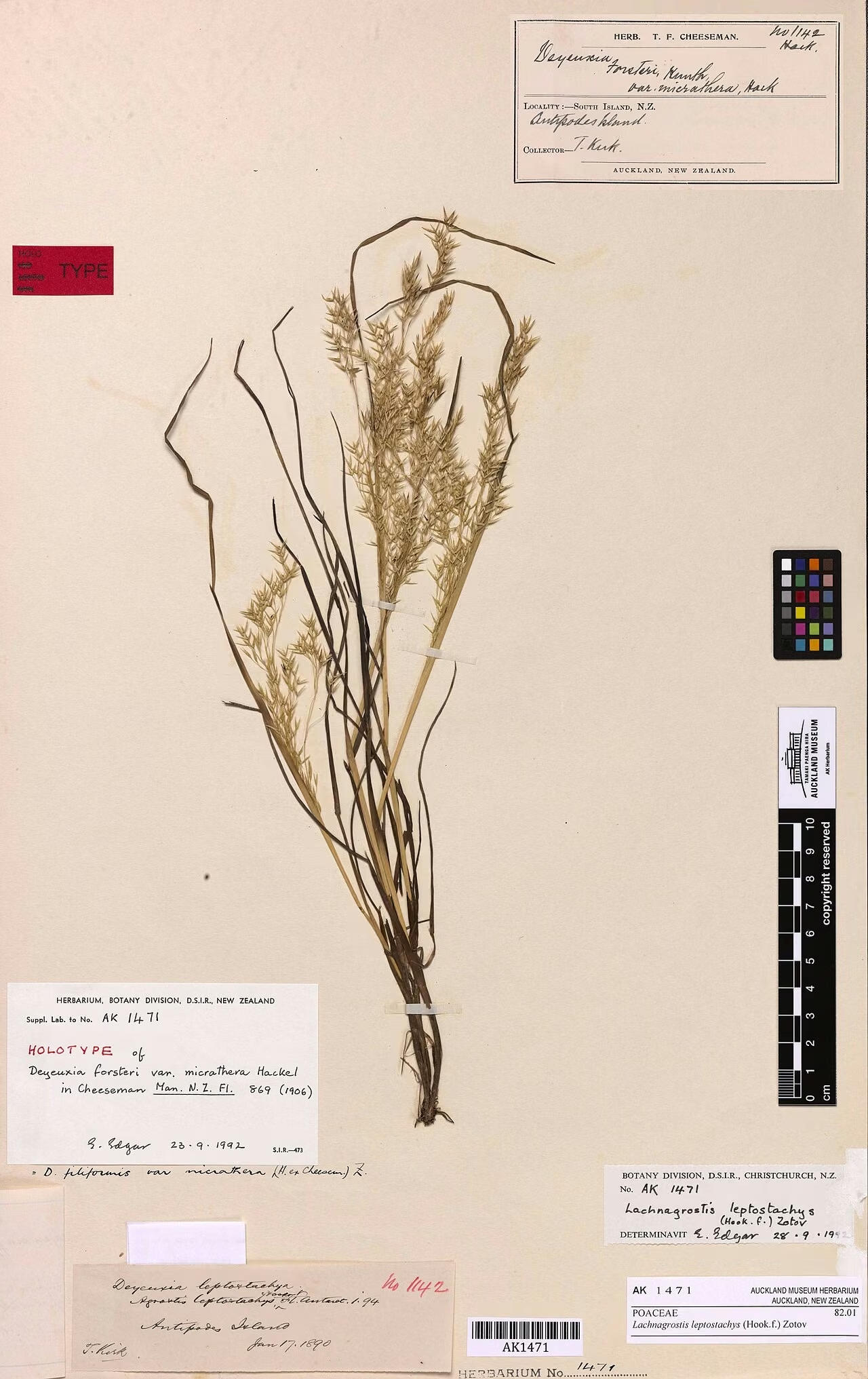
Lachnagrostis leptostachys
Lachnagrostis leptostachys
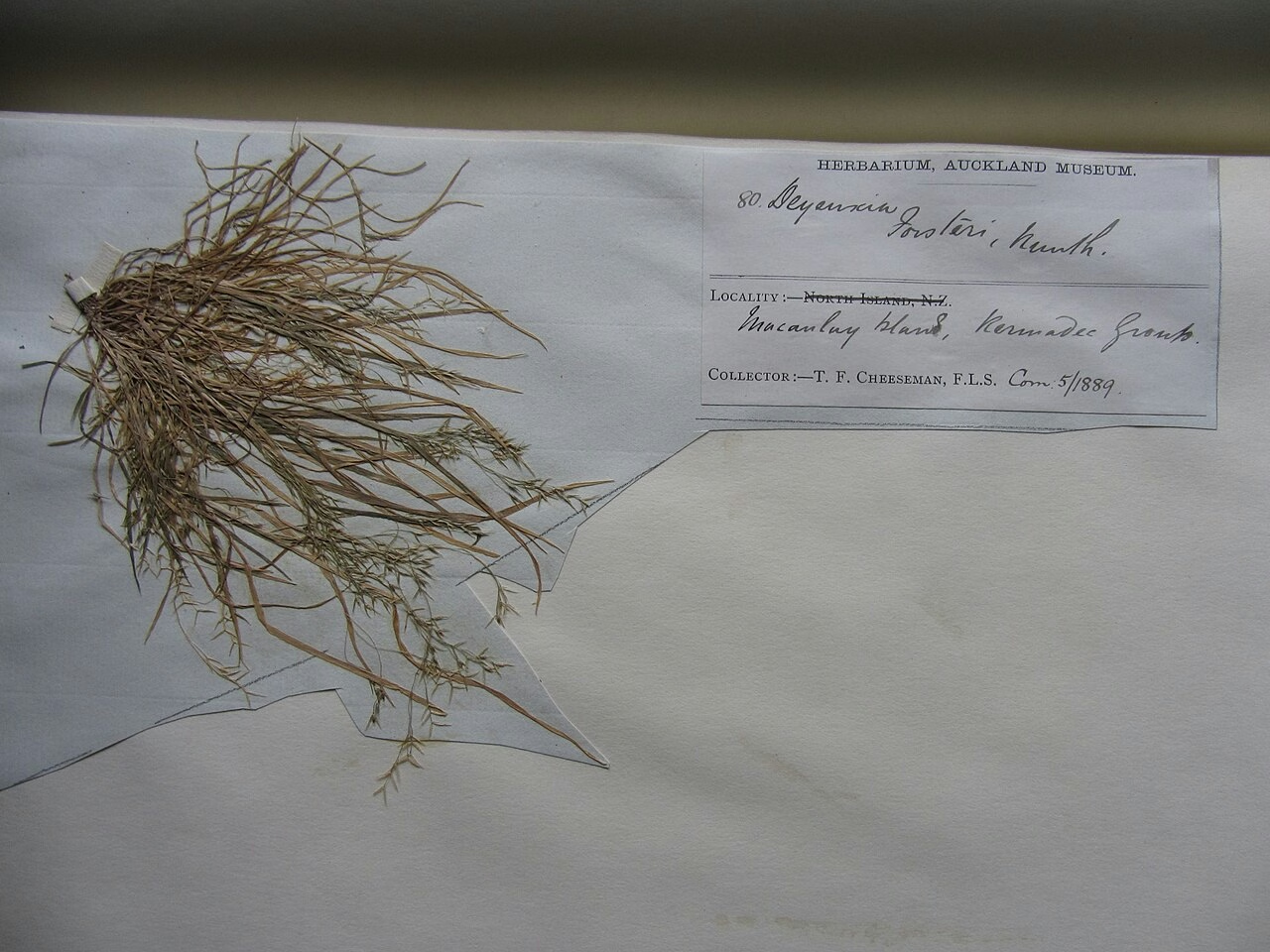
Coastal Wind Grass
Lachnagrostis littoralis subsp. littoralis
Purple Wind Grass
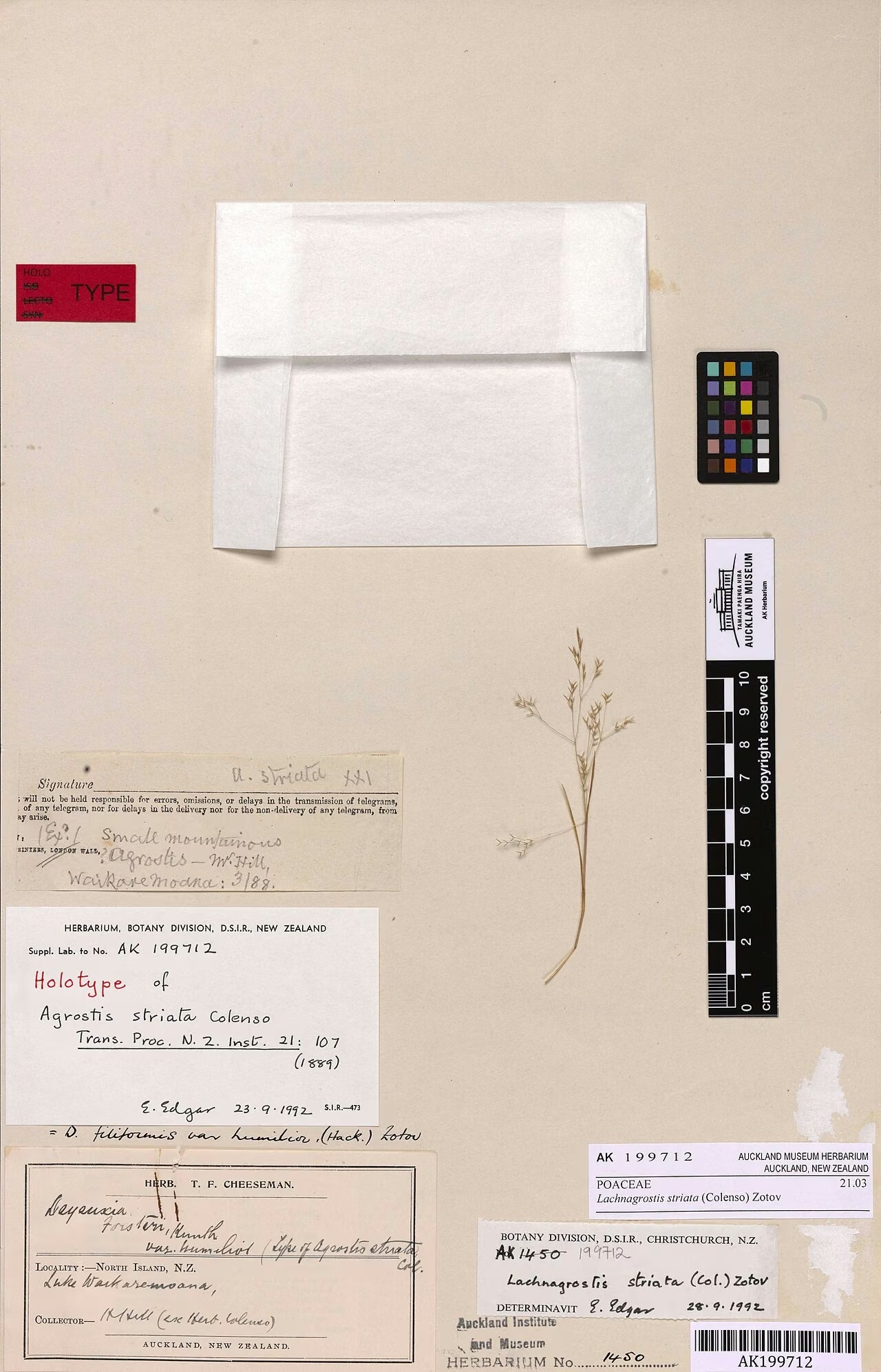
Lachnagrostis striata
Lagenophora sublyrata
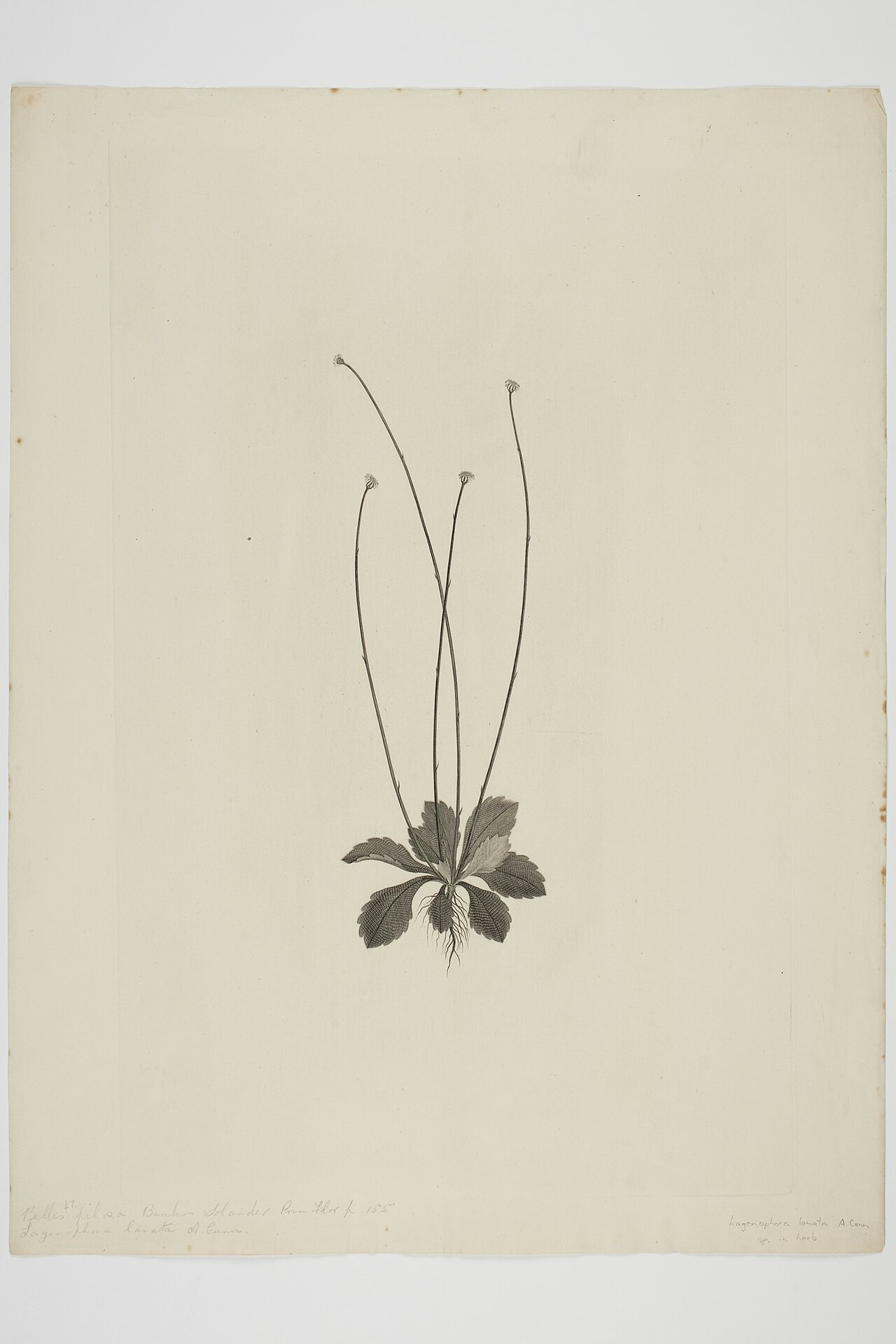
Lagenophora sublyrata
Papataniwhaniwha
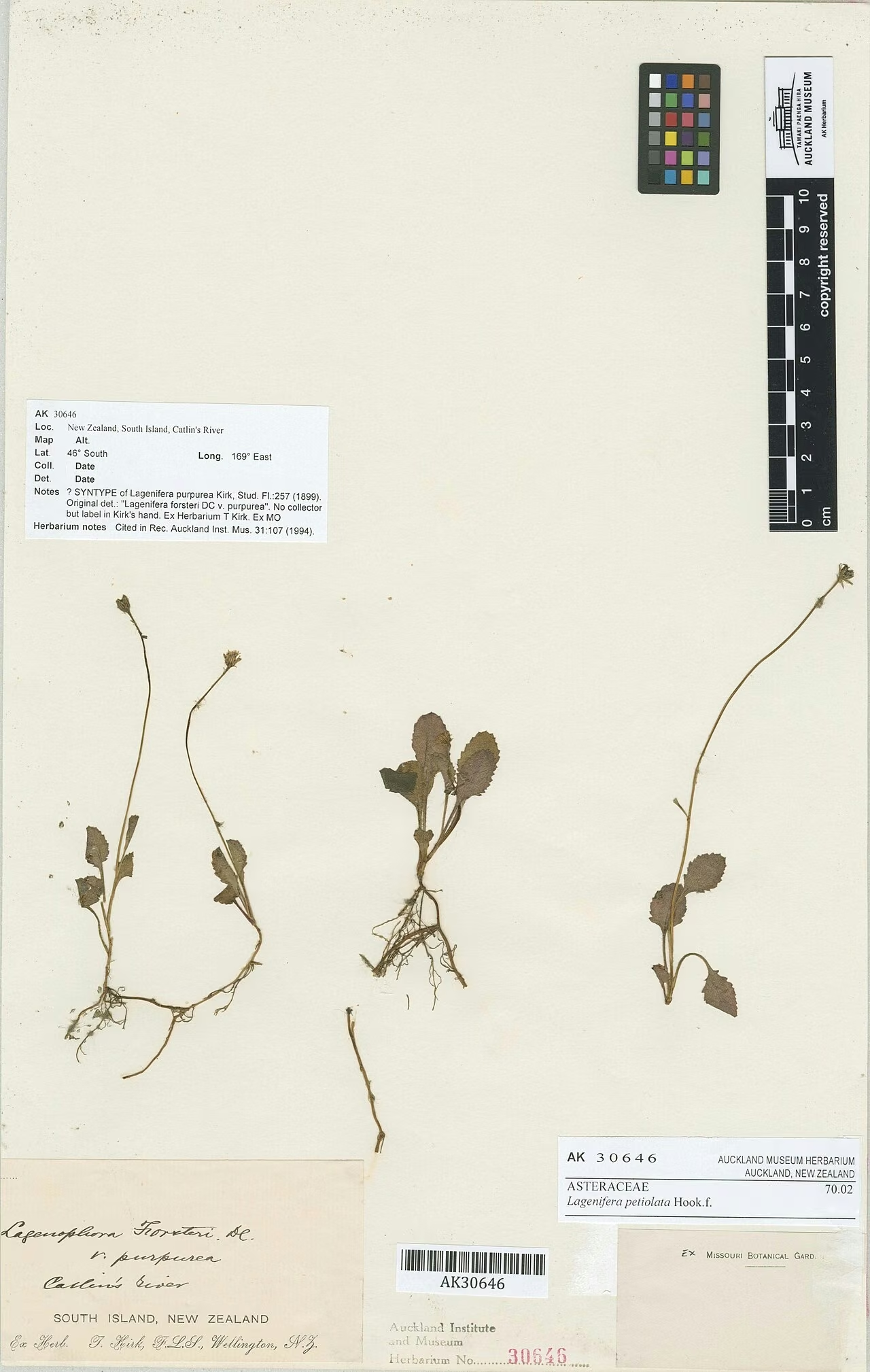
Lagenophora petiolata
Velvet Fern
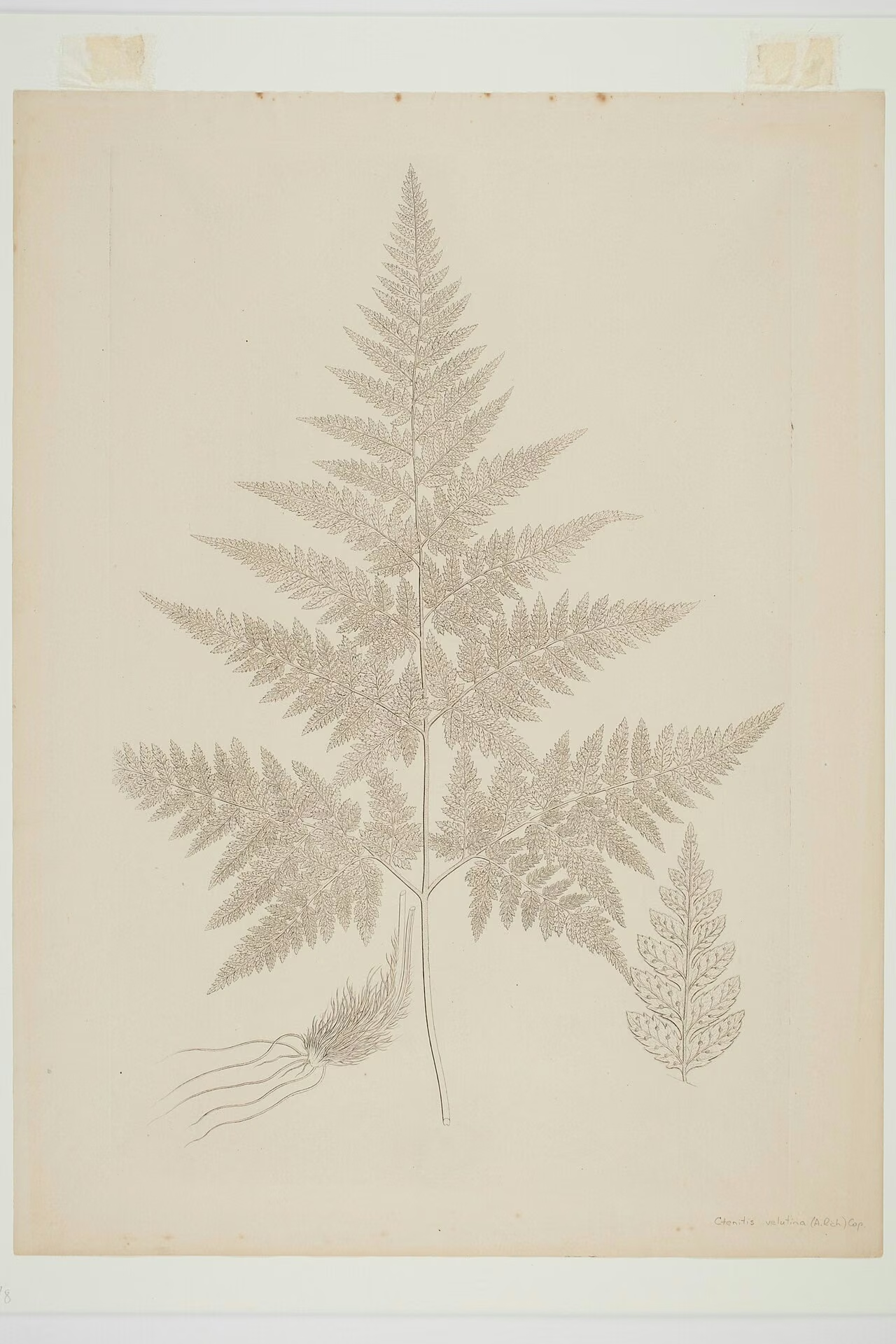
Lastreopsis velutina
Pinnatifida Plant
Pinnatifida Plant
Plant Conservation
Lagenophora cuneata is ranked Not Threatened (2023) nationally and Regionally Not Threatened in Otago.
Protecting open fens, tarn margins and short tussock grassland from weed invasion and drainage helps maintain the habitats where it grows.
Frequently Asked Questions
Is Lagenifera cuneata the same as Lagenophora cuneata?
Yes. Lagenophora was conserved as the correct spelling of the genus, a ruling New Zealand botanists adopted in 2013, so Lagenifera cuneata is now treated as a synonym.
How do you identify Lagenophora cuneata?
Look for tiny wedge-shaped leaves 4 to 15 mm long rounded at the tip, very slender flower stalks, minute heads 5 to 8 mm across and small seeds only about 1.5 to 1.75 mm long.
Where does Lagenophora cuneata grow?
It occurs from about latitude 39° southwards in both main islands, in lowland to lower subalpine grassland and open places, with herbarium records from tarn and lake margins, fens and tussock grassland.
Sources and Further Reading
The botanical, growing, and conservation details for Native Daisy (Lagenophora cuneata) on this page draw on the New Zealand plant references below. Consult them for full technical records and the latest distribution data.