Stewart Island Aniseed
Gingidia flabellata
Last updated:
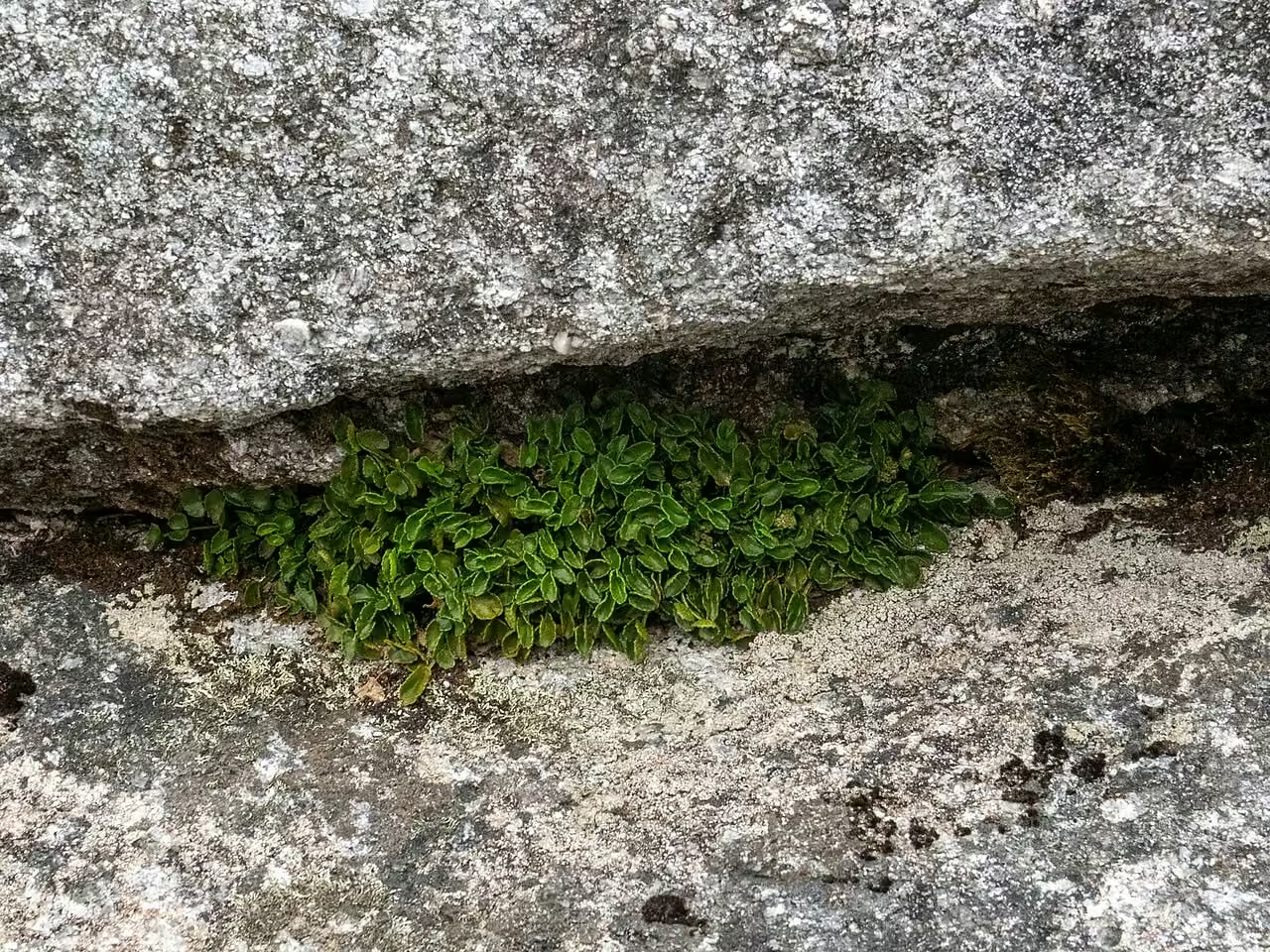
Stewart Island aniseed (Gingidia flabellata) is a small, stout perennial herb in the carrot family (Apiaceae) found only on Stewart Island/Rakiura. Its fleshy, once-pinnate leaves are only about 4.5 to 5.5 cm long and carry one to four pairs of fan-shaped to kidney-shaped leaflets, the feature that gives it the name flabellata, meaning fan shaped. It grows almost entirely on the coast, usually on south-facing rocks, cliffs and peaty ledges drenched by salt spray, mainly in the south-west of the island. Clusters of tiny white flowers appear in early summer, followed by orange-yellow fruit. It is ranked At Risk - Naturally Uncommon because of its very small range. Explore more native flowering plants in our native plant guide.
Plant Description
Gingidia flabellata is a stout, hairless herb that forms a small tuft of fleshy leaves from a thick root. The leaf bases are sometimes wrapped in the remains of old dead leaves, and the plant does not spread by rhizomes. Each leaf is once-pinnate and short, about 45 to 55 mm long, with one to four pairs of leaflets that are fan-shaped (flabellate) to kidney-shaped (reniform) and toothed along the outer edge.
Small white flowers are carried in compound umbels from November to January. The fruit splits into two mericarps about 2.5 mm long that are orange-yellow with red-brown oil canals (vittae), ripening from December to May.
Its nearest relative is Gingidia enysii of South Island mountains. Stewart Island aniseed is told apart by its green leaves without a glaucous bloom and by the wider teeth on its leaflets, and of course by its coastal Rakiura habitat.
Quick Facts
| Scientific Name | Gingidia flabellata |
|---|---|
| Height | Low herb; leaves about 5 cm long, flower stems taller |
| Spread | Small clump, single rosette or a few crowns |
| Water Needs | Moist; grows in a wet, cool maritime climate |
| Light | Full sun to light shade on open rock faces |
| Frost Tolerance | Moderate; mild but cold southern coastal climate |
| Salt Tolerance | High; grows in salt-spray zones |
| Growth Rate | Slow to moderate |
| Lifespan | Perennial |
Climate Best Suited to
A cool, wet, windy oceanic climate with frequent salt spray and few hot days, as found on the south and west coasts of Rakiura.
Regional Suitability
| City | Climate Suitability |
|---|---|
| Auckland | Low |
| Wellington | Medium |
| Christchurch | Low |
| Dunedin | Medium |
Plant Habitat
This species is endemic to Stewart Island/Rakiura and is localised, being found mainly in the south-west of the island. It is almost exclusively coastal, usually on south-facing sites that take the full force of salt spray.
Typical sites are crevices among coastal rocks, cliff faces and thin peat over rock ledges. It has rarely been found inland on bare granitic rock, where the open, exposed conditions resemble its coastal haunts.
Growing Requirements
Soil Requirements
In the wild it roots into thin peat and rock crevices, so in cultivation it needs a gritty, free-draining but moisture-retentive mix.
- Peaty, gritty potting mix or rock-garden soil
- Sharp drainage around the crown to avoid rot
- Low to moderate fertility is adequate
Light Requirements
Its natural sites are open cliffs and rocks with little overhead cover, often on cooler south-facing aspects.
- Full sun in cool districts
- Light afternoon shade in warmer northern gardens
Water Requirements
Rakiura has frequent rain and mist, so the plant should never dry out completely, though it must not sit in stagnant water.
- Keep evenly moist through summer
- Reduce watering in winter if growing in a pot
Planting and Establishing
Grow it in a rock garden, crevice bed, trough or pot where its small fleshy leaves can be seen up close. A south-facing rock face or the cool side of a stone wall approximates its wild sites, especially in Southland, Otago and Wellington coastal gardens.
Plant at the same depth it was growing in its container, firm a layer of grit around the crown and water in well. Space plants about 20 cm apart if planting a small group.
Ecological Role
Like other Gingidia, it has compound umbels of small open flowers that are accessible to a wide range of small insects such as flies and native bees. Specific pollinator studies for this species have not been published.
As a plant of exposed coastal rock it contributes to the specialised salt-spray flora of Rakiura's coast, a community that also supports coastal herbs, sedges and turf plants. Its fruits have no obvious specialised dispersal mechanism and probably fall close to the parent.
Uses & Significance
Garden Uses
A collector's plant for coastal rock gardens and containers in cool southern districts.
- Crevice and trough gardens
- Coastal rockeries exposed to sea spray
- Botanic and conservation collections of Rakiura plants
Ecological Value
Its value lies in being one of the small group of plants endemic to Rakiura and in contributing to coastal cliff vegetation there.
- Endemic to Stewart Island/Rakiura
- Nectar and pollen for small coastal insects
- Part of the salt-spray rock flora of the south-west coast
Landscaping Uses
Use it as a detail plant: a single clump tucked between rocks near a path edge shows off the unusual fan-shaped leaflets. It suits coastal gardens where other plants struggle with spray, provided the site is cool and moist.
Pair it with other low coastal natives such as Leptinella, coastal Acaena or small sedges in a gravel or rock garden setting.
Seasonal Care Calendar
Spring
New fleshy leaves expand from the crown and flowering stems begin to rise.
- Top-dress with grit
- Check for slugs on new leaves
Summer
Flowering runs from November to January, with fruits forming from December.
- Keep evenly moist
- Collect seed from cultivated plants as it ripens
Autumn
Fruits continue to ripen as late as May, and the foliage remains on the plant.
- Sow fresh seed promptly
- Remove spent flower stems if untidy
Winter
Growth slows but the plant remains evergreen in mild coastal conditions.
- Avoid waterlogging in pots
- Protect from prolonged hard frost in inland gardens
When to Prune and How Much
No pruning is needed. Remove old flower stems once seed has been collected or dropped, and tidy dead leaves at the base if they hold moisture against the crown.
Avoid cutting into the crown, as the plant grows from a single thick root and is not easily divided.
How to Grow Stewart Island Aniseed
Stewart Island aniseed is propagated from seed. NZPCN describes it as easily grown from fresh seed, but it is not often cultivated, so finding plants or seed can be difficult. Because the plant has a thick root and does not form rhizomes, division is not a practical method. Never collect seed or plants from the wild on Rakiura without permission, as much of the island is within Rakiura National Park and the species is ranked Naturally Uncommon.
From Seed
Fresh seed gives the best result. The orange-yellow mericarps ripen between December and May and should be sown as soon as they are collected, because seed of many carrot-family natives loses viability quickly when dried and stored.
Seedlings develop a taproot early, so transplant them while small to avoid damaging the root.
- Collect fully ripe fruits from a cultivated plant when they turn orange-yellow and come away easily.
- Sow on the surface of a free-draining seed mix of peat or fine bark and grit, covering lightly with fine grit.
- Keep the tray in a cool, bright, sheltered place and keep it evenly moist.
- Expect germination over several weeks to months; do not discard the tray too early.
- Prick out seedlings into deep individual pots once they have two or three true leaves.
- Grow on in a gritty mix and plant out once a firm crown and root have formed.
Pests & Diseases
Slugs and snails can damage new leaves and young seedlings, particularly in damp shady gardens. Like other Apiaceae, it may be attacked by aphids on soft growth.
The biggest risk in cultivation is crown and root rot in poorly drained, warm or humid conditions. In the wild, the species is not known to face any significant pest threat, and its restricted range rather than active decline drives its ranking.
Cultural Significance
No Māori name or traditional use specific to Gingidia flabellata is recorded in the sources consulted. The species was first described by Thomas Kirk in 1899 and has since been placed in Ligusticum, Anisotome and Aciphylla before John Dawson established Gingidia in 1974.
The genus name Gingidia comes from an ancient name for a Syrian carrot, reflecting the family it belongs to.
Bonus Tip
If you grow it in a pot in a warm northern garden, sink the pot into a tray of damp gravel in a shaded but open spot. This keeps the roots cool and moist while the foliage stays dry, which is closer to the misty, wind-swept rock ledges of south-west Rakiura than a sunny patio.
Related Plants
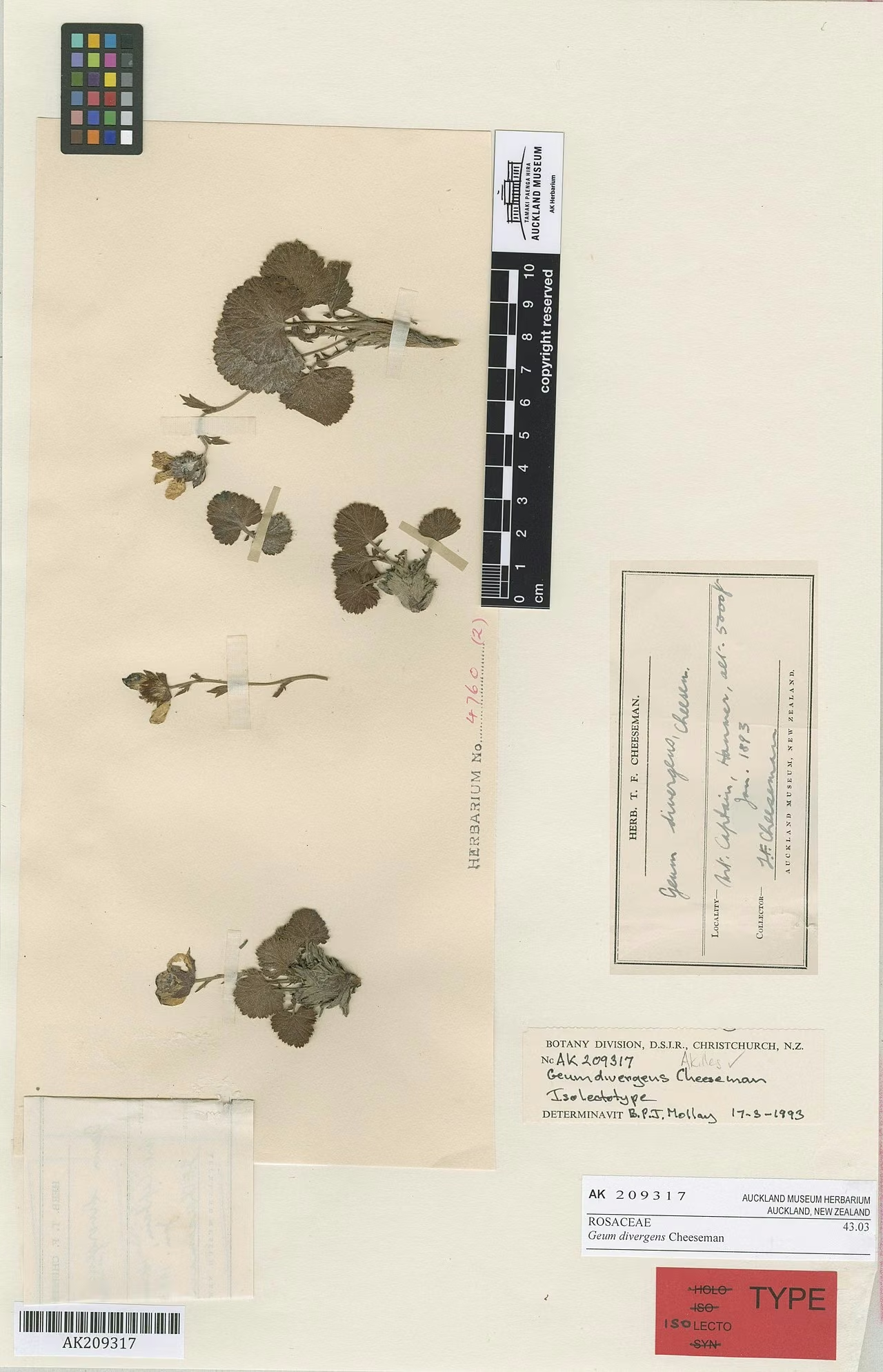
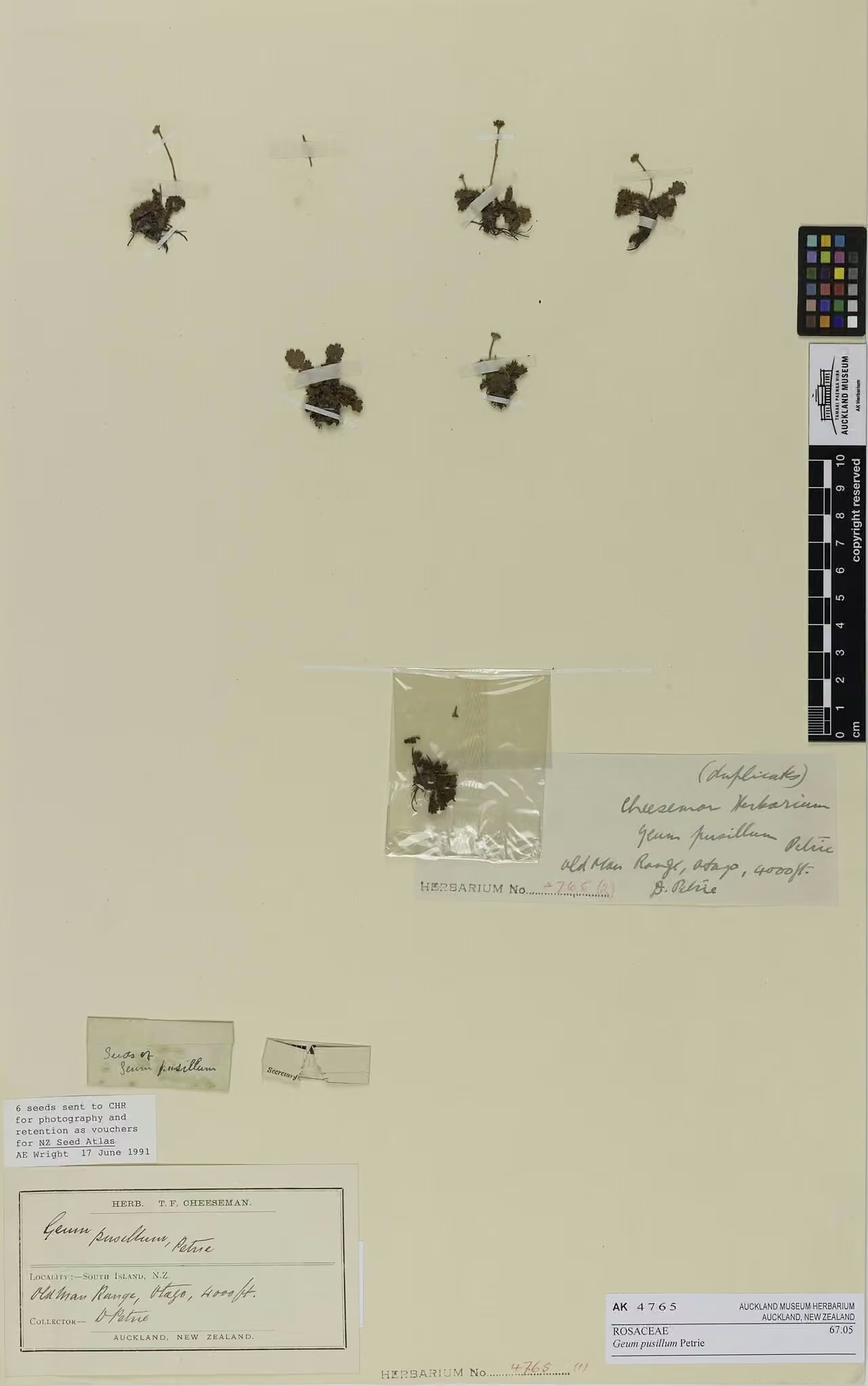
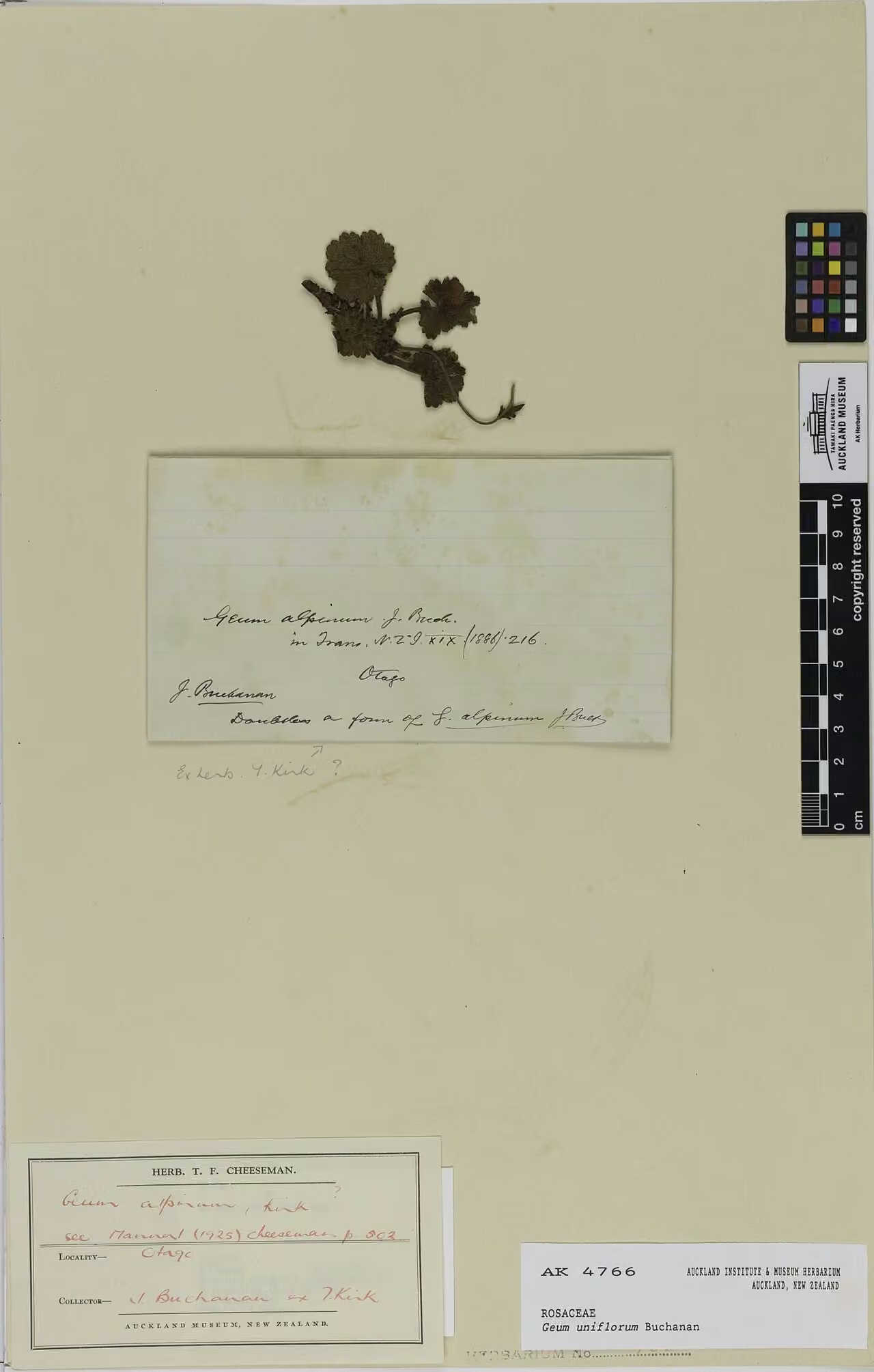
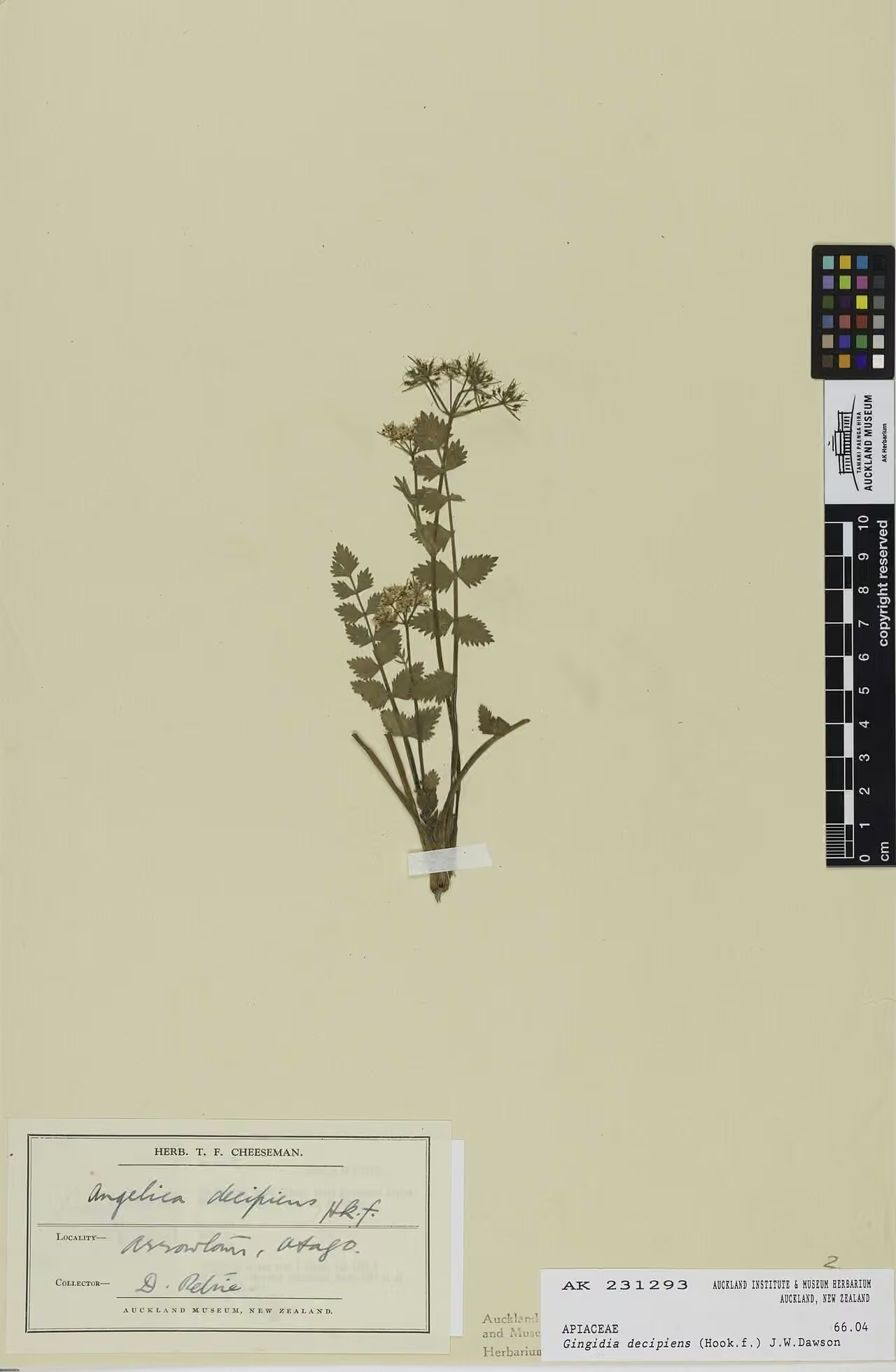
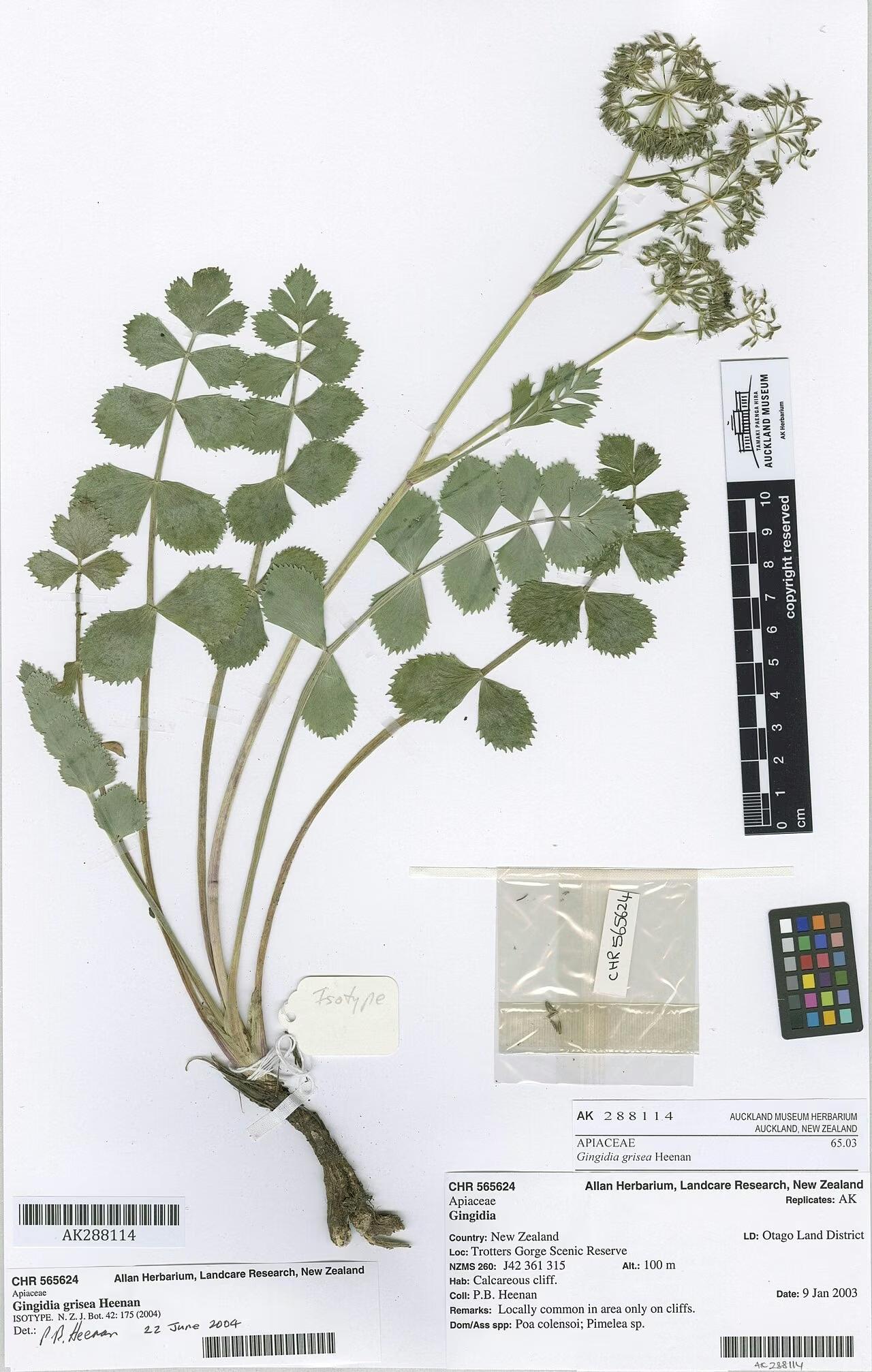
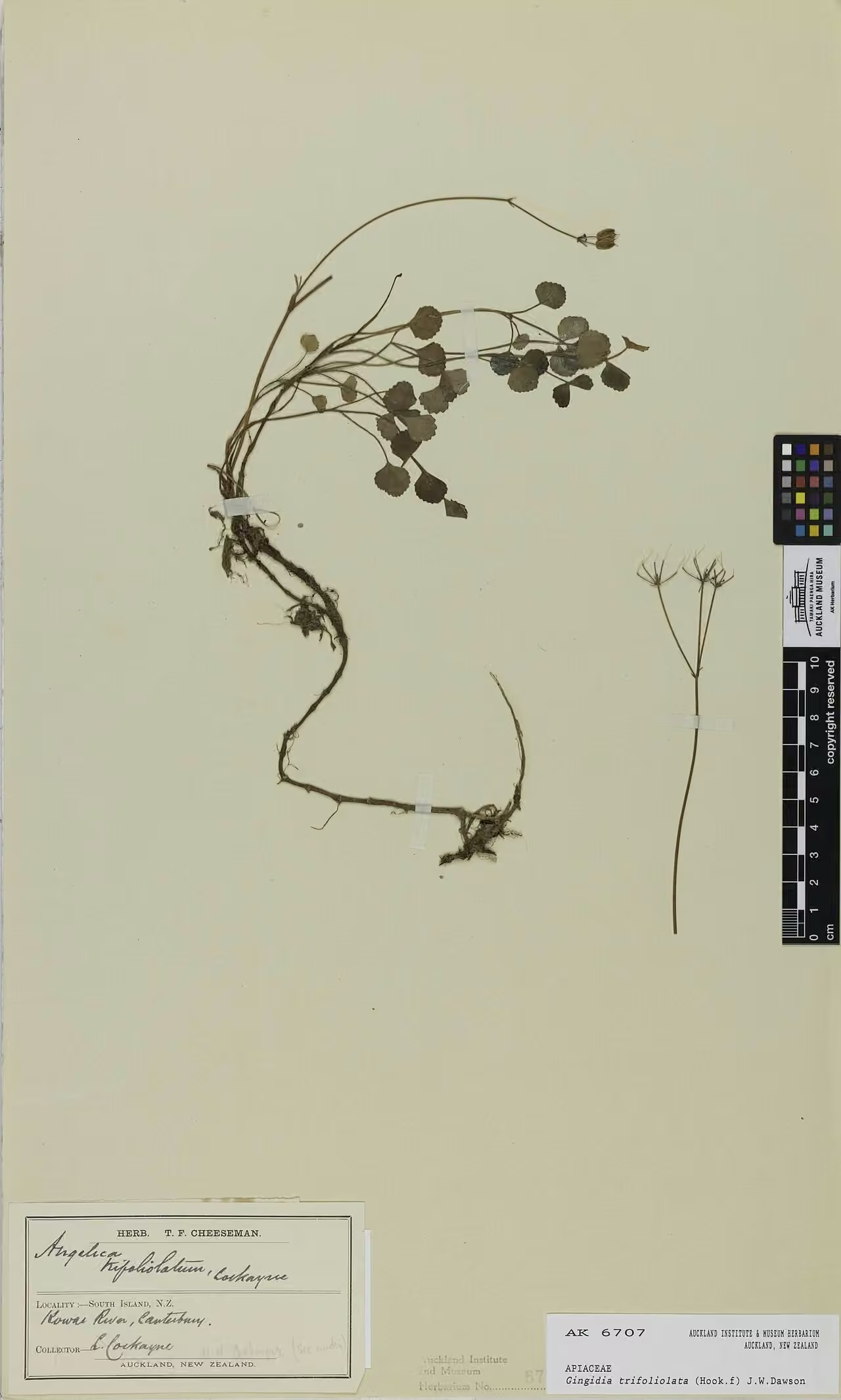
Explore other native plants that share similar characteristics or habitats with Stewart Island Aniseed (Gingidia flabellata), offering further insights into New Zealand's diverse flora. These related species provide context and opportunities for complementary planting in your garden.
Plant Conservation
Gingidia flabellata is ranked At Risk - Naturally Uncommon (2023) with the qualifiers DPS (data poor: size), DPT (data poor: trend) and RR (range restricted). Its rarity reflects its natural confinement to the coast of one island rather than known decline.
Protecting coastal habitat within Rakiura National Park and keeping weeds and browsing animals out of coastal cliff communities help safeguard it. More survey work would improve knowledge of population size and trends.
Frequently Asked Questions
Where does Stewart Island aniseed grow?
Only on Stewart Island/Rakiura, almost always on the coast among rocks, on cliff faces and on peat over rock ledges exposed to salt spray, with rare inland sites on bare granite.
Why is it called aniseed?
Gingidia species are known in New Zealand as native aniseeds because the foliage of many members of the genus smells of aniseed when crushed, a trait shared with many carrot-family plants.
How do you tell Gingidia flabellata from Gingidia enysii?
NZPCN notes that G. flabellata lacks the glaucous waxy bloom on the leaves seen in G. enysii and has wider teeth on its fan-shaped leaflets.
Can Stewart Island aniseed be grown from seed?
Yes. NZPCN says it is easily grown from fresh seed, although it is rarely cultivated and seed should only be taken from cultivated stock or with permission.
Sources and Further Reading
The botanical, growing, and conservation details for Stewart Island Aniseed (Gingidia flabellata) on this page draw on the New Zealand plant references below. Consult them for full technical records and the latest distribution data.