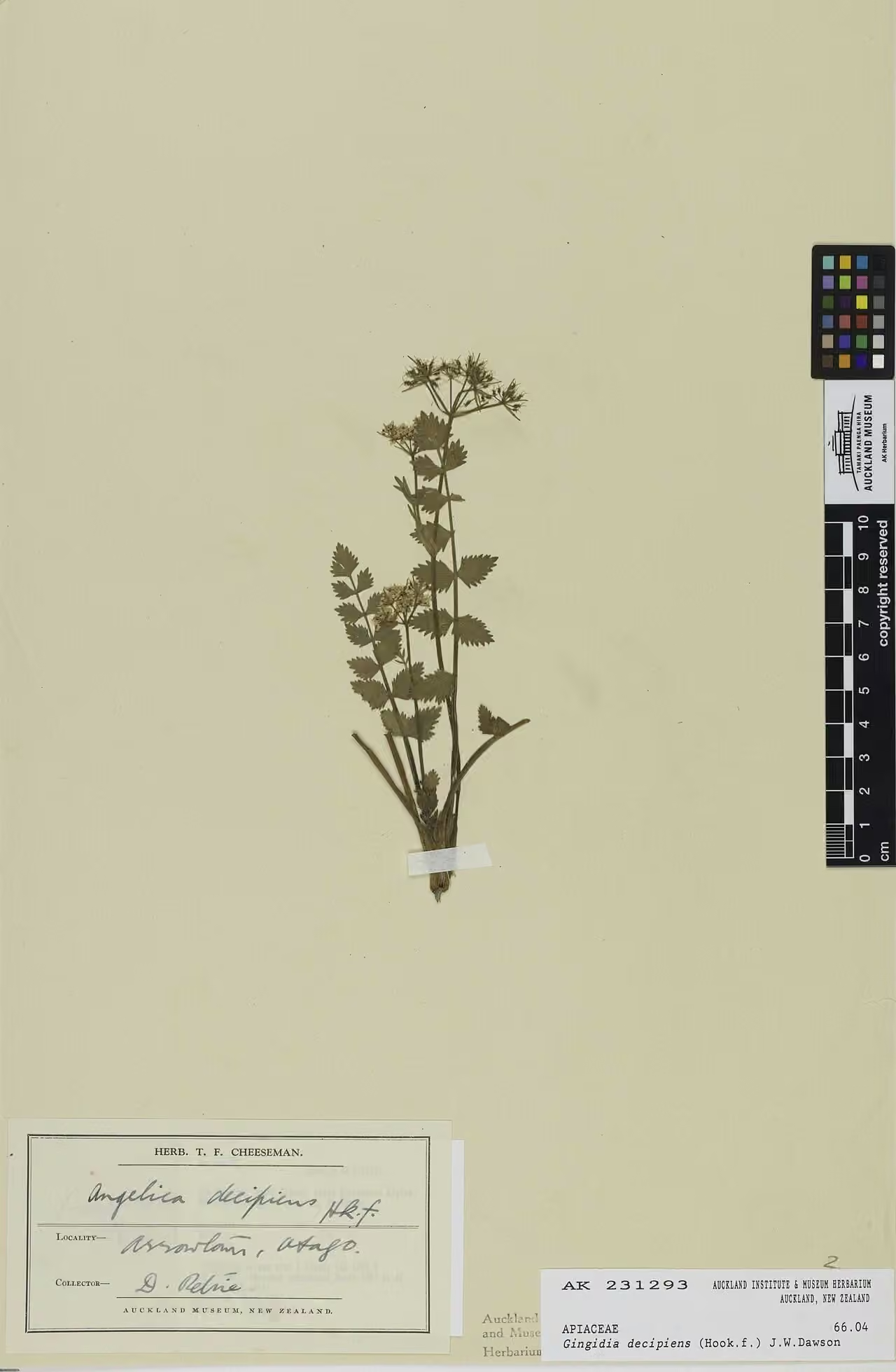
Native Aniseed
Gingidia decipiens
Last updated:
Gingidia decipiens is an endemic perennial herb in the carrot family that forms compact tufts up to about 20 cm wide, with once-pinnate, slightly fleshy leaves that smell strongly of aniseed when crushed. Flowers are borne in compound umbels on stems 8 to 20 cm long from October to April. It grows in subalpine to alpine herbfield up to 1600 m, wedged into rock crevices, ledges, talus and debris slides, usually on limestone, marble, granite or base-rich greywacke, mainly in the west of the South Island from Nelson to Fiordland. It is ranked Not Threatened and NZPCN describes it as an excellent, attractive rockery plant. Explore more native flowering plants in our native plant guide.
Plant Description
Gingidia decipiens is a stout, yellow-green to dark green or slightly bluish-grey perennial growing from compact, non-rhizomatous tufts up to 200 mm wide, often wrapped at the base in the remains of dead leaves. The leaves are once-pinnate, rarely twice-pinnate, somewhat fleshy and 4 to 12 cm long, occasionally to 18 cm. Each has 5 to 10 pairs of leaflets 4 to 24 mm long and 3 to 16 mm wide, which are usually themselves lobed or divided into one or two pairs of segments, sometimes with a glaucous bloom.
The inflorescences are 8 to 20 cm long, with 1 to 3 compound umbels each made up of 5 to 10 simple umbels of 8 to 15 small flowers. NZPCN lists the flower colours as brown and yellow. The fruit splits into dark mericarps about 3 to 6 mm long whose ribs are drawn out into wings, helping wind dispersal.
NZPCN separates it from other Gingidia species by its usually green to yellow-green rather than glaucous leaflets, which are under 15 mm long. It differs from Anisotome in having leaflet teeth without hair-like or bristly tips, and in the obvious aniseed smell of the crushed leaves.
Quick Facts
| Scientific Name | Gingidia decipiens |
|---|---|
| Height | Flowering stems 0.08 to 0.2 m |
| Spread | Compact tufts up to 0.2 m wide |
| Water Needs | Moderate; moist but free-draining |
| Light | Full sun to light shade |
| Frost Tolerance | High; subalpine to alpine |
| Salt Tolerance | Low; a mountain plant |
| Growth Rate | Moderate |
| Lifespan | Perennial |
Climate Best Suited to
Suits cool, wet western South Island mountain climates, but adapts to cool lowland gardens with good drainage and moisture.
Regional Suitability
| City | Climate Suitability |
|---|---|
| Auckland | Low |
| Wellington | Medium |
| Christchurch | Medium |
| Dunedin | High |
Plant Habitat
Gingidia decipiens is endemic to the South Island, ranging mainly through the western mountains from Nelson to Fiordland.
It grows in subalpine to alpine herbfield up to 1600 m above sea level, typically as a rock plant in crevices and on ledges, and within talus slopes and debris slides. It favours limestone, marble, granite or base-rich greywacke.
Growing Requirements
Soil Requirements
In the wild it roots into rock crevices and talus, often on lime-rich limestone and marble.
- Free-draining but moist, gritty soil
- Benefits from regular applications of lime (NZPCN)
- Limestone chips or crushed shell make a good top-dressing
Light Requirements
It grows on open rock faces and ledges in herbfield.
- Full sun in cool districts
- Light shade in warm, dry gardens
Water Requirements
Its western mountain habitat is wet, but the rocky sites drain freely.
- Keep evenly moist in the growing season
- Never leave standing in water
Planting and Establishing
Plant in a rockery crevice, scree bed or pot with a gritty, free-draining but moisture-retentive mix. NZPCN recommends it as an excellent and attractive rockery plant, ideal in a pot.
Add lime to the planting mix, or plant among limestone rocks, and top up with lime regularly as NZPCN advises.
Ecological Role
Its winged mericarps are dispersed by wind, which carries seed across scree and between rock ledges. The small flowers in open umbels are typical of the carrot family, which are generally visited by a range of flies and other small insects, though specific pollinators of this species have not been documented.
It is a characteristic plant of rock crevice and talus communities on base-rich rocks in western South Island mountains, colonising unstable debris slides as well as stable ledges.
Uses & Significance
Garden Uses
A neat, aromatic native for rock gardens and containers.
- Rockeries and crevice gardens
- Pots and troughs
- Limestone or lime-amended scree beds
Ecological Value
It is part of the distinctive flora of limestone, marble and granite outcrops in the western South Island mountains.
- Long flowering season provides food for small insects
- Contributes to rock crevice and talus plant communities
- Endemic member of the native carrot family
Landscaping Uses
Use it in a crevice garden or among limestone rocks, where the finely divided, bright green foliage forms a tidy tuft and the umbels rise above it through spring, summer and autumn.
It combines well with other lime-tolerant alpine natives and looks effective in a trough with small hebes and cushion plants.
Seasonal Care Calendar
Spring
New leaves emerge and flowering can start in October.
- Apply lime
- Top-dress with grit
Summer
Flowering continues and winged fruit develops from November.
- Keep moist
- Collect ripening fruit
Autumn
Late flowers persist into April and fruit continues to ripen until June.
- Sow fresh seed
- Remove spent umbels
Winter
Growth slows and dead leaf bases accumulate around the tuft.
- Avoid winter waterlogging
- Leave old leaf bases to protect the crown
When to Prune and How Much
Remove spent flowering stems after seed has been collected, and pull away fully dead leaves.
No other pruning is needed; the plant keeps a compact tuft naturally.
How to Grow Native Aniseed
NZPCN states that Gingidia decipiens is easily grown from fresh seed, and seed is the standard method for this non-rhizomatous, tufted plant. Fruit ripens over a long period from November to June, so there are many opportunities to collect it. The winged mericarps are shed and blown away once dry, so collect them as they darken and loosen from the umbel.
From Seed
Sow seed as soon as it is collected, as NZPCN recommends fresh seed. Use a gritty seed mix with a little lime added to reflect its preference for base-rich rock. Keep pots cool and moist. Seed of many mountain umbellifers germinates after a period of winter cold, so pots that do not germinate in autumn should be kept through to spring. Because the plant forms a single tuft without rhizomes, division is not a practical option, which makes regular seed sowing the way to keep it in a collection. Seedlings should be moved into deep pots early so the main root is not cramped.
- Collect dark, ripe mericarps from the umbels
- Sow fresh on a gritty seed mix with added lime
- Cover lightly with fine grit
- Keep pots outdoors in a cool, sheltered place
- Prick out seedlings into deep individual pots
- Plant out or pot on once a good tuft has formed
From Self-Sown Seedlings
In a garden, seedlings sometimes appear around established plants, particularly in gravel. Lift them while young, before the root goes deep, and pot them on.
- Lift small seedlings with plenty of soil
- Pot into gritty, limed mix
- Keep shaded and moist until established
Pests & Diseases
No specific pests are recorded. Slugs and snails can damage young plants, and the crown may rot in poorly drained, acidic or waterlogged mix.
In the wild, browsing animals such as deer, goats and chamois graze many mountain umbellifers, though no threat to this species has been documented.
Cultural Significance
No Māori name or traditional Māori use specific to Gingidia decipiens was found in the sources consulted.
Joseph Hooker described it in 1864 as Angelica decipiens, and it was later moved through several genera before John Dawson placed it in Gingidia. The epithet decipiens means deceptive, and NZPCN explains the genus name as referring to a Syrian carrot.
Bonus Tip
If your Gingidia decipiens looks pale or sulks in an ordinary potting mix, add lime. NZPCN specifically notes that it benefits from regular applications of lime, reflecting its natural home on limestone and marble.
Related Plants
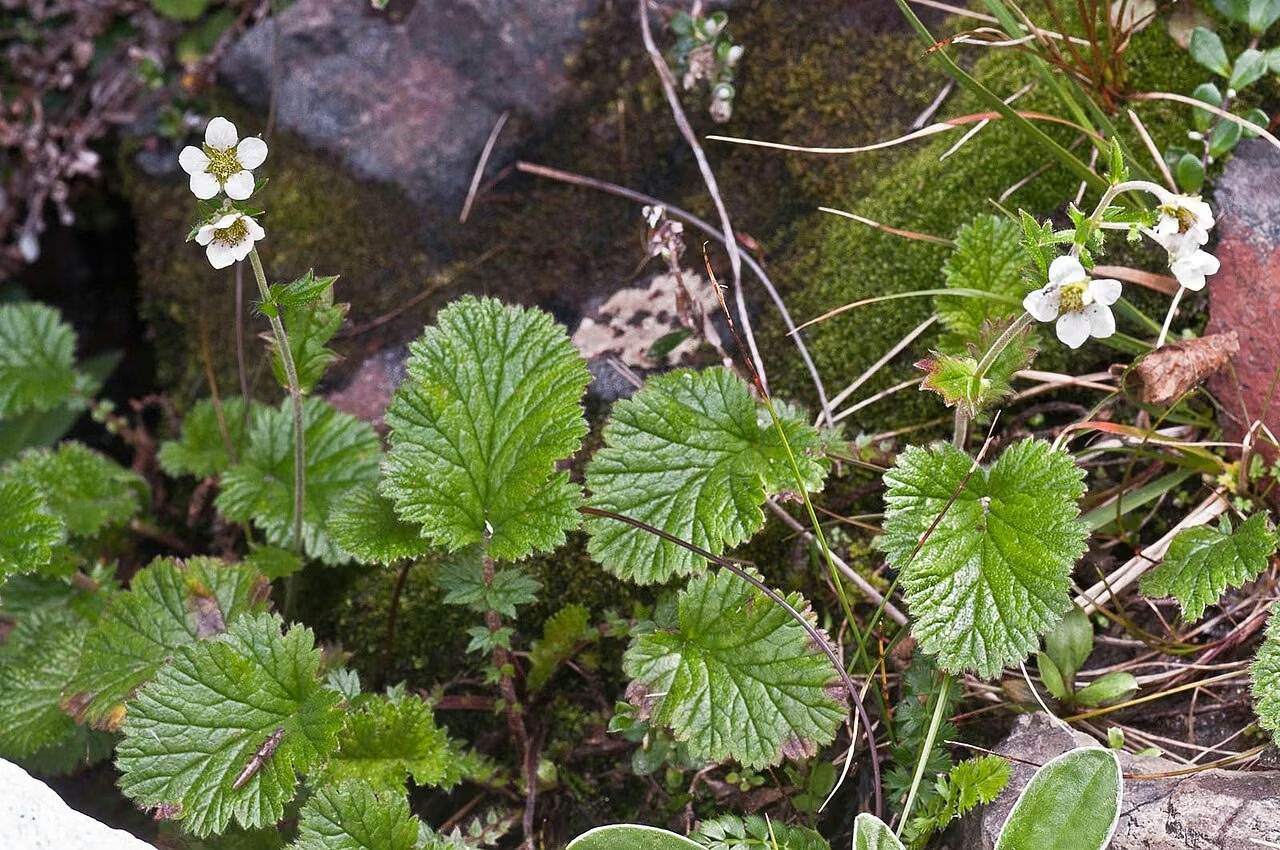
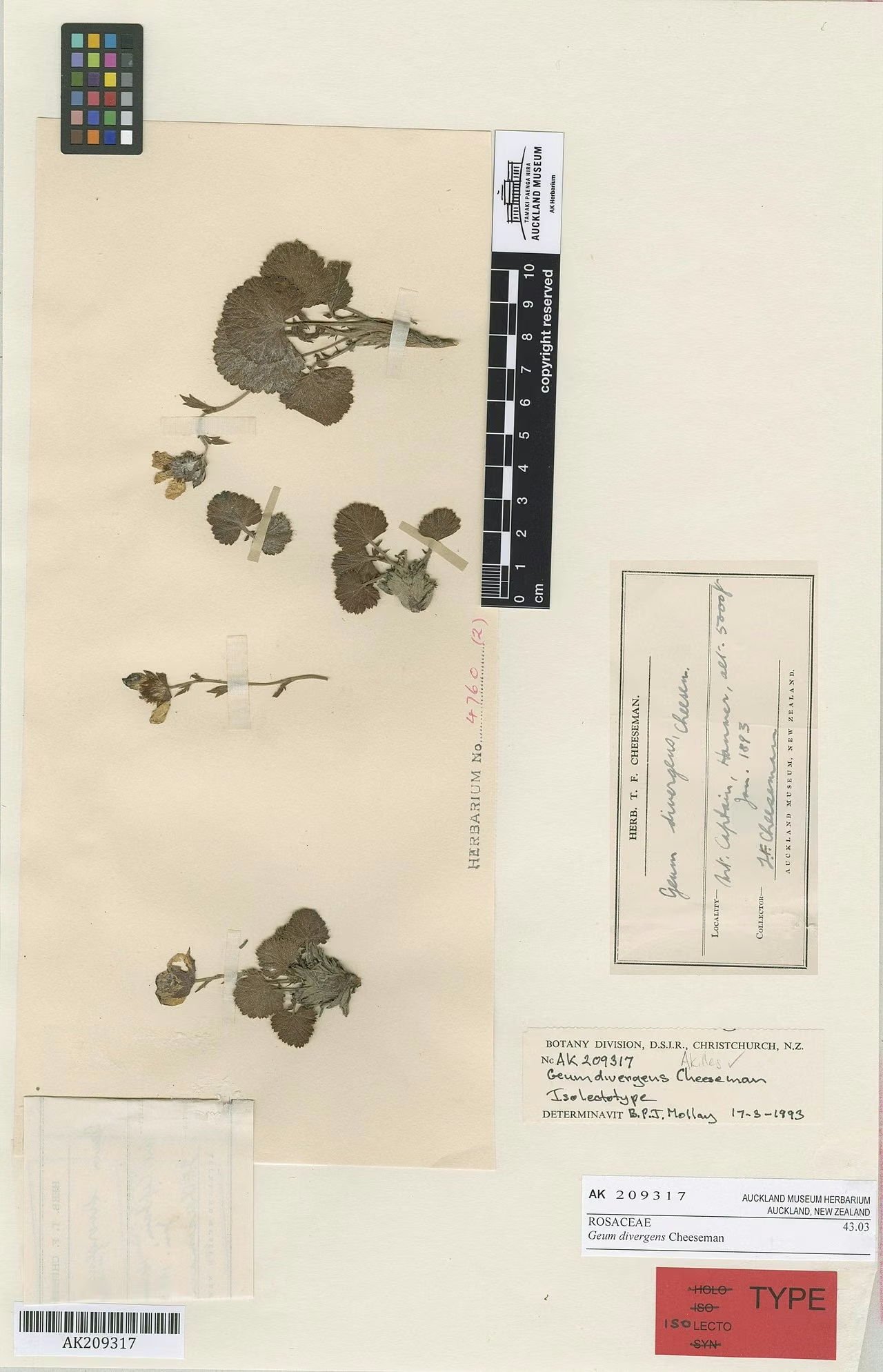
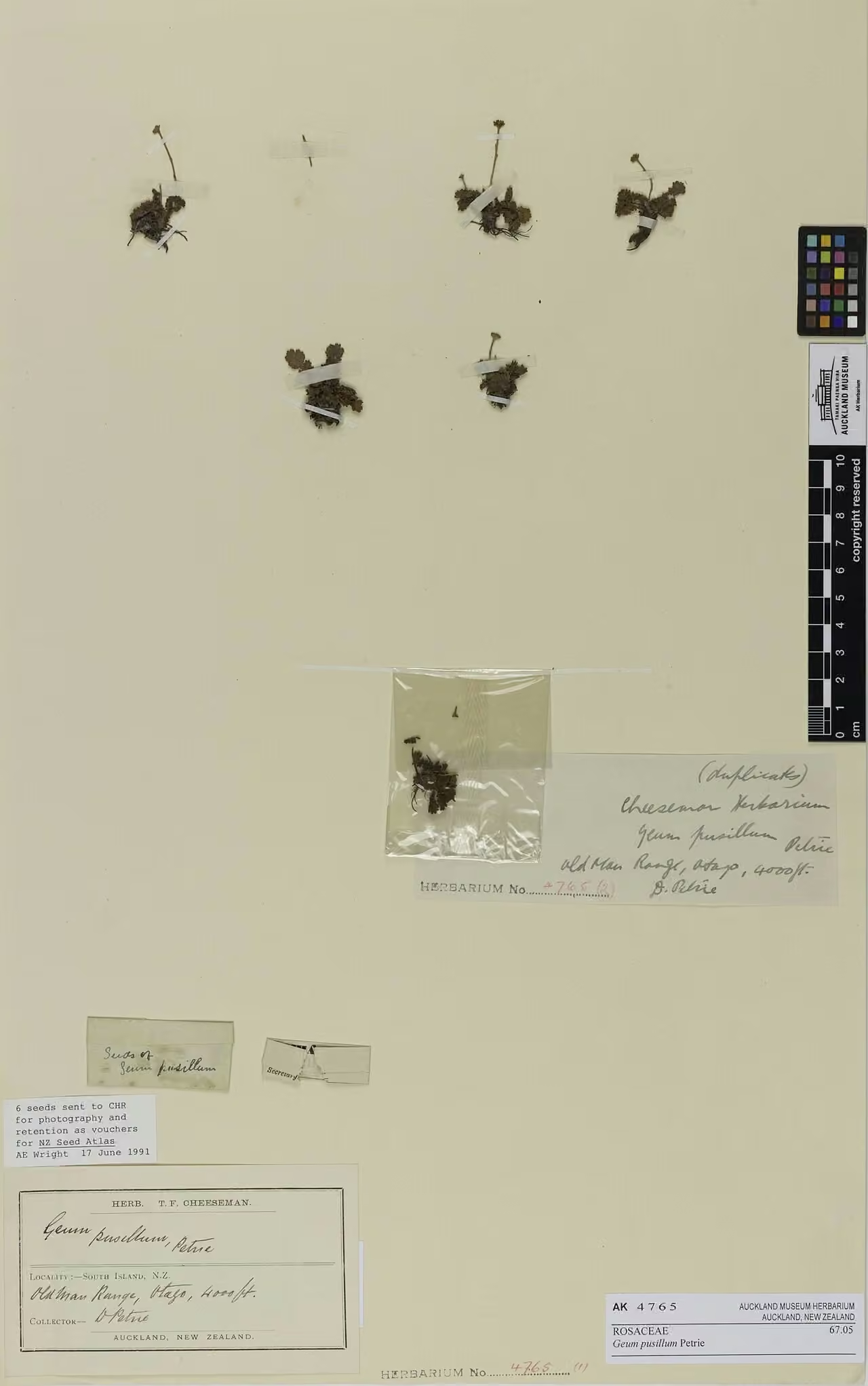
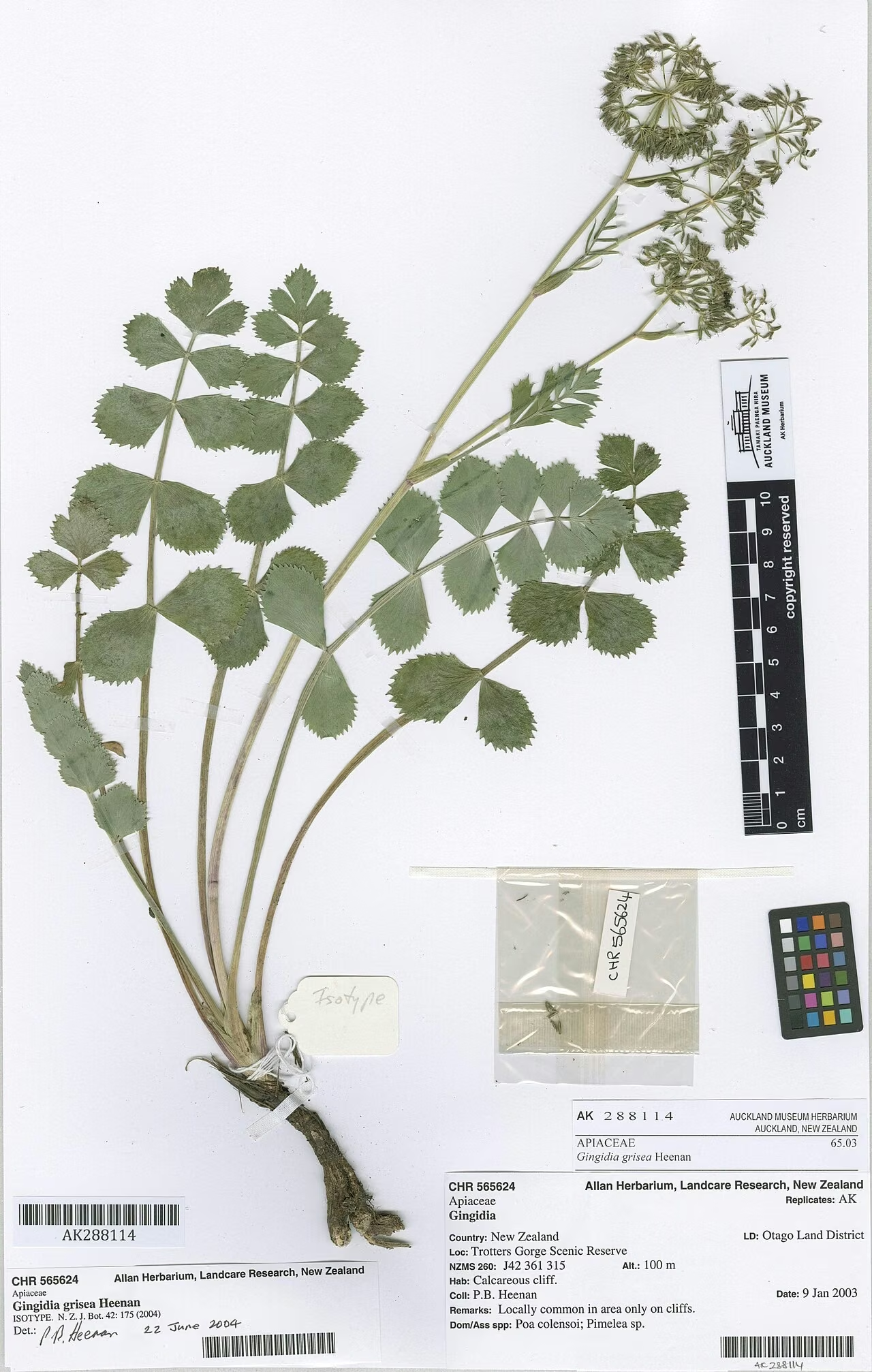
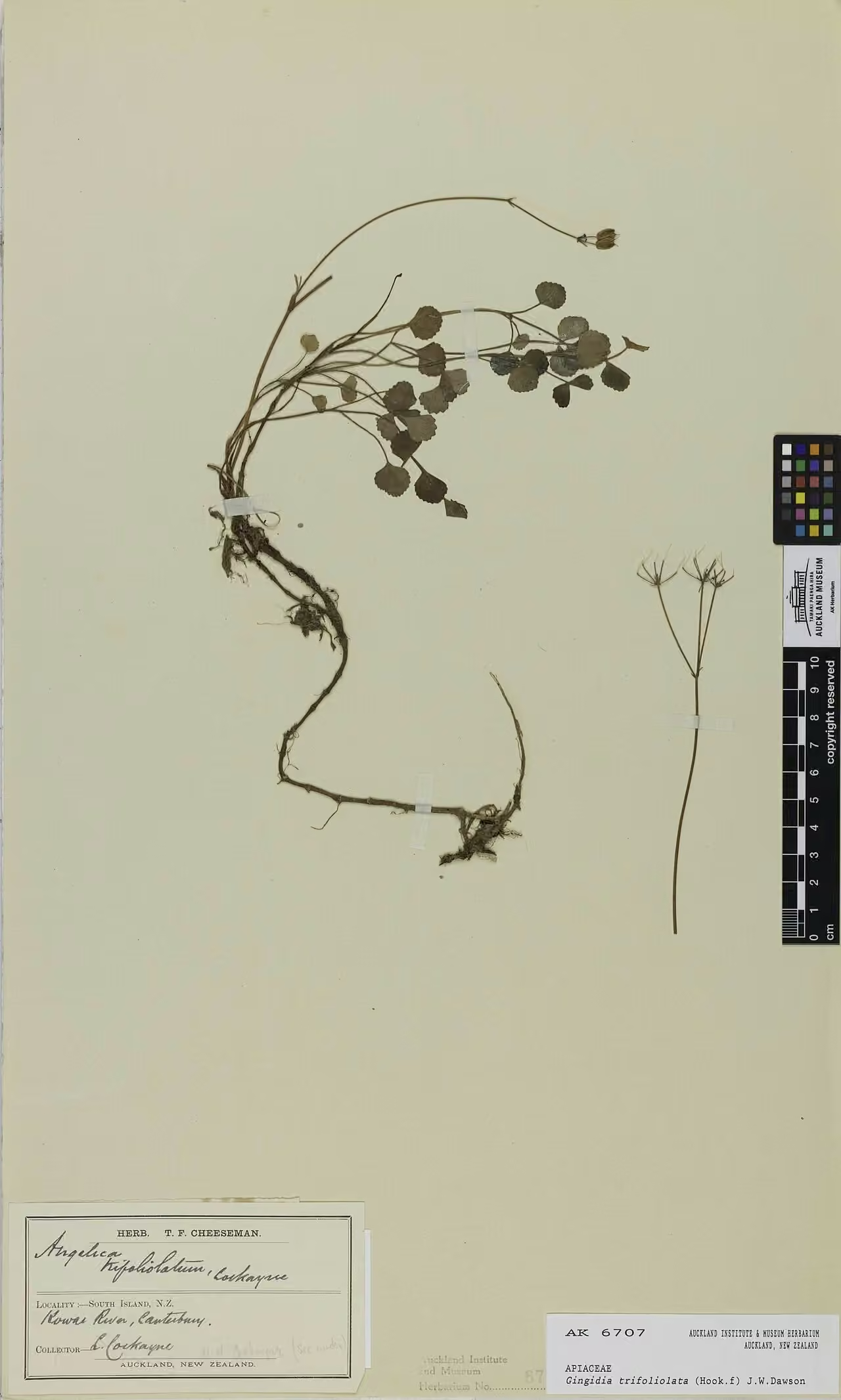
Explore other native plants that share similar characteristics or habitats with Native Aniseed (Gingidia decipiens), offering further insights into New Zealand's diverse flora. These related species provide context and opportunities for complementary planting in your garden.
Plant Conservation
Gingidia decipiens is ranked Not Threatened (2023). It is widespread in the western South Island mountains and many of its rocky alpine sites are within national parks and conservation land.
Controlling browsing animals and weeds in alpine areas helps protect it along with the many other rock plants that share its habitat.
Frequently Asked Questions
Does Gingidia decipiens smell of aniseed?
Yes. NZPCN notes the obvious aniseed smell of the crushed leaves, which helps separate Gingidia from the related genus Anisotome.
Where does Gingidia decipiens grow?
It is endemic to the South Island, mainly in the west from Nelson to Fiordland, in subalpine to alpine rock crevices, ledges and talus slopes up to 1600 m, often on limestone or marble.
How do you grow Gingidia decipiens?
NZPCN says it is easily grown from fresh seed and suits a rockery or pot, preferring free-draining moist soil and benefiting from regular applications of lime.
Sources and Further Reading
The botanical, growing, and conservation details for Native Aniseed (Gingidia decipiens) on this page draw on the New Zealand plant references below. Consult them for full technical records and the latest distribution data.